• Skip to primary navigation
  • Skip to main content
  • Skip to primary sidebar
  • Skip to footer

Petsium - Veštačka Inteligencija | AI

Vestacka Inteligencija Aplikacija i Chat

  • Vestacka Inteligencija
  • Kontakt
  • Uslovi Koriscenja

Birds

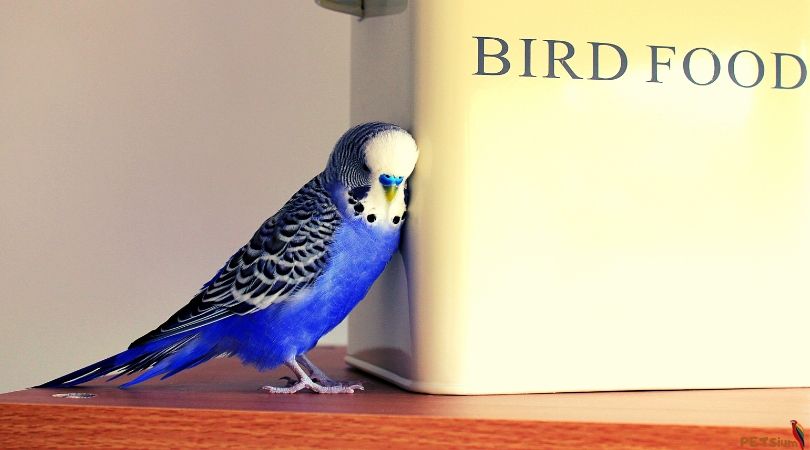
Parakeet Names: 335 Cute Names For Parakeets

децембар 22, 2024 By liv parmel

Parakeet Names

Are you searching for parakeet names? If so, search no more. We made a list of best bird names for boy and girl parakeets. These parakeet names are playful, colorful, beautiful and unique names that will suit your new parakeet perfectly.

Without further ado here are the most unique parakeet names with their meanings and origin to get you inspired.

Female Parakeet Names

Over 30 girl parakeet names that are beautiful and cute as your little sweet parakeet girl.

1. Gijs

Meaning: Bright

Origin: English

2. Talori

Meaning: Morning’s dew

Origin: Hebrew

3. Cherry

Meaning: The fruit-bearing cherry tree.

Origin: English

4. Arabella

Meaning: Eagle heroine

Origin: German

5. Cathleen

Meaning: Form of the Greek Catherine meaning pure

Origin: Irish

6. Jodee

Meaning: Feminine of nickname for Joseph and Jude.

Origin: English

7. Eloisa

Meaning: Famous in war

Origin: French

8. Brid

Meaning: Strong

Origin: Celtic

9. Paige

Meaning: Attendant

Origin: French

10. Sarita

Meaning: Princess

Origin: Spanish

11. Juanita

Meaning: God’s gift

Origin: Spanish

12. Lynn

Meaning: Waterfall

Origin: English

13. Nimue

Meaning: The Lady of the Lake

Origin: Arthurian Legend

14. Frederica

Meaning: Peaceful ruler. Feminine of Frederick.

Origin: German

15. Erna

Meaning: Eagle

Origin: English

16. Loriana

Meaning: Modern variant of Lora and Laurie referring to the laurel tree or sweet bay tree symbolic of honor and victory.

Origin: English

17. Ameenah

Meaning: Trustworthy.

Origin: Arabic

18. Flo

Meaning: Arrow

Origin: Native American

19. Mor

Meaning: Great

Origin: Irish

20. Elsbeth

Meaning: Variant of Elisabeth.

Origin: Scottish

21. Linden

Meaning: The linden tree.

Origin: English

22. Tallis

Meaning: Woodland

Origin: French

23. Lucrecia

Meaning: Brings light

Origin: Spanish

24. Lacee

Meaning: Derived from Lacey which is a French Nobleman’s surname brought to British Isles after Norman conquest.

Origin: French

25. Jeannine

Meaning: Diminutive form of Jane or Jeanne.

Origin: French

26. Isold

Meaning: Rule of ice

Origin: German

27. Averill

Meaning: Opening buds of spring: born in April.

Origin: English

28. Magda

Meaning: Maiden: Abbreviation of Magdalena. Reference to Biblical Mary Magdalene.

Origin: German

29. Dominica

Meaning: Name of a saint

Origin: Irish

30. Adelita

Meaning: Sweet or noble

Origin: German

31. Chariste

Meaning: Beloved One

Origin: Gaelic

32. Sukriti

Meaning: Good creation

Origin: Indian

33. Jinny

Meaning: Variation of Jenny which is a diminutive of Jane and Jennifer.

Origin: English

34. Leilana

Meaning: Heavenly child

Origin: Hawaiian

35. Alannah

Meaning: Dear child

Origin: Irish

36. Celesta

Meaning: Heavenly

Origin: Spanish

Male Parakeet Names

Males are a bit noisier when it comes to parakeets and so are these boy parakeet names. 30 + names for male parakeets with meanings and origin.

1. Guido

Meaning: Guide

Origin: Spanish

2. Kukuq

Meaning: Animal (Child’s Word)

Origin: Alaskan, Eskimo

3. Colyer

Meaning: Charcoal merchant

Origin: English

4. Trenton

Meaning: Refers to the English river Trent. Surname.

Origin: English

5. Galtero

Meaning: Spanish form of Walter strong warrior

Origin: Spanish

6. Avisha

Meaning: Gift from God

Origin: Hebrew

7. Ramsay

Meaning: From Ram’s island

Origin: English

8. Enando

Meaning: Bold venture

Origin: German

9. Hubert

Meaning: Bright: intelligent.

Origin: German

10. Neal

Meaning: Champion Form of Neil.

Origin: English

11. Galtero

Meaning: Spanish form of Walter strong warrior

Origin: Spanish

12. Steiner

Meaning: Stone.

Origin: German

13. Glenn

Meaning: From the valley

Origin: Celtic

14. Thieny

Meaning: Rule of the people

Origin: French

15. Zedekiah

Meaning: God’s justice

Origin: Hebrew

16. Manuelo

Meaning: A form of Emmanuel God is with us

Origin: Spanish

17. Coyle

Meaning: Leader in battle.

Origin: Irish

18. Stanwik

Meaning: From the stony village

Origin: English

19. Bradon

Meaning: Broad hillside.

Origin: Irish

20. Derrold

Meaning: Blend of Daryl and Harold or Gerald.

Origin: English

21. Gordon

Meaning: From the three cornered hill or From the marshes. One of Scotland’s great clans. Surname.

Origin: English

22. Vick

Meaning: From the village

Origin: French

23. Chadwik

Meaning: From the warrior’s town

Origin: English

24. Ormeman

Meaning: Spearman

Origin: English

25. Comyn

Meaning: Shrewd

Origin: Irish

26. Ohitekah

Meaning: Brave (Sioux)

Origin: Native American

27. Unwyn

Meaning: Unfriendly

Origin: English

28. Barlow

Meaning: Lives on the bare hill

Origin: English

29. Dennys

Meaning: Courage

Origin: Puerto Rican

30. Nick

Meaning: Abbreviation of Nicholas. Mythological Nike was Greek goddess of victory and root origin of Nicholas.

Origin: English

31. Cranston

Meaning: From the crane estate

Origin: English

32. Fergus

Meaning: Manly

Origin: Celtic

33. Yakone

Meaning: Red Aurora

Origin: Alaskan, Eskimo

34. Tareq

Meaning: Morning star. Variant of Tariq

Origin: Arabic

35. Mads

Meaning: Gift from God

Origin: Hebrew

36. Tobias

Meaning: Goodness of God

Origin: Hebrew

Disney Parakeet Names

As for any other pet, Disney names have something bright, magical and positive and always make a great choice for unique parakeet names. We made this short list of popular birds from various Disney cartoons and movies with explanation about each name.

Jose Carioca and Panchito
Meaning: Two birds Jose Carioca and Panchito together with Donald Duck embark on a fun-filled, adventurous journey across Latin America.

Origin: Walt Disney animated musical film The Three Caballeros

Blu and Jewel
Meaning: The two macaw fall in love, and together they have to escape from being smuggled by cockatoo Nigel.

Origin: Rio Family Comedy; Video games

Hubie and Rocko
Meaning: They are Penguins. Hubie help grouchy friend Rocko return to Antarctica.

Origin: The Pebble and the Penguin

Piper
Meaning: A baby bird seagull that grow up learning more skills and becoming more independent.

Origin: Short Animation Disney Pixar

Yellowbird – Gus
Meaning: An orphan with no flying skills, struggles as he leads the migratory bird family to Africa.

Origin: Yellowbird Adventure Animation

Flit
Meaning: Pocahontas friend hummingbird with blue and white feathers, pink head.

Origin: Pocahontas

Mumble
Meaning: A gifted tap dancer penguin.

Origin: Happy Feet Family Adventure

Cute Parakeet Names

As cute as parakeets are here are the cutest names for parakeets both for female and male birds.

Babe
Baby
Bijou
Bilbo
Blinki
Bobo
Bubbles
Buffy
Bundles
Byrdie
Callie
Calypso
Cheeky
Dusty
Foxy
Giggles
Gilligan
Gimpy
Happy
Honey
Ziggy
Yoyo
Uno
Tootie
Tiki
Squiggles
Squeaky
Rio
Pee Wee
Names for parakeets

Parakeet Names Inspired By Food

Food is a great source of fun names. In this case we will use some fruit names, spices and vegetables for inspiration.

Lemon
Mango
Pineapple or Pine and Apple for pairs
Papaya
Avocado
Kiwi
Clementine
Jackfruit
Peaches
Pummelo
Olive
Orbit
Peanut
Pepper
Popcorn
Spice
Sugar

Parakeet Names Inspired By Musical Instruments

Parakeets are vocal and musical birds. Why not use some of the wind instruments names as a parakeet name.

Sax
Tuba
Horn
Clarinet
Fiddle
Oboe
Basson
Ocarina
Whisttle
Picolo

Green Parakeet Names

Most parakeets are green or have a lot of green color. Here are some cool names for green parakeets.

Greench
Greeny
Grass
Broccoli
Perilla – type of green vegetable, perfect for green parakeets
Spinach
Romaine – another green vegetable
Mache – Green vegetable name that could be used as green parakeet name
Leaf
Abalone – green gemstone name, it makes a beautiful name for a green parakeet
Agate – beautiful green gemstone, another great name for green parakeets
Jade – amazing green gemstone
Nephrite
Opal
Ruby
Emerald
Fluorite
Peridot

Blue Parakeet Names

Second most popular parakeet color is blue. A lot of parakeets come in blue or blue / green. For all blue parakeets, here are some cool ideas for blue parakeet names.

Blue
Blues
Bluie
Sky
Sailor
Sea
Ocean
Aqua
Azure
Blueray
Bluetec
Blueberry
Forget-me-not – beautiful blue flower, a perfect name for blue parakeets
Blue My Mind – name of a plant, and there is a movie, another great blue parakeet name
Apatite – beautiful blue gemstone, awesome name for blue parakeet
Azurite – another blue gemstone
Kyanite – blue gemstone, cool name for blue parakeet
Lapis Lazuli – famous blue gemstone, unique parakeet name
Aquamarine – blue gemstone

Yellow Parakeet Names

Almost all parakeets have some yellow color. For that reason here are some ideas for yellow parakeet names.

Yellow
Yellowstone
Yellowbeard
Sun
Sunny
Goldy
Citrine – beautiful yellow gemstone, quite unique yellow parakeet name
Lemon
Amber – yellow gemstone
Limonite – yellow gemstone
Carnelian – yellow gemstone
Carnation
Hellebores – yellow flower
Daffodil – yellow flower
Daisy – yellow flower
Tulip – yellow flower
Iris – another yellow flower making it a good female name for yellow parakeets

Parakeet Names Inspired By Famous Singers

Parakeets love to sing. They are natural singers. Well, let’s try some popular singer names. Let’s see:

Parkeeta Franklin
Barry White
Beakyonce
Chick Jager
Beakly Joel
Feather Mercury
John Lennon
Johnny Cash
Kanye West
Madonna
Mariah Carey
Michael Jackson
Ricky Martin
Ray Charles
Sheryl Crow
Stevie Wonder
Tina Turner
Whitney Houston

Parakeet Names From Colorful Cocktail Names

Cocktails are usually pretty colorful just as our parakeets. Here are some of the most colorful cocktail names that could be used as cool parakeet names.

Mojito
Four Leaf Clover
Filur
Jingle Juice
Traffic Light
The Patriot
Fourth of July
B52

Parakeet Names A-Z

Still haven’t found that perfect parakeet name? Here are more bird name ideas that could be used as good parakeet names as well. Adorable bird names for your feathered friend alphabetically ordered from A-Z.

Alex
Andy
Anna
Aussie
Bailey
Baxter
Beaker
Bess
Buster
Cinderella
Cindy
Clio
Cody
Coy
Cricket
Crystal
Curly
Daniel
Danny
Ella
Erica
Fidelio
Floyd
Frick
Gabby
Garcia
Ginger
Gizmo
Gumby
Harvey
Hawk
Holly
Indy
Jake
Jako
Jamie
Jezibel
Jimmy
Joey
Juliette
Junior
Keiko
Kelly
Kirby
La Peep
Lacey
Lee
Logan
Loopie
Mac
Magic
Max
Maxi
Midnight
Minnie
Mozart
Neil
Nibbles
Nicolette
Nod
Noogie
Nova
Ole
Olive
Ollie
Opal
Opus
Ozzie
Packer
Paco
Paddy
Patches
Paul
Pearl
Perry
Petrie
Piper
Pippin
Pip-Pip
Pita
Pogo
Poncho
Pretty Bird
Pumpkin
Rascal
Ricky
Ringo
Robin
Romeo
Roxy
Ruby-Sue
Rusty
Saffie
Sammy
Sapphire
Sassy
Scooter
Scrunch
Shadow
Shannan
Silly
Skipper
Skye
Smokey
Snowflake
Snuggles
Sony
Sparky
Speck
Spike
Spunky
Sunny
Sweetheart
Taylor
Taz
Tazzy
Teeter
Tom
Topaz
Touche
Tweeky
Tweets
Tweety
Vergil
Victor
Victoria
Wacky
Zack
Zed

More Names

We have many more names on our site. Maybe you would be interested in our lizard names or spider names list. There are some really unique and colorful names on there as well that could maybe inspire you for your parakeet name.

Категорије: Birds, Name Inspiration

How Long Do Ducks Live as Pets? Lifespan, Benefits, and Care Tips

октобар 13, 2023 By Petsium

How Long Can Ducks Live as Pets

Many people have taken to raising ducks in their backyard, forming strong bonds with these charming and endearing creatures. One of the key considerations when deciding to bring a duck into your life is their lifespan. Let’s see how long do ducks live as pets? As pet ducks have different living conditions compared to wild ducks, they can enjoy a longer life while providing years of companionship.

How Long Can Ducks Live as Pets

Several factors, such as diet, exercise, stress, and genetics, influence the lifespan of ducks. On average, a domesticated duck’s life expectancy ranges from 8 to 10 years. However, a well-cared-for duck can live up to 12 years or more. Some duck breeds are even known to live for as long as 20 years.

Healthy pet ducks will generally outlive their wild counterparts, since they benefit from consistent food and water supply, protection from predators, and preventative healthcare.

Breeds and Lifespan

As with most animals, different breeds of ducks have varying lifespans. Although this is not a strict rule, smaller duck breeds, like Call Ducks, tend to live longer, while larger breeds, such as the Pekin, may have slightly shorter lifespans. Some other breeds that are commonly kept as pets include the Welsh Harlequin, Muscovy, and Cayuga.

It is essential to research the breed you are interested in before choosing a duck to identify any particular health concerns or special needs associated with that breed.

General Health Factors

The environment in which your duck lives also contributes to its overall health and longevity. A clean, properly maintained living space provides a foundation for a healthy duck. Make sure their living area is free of waste and provides adequate ventilation to reduce the risk of respiratory problems.

The diet you provide for your ducks plays a significant role in their health and lifespan. Providing a balanced and varied diet can help your ducks maintain a healthy weight, avoid malnutrition, and prevent deficiencies and diseases associated with poor feeding.

Veterinary Care

Regular veterinary check-ups can help ensure early detection of illnesses, and appropriate care can extend your duck’s life. Ducks can be susceptible to infections, parasites, and diseases that can reduce their lifespan if left untreated. Your veterinarian can advise you on vaccination schedules and preventative care.

Socialization and Bonding

Ducks are social creatures, and providing them with companionship can contribute to their overall health and happiness. Keeping a pair or small flock of ducks ensures that they have the necessary social interactions, which can reduce stress and lead to a more fulfilling life.

Furthermore, the time you spend bonding with your ducks, through petting, talking, and hand-feeding, contributes to their overall mental well-being.

Reasons to Get a Duck as a Pet

Pet ducks can offer joy, companionship, and several other benefits that make them an excellent choice for those seeking a unique and rewarding pet experience. Let’s explore some reasons why you might consider adding a duck to your family:

Unique Companionship

Ducks form strong bonds with their caretakers and can offer a level of companionship that distinguishes them from other pets. They are social creatures who thrive in a loving care setting, adding a unique flavor of interaction to the home environment.

Educational Experience

Having a duck as a pet can be a wonderful educational experience, especially for children. It provides firsthand experience in learning about feeding practices, animal behavior, life cycles, responsibly caring for a pet, and the importance of kindness and empathy towards all creatures.

Fetching Personalities

Each duck has its unique personality. Some are outgoing and adventurous, while others might be a little more reserved or aloof. These varied personalities can be incredibly entertaining and endearing, adding an extra sparkle to your home environment.

Egg Production

Ducks are prolific egg layers. Duck eggs are rich in nutrients, larger than chicken eggs, and can be used just like chicken eggs in cooking. This could potentially decrease some grocery expenses and allow you a fresh supply of organic eggs right at your doorstep.

Pest Control

Ducks are great at pest control. They relish eating slugs, snails, insects, and other pests that might bother your backyard or garden. This can assist in maintaining a balanced ecosystem in your backyard.

Low Maintenance

Once you have set up a safe and suitable environment for your ducks, they require relatively low maintenance compared to some other pets. While they do need care and attention, their daily needs involve sourcing fresh water and food, providing a clean and safe living space, and time to roam freely.

Therapeutic Impact

The mental health benefits of caring for a pet are well-known, and ducks are no exception to this. Watching them waddle around your backyard, listening to their soft quacks, and their playful behavior can be incredibly calming and therapeutic.

Owning a pet duck isn’t for everyone, but it can definitely be a rewarding experience for the right person or family. Despite requiring the necessary commitment for their diet, environment, and healthcare needs, the joy and companionship they offer make it all worthwhile. Once you decide to take the plunge, you are guaranteed a friend who will joyfully waddle their way into your heart.

Do Ducks Make Good House Pets?

Ducks make great pets for the right person or family. They are incredibly affectionate, entertaining, and incredibly fun to be around. They are also hilarious, quirky, and a joy to be around. They make great companions for both children and adults alike. While they aren’t ideal for everyone, those who do choose to adopt a duck will find that their love and devotion is unmatched by any other animal on earth.

Tips to Help Your Ducks Live a Long, Healthy Life

Providing proper care and attention goes a long way in ensuring that your ducks live a long, healthy life. Here are some tips to keep in mind:

1. Balanced Diet

Provide a balanced diet consisting of freshwater, commercial duck food, and healthy treats to ensure they receive essential nutrients. Remember to limit treats like fruits, vegetables, and grains, forming only a small part of their diet.

2. Protection from Predators

Ensure that your ducks have a secure and safe place to sleep, especially during the night. This includes securely locking their pen when they’re inside and using fencing and netting to protect them from predators during the day.

3. Regular Exercise

Provide an environment rich in stimulation to encourage regular exercise, which helps maintain a healthy weight and strengthens their immune system. This includes an adequately sized living area, swimming space, and engaging toys.

4. Cleaning

Maintain a clean environment for your ducks, ensuring that their housing, food, and water sources are regularly cleaned. This mitigates any risks associated with bacterial infections and helps maintain their overall health.

5. Vaccinations and Veterinary Visits

Ensure that your ducks receive the necessary vaccinations and veterinary care throughout their lives. This includes scheduling regular veterinary check-ups, treating illnesses and injuries promptly, and following the recommended vaccination schedules.

In Conclusion

The lifespan of your pet ducks is largely influenced by the care and attention they receive from you. While many factors are at play, providing a clean, safe environment, a balanced diet, and proper socialization will contribute greatly to the longevity of your beloved ducks. Be prepared to invest time and effort to care for them, and in return, you will be rewarded with their endearing personalities, engaging antics, and years of joyous companionship.

Категорије: Birds

All You Need to Know About Macaws Parrots

јануар 19, 2020 By liv parmel

Macaws are beautiful birds that can be wonderful companion parrots. It is hard to resist these comical, colorful parrots that are simply full of personality. They have been kept as companions for centuries. In the United States, it is documented that Pueblo Indians have these prized parrot as far back as 1100 A.D.

Detailed Information You Need to Know About Macaw Parrot

Is a Macaw Parrot the Right Pet for You

If you are considering adding a Macaw to your live, keep in mind this is a really big decision. These parrots are highly intelligent and require a lot of time and care from their human flock. They also require study, safe cages for the time that you can’t be there to supervise them outside the cage.

They can be noisy and therefore may not be the best choice for apartment dwellers who want to add a parrot to their lives.

Macaws Make Wonderful Pets

Many of the Macaw species are available for sale and they vary in price. Yes they make really good talkers if you take the time to work with them. Macaws are very active and need a good nutritious diet.

They like to be scratched and cuddled. They can learn to accept multiple members of a family with a little work. Hand-fed baby Macaws are very sweet and do make fun pets for people willing to properly care for them.

Macaw Species

The large Macaw species that are most commonly found for sale are: Blue and Gold Macaws, Greenwing Macaws, Scarlet Macaws, Military Macaws, Red Fronted Macaws, Blue Throated Macaws, and Hyacinth Macaws.

The different species vary in price depending on availability and rarity. I must say, though, that all Macaws are great parrots. Babies and adults of all species are fun to keep as pets.

Which Macaw Species to Own

For those that can provide the right home for a Macaw, the hardest part of the decision is choosing which Macaw species to own. Macaws are not inexpensive; even the small species cost several hundred dollars and the large Hyacinth Macaw, an absolutely gorgeous parrot, can cost as much as $25,000!

You also have to provide a large, sturdy cage for your Macaw, and this is another large expense. You’ll need to provide veterinary care as needed with at least one check-up per year, as well as food and lots of toys which will almost immediately be destroyed by the large, strong beak.

But any happy Macaw owner will tell you it is well worth every cent of the cost to be loved by one of these magnificent, elegant feathered creatures.

Blue and Gold Macaws

Just about everyone loves the beautiful blue and gold Macaws. These birds are commonly seen the companion parrot market and they adapt to live with humans quite easily. These big birds have three color variations, all of which are mainly blue and gold but with slightly different patterns.

Greenwing Macaw

The greenwing Macaw is the Macaw whose name and color just do not match! These birds are mainly red with a band of green on the wings. These are not seen in the pet market as commonly as the blue and gold, but more are being seen recently.

They are very smart and extremely mischievous. There are two subspecies of greenwing Macaws, both are among the largest Macaw species.

Hyacinth Macaw

The Hyacinth Macaw is a rare and gorgeous parrot. The blue-violet plumage combined with the bright yellow skin and loving, gentle nature makes this one of the most sought-after Macaws, but also the most expensive.

Because the numbers in the wild are on the decline, any responsible Hyacinth Macaw owner should breed the parrot once it reaches adulthood.

Military Macaw

The military Macaw is red and green, but a bit more muted tones than some of the other Macaws. They are still beautiful birds and have tons of personality and are frequently very talented talkers. They are slightly smaller than the blue and gold and other large Macaws listed above.

Hahn’s Macaw

The Hahn’s Macaw is the smallest Macaw commonly seen on the pet market. This little guy is full of personality but in a smaller package. Sometimes called the “mini Macaw” because of its size, it is the least expensive of the Macaws and can easily fit into a home that isn’t well suited for the bigger Macaws.

Red Fronted Macaw (Ara Rubrogenys)

Comical and attentive these Macaws are much smaller than those more commonly seen. They have pleasant voices and a mischievous nature. They enjoy peanuts and corn.

One of the mid-range Macaws, these two foot long birds are about a foot shorter than their larger family members. What they lose in size, they make up for in personality. Though certainly not as common as Blue and Golds and Scarlets, captive bred birds are usually available.

Scarlet Macaw (Ara Macao)

Nature created a spectacular combination of color in this Macaw. They are in the top ten of the worlds most beautiful parrots. Preferring the love of the immediate family over large crowds. They can become real show-offs if introduced to the public life at a young age. The most impressionable of the large Macaws, Scarlets are particularly sensitive to mistreatment of any type.

They have sometimes been called “nippy,” but if raised in a loving environment, allowed daily freedom from their cages and played with, they will match any Blue and Gold. They are highly sensitive to their environment and do poorly if raised in isolation.

They can be the most loving and adoring member of the family, but if mistreated when they are raised or teased they can become headstrong and unhappy. There are several variations of the Scarlet; most notably an uncommon variety with emerald green on the wing along with the yellow; and the more common wide patch of yellow.

Their declining populations in the wild continues to cause great concern for tropical environmentalists.

Macaws as Pets

Provided they are given a healthy diet, allowed freedom from their cage and given lots of attention Macaws will be life long companions. These birds are so long lived that several dogs and cats will have been born and died in one Macaw’s lifetime in your home.

It is because of this longevity that deciding on a pet Macaw should not be taken lightly. This is not the time for impulse buying that you might regret later.

While a number of Macaw species are now commonly bred in the U.S. and elsewhere in the world, certain species remain difficult to breed and their populations remain low in the wild.

The wild populations of Buffon’s, Hyacinth and Blue-throated Macaws have severely declined in recent years. In my opinion they are still too rare to be used as pets. I would, however, encourage serious breeders to work with these species.

Do Macaws Make Good Pets

Macaw Health

This is the single most important consideration when purchasing your Macaw. Anyone selling a Macaw should be willing to have their bird checked by an avian veterinarian before you take it home.

Included in that exam should be a Complete Blood Count (known as a CBC), cultures of the throat and vent, and a Chlamydia (psittacosis) screen. It takes about two days for the results of these tests to be determined. A signed vet certificate should accompany the bird.

If all the tests and the exam reveal no apparent disease you can feel fairly confident about your purchase. As a precaution all new birds should still be quarantined from the rest of your birds for a minimum of 45 days.

Age of Macaw

The age is less important than the health and temperament of the bird. Buying a young bird does not guarantee tameness and buying an older Macaw does not mean the bird will not make a good pet. Macaws are individuals.

Macaws will continue to grow until they are about a year and a half old. Baby Macaws have dark eyes which lighten as they age, except for Buffon’s and Hyacinths which remain dark when they are mature.

Male or Female Macaw

The gender is not important for pet purposes. The only reason to desire a certain sex would be to breed or prevent breeding.

Some pet owners may desire to get birds that are the same sex as the birds they already have to avoid breeding. With some species them appears to be fewer of one or the other sex. Because of this there is a greater demand from breeders for these rarer birds.

From a temperament standpoint I see few differences. There are introverts and extroverts in both sexes. The males are not always larger than the females. This varies more due to their genetic background and the species. Talking ability does not seem to be sex related.

Macaw Talking

Large Macaws do talk quite well if you put the time into teaching them. Unlike some smaller parrots their voice is quite loud so when they speak it’s not difficult to know what they’re saying. Be careful what you teach them, though, because it’s not as easy to eliminate colorful words from their vocabulary, if you you know what I mean.

Macaw Diet

A Macaws’ diet is made up of fruits, vegetables, nuts, a good seed mix, and mineral/vitamin supplements. Pellets can be added to the diet to eliminate the need for vitamin supplements. Pellets should not replace any other part of the diet.

Peanuts and other non-salted nuts should be given as Macaws need more fat than other parrots. Foods that should not be fed are: anything with caffeine, anything with lots of salt, no chocolate. skip onions tomatoes and avocado.

Macaw Handling

Handling and cuddling are a very important part of the whole Macaw experience. They love it! There’s nothing like a good scratch or gentle hug. Yes, everyone in the family should take part in this experience so that your pet Macaw doesn’t form a strong bond with any one person.

Macaw Behavior

Behavior is a huge issue when keeping pet birds. In fact the number one reason people get rid of their bird is because they can no longer deal with a behavior problem. Most if not all problems can be avoided or corrected if you learn to understand bird behavior. I would recommend learning as much as you possibly can.

Look for book authors who have actually studied field guides and wild bird behavior. Remember, a nutritious diet, daily handling, short training sessions for desired behavior (like talking), and a good bird behavior book will get you rolling into the world of the majestic Macaws.

Locating a Macaw

There are primarily three ways to acquire a bird; a pet shop, pet owner or directly from the breeder. In addition, your veterinarian might be helpful in providing information on available birds.

The Macaws Birds History

The more information you can find out about the bird’s lifestyle before you get them the better.

How are they housed, inside or outside? What temperature range are they used to? What is their diet? Knowing their favorite foods might make their adjustment to your home less stressful. Are they able to fly?

This will have an affect on how you position the perches. Learn as much about their feather condition, personality and previous medical history as possible.

Find out what other types of birds are on the premises. This will help you assess the risk factor of bringing in this new bird. When did the seller last get a new bird? This is also important.

If they are not following a strict quarantine of new arrivals, the bird you wish to purchase might have been exposed to this new bird.

What does the purchase price include? Will the owner have an avian veterinarian check the bird? What will that include? Suggested protocol would be a complete physical exam, blood work, cultures of the vent and throat, and chlamydia screen.

Different species might require different tests be done. Who will pay for that exam? Will the owner include written information about the bird? What is the return policy? These things all need to be discussed prior to your purchase.

Cost of the Macaw Bird

Just like with other commodities the cost is based on rarity. If the bird is uncommon in captivity or in the wild, you can expect to pay a higher price. If the bird is bred frequently in captivity, the cost will normally reflect this. If the seller has done all the veterinarian checks, sex determination and weaning you can expect to pay more.

This is beneficial to the buyer who otherwise would have to do it himself As many people have found out a higher cost does not guarantee a healthy bird.

If you can give a Macaw a loving, caring, safe, and healthy home, you’ll have a cuddly friend for live. You might even consider looking into adopting a Macaw that needs to be re-homed as an option.

This can save you a great deal of the cost of purchase but does require that you invest some time working with parrots and submit to a screening process. It is well worthwhile to have the satisfaction of having a Macaw that needs a loving home come to love you and your family.

Категорије: Birds, Parrot Pet

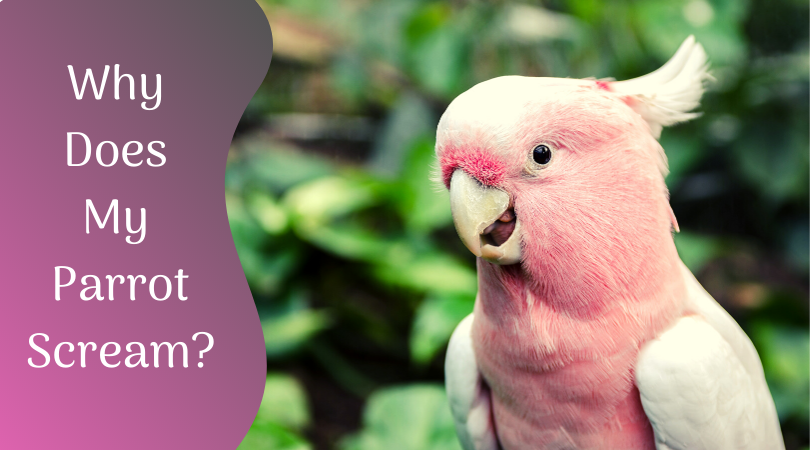
Stop Parrot Screaming

децембар 20, 2019 By liv parmel

why does parrot scream

Bad Parrot Behavior

Have you ever been awaken by your Parrot screaming early in the morning? Does your Parrot scream when you leave the room, come home from work or scream for what seems, „just the fun of it“? Why do Parrots scream and what can be done about bad Parrot behavior? Parrot training is essential to help Stop a Screaming Parrot.

Remember, Parrots are social creatures and vocalization is normal for all birds because that’s their primary way of communicating. So there is going to be a certain amount of squeaks and chatter from your Parrot. You have to understand this but also be able to determine normal chatter from distress screaming.

Normal Screaming Parrot

It’s normal for Parrots to scream a little bit first thing in the morning. I once owned a Cockatiel who was notorious for waking me up every morning and wouldn’t let up. He refused to be ignored until he got his morning neck rub. Parrots will typically scream when you get home from work also.

These are normal screams and usually will subside once you greet your bird, spend a minute with them to let them know you’re there by simply responding to their way of saying „hello flock member“.

Of course if your bird is hungry or without water you can bet he is going to let you know about it.

Bad Screaming Parrot

Bad may not be the best way to describe this but your Parrot will also scream if he is bored, lonely and continually isolated. Don’t forget, Parrots are very intelligent and social birds and they need interaction from the flock; this means you. The worst thing you can do is ignore your Parrot and throw a sheet over his cage to make him shut up when all he wants to do is talk to you.

Parrots need something to do. You can help by first of all making sure you have a large enough cage so your bird isn’t cramped up. Make sure there are plenty of toys for your bird to play with. Leave the T.V. on when you go to work so he gets some sort of stimulus when no one is home. Try sitting in a room all day by yourself and see how you like it.

how to stop your parrot from screaming

How to Stop Parrot Screaming

Always remember that Parrots communicate through vocalization and you will never completely stop all screaming. Birds do this naturally in nature and you don’t want to totally deny them of their natural expression. But there are a few things you can do to alleviate some of the birds screaming.

Train your Parrot. A trained Parrot is a happy and more controllable Parrot. Spend time with your bird and teach him bird tricks. You are the dominant flock member so take charge. Start out by teaching your bird the „step up/step down“ command and move on from there.

This is the most important thing you can do. Stop unwanted behavior before it progresses by imposing dominance over your bird. When you „make“ your bird step up you are showing him who is in control. You exert your dominance by insisting your Parrot „do“ what you want him to do, not what he wants to do.

A noisy house will also contribute to a loud bird because Parrots tend to emulate their environment. If the T.V. is loud and the kids are screaming your bird will naturally ramp up the volume and „communicate“ likewise.

Don’t yell or scream back at your bird and tell him to shut up. That’s a positive response for the parrot and he thinks he did the right thing. You’re giving him the attention he wants but it will backfire on you.

Of course you never want to hit your Parrot or shake the cage violently because now you’re only making the situation worse and producing a bird that’s fearful and a scared bird won’t trust you and can be dangerous.

It takes a little time and a little patience but you can get your Parrot under control and make your bird a happy family member.

Категорије: Birds, Parrot Pet

Common Parrot Behavior

мај 29, 2019 By liv parmel

Parrot behavior is the subject of a great deal of study and research. Just as parrots in the wild have a social structure and behaviors that communicate their feelings, desires, and moods, companion parrots use behaviors to communicate their needs to their human flocks. You simply have to learn how to read parrot behavior to “speak parrot”.

A large part of a parrot’s behavior has to do with taking care of its physical needs each day. The parrot will wake up about the time daylight begins and, with short naps along the way, continue its day until darkness. Many parrots adjust this pattern because of artificial lighting, but parrots need quite a bit of sleep time to be healthy.

During waking hours that are not spent interacting with the human flock, a parrot will spend time eating and grooming. A great deal of time is spent each day preening feathers so that every feather is in perfect condition. Play is another parrot behavior you’ll see daily.

If you have a companion parrot in your home, you may notice that your parrot eats when it sees humans eating. This parrot behavior is because in the wild parrots eat as a flock frequently. Your parrot will probably love it if you include it in mealtimes, serving some healthy human foods to the bird and introducing new foods at this time. It is much more likely to try new foods when it sees its owner eating them.

parrot behavior problems

Good and Bad Parrot Behavior

Generally, a parrot makes noise in the mornings shortly after waking and during the late afternoon. This is the parrot’s way of saying it is glad to be alive. It can also be a means of attempting to attract a mate and you may hear special sounds that are indicative of sexual calls.

A parrot behavior that simply can’t be changed is the fact that every parrot that is a companion parrot will make contact calls with its humans from time to time. Your parrot can be expected to call to you when you return home after being away for any length of time, from a few minutes to a few hours. It is telling you how happy it is to see you return.

Some parrots also call when their humans leave them. It is not normal for a happy, healthy parrot to scream all the time, however. This can result from boredom, lack of attention, improper training or socialization, behavioral problems due to improper hand feeding or weaning, or illness.

Another parrot behavior that can’t and shouldn’t be changed is the desire to chew on wood and engage in other forms of play with its beak. Parrots in the wild chew wood to wear down their beaks, to create nesting cavities in trees, and as a form of play. Do not expect to teach a parrot not to chew on its toy. In fact, this parrot behavior should be encouraged because busy beaks are happy beaks.

Changes in Parrot’s Behavior

If you notice your parrot’s behavior changes significantly suddenly, you should watch closely to be sure your parrot is not ill. A parrot that stops playing, grooming, interacting with humans, eating, or begins to sleep an abnormal amount is probably ill and medical attention must be sought quickly to ensure the illness is treated before the parrot becomes so ill it can not be saved.

Parrot behavior is a complex issue and if you watch your parrot closely, you’ll begin to understand the meaning of the parrot behaviors it exhibits. You’ll understand your parrot much more if you watch behaviors, keeping in mind what has just occurred that elicited the action on the parrot’s part.

how to stop parrot screaming

Stop Parrot Screaming

Have you ever been awaken by your parrot screaming early in the morning? Does your parrot scream when you leave the room, come home from work or scream for what seems, “just the fun of it”? Why do parrots scream and what can be done about bad parrot behavior? Parrot training is essential to help Stop a Screaming Parrot.

Remember, parrots are social creatures and vocalization is normal for all birds because that’s their primary way of communicating. So there is going to be a certain amount of squeaks and chatter from your parrot. You have to understand this but also be able to determine normal chatter from distress screaming.

Normal Screaming Parrot

It’s normal for parrots to scream a little bit first thing in the morning. I once owned a Cockatiel who was notorious for waking me up every morning and wouldn’t let up. He refused to be ignored until he got his morning neck rub. Parrots will typically scream when you get home from work also.

These are normal screams and usually will subside once you greet your bird, spend a minute with them to let them know you’re there by simply responding to their way of saying “hello flock member”.

Of course if your bird is hungry or without water you can bet he is going to let you know about it.

Bad Screaming Parrot

Bad may not be the best way to describe this but your parrot will also scream if he is bored, lonely and continually isolated. Don’t forget, parrots are very intelligent and social birds and they need interaction from the flock; this means you. The worst thing you can do is ignore your parrot and throw a sheet over his cage to make him shut up when all he wants to do is talk to you.

Parrots need something to do. You can help by first of all making sure you have a large enough cage so your bird isn’t cramped up. Make sure there are plenty of toys for your bird to play with. Leave the T.V. on when you go to work so he gets some sort of stimulus when no one is home. Try sitting in a room all day by yourself and see how you like it.

Always remember that parrots communicate through vocalization and you will never completely stop all screaming. Birds do this naturally in nature and you don’t want to totally deny them of their natural expression. But there are a few things you can do to alleviate some of the birds screaming.

how to quiet a screaming parrot

Train Your Parrot

A trained parrot is a happy and more controllable parrot. Spend time with your bird and teach him bird tricks. You are the dominant flock member so take charge. Start out by teaching your bird the “step up/step down” command and move on from there.

This is the most important thing you can do. Stop unwanted behavior before it progresses by imposing dominance over your bird. When you “make” your bird step up you are showing him who is in control. You exert your dominance by insisting your parrot “do” what you want him to do, not what he wants to do.

A noisy house will also contribute to a loud bird because parrots tend to emulate their environment. If the T.V. is loud and the kids are screaming your bird will naturally ramp up the volume and “communicate” likewise.

Don’t yell or scream back at your bird and tell him to shut up. That’s a positive response for the parrot and he thinks he did the right thing. You’re giving him the attention he wants but it will backfire on you.

Of course you never want to hit your parrot or shake the cage violently because now you’re only making the situation worse and producing a bird that’s fearful and a scared bird won’t trust you and can be dangerous.

It takes a little time and a little patience but you can get your parrot under control and make your bird a happy family member. If you would like to get free parrot video training you can right here.

Stop Parrot Biting

As beautiful and affectionate as your parrot can be there’s nothing worse then a parrot that bites. Parrot training is the answer. There are a lot of reasons your bird may bite and the biggest reason is most likely a test of dominance. How you respond to a biting parrot will determine how quickly you can bring the situation under control.

Understanding Parrot Behavior

In the wild birds use their beaks for eating, playing, display and defense; not for biting. But they will use the beak when necessary for dominance against other birds. The natural instinct for all animals is to try and be the dominant member of the group, pack, or in this case the flock.

Young birds may bite as they mature but this is natural and is simply the result of them teething and discovering the abilities they have with their beaks. But older birds may very well be testing you and attempting to gain control of you.

Of course fear is a primary consideration which we don’t want to leave out. But if you have established a relationship of trust with your bird then you can rule this out altogether. So if you have a bird from a previous owner then the first thing you are going to have to do of course is start out slow and gain your birds trust.

Don’t rush it, you have to take things slow in the beginning. Remember, your bird doesn’t know you don’t want to hurt him.

how to get rid of parrot biting

Don’t Let Your Bird Punk You

If you got your bird when he was a baby chances are he was hand fed and you may not have had any issues with challenge biting. But after about six months or so even a sweet baby bird may bite you. If you have an older bird and he/she starts to bite you in an attempt to gain dominance you have to let your lovable friend know who is in charge.

Parrots are among the most intelligent of birds and they can, and will, push the limits of your patience. It’s up to you to make sure you stay in control and remain dominant.

How To Stop Parrot Biting

  • Parrot Dont’s

Don’t pull your hand away in fear. I know this is a hard one but don’t do it. Birds can sense the fear and when you pull away quickly you are yielding to the bird and that puts them in a position of authority. You have to stand your ground and be the leader.

Never yell at the bird in a loud voice when you get bitten. Birds communicate through loud verbal exchanges and in fact they actually enjoy being loud. So when you scream in pain you’re actually responding in a positive way as far as your bird is concerned and therefore reinforcing a negative behavior, and this will not help stop parrot biting.

  • Parrot Do’s

Put yourself in a position of dominance by placing your birds perch below you. Never put your bird up high in a cage or perch so that they look down on you (literally). You’re giving your best friend the high ground; Don’t do it!

Do you want your bird to look down on you? Of course not, you want him to look up to you as the dominate member. It is as much psychological as it is physical for you and for your bird it becomes instinctive to submit to dominance.

Stop Your Bird from Biting

Make your biting parrot submit by commanding him to step onto your hand with the “up” command. Instead of backing away place your hand up high against his chest and make him step up. By imposing your force you are displaying dominance once again.

Do this over and over again, at least five times after a bite so that you end the session on a positive note but most of all with you in control.

One last thing, and this may sound a little crazy, but make sure you use facial expressions when disciplining your parrot. Did you know parrots actually do recognize expressions of happiness, anger and disgust.

Use these techniques to stop your bird from biting. Be patient and take it slow. Find out more by getting free video training on the best way to stop parrot biting.

why do parrots plucking feather

How to Stop Parrots Feather Plucking Problems

Some parrots are great pluckers like the African Grey. The reason behind the plucking is almost always due to behavioral problems like parrot boredom, parrot physical problems or disinterest on its surroundings or its owners.

Because plucking is a cycle behavior, once a parrot starts to self-mutilate, it is very hard to stop him from doing it. So, you must know how to stop the cycle.

But why do parrots pluck in the first place?

There are a variety of reasons for a parrot to be a feather plucker, and I will just name a few below…

Feather Plucking

Your parrot is not receiving enough human interaction – if you don’t give proper attention to your parrot he may turn into a feather picking parrot!

Your parrot is receiving too much attention – parrots are like small babies who need your beloved and dedicated attention. But like a spoiled child, if you manage to give them too much attention, your parrot will probably behave on a feather plucking manner!

Someone hit or screamed to the parrot and he got emotionally abused or there was a single frightening experience in his life.

Dietary and nutritional imbalances.

Environmental problems – this can be the air being too dry or smoking around your parrot.

To end a parrot feather plucking behavior, you must consider to spend quality time with your parrot, for his psychological health and well being, as activities help him to avoid distress and prevent some of the most common feather picking and screeching problems parrots face. For instance, rotate its parrot toys on a consistent basis.

Parrot feather plucking tips to consider:

Place tree branches around your parrot – this is to remove attention from his feathers to the branches, and he will probably start to chew them instead of his feathers.

Get your parrot natural vitamins and minerals – these are crucial to the natural feather condition of your parrot.

Provide daily fresh eucalyptus branches and also fresh water – this helps prevent boredom.

Категорије: Birds, Parrot Pet

How to Teach a Parrot to Talk

мај 13, 2019 By liv parmel

Any bird is trainable but you have to remember that its up to you to make sure conditions are optimal for successful training. Bird have needs just like people. You need to make sure you’re feeding them correctly with nutritious food. Make sure they have plenty of fresh water, toys to play with to keep them stimulated and of course a really nice big cage. You would be surprised at how many people get a cage that’s way too small for their bird.

Exotic birds are absolutely wonderful pets. They’re super smart and inquisitive too but they also require interaction and can be very demanding of your attention. That’s why it’s vitally important to interact with your parrot and that means training them.

The family of exotic birds vary among species and there will be differences in training but the main thing you must first do is build trust with your bird. That means taking it nice and slow and building a relationship with your bird. Yup, a relationship and with any relationship that means having patience and taking things slow.

One method of parrot training is the use of repetition with a treat given when the bird responds in the correct way. Your bird gets the treat and further positive interaction with you. When the bird does not respond to the right command, you ignore the response and don’t give a treat.

Bird training is all about repetition; giving the command and having your bird do it over and over again. This needs to done everyday for a specified amount of time, like 15-20 minutes a day. Don’t over do it but make sure you reward your bird when he gets it right. You’ll be amazed at how fast your bird will catch on.

how to teach your parrot to talk

Have a Perfect Parrot Pet

You can have the perfect bird or parrot. A parrot that doesn’t scream and lunge at you when you get too close. If you have a bird that’s scared of you the first thing you need to do is give him a little room. Some species tend to be more jittery then others but one thing you can do right away is simply back off.

Approach the cage slowly and as soon as your bird becomes noticeably uncomfortable STOP!. Stop right where you are and talk to him in a peaceful calm manner for a couple of minutes. Walk away, wait for awhile and then repeat.

What does this accomplish? First, it lets the bird know that you’re not trying to hurt him and it also calms him because you’re not invading his space. This is a fundamental technique which is very effective in allowing you to get close to even the most agitated type of bird. Clicker training birds is another method used as well.

Teach Your Parrot to Talk

You ever notice when visitors come over and see your pretty bird someone will always ask “Can he talk?“ Parrots are known for talking and most people simply assume if you have a parrot he must be able to talk, right? Wrong. All parrots have the ability to “mimic” human speech and some species are better “talkers” then others. Your parrots ability to learn how to talk is going to be dependent upon YOU having everything in place to allow your bird to learn properly. Which means conditions for learning should be as ideal as possible.

Help Your Parrot Learn to Talk

A healthy and happy trained parrot will learn to talk faster then a bird who is not trained. Parrot training is the first thing you need to do. Make sure your bird has a nice big cage, plenty of food and water and interaction with you on a daily basis.

Your bird has to trust and love you but also know that you are the dominate one. You have to be caring and very patient when it comes to teaching your bird how to talk. It’s also easier to teach younger birds how to talk then it is trying to teach older ones, so the best time to start is shortly after weaning if you’re fortunate enough to get a young bird.

You have to be consistent and set a daily routine when training your bird to talk. This is a rule of thumb for any type of bird training whether it’s learning to talk or learning basic bird tricks.

african grey best-known talking parrots

Best Bird Talkers

There is some controversy as to which birds are the best talkers but the general consensus is that some of the best talkers include:

  • African Grey
  • Eclectus Parrot
  • Budgies
  • Sulfer Crested Cockatoos
  • Double Yellow Heads
  • Long Billed Corellas
  • Blue Front Amazon
  • Quakers and the Yellow Nape

This is the short list and in no way rules out the ability of other species to talk. The moral to the story is every bird will be different. Yes some birds are “prone” to having a better ability to mimic than others but in the end it all comes down to environment and your ability to be patient and consistent in your bird training routine.

Here’s The Rub

Every body loves a good old neck rub. The neck rub is that special attachment you have with your bird and it represents total affection between you and your bird.

Work up to the neck rub. The first step to a talking bird is an affectionate bird so if you have the ability to handle your bird comfortably do so. Talk to your bird repetitively as you rub his neck. Place him in front of you and repeat one word like, “kiss”, and then give him a kiss. Your parrot will associate the word and the action together.

This is one way to start training your parrot how to talk. It takes time and patience but you’ll be surprised at how fast your bird will catch on if you maintain regular training regiment.

6 Techniques to Get Your Pet Parrot to Talk

Start Young – The earlier you start to associate words with objects the better. Your bird may not respond initially, but many will understand what you mean long before they are able to actually say words.

Be Consistent – Set aside a short time for training each day-10 minutes is enough when getting started. If your student seems to lose interest during training, stop the session, reward, and be upbeat about what you accomplished.

You always want your bird to enjoy the interaction with you, be excited during the sessions, and be eager for more. You can train on your finger or on a perch, but be consistent so your bird knows what to expect and can relax and focus on what you want to teach each time.

how do parrots learn to talk

Be Generous With Your Reward – The reward is so important and builds such trust, respect, and love between you and your bird. It can be a favorite treat, and don’t forget one of the best rewards is praise from its human.

Your happy and animated voice while stroking your bird on the head, under the chin, or on its back can be an invaluable incentive.

Keep it Personal – There are many automated tapes that you can play for your bird, and whereas some of this has its place, the best teacher for your bird is you, up close and personal.

Remember, only part of the process is about teaching your bird to speak. An equally important part of the process is having your pet feel a sense of accomplishment, and be able to please you.

A bird that feels successful and is praised after each session is much more likely to talk. And even if it never speaks, you’ve developed a bond that will only deepen with time.

Repeat and Repeat – When trying to get your bird to make associations, use the object and repeat the word slowly several times. As it masters words, reinforce the word by giving it the object it requests such as ball, toy, cracker.

Use words consistently when certain things happen. When people enter the room the cue might be welcome, welcome, welcome. When it’s time for dinner, the cue could be dinnertime. If you cover the cage at night it could be night, night or see you in the morning!

If you’re lucky, you’ve got a living tape recorder that is eager to soak up the words and say them back to you at just the right time. Be creative with what you decide to teach. You may be hearing it for years.

train your parrot to talk

Don’t Worry, Be Happy – Don’t take your bird’s talking too seriously. Each bird has its own personality and will learn at its own rate. Set goals, but should you and your bird not be able to reach them, don’t let it spoil the fun.

Almost all parrots have the capacity for speech. It’s one of the biggest attractions for parrot owners, but it quickly becomes frustrating and disappointing when the birds don’t seem to catch on. Take heart, it’s easier than you think! Teaching your parrot to speak is very rewarding, and can be accomplished easily, as long as you keep three things in mind: patience, repetition, and dedication.

If you remain dedicated to the task, patient with your parrot, and continue to repeat the sounds on a regular basis, there is no doubt that your parrot will be talking in no time. Then, it’s just a simple matter of introducing new words and sounds.

Категорије: Birds, Parrot Pet

Best Parrots For Beginners, Families and Children

април 25, 2019 By liv parmel

Parrots are alert, intelligent animals that make friendly home companions. For the cost of a cage, some toys and a steady supply of bird seed, a parrot owner will be rewarded with decades of exciting daily activity and a loyal friend.

Each parrot has its own, distinct personality. Getting to know that personality is one of the best parts of owning a parrot. They will spend most of their time watching you and responding to what you do. After awhile they will even learn your routines and comment on your actions.

For instance, a parrot might learn that after work you go to the kitchen, open the refrigerator and get a can of soda. So it will start to mimic the sound a can of soda makes when opened as soon as you get home, like an inside joke.

Pet Parrot

A parrot’s contribution to your life isn’t limited to observant noises. Parrots love to be taken out of their cages and stroked and petted just like other common house pets. You can fill a bowl with water and watch your parrot take a bath. Some parrots even love to watch television and will spend hours happily sitting on their owner’s shoulders doing just that.

A parrots natural instinct is to fly to a different tree every night to avoid predators. To foster this instinct it’s a good idea to rearrange your parrot’s cage every night. The reward is watching your bird make themselves at home and react to their new surroundings every night, often with hilarious results.

Parrots interact with their owners every day to provide excitement, humor and joy.

Best Parrots For Beginners

A Look At The Different Parrot Types

Most of the parrot types we see in pet stores, zoos, or homes, are tropical birds. A fair portion also come from Australia and New Zealand, and a few parrot types are to be found in more temperate climates. One of the few parrot species native to the United States has since been hunted into extinction.

Parrot Families

There are 370 different species of parrot. The parrot consists of three families, one family consisting of the Cockatoo, the second family made up of the various true parrot types, while the third family consists of what are known as the New Zealand parrots.

Many of the more colorful and larger parrots we may come across are native to the Amazon region of South America.

Which Parrot Makes The Best Pet For Kids

Parrots tend to be not very good pets for children because of their nature. For the most part, parrots and children do not mix well. However, there are a few that will fit in with your family and adjust well to children.

The African Grey, another distinct parrot type, are not nearly as colorful as their Amazon-dwelling cousins, but are considered far and away the most intelligent members of the parrot family. While many members of the parrot family can be taught to replicate the human voice, some African Grey have been known to accumulate a vocabulary of several hundred words.

Budgies a perfect pet for kids

The Budgies is a good parrot to have around children. Because of their small size, they do not tend to scare children as easily. The Budgies have an extensive vocabulary as well and can provide hours of entertainment for your family. However, because of their small size they are more delicate that other parrots and this needs to be taken into account as well.

The Meyer’s parrots is good for family with kids

The Meyer’s Parrots, a member of the African Hook bill Parrot species, is a very docile parrot which seems to fit in well in families with children. They have the ability to form long lasting relationships with a number of people rather than just one person like so many other birds. They are calm and sweet, but not shy.

Are Pionus parrots good pets?

Pionus parrots are not well known and don’t attract very much attention, probably because they are not as brightly colored as most other parrots. These parrots are also not loud and obnoxious. While all parrots require play time outside of the cage, Pionus will be content to sit on top of the cage and watch, rather than needing to be involved in the going on around him.

The Parakeet Is A Good Pet Parrot

Another of the better known parrot types are the Budgies, most commonly known as the parakeet. Parakeets are small parrots, often not much larger than a canary. They make excellent pets, and can be trained to talk and to do tricks, which they seem to enjoy. While there are exceptions, parakeets will often not learn to talk if they have a cage mate, and males usually are easier to train to talk than are females.

Parakeets in the home can usually be allowed to fly around inside the house on occasion, although doors and windows should be kept closed during those times. Once trained, a parakeet is not difficult to return to its cage, and often would rather ride around on someone’s shoulder than fly about, a dangerous practice should you decide to step outside, not realizing you have company.

The parakeet is a good pet for children, who may not be able to handle a larger parrot. You can find a lot more on Parakeets, from parakeet names to parakeet care.

The Cockatoo – Pet Parrot

The cockatoo, the one member of another parrot family, is also a good pet. The cockatoo is larger than a parakeet, usually about the size of a robin or a small jay. Cockatoos can also be taught to talk, though do not always seem to learn as quickly or as much as do the parakeets. Most cockatoos one is apt to see are white in color, but they exist in other colors as well, including black.

Cockatoos are also noted for their topnotch, a crest of feathers the raising and lowering of which is very much a part of the bird’s personality.

Other Popular Pet Parrots

types of parrots

One of the most popular birds in America, are Cockatiels. These small parrots are perfect for beginner bird lovers, people with kids and people that live in small apartments.

Parakeets also known as budgies are great too. However, they don’t live as long as they used to due to over breeding. Unfortunately, they quite often develop malignant tumors after only a few years.

Lovebirds, Quakers, and Conures are great choices if you have limited space.

Macaws, Cockatoos and Amazons have beautiful and exotic plumage, are very affectionate and talk.

The biggest hooked beak birds of all times are Parrots. However, they are very aggressive and can give a very serious bite.

Lorikeets and Lories have needs that can be very challenging. When they are in the wild, they love to eat nectar. When they are caged birds, they require a special diets and also special cages to hold their droppings. They can spray up to approximately 6 feet away.

However, there are some people that prefer Lories because of their comical personalities and their devotion.

Where to buy pet Parrot

Once you have decided on the type of bird you wanted you have two options of where to buy them. You can buy them either from a breed or a pet store.

Pet stores are the fast and convenient way to buy birds however usually the employees aren’t very knowledgeable to answer any questions you might have. Also if you buy a bird from a pet store it is impossible to know the age, health or background of the bird.

types of parrots bird

If you buy your bird from a breeder, they are able to tell you anything you want to know about the behavior and care of the bird. They also sell younger birds that are more tame. However, there is never a guarantee that hand fed birds will remain tame. There are some breeders that have cruel practices.

There are thousands of bird rescue groups where you can adopt a bird. These organizations sometimes have actual buildings where you can see the birds, however most of them have foster homes where they care for thousand of parrots that are unwanted.

If you can’t find a rescue organization near you try checking out your local animal shelter. Some shelters that have dogs and cats also have a few birds that are up for adoption.

Pet Parrots Based on Size: Largest to Smallest

Pet parrots definitely come in a variety of sizes to meet every fancy. I don’t know about you, but many people are curious to know the size of particular parrots and their age expectancy before deciding on which pet parrots to think about.

Some pet parrots are very large but if you live in an apartment and want a smaller parrot then it is best to find out which pet parrots are better for apartment dwellers.

I have made up a list that will help you if you are deciding on which pet parrots to look into based on size and life expectancy.

pet parrots based on size

Is a Cockatiel a good pet for kids?

Another option is a Cockatiel. Cockatiels are friendly, sweet and less hyper than other parrots. Because they have less behavioral issues and hormonal issues than other parrots, they are great pets for families with children. They bond well with many different people.

best parrot for beginners

Preserving The Species

There are many more parrot types, and we’ve just scratched the surface by mentioning the better known ones. All parrot types are regarded as exotic birds, and many of the types are endangered. Not all are sweet loving little birds, some are pests, but nevertheless, efforts to preserve the different species are under way and fortunately are becoming more effective as time goes by.

There is still a large illegal trade in the birds in many parts of the world, with some of the larger species being especially threatened. Zoos, and even local organizations are also doing their part, by protecting different species and working to stop illicit trade and marketing of the birds. Hopefully these organizations and groups will continue to be successful, and most of the nearly 400 different species can be saved from extinction.

Категорије: Birds, Parrot Pet Тагови: Best family parrots, Best parrot for beginners, Best parrot for kids

African Grey Parrots are Ideal Pets

април 2, 2019 By liv parmel

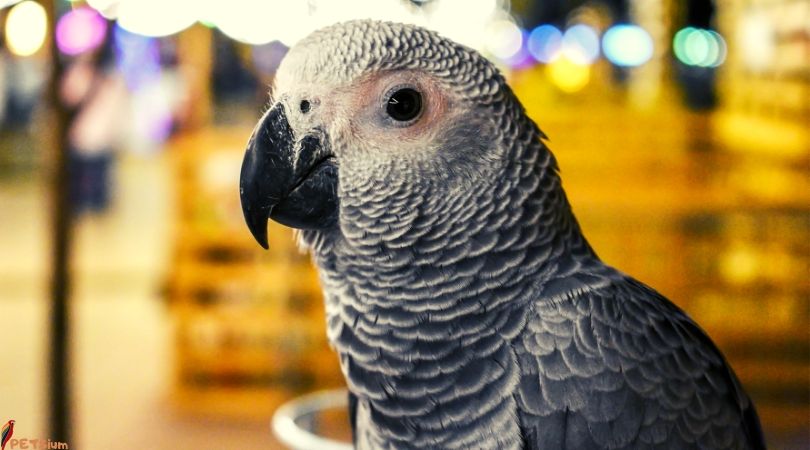
African Grey parrots are known as the most intelligent, the best speakers, the most neurotic and also to be a very „shy“ parrot specie. They have an average lifespan of 40 to 60 years and make excellent pets. The African Grey parrot grows, in general, up to 14 inches in length.

While they outperform other species in terms of their talking ability, the African Grey parrots reveal a keen spirit and skill for biting, feather plucking, but at the same time, they show a great emotional love for their so beloved owner.

african grey parrot facts

There are mainly two kinds of African Grey sub-species you will find on the parrots world:

The Congo African Grey and the Timneh, both from the Africa continent. The first parrot specie, the Congo African Grey, is larger, lighter colored and has a bright red tail. The second parrot specie, the Timneh, is physically darker with maroon colored tail. The main personality difference you’ll see between the two parrot species is this: Timnehs are less shy and potentially more neurotic than Congos!

African Grey Parrots Talking Ability

African grey parrots are known to be the best talkers among the whole parrot world. They have a true ability to speak and imitate all manner of sounds and whistles, and they can even say „Hello NAME!“ very easily. However, you must be aware that not all Grey speak well or at all.

So, your goal is to make them start talking at their early age, and mostly since their first year of age. Since the Congos are bigger in size, you should expect them to have a talking ability higher than the Timnehs, and sex will make no difference in terms of achieving a better talking pattern.

when can african grey parrot talk

African Grey Parrots Feather Plucking

African Grey are known as great pluckers. But why do they pluck in the first place? Well, there are a number of reasons I could come up here, but are just a few you should consider: not enough human interaction; too much attention; because they got emotionally abused by someone who hit on their cage; a unique frightening experience; dietary imbalances or environmental problems – like the air being too dry or smoking around an African Grey Parrot.

Some people would recommend that as soon as you experience feather picking problems with your African Grey, that you should take him immediately to the vet. But, the more you learn about parrot training on your free time the more you’ll save on bills to the vet, because parrot behavior explains most of the common problems you are experiencing with your bird, because this is usually where most of the problems lie.

The African Grey Parrots are know to be intelligent, and the truth is that if you do not stimulate their intelligence, you will end up facing plenty of feather picking problems or even other abnormal behaviors you had not experienced before. Take it like this… Parrots are like small babies who need your beloved attention and care. But like a spoiled child, too much attention can cause an African Grey parrot to behave on a very feather plucking manner.

Are African Grey Shy Parrots?

Just like the child I have told you about before, the African Grey Parrots are the type of parrot species who like to bound to one person and socialize with her. Once you stimulate their social needs, you will be stimulating their intelligence, and sense of belonging.

Once an African Grey feels like he belongs to you and the environment where you live, they will never become shy parrots. In general, once the African Grey gets emotionally attached to you, they will protect you in the house as the most beloved one.

how to make african grey parrot stop biting

African Grey Biting

An African Grey Parrot Bites for many different reasons. Usually this happens as a source of outcome from the environment where the parrot has been raised. Since they tend to act like a newly born child, then if you are the best lover on the African grey mind, chances are that he will not bite you. On the other hand, if you show any signs of fear around him, he will be more inclined towards the biting.

Another cause around biting is when an African grey parrot starts mouthing your fingers. No matter how strange this might seem to you, the truth is that there appears to be a great sexual stimulation, mostly for adult male Grey, related to preening.

If your parrot keeps biting you, then give them a make repressive „eye contact“ with the parrot and say immediately after that the word „NO“. This will give more discipline to your African grey parrot.

At the same time, you should always avoid yelling or striking, because strong negative actions do not work so well with parrots in general. Your goal is to be the leader around the house, but without ever using your „fire guns“ to avoid the biting.

African Grey parrot is not for beginners

African gray parrots are one of the most sought after parrots in the pet trade. There is much to love about grays. They are highly intelligent and are known to be the best talkers out of all the parrot species. These endearing qualities unfortunately often lead to people purchasing an African gray without truly understanding its complex needs.

Before you decide whether or not owning an African gray parrot is for you, you should arm yourself with as much knowledge as possible in order to make an informed decision.

The African Gray has been called the “cadillac of parrots”. Whilst it is easy to romanticise this amazing bird, they are not for the beginner. After you have experiencing with other companion parrots species you will be ready to try your hand at an African Gray.

african grey parrot food

African Gray Diet

African grays can suffer from low calcium levels so ensure to include calcium rich foods like rapini, turnip greens, broccoli and collard greens. The birds also enjoy carrots, apricots, figs, parsley, bok choy and kidney beans. Like all parrots, African grays love sprouts.

You can easily grow your own sprouts at home using sprouting kits, or simply buy them regularly from fruit and veg stores. Sprouts will sour quickly so make sure you remove soiled foods. Sunflower seeds and flax seeds can also be included in the diet. Brown rice and pasta can also be offered as well as cooked lean chicken and cuttlebone.

Foods That are Dangerous to African Gray Parrots

The following foods should never be fed to an African gray as they are toxic to the bird:

– Chocolate
– Avocado
– Apple Seeds
– Garlic
– Onions
– Rhubarb

The above foods are all extremely dangerous to African Grays and other parrots and should never be offered or left laying around for easy access. Foods that should not be fed, but are not deadly, include dairy foods that contain lactose (birds can not digest lactose) and salt.

African Gray parrots make wonderful companions. Once you understand how to care for an African Gray you will be able to enjoy a life long bond to a very special bird.

african grey parrot facts

African Grey Parrot Facts

  • African Grey form very strong bonds with their owners and can even respond to your different emotions. When you are sad, a bonded African Grey will comfort you.
  • African Grey are most well known for how well they speak. Their speech is very clear and easy to understand. They can even learn over 5000 words and mimic any sound! However, some of them never speak at all.
  • African Grey Parrots will suffer with poor health, hyperactivity, persistent screeching, a bad temper, biting, continuous feather plucking, lethargy and self mutilation if they do not receive the proper nutrition.

Категорије: Birds, Parrot Pet Тагови: Grey Parrot

How to Train a Parrot to Step Up

март 18, 2019 By liv parmel

Whether you wish to teach your parrot tricks or not, you certainly want to train your parrot in some basic manners commands such as “step up”, “no”, and the concepts of parrot training are basically the same no matter which commands you wish to convey to your bird.

In order to succeed with any parrot training, you must understand that parrots do not understand punishment as do some other domesticated creatures. You will only frighten your parrot and experience serious training set-backs if you try to admonish your parrot through use of loud noises, spraying it with water, screaming at it, or threatening it in any way whatsoever. You must work with your parrot while it is willing to work with you. Keep in mind that parrots have fairly short attention spans, so keep parrot training sessions to about 10 or 15 minutes.

The first step in parrot training basic manners should always be to teach the parrot the Step Up command. This allows you to get the parrot on your finger or arm when you wish to remove it from the cage or return it to the cage, as well as other times when you want your parrot to step onto your hand to travel about the house with you.

training a parrot to step-up

Training is made much easier in the early stages by use of a food reward. While some advocate training diets where the parrot is kept hungry, this is not a good way to train a parrot. However, you do want to find a food your parrot really loves and save that treat as a training reward for good behavior. Many parrots love peanut butter, walnuts, pecans, peanuts, or sunflower seeds and these items can be removed from the daily diet and saved for training rewards.

How to train a parrot with a stick

If your parrot is not tame, you should begin by locating a spare perch or training stick which you can teach the bird to step up onto before it becomes comfortable stepping onto your hand or arm. If the parrot is already tame, you can begin training with the parrot stepping onto your hand or arm right away. In the case of a tame parrot, it is better to perform training while the parrot is away from its cage, but with the untamed parrot we must begin by getting the parrot to come out of the cage. Let’s look at how to train a parrot that is not comfortable stepping onto a human hand.

parrot training

Begin by getting the parrot’s attention, opening the cage door and let the parrot see the training stick while you speak the command “step up”, “up” or whatever words you wish to use to mean the action you are teaching. If the parrot moves toward the stick, even a single step, provide a reward and lots of verbal praises. Repeat this process through the first training session. Any movement toward the stick, or in the case where the parrot tries to back away, even learning to not move away, should be rewarded.

The next day, again get the training stick and rewards. Allow the parrot to see that you have these items. Open the cage door, talking in a soothing, calm voice to the parrot to let it know you are not going to hurt it in any way. Again, be sure the parrot knows you have the reward and the training stick. On this second day, as you speak the command, the parrot should have to come a bit further toward the stick in order to get the reward. Once it has made progress toward the stick, only reward behavior that is as good as or better than past behavior. Do not provide rewards for doing less than it has done before. Parrots are smart and it will not take long for the parrot to get the idea!

train your parrot pet with stick

Each day, request the parrot to do a bit more in the parrot training session than the day before. If it took one step toward the stick yesterday, reward it today for taking two steps toward the training stick. Or, if it came near the stick yesterday, then today it should be rewarded only for lifting a foot toward the stick or stepping onto it.

After some days of regular training using food rewards as well as verbal praise, the parrot will move closer and closer to the stick, eventually stepping onto the stick. The next goal would be to allow you to remove it from the cage on the stick. After that goal is reached in the parrot’s training, you can begin shortening the distance from your hand to the end of the stick, eventually getting the parrot to step onto a very short stick. Soon after, the parrot will be stepping directly only your hand!

If you are performing parrot training with a tame bird, this whole process may take as little as two or three days. However, continue to reinforce the training until it is ingrained in the parrot’s mind that each time you give the command, it should perform the behavior. After the parrot learns the behavior, verbal praise is all that is required. Continue to provide food treats during training for a new manners command. You’ll be so proud of your parrot when it becomes well trained.

Категорије: Birds, Parrot Pet Тагови: Parrot Step Up

Parrot Food – What Do Parrots Eat?

март 1, 2019 By liv parmel

Owning a parrot means feeding that parrot a healthy diet to ensure a long, healthy life. The parrot food you choose can make a big difference in the amount of energy and vitality your parrot will enjoy as well as how many years the parrot will live.

Parrots are mainly seed-eating, fruit-eating and/or insect eating birds. The parrots need a variety of flavors and textures to keep them entertained, but also need a well balanced diet of fruits and vegetables to help keep them healthy.

The Basic Parrot Food

Little was known about parrot food when parrots first become pets. People thought parrots lived only a few years, perhaps 20 or 30, but no one thought that large species of parrots could live to be over 100 years of age. Today, we know that with healthy, well-selected parrot food, even a small Parakeet can live 15 years or more, Cockatiels have been recorded reaching 29 years of age, and one African Grey in Alaska was documented as being 112 years old when it died.

Parrot food, for the basic, staple diet, comes in either pellets or seed mix. Many people prefer the pellets but if the parrot won’t accept pellets, a good seed mix will work just fine. However, purchased parrot food in seeds or pellets is simply not enough to maintain a parrot’s health and vitality.

Your parrot’s food should be only about 50% seeds or pellets. The rest of the diet should be comprised of fruits, vegetables, and other “people foods”. There are, however, a few people foods that simply can’t be parrot food. These are known as the “seven deadly foods”.

how to feed a parrot

What Food is Toxic to Parrots?

Never allow a parrot to eat any chocolate, avocado, fruit pits, raw meat or poultry, raw eggs, alcohol, or caffeine. These seven deadly foods can kill your precious parrot. You must also limit the parrot’s consumption of any food that is high in salt, fat, or sugar.

Parrots love food that is sweet or high in fat, so sometimes this can be difficult, but limit these foods to prevent obesity. Also, never feed your parrot food that might be spoiled or rancid and always remove fresh foods from the cage or play area before they can possibly spoil.

Many parrots love sharing meals with their human flocks. This is because in the wild, most parrots eat as a social activity. When your parrot sees food you are eating, if it is a tame, loving bird, it wants to taste your food. This is a great way to introduce new foods into your parrot’s diet.

Food That Parrots Love

From personal experience, it is clear that parrots love milk and breakfast cereal. If the cereal happens to be a sugary type, let your bird have some milk and only one or two bites of the actual cereal. If the cereal is a healthy type, you can let the parrot have more bites. Many parrots simply love cheese and eggs. Many of the medium to large parrots love bits of well-cooked meat, poultry, and fish.

They also love to crack a chicken bone and get the marrow out of the bone, which is quite good for them. All vegetables and fruits are good for parrots (except avocado!), as are rice, pasta, potatoes, and just about anything you can imagine that you eat. Just remember, if it is sweet, salty, or high in fat, limit the amount offered.

Purchase parrot food that is fresh and buy only small quantities so it will remain fresh. If your parrot suddenly stops eating a type of parrot food that it has loved in the past, especially if it is eating a seed-based diet, examine the parrot food for insects or bugs. You can test the freshness of the food by planting seeds and checking how many sprout. If few sprout, the food is old and therefore not very nutritious.

parrot proper nutrition

The Most Important Parrot Food

Some parrots have long, sharp, curved beaks to help them break open shells of nuts and seeds while others only eat fruits and vegetables that are soft and easy to eat. Some parrots have a high requirement for extra calories, like the Macaw for example.

The Macaw requires large quantities of nuts be added to their diet to assist them with their energy levels and to maintain a healthy system. Parrots on the other hand should be fed very little nuts because they tend to become obese with the addition of the added calories and fat.

Some pet owners believe that feeding a parrot with bird seed is sufficient to maintain their health. They are usually wrong. Few parrots can sustain a healthy system being fed only packaged bird seed. They need to have a steady addition of fresh fruits and vegetables which provides the nutrients that are absolutely essential for them to remain healthy.

Because the nutritional needs of most parrots are not specifically known, it’s difficult to determine exactly what a parrot should be fed. What is known however is that parrots seem to require a steady diet of fresh fruits and vegetables and some form of fiber to remain healthy. Parrots not receiving the proper nutrition will become ill, begin plucking it’s own feathers and give the owner many signs that there is an issue that needs to be addressed.

Категорије: Birds, Parrot Pet Тагови: parrot food

  • Страница 1
  • Страница 2
  • Go to Next Page »

Primary Sidebar

Small Fish Tank

Glass Fish Tank

Категорије

  • Animals
  • Birds
  • Cats
  • Dogs
  • Fish
  • Goldfish
  • Guinea Pig
  • Hamster
  • Horses
  • Name Inspiration
  • Parrot Pet
  • Rabbits
  • Reptile Names

Скорашњи чланци

  • Hoppy Naming! Adorable and Funny Easter-Inspired Guinea Pig Names
  • Purr-fectly Adorable: Valentine’s Day Cat Names for Your Feline Friend
  • Astronomy Inspired Cat Names
  • James Bond Cat Names: Purr-fectly Suave Options for Your Feline 007
  • 170 Authentic Greek Names For Cats
  • Hippie Cat Names
  • Ladybug Facts For Kids
  • Unique White Horse Names with Meanings: From Majestic to Mystical
  • Disney Turtle Names: 160+ Names For Turtles From Disney Movies
  • 100+ Names For Black Horses With Meanings

Guinea Pig Cage

Large cage for your guinea pig

Ознаке

Best family parrots Best Gifts for Cat Lovers Best Hamster Toys Best parrot for beginners Best parrot for kids Best Small Dogs For Kids Boy Cat Names Can Guinea Pigs Eat Celery Cat Names Cat names for pairs Dog Behavior Dog Throwing up Dog Vomiting eat Female Bengal Cat Names Female guinea pig names Funny goldfish names Goldfish aquarium Goldfish names Gold Fish Names Goldfish tank Goldfish varieties Guinea Pig Guinea pig names Guinea pigs Male guinea pig names Manx Cat Names Names for Goldfish Names for guinea pigs Names for pink fish persian cat personality Siamese cats Small curly haired dogs Small dog breeds Sounds Twin cat names Types of goldfish Undigested food Unique guinea pig names What can guinea pigs eat Winter White Hamster Care Winter White Hamster Colors Winter White Hamster Diet Winter White Hamster Facts Winter White Hamster Life Span

Disclaimer:

This website „PETSIUM“ is not liable for any outcome or damage resulting from information obtained from these articles.

The articles provided here are for information and entertainment purposes only. The decision to use, or not to use, any of this information is the sole responsibility of the reader.

Any medical related content in any articles is not intended as diagnosis, treatment or prescription. It is not intended to be a medical advice and is not a substitute for professional medical advice. Please consult with a licensed health care practitioner if you are dealing with a serious medical problem.

Hamster Cage

Hamster Cage

Footer

Petsium – Veštačka Inteligencija

Dobrodošli na Petsium, vašeg novog saputnika za brzo, precizno i potpuno besplatno AI iskustvo. Ovde možete da postavite bilo koje pitanje – od pisanja eseja, preko tehničkih izazova u kodiranju, do saveta za svakodnevne zadatke – i dobićete odgovor prilagođen upravo vama. Sve to bez registracije, bez komplikovanih menija i bez skrivenih troškova.


© 2026 Petsium · Privacy Policy