• Skip to primary navigation
  • Skip to main content
  • Skip to primary sidebar
  • Skip to footer

Petsium - Veštačka Inteligencija | AI

Vestacka Inteligencija Aplikacija i Chat

  • Vestacka Inteligencija
  • Kontakt
  • Uslovi Koriscenja

Petsium

Why The Lovely Pets in Singapore is the Perfect Place to Buy Your Labrador Retriever Puppy

новембар 8, 2023 By Petsium

very energetic dog

Keeping a pet is a significant commitment that encompasses much more than just cuddles and playtime. One of the initial aspects you need to consider is where to purchase your new family member.

In Singapore, with a growing number of pet stores and online platforms, this choice can be overwhelming.

However, The Lovely Pets presents a commendable solution with their ethical practices, high-quality pets, and extensive consumer-centric services.

A Labrador costs between $8,000-$9,000 to purchase in Singapore. While this is a considerable investment, The Lovely Pets ensures every penny spent guarantees not just a pet but a healthy and affectionate companion. Here’s why The Lovely Pets is an excellent source for your Labrador puppy purchase:

Quality

The Labrador Retrievers at The Lovely Pets come from reputable breeders who prioritize the well-being of their Labradors and focus on responsibly managed breeding. Puppies from such breeders are often healthier and better socialized. With The Lovely Pets, this focus on quality is exceptionally visible – each Labrador pup is vibrant, full of life, and social interaction-ready.

Health-centric Approach

One thing that The Lovely Pets never compromises on is the health of their puppies. Regular health evaluations are conducted to ensure optimal condition of the pups. Plus, any signs of distress or illness are instantaneously addressed, further solidifying their commitment to their puppies’ health and welfare.

Wide Range of Offerings

At The Lovely Pets, there’s much more than just Labrador Retrievers. They house various breeds, offering a beneficial comparison opportunity to potential pet owners. Plus, they carry an extensive range of quality pet supplies, making them a one-stop-shop for pet parents.

Environment and Staff

The Lovely Pets’ facility, located in a tranquil neighborhood with large landed properties, offers a safe and peaceful environment for both puppies and visitors. Their staff are pet enthusiasts themselves—you can tell that they genuinely care about the animals they take care of by the way they interact with them during your visit

Aftercare Services

The Lovely Pets’ aftercare services are a testament to their commitment to long-term customer relationships. They provide new owners with direct access to the store owner, ensuring that you have the necessary support and guidance during your pet-owning journey.

In Conclusion

Despite the considerable investment – with Labrador Retrievers costing between $8,000 to $9,000 – the myriad of advantages of choosing The Lovely Pets makes it worthwhile. Their commitment to breed quality, health-centric approach, caring staff, and commendable aftercare services ensure that as a pet owner, you can bring home a healthy and active companion while receiving unparalleled long-term support. Thus, if you’re looking to welcome a Labrador Retriever into your life, look no further than The Lovely Pets.

Категорије: Dogs

How Long Do Ducks Live as Pets? Lifespan, Benefits, and Care Tips

октобар 13, 2023 By Petsium

How Long Can Ducks Live as Pets

Many people have taken to raising ducks in their backyard, forming strong bonds with these charming and endearing creatures. One of the key considerations when deciding to bring a duck into your life is their lifespan. Let’s see how long do ducks live as pets? As pet ducks have different living conditions compared to wild ducks, they can enjoy a longer life while providing years of companionship.

How Long Can Ducks Live as Pets

Several factors, such as diet, exercise, stress, and genetics, influence the lifespan of ducks. On average, a domesticated duck’s life expectancy ranges from 8 to 10 years. However, a well-cared-for duck can live up to 12 years or more. Some duck breeds are even known to live for as long as 20 years.

Healthy pet ducks will generally outlive their wild counterparts, since they benefit from consistent food and water supply, protection from predators, and preventative healthcare.

Breeds and Lifespan

As with most animals, different breeds of ducks have varying lifespans. Although this is not a strict rule, smaller duck breeds, like Call Ducks, tend to live longer, while larger breeds, such as the Pekin, may have slightly shorter lifespans. Some other breeds that are commonly kept as pets include the Welsh Harlequin, Muscovy, and Cayuga.

It is essential to research the breed you are interested in before choosing a duck to identify any particular health concerns or special needs associated with that breed.

General Health Factors

The environment in which your duck lives also contributes to its overall health and longevity. A clean, properly maintained living space provides a foundation for a healthy duck. Make sure their living area is free of waste and provides adequate ventilation to reduce the risk of respiratory problems.

The diet you provide for your ducks plays a significant role in their health and lifespan. Providing a balanced and varied diet can help your ducks maintain a healthy weight, avoid malnutrition, and prevent deficiencies and diseases associated with poor feeding.

Veterinary Care

Regular veterinary check-ups can help ensure early detection of illnesses, and appropriate care can extend your duck’s life. Ducks can be susceptible to infections, parasites, and diseases that can reduce their lifespan if left untreated. Your veterinarian can advise you on vaccination schedules and preventative care.

Socialization and Bonding

Ducks are social creatures, and providing them with companionship can contribute to their overall health and happiness. Keeping a pair or small flock of ducks ensures that they have the necessary social interactions, which can reduce stress and lead to a more fulfilling life.

Furthermore, the time you spend bonding with your ducks, through petting, talking, and hand-feeding, contributes to their overall mental well-being.

Reasons to Get a Duck as a Pet

Pet ducks can offer joy, companionship, and several other benefits that make them an excellent choice for those seeking a unique and rewarding pet experience. Let’s explore some reasons why you might consider adding a duck to your family:

Unique Companionship

Ducks form strong bonds with their caretakers and can offer a level of companionship that distinguishes them from other pets. They are social creatures who thrive in a loving care setting, adding a unique flavor of interaction to the home environment.

Educational Experience

Having a duck as a pet can be a wonderful educational experience, especially for children. It provides firsthand experience in learning about feeding practices, animal behavior, life cycles, responsibly caring for a pet, and the importance of kindness and empathy towards all creatures.

Fetching Personalities

Each duck has its unique personality. Some are outgoing and adventurous, while others might be a little more reserved or aloof. These varied personalities can be incredibly entertaining and endearing, adding an extra sparkle to your home environment.

Egg Production

Ducks are prolific egg layers. Duck eggs are rich in nutrients, larger than chicken eggs, and can be used just like chicken eggs in cooking. This could potentially decrease some grocery expenses and allow you a fresh supply of organic eggs right at your doorstep.

Pest Control

Ducks are great at pest control. They relish eating slugs, snails, insects, and other pests that might bother your backyard or garden. This can assist in maintaining a balanced ecosystem in your backyard.

Low Maintenance

Once you have set up a safe and suitable environment for your ducks, they require relatively low maintenance compared to some other pets. While they do need care and attention, their daily needs involve sourcing fresh water and food, providing a clean and safe living space, and time to roam freely.

Therapeutic Impact

The mental health benefits of caring for a pet are well-known, and ducks are no exception to this. Watching them waddle around your backyard, listening to their soft quacks, and their playful behavior can be incredibly calming and therapeutic.

Owning a pet duck isn’t for everyone, but it can definitely be a rewarding experience for the right person or family. Despite requiring the necessary commitment for their diet, environment, and healthcare needs, the joy and companionship they offer make it all worthwhile. Once you decide to take the plunge, you are guaranteed a friend who will joyfully waddle their way into your heart.

Do Ducks Make Good House Pets?

Ducks make great pets for the right person or family. They are incredibly affectionate, entertaining, and incredibly fun to be around. They are also hilarious, quirky, and a joy to be around. They make great companions for both children and adults alike. While they aren’t ideal for everyone, those who do choose to adopt a duck will find that their love and devotion is unmatched by any other animal on earth.

Tips to Help Your Ducks Live a Long, Healthy Life

Providing proper care and attention goes a long way in ensuring that your ducks live a long, healthy life. Here are some tips to keep in mind:

1. Balanced Diet

Provide a balanced diet consisting of freshwater, commercial duck food, and healthy treats to ensure they receive essential nutrients. Remember to limit treats like fruits, vegetables, and grains, forming only a small part of their diet.

2. Protection from Predators

Ensure that your ducks have a secure and safe place to sleep, especially during the night. This includes securely locking their pen when they’re inside and using fencing and netting to protect them from predators during the day.

3. Regular Exercise

Provide an environment rich in stimulation to encourage regular exercise, which helps maintain a healthy weight and strengthens their immune system. This includes an adequately sized living area, swimming space, and engaging toys.

4. Cleaning

Maintain a clean environment for your ducks, ensuring that their housing, food, and water sources are regularly cleaned. This mitigates any risks associated with bacterial infections and helps maintain their overall health.

5. Vaccinations and Veterinary Visits

Ensure that your ducks receive the necessary vaccinations and veterinary care throughout their lives. This includes scheduling regular veterinary check-ups, treating illnesses and injuries promptly, and following the recommended vaccination schedules.

In Conclusion

The lifespan of your pet ducks is largely influenced by the care and attention they receive from you. While many factors are at play, providing a clean, safe environment, a balanced diet, and proper socialization will contribute greatly to the longevity of your beloved ducks. Be prepared to invest time and effort to care for them, and in return, you will be rewarded with their endearing personalities, engaging antics, and years of joyous companionship.

Категорије: Birds

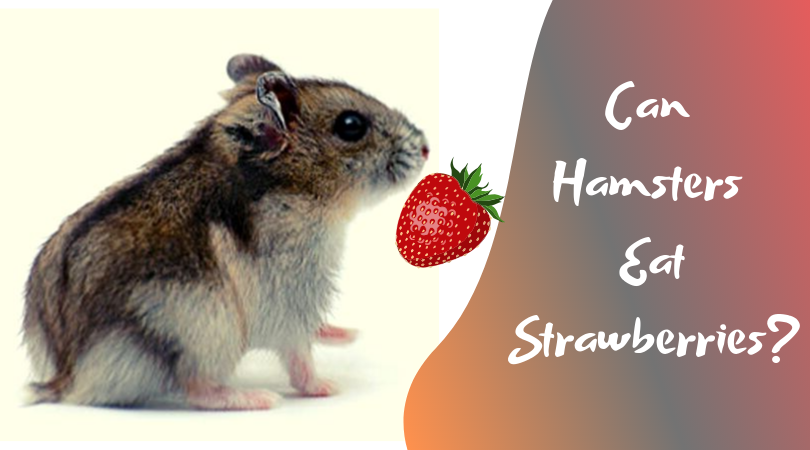
Can Hamsters Eat Strawberries – Are Strawberries a Safe Treat for Your Hamster?

јун 20, 2023 By Petsium

As a hamster owner, you want to ensure that your furry friend enjoys a balanced and nutritious diet. One question that often arises is whether hamsters can eat strawberries.

The short answer is yes, most hamsters can safely eat strawberries. However, it’s important to note that dwarf hamsters, such as Roborovski and Russian hamsters, have a higher risk of developing diabetes. As a result, they should consume fruits with high sugar content, like strawberries, in moderation or avoid them altogether.

Can Hamsters Eat Strawberries?

Yes, it is safe to give strawberries to your hamster.

However, you should limit the servings to at most thrice per week to prevent stomach upsets, particularly diarrhea.

Additionally, strawberries are pretty high in sugar, which may affect your hamster healthwise. Remember, hamsters can also get lifestyle diseases such as diabetes and cancer, just like us humans.

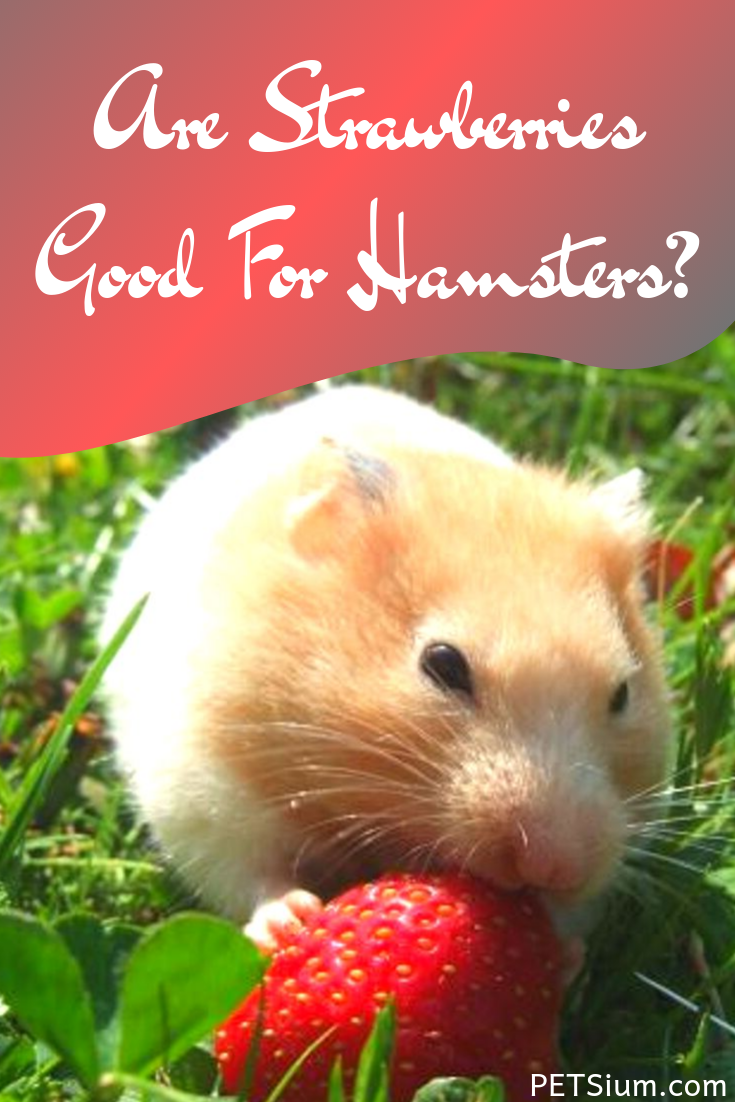
can hamsters eat strawberries

Can All Hamsters Eat Strawberries?

Hamsters are not so commonly kept as pets, but those of us who have them know how cute and adorable they can be – with their big, expressive eyes and plump cheeks.

If you are looking to own a hamster in the near future, or already own one, you probably know that hamsters, just like other rodents, are very fond of grains, fresh vegetables and most types of fruits.

Not all hamsters are the same.

While some can eat dozens of strawberries per week, some breeds will get sick at the mere taste of a berry.

Can Chinese Hamsters Eat Strawberries?

Chinese Hamsters – They’re too susceptible to diabetes. Any sugary food should be avoided at all cost!

Can Russian Campbell Dwarf Hamsters Eat Strawberries?

Russian Campbell Dwarf Hamsters – First off, they’re too tiny (which means they have weaker immune systems), and just like the Chinese hamsters,they are prone to diabetes. You are therefore advised not to feed them sugary foods like strawberries.

Can Winter White Dwarf Hamsters Eat Strawberries?

Winter White Dwarf Hamsters – Same as the above breeds.

On the other hand, hamster breeds that can feed strawberries – on a controlled basis – without any problems include the two most common breeds: Syrian and Roborovski Hamsters.

Are There Any Risks Related To Feeding Your Hamster Strawberries?

Hamsters are small and very naive animals, and if you’re not careful and watchful, even a single strawberry could harm your hammy.

While strawberries can be a healthy treat for your hamster, there are some potential risks:

Sugar content: Strawberries contain natural sugars, which can be problematic for some hamsters, especially dwarf hamsters. Too much sugar in their diet can lead to obesity and diabetes.

Allergic reactions: Although rare, some hamsters may be allergic to strawberries or experience gastrointestinal issues after consuming them. If you notice any adverse reactions, stop feeding strawberries to your hamster and consult your veterinarian.

To prevent that, here are a couple of precautions to take when feeding them. These include:

1. Remove all the leftover fruits from your hamster’s cage as soon as its clear to you that they’re not going to finish. This is important as the hammy may stash leftover berries in their cheeks, or leave them in their mouth for too long, which can cause dental issues. Additionally, the fruit could rot after a few days in the cage, and the hamster could get very sick when they eventually eat them.

2. Make sure that you only feed your hamster purely organic strawberries without any pesticide traces. Remember, hamsters are very tiny animals (tinier than a normal puppy), and any chemical exposure is likely to make them very sick.

3. Even as you stick to the maximum 3 times a week feeding rule, you must also be careful not to feed too many berries to your little one, as too many of them can cause diarrhea in hamsters. The recommended portions are between 3-5 strawberries per serving, depending on the size of your hammy.

can hamsters have strawberries

How to Safely Feed Strawberries to Hamsters?

To safely incorporate strawberries into your hamster’s diet, follow these guidelines:

  • Serving size and frequency: Offer your hamster a small piece of strawberry, no larger than a fingernail, once or twice a week. This will help prevent overconsumption and ensure a balanced diet.
  • Preparation tips: Always wash strawberries thoroughly before feeding them to your hamster. Remove the leaves and cut the strawberry into small, manageable pieces. Avoid feeding the green tops, as they may cause digestive issues.
  • Monitor your hamster: Keep an eye on your hamster after introducing strawberries to their diet. If you notice any signs of an allergic reaction or gastrointestinal issues, discontinue feeding strawberries and consult your veterinarian.

Are Strawberries Good For Hamsters?

Apart from being a safe snack (with our artificial sweeteners) that you can give your hamster as a reward or treat, strawberries are also super nutritious fruits.

For one, they are full of antioxidants such as vitamins C and E, and carotenoids such as lycopene, lutein and beta-carotene.

As we all know, antioxidants help in neutralizing free radicals – which are harmful to the body – and help in the prevention of heart disease and several types of cancer as well as hastening digestion.

Additionally, strawberries also nourish your hamster with vitamin K, potassium and magnesium, all of which are essential to a strong immune system and in building strong bones.

Some studies also suggest that strawberries contain some properties that are useful in the prevention of atherosclerosis – a condition where the arteries get filled with fat.

How Many Strawberries Can a Hamster Eat?

The number of strawberries a hamster can eat depends on the size of the strawberry and the hamster’s size and species. As a general guideline, you should offer your hamster a small piece of strawberry, no larger than a fingernail, once or twice a week. This will help prevent overconsumption and ensure a balanced diet.

For dwarf hamsters, such as Roborovski and Russian hamsters, it’s essential to be even more cautious due to their higher risk of developing diabetes. If you decide to feed strawberries to a dwarf hamster, offer an even smaller piece, about the size of a pinhead, and limit it to once a week or less.

Remember, strawberries should be considered an occasional treat and not a staple in your hamster’s diet. Always monitor your hamster after feeding them strawberries and consult your veterinarian if you have any concerns about their diet or health.

Can Hamsters Eat Dried Strawberries?

Dried strawberries can also be a tasty treat for hamsters, but they come with some caveats. The drying process often concentrates the sugar content, making them even sweeter than fresh strawberries. Additionally, some dried strawberries may contain added sugars or preservatives, which are not suitable for hamsters.

If you decide to offer dried strawberries, follow these guidelines:

  • Choose unsweetened and preservative-free dried strawberries.
  • Offer them in even smaller amounts than fresh strawberries due to their higher sugar content.
  • Always monitor your hamster’s reaction to new foods and discontinue if any adverse effects are observed.

Health Benefits of Strawberries to Hamsters include:

Improved Eye Health – Constantly feeding your hammy with strawberries will enhance their sight and even make their eyes look brighter and healthy.

Better Fur – As an antioxidant, strawberries are known to give clearer skin to humans and nice and bright fur to hamsters and other animals.

Weight Loss – You probably leave your hamster locked up in their cage as you go to work every day. This lack of exercise, coupled with all the food you feed them, will not bode well for their body weight. Giving them enough strawberries weekly will aid in controlling their body weight.

Sounds good, right?

Alternative Fruits and Treats for Hamsters

If you’re looking to diversify your hamster’s diet with other safe fruits, consider the following options:

  • Blueberries: Rich in antioxidants and vitamin C, blueberries can be a healthy treat for hamsters.
  • Raspberries: High in fiber and vitamin C, raspberries can support your hamster’s digestive and immune systems.
  • Apple (without seeds): Apples are a good source of fiber and vitamin C, but make sure to remove the seeds, as they contain cyanide, which can be harmful to hamsters.
  • Pear (without seeds): Pears are another excellent source of fiber and can be a tasty treat for your hamster.

In addition to fruits, you can also offer your hamster healthy treat options, such as:

  • Carrots: High in vitamin A, carrots can support your hamster’s vision and overall health.
  • Broccoli: Rich in vitamins and minerals, broccoli can be a nutritious addition to your hamster’s diet.
  • Cucumber: Low in calories and high in water content, cucumbers can help keep your hamster hydrated.
  • Cooked plain pasta (without sauce): Offering a small amount of cooked plain pasta can provide your hamster with additional carbohydrates for energy.

Conclusion

In conclusion, strawberries can be a delightful treat for your hamster when offered in moderation and following proper feeding guidelines. By providing a balanced diet and monitoring your hamster’s reaction to new foods, you can ensure their health and happiness. If you have any concerns about your hamster’s diet or wellbeing, don’t hesitate to consult with a veterinarian for professional advice.

Maybe you would be interested in these topics as well:

  • Can hamsters eat blueberries?
  • Can hamsters eat bananas?
  • Can hamsters eat grapes?
  • What do hamsters eat?

Категорије: Hamster

Can Hamsters Eat Grapes – Are Grapes Safe For A Hamster

новембар 20, 2021 By Petsium

Can Hamsters have grapes? Hamsters, with their chubby cheeks, multicolored bodies, cute whiskers and big eyes, are extremely cute animals.

If you recently bought a hamster, or are planning to buy one, you probably know that being part of the rodent family, hamsters eat fruits, seeds and grains, and even vegetables. But what about grapes in particular, can you feed hamsters grapes? Let’s see.

Can Hamsters Have Grapes?

Yes, they can! Matter of fact, most types of fruits, including grapes, are safe, and actually healthy for hamsters. Remember, hamsters are herbivores, and fruits and vegetables are their main foods.

Don’t worry about kidney damage from grapes consumption, as that only happens to cats and dogs. The only fruits you should never feed your hamster are the citrus fruits – lemons and oranges – as they’re too acidic, which could affect your ham’s digestive processes.

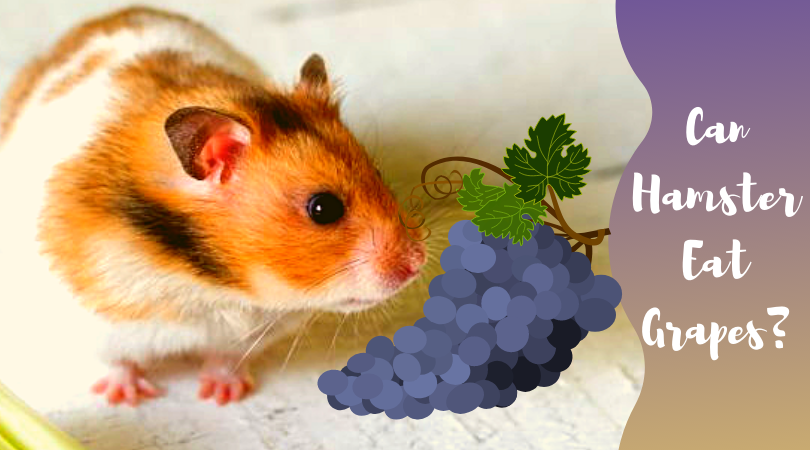
Can Hamsters Eat Grapes - Are Grapes Safe For A Hamster

Related: Can Hamsters eat Raspberries and Blackberries

How Many Grapes Can Hamster Eat in A Day?

As much as there are no known medical issues that would arise from serving grapes to your hamster, it’s always good to consult your vet on the maximum allowable quantity per day.

Of course, this will depend on the age and size of your hamster. Younger and smaller hamsters should only consume a few pieces per day, while bigger ones can eat a few more pieces.

Related: Can Hamsters Eat Apples?

How To Serve Grapes To Hamsters?

Remember to always peel off the skins of the grapes you feed your hamster to facilitate easy chewing and digestion. Moreover, remove all the seeds in the fruits to avoid your little ham choking on them.

To help save on time, you may choose to buy seedless grapes from your vendor.

Related: Can Hamsters Eat Bananas?

How to Introduce Your Hamster to Grapes?

If your hamster has never taken grapes before, she may be reluctant to eat them. Also note that there are some hamsters who just don’t like grapes, and won’t eat them no matter what you do.

So what’s the trick?

Firstly, test if your hamster likes grapes by giving them a small piece. If they gobble up the piece, you can then give them more pieces.

If they show any sign of discomfort or turn their face away after tasting the grape, then this could signify an issue. It could be that the particular fruit you offered was bitter or sour, or just a sign that they don’t like grapes.

To be sure, try buying grapes from another seller or a different brand and see how your hamster reacts to it.

Related: Can Hamsters Eat Blueberries?

Hamster Eating Grapes The First Time

Notably, just like humans, hamsters may fall ill when exposed to new foods, especially sugary and acidic products such as grapes.

On the first day, only feed your hamsters a few pieces, and then wait till the next day to see how she holds up. If she falls sick or gets diarrhea, visit your vet to establish whether it was caused by the grapes or not.

If your hamsters doesn’t fall sick or experience discomfort from the first serving of grapes, you can now proceed with the slow and consistent weaning process.

This basically involves adding one grape on each consecutive daily serving, until you hit the recommended maximum.

Can Dwarf Hamsters Eat Grapes?

Short answer – Yes. Dwarf hamsters are the smallest of all hamsters, but they have the fastest metabolism. Therefore they can eat almost anything other hamsters can and fruits such as grapes also. Start slow, give them small pieces of grapes until they are used to it and to see if they will like grapes anyway.

Can Hamsters Eat Grapes - Are Grapes Safe For A Hamster

Related: Can Hamsters Have Strawberries – Are Strawberries Safe For Hamsters?

Balanced Diet

It goes without saying that you shouldn’t feed your hamster with grapes every passing day, as they also need a balanced diet!

You can, for instance, dedicate certain days of the week, such as Mondays and Fridays as Grape Days, where you give your hamster several servings of the fruit throughout the day.

Ideally, you should stick to at most two servings per week, as grapes contain high amounts of sugar, which can be harmful if consumed beyond the recommended amounts.

You can supplement the grape servings with other fruits and veggies, such as apples and carrots, to provide additional nutrients.

Related: What Can Hamsters Eat? Hamsters Food Guide

What Foods to Avoid

While hamsters, and rodents in general, are known to eat all sorts of things, there are some foods you should never feed your pet if you want them to remain healthy.

These include eggplants, onions, peanuts, chocolate (and any other form of candy) and garlic. Most of these foods are high in fat and calories, which leads to obesity – a fatal condition for Hamsters.

Also avoid giving your hamster bread as they contain yeast, which may be highly toxic to the rodent.

If possible, stick to recommended vegetables and fruits as they’re more healthy and contain low-calorie contents.

What Can Hamsters Eat?

The following foods are hamster safe and can be given to them a few times a week.

I highly suggest you provide a commercial grade hamster food that contains all the vitamins and supplements hamsters need.

You can add these foods several times a week along with their staple diet.

Fruits That Hamsters Can Eat

  • Raspberries
  • Cherries
  • Blueberries
  • Seedless Apples
  • Cantaloupe
  • Banana
  • Blackberries
  • Melon
  • Mango
  • Peaches (no center core)
  • Plums (no center core)
  • Strawberries
  • Cranberries
  • Grapes(seedless)

Vegetables That Hamsters Can Eat

  • Asparagus
  • Squash
  • Carrots
  • Broccoli
  • Cauliflower
  • Bean Sprouts
  • Corn on the Cob (uncooked, small piece)
  • Cucumber
  • Zucchini
  • Turnips
  • Sweet Potatoes
  • Spinach
  • Peas
  • Green Beans
  • Kale
  • Bok Choy
  • Cabbage (small portions)
  • Celery
  • Chestnuts
  • Clover
  • Parsnip
  • Romaine Lettuce
  • Bell Peppers

Meat and Insects

  • Cooked Chicken or Turkey (not fried)
  • Crickets (Pet Shop)
  • Eggs (boiled or scrambled)
  • Grasshoppers (Pet Shop)
  • Low Fat Cottage Cheese
  • Low Fat Yogurt (unflavored)
  • Meal Worms (Pet Shop)
  • Bread (whole wheat)

Hamster Treats:

These foods can be offered as treats a few times a week.

Remember these are treats, not foods to be given every day.

  • Peanuts (no salt)
  • Cooked Plain Brown Rice
  • Dry Wheat Toast
  • Flax Seed
  • Pumpkin Seeds (unsalted)
  • Sunflower Seeds (unsalted)
  • Squash Seeds
  • Bran/Wheat Germ
  • Alfalfa
  • Plain Popcorn (no salt or butter)
  • Dry Oatmeal
  • Sesame Seeds

For more information on What can hamsters eat please visit our post – What do hamsters eat.

Related:

  • Can hamsters eat blueberries?
  • Can hamsters eat bananas?
  • Can hamsters eat strawberries?
  • Can hamsters eat apples?
  • Can Hamsters Eat Raspberries and Blackberries?

Категорије: Hamster

Can Hamsters eat Raspberries and Blackberries

новембар 18, 2019 By Petsium

Hamsters are very delightful creatures to keep as pets since they hardly cause any trouble. Nevertheless, selecting the right diet for your pet hamster requires a lot of thought, considering how fragile these tiny cute animals are. If you are wondering whether it is safe to feed your hamster raspberries and blackberries, you have come to the right place.

Today, we are going to go over the health benefits of raspberries and blackberries to hamsters. We will also discuss the different ways in which various species of hamsters respond to these fruits in their diet.

can hamsters eat raspberries and blackberries

So, can hamsters eat raspberries?

While raspberries are no doubt delicious and healthy fruits (which most people enjoy), Hamsters too can derive a lot of health benefits from consuming raspberries. Before we answer the question on whether hamsters can eat raspberries, let us go over some of the potential nutritional benefits of raspberries to hamsters.

Raspberries nutritional value

Raspberries are generally rich in Vitamin C, Vitamin E, and Vitamin K. In addition to this, they contain essential minerals such as calcium, iron, manganese, and potassium.

Vitamin C is a strong antioxidant that removes toxins and protects against chronic illnesses. Vitamin E helps to support the immune system of growing hamsters while Vitamin K helps in regulating metabolism and aids in blood clotting.

The calcium and manganese contained in raspberries promote bone health, whereas potassium regulates blood pressure.

Can all hamsters eat raspberries?

In light of these health benefits, you may be wondering, can hamsters eat raspberries? Well, this depends largely on the species of the hamster. Different species, due to their varied sizes respond differently to sugars and acidity in their diet. Before you feed raspberries to your pet hamster, therefore, it is essential to understand the potential health implications of your particular species.

Syrian hamsters, which are larger than most breeds, can tolerate little amounts of sugar and acidity in their diet. They can, therefore, be fed raspberries in low quantities once or twice a week.

Campbell’s Dwarf hamsters, which are smaller compared to most species of hamster, cannot handle a lot of sugars and acidity in their diet. I would not recommend feeding raspberries to this breed.

Roborovski hamsters are larger, and can tolerate some amount of sugar and acidity in their diet. You can feed them small portions of raspberries a few times a week. Winter white dwarf hamsters, on the other hand, should not be fed raspberries due to their low tolerance for sugars and acidity.

Are there any risks related to feeding your hamster raspberries?

Raspberries are high in sugar and acid. Feeding too much raspberries to Syrian and Roborovski hamsters can lead to health problems such as obesity, diarrhea, and diabetes. Smaller species such as the Winter white dwarf and Campbell’s white dwarf cannot handle sugars and acidity and should therefore not be fed raspberries under any circumstances.

Can hamsters eat blackberries?

While hamsters can eat blackberries, they should only be fed in small quantities to avoid putting a strain on their sensitive digestive system. Luckily, blackberries are one of the many fruits that are safe for hamsters to consume, as they pose no risk of poisoning.

Even if your hamster eats a lot of blackberries at once, it is highly unlikely that they will experience any negative reactions or health problems. However, it is important to limit your hamster’s intake of blackberries, as this may cause health issues if consumed over long periods of time.

is it safe to feed a hamster with raspberries and blackberries

What are the Health Benefits of Blackberries to Hamsters?

Blackberries, like other types of berries, contain Vitamin C which boosts metabolism and promotes healthy bones. In addition to this, blackberries have several antioxidants which help get rid of free radicals, thereby supporting the immune system. This can also help to fight chronic illnesses in hamsters.

Due to their low-calorie content, blackberries are very diet-friendly and can be consumed by hamsters without putting too much strain on the digestive system. These sweet fruits are also natural and organic, which makes them far more healthier and easier on the digestive system than processed foods.

A Final Word

Fruits such as raspberries and blackberries are undoubtedly a great addition to a hamster’s diet. These sweet berries contain plenty of vitamins and minerals which are essential for the health of hamsters. Most importantly, they are natural and non-toxic, which means that they are unlikely to strain the digestive system of hamsters.

However, caution should be taken not to overfeed these fruits to hamsters since it could result in health problems. Ideally, you should feed your hamster minimal amounts of these berries only occasionally. I would also recommend only feeding your hamster with these fruits after their main meal since too much fruit can fill up your hamster really quickly.

Категорије: Hamster

Can Guinea Pigs Eat Apples – Are apples safe for guinea pigs

октобар 25, 2019 By Petsium

When you hear the word „apple“ your mind probably recalls that popular saying about apples and doctors. The health benefits of this sweet, round fruit are well known, but it’s worth noting that they generally apply only for humans.

Can Guinea Pigs Eat Apples?

When it comes to animals, particularly the little pets like guinea pigs, apples can be both good and bad, depending on how you serve them. More on that later, for now, let’s answer the pertinent question that brought you to this page: can guinea pigs eat apples? And the short answer is yes, guinea pigs can eat apples. However, there are things you need to consider before giving apples to your guinea pig.

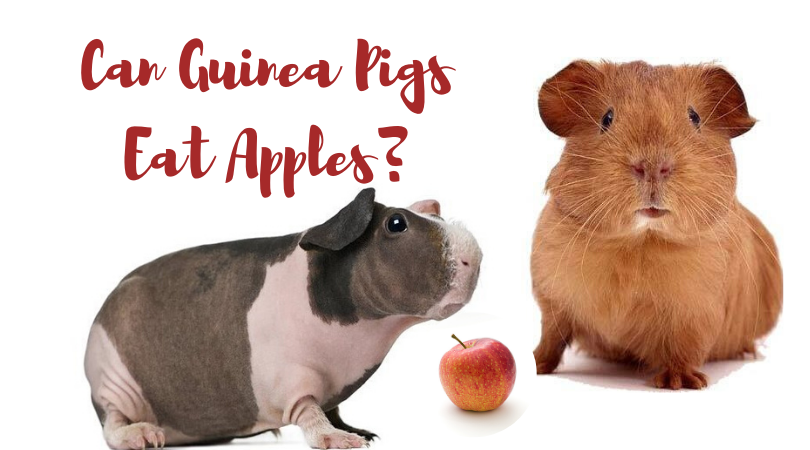
can guinea pigs eat apples

First Test Whether Your Guinea Pig Likes Apples

Just like humans, guinea pigs have varying tastes and preferences in fruits, and while majority of them will eat (and even love) apple fruit, there are some that won’t eat apples no matter what.

So, the first thing you need to do before anything else, is to establish whether your pet can eat apples.

While spending time with your guinea fowl, cut a small piece of apple and handfeed it to them or put it in their bowl.

Closely observe how they take the apple. If they quickly munch it down, you know what that means.

Similarly, if they nibble a bit of the apple, then run away carrying the rest of the piece, know that they love the fruit.

On the other hand, if they nibble a bit of the apple, then turn away, or leave the other piece, it’s a sign that you shouldn’t even bother feeding them more apples.

Benefits of Apples to Guinea Pigs

Apples contain varying amounts of Vitamin C, antioxidants, and fibers.

Vitamin C helps keep your guinea pig healthy by eliminating harmful elements in the blood called free radicals. On the other hand, fibers help in digestion and maintaining a healthy body weight.

Apples also contain calcium, which promotes strong bone development and proper functioning of the muscles and nerves. Phosphorus, another mineral found in apples, aids in the repair and maintenance of body tissue and cells, as well as in the proper functioning of the kidneys.

Should Apples Be a Part of a Guinea Pig’s Diet?

As much as guinea pigs are herbivores, fruits like apple shouldn’t be a regular part of their diet, even if they happen to love them.

The recommended guinea pig’s diet should be a mixture of Timothy hay and pellets. Vegetables, and fruits should be taken as snacks, or treats, and only given occasionally.

Can Guinea Pigs Eat Apples Every Day?

Ideally, you should introduce your pet to apples by including them in their diet once a week, for the first couple of weeks.

That way, you will be better placed to observe, and detect any changes in their feces and body that may be caused by apples.

Can Guinea Pigs Eat Green Apples?

As mentioned before, not all types of apples are good for guinea pigs. Green apples are the most acidic and thus can cause some issues. Avoid acids in your guinea pig diet.

You should feed them with sweater, more common apples.

Can Guinea Pigs Eat Apple Skin?

After you give the first apple to your guinea pig, you will realize that guinea pigs like to eat apple skin the most. Actually they love to play with apple skin while eating apples.

And apple skin has healthy fibers as well which are good for guinea pigs.

Can Guinea Pigs Eat Apple Seeds?

Apple seeds are the only part of the apple that you should avoid. Apple seeds are dangerous for guinea pigs as they contain cyanide and can be harmful.

It is normal if your guinea pig eats one or two seeds while eating the apple, but do your best to remove the seeds first before feeding your guinea pigs.

What If Guinea Pigs Eat Too Much Apples?

In case you weren’t aware, too many apples can cause stomach upsets, and diarrhea in guinea pigs. Mouth sores are also common occurrences as apples contain varying levels of acidity that may prove too much for smaller animals like guinea pigs to handle.

Can Guinea Pigs Have Apples

Related: Can Guinea Pigs Eat Grapes?

Dealing With Diarrhea From Apple Consumption

As mentioned earlier, apples can cause diarrhea in guinea pigs due to their high fiber content. And since the little piggies have relatively weaker immune systems, the diarrhea can even lead to death, or cause serious complications.

If, after feeding your guinea pig with some apples, you notice that their feces are „wetter“ or that they have diarrhea, stop feeding them apples (and any other fruits) with immediate effect. Secondly, feed them increased amounts of Timothy hay, which is known to promote healthy digestion and helps to control diarrhea. Thirdly, and most importantly, schedule a visit to your vet for further advice and directions.

Essential Tips for Feeding Apples to Your Guinea Pig

  • Before cutting up an apple and serving it to your guinea pig, ensure that it’s adequately ripe and sweet-tasting. No one loves sour fruits, not even animals.
  • Avoid apple seeds as much as you can, as they can choke your pet, and contain a toxic compound called cyanide.
  • While apple skin is healthy and okay for guinea pigs to consume, serve it in moderation as it contains higher amounts of fiber, which can cause indigestion and diarrhea. Further, clean the skins with clean running water before serving them to your pet.

Категорије: Guinea Pig Тагови: Apples, eat, Guinea pigs

Can Hamsters Have Apples – Can hamsters eat apple seeds?

септембар 28, 2019 By Petsium

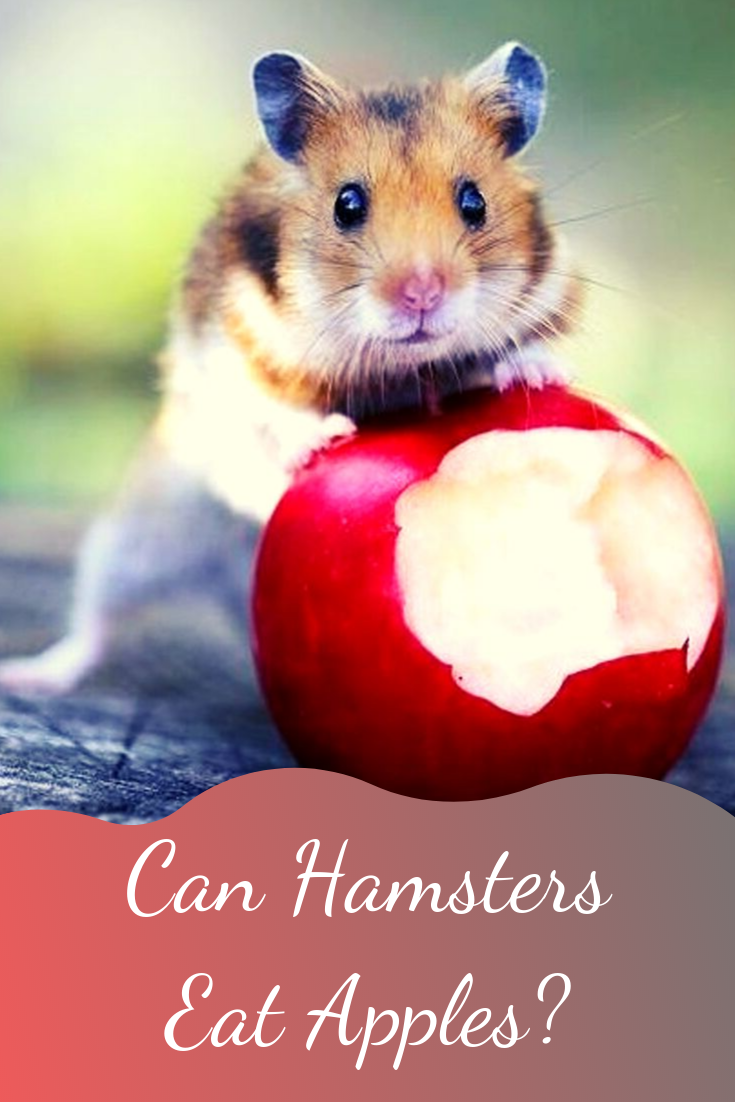
They say „an apple a day keeps the doctor away.“ However, does this also apply to hamsters, can hamsters eat apples?

Well, let’s find out…

Apples are one of the most nutritious fruits. They’re also incredibly sweet, and have the right amount of juice. This makes them a preferred choice for many.

Some people like to consume them raw, others blend them, while others put them in salads.

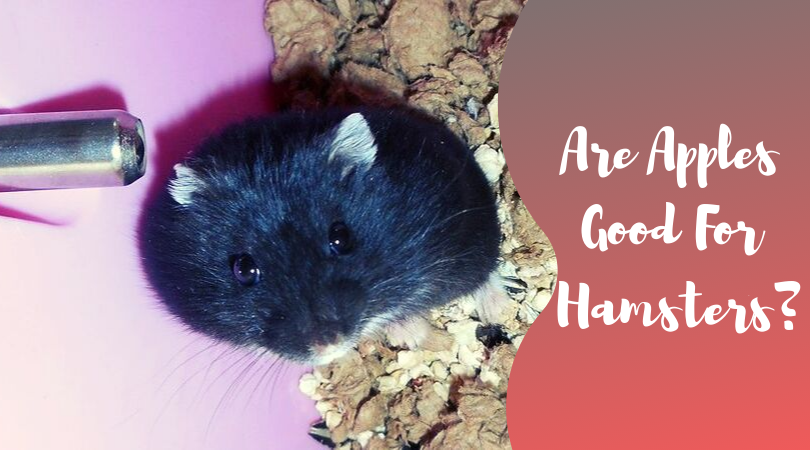
Can Hamsters Have Apples - Can hamsters eat apple seeds?

Related: Can Hamsters Eat Grapes – Are Grapes Safe For A Hamster

Can Hamsters Have Apples?

Yes, hamsters can eat apples, and they actually do eat apples. As earlier mentioned, apples are healthy and nutritious, and these health benefits are not restricted to human consumers only.

Nonetheless, you should watch the amount of apples you feed your hamster to prevent possible side effects. More on that later, for now, let’s look at how apples benefit your hamster.

Related: Can Hamsters eat Raspberries and Blackberries

Health Benefits of Apples for Hamsters

The following are the vitamins and minerals found in apples.

  • Vitamin C (Ascorbic Acid)

Vitamin C is commonly found in most fruits, including apples. It helps in the growth and development of body tissues, strengthening the immune system, and boosts the recovery process from illnesses.

Further, vitamin C was found to delay and prevent cancer of the cheek pouches in hamsters.

  • Antioxidants

Apples are full of antioxidants, which mostly help in neutralizing the harmful free radicals that occur in the blood.

Antioxidants also help in the prevention of cancers and heart diseases as well as boosting the digestive system.

  • Fiber

Apple contains dietary fiber, which promotes a healthy and functional digestive system, as is essentially vital in preventing constipation.

Dietary fiber also encourages the growth of healthy gut bacteria.

Related: Can Hamsters Eat Bananas?

What Are The Potential Risks of Feeding Your Hamster Apples?

Just like humans, hamsters may experience digestive problems when they are introduced to new foods. Diarrhea, particularly, is a very common problem that occurs when you start feeding apples to your hamster.

To prevent this, get your pet used to apples by feeding them tiny amounts at first, and only increase the portions once you are sure there are no adverse reactions, such as allergies.

If your hamster gets diarrhea, or experiences visible discomfort after feeding on apples, it is best to discontinue the feeding and seek your vet’s opinion.

Another reason to only feed your hamster small portions of apples at a time is that the tiny animals like to hide their food in their cages.

Apples, just like most fruits, tend to go bad after a few days, and when your hammy eventually eats the hidden fruits, they may get sick.

You are therefore advised to always feed your hamster the amounts you’re sure they can finish.

And if they don’t manage to complete all the apple pieces you served, take them away and keep them yourself till the next day.

Related: Can Hamsters Eat Blueberries?

Can Hamsters Eat Apple Seeds and Peels?

Apple seeds contain a toxic compound called cyanide, which can harm your hamster. Of course, apple seeds are mostly safe for humans, as they have a higher immunity compared to the tiny hamsters.

In fact, a single toxic seed is enough to kill a typical hamster.

Apple peels, on the other hand, are safe for hamsters to eat and are very nutritious. Just like the inner part, the peels contain several vitamins and dietary fiber.

Just remember to thoroughly wash the apple with clean water to remove dirt and any pesticide residue before feeding your pet.

Notably, some pesticides are highly stubborn, and may not come off the skin even after washing. Hence, only go for organic fruits if you intend to feed the peels to your hamster.

Can Hamsters Have Apples - Can hamsters eat apple seeds?

Related: Can Hamsters Have Strawberries – Are Strawberries Safe For Hamsters?

What Is The Recommended Amount Of Apple for Hamsters To Eat?

Obviously, the amount of apple you should feed your hamster depends on their size and age.

For the younger hamsters, a very tiny slice, twice per week is adequate.

For the older ones, slightly bigger slices, served at most thrice a week is enough. If you’re unsure about the specific portion sizes, you are advised to consult your vet.

Related: What Can Hamsters Eat? Hamsters Food Guide

Hamsters and Apples – The bottom line

Fresh vegetables and fruits, such as apples, are healthy snacks that should be a common feature in your hamster’s diet.

However, you are advised to only feed them small pieces at a time.

More importantly, you should also try looking for seedless apples, instead of removing the seeds every time.

Категорије: Hamster

Can Hamsters Eat Bananas?

септембар 9, 2019 By Petsium

If you have a hamster, or are planning to get one soon, one of the questions probably running through your mind is, can hamsters eat bananas? Well, the answer to that is a resounding YES!

Generally, hamsters love to eat fruits and vegetables, just like rats – their more famous cousins, so hamster eating banana is a common thing.

Knowing what to feed your pet is crucial to their survival. For instance, if you feed them with spoilt food, they will more likely develop stomach problems.

Even for pets as small as hamsters, which are known to eat about everything (they’re rodents after all!), it’s essential to stick to recommended hamster diets.

can hamsters eat bananas

Can Hamsters Eat Bananas And If So, How Much?

Hamsters can eat bananas but the moderation is Key. While bananas are not known to harm hamsters, they should be served with other fruits, for a healthy and wholesome diet.

Basically, you should feed your hamster several pieces of banana at most twice or thrice a week. Every banana feeding should ideally not exceed half a teaspoon.

In essence, bananas should be taken as treats and not as main meals when it comes to hamsters. As such, you should only give your pet only a small slice at a time.

For instance, you can divide a smaller banana into three and feed them one piece in the morning, another at midday, and the last in the evening.

This is because hamsters are small animals, and can’t consume a large fruit. Moreover, make sure you wash the fruit before serving, and check them thoroughly for signs of rotting.

Giving your hammie rotten bananas may cause diarrhea.

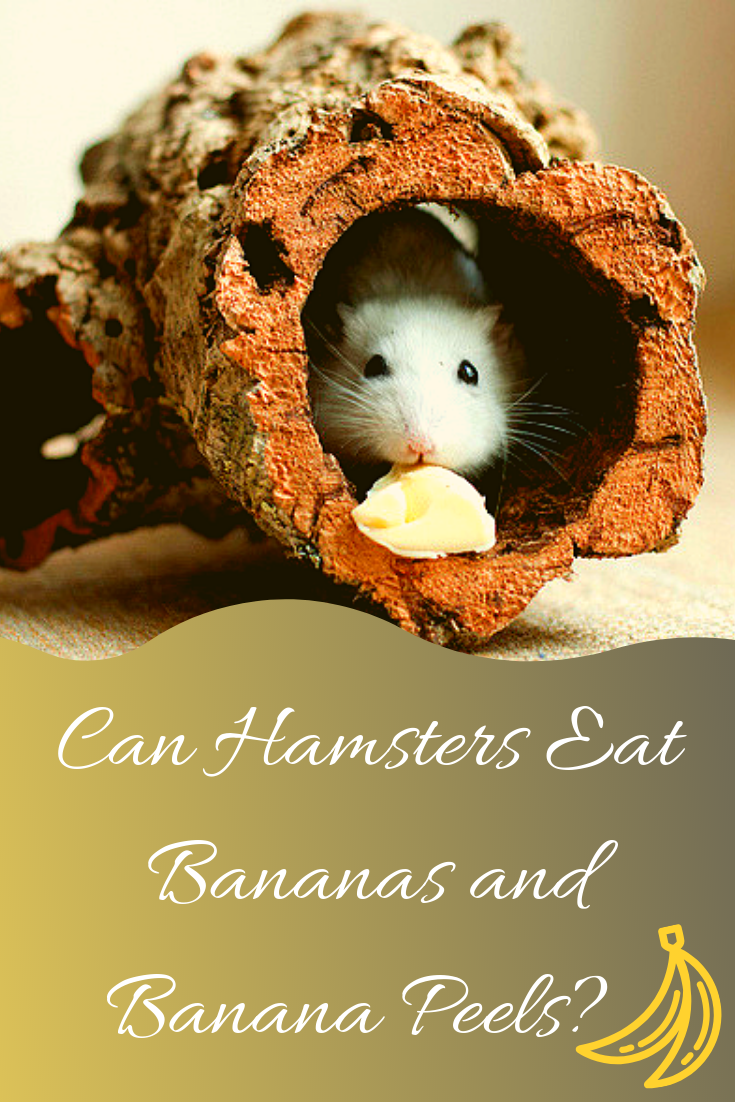
Can Hamsters Eat Banana Peels?

Yes, banana peels are safe for hamsters to eat. You, however, need to wash them with clean, running water thoroughly and cut them into small, manageable pieces.

And since they are more or less bananas, you should also serve them in moderation, such that if you give your hamster a bigger amount of banana, you should give them an even smaller piece of banana skin.

Can All Hamsters Eat Bananas?

Yes, bananas are technically safe to eat for all hamster breeds.

However, there are some breeds that are highly susceptible to diabetes, and bananas (which have high sugar content), may hasten the onset of the disease.

To start with, the breeds that should be okay consuming bananas include the Roborovski and Syrian Hamsters.

Breeds that may develop health problems due to banana consumption include Chinese Hamsters, Winter White Dwarf Hamsters and Russian Campbell Dwarf Hamsters.

That is, however, not to say that they can’t consume bananas. You only have to limit the consumption to less than once a week – Once every two weeks should be okay.

So before going bananas on your hammie (pun intended), first find out what breed they are, and whether the breed is susceptible to diabetes or other health problems brought about by excessive sugars.

hamster eating banana

Benefits of Bananas to Hamsters

Bananas are very nutritious fruits, rich in magnesium, potassium, fiber, B6, and vitamins B and C. It’s hard to get these vitamins in individual foods, so if your hammie is not easily susceptible to diabetes, you should make sure to include bananas in their diet.

Additionally, the high fiber content in bananas makes them a perfect solution for treating constipation and other digestive problems.

Fiber is also known to reduce blood pressure, the risk of leukemia and some types of cancer.

The Problem With Overfeeding Bananas

All the above-mentioned benefits of bananas to hamsters only apply when consumption is controlled and limited, and in synchrony with other healthy foods.

Feeding your hamster too much bananas can cause diarrhea and dehydration (which could be fatal).

Notably, even breeds that don’t carry high risks of diabetes could get the disease if overfed with the sugary fruit.

Your hamster could also become overweight, which could put them at risk of heart disease and joint pain.

Overweight hamsters also become too lazy, and won’t play with you, which is the whole essence of having a pet.

Can Hamsters Eat Bananas Bottom line:

Hamsters, just like other pets, they need to be handled with care. When feeding them, you are advised to monitor any signs of discomfort or health reactions.

In case you notice anything unusual, you are advised to seek specialized assistance from a vet.

hamster eating banana

Maybe you’ll find these topics interesting as well:

  • Can Hamsters eat grapes?
  • Can hamsters eat strawberries?
  • Can Hamsters eat apples?
  • Can Hamsters eat blueberries?
  • What can Hamsters eat?

Категорије: Hamster

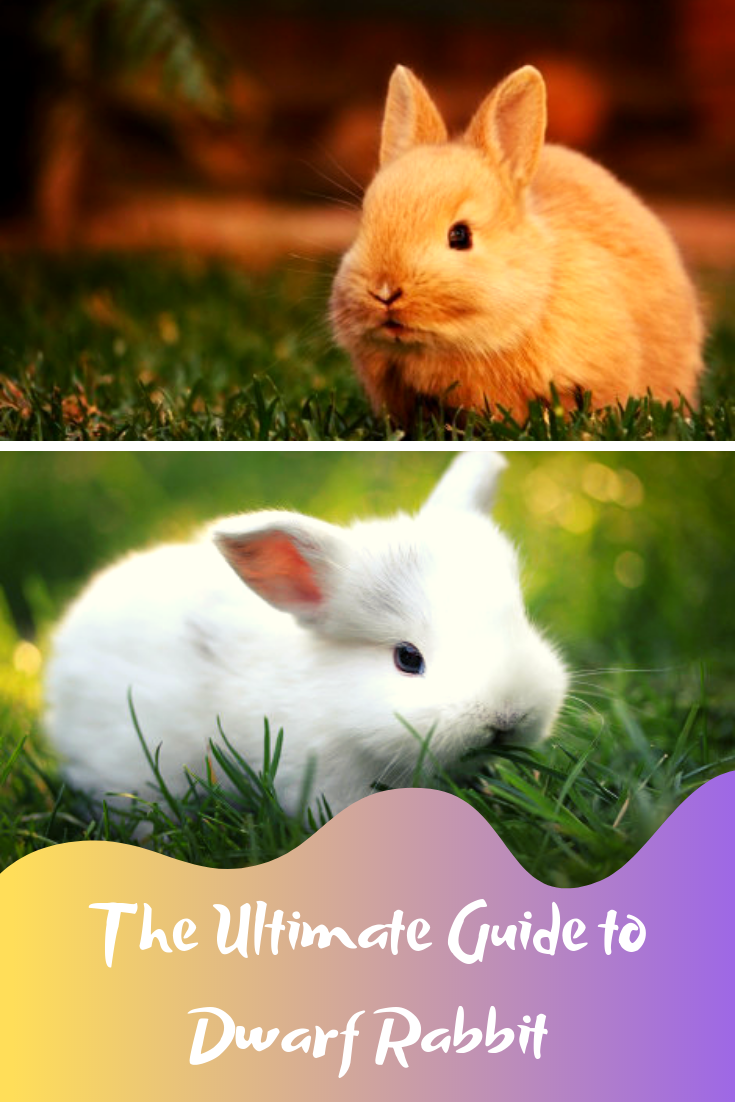
Dwarf Rabbits Facts

август 24, 2019 By Petsium

So, why dwarf rabbits? Well, the most obvious reason is because they’re so unbelievably adorable! Let’s see some of the most common dwarf rabbit facts. They are relatively low maintenance, are quite sociable, and, compared to say dogs or cats, have a much more mild temper. Dwarf rabbits love to chew things, which is quite necessary for them to file down their teeth.

You can give your dwarf rabbit a lot of different things to chew on: wooden treats, cardboard rolls, old phone books, etc. Just be sure to keep an eye out on your dwarf bunny, if you’re leaving them out in an open place, because dwarf bunnies will chew through wires of all sorts!

Dwarf Rabbits Size

The most obvious feature of Dwarf Rabbit is their diminutive size. They’re so cute when they’re young! You could fit them in the palm of your hand. Full grown, they average 2-2.5 pounds. Dwarf bunny fur is incredibly soft and glossy, and dwarf bunnies are commonly displayed for show.

Dwarf Rabbits Colors

You can get a dwarf bunny in several colors, including: black, grey, chocolate, silver, and tan, and dwarf bunnies can come have several eye colors, including red and blue.

Dwarf Rabbits Facts

Dwarf Rabbits – Care

Although Dwarf rabbits do not require any complicated care system, theoretically keeping them should only be entrusted to experienced people. Dwarf rabbits are infection vulnerable and mischievous and, therefore to diligently care for them is necessary.

The enclosure requires regular cleaning. That will help to prevent foot sores and infection. The cage must provide enough space for the rabbit to feel loose and free to occupy any suitable position.

Types of Dwarf Rabbits:

  • Netherland Dwarf Rabbit
  • Dwarf Hotot
  • Jersey Wooly
  • Britannia Petite
  • Polish
  • Mini Rex

Netherland Dwarf Rabbit

As can be derived from the name, Netherland Dwarf Rabbits originated from the Netherland and its size is much smaller than other breeds of rabbits. It is available in a variety of colors owing to the fact that it is a cross breed of some wild rabbits and Polish rabbits. While it originated in the Netherlands currently all over the world there are Netherland Dwarf Rabbits for Sale.

Polish Dwarf Rabbits

The Polish Dwarf is a bit bigger than the Netherland Dwarf. Polish Dwarfs have rather short ears. They are extremely active and they can do a lot of tricks and things without getting tired. Polish Dwarfs are very trainable and sociable; they take to their owners pretty fast. They can be white, black, blue and chocolate in color. White rabbits can have ruby and blue eyes.

Dwarf Rabbits – Mini Rex

Mini Rex is relatively a new breed. The progenitor of the breed is Monna R. Berryhill, who crossbred a Dwarf Rex buck with a small sized Lynx Rex doe. In 1988, the American Rabbit Breeders Association (ARBA) registered the new breed and that was the beginning of the Dwarf Rex breed.

The Mini Rex is known for its soft and velvety fur. The average weight is 3.5-4.5 lbs. They may come in Tortoise Broken, seal, Lilac, Lynx, Red, White (red eyed), Chocolate, Chinchilla, Castor, Opal, Black and Blue.

Hotot Dwarf Rabbit

Pronounced Ho-Toe, the Dwarf Hotot Rabbit is quite active and gets along well with humans. Dwarf Hotot rabbits grow to weigh about 2.5 – 3 pounds, with a size comparable to other dwarf bunnies. Dwarf Hotot bunnies are easily recognized by their all white coat, and a black ring around their eyes. They should have no noticeable neck.

Dwarf Hotot’s live about 7-10 years. Compared to other dwarf rabbit breeds, dwarf Hotots are pretty uncommon. The best dwarf Hotot bunnies will have an extreme contrast between their eye color and the fur color, literally black and white.

Jersey Wooly Dwarf Rabbit

Not much information can be found on the jersey Wooly dwarf rabbit. They are originally from Holland, and can be found at several breeders through the US. They come in several colors, and are recognized by their incredible coat, which, if you can picture it, reminds you of a Wooly mammoth coat on a dwarf rabbit body.

Britannia Dwarf Rabbit/Polish Dwarf Rabbit

There are 2 different kinds of Polish Dwarf Rabbits: the Britannia aka the British Dwarf Bunny aka the Polish Dwarf Rabbit, and the American Polish Dwarf Bunny.

Britannia Rabbits are all white with red eyes, but there are many other color combinations available. The 2 polish dwarf rabbit types are generally the smallest of the dwarf bunnies, and are highly regarded as being among the most intelligent dwarf bunnies.

However, the Polish Dwarf Bunny is very active, and, depending on breeder, can be irritable and just all around unpleasant. It is important to note that often this is breeder error, and inherently the Polish Dwarf bunny is often sought after for being a wonderful pet or show rabbit. Polish Dwarf Rabbits often live 8-10 years.

American Polish Dwarf Rabbit

The American Polish Dwarf rabbit is slightly larger than the Britannia Dwarf Rabbit, and come in black, blue, and chocolate, with the same color eyes, and white with red/ruby or blue eyes. Overall however it shares many of the same characteristics as its UK brethren.

Giving the Dwarf Rabbit a Home

Dwarf rabbits usually don’t need an large place to live. Two or three cubic feet will usually suffice. There are many different things you can buy for your dwarf rabbit: for instance, a normal cage or a large hamster cage, or a hutch that you can get at a pet store. Can be as cheap as $10 or as much as $150, only depends on your budget.

The temperature environment of your dwarf bunny should not exceed 80 degrees farenheit. Dwarf bunnies can keep themselves warm, but have a hard time cooling themselves off. Should the temperature exceed 80 degrees, place a frozen water bottle in the dwarf bunny’s cage. This will help the dwarf bunny stay comfortable.

dwarf rabbits

What Do Dwarf Rabbits Eat

Contrary to popular belief, feeding your dwarf rabbit carrots all the time is NOT recommended. The most widely recommended diet is a pellet diet. If you’ve raised another type of animal, you should know how important it is NOT to overfeed your dwarf rabbit. Resist it as much as you can! Everyday, feed your dwarf rabbit the recommended serving size recommended by your pellet manufacturer.

Find a nice, high quality feed. Freshness is also important. Dwarf rabbit feed should not be more than 8 weeks old. It seems obvious, but make sure that there isn’t any mold or anything growing in the feed bag. Also, different pellet brands have different composition makeup.

Pellets are generally designed for commercial use, so your pet dwarf bunny may get incredibly fat if you don’t purchase the correct type of pellet! Generally, try to find a low-fat low(er) protein pellet brand, or one designed for pet dwarf rabbits.

You can also feed your dwarf rabbit greens, but keep it a reasonable amount. If you’re just starting out feeding your dwarf rabbit greens, let them adjust to it slowly. Their droppings may be a little bit softer while getting used to these greens.

Treats should be used sparingly. Treats are great for creating a bond between you and your dwarf bunny, but don’t overdo it! You could have one very, VERY large dwarf bunny if you feed him too many treats, and that would totally defeat the purpose of getting a dwarf bunny now wouldn’t it? Use treats sparingly, but definitely use them!

Also, be certain to leave plenty of water! I would recommend the use of a gravity type water feeder, most commonly seen on hamster cages. I’d stay away from water bowls and the like because your dwarf bunny may hit it, causing water to get all over the cage.

A Note About Hay

Hay is very important to your dwarf rabbit’s diet. Hay contains fiber and other „stuff“ which helps with the dwarf bunny’s digestive system. Give your dwarf bunny a little bit of hay everyday.

Your Dwarf Bunny’s Behavior

Is your dwarf bunny kept in its cage 24/7? If it is, then you need to rethink your dwarf bunny’s environment. Dwarf bunnies need room to roam around and explore, and more importantly, exercise! An hour or two a day goes a long way in your dwarf bunny’s happiness.

If you have more than 1 bunny, make sure the male dwarf rabbits are neutered! If there’s more than 1 unneutered male, well, prepare for some dwarf rabbit fight club! Female rabbits are usually fine. If you have 1 male and 1 female, make sure the male is neutered. Female dwarf bunnies can breed every 28 days if they were so inclined. Otherwise, dwarf bunnies make great companion animals, and can make great pets for children.

Dwarf Rabbits – General Physiology

Dwarfs have some common physiological characteristics. The body temperature ranges from 37.5 to 39 degrees Centigrade. Heart race is frequent. It covers 150-300 beats per interval. Life span is common to all breeds of rabbits (including regular rabbits). Dwarf rabbits live 5-8 years.

Категорије: Rabbits

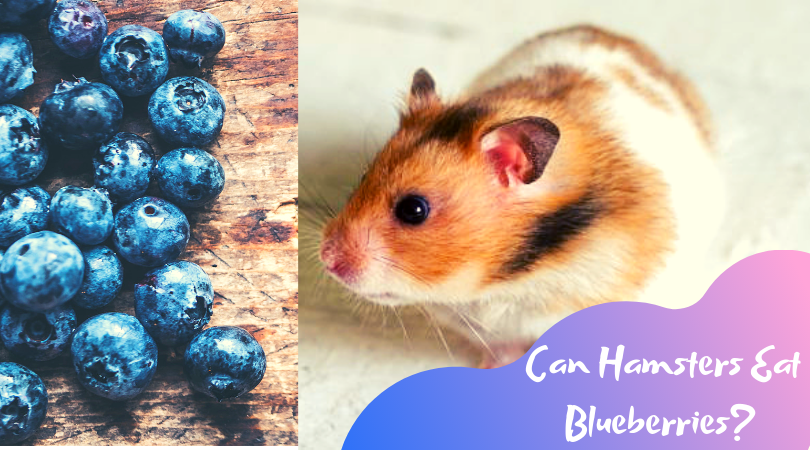
Can Hamsters Eat Blueberries?

август 13, 2019 By Petsium

When it comes to feeding, there are a few matters that are definitely worth mentioning in order to keep your hamster healthy.

Especially when you want to treat your hamster with something new like blueberries. So, let’s see can hamsters eat blueberries?

Sure, we all melt away when we see a tiny hamster storing a lot of food in the cheek pockets, even though he has plenty of food everywhere.

But it’s important to know exactly what to feed them and what not.

First of all, they need a diversified diet.

That is easy to do thanks to the plenty of options that you can find in pet shops.

However, apart from those, maybe you would like to feed him a little treat every now and then. How about blueberries? Are they suitable for hamsters?

can hamsters eat blueberries

Can Hamsters Eat Blueberries or Not?

Yest they can eat blueberries, but…

Though hamsters are rodents and usually eat simple grains, every once in a while you can feed them with something else.

But be careful.

Grains, as well as seeds and nuts also help them sharpen their teeth.

This means that anything else should be given to them only in little quantities.

Let’s take blueberries for example.

They bring along so many health advantages for us.

They are packed with antioxidants and are nature’s biggest weapons to have a strong immune system.

Blueberries are safe for hamsters and even recommended. The adorable hamster will find them delicious and it will be delight to see him eating them too.

How Many Blueberries Can a Hamster Eat?

Still, even though blueberries aren’t as sweet as other fruits, they do contain certain amounts of sugar.

This isn’t beneficial for a hamster.

One or two blueberries are totally fine.

But don’t go over the limit and don’t give your hamster more than that.

More blueberries can upset his stomach and lead to gastrointestinal distress, which might force you to take him to the vet.

It’s easy to avoid this by sticking mostly to grains and 1-2 blueberries occasionally.

Only feed him raw blueberries and make sure they are fresh.

They shouldn’t either be too ripe or too green.

how many blueberries can a hamster eat

Can Hamsters Eat Frozen Blueberries?

Stick to fresh ones and don’t feed him frozen blueberries.

Those ones contain way too much ice and water.

No type of frozen product is suitable for a hamster, not even carrots.

If you want to spice things up and give him something else, never look in the freezer.

Don’t go for processed products such as jams or anything else of the sort.

This is very important to remember.

Those ones include massive amounts of sugar, which can affect the hamster’s stomach.

Not to mention that they will be too liquid.

Even if a hamster can eat things that aren’t very hard, the food should have a certain firmness so that he can eat it properly.

Jellies are certainly not one of the foods that you can safely give to the little friend.

What Kind of Fruit Can Hamsters Eat?

This actually applies to any other fruit that is ok for hamsters such as apples or strawberries.

Never feed your hamster with citrus fruits as they are way too acidic for his body.

Even with the antioxidant rich blueberries that also bring along health benefits for hamsters, limit the amount even if the little one seems to really enjoy them.

As the hamster is a pet whose main diet consists in something totally different, it’s highly recommended to give him only the highest quality food, especially when it comes to exceptions.

The treats should be just right. Be highly critical here.

Conclusion

Even if hamsters can eat blueberries, caution is advised.

Always pay attention how much you give him and stick to his regular diet.

Also, don’t mix various types of fruits.

Blueberries or any other types of fruits should only be given separately.

Never feed a hamster only fruit the whole day as they need other nutrient requirements too.

Hamsters are great pets for people of all ages.

They are mostly preferred by children and these little cute rodents can help a child learn more about caring about others.

Also people who live in apartments or who have a busy working life choose hamsters as pets because they are pretty low maintenance.

hamsters can eat blueberries

Категорије: Hamster

Primary Sidebar

Small Fish Tank

Glass Fish Tank

Категорије

  • Animals
  • Birds
  • Cats
  • Dogs
  • Fish
  • Goldfish
  • Guinea Pig
  • Hamster
  • Horses
  • Name Inspiration
  • Parrot Pet
  • Rabbits
  • Reptile Names

Скорашњи чланци

  • Hoppy Naming! Adorable and Funny Easter-Inspired Guinea Pig Names
  • Purr-fectly Adorable: Valentine’s Day Cat Names for Your Feline Friend
  • Astronomy Inspired Cat Names
  • James Bond Cat Names: Purr-fectly Suave Options for Your Feline 007
  • 170 Authentic Greek Names For Cats
  • Hippie Cat Names
  • Ladybug Facts For Kids
  • Unique White Horse Names with Meanings: From Majestic to Mystical
  • Disney Turtle Names: 160+ Names For Turtles From Disney Movies
  • 100+ Names For Black Horses With Meanings

Guinea Pig Cage

Large cage for your guinea pig

Ознаке

Best family parrots Best Gifts for Cat Lovers Best Hamster Toys Best parrot for beginners Best parrot for kids Best Small Dogs For Kids Boy Cat Names Can Guinea Pigs Eat Celery Cat Names Cat names for pairs Dog Behavior Dog Throwing up Dog Vomiting eat Female Bengal Cat Names Female guinea pig names Funny goldfish names Goldfish aquarium Goldfish names Gold Fish Names Goldfish tank Goldfish varieties Guinea Pig Guinea pig names Guinea pigs Male guinea pig names Manx Cat Names Names for Goldfish Names for guinea pigs Names for pink fish persian cat personality Siamese cats Small curly haired dogs Small dog breeds Sounds Twin cat names Types of goldfish Undigested food Unique guinea pig names What can guinea pigs eat Winter White Hamster Care Winter White Hamster Colors Winter White Hamster Diet Winter White Hamster Facts Winter White Hamster Life Span

Disclaimer:

This website „PETSIUM“ is not liable for any outcome or damage resulting from information obtained from these articles.

The articles provided here are for information and entertainment purposes only. The decision to use, or not to use, any of this information is the sole responsibility of the reader.

Any medical related content in any articles is not intended as diagnosis, treatment or prescription. It is not intended to be a medical advice and is not a substitute for professional medical advice. Please consult with a licensed health care practitioner if you are dealing with a serious medical problem.

Hamster Cage

Hamster Cage

Footer

Petsium – Veštačka Inteligencija

Dobrodošli na Petsium, vašeg novog saputnika za brzo, precizno i potpuno besplatno AI iskustvo. Ovde možete da postavite bilo koje pitanje – od pisanja eseja, preko tehničkih izazova u kodiranju, do saveta za svakodnevne zadatke – i dobićete odgovor prilagođen upravo vama. Sve to bez registracije, bez komplikovanih menija i bez skrivenih troškova.


© 2026 Petsium · Privacy Policy