• Skip to primary navigation
  • Skip to main content
  • Skip to primary sidebar
  • Skip to footer

Petsium - Veštačka Inteligencija | AI

Vestacka Inteligencija Aplikacija i Chat

  • Vestacka Inteligencija
  • Kontakt
  • Uslovi Koriscenja

Rabbits

Lop Rabbit – A Popular Rabbit Breed

септембар 2, 2020 By liv parmel

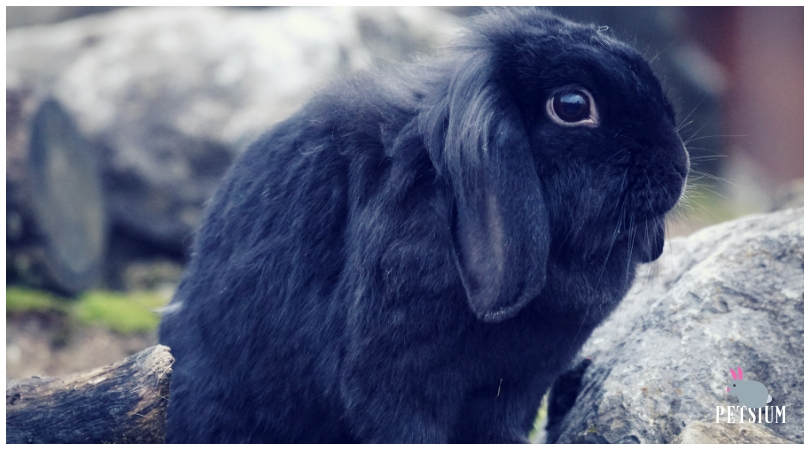
While any rabbit is a cute pet, lop rabbit breeds rank among some of the most popular rabbit types and for good reason. Incredibly cute, cuddly and sweet dispositions all add up to make lop eared rabbit breeds desirable pets, while their intrinsic attractive appearance make them great show animals.

Perhaps the most distinctive feature on lop eared rabbits, are the large ears. They are thick and wide and they flop along side of the head area. Out of all the domestic breeds of rabbit, they are the oldest breed and they can be traced back to the 17th century.
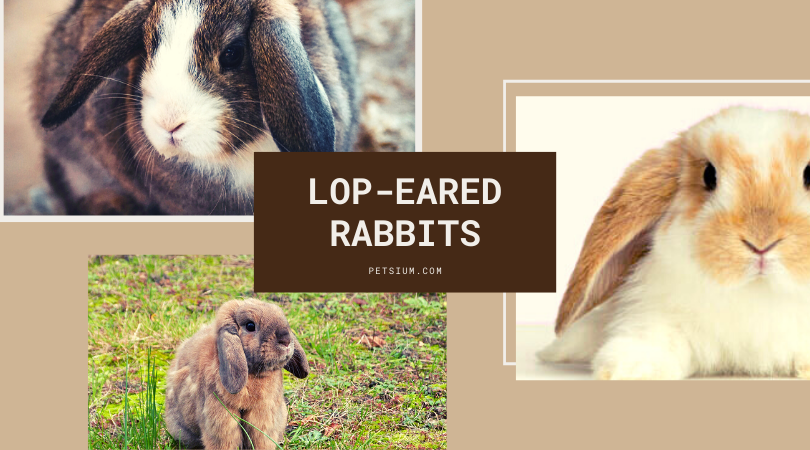
lop rabbit

There are different lop eared rabbit breeds but every type is considered small, muscular and they all have the signature floppy ears by the time they reach 4 months old.

Lop Rabbits Breeds

As their name would indicate, the lop rabbit has ears that may be short or long, but always floppy. There are several varieties within the lop eared rabbit breeds to be considered as pets that would do equally well in that role.

American Fuzzy Lop Rabbit

The American Fuzzy Lop rabbit has a long, dense coat of fur. Their droopy ears are on the shorter side compared to some of the varieties. A few different varieties fall into the American Fuzzy Lop category, depending on their coloration. In general, these can be any one of an assortment of colors, from solid whites to shaded hues and wide bands.

Mini Lop Rabbit

A truly sweet pet is the Mini Lop rabbit. They genuinely love the attention they receive from their owners, and love to cuddle and play. Smaller than the average rabbit pet, they are ideal as pets for children who enjoy showering attention upon them. Mini Lops are intelligent as well, and have been known to become litter trained. There is a wide spectrum of color variations for the Mini Lops, although for show bunnies, only 5 of those are recognized.

Holland Lop Rabbit

Another lop rabbit variety that is widely sought as a pet is the Holland lop. A dwarf variety, the Holland lop rabbit weighs only about 3.5 to 4 pounds and are very playful animals. While toys are available for purchase in pet stores, they enjoy simple toys that can be fashioned from items readily found within most homes; items such as empty toilet paper rolls and golf balls.

The Holland lop is actually the smallest breed of lop eared rabbit. It weighs in at less than 4 pounds and the ears are thick and long and they drag on the ground. This type of rabbit comes in many colors and patterns and it has a stocky, muscular body. The Holland lop is known for having a sweet temperament and it is non aggressive.
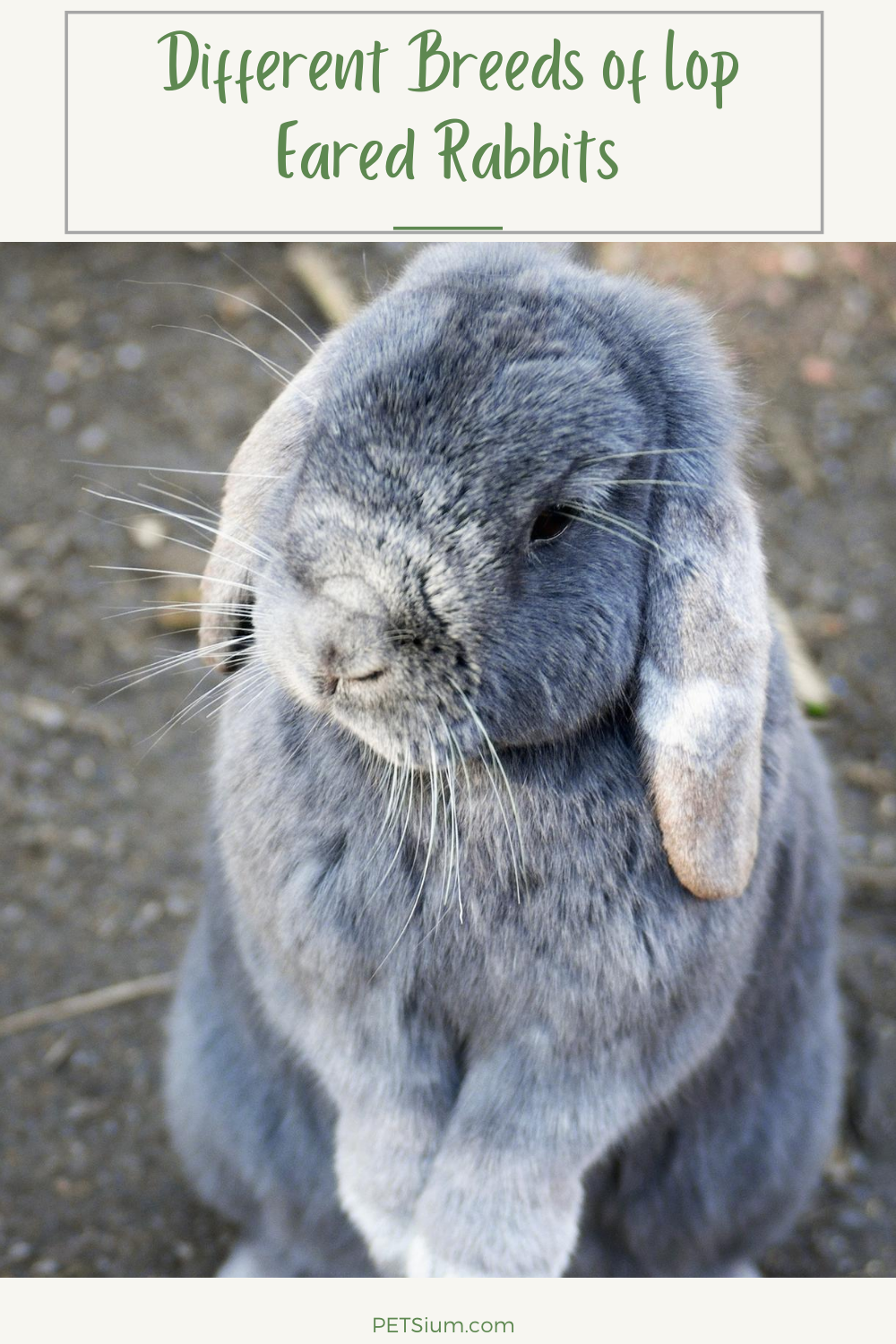
lop eared rabbits

English Lop Rabbit

The English lop is called the “king of the fancy” because it is the first type of lop eared rabbit. This rabbit can weigh a full 9 pounds and it has the longest ears out of all lop eared rabbit types. Usually the ears are 21 inches and they can drag on the floor along side of the rabbit. They behave well and are very smart.

The English Lop rabbit sports the longest ears of all types of rabbits. These floppy ears can reach an impressive length of over twenty inches! Of course, with ears this long, owner must take some careful considerations when providing for their pets. One of the most overlooked special needs is the requirement for a hutch that is much larger than what another rabbit might need.

At the other end of the spectrum is the English lop rabbit; one of the larger of the breeds. This rabbit on average measures out to around 22 inches long, with magnificent ears that grow as long as 20 inches long! With truly great personalities, the English lop lavishes in love and attention, and responds with an extremely docile manner. This breed is known to be one of the oldest breeds of rabbit, with history back to the 16th century.

French Lop Rabbit

The French lop is said to be the largest of the lops. It can weigh over 10 pounds but the ears are much shorter than the English lop. If it is kept outside, it will need a large hutch or area to move around in. They are friendly and have a relaxed temperament but it isn’t a good idea to have them around small children. Toddlers can accidentally harm the rabbit or the rabbit can become aggressive and bite the child.

German Lop Rabbit

The German lop is a small type of rabbit. The average German lop weighs around 7 pounds. The ears can flop up to 11 inches and they come in a variety of color patterns. This rabbit is muscular and has thick, course hair. It can live and be happy living indoors or outdoors and although it does have bursts of energy, it should have a hutch or specific area to rest in because this type of rabbit enjoys a certain amount of downtime.

Dwarf Lop Rabbit

The dwarf rabbit is one of the smallest types of lop eared rabbit. The average dwarf weighs in at around 4 pounds. The ears are relatively short and they have dense short hair. They come in a variety of colors and patters that include chinchilla, sable and seal point. They are smart and can be trained to use a litter box and they can also learn their own names and respond to them. The dwarf rabbit should probably be kept inside away from the elements.

The lop eared rabbit is one of the most adorable animals that people choose to keep as pets. They are not hard to train and they can be taught to use a litter box and kept within the home. They groom themselves and if you have your pet lop eared rabbit spayed or neutered, it can live up to 10 years. This small animal requires little care and it is friendly and playful.

The lop rabbit is among the most popular of the rabbit breeds.

Velveteen Lop Rabbit

The Velveteen Lop is a new breed of rabbit that is gaining in popularity.

The Velveteen Lop has one of the sweetest dispositions. They also love attention. They are very cute, looking almost like the velveteen rabbit in children’s storybooks. They are much easier to take care of than Angoras. If you are looking for a rabbit that enjoys cuddles this one might be perfect for you.

Velveteen Lops weigh five to seven pounds and they are mandolin shaped. They have long ears, about 12 inches. They are on the small side for rabbits. The fur of the Velveteen Lop is very plush and velvety, which may explain their name. Their fur is very short when compared to other rabbits and also has minimal guard hairs. This makes them much easier to groom.
Категорије: Rabbits

What Type of Rabbit is the Best

јун 15, 2020 By liv parmel

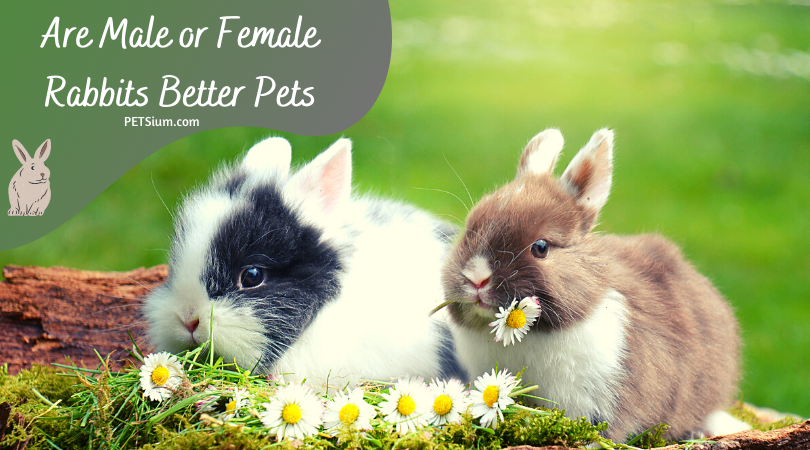
Male vs Female Rabbits…

Naturally as with any animal there are good and bad points for owning each gender.

Female Rabbits

Around 5/6 months of age females Rabbits can be a very difficult to deal with or control as their hormones kick in and the urge to nest and breed becomes overwhelming.

are male or female rabbits better pets

Signs of this include:

  • Becoming territorial not letting anyone near the cage for feeding or cleaning.
  • You may have trouble handling them.
  • They also may throw temper tantrums and try to destroy items in their cages.
  • Litter training may become a thing of the past.
  • They may also start trying to dig anything from bedding to carpet as their natural urge to build their underground warren and burrow kicks into overdrive.

Female bunnies can also experience fake pregnancies when they start to build a nest in a corner of their hutch or house using straw, hay and even pulling out their own fur to line the nests with

Note: Not all bunnies will display significant behavioural changes as a result of hormones.

Male Rabbits

Tend to be more mellow, less moody and unlikely to get grumpy as they do not have the inherited duties of nest building or protection of young.

Around 5 to 6 months their hormones will also go into overdrive and they may become overly romantic with items such as soft toys, pillows, your leg and even other pets if they will oblige.

Naturally this can raise a few interesting conversations if you have children around wanting to know what their bunny rabbit is doing.

The worst male habit tends to be urine spraying, like with cats, dogs and many other animals. In the wild they are just marking their territory and leaving their scent for any prospective females to find.

The key is to have him neutered before the spraying stage starts, consult with your local vet as some are willing to operate as early as 4 months and others prefer to wait.

If you wait till after he has started spraying there is no guarantee that having him neutered will stop him from still spraying afterwards, so the sooner the better.

Note: Every bunny is different and not all rabbits experience mood and temperament changes during puberty.

Rabbit Personalities

Each individual rabbit has and will develop its own unique personality over time. Some are laid back, while others are highly strung.

Factors that contribute to a rabbits overall temperament are the type of breed, how they are introduced, integrated, handled and treated and the conditions and environments they are exposed to.

For example if you put a breed that tends to be more highly strung like a Polish surrounded by screaming kids, and a cattle dog that just loves to try and round everything up, you are creating a recipe for disaster. The poor rabbit will think you have sentenced it to a certain death.

However if you get a larger more mellow breed of bunny like a Flemish giant keep them separated slowly introduces them and give the whole family the rules and boundaries you new bunny will be running with the kids and the dog in no time.

Having said that even though some breeds tend to be more laid back each rabbit, like people will have its own individual personality, likes, dislikes and tolerance levels.

How many Rabbits…

Whether to keep 1 or 2 bunnies, males and or females etc can be the cause of much debate.

There is no hard and fast rule on keeping 1, 2 or more bunnies.

Some breeders say that as bunnies are social it is better to keep more than one, others say if you are looking for a lovable and affectionate companion to hang out with you then one is the only way to go.

Ultimately it comes down to how you see a bunny fitting into your life, the purpose you want the bun/s for, how much time, effort and money you are willing to spend to look after them properly.

which rabbits make the best pets

When deciding on a type of rabbit, consider…

  • The type environment they will be living in – busy family vs quiet single.
  • Who will be their primary care giver – adult vs child.
  • Other pets size and temperament – excitable vs mellow.
  • The rabbits individual temperament – laid back vs skittish.
  • What size rabbit will be best – small vs medium or larger.

Which Breeds Make the Best Pets…

When choosing a rabbit as a pet, it is a good idea to select one of the small or medium breeds, especially if you are a first time Bunny owner.

These rabbits in general will be tamer than the larger breeds such as the Californian and will be easier for older children to handle and care for.

Small Breeds

Small breeds tend to make the best pets or show animals for children, they generally weigh less than 6 lbs or 2.7 kg and are easy to handle.

  • Dutch
  • Dwarf Hotot
  • Himalayan
  • Holland Lop
  • Mini Lop
  • Lops
  • Lionhead
  • Mini Lionhead
  • The Mini Rex
  • Mini Satin
  • Netherland Dwarf
  • Tan

Medium Breeds

These bunnies are a great for somebody desiring a bunny not too small but at the same time not too large.

Generally medium bunnies weigh between 6 to 9 lbs. or 2.7 kg to 4 kg.

  • Belgian Hare
  • English Spot
  • Harlequin
  • Rex
  • Thrianta

If you are looking for a bunny just as a companion, then is adopting a rescue bunny that has gotten over its teen phase, been de-sexed and already had some training, is great pet option.

The best way to see and find out about most rabbit breeds is to attend a rabbit show.

In general rabbits live healthier and happier lives, when kept as an interactive indoor pet in a rabbit safe room.

Remember indoor Rabbits can live 10 to 12 years or more so do your research ahead of time so that you’ll know if you are truly ready for the commitment that having rabbits requires.

Категорије: Rabbits

How to Clicker Train a Rabbit

мај 26, 2020 By liv parmel

Many people don’t know this, but rabbits are trainable animals.

Make sure to bond and get your rabbit to trust you before you start training.

The most important piece of training equipment is a clicker.

A clicker doesn’t command the rabbit to do anything, it just lets the rabbit know that the behavior that he is doing is good and he gets a treat.

Follow the tricks in the order I put them in. If you do an hour of rabbit training, a day, your rabbit will be a pro at tricks.

how to clicker train your pet rabbit

Rabbit Clicker Training

Clicker Training is to train your rabbit to come and get a treat when they hear the clicking from the clicker.

I suggest you Clicker Train your rabbit before you train it other things because it will need to know when to get a treat when it does a trick, something good, or something you wanted it to do.

How to Clicker Train Your Rabbit

Materials:

A Clicker, a Rabbit, and Healthy Treats

Days 1-4

It is simple to do this. Click your Clicker and then give it a treat. Do this for at most 20 minutes a day. Do it repetitively. Bunny will soon think, Hmmmm… Every time I hear this clicking I get a treat from my owner.

Days 4-7

Take 5 steps away from the rabbit. Then click the clicker. He/she should respond to the clicker.

If the bunny does not respond to it, then it is a good idea to do a couple more days on just the click then give a treat.

How to Train Your Rabbit to Come When Called

Your Bunny Will Come When You Call Him

Materials

A Rabbit and Treats

Days 1-3

Say the same word every time and give your rabbit a treat. Have your Rabbit on your lap and repetitively say „Come“ then give your rabbit a treat.

He doesn’t have to come we just want him to realize that when you say come he will get a treat.

Days 3-5

Place your rabbit 1-3 feet away from you and say „Come“ your rabbit should come but if he doesn’t go back to step one for another day or two.

Don’t move on to step three until you have completed step two.

Days 5-8

Put your rabbit 5-8 feet away from you and see if he will come when you call him. If he doesn’t go back to step two for a few more days.

How to Train Your Rabbit to Stand on His Hind Legs

Your Bunny Will Stand on His Hind Legs on Command If You Follow These Steps

Materials

Treats, Bunny, and Clicker

Days 1-5

Put a treat under your bunny’s nose and lift it up. When your bunny is up, say „Stand“ or „Up“. You need to say a command so your rabbit knows that Stand or Up means to stand on his hind legs.

Days 5-6

Say your command and your bunny should stand on his hind legs. If they don’t, go back to step one for a day or two until your bunny gets it.

How to Target Train Your Rabbit

Your Rabbit Will Be Trained to Follow a Ball on a Stick

How to Make a Target Trainer

Materials

Cat Ball, Drill, Hot Glue Gun, and Wooden Dowel

Instructions

  • Take a drill and drill a bigger hole on one of the holes so the wooden dowel fits in in.
  • Stick the wooden in the cat ball. Slide the dowel all the way to the bottom of the cat ball.
  • Take the hot glue gun and hot glue the cat ball to the dowel.
  • Let your target trainer dry.

Target Training

Materials

Target Trainer, Clicker, Treats, and a Rabbit

Days 1-3

Hold the Target Trainer away from the rabbit, when the rabbit touches the target trainer with his nose, click your clicker and give your rabbit a treat.

Days 3-5

Do the same thing as days 1-3 but this time do a three second touch instead of an meditate treat.

Days 5-7

Do a four second chase and a three second touch. Then Click the clicker and give your rabbit a treat.

how to teach bunnies tricks

How to Train Your Rabbit to Push a Ball With His Nose

Your Rabbit Will Learn to Push a Ball With His Nose on Command

Materials

Clicker, Treats, Cat Ball, and a Rabbit

Days 1-3

Put the ball in the middle of the room and wait for your rabbit to touch it with his nose. Immediately after your rabbit touches it, click the clicker and give your rabbit a treat.

Your rabbit should recognize this ball from the end of your target trainer so it shouldn’t take long to train your rabbit this trick.

Days 3-5

Have your rabbit push the ball with his nose. After he pushes it, click your clicker and give your rabbit a treat.

How to Train Your Rabbit to Jump Through a Hoop

Your Rabbit Will Jump Through a Hula Hoop on Command

Materials

Clicker, Treats, a Hula Hoop, and a Rabbit

Days 1-3

Hold the Hula Hoop to the ground and sit on the other side and say „Hoop“ as rabbit is hopping through the Hula Hoop.

Sit on the side you want your rabbit to jump to so your rabbit will come over to you. Once your rabbit hops through the Hula Hoop, click your clicker and give your rabbit a treat

Days 3-5

Lift your Hula Hoop off the ground about ten inches and sit on the side you want your rabbit to jump to. Once he does, click the clicker and give the rabbit a treat.

Days 5-8

Do the same thing you did on days 3-5 but this time stand on the side of your Hula Hoop and press the Hula Hoop to your rabbit’s chest to coax him through the hoop.

Don’t forget to say „Hoop“ and when he does it, click the clicker and give your rabbit a treat.

How to Train Your Rabbit to do an Agility Hurdle

Materials

Clicker, Treats, Agility Hurdle, Target Trainer, and Rabbit

Days 1-3

Take your Target Trainer and direct your rabbit over the Hurdle as he is jumping, say „Jump“ or „Over“ so your rabbit knows that jump or over means he has to jump over the Hurdle.

Once your rabbit has jumped over the hurdle, click your clicker and give your rabbit a treat.

Days 3-5

Say the same command you were saying on days 1-3 and see if your rabbit will hurdle the agility hurdle. If he doesn’t go back to step one for a few more days.

Training Your Rabbit to Do Tricks

Rabbits are naturally intelligent, in most cases are easy to train, will quickly pick up new behaviours and learn tricks.

When training a pet it can take anything from a few hours to a few weeks for your rabbit to adopt a new behaviour or pick up training, just remember patience, love, repetition and positive reinforcement are the key ingredients.

If you have just brought your rabbit home it is a good idea to spend some time bonding first.

Training then becomes a natural extension of your relationship that strengthens trust, incorporates quality time and enhances you and your rabbits relationship.

You can start by simply grooming and playing with your rabbit as you get to know and become at ease with each other you can include some training which will keep developing your bond.

Категорије: Rabbits

Rabbit Litter and Litter Box Training

април 30, 2020 By liv parmel

When you first bring your rabbit home allow a couple of days for them to get used to their cage and accustomed to their surrounds.

This will also give you an opportunity to see where they decide to go to the toilet so you are able to set up their litter box in a spot of their choosing.

Allowing your rabbit to run unsupervised is not a good idea, especially when they are new to your home.

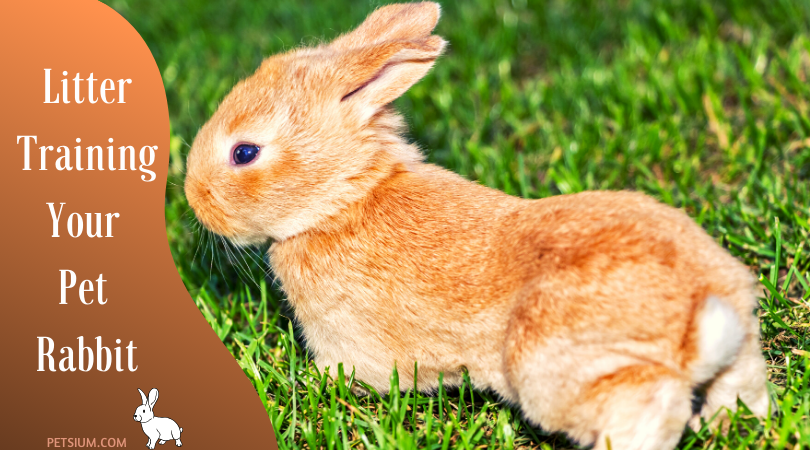
Litter Training Your Pet Rabbit

Remember to keep your eye on your rabbit for all out of cage time, if they pee or poo out of their litter box, do not yell or get angry with them, just soak or pick it up with a tissue and place the feces or urine and rabbit back into their litter box immediately, they will catch on soon enough.

Do not rush your rabbit, allow therm to explore and go about their business and learn to use their litter box in their own time, like people all rabbits are different, some will catch on faster than others.

Selecting a suitable rabbit litter box, will help make the litter training process easier for both you and your rabbit.

What to Consider When Buying a Rabbit Litter Box

The Size of your Rabbit – Rabbits tend to use their litter box to play, eat and even sleep at times, so when it comes to selecting a litter box, bigger is always better.

Cage Size – will the litter tray fit inside the cage door and the litter box allow enough space in the rest of the cage for your rabbit.

Recommended Rabbit Litter Boxes

High Corner Litter Box

Great for small rabbits that have a cage as a base, they offer some privacy and help to keep the cage and surrounds clean.

Square hi-back Litter Box

This work well for rabbits especially if they are old, have arthritis or other mobility medical conditions that make hopping into a box difficult.

Plastic Cat Litter Trays

They come in several sizes can be cleaned with vinegar.You cut down one side of a cat litter box and cover the edges with split plastic tubing to make it safe.

Large Dog Litter Trays

These type of trays are heavy duty, easy to clean, have a low entry site, provide plenty of room and are great for large or rabbits with mobility issues.

Wire Bottom Litter Boxes

Wire in Litter Boxes – Tend to be favoured as a way to stop your rabbit from digging through their litter, to reduce mess, make cleaning easier.

Some rabbits will simply refuse to use them.

As it is designed for the dropping to fall through, it is crucial that your rabbit is able to access to their cecotropes, a softer ball type dropping that a rabbits need to eat in order to extract residual nutrients from their food.

Remember no matter what type of Rabbit Litter Box you select as long as you factor in the size of your rabbit and space available you are off to a good start.

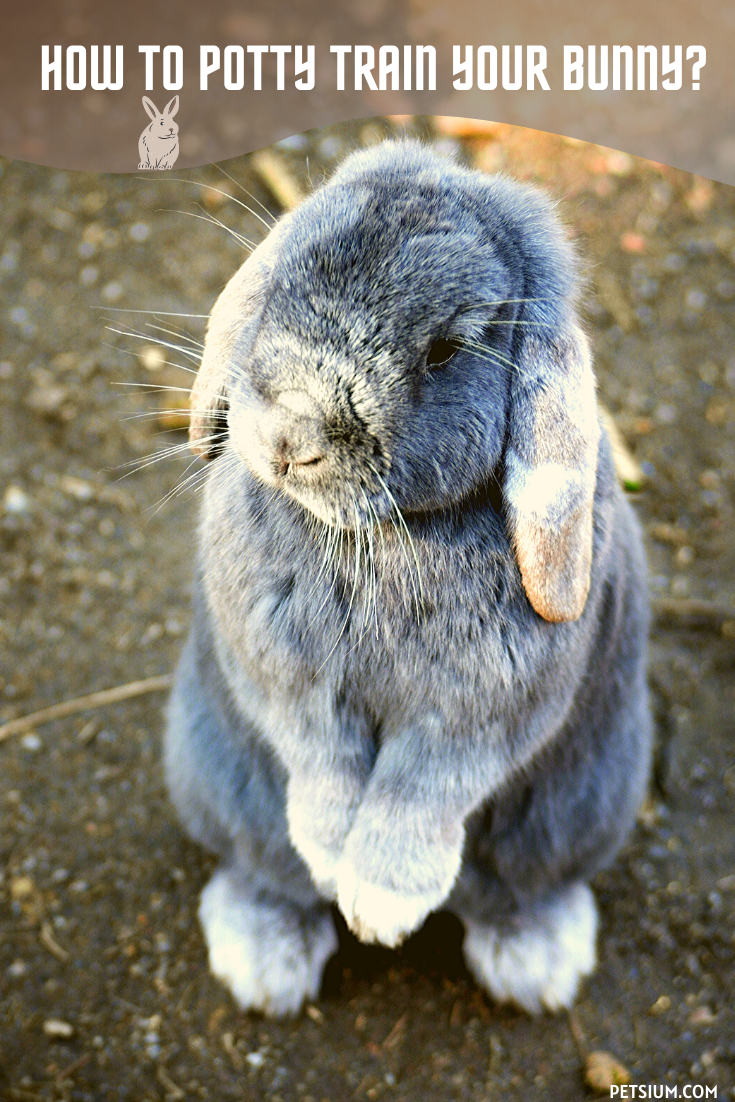
How to Litter Train a Rabbit

For the rabbit litter training you have to get several litter boxes, which should filled, with a rabbit safe product. For rabbit, litter items like paper-based litter are preferred most. Free wood stove chips can also used.

Before placing the litter box just watch the rabbit in which position it does the litter. If you can noticed the favourite place of your rabbit then put the litter box in that place. This is the easiest process to convey the message of littering to the rabbit.

If you find that, the rabbit is doing the litter outside the litter box then just startle the rabbit towards the litter box. Do not try to reprimand your rabbit after the litter.

Use white vinegar for cleaning the rabbit litter. You can also clean the rabbit litter boxes using this white vinegar. Remove the smell of the rabbit litter so that the smell cannot affect the rabbit.

Clean the rabbit litter once in a day and the litter box once in a week.

Once the rabbit starts using the rabbit litter, you can change the position of the litter boxes. You can also change the number of rabbit litter boxes if your rabbit is habituated using the rabbit litter box.

how to toilet-train your rabbit

Rabbit Urinating Everywhere

If your rabbit is litter trained and starts to change their toilet behaviour there are a few reasons and signs to look out for.

Dribbling urine over their cage instead of using the litter box.

In most cases dribbles (especially if your rabbit is litter trained) are an indication of a bladder infection.

Get your rabbit to a vet asap, they will probably prescribe antibiotics. If the dribbling stops, you know that that was the problem.

What if the Dribles do not stop after antibiotics?

Consider if your rabbit is feeling afraid, has there been a change in routine or cage location, they may be any factors that may be making your bunny feel insecure and can cause a rabbit to mark their new territory.

Also check back with the Vet just in case.

Why Do Rabbits Pee Outside The Litter Box?

The most common reasons why a litter trained rabbit reverts to bad habits are:

Behavior Related – there can be many changes that can cause your rabbit to act up such as change of routine, stress, visitors, children home for the holidays, extremely bad weather

If it is a one of fright from a sudden loud noise while in their litter box can trigger a fear of using it in the future.

Regardless of what triggered the bad behaviour, the goal is to rebuild their confidence by placing their urine/droppings into their box while using praise, treats and positive reinforcement to reassure them that it is a safe.

Once they realize that nothing bad is going to happen they should forget about what happened and get back to their old litter routine.

Remember that litter box retraining can more time than the first time, patience, consistency and positive reinforcement are the key.

Territory Related – This can start when your baby rabbit turns into a teenager, in which case spaying or neutering can help. Adding another rabbit to the family can trigger the need for your rabbit to mark it’s territory, once your rabbit feels that it has sufficiently marked it’s territory, they should start using their litter box again.

Urinary Tract Infections – If you notice out of the ordinary explainable urinating, take your rabbit to see the Vet immediately. Often times once treated your rabbit will resume using their litter box again.

If somebody has rabbits in the house then the first thing to learn is rabbit litter training. However, the process of training is quite simple because the rabbits have tends to go to the corner of the rabbit hutch for toilet and stick to it.

Категорије: Rabbits

What Do Rabbits Eat?

јануар 26, 2020 By liv parmel

Many health problems in rabbits can be avoided through an appropriate diet. Rabbits have a somewhat complicated digestive system that requires food that is adapted to it. Rabbits are strict herbivores.

The right diet is important to keep your rabbit healthy and cheerful. And with all the misconception surrounding rabbit eating habits the right diet becomes a matter of life and death for the rabbit!

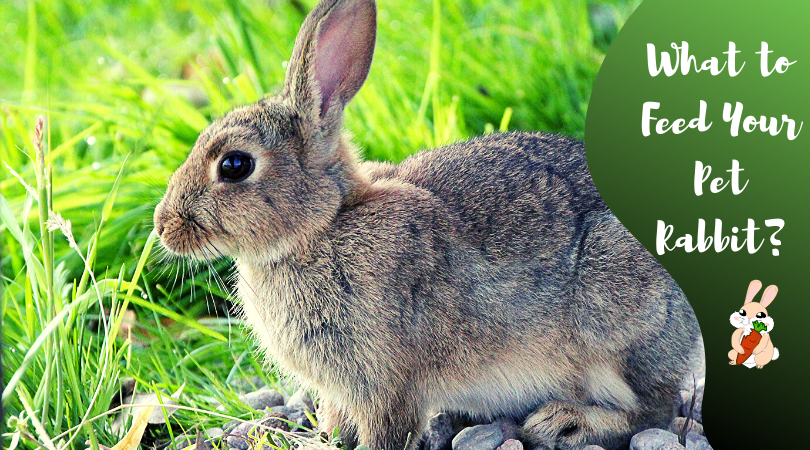
what to feed your pet rabbit

Feeding Rabbits Properly

Note that regular food from your refrigerator is not good for rabbits! And the common belief that a rabbit will eat just anything and stay healthy and playful is drastically wrong.

Rabbits are true vegetarians (the scientific term is herbivore). But the popular statement that rabbits eat only carrots and lettuce is way far from reality.

The truth is that a rabbit feeding carrots and lettuce will live a very short life and die is a very unpleasant manner. That is why, with all the misconception surrounding rabbit eating habits, it is also important to know what NOT to feed your rabbit.

There are certain foods to avoid at all costs. Tomatoes, cabbage, corn, beans, peas, potatoes, beets, onions, bamboo, and seeds hurt the digestive system of the rabbit. Chocolate, candy and other human foods are also unsuitable.

Pet rabbits eat timothy hay or grass, that’s the bulk of their diet, and food pellets. Fresh vegetables are given in small amounts as a treat because large amounts of vegetables are difficult to digest to rabbits.

Remember the following: It is vital to keep a rabbit’s digestive system constantly moving, so never let your bunnies go with nothing to eat, even overnight!

Rabbit Food

Rabbits have a somewhat complicated digestive system that requires food that is adapted to it. Rabbits are strict herbivores.

A typical rabbit diet should consist of the following:

  • Hay—provides the necessary fiber that aids the digestive system of rabbits in functioning.
  • Green shoots and vegetables—for example, leaf lettuces, parsley and other greens.
  • Fruits—these are treats for the animal. Most rabbits enjoy apples as they are sweet and have a hard surface that they can use to grind their teeth on.
  • Pellets—commercial feeds should form only a fraction of the total diet. Rabbits cannot survive healthily on pellets alone.
  • Water—should be available ad lib. The water should be changed at least once a day.

The rabbit enjoys variety almost as a human would. Repeating the same diet every day would reduce appetite and lead to health problems. It is recommended to have at least three different types of vegetables in the diet every day.

Hay or Grass

Your rabbit must always have grass or hay available, his or her diet should never consist of pellets only. Grass fibers are perfect for keeping a rabbit’s digestive system in constant work, that’s the natural food for wild rabbits.

Make sure the grass you give to your rabbit was not treated with with pesticides. Be careful not to give your rabbit too much Alfalfa Hay as it contains too much calcium for the bunny.

Pellets

Let your rabbit eat only quality pellets from a pet store. Pellets should not form the bulk of the rabbit’s diet, though rabbits love pellets and always want more.

Fresh Vegetables and Fruit

Fresh foods such as carrot, The statement that fruit and vegetables will cause diarrhea or other digestion problems is still under question, the opinions of breeders and veterinarians often diverge.

That is why, to stay on the safe side give your rabbit fresh vegetables and fruit in very small amounts as a treat, one type of food at a time.

Your rabbit will eat broccoli, parsley, kale, carrots (with tops!), dill, endive, mint, escarole, basil, culantro, cilantro, spinach, tomato, celery (cut up into small pieces, to avoid digestions problems with the tough strings!).

Berries and fruit such as mango, apple, banana, cherries, apricot, peach, plum, pineapple, apricot, papaya, berries should be give in very limited quantities for 2 reasons:

1) to avoid intestinal problems

2) not to indulge the rabbit and make him want sweet fruit instead of normal food.

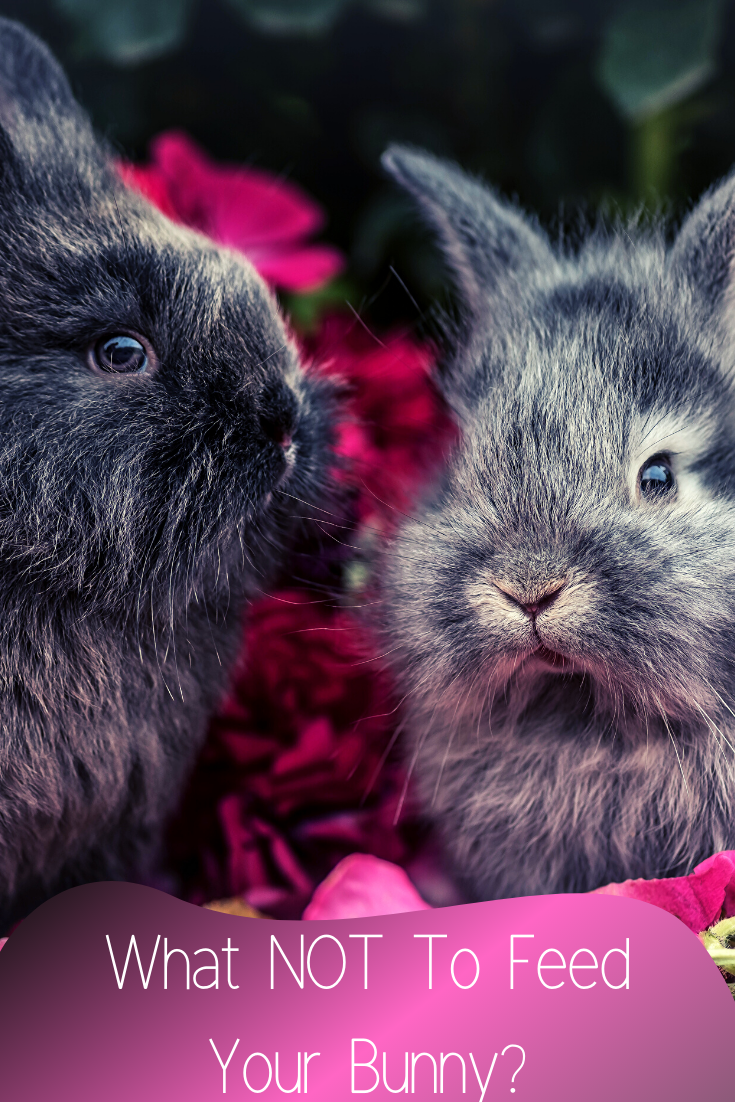
what not to feed your bunny

DO NOT Feed Your Rabbit This!

Rabbits are just like kids. And just like kids ready to swallow candies, cookies, chocolates and fast-food in huge amounts, rabbits readily eat the foods dangerous for their digestion and health if you allow them.

  • Meat: Rabbits are vegetarians.
  • Lettuce: But for some exceptions, lettuce will cause a severe diarrhea in your rabbit which may even kill it.
  • Chocolate, sweets, cookies, pasta, bread, chips, crackers or other foods high in carbohydrates.
  • Hamster or mice pellets
  • Clover: It may cause gas and rabbits are not able to expel the gas like many other animals, which may cause in bloated bowels and death.
  • Parsnip, cabbage, swedes, tomato leaves, potato tops.
  • Too many vegetables or fruit: Rabbits have very delicate digestive systems unable to digest large amounts of such food. A slice of apple or a small piece of carrot can be sometimes given as a treat.

Do Not Try to Feed Rabbits with Flowers

However, if your rabbit is running free in the garden make sure it won’t eat Tulips and other Bulbs, Arum Lilies, Daffodils, Jasmines, Dahlia, Ivy, Foxglove, Snowdrops, Delphiniums, Honeysuckle, Iris, Hemlock, Poppies, Deadly Nightshade, Primulas, Buttercups, Bluebells, Fairy Primrose, Anemones and Larkspur.

Feeding Your Pet Rabbit

It is important to feed your pet rabbit the right diet, as bunnies are susceptible to digestive problems and obesity. Commercial rabbit food, in the form of pellets, is not an adequate diet and can, in fact, lead to overweight and malnutrition.

The mainstay of a rabbit’s diet should be hay. Fresh grass hay, such as timothy or oat hay, should be available at all times, starting when the bunny is six or seven months old. Additionally, grown bunnies need between two and four cups daily of fresh vegetables.

The best vegetables for rabbits are, of course, carrots and carrot tops, greens such as collards and dandelion greens, and dark leafy lettuces such as romaine. Some greens are high in oxalates, which should be given no more than three times per week.

There are some vegetables to avoid: cauliflower, cabbage, beans, rhubarb and potatoes can be harmful to rabbits.

Finally, a small serving of fresh, high quality pellets can be a useful dietary supplement. But make sure that hay and vegetables are the mainstays of your bunny’s diet. And if you want to give your rabbit a treat, a small serving of fresh fruit is a good choice.

Категорије: Rabbits

Bunny Behavior

новембар 10, 2019 By liv parmel

Rabbits are social animals that love to interact with their owners and other rabbits. This intelligent and social creature thrives in a living environment where it can play, exercise and bond with a loving caretaker.

Rabbits make great pets because bunny behavior is different than the behavior of other small pets. To ensure your bunny is happy though, you’ll need to follow a few key tips for interacting with your bunny.

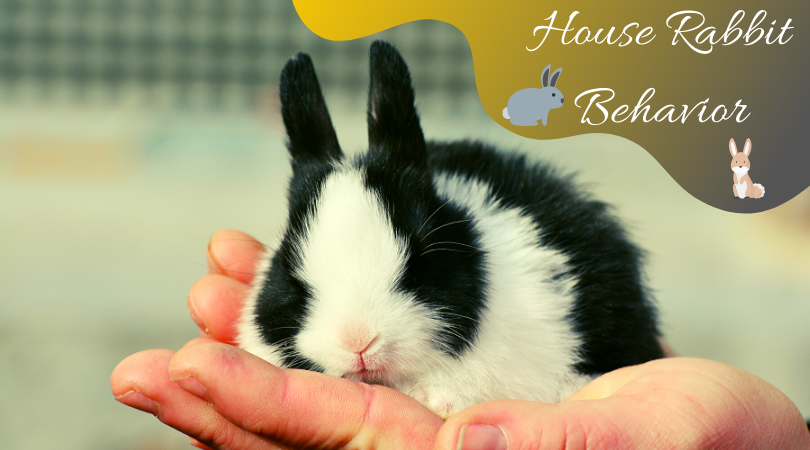
house rabbit behavior

House Rabbit

A house rabbit is a domestic rabbit that is kept as a pet and which lives inside the home with its owners. In general, a house rabbit has an indoor cage or pen. There is also a safe exercise area where they can hop around and play. House rabbits needs at least four hours per day outside their cages in a safe environment in order to keep its muscles from wasting away. The house rabbits are usually trained to perform certain tasks so that they can live without causing much nuisance to the human occupiers of the home.

The main behavior problems that house rabbit owners face are:

  • The rabbit urinates everywhere
  • The rabbit chews on everything and anything it comes across

When first introduced in a home, the rabbit may urinate in order to mark its territory. Later, it may be trained to use a litter box. The problem may persist with male rabbits that have the tendency to continue marking their territory. The problem may be resolved by neutering the male.

The problem of chewing arises when the rabbits are bored. Rabbits should be provided with toys that they can play with and chew upon.

Bonding with Your Rabbit

The most important part of creating a great relationship with your bunny is to spend time bonding with him or her. Forming a trusting and caring relationship will make handling and training your bunny so much easier than if you simply treat your bunny as another pet. Rabbits love to be gentle picked up and snuggled, allowed to hop around freely, and gently coaxed back into their cage when its time to be put away during the day or at night.

Forcing a rabbit to do anything will most likely result in negative behavioral actions on the rabbit’s part. You can also bond with your rabbit at feeding times or by giving your rabbit small treats a few times a week.

Rabbits are Smart

One of the greatest parts of bunny behavior is that rabbits are smart animals that love a challenge. Provide your rabbit with plenty of toys both in their cage and in any playtime area, such as a rabbit-proof room, a playpen or a rabbit run. Toys can range from the simple and inexpensive, like paper bags or cardboard boxes, to store-bought toys for bunnies, cats and birds. Anything that your bunny can chew on or push around will generally be a hit.

Rabbits also love to climb and jump short distance, so ramps leading to platforms and things of this nature will make your bunny happy while also giving him or her valuable exercise time.

Rabbit-proof Room

Bunnies can be mischievous if you let them, so supervised playtime is usually best, especially for a young rabbit or a rabbit that is new to your home. Having a rabbit-proof room that you can be in while your rabbit is playing, or a playpen big enough for you and your rabbit to be in, are the best options for indoor playtime. You can also supervise your rabbit outdoors.

Supervised playtime is also a great way to bond with your rabbit, as they will begin to see you as a loving companion rather than just the person that gives them food and water. You can slowly chase your rabbit around a room, roll toys towards him or her, or simply sit in the room and allow your rabbit to climb on you when it pleases.

One Rabbit or Two?

If you can afford to and are willing to have two bunnies, it’s a great idea to get your rabbit a companion so that the rabbits can exercise together and have a friend at all times. Neutered bunnies make the best companions for each other because altered rabbits display less aggression.

Rabbits are naturally social creatures that love to be around their owners and interact with people and other creatures. Rabbits do best when they are given a stable home, in the form of a rabbit-proof room or a large cage, and plenty of exercise and interaction.

Rabbits Showing Affection

Rabbits love to be held close to humans bodies so they feel secure. After interacting with your pet rabbit enough and showing them lots of love you may notice your bunny start to lick you. This is them trying to clean you like a fellow bunny and is one of the highest forms of rabbit affection. When they lick you they love you very much.

Another way they show you love is by trying to show off by jumping sporadically called a bink, binky, or binking. This is your rabbit trying to show off in front of you, rabbits that are caged all the time and never get any interaction from humans or other rabbits normally wont show these sign of affection. Enjoy spending time with your pet bunny and they will love you back.

understanding rabbit behaviour

Common Facts About Rabbit Behavior

Rabbits can be indoor and outdoor pets. In both cases they need plenty of room to run, and have at least four hours of quality running/playing time per day. Much exercise keeps your rabbit healthy and happy.

Sometimes your rabbit will thump their hind limbs. Thumping hind limbs is no worry matter, this behavior is natural and akin to the wild rabbits who will thump their feet to warn the others about the approaching treat.

Rabbits will cohabit very well with guinea pigs but 2 bucks will never cohabit, even if castrated. Rabbits are social animals, and they need interaction. They are very cute and can make great pets for families with children. Rabbits are in general quite easy to tame (though it differs form breed to breed) if they are handled regularly from birth.

The rabbits are by nature very clean. A pet rabbit will often choose one corner in their cage to deposit their poops and urine, so let you rabbit eat, in a different corner. The only exception is when a buck marks his territory with his urine. Rubbing his chin on things (new toys, for example) means leaving his own scent on it to mark as „his property“.

Your bunny may attack you with bared teeth and claws when you to take him/her out of the cage for a cuddle . This is common when rabbits become sexually mature or during pregnancy. During such periods it is better to open the cage door, let the rabbit on on his/her own and then handle them.

Keeping a rabbit in an outdoor enclosure limits the amount of human interaction they will have, and also exposes them to the elements of nature. Rabbits are rather fragile creatures that tend to contract illness easier and suffer from listlessness and depression when isolated. For these reasons, many rabbit owners prefer to keep their furry friends inside.

Категорије: Rabbits

Dwarf Rabbits Facts

август 24, 2019 By Petsium

So, why dwarf rabbits? Well, the most obvious reason is because they’re so unbelievably adorable! Let’s see some of the most common dwarf rabbit facts. They are relatively low maintenance, are quite sociable, and, compared to say dogs or cats, have a much more mild temper. Dwarf rabbits love to chew things, which is quite necessary for them to file down their teeth.

You can give your dwarf rabbit a lot of different things to chew on: wooden treats, cardboard rolls, old phone books, etc. Just be sure to keep an eye out on your dwarf bunny, if you’re leaving them out in an open place, because dwarf bunnies will chew through wires of all sorts!

Dwarf Rabbits Size

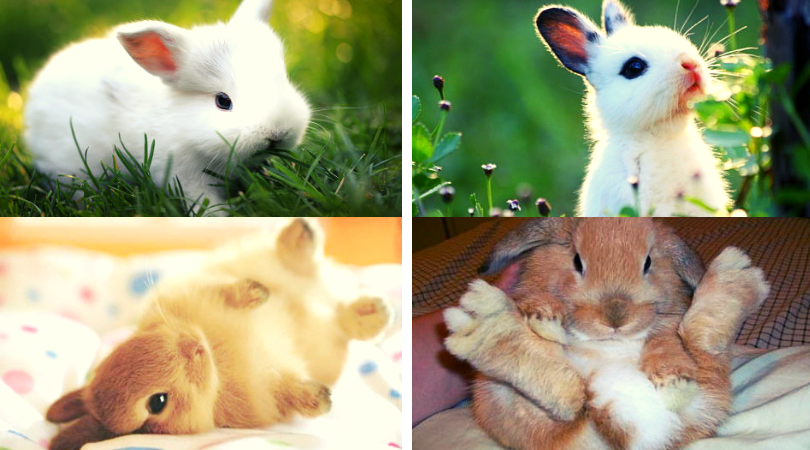
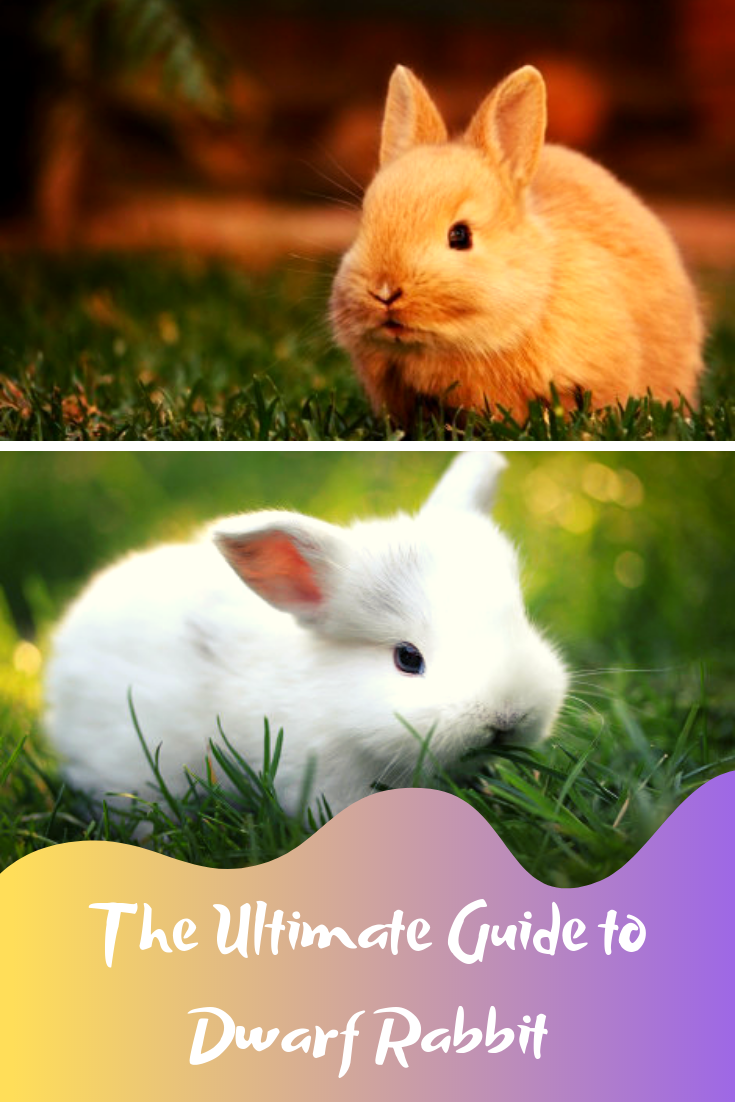
The most obvious feature of Dwarf Rabbit is their diminutive size. They’re so cute when they’re young! You could fit them in the palm of your hand. Full grown, they average 2-2.5 pounds. Dwarf bunny fur is incredibly soft and glossy, and dwarf bunnies are commonly displayed for show.

Dwarf Rabbits Colors

You can get a dwarf bunny in several colors, including: black, grey, chocolate, silver, and tan, and dwarf bunnies can come have several eye colors, including red and blue.

Dwarf Rabbits Facts

Dwarf Rabbits – Care

Although Dwarf rabbits do not require any complicated care system, theoretically keeping them should only be entrusted to experienced people. Dwarf rabbits are infection vulnerable and mischievous and, therefore to diligently care for them is necessary.

The enclosure requires regular cleaning. That will help to prevent foot sores and infection. The cage must provide enough space for the rabbit to feel loose and free to occupy any suitable position.

Types of Dwarf Rabbits:

  • Netherland Dwarf Rabbit
  • Dwarf Hotot
  • Jersey Wooly
  • Britannia Petite
  • Polish
  • Mini Rex

Netherland Dwarf Rabbit

As can be derived from the name, Netherland Dwarf Rabbits originated from the Netherland and its size is much smaller than other breeds of rabbits. It is available in a variety of colors owing to the fact that it is a cross breed of some wild rabbits and Polish rabbits. While it originated in the Netherlands currently all over the world there are Netherland Dwarf Rabbits for Sale.

Polish Dwarf Rabbits

The Polish Dwarf is a bit bigger than the Netherland Dwarf. Polish Dwarfs have rather short ears. They are extremely active and they can do a lot of tricks and things without getting tired. Polish Dwarfs are very trainable and sociable; they take to their owners pretty fast. They can be white, black, blue and chocolate in color. White rabbits can have ruby and blue eyes.

Dwarf Rabbits – Mini Rex

Mini Rex is relatively a new breed. The progenitor of the breed is Monna R. Berryhill, who crossbred a Dwarf Rex buck with a small sized Lynx Rex doe. In 1988, the American Rabbit Breeders Association (ARBA) registered the new breed and that was the beginning of the Dwarf Rex breed.

The Mini Rex is known for its soft and velvety fur. The average weight is 3.5-4.5 lbs. They may come in Tortoise Broken, seal, Lilac, Lynx, Red, White (red eyed), Chocolate, Chinchilla, Castor, Opal, Black and Blue.

Hotot Dwarf Rabbit

Pronounced Ho-Toe, the Dwarf Hotot Rabbit is quite active and gets along well with humans. Dwarf Hotot rabbits grow to weigh about 2.5 – 3 pounds, with a size comparable to other dwarf bunnies. Dwarf Hotot bunnies are easily recognized by their all white coat, and a black ring around their eyes. They should have no noticeable neck.

Dwarf Hotot’s live about 7-10 years. Compared to other dwarf rabbit breeds, dwarf Hotots are pretty uncommon. The best dwarf Hotot bunnies will have an extreme contrast between their eye color and the fur color, literally black and white.

Jersey Wooly Dwarf Rabbit

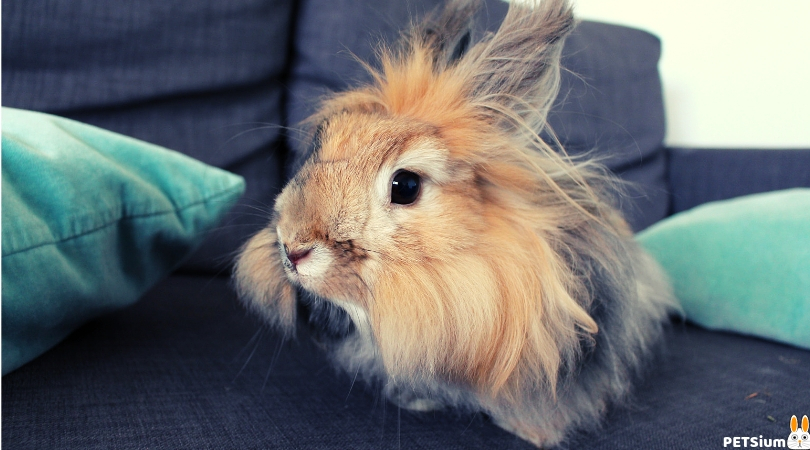
Not much information can be found on the jersey Wooly dwarf rabbit. They are originally from Holland, and can be found at several breeders through the US. They come in several colors, and are recognized by their incredible coat, which, if you can picture it, reminds you of a Wooly mammoth coat on a dwarf rabbit body.

Britannia Dwarf Rabbit/Polish Dwarf Rabbit

There are 2 different kinds of Polish Dwarf Rabbits: the Britannia aka the British Dwarf Bunny aka the Polish Dwarf Rabbit, and the American Polish Dwarf Bunny.

Britannia Rabbits are all white with red eyes, but there are many other color combinations available. The 2 polish dwarf rabbit types are generally the smallest of the dwarf bunnies, and are highly regarded as being among the most intelligent dwarf bunnies.

However, the Polish Dwarf Bunny is very active, and, depending on breeder, can be irritable and just all around unpleasant. It is important to note that often this is breeder error, and inherently the Polish Dwarf bunny is often sought after for being a wonderful pet or show rabbit. Polish Dwarf Rabbits often live 8-10 years.

American Polish Dwarf Rabbit

The American Polish Dwarf rabbit is slightly larger than the Britannia Dwarf Rabbit, and come in black, blue, and chocolate, with the same color eyes, and white with red/ruby or blue eyes. Overall however it shares many of the same characteristics as its UK brethren.

Giving the Dwarf Rabbit a Home

Dwarf rabbits usually don’t need an large place to live. Two or three cubic feet will usually suffice. There are many different things you can buy for your dwarf rabbit: for instance, a normal cage or a large hamster cage, or a hutch that you can get at a pet store. Can be as cheap as $10 or as much as $150, only depends on your budget.

The temperature environment of your dwarf bunny should not exceed 80 degrees farenheit. Dwarf bunnies can keep themselves warm, but have a hard time cooling themselves off. Should the temperature exceed 80 degrees, place a frozen water bottle in the dwarf bunny’s cage. This will help the dwarf bunny stay comfortable.

dwarf rabbits

What Do Dwarf Rabbits Eat

Contrary to popular belief, feeding your dwarf rabbit carrots all the time is NOT recommended. The most widely recommended diet is a pellet diet. If you’ve raised another type of animal, you should know how important it is NOT to overfeed your dwarf rabbit. Resist it as much as you can! Everyday, feed your dwarf rabbit the recommended serving size recommended by your pellet manufacturer.

Find a nice, high quality feed. Freshness is also important. Dwarf rabbit feed should not be more than 8 weeks old. It seems obvious, but make sure that there isn’t any mold or anything growing in the feed bag. Also, different pellet brands have different composition makeup.

Pellets are generally designed for commercial use, so your pet dwarf bunny may get incredibly fat if you don’t purchase the correct type of pellet! Generally, try to find a low-fat low(er) protein pellet brand, or one designed for pet dwarf rabbits.

You can also feed your dwarf rabbit greens, but keep it a reasonable amount. If you’re just starting out feeding your dwarf rabbit greens, let them adjust to it slowly. Their droppings may be a little bit softer while getting used to these greens.

Treats should be used sparingly. Treats are great for creating a bond between you and your dwarf bunny, but don’t overdo it! You could have one very, VERY large dwarf bunny if you feed him too many treats, and that would totally defeat the purpose of getting a dwarf bunny now wouldn’t it? Use treats sparingly, but definitely use them!

Also, be certain to leave plenty of water! I would recommend the use of a gravity type water feeder, most commonly seen on hamster cages. I’d stay away from water bowls and the like because your dwarf bunny may hit it, causing water to get all over the cage.

A Note About Hay

Hay is very important to your dwarf rabbit’s diet. Hay contains fiber and other „stuff“ which helps with the dwarf bunny’s digestive system. Give your dwarf bunny a little bit of hay everyday.

Your Dwarf Bunny’s Behavior

Is your dwarf bunny kept in its cage 24/7? If it is, then you need to rethink your dwarf bunny’s environment. Dwarf bunnies need room to roam around and explore, and more importantly, exercise! An hour or two a day goes a long way in your dwarf bunny’s happiness.

If you have more than 1 bunny, make sure the male dwarf rabbits are neutered! If there’s more than 1 unneutered male, well, prepare for some dwarf rabbit fight club! Female rabbits are usually fine. If you have 1 male and 1 female, make sure the male is neutered. Female dwarf bunnies can breed every 28 days if they were so inclined. Otherwise, dwarf bunnies make great companion animals, and can make great pets for children.

Dwarf Rabbits – General Physiology

Dwarfs have some common physiological characteristics. The body temperature ranges from 37.5 to 39 degrees Centigrade. Heart race is frequent. It covers 150-300 beats per interval. Life span is common to all breeds of rabbits (including regular rabbits). Dwarf rabbits live 5-8 years.

Категорије: Rabbits

The Best Facts About Rabbits

април 29, 2019 By liv parmel

Rabbits are included in the family of Leporidae, which means a family of mammals.

They can be seen in the woodland, grasslands, meadows and wetlands, and they also live as a group.

The European rabbit lives in subterranean burrows or perhaps a rabbit hole.

In the United States, we could actually locate one half of the planets rabbit populace.

The male rabbit is regarded as being a buck, and doe for the female.

Similar to cats, the younger rabbit is likewise called a kitten or even a kit.

facts about rabbits

The traditional response whenever we view a rabbit will be that it is so lovable and sweet, but you can find a great number of facts about rabbits which we should be aware of.

What is Special About a Rabbit?

With regards to ability to hear, smell and eyesight, the rabbits have a very good sense of all of them.

They’re able to detect possible predators from any direction due to their senses, this is just about 360 degree panoramic eyesight, this means that they will have the ability to notice just about everything to their rear.

They do possess a smallish blind-spot in front of their nose.

Just like a kangaroo, the rabbits can also jump around one meter high and three metres long, because of the strong hind limbs that permit them to leap great distances.

They will jump into the air, twist their body and flick their feet as an expression of their happiness.

Rabbit Social Behavior

Rabbits adore being in a group or company of other rabbits, they are affectionate and social animals.

They really like a companion, plus they must be kept in pairs so they will not get depressed and get bored stiff.

They are territorial animals, rabbits live in warrens comprising of an complex series of underground tunnels with numerous exits and entrances.

In the event that you will keep them as a pet, you must offer good shelter and a variety of hiding places, so they won’t feel vulnerable, open spaces make them feel as though they are not secure.

Basic Rabbit Needs

They eat grass, and the best food for them is definitely hay to have good digestive function.

Eating carrots and fruits usually do not provide adequate nutrition which their body needs, which can make them end up being under nourished.

Rabbits may be taught to exercise and jump over small jumps, and also other tricks.

Similar to human beings, being lively decreases the danger of rabbits becoming overweight or obese.

how to care for a pet rabbit

Rabbit Nesting Behavior

Rabbits as a father or mother will construct nests for the newborn bunnies, but as soon as the doe gives birth, she’ll not stay in their nest due to the fact this may attract the eye of the potential predators.

They’re protective creatures, to make certain that their newborns are secure, they’ll put them in the bottom of their nest so that it will continue to be concealed until meal time where their mothers awaken them up to eat.

The daddy rabbit is normally tolerant of a new rabbit, if neutered could stay with his new family.

A buck should be neutered before being put back with mom because she can conceive again not long after giving birth.

Otherwise they should be kept separately.

The rabbit is a small animal, but for the Chinese zodiac it represents graciousness, kindness, sensitivity, compassion and elegance, it is one of the 12 animals that provides them good luck.

Do You Know What Rabbits Eat?

The rabbit is one of the most adorable and cute little animals on this planet, they are known for their ability to reproduce.

In the wild natural environment, rabbits can consume a multitude of plant material, they eat various kinds of wet and dry grasses, and also vegetation with leaves; those are part of the wild rabbit’s diet.

They also eat tender twigs and sprouts, bark on trees, seeds, fruits as well as other nutritious foods.

A house rabbit or the domestic rabbit should eat a variety of hay, vegetables, pellets, and fresh water to be healthy and happy.

It is crucial for a rabbit owner to know the best food for their pet, in order to make a balanced diet for them.

An adult rabbit’s diet ought to compromise of fresh, leafy greens and vegetables, of course , fresh and clean water must be always included.

The Best Healthy Foods for a Rabbit

The rabbit should eat Hay, that’s best for the digestion of their stomach.

Aside from its fiber to make their digestion healthy, it also wears down the rabbits’ teeth, which continuously grow.

It helps avoid rabbits from developing molar spurs, the sharp hooks that may cause the rabbit to stop eating.

Alfalfa is wonderful for the baby bunnies, it provides high calcium content for their development, while Timothy hay is for the grown-up rabbits, as it includes less.

best foods for a pet rabbit

Green grass and vegetables are good to feed the rabbit.

We can allow them to have Spinach, it has a lot of nutrients, vitamin C, and proteins which they need.

Basil, Cilantro and Clover are good also for rabbits, like spinach, these kinds of fresh vegetables provide vital nutrients and vitamins, but we need to be cautious, for these could cause diarrhoea should they eat too much.

The stems and leaves of Broccoli are highly recommended for them, especially since it includes a good source of vitamin A.

Carrots certainly are a popular rabbit food that we’ve always seen, even though it is probably not their favourite, it’ll add vitamin A for them.

The carrot tops can certainly be eaten. Rabbits are mammals, and the very best food for their infant bunnies is milk, we can feed them Dandelion Leaves to aid the mother rabbit produce milk.

Fruits are also recommended for the rabbits, nonetheless it needs to be a little amount because it is rich in sugar.

One raspberry leaf would be great for a pregnant rabbit days before the due – date, it will help to produce milk.

Pellets should always be accessible to rabbits, they offer minerals and vitamins that they may well not get from just consuming only fresh food and hay.

Категорије: Rabbits

12 Netherland Dwarf Rabbits Facts

март 2, 2019 By liv parmel

Small, furry, quiet, domesticated, low-maintenance and come in a variety of colors – what else can you ask for from a pet? All these facts apply to one of the most popular breeds of rabbits in the world: the Netherland Dwarf Rabbits.

Netherland Dwarf Rabbit Size and Appearance

As the name implies, this breed originated from the Netherlands and they are a lot smaller than other rabbit breeds.

Dutch rabbits are small. By age of 4 to 5 weeks, they reach no more than 1 ft and do not get any bigger.

Short and gentle hair saves much grooming and facilitates care. They weigh only 2 lbs.

According to the American Rabbit Breeders Association, there are more than 45 different rabbit breeds today and the Netherland Dwarf is the smallest from the lot.

Netherland Dwarf rabbits are the most variedly-colored breed of rabbits, with almost 24 different color varieties available.

Unlike their larger counterparts, Netherland Dwarf rabbits have a very unique look.

Their eyes are small and bold; they have furry ears; a small and compact body; and the fur is soft yet dense to the touch.

Netherland Dwarfs Temperament

What is interesting about Netherland Dwarf rabbits, are their energy and activeness.

Although compact in size, they are very agile and sly.

They are great runaway artists and all it takes to find the cage empty is just a failure to properly lock the cage and a half-minute distraction.

Netherland dwarfs are relatively hardy and they can be kept outdoors.

Good temperament and disposition make the Dutch a wonderful choice for rabbit lovers from all walks of life.

Because of their small size and delicate structure dwarf rabbits tend to be a little more skittish and more likely to exhibit aggressive behavior when they think they are being threatened.

No, you don’t think that anything you do can be considered threatening, but because they are much smaller than other domesticated pet rabbits they tend to feel more threatened simply because of their size.

Netherland Dwarf Rabbits Colors

There are more than 20 varieties of the breed and they come in different colors: white, black, blue, red, chocolate, Chinchilla, lilac, opal, Californian, castor, lynx, sable and seal.

They may come in various colors, but there is a distinctive color pattern only intrinsic to this particular breed: all Netherland dwarf rabbits have a white band around the forequarter and a white marking on the face.

Netherland Dwarf Rabbit Facts

Netherland Dwarf Rabbit is first reared by the owner for some time till they acquire the minimum size and age that they can be separated from the mother.

They are fed on a special diet at these early stages since unlike what other rabbits feed on; vegetables tend to bring them health problems.

Thus leafy vegetables such as lettuce and cabbages should be avoided at all costs.

Any person rearing Netherland Dwarf Rabbits should be aware of this fact. After about six months from date of delivery the rabbits are ready for sale.

They are very good pets both for young children and adults alike.

Their small size and beauty makes them highly adorable to be kept as pets. Besides they eat very little and keeping them is quite inexpensive.

Regular grooming to remove loose hairs is advised and you need to make sure that the temperature in the room where they are kept is neither too high nor too low.

Netherland Dwarf Rabbit Life Span

On average, the Netherland Dwarf rabbit’s life span is 5 to 6 years – and about 10 years if they are neutered early.

netherland dwarf rabbit facts

Netherland Dwarf Rabbits Origin

The dwarf rabbit is actually a variety of domestic European rabbit.

These rabbits are much smaller than other rabbit breeds so they much sought after as pet rabbits and show rabbits.

The dwarf rabbit was originally bred as pet in the Netherlands, but because of their popularity, they quickly moved into the US and other European markets.

netherland dwarf rabbit care

Netherland Dwarf Rabbit Care

Dwarf rabbits require the same care as their bigger relatives.

They need fresh food and water everyday, a clean cage that is 5 times larger than they are, plenty of affection, exercise, and attention, and other amenities.

Dwarf rabbits are infection vulnerable and mischievous and, therefore to diligently care for them is necessary.

The enclosure requires regular cleaning. That will help to prevent foot sores and infection.

Because of their smaller size, dwarf rabbits eat less and take up less space, but keep in mind that you will need to get a more careful eye on their whereabouts…you don’t want to stumble upon your dwarf rabbit in an unfortunate way.

Regular grooming to remove loose hairs is advised and you need to make sure that the temperature in the room where they are kept is neither too high nor too low.

Dwarf rabbits need protection from direct sunrays and drafts.

On average, the Netherland Dwarf rabbit’s life span is 5 to 6 years – and about 10 years if they are neutered early.

Keeping a Netherland Dwarf Rabbit in a House or Apartment

Dwarf rabbits often use their claws and incisor teeth on furniture, electric cords and other household items.

Such behavior can be frustrating, but it is natural for the animals. It must not be allowed, but there must be toys and objects in the house for dwarf rabbits to exercise these behaviors.

It is necessary to allow occasional free home runs, because Dwarf rabbits, like all other rabbits are energetic and freedom loving.

What Do Netherland Dwarf Rabbits Eat?

Proper diet is crucial.

Dwarf rabbits’ digestive system is even more sensitive than that of other rabbits.

To feed Netherland Dwarf rabbits, you can use the rabbit pellets which are available in pet feeds stores.

Pellets must be stored in a refrigerator.

After 8 weeks of storage, they tend to lose nutrients and therefore shouldn’t be fed to rabbits.

You can also use freshly rinsed green veggies and fruits to supplement their diet.

Young rabbits mustn’t be given vegetables, because they may trigger digestion disturbances.

If you introduce a new treat, wait 24 hours to check for diarrhea.

If the Dwarf rabbit does well, you may continue to treat the animal to the product.

It is always easier to prevent a hazard than to deal with it.

Illnesses will inevitably occur.

All Dwarf rabbits require constant medical care and examination.

Improper Handling of Netherland Dwarf Rabbits

Netherland Dwarf rabbits have a very fragile skeleton.

Therefore, improper handling may cause spinal traumas, dislocations and fractures.

For that reason, small children should not be permitted to handle Netherland Dwarf rabbits.

Dwarf rabbits are very cautious and it is very easy to unknowingly frighten a rabbit.

If frightened, it may struggle frantically to escape and thus receive wounds and traumas.

An extreme caution is needed when introducing other pets, because even a small scratch by a cat may bring on a lethal outcome.

Netherland Dwarf Rabbits in Breeding Age

Perhaps the only problem that you will have as far as the behavior of the Netherland Dwarf rabbit is concerned is a change in their habits when breeding age comes.

If you keep your rabbits for purposes other than breeding, they should be altered in due time.

This will help to prevent annoying sexually motivated tricks, like urine spraying, aggression, fighting and mounting.

Females are likely to show false pregnancy symptoms and behavior, like digging at soft materials, as if preparing to build a nest.

During this stage, they might become less agreeable and protective of their cage. After the breeding age, however, things should quickly go back to normal between you and your pet.

Where to Buy Netherland Dwarf Rabbits

When looking for the perfect pet rabbit, a dwarf rabbit is certainly a cute and cuddly choice. Because dwarf rabbits are smaller and more delicate, you will want to purchase one from a reputable breeder, pet store, or show association.

All over the world Netherland Dwarf Rabbits are available to buying. With regard to proximity to a seller you can just visit the seller’s premises and buy the rabbits for yourself. This is quite convenient since you actually get to see the actual rabbit and hence make the best decision.

Since there are many people and even organizations offering Netherland Dwarf Rabbits you need to check out as many sites as possible so that you can get the best bargain while making the purchase.

Buying a dwarf rabbit online or through the local newspaper is a bad idea. You never know what condition the rabbit was raised in or what kind of temperament it has.

When purchasing from a pet store and breeder, they will have information for you regarding the ancestry of the pet rabbit and its temperament. Getting pet rabbits for free from a friend of a friend is okay if they can be trusted, but with pet rabbits as delicate as dwarf rabbits, you may want to steer clear due to chance of illness and genetic defect.

Dwarf rabbits are truly exceptional pet rabbits that can add years of laughter, love, and fun to your home. Now that you have tips on finding and caring for a dwarf pet rabbit, you can buy with confidence. Spread the love and buy a dwarf rabbit for your new loving pet.

Dwarf Rabbits – Holland Lop

The Holland Lop was the result of an attempt by Adrian DeCock to produce a mini French Lop by crossbreeding of The Netherland Dwarf with the French Lop (1949).

Of all lop-eared rabbits this is the smallest one.

The coloring varies from pure fawn, broken fawn, black and white to tortoise shell.

There are also Blue, Blue Tortoise, Broken Smoke Pearl and Red Holland Lops. English Lop rabbits have remarkably long and wide ears, which demand particular care.

Категорије: Rabbits Тагови: dwarf rabbits, Netherland Dwarf Rabbit

Are Rabbits Good Pets for Children?

фебруар 13, 2019 By liv parmel

Yes, pet rabbits can be cute, cuddly, balls of wonderful fun, but they are also fragile creatures that require care, quiet, and patience.

Many people have a stereotypical idea of how a pet rabbit will be.

They think it will be all soft and cuddly and will be an ideal pet for a small child.

However the reality is that they are not like this and they are not always a good idea to have as a child’s pet – especially a very young child.

So lets have a look at some of the important points you should take into consideration if you are thinking of getting a rabbit as a children’s pet.

rabbit and child

How Large a Rabbit are You Going to Get?

This is important especially in relation to the age and size of your child.

You need to remember that rabbits do not naturally like being picked up and help.

This means that if your child picks up the pet and it feels threatened, scared, or nervous, then it will kick out or wriggle to escape.

A rabbits back legs can easily hurt a child, who may then drop the rabbit causing it serious injury.

The Temperament of Your Child Verses the Temperament of Your Rabbit

Children can be loud and boisterous and this is perfectly normal, however rabbits can be nervous, timid and can be easily frightened.

If your rabbit is afraid of your child they will not be able to form a bond.

Your Child’s Responsibilities

You have to remember that your pet rabbit will be totally dependent on you for all its basic needs – food, water, shelter, a clean environment and ensuring it is fit and healthy.

It will also require a large degree of social interaction. If the rabbit is the child’s pet, then the child needs to learn and understand the responsibilities of looking after it.

Time Constraints

Do you and your children have enough time to devote to your pet to ensure that you meet its needs.

Rabbits like routine, it makes them feel safe and secure.

A change to their routine can leave them feeling stressed and this can lead to stress related illnesses.

So it I important you have the time t follow and adhere to a routine with your pet.

Rabbits and Young Children

It is not recommended that a rabbit is given as a pet to a child younger than around 7 years old.

They are generally just too loud and boisterous for a rabbits liking and this will lead to the pet feeling stressed.

Also younger children like to pick up their pets.

Rabbits are essentially ground loving animals and generally do not like to be picked up.

A rabbits bones are quite weak and if they are dropped by a young child they can easily be seriously hurt.

Small Children and Pet Rabbits

Bunnies are, indeed, very soft and cute. However, pet rabbits aren’t very cuddly creatures.

Rabbits rarely like to be held and can seriously injure themselves and a small child in an attempt to get away.

Rabbits are equipped with very sharp claws that can cause deep cuts on the body.

If your small child were to try and hold that rabbit when the rabbit doesn’t want to be held, it can result in lacerations for your child and broken bones for your bunny.

Small children do not understand when something doesn’t want attention.

Small children are loud and rambunctious; this isn’t the kind of environment that a pet rabbit likes to be in.

In some cases, a pet rabbit can die of heart failure due to severe startling.

If your child were to sit quietly, your pet rabbit may actually hop over to see what the child is up to.

Rabbits like people, they just don’t really trust what people do (this fact is true of some people, too).

Is it a good idea to take a rabbit for a pet

Despite what you may wish to think, small children and pet rabbits don’t mix.

Once your child is older, you can offer him or her the opportunity to have a pet rabbit, but you must be sure that they are capable of taking care of something as skittish and fragile as a rabbit.

Rabbits need to be fed and watered daily.

The rabbit’s cage needs to be cleaned at least twice a week, and your pet rabbit needs to be let out to roam once in a while.

Rabbits need to be watched over at all times. Rabbits are easily startled, threatened, and damaged.

Older Children and Pet Rabbits

Older children are ideal owners for rabbits.

If they feel like they are ready to take on the responsibility of caring for a rabbit (hopefully they have done some research into the care required for a rabbit), then get them one.

Older children have the perfect amount of energy required to take care of a rabbit on a consistent basis.

Just remember that if your child becomes lax in their pet rabbit duties, someone (most likely you) will have to step in and care for the rabbit.

Rabbits need food and water everyday just like any child.

Pet rabbits are great pets to have. They are gentle, quiet, and affectionate when given the chance.

If you have small children, please reconsider your intentions to purchase a rabbit for a family pet.

Pet rabbits should be savored by older children and adults.

Категорије: Rabbits Тагови: rabbit for pets at home, rabbit pet for child

  • Страница 1
  • Страница 2
  • Go to Next Page »

Primary Sidebar

Small Fish Tank

Glass Fish Tank

Категорије

  • Animals
  • Birds
  • Cats
  • Dogs
  • Fish
  • Goldfish
  • Guinea Pig
  • Hamster
  • Horses
  • Name Inspiration
  • Parrot Pet
  • Rabbits
  • Reptile Names

Скорашњи чланци

  • Hoppy Naming! Adorable and Funny Easter-Inspired Guinea Pig Names
  • Purr-fectly Adorable: Valentine’s Day Cat Names for Your Feline Friend
  • Astronomy Inspired Cat Names
  • James Bond Cat Names: Purr-fectly Suave Options for Your Feline 007
  • 170 Authentic Greek Names For Cats
  • Hippie Cat Names
  • Ladybug Facts For Kids
  • Unique White Horse Names with Meanings: From Majestic to Mystical
  • Disney Turtle Names: 160+ Names For Turtles From Disney Movies
  • 100+ Names For Black Horses With Meanings

Guinea Pig Cage

Large cage for your guinea pig

Ознаке

Best family parrots Best Gifts for Cat Lovers Best Hamster Toys Best parrot for beginners Best parrot for kids Best Small Dogs For Kids Boy Cat Names Can Guinea Pigs Eat Celery Cat Names Cat names for pairs Dog Behavior Dog Throwing up Dog Vomiting eat Female Bengal Cat Names Female guinea pig names Funny goldfish names Goldfish aquarium Goldfish names Gold Fish Names Goldfish tank Goldfish varieties Guinea Pig Guinea pig names Guinea pigs Male guinea pig names Manx Cat Names Names for Goldfish Names for guinea pigs Names for pink fish persian cat personality Siamese cats Small curly haired dogs Small dog breeds Sounds Twin cat names Types of goldfish Undigested food Unique guinea pig names What can guinea pigs eat Winter White Hamster Care Winter White Hamster Colors Winter White Hamster Diet Winter White Hamster Facts Winter White Hamster Life Span

Disclaimer:

This website „PETSIUM“ is not liable for any outcome or damage resulting from information obtained from these articles.

The articles provided here are for information and entertainment purposes only. The decision to use, or not to use, any of this information is the sole responsibility of the reader.

Any medical related content in any articles is not intended as diagnosis, treatment or prescription. It is not intended to be a medical advice and is not a substitute for professional medical advice. Please consult with a licensed health care practitioner if you are dealing with a serious medical problem.

Hamster Cage

Hamster Cage

Footer

Petsium – Veštačka Inteligencija

Dobrodošli na Petsium, vašeg novog saputnika za brzo, precizno i potpuno besplatno AI iskustvo. Ovde možete da postavite bilo koje pitanje – od pisanja eseja, preko tehničkih izazova u kodiranju, do saveta za svakodnevne zadatke – i dobićete odgovor prilagođen upravo vama. Sve to bez registracije, bez komplikovanih menija i bez skrivenih troškova.


© 2026 Petsium · Privacy Policy