• Skip to primary navigation
  • Skip to main content
  • Skip to primary sidebar
  • Skip to footer

Petsium - Veštačka Inteligencija | AI

Vestacka Inteligencija Aplikacija i Chat

  • Vestacka Inteligencija
  • Kontakt
  • Uslovi Koriscenja

Goldfish

Best Pet Names

април 18, 2022 By liv parmel

Pet Names

The top 10 pet names for small and large dogs, cats, rodents (guinea pigs and hamsters), birds (parrots), reptiles, and fish (goldfish) are included in this list. The greatest names for all pet lovers who are having a hard time coming up with an appropriate name for their new family member.

Use our list to look for that unique name. We hope our list help you find the perfect name for your new pet, whether it’s a puppy, cat, hamster, or bird!

Small Dog Names

  1. Fizgig
  2. Rocco
  3. Tinkertoy
  4. Brie
  5. Bilbo
  6. Minnow
  7. Atilla
  8. Biggie Smalls
  9. Porsha
  10. Speck

Big Dog Names

  1. Mox
  2. Uma
  3. Hannibal
  4. Daphne
  5. Zo
  6. Enid
  7. Fedor
  8. Rosie
  9. Drake
  10. Lita

Cat Names

  1. Novi
  2. Jane
  3. Tigra
  4. Felony
  5. Froto
  6. Bruce
  7. Jitsy J. Jackson
  8. Fila
  9. Monkey
  10. Gizmo

Rodent Names

  1. Linus
  2. Pea
  3. Vlad
  4. Vern
  5. Beatrice
  6. Del
  7. Daisy
  8. Voltron
  9. Mini
  10. Fizgig

Bird Names

  1. Mothra
  2. Fonzy
  3. Fleefer
  4. Ariel
  5. Tweety
  6. Pez
  7. Paula
  8. Harper Lee
  9. Harriet
  10. Tupac

Reptile Names

  1. Chavez
  2. Axel
  3. Carmen
  4. Igor
  5. Ernesto
  6. Crocop
  7. Dahlia
  8. Sherman
  9. Shelly
  10. Zoso

Fish Names

  1. Zissou
  2. Pete
  3. Kong
  4. Moby
  5. Captain Ahab
  6. Minnow
  7. Paris
  8. Beck
  9. Tang
  10. Bubbles

This animal is a member of your family who is loved and cared for, and who will provide you with endless hours, months, and years of devotion, enjoyment, and laughter.

It’s simply not good enough to have your favorite pet without their own identity, without a name, because this loving animal isn’t complete until you’ve given them a unique name. What is the best way to choose a decent pet name? Maybe you’ve already come up with a name. Maybe this name reminds you of someone, or it reminds you of a childhood pet…

Good Pet Names – Males

Barkie, Bear, Bigner, Big Paw, Billie, Bruno, Digger, Duke, Floppy, Fritz, Grubber, IronHead, Jumper, Kevvy, Komley, Leon, Makawa, Meeko, Muppet, Namito, Perky, Rulor, Snooper, Snowy, Spanky, Taz, Teddy, Tinny, Tiny, Waggy, Walley, Warrior, Whiskey, Whitie, Wimpey, Wind.

Good Pet Names – Females

Abby, Babbie, Bettsy, Carens, Carina, Cleo, Cuddles, Dora, Ducky, Edna, Emilia, Emily, Esha, GeeGee, Ginger, Gizmo, Haylie, Jackie, Jules, Krena, Kutie, Leece, Mattie, Mia, Missy, Nadia, Oompy, Princess, PyPy, Queenie, Samara, Sasha, Sassie, Shema, Silky, Tigress.

Категорије: Cats, Dogs, Goldfish, Guinea Pig, Hamster, Name Inspiration, Parrot Pet

Goldfish Aquarium: Everything About Goldfish Tank

фебруар 9, 2022 By Janine Tusk

Goldfish Tank Size

Goldfish Tank Size is very important. In a small tank, water conditions can occur rapidly, while too large a tank can be a burden for a beginner. I recommend at least investing in a 10 gallon. Choose a tank that has more water surface and less depth. Rectangular ones are better suited for Goldfish. Goldfish tend to require more space than other varieties of fish.

A Good Rule To Follow:

1 Fish Per 10-20 Gallons Of Water

Dangers of Using A Goldfish Bowl

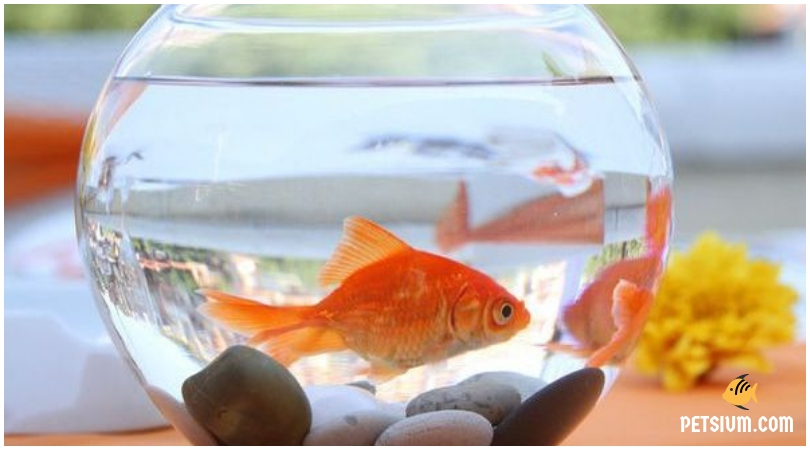
You should never keep your goldfish in a fishbowl. It is too small, a nightmare to maintain, and often leaves your fish gasping for air. If you MUST keep your fish in a fishbowl for some reason, be sure that it is only filled halfway.

The reason for this is that a greater surface area allows more oxygen for the fish. A goldfish bowl filled to the top may have more water in it, but the surface area is much smaller. If you are in a bind you can use almost anything that is water tight to house your fish. Just make sure it is cleaned out and do not use detergent as it is deadly to fish! When you can invest in a bigger tank it is not that expensive and your fish will be much happier!

Goldfish Tank Location

Tank Location is important. Do Not place the tank near a heat source, direct sunlight, or cold drafts. Remember to place the tank in a location that permits servicing of the filters and performing general care. Goldfish are also sensitive to bumps and loud noise. The tank should be kept where the fish will be spared from excessive noise or thumping(stereos, speakers, etc.). A fish that is swimming around with jerky motions or jumping may be frightened! Even tapping on the glass can frighten your goldfish. All of these can cause unwanted stress to your fish, and should be avoided whenever possible.

Goldfish Tank Stand

When choosing a stand, make sure it is sturdy enough. 1 Gallon Of Water Weighs Approx 8 Lbs. There are stands made specifically for aquariums.

Aqueon Forge Aquarium Stand

Aquarium Stand

Buy Now

Adding New Fish

Before adding the newly purchased fish you need to make sure the tank has reached a biological balance. If not, you could experience problems with your tank and your fish’s health! You should let the tank cycle for a few days. Do daily water checks to read the ammonia levels as well as the pH, nitrite and nitrates. This enables you to ensure that the filters, aeration, and heaters are working properly.

Adding new fish has a few requirements such as making sure the water in the aquarium is similar to the water in the bag with the new fish. Take some water from your existing tank and put some in the bag to acclimate the temperature for the new fish. Leave the fish in the bag for 15 minutes while floating in the tank. While the fish is in the bag if it shows signs of stress such as grasping at the surface immediately release it into the main tank. Don’t knowingly put a sick fish in with your existing fish or you could transmit disease and infection.

Related: Goldfish Names

Goldfish Aquarium Equipment

Heaters – Heaters are not a requirement for goldfish. However, I have found that my goldfish are more active when the water temperature remains near 74 degrees Fahrenheit. I suggest keeping the water temp steady year round. If the tank’s temperature fluctuates a lot, this could create stress for your fish resulting in illness. (such as Ick)

FREESEA Tank Heater with LED Display

Aquarium Heater

Buy Now

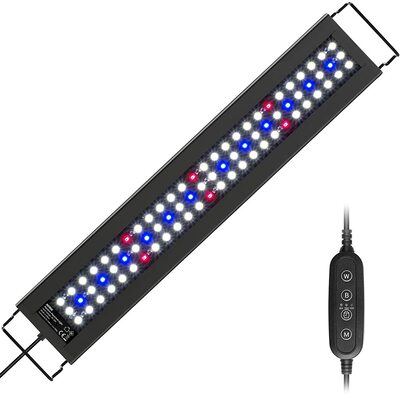
Light – Lights create a well illuminated aquarium that allows better viewing and highlights color of your fish. You should leave the lights on at least 4 hours but no more than 10 hours each day. Goldfish have no eyelids, and will be shocked and stressed if lights are suddenly turned on. It is a good idea to always turn on room lights first. Fish do sleep every night and will get the best sleep when the lights are off. You should try to get them on a schedule and turn the lights off at approx. the same time each night!

If you leave the lights on around the clock the fish will find some time to rest during the day but will remain healthier if they are allowed to get some sleep at night. So make your fish a happy fish and turn off the lights each night! Goldfish are sensitive to light.

NICREW LED Aquarium Light

NICREW LED Aquarium Light with Timer

Buy Now

There are different types of aquarium light fixtures available. For example, striplights, full hood and canopy lights available in fluorescent and incandescent fixtures. Fluorescent fixtures produce more light per watt and give off less heat than incandescent bulbs. (see purchasing info here)

Filters – Filters come in various brands and types that will efficiently clean your tank. I would suggest that if your tank is larger than a 10 gallon investing in a undergravel system with powerheads, which creates a biological system within the gravel. I would also use an outside filter system. These use fibrous material and activated carbon which purifies and cleans the water.

AquaClear Aquarium Filtration System

AquaClear Tank Filter

Buy Now

Goldfish Tank Decorating

Decorating the tank is purely an individuals own preference. Gravel, decorative rocks, ornaments, and artificial plants as well as alive plants are a few choices. Avoid sharp objects in the tank or you may end up with a cut or injured fish. This is especially true with fancy species with hoods or bubble eyes.

Tank Plants

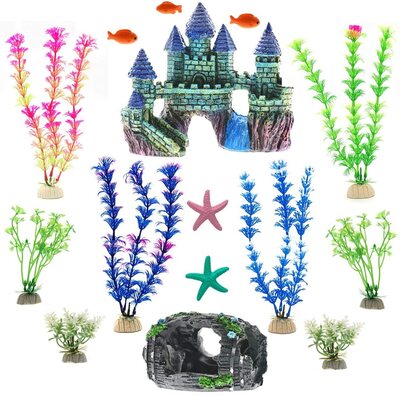
I would suggest purchasing plants in different sizes to create a natural look. This also allows the fish a place to seek refuge if needed (makes the fish feel more at ease, plus allows a place to seek refuge from the bright light when the tank lights first come on). I have found that artificial plants work better with goldfish, as they tend to be scavengers and dig up the plants.

Artificial plants can be cleaned in a solution of water and bleach. ( Just remember to rinse the plants extremely well) I have added plants such as anacharis to suction cup clips to the side of the tank for the fish to nibble on when they choose.

Bumiews 15pcs Aquarium Decorations

Bumiews Artificial Fish Tank Decoration Set

Buy Now

Tank Gravel

Gravel is a necessity if you choose to use an undergravel system. I would use enough gravel that the undergravel plate is covered about 2-2 1/2 inches in depth. Any color of gravel is okay; however, some colored gravel has been known to color the water. I recommend a natural gravel in a fairly fine size. (this ensures that if the goldfish ingests any it can be easily passed) It is important that gravel (and not crushed coral or coral sand) be used as a substrate in the goldfish aquarium.

Coral and shells are calcium-rich, and this will encourage the pH to rise. Gravel allows colonies of beneficial bacteria to thrive. This helps with the removal of ammonia and nitrites in your tank and creates more suitable living conditions for your fish. If your tank is newly setup, you only need to acquire a handful of gravel from an established tank. Take the established gravel and place it under the gravel in your tank and you have just placed some beneficial bacteria in your tank and gave it a head start in the entire bacterial process.

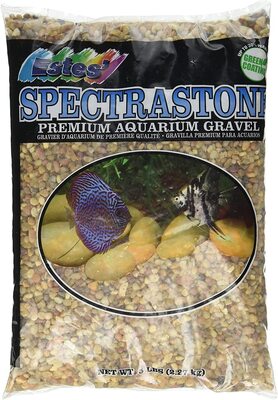
Spectrastone Premium Aquarium Gravel

Aquarium Gravel

Buy Now

Be sure to thoroughly rinse the gravel before placing it in the tank.

Use caution when using things that you have collected on the beach, or from your yard etc. They may contain soluble materials that could leach into your tank and pollute the water. Some examples are:

  • sea shells
  • builders gravel
  • beach sand
  • drift wood

Backgrounds are a very nice addition to the tank and make the tank’s look very nice!

Algae Control

Healthy „green“ algae should be allowed to grow on rocks in the tank. If you find too much algae on the decorative rocks and items in the tank you can remove these items and place them in the sink and pour boiling water over them and then allow them to sit until they have cooled before placing them in the aquarium again. This will cause the algae to die and they will return to their original color within a few days…

Algae should be scraped from the sides of the tank glass with an algae scraper sponge. Never use metal to scrape with as it will scratch your glass. Besides NO metals should be placed in a tank or aquarium!

You should avoid using algae medications unless it has become uncontrollable. You could instead get an algae eater (Plecostomus, snail, etc).

If the tank has a greenish tint, more than likely it is caused by an excessive amount of algae growth. This could cause respiratory problems in your fish. If this has happened do a 50% water change and remove as much of the algae as possible. If within 2 days it has not helped do an additional 25% water change.

Add carbon filters and increase aeration for one day after the water change. The secret to maintaining a good healthy algae growth is to provide good water quality and lighting. Use an algae eater, and perform routine water changes and keep the glass scraped to control algae growth.

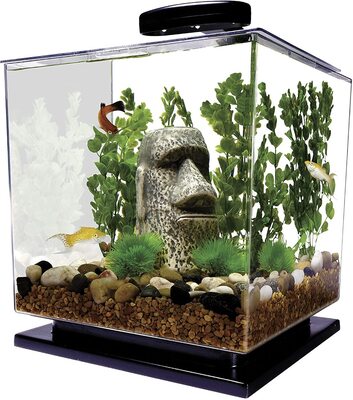
Tetra 3 Gallon Aquarium with Pedestal Base

Tetra 3 Gallon Aquarium LED Cube Kit

Buy Now

Aeration and Filtration

The objects of this is to increase oxygen content of the water and provide a direct benefit to the fish as well as aiding the nitrification of waste products. Also, it is to remove waste material mechanically, chemically, and biologically.

Aeration must be carried out during the actual filtration process, or provided separately. The goal is to allow oxygen to diffuse into the water and waste gases (carbon dioxide and ammonia) to diffuse out. An air pump with an airstone or bubble wand (see below) are good choices.

Filtration is based on the idea of removing water from the aquarium and processing it to remove waste products and returning it to the aquarium while aerating at the same time. Usually these filters are a box type setup with some form of filter media such as carbon and floss or a pre-packaged carbon type filter. The water is usually drawn up by a stream of bubbles or a small electrically driven pump and ran through the filter media. These are used to remove dirt and debrie and provide water aeration as well as water circulation. The carbon that is associated with most pumps has two main functions:

  • It absorbs waste material, which helps purify the water.
  • It acts as a biological medium. It can become a bed for nitrifying bacteria.

Cleaning Your Newly Acquired Glass Tank

You will want to remove any dust or oil that is on the tank’s surface. You should not use any cleaners or you could cause your fish to become ill. Take a damp rag and some warm water and wash the tank out. You can also use the hose and wash it out. There are some special made cleaners for tanks that can be purchased at petstores. I have just always used the bathtub faucet or the hose and rinsed the tank very well.

Outside of glass: I use windex window cleaner to clean my glass on the outside of the tank. Just use caution when spraying so no chemicals get sprayed in the tank. Chemicals and fish do not mix!

Aqueon Aquarium Kit with SmartClean Technology

Aqueon LED MiniBow Aquarium Kit with SmartClean Technology with Essentials

Buy Now

Leaky Goldfish Tank

If your tank has any type of leak, your must tend to this immediately. If not you could end up with a big disaster! If you are lucky, the leak will be near the top and you can siphon the water level to below the leak. You should drop the water level to 3 inches below leak. If the tank has a small leak between the sides of the glass, a temporary seal can be made with two-part epoxy. Mix the epoxy and apply it to the outside of the glass(never on the inside) where the water is leaking. NOTE: This is only temporary!

If the leak is near the bottom, or on the bottom and requires that you drain the entire tank, keep as much of the water in buckets or plastic containers as you possibly can. If you can leave enough water in the tank to keep the gravel wet you will keep your beneficial bacteria that is needed for a healthy aquarium.

Place the fish in containers and cover with towels. Try to add airstones to the containers housing the fish. Do not feed the fish during this time. (unless the repair takes more than 3 days)

If the room is cooler than what the tanks water was kept, wrap each container in towels. Turn up the room’s temp.

Goldfish Tank Repair

If the tank glass is broken, your will need new glass or a new tank altogether. If you attempt to fix it on your own, remember that silicone needs to be aquarium approved and takes 2 days at least to cure.

Replace the tank water with as much of the original tank water as you can, and start the filtration devices. Replace the carbon and floss if you use these. Run the filters for at least 2 hrs before adding the fish back in.

If you have had to replace the entire tank’s water, or the gravel has dried out, the tank may have to go through the complete bacteria process again.

Water Spills: If water has leaked onto your carpet, dry as much of it as possible with towels. Do not rub the carpet as this may cause the carpet to fray. Remove as much water as possible. If you have a wet-dry vac use this. Place fans on the area and this will help to dry out the area much faster. If you have spilt a lot of water you may have to rent a large wet vacum or steam cleaner from a business to remove the water.

Hygger Horizon Arc Shape Glass Aquarium Kit with Background

Hygger Horizon Glass Aquarium Kit with Filter and Adjustable LED

Buy Now

Goldfish Aquarium Water Chemistry

The single most important factor for a successful tank is maintaining optimum water conditions. The cause of most problems in a tank is poor water quality. In nature, small amounts of pollutants may not always cause adverse reactions. Given the small area of a tank, even small changes can affect an entire tank of fish within a few days.

Improperly maintained aquariums are a breeding ground for diseases. Once a disease is established it can reach epidemic proportions within a few days.

You must do routine water changes and maintain adequate water conditions at all times!

Factors for Proper Water Chemistry: Many individuals feel that doing water changes is all that is needed; however that is not correct. Temperatures need to be monitored, pH, nitrites, nitrates, ammonia, aeration, pollution, lighting, feeding, and overcrowding. Equipment must also be maintained properly.

Water changes: Routine water changes must be done. This is very important. Generally a 25% change every 2-3 weeks. Be sure before doing any water changes that the utensils are cleaned. Do not use soap. Use water treatment drops to remove the chlorine and other substances from the water.

Make sure that the aquarium equipment is working properly. Increase aeration for 1 day after making a water change.

Temperature: Water temp problems are usually caused by a faulty heater.

Water too hot: The tank should not be in the direct sunlight, or placed near a heat duct or heat register. To cool the tank water you could unplug the heater, place ice cubes in plastic bags and float them in the tank, or use plastic containers that are filled with frozen water.

Water too cold: Close windows, turn the heater on in the tank, and possibly the house as well. Wrap the tank with towels or blankets. Plastic containers can be added with warm water inside them.

Pollution: Over feeding or not doing routine water changes can create water pollution. Foul smelling water, cloudy or tinted water, debris on the tanks bottom, rotting, dead fish are all indications that the water is polluted. If this occurs you need to do a 50% water change. Increase aeration for 1 day whenever you perform a water change.

Overcrowding: A tank with too many fish can cause fighting among them, excessive fecal waste, and rapid oxygen loss. Remember goldfish require more room than other fish species. One goldfish to every 10-20 gallons of water.

Aeration: This is a necessary step for your tank. It gives the animals oxygen. The deeper the tank the more powerful of an airpump you will need. Always increase aeration when temperatures are over 80 degrees.

Place the airpump above water level if possible. This will keep the water from being siphoned if the pump fails.

pH: The pH test determines whether your tank water is too acidic or too alkaline. Acceptable ranges for freshwater is a reading of 6.8-7.3. You should get a pH testing kit from your petstore. They have charts and the necessary vials inside to check the waters quality and conditions.

Water Hardness: Water hardness is not a problem with established tanks. If water hardness is a major problem for you, you will probably have to get a water softener for your household use.

Lighting: The tank should receive at least 4 hours of light each day. Indirect sunlight can be used during the day, while using fluorescent bulbs during the evening. Avoid incandescent lights as they put off heat.

Algae growth is also an essential part of a healthy tank. Algae needs light to grow. The key to this is knowing if you are providing the proper amount of light. Brown algae indicates too much light or insufficient lighting, whereas, green algae indicates proper lighting. Excessive algae is too much lighting.

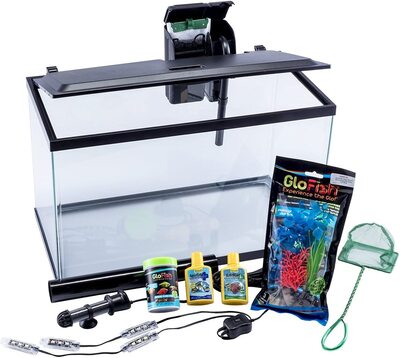
GloFish Fish Tank Kit with All Essentials

GloFish Fish Tank Kit with LED Lighting and Filtration

Buy Now

Goldfish Tank Algae Eaters (plecostomus)

A lot of people like the idea of adding an algae eater to the tank to keep the slime away. Well that is great, unless you get a rather large pleco who takes a liking to your fish’s slime coat. These sucker fish will suck on the sides of the fish causing a great deal of damage. They leave the fish with a huge sore and other problems could arise from this. It is best to keep the algae eater small or keep a watchful eye on it. If you notice it chasing your goldfish around and sucking on them it is time to find it a new home!

Goldfish Tank Poisoning

Because of the small area in which fish live while being housed in tanks, the slightest amount of toxin can become lethal to fish.

Toxic Substances: Toxins to fish can be both obvious and concealed forms.

  • chemicals were used around the tank (bug spray, perfumes, aerosol cans, fireplace smoke, cigarette smoke)
  • metallic objects
  • over medication of main tank
  • non-approved aquarium sealant that has not been properly cured.

Other toxic poisoning can be the result of heavily chlorinated water that you have used to replace tank water with, unsanitized rocks, decorations, oil leaking from filters in the tank. In unsanitary tanks, debrie that is rotting on the bottom can create hydrogen sulphide poisoning, which in turn robs the water of the needed oxygen. (this will be noticed when the tank smells of rotten eggs)

Nitrites, Nitrates, Ammonia, and the Beneficial Biological Filter: The beginning of the cycle starts with fish wastes, and uneaten food being trapped in the gravel and decaying. This forms bacteria and ammonium(ammonia). As the bacteria level rises, it begins to turn into nitrites(nitrite ions). At this stage the ammonia level and nitrite level can be lethal to more delicate fish. After this occurs, the bacteria turns the nitrites into less toxic nitrates. Nitrite and ammonia levels will then suddenly drop to near zero and the biological filter cycle is finished. You then have a well established tank!

Fish that are more sensitive to water conditions can now be safely added to the established tank. The length of time needed to completely cycle a tank depends on the tank’s size, how many fish are in it, the amount of oxygen the tank is receiving. The cycle can be as fast as 1 week to several weeks.

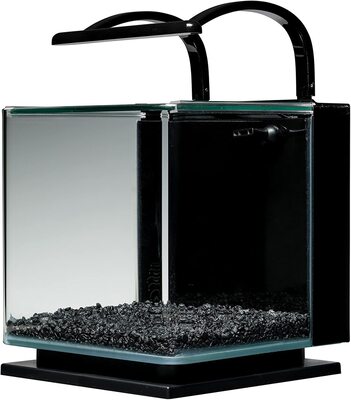
MarineLand Glass Aquarium Kit with Hidden Filtration and LED Lighting System

Marineland Contour 3 aquarium Kit

Buy Now

Main Goldfish Tank Medicating

Since drugs can upset the beneficial biological filter in the tank it is not recommended to medicate the main tank. If you have no other choice, it is suggested to follow all manufacturer’s directions closely. (a 50 gallon tank does not hold 50 gallons of water). The water is displaced due to the gravel, decorations, equipment, animals, etc.

Before you add medication to the main tank:

  • Remove the carbon from the filters
  • Remove all live plants, live animals, sponges, etc.
  • Increase aeration during the treatment period. (some medications deplete oxygen from the water)

After the treatment period:

  • Return all equipment to normal conditions and perform a 50% water change.
  • If you have treated the main tank with copper, much of it will have become bound in the bottom gravel. Gently stir up the gravel and siphon out the debris when making water changes.
  • Replace the carbon and floss in the filters to help rid the tank of the medication.
  • Keep aeration increased for an additional 2 days.

After 1 day of running the tank water through the carbon filters, return the live plants, and aquatic animals if any to the tank. If they have an adverse reaction to the tank do an immediate 80% water change.

Категорије: Goldfish Тагови: Goldfish aquarium, Goldfish tank

Goldfish Names: 440+ Unique, Cool and Funny Names For Goldfish

децембар 23, 2021 By liv parmel

If you are tired of old names for goldfish such as ‘Rex’, ‘Fluffy’, ‘Blaze’, then you should take a look at our list of unique funny goldfish names.

You can select any of these fantastic goldfish names for your loving pet, taking into consideration the nature of your goldfish.

Thinking of gold fish names based on their personality or colors would be a good starting point as well

When there comes a time to select the name for your pet goldfish, Petsium definitely gives a wide choice of names for goldfish.

goldfish names

You want name that will suit your Goldfish. One thing you might want to do is to watch your fish for a day or two before picking a name.

You may notice that your gold fish has a particular trait or strange habit.

You might notice that he swims in certain way or that he likes a particular area of his new home.

Once a Goldfish is settled colors will become more vibrant.

Seeing the actual color of your goldfish, may help you to select a name.

Top Goldfish Names

Here is a list of top 10 pet goldfish names that will help you choose a name for your cute Goldfish:

  • Fluffy
  • Nemo
  • Doodles
  • Kandy
  • Pepsi
  • Jin
  • Neon
  • Jil
  • Kate
  • Sprite

Female Goldfish Names

If you got yourself a stylish Goldfish girl here are some cute female goldfish names.

  • Ariel
  • Bubbles
  • Elly
  • Girgle
  • Pearl
  • Freshy
  • Goldie
  • Klara
  • Marilla
  • Marina
  • Sally
  • Slippery
  • Squishy
  • Tiddles
  • Zeena

Male Goldfish Names

Here are some more manly names for Goldfish, 23 male Goldfish names to be exact.

  • Buddy
  • Bugeyed
  • Burt
  • Courageous
  • Crabby
  • Dinner
  • Fishy
  • Glubby
  • Jumpie
  • Lion
  • Lunch
  • Oscar
  • Piglet
  • Ponder
  • Pudgey
  • Ralph
  • Reefer
  • Salty
  • Sharkie
  • Slimey
  • Tanker
  • TJ
  • Victor

Funny Goldfish Names Inspired by Pop Culture

When you’re looking for funny goldfish names, it’s important to consider all the pop culture references that have become ingrained in our daily lives.

  • Fish Marley (Bob Marley)
  • Swim Shady (Eminem)
  • Goldie Hawn
  • Fishy Cent (50 Cent)
  • Fin Diesel (Vin Diesel)
  • Gill-ian Anderson (Gillian Anderson)
  • Gilly Idol (Billy Idol)
  • Bubbles McGee (Scrubs)
  • Captain Swim Sparrow (Captain Jack Sparrow)
  • Finona Ryder (Winona Ryder)
  • Swim Kardashian (Kim Kardashian)
  • Meryl Streepfin (Meryl Streep)
  • Gill Clinton (Bill Clinton)
  • Fishie Smalls (Biggie Smalls)
  • Goldie Locks
  • Swimcer Tracy (Spencer Tracy)
  • Gill Gates (Bill Gates)
  • Goldie Prawn (Goldie Hawn)
  • Swimothy Leary (Timothy Leary)
  • Finny DeVito (Danny DeVito)

Funny Names for Goldfish

Is your goldfish goofy. Here is a list of funny Goldfish names:

  • Booby
  • Gup Gup
  • Stick
  • Squirt
  • Googer
  • Tiger
  • Razor
  • Cowboy
  • Puppy
  • Spot
  • Sushi
  • Wanda
  • Bubbles
  • Nemo
  • Gills
  • Finley
  • Splash
  • Betty
  • Flounder
  • Goldie
  • Swimmy
  • Dory
  • Jaws
  • Doodle
  • Guppy
  • Bruce
  • Flipper
  • Squirt
  • Moby
  • Coral
  • Bubblegum
  • Seaweed
  • Ariel
  • Neptune
  • Cleo
  • Oscar
  • Bubblewrap
  • Splashy
  • Scales
  • Marlin
  • Jelly
  • Bubba
  • Fintastic
  • Tuna
  • Snappy
  • Flapjack
  • Shelly
  • Splashy McSplashface
  • Jawsome
  • Wiggles
  • Bait
  • Scaley
  • Picasso
  • Fizz
  • Seabiscuit
  • Swimmy McSwimface
  • Finneas
  • Glimmer
  • Flippers
  • Claws
  • Glimpse
  • Baitly
  • Glimmering
  • Scalez
  • Wavy
  • Nemo Jr.
  • Finley McFinface
  • Bubble
  • Splish
  • Finneas McFinface
  • Glimpsey
  • Fizzles
  • Flappy
  • Shimmer
  • Swimmy McSwimmerson
  • Scaly
  • Glimpser

GoldFish Punny Names

Here are some punny names for Golsdfish:

  • Baitly McBaitface
  • Picassofish
  • Fizz McFizzface
  • Seabiscuit Jr.
  • Scaley McScaleface
  • Glimmer McGlimmerson
  • Finley McFinleyson
  • Bubbles McBubbleface
  • Splish McSplishface
  • Finneas McFinneason
  • Glimpsey McGlimpseface
  • Fizzles McFizzlesface
  • Flappy McFlapface
  • Shimmer McShimmerson
  • Swimmy McSwimface Jr.
  • Scaly McScaleface
  • Glimpser McGlimpseface
  • Baitly McBaitface Jr.
  • Picassofish Jr.
  • Fizz McFizzface Jr.
  • Seabiscuit III
  • Scaley McScaleface Jr.
  • Glimmer McGlimmerson Jr.
  • Finley McFinleyson Jr.
  • Bubbles McBubbleface Jr.
  • Splish McSplishface Jr.
  • Finneas McFinneason Jr.
  • Glimpsey McGlimpseface Jr.
  • Fizzles McFizzlesface Jr.
  • Flappy McFlapface Jr.
  • Shimmer McShimmerson Jr.
  • Swimmy McSwimface III
  • Scaly McScaleface Jr.

Related: Pink Fish Names

Goldfish Names Inspired by Gems or Colors

Gems are beautiful stones and they come in beautiful colors. Why not use some of these gems as goldfish names.

  • Jet
  • Ruby
  • Indigo
  • Rose
  • Jade
  • Garnet
  • Cherry
  • Lapis
  • Shiden

Fictional Characters Goldfish Names

Fictional characters from movies and cartoons are always a good choice when looking for goldfish names. Here are some popular names that could be used as a gold fish name.

  • Rambo
  • Dory
  • Mulan
  • Nemo
  • Moby Dick
  • Bubbles
  • Ariel

Gold fish Names from Gods and Goddesses

Names of gods are unique, strong and recognizable. Here are some names of gods that would be great goldfish names.

  • Thor
  • Zeus
  • Jupiter
  • Neptune
  • Poseidon
  • Aphrodite
  • Venus
  • Hades
  • Athena
  • Ares
  • Apollo
  • Artemis
  • Aphrodite
  • Trition

Goldfish Names Inspired By Sea Monsters

Sea monsters from mythology have some really unique names that would be great goldfish names.

  • Kraken
  • Hydra
  • Cetus
  • Nessie
  • Scylla
  • the Siren
  • Calypso

Goldfish Names Fighting Style

Is your goldfish a fighter and enjoys showing off those karate and kung fu moves all over the aquarium.

  • Ninja
  • Kung Fu
  • Genghis
  • Khan
  • Jackie or Jack Chan
  • Bruce Lee
  • Sun Tzu
  • General Lee

Disney Goldfish Names

As with any other pet, Disney names are perfect. When it comes to goldfish names, believe it or not, there are only 3 genuine goldfish characters in Disney. At least that is what we found. But, to give you more Disney goldfish names we included some of the most popular fishes from Disney. Let’s see.

  • Gilly the Goldfish – actual goldfish as the name implies
  • Cleo – another genuine goldfish
  • Bea Goldfishberg – again, as the name implies a real goldfish
  • Angela Fishberger
  • Anglerfish
  • Marlin
  • Mr. Codfish
  • Big Bart
  • Blackfin
  • Nemo
  • Neptunia
  • Coral
  • Dory
  • Panchax
  • Pudge
  • Flounder
  • Captain Finn
  • Tad
  • Undertow
  • Koi

Related: Orange Fish Names

Goldfish Names by Look or Personality

Probably the easiest way to choose a name for your gold fish is to observe it’s personality and behavior.

  • Sparkle
  • Stealth
  • Dancer
  • Flashy
  • Speed
  • Bold
  • Wobbles
  • Performer
  • Thinker

Latin Names for Goldfish

Why not get all scientific with goldfish names. Here is a list of Latin words that could resemble goldfish.

  • Fulvus – golden yellow
  • Rubra – red
  • Roseus – rose-red
  • Purpureus – purple
  • Aureus – golden
  • Amica – friendly
  • Bestia – beast
  • Parva – small
  • Terra – earth
  • Emeritus – veteran
  • Meliora – better things
  • Aqua Vitae – water of life
  • Omnia Paratus – ready for anything
  • Para Bellum – prepare for war
  • Semper Fidelis – always faithful

Exotic Female Goldfish Names

As we all know goldfish is pretty exotic type of fish. Therefore, exotic gold fish names are a no brainer.

  • Cleopatra
  • Arabella
  • Desdemona
  • Grizabella
  • Esmeralda
  • Molokai
  • Octavia

Exotic Names for Male Goldfish

Here are perfect goldfish names for our exotic male fish.

  • Casanova
  • Adagio
  • Galileo
  • Mehitabel
  • Macaroni
  • Tiberius
  • Yosemite

Cute Goldfish Names

If you’re looking for cute goldfish names, we got them. Here are our picks for the most adorable cute names for your goldfish.

  • Dory (for the fish that looks like Dory from Finding Nemo)
  • Fishy (because it’s a fish)
  • Pepper (for the black, white and red color mix)
  • Puffles (because they’re so cute!)
  • Goofy (because it looks like Goofy)
  • Guppy (for the guppy fish)
  • Poppy (for the popshaped body)
  • Rudolph (because it’s red and shiny)
  • Sparkles (for the sparkly scales)
  • Kitty (because it looks like one)
  • Cinderella (because it has a glass slipper on its back fin)
  • Tweety Bird (for the yellow color mix)
  • Minnie Mouse (for the black and white color mix)
  • Homer Simpson (for the round shape)
  • Bambi (because it looks like a deer)
  • Aladdin (because it has a magic lamp on its head fin)
  • Pooh Bear (for the honey color mix)

names for goldfish

Good Goldfish Names

  • Ariadne
  • Abbey Moon
  • Abel
  • Achak
  • Akeyra
  • Alea
  • BabeBabs
  • BabyCakes
  • Badge
  • Bailona
  • Baja
  • Baloo
  • Bandis
  • Bane
  • Cackle
  • Cael
  • Cain
  • Calliope
  • Calista
  • Calum
  • Candy
  • Capri
  • Carolina
  • Carrot
  • Dabblit
  • Dainty
  • Daisy
  • Dama
  • Dandy
  • Ebony
  • Edd
  • Einstein
  • Excalibur
  • Geronimo
  • Hallelujah
  • Kabato
  • Kako
  • Kanye
  • Macchiato
  • Maddie
  • Magget
  • Magnum
  • Paddy
  • Pai Pai
  • Pamela
  • Oedipus
  • Sabaloo
  • Sarafina
  • Sabre
  • Saffie
  • Sampson
  • Sanar
  • Tabbie
  • Tacoma
  • Utopia

Smart Goldfish Names

Is your goldfish a philosopher or a scientist? Does it seem like your goldfish is evaluating every move and every action. Well here are some smart philosopher and scientist goldfish names for all intellectual goldies out there.

  • Plato
  • Aristotle
  • Socrates
  • Nietzsche
  • Kant
  • Archimedes
  • Albert Einstein
  • Nikola Tesla
  • Newtoon
  • Isaac
  • Marie Curie
  • Rosalind Franklin

Nerdy Goldfish Names

We live in a technological society. Technology is all around us and almost every home has a lot of appliances and gadgets. Is your Goldfish nerdy? Do you find it starring at your TV screen while you are playing your favorite games on your xBox or when you are watching Star Wars. For all nerdy types, here are nerdy Goldfish names.

  • Motherboard
  • PS1
  • PS2
  • PS3
  • PS4
  • PS5
  • xBox
  • Console
  • Nintendo
  • Apollo
  • C3PO
  • R2D2
  • Chewbacca
  • Astro
  • Gizmo
  • PC
  • MAC
  • iPhone
  • Android
  • ALT
  • CTRL
  • Chip
  • Processor
  • Hardware
  • Software

Japanese Goldfish Names

Japanese names that are related to the sea or ocean or to fish. These names sound interesting and unique. So if you are looking for a bit unusual goldfish names try these ones.

  • Kingyo
  • Umiko
  • Hamako
  • Kishi
  • Ayumi
  • Same
  • Hirame
  • Tara
  • Kaki
  • Ika
  • Kai
  • Maguro

Goldfish Names For Pairs

If you got a pair of goldfish, or twins, then you will need some name ideas for two goldfish. We have assembled some fun goldfish names for pairs.

  • AC and DC
  • Bambi and Thumper
  • Batman and Robin
  • Beauty and Beast
  • Bubble and Bobble
  • Fish and Chips
  • Guns and Roses
  • Hodge and Podge
  • Macaroni and Cheese
  • Pebbles and Bam Bam
  • Rock and Roll
  • Spock and Kirk
  • Thunder and Lightning
  • Venus and Mars
  • Yin and Yang
  • Trick and Treat
  • Tutti and Fruiti

How to Choose Names for Goldfish

One option you have is to use names that are typically used for other types of animals.

For example you could name your Goldfish Cuddles.

The reason this name is hilarious is because you can’t cuddle with a Goldfish at all.

The name Cuddles is also typical of a cat or a dog, not a fish, bt could sound great as a fish name. There are a lot great unique cat names out there for even more inspiration.

This is also a creative way to name a Goldfish and to give that pet a name that is not completely overused.

If you are still lacking inspiration to finding funny pet fish names, you may want to try looking through your movie collection.

A lot of people name their pets after their favorite fictional movie character or even the actor who plays the character.

There are millions of movies out there that have awesome characters that would make excellent Goldfish names.

Try popping in one of your favorite comedy movies in the DVD player and watch for anything that pops out at you that would make a good name.

Books are also a great source of material for searching for funny Goldfish names.

Moby Dick is slightly overused, but it is still pretty funny and will get a laugh out of just about anybody.

If you lack inspiration hit up your local library and check out some books.

You would be surprised at what you might find hidden in the pages.

These are just a few tips of where you can find funny pet fish names or at least get some ideas.

Just remember that it’s your Goldfish and you can name it anything you want, there are no rules and guidelines about what you should or shouldn’t name your pet Goldfish.

Every single Goldfish is unique, not just in their coloring but in their personality.

It is therefore important that you choose a Goldfish Names for your new pet with care, consideration and a bit of fun.

Goldfish Pet

Goldfish make wonderful pets.

People buy goldfish for a number of reasons.

There are those that like the beautiful colors of the fish, and there are those that appreciate the fact that these fish are extremely easy to care for.

A number of individuals know that Goldfish have more personality and character than many other species of fish.

Goldfish make great pets for young children who may not be old enough to handle the responsibility of having a kitten or a puppy for a pet.

One of the most fun parts of owning a pet goldfish is giving the goldfish a name.

Naming your pet gives you a chance to be creative and to personalize the goldfish and truly make it your own.

More Pet Names

If you didn’t find the name you were looking for, we have a lot of other categories with really great ideas. You could check out our guinea pig names, why not? Be original, be bold, maybe you will find the perfect name for your goldfish from our hamster names list.

Категорије: Goldfish, Name Inspiration Тагови: Funny goldfish names, Gold Fish Names, Goldfish names, Names for Goldfish

Goldfish Varieties: 16 Types Of Goldfish

јануар 13, 2021 By liv parmel

Do you love Goldfish? If your answer is yes, then you need not to worry since there are so many varieties of Goldfish for sale.

Goldfish are extremely appealing, and this is a fact. This is due to the fact that their appearance, even if not particularly colorful, can really draw a person’s attention. When people talk about goldfish, they usually refer to fish that are gold in color.

In some ways, they are correct, as there are Goldfish that are gold in color. However, they are also incorrect in that not all Goldfish are gold in color. There are several different types of goldfish, each with its own color.

Goldfish Color Varieties

There are colors ranging from yellow-orange to black. Black, brown, and the wild green goldfish colors are caused by different combinations of the black and yellow pigment cells. Blue goldfish occur one of two ways. They have a large amount of guanine and the absence of orange, with some black, or by the black pigmentation being further down in the skin. Red or orange goldfish occur when few or no black chromatophores are present within the fish. Silver or white fish have no pigmentation in the skin and only guanine. Albino goldfish lacks pigment everywhere. They have pink eyes.

It is not uncommon to have a beautiful black moor turn orange. Color changes in goldfish does happen! Black and white goldfish tend to change colors as well.

Varieties Of Goldfish

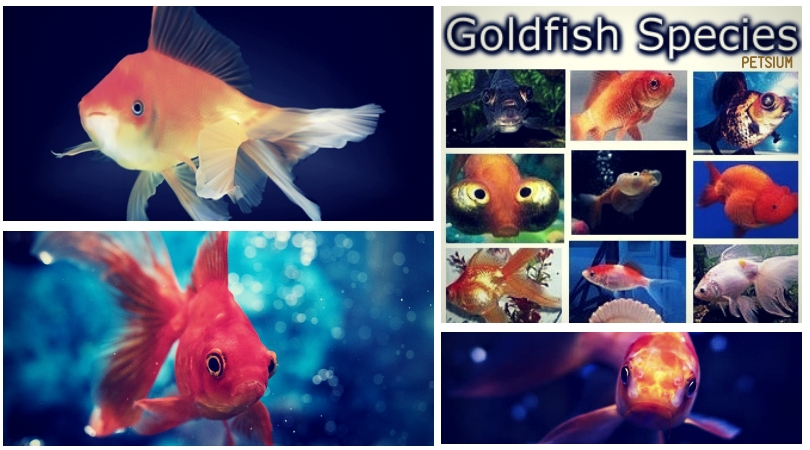
There are more than twenty types of Goldfish. Before deciding which type is best for your aquarium, it is best to get to know a bit about each of the varieties. Below are brief descriptions of several varieties of Goldfish to help you choose the one that is right for you.

Types of Goldfish

Common Goldfish

The Common Goldfish are normally shaped fish. They can grow to be 12 inches and live 20+ yrs if cared for properly. They are often sold in petstores as „feeder fish“. They have short finnage and are most commonly found in the „orange“ color. They can be red and white, brownish green, or green.

Because this is a coldwater fish, you do not have to worry about heating the tank. This fish is fairly low-maintenance and is a good choice for beginners. This fish can grow greater than ten inches.

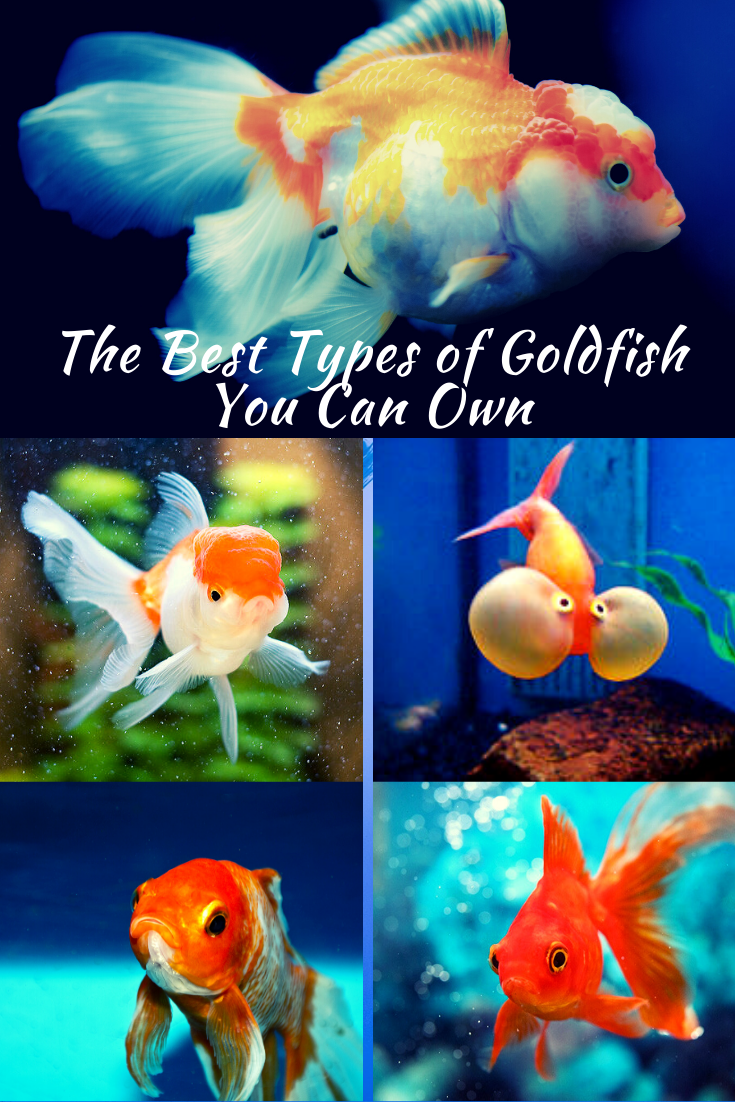
Lionhead Goldfish

Lionhead Goldfish are another popular choice among those who are trying to add a bit of color to their tanks. While the bodies are light colored, they have a shock of red right above their eyes. This fish lives between five to ten years, and reach a length of up to six inches. The tank water should be kept around 60 degrees.

The Lionhead Gold Fish has a strange wart-like growth covering its head. This becomes visible around 4 months after birth. How well the growth develops depends on how the fish are raised.

Tubifex and bloodworms are fed in large quantities to Lionhead Goldfish types, and the water is kept free from algae. To support a good ‘hood’, Goldfish with broad heads are preferred. Culling is needed to get good specimens of Lionhead Gold Fish.

One more unique features of the Lionhead Goldfish is the lack of a dorsal fin. Those Lionheads showing traces of dorsal fins are culled. The caudal fin is double, and other fins are short.

Lionhead Goldfish types are available in matt and colored forms. The Lionhead is very delicate and often unnecessarily kept at high temperatures deliberately. It is however recommended that the water be kept warm (above 13 C) at all times.

The hard warty growth makes the gill plates inflexible and places a strain on breathing, so well aerated water is essential.

Oranda Goldfish

Similar in body shape to the Lionhead Goldfish, the Oranda is one of the types of Goldfish that also has warty growth covering its head. But on this Gold Fish, the growth on the forehead is most pronounced.

The hood becomes visible at approximately 6 or 7 months of age. The Oranda Gold Fish has a very prominent dorsal fin. The caudal fin is very much like a Veiltail. Colors of the Oranda Goldfish vary and include combinations of red, orange, white, yellow, gray, blue and black.

Ryukin Goldfish

The Ryukin is specifically known for it’s hump behind the head of the Goldfish. It also has a pointy head when compared to other species of Goldfish. As far as the tail layout, the Ryukin can have numerous styles of tails. Triple tails and doubles and so forth. The coloration of this species can be calico (mixed colors) as well.

The easiest distinction to tell a Ryukin Goldfish from others, is it’s very high rear dorsal fin. The „caudal“ fin is most likely twice the length of the body when measured. Colors vary to all sorts of Goldfish colors.

Pompom Goldfish

These Goldfish are another example of why Goldfish are a good way to add variety to a freshwater tank. This fish has long tailfins, giving them a unique look. They only grow to five inches and live up to ten years.

The Japanese Pomponis a Goldfish type that has a body similar to the Oranda Gold Fish and has fleshy appendages or pom poms hanging from its nostrils.

The Chinese Pompom, or Nariyal Bouquet, has the body of a Lionhead Goldfish and the growths from its nostrils are more rounded than those of the Japanese Pompom. They move noticeably when the Goldfish swims.

Comet Goldfish

Comet Tail Goldfish (or Comet Goldfish) is the type of Goldfish that was developed in the United States at the end of the 19th century. The Comet Tail Gold Fish is red, or red and white, in color and the scales are metallic.

The caudal fin is as long or longer than the slender body and the dorsal fin is deeply concave and pointed at the rear. This hardy Goldfish is one of the most active and will live and breed quite safely in an outdoor pond or Goldfish aquarium.

These are more like the common goldfish but with longer fins and skinnier bodies. They have a more slender look than the common goldfish.

Fantail Goldfish

The Fantail Goldfish is quite popular, and one reason for that is that the fish is available in a wide variety of colors. Keeping the Fantail Goldfish is one way for freshwater hobbyists to add a bit of color to their tanks.

The fish can be kept in either a tank or a pond, but keep in mind that they will likely not survive in very cold water. This is another good choice for beginners. They grow up to six inches and can live for more than ten years.

A plump, oval bodied Goldfish, the Fantail Gold Fish is one of the more fancy varieties which will live in both the aquarium and outdoor pools. The fantail is one of the older varieties of Goldfish and is believed to have first appeared in Europe in the 16th century.

Fantail Goldfish is a type of Goldfish found in both matt and metallic versions, the latter often having the coloration of the Shubunkin Goldfish.

The main characteristic of the Fantail Goldfish is the caudal fin which is about half the length of the body and has 4 lobes. The dorsal fin is high, the front part is nearly vertical. The ventral fins of the Fantail Gold Fish are rather large and the anal fins are paired.

They are usually a shorter fish with double tails and more round bodied. If they have long fins they are named veiltails. They have a head that is more pointed and have no head growth. Their fins tend to be more size proportioned to their bodies.

Veiltail Goldfish

Veiltail Gold Fish first appeared in the U.S. as a variation of the Japanese Fantail Goldfish.

The paired caudal fins of the Veiltail are twice as long as the near spherical body, and hang at an angle of 45 degrees from the lateral line. The caudal fins are squared off at the ends, like they had been cut off with a knife. For commercial motives, some Goldfish sales people have been known to do that too!

Veiltails have very high sail-like dorsal fins that are three quarters the height of the body, and their long paired anal fins should be partially hidden by the caudal fins. Both metallic and matt versions of this Goldfish are in existence, the latter being as colorful as the Japanese Shubunkin Goldfish.

The Veiltail Goldfish is one of the types of Goldfish that are less hardy and should not be kept in an outdoor pond or in cold water (below 10 C). Veiltails require more protein and so should be given a considerable amount of live food.

Veiltail Goldfish also require a larger swimming area, because if they swim in cramped areas, they have a tendency to damage their delicate finnage.

Goldfish Varieties

Black Moor Goldfish

The Blackmoor Gold Fish appears only with telescope eyes. In fact, black color seems linked genetically to telescope eyes. No all-black Goldfish with normal eyes have been found.

The Black Moor is one of the types of Goldfish similar to the Veiltail Goldfish and Fantail Goldfish. These fish are very delicate and cannot be kept in outdoor ponds. Even when you keep Black Moor Goldfish in aquariums, you need to maintain a temperature of 16 C or higher. Some Black Moor Goldfish fade in color as they age, and turn bronzed.

Shubunkin Goldfish

Shubunkin is one of the handsome matt Goldfish types that was first bred in Japan in 1900.

The Shubunkin Goldfish is single-tailed, somewhat resembling the Common Goldfish in shape, but its coloration is unique. The background color is usually bright blue, being unevenly blotched with intense black, red, gold and brown.

The translation of Shubunkin is ‘red brocade’. In the U.K., two varieties of Shubunkin Goldfish have been developed – the ‘London’ and ‘Bristol’, both of which have similar coloration but different finnage.

The fins of the London Shubunkin Gold Fish resemble those of the Common Goldfish, while the Bristol Shubunkin Gold Fish has a longer tail and a higher dorsal fin as seen in the Comet Goldfish. Both varieties of Shubunkin Goldfish are hardy and will breed in large indoor tanks or outdoor Goldfish ponds.

Young Shubunkin Goldfish assume adult coloration fairly rapidly and if well fed, will reach sexual maturity in less than a year. But they are delicate until 6 months of age and should not winter in outside ponds until this age.

Bubble Eye Goldfish

If you are wondering what on earth are those fishes who have eyes that wanted to explode and burst out then those fishes are called the Bubble Eye Goldfish.

Maybe the most abnormal looking of the other Goldfish, the Bubble Eye has two fluid sacs below the eyes. These sacs are filled with a fluid and these can easily pop.

Aquarium owners of these fish must be very careful when adding tank decorations so that the fish does not puncture these sacs. Specialists advise that these large sacs do not rid the fish of any movement or senses, but I have to personally disagree.

Another different physical feature of this type of Goldfish, there is no rear fin on it’s back like most species of Goldfish. Most species of Goldfish has a dorsal fin on the rear of the back.

There are bubble eyed fish that is in red color, some are in silver like color, some are spotted, and the common are the black bubble eye fish. Actually, their eyes are the part that attracts the people the most.

Pearl Scale Goldfish

Pearl Scale Goldfish have a fatter shape with a bulging middle and their scales look as though a white pearl is beneath each one. They are shaped similar to a ball. They have double-tails and if they have head growth they are called Hamanishiki.

Telescope Eye Goldfish

Telescope Eye Goldfish are so named because of their large protruding eyes. This feature gives them a unique look which many hobbyists find appealing. The amount of care that they need is a bit more than other types of Goldfish. For that reason, these are not the ideal choice for beginners.

Their eyes are quite sensitive to damage and they have quite poor vision. Therefore, it is not a good idea to keep them in a tank with decorations or accessories that have sharp edges. They grow up to eight inches and live up to ten years.

Telescope-eyed Gold Fish have their eyes elevated by fleshy protuberances and they are found on Fantail Gold Fish and Veiltail Gold Fish. The characteristic appears when the Goldfish are around 1 month old. The eyes enlarge as the Gold Fish grow.

The Telescope Gold Fish is one of those Goldfish types which must be symmetrical, as otherwise any imbalance or lack of symmetry would make the Goldfish inferior.

Celestial Goldfish

Celestial – This goldfish has a double-tail without a dorsal fin. They body is cigar shaped. The eyes look upward.

Exotic Eyed Goldfish

Some varieties of Fancy Goldfish types have highly developed eyes and need much attention.

You need to take care in feeding these fish because they have limited vision that makes it harder for them to find food unless it is floating directly above them. Unless you have a lot of time to give adequate attention to these Goldfish, it is not recommended that you keep Exotic Eyed Gold Fish.

Ranchu Goldfish

These fish do not have a dorsal fin but do have head growth. They are not long and slender but more circular in shape. The curve of their back is more noticeable than that of the lionhead.

Goldfish Tail Types

Single Tail Goldfish – were among the first, bred by the Chinese. They are the easiest to breed and by far the hardiest. If placed outdoors in a pool they can grow to be 12 inches long in a matter of 2 years. They have been known to grow 2 feet long. They get much larger than the fancier types.

Comets and Shubunkins fall into this category

Double Tail Goldfish – have short bodies and long finnage. They will grow to about 10 inches within 3 years.

Ryukins, Veil-tails and Fan-tails have double tails

Lionheads are double-tailed with no dorsal fin

Veiltail Goldfish – are egg shaped and have long finnage. They have pointed heads with no head growth. They have double-tails that are very square and a very high dorsal fin.

Goldfish Finnage Types

Caudal or Tail Fins vary greatly among the different varieties of goldfish. This structure consists of a flat membrane supported by fin rays. It develops from a single tail (two-lobed) to the doubled or bilaterally-paired fins (four-lobed).

Anal Fins can develop into short or long, single or double types. Double-tail or Fantail varieties must have double anals, and they should be of equal size.

Dorsal Fins should be 100% there or not there at all. The breeds of goldfish that lack a dorsal fin should be evenly covered with scales. There should be no stump showing.

Pelvic & Pectoral Fins vary in shape and size depending on the breed. They should be similar in pairs as well as straight.

Keep in Mind

The above is only a few of the many varieties available. Some are easy to care for, while some require a bit of experience. Most types of Goldfish prefer to live in communities. It is not a good idea to keep a Goldfish alone in a tank.

It is also not a good idea to keep them with aggressive fish. Not all types of Goldfish can be kept together. Be sure to check that each type you would like to keep are compatible before placing them in the tank together.

Goldfish are a fun hobby. It does not have to be expensive, but it can be depending on the type of fish and accessories that you choose. Start with a small 25 gallon tank to see if the hobby is right for you. More than likely you will get hooked and soon want to expand the size of your tank.

Goldfish are very lovely and beautiful type of fish that is why there are so many people most especially kids who love to have it. The good thing about this type of fish is that they are so colorful and that they are so shining shimmering splendid making them so attractive to look at.

Well combining all the types of Goldfish in one aquarium will surely make you happy.

Related:

Goldfish Names: 320+ Cool, Unique Names For Goldfish

Категорије: Goldfish Тагови: Goldfish varieties, Types of goldfish

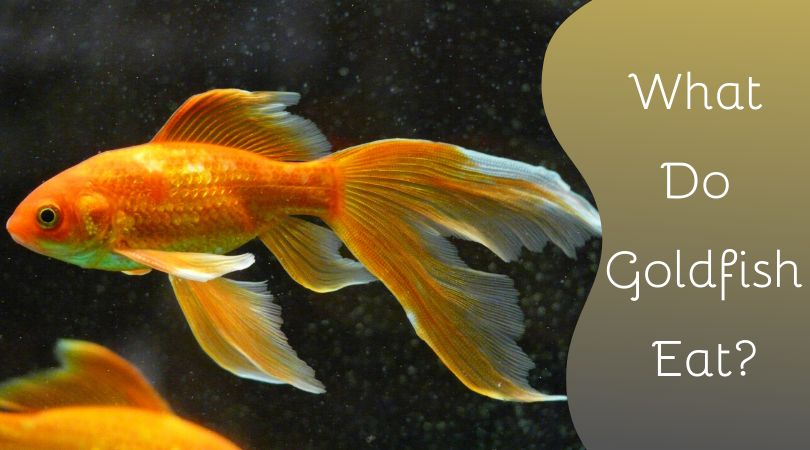
What Does a Goldfish Eat?

новембар 25, 2019 By liv parmel

Proper filtration and a good feed are all that it takes for your beautiful Goldfish to stay healthy and happy. Now the important question is what to feed your Goldfish. Goldfish require a good amount of protein, along with minerals and vitamins in their diet. The fat content should be less.

Today you have a wide variety of formulated goldfish food available, such as TetraFin Goldfish Flakes, Wardley Goldfish Pellets, Wardley Total Goldfish. You get them in both flakes and pellets form. All you need to do is choose which would be best for your Goldfish.

Apart from these formulated foods you can also give them leafy vegetables, brine shrimps, bloodworms or earthworm flakes. This would be different and your Goldfish would enjoy it.

goldfish food and feeding

Feeding Goldfish

Whatever food you choose to feed your Goldfish, offer just a small quantity. Do not feed them in excess. Splitting the feed into several smaller ones than a single large one is better. Goldfish have a unique digestive tract. So avoid feeding them to much.

After a feed make sure you remove all the excess food. If not, it would decay in the water and pollute the water.

Goldfish love to eat and will very quickly learn to zoom to the top of the tank to beg for food when they see you pass by.

Goldfish are omnivorous and should be fed a variety of foods. They must have a balance of both protein rich foods and vegetation. Too much protein in the diet will not be utilized and will result in excess waste.

Goldfish should only be fed once a day (more often for babies and fry) and only as much as they can eat in 2 minutes. If there is left over food in the tank, in the gravel or floating around you are feeding too much!!! Cut back so you don’t cause water quality problems with rotting uneaten food. One day a week of fasting, or not feeding anything is recommended by many fish keepers to rest and clear out their digestive system.

Food specifically formulated for Goldfish will have a higher carbohydrate and lower protein content.

Trails of waste that hang from your Goldfish is a sign of overfeeding or constipation. A proper and varied diet will prevent this.

I recommend pre-soaking all dried foods in a small cup of tank water for 2-3 minutes before pouring it slowly into your fish tank. This is because fish can overeat dry foods and then become bloated as the dry food absorbs water in their intestinal tract. It is also important to do this so that your fish does not swallow large amounts of air while eating, which can lead to swim bladder disease.

Choosing Good Goldfish Food

Goldfish always appear hungry and will automatically eat if you constantly feed them. Overfeeding can lead to discomfort and illness for your little fish. If you notice a string of feces trailing behind your fish as it swims, this is a sign that you are overfeeding it.

Only feed them twice a day at the very most and only put in as much food as they can consume within 2-3 minutes. Goldfish are cold-blooded creatures so they don’t need to metabolize a huge amount of food to create energy.

So what exactly should you feed your new Goldfish? This is an extremely simple question to answer because goldfish love variety. They are considered to be omnivores. This means that they will eat anything they can find. The most common foods can be picked up at any local pet store.

Dry Food for Goldfish

Dry pellets are a fine choice but you should remember to soak them in the tank water for about 3 minutes to let them expand before the fish eat them. If you don’t, then they will expand inside the fish and this could cause constipation. It is recommended that you feed your fish approximately 5-10 pellets per day.

Dry pellets can also cause problems with the fish’s swim bladder. The swim bladder is an organ that fills with air that allows a fish to rise and sink in the water. Dry food pellets can block the swim bladder and cause the fish to swim sideways or upside down. Most fish foods come in the form of flakes and the Goldfish also enjoy dining on frozen, live, and gel based foods.

Bloodworms and Brine Shrimp for Goldfish

Blood worms and brine shrimp are tasty treats that your Goldfish will. You should not feed your fish these delicacies too often as they are very high in protein and could cause digestive problems. Also opt for the freeze-dried varieties portions rather than fresh as there is less chance of introducing parasites into your fish’s environment.

how to feed goldfish properly

Vegetables for Goldfish

Vegetables are a favored cuisine as long as they are blanched. This means that they should be partially cooked or steamed and then cooled before feeding them to your pets. Romaine lettuce, spinach, cucumbers, peas, and carrots are some healthy choices to add to your fish’s diet.

Bad Food for Goldfish

A fish’s digestive system is not equipped to break down foods containing lactose, such as cheese. Other foods like ground beef are also not a good food choice as it doesn’t contain the necessary nutrients for your goldfish.

If this is what you decide to feed your fish it will become malnourished and then eventually die. Even if your fish don’t eat this food, they can develop infections by the bacteria and germs that are introduced into the water.

Types of Goldfish Food:

Flakes:

  • PROS: Easy, inexpensive, large variety.
  • CONS: Processed, lots of varieties contain large amounts of filler, fish swallow a lot of air by eating from the surface which over time may lead to swim bladder problems.

I recommend putting your flakes in a small cup of tank water for 3 minutes to soak before pouring them slowly into the tank. This ensures that the food is already moist and it will slowly sink rather than floating at the surface.

Pellets:

  • PROS: Easy, better than flakes for large goldfish.
  • CONS: Should be soaked before feeding or it can be hard on digestion over time.

There are both sinking and floating pellets, and small and large sized pellets available. Pellets are a good overall staple food.

Freeze Dried:

PROS: Easy, its a whole food item
CONS: Should be soaked before feeding or it can be hard on digestion over time.

Freeze dried Tubifex, Krill, Plankton, Brine Shrimp, and Blood Worms provide high protein foods.

Frozen:

  • PROS: High quality food for superb health, convenient compared to fresh, growth and color
  • CONS: Expensive, messy, time consuming.

Frozen foods are available in both blister packs and solid slabs. I recommend the individual serving sizes in the blister packs over the single frozen slab because its much easier to grab what you need.

Fresh:

  • PROS: High quality food for superb health, its a whole food item
  • CONS: Time consuming, expensive

You can feed your Goldfish fresh chopped leafy greens, chopped fresh peas (will outer skin removed), chopped fresh earthworms and night crawlers, chopped fresh mealworms, and hatched brine shrimp.

Providing your fish with a proper diet will allow them to live longer and ensure that they are healthy. You will be able to enjoy observing your beautiful pet for many years to come.

Категорије: Goldfish

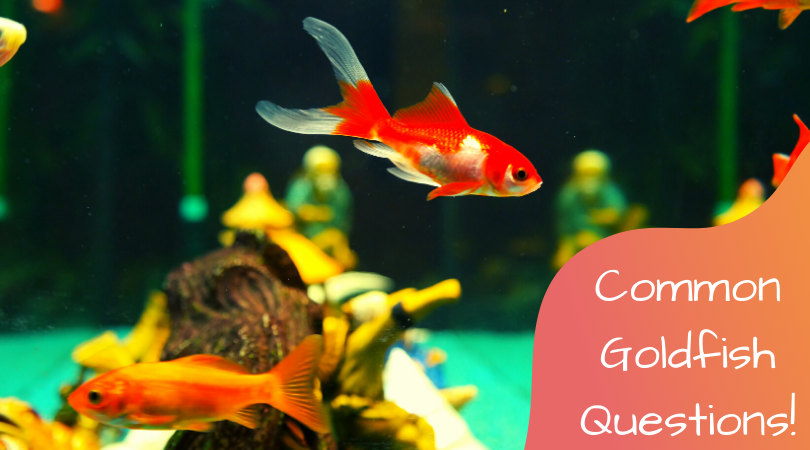
Common Goldfish Facts and Questions

новембар 6, 2019 By liv parmel

For people who want a pet but don’t have time, a goldfish is the perfect choice for you. Goldfish care and maintenance is perhaps least time consuming and demanding of all pets. No grooming, no training, no walking- just clean a bowl and drop in some food.

Originating in China, goldfish were once highly valued pets of people royal blood or status, and people who resided outside of the palace were prohibited to keep them. They originated as the common carp, but somehow developed a genetic mutation which gave them the gold color. The Chinese began to breed the new gold colored fish and this is where we get our goldfish of today.

Goldfish have been bred for pets for thousands of years. They are fun to watch, easy to care for, and can be very striking in appearance. Goldfish are very sociable animals and they prefer to swim in groups rather than live a solitary existence. They are the very first fish to ever be domesticated as household pets.

common goldfish questions

How to Identification Goldfish Gender?

If you do decide to keep goldfish as pets, there are very simple ways to distinguish between the males and the females. Male goldfish have a narrower body and appear to be more symmetrical than the females. Their anal opening is inverted in contrast to the female whose opening protrudes slightly.

Another way to differentiate the two genders is to observe their behaviour during breeding. The males will be actively pursuing the females around the tank. Goldfish reach their sexual maturity around nine months to year years of age.

Here are a few clues that you can look for when trying to determine if your Goldfish are boys or girls:

  • Males tend to have a firm abdomen while a female’s abdomen is much more pliable.
  • Male goldfish tend to have a longer pectoral area in addition to a stiff fin ray. Females have more rounded pectorals and their fin rays are shorter.
  • Male goldfish develop small white spots on their pectoral and gills, also known as “breeding tubercles” during breeding time (in the Spring).
  • Do some of your fish chase the others? The male tends to be the chaser. This is a natural thing that the fish tend to do from time to time.
  • Female goldfish on average are slightly larger then males, and obviously look even larger when they are full of eggs!
  • One major feature that is typically absent in females is that males have midline ridges on their undersides reaching from their vent opening up to the back of their pelvic fins.

Spawning time is the best time to tell the sex of your fish. This occurs in the Spring. The female’s opening looks larger and larger as the eggs begin to ripen. This leads her to look bigger and heavier. It is also possible to see white breeding tubercles on the male fish, since goldfish reproduce through external fertilization.

How Much do Goldfish Weigh?

Goldfish can grow quite large. It’s not uncommon for one to weigh 5 lbs. They can even grow up to 10 lbs if conditions allow. The main determining factor in the overall size and weight of your goldfish will be the size of their environment.

If your goldfish lives in a small aquarium, then it will stay small. If your goldfish lives in a medium size outdoor pond then it is certainly possible for it to grow 14″ in length and weigh several pounds. A common 10 gallon tank will probably yield a 4″ goldfish. In a larger tank, it is possible for the goldfish to grow up to 8″ and weigh nearly 1 pound.

Do Goldfish Have Ears?

No. Goldfish do not have ears. Instead they have internal ear bones known as otolith which allow them to feel vibrations. This is why at pet stores there are signs saying, “Do not tap the glass.” Tapping on the glass can stress your goldfish and possibly even kill them.

Do Goldfish Have Lungs?

No. Goldfish do not have lungs like a human. Instead they breathe underwater with gills. They take water in through their mouth and force it through their gills. The oxygen is drawn from the water and absorbed by the fish. When the water leaves the gills of the goldfish it takes with it carbon dioxide and ammonia.

Can Goldfish Get Sick?

Yes. Like any living creature, goldfish can get many diseases and illnesses. From constipation to bacterial gill disease, eye disease to velvet disease. This is why it’s important to learn how to properly care for your goldfish. Keep your pet healthy and happy!

Can Goldfish Survive in Cold Water?

In an outdoor pond, goldfish can survive water temperatures around 40*F (5*C) and sometimes lower. When the water gets that cold goldfish go into a partial hibernation state. They don’t swim or eat very much. Instead they congregate at the bottom of the pond seeking out the warmest water. Even if your pond freezes over during winter it is still possible that your goldfish will survive.

What Can I Do With Dirty Aquarium Water?

Not surprisingly, the fish waste and nitrates in the old aquarium water makes great fertilizer for your household plants and gardens.

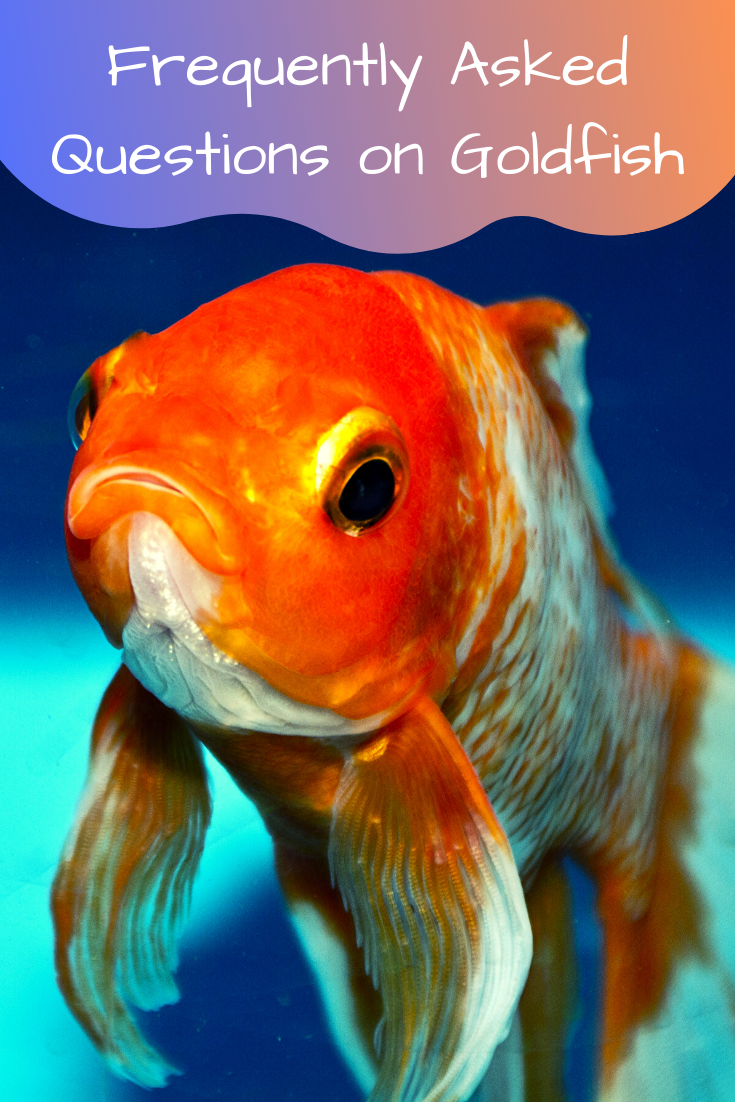
frequently asked questions on goldfish

Is it Possible to Overfeed a Goldfish?

Yes. Overfeeding your goldfish can make it sick from constipation. In some cases, the fish can die from a burst stomach. A goldfish that eats too much also produces a lot of waste which makes the water dirty. So, it’s bad for the fish and creates more work for you.

Fish are amazing creatures. They are fun to watch, easy to care for, and comparatively inexpensive. But those aren’t even the most interesting points of owning a goldfish. Did you know goldfish have been kept as pets for over 1,000 years?

Interesting Goldfish Facts

  • They come in many colors from gold to black and white.
  • There are more than 2 dozen species of goldfish.
  • The goldfish is an Asian carp.
  • Goldfish arrived in the United States between the 18th and 19th centuries.
  • Goldfish symbolize good luck or fortune.
  • Keeping goldfish as pets began in China for use in ornamental ponds and watergardens.
  • Goldfish can see ultraviolet and infrared light.
  • Goldfish can live 10 years. Some have been known to live up to 25 years!
  • Comet Goldfish can grow up to 30 inches long.
  • The common goldfish can grow up to 40 inches!

Категорије: Goldfish

How to Choose a Healthy Goldfish

јул 2, 2019 By liv parmel

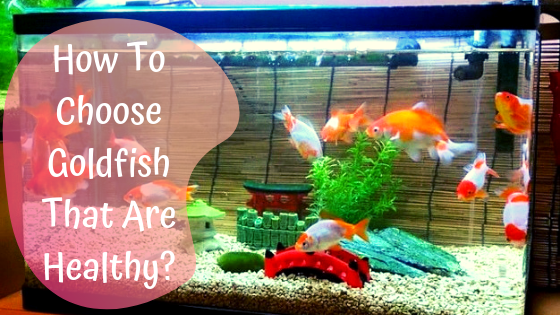
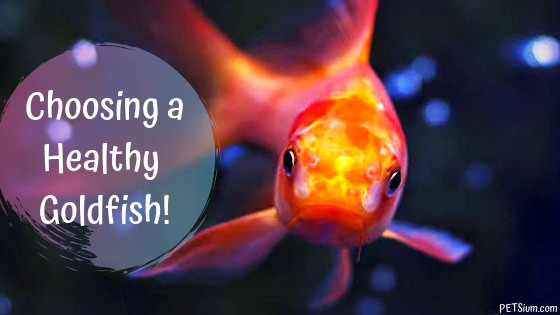
A lot of goldfish diseases can be completely prevented if you take the time to pick out healthy stock in the first place. However, that can be a difficult task in itself if you haven’t been keeping Goldies for very long – especially if you’re trying to sort through a tank that has a couple dozen Oranda Goldfish in it.

What to Look for Before Buying any Type of Goldfish

There’s a lot more to check than simply making sure it’s swimming!

Examine the overall appearance of the Goldfish

When I do this I’m looking primarily at the color – is it dull? Does it appear sickly or malnourished? If the color is very pale compared to the rest of the fish the one in question is probably suffering from some kind of stress or illness. You also want to pay very close attention to the belly – a fish with a very sunken appearance to its stomach is likely carrying internal parasites.

I also like to take a quick look at the shape of the body – in general, I avoid Goldfish that have a very distorted, deep body because I don’t want to deal with buoyancy problems later on.

how to choose goldfish that are healthy

Observe the way the Goldfish is swimming

This should only take you a few minutes – all you are doing is watching the way the Goldfish swims in comparison to the rest of the Goldies in the tank. You should avoid purchasing a Goldfish that is bottom sitting or scratching against objects. Likewise, I don’t recommend purchasing a fish that is already showing signs that is has difficulty maintaining buoyancy. For instance, avoid the ones that have an apparent tilt or occasionally stop to float on one side.

Examine the fins on the Goldfish and its tank mates

This is a very easy step because there really isn’t a lot that you need to look for. However, the condition of the fins can tell you a lot about the health of a fish. For instance, you do not want to purchase a Goldfish that has any red streaking or white cottony growths along the edges of the fin. If the fins have a very shredded appearance or look like they are being eaten away by something do not purchase anything from that tank!

Examine the feces if possible

You are ideally looking for a Goldfish that has solid strands of poop, not one that has clear or very stringy poop. However, many Goldfish at the pet store are already suffering from a mild case of constipation because they are only offered flake food, so I would not be terribly concerned with a bubbly or clear strand of poo – instead, I would just fast the fish once I got it home and then offer it organic whole peas for a few days.

While you are observing the feces, make sure you also take a quick look at the vent (where the poo is coming from). You do not want to purchase a Goldfish that has a bloody or very swollen, irritated vent. The vent area of a Goldie should gently slop upwards toward the tail.

Look the Goldfish over to see if it is missing any scales

The scales on a Goldfish act like a layer of armor in respect to its immune system – these are the first things that any bacteria or parasite come in contact with. If the barrier is compromised in any way, like a patch of missing scales, the fish is left very vulnerable to infection and disease.

Generally, a Goldie that has patches of missing scales will also show other signs of being unhealthy as well. However, occasionally I overlook a missing scale or two because it’s very apparent that they are being picked on by the other fish which isn’t a rare occurrence in an already overcrowded sales tank.

Look for any growths, lesions or fuzzy patches on all of the Goldfish in the tank

This one is pretty self-explanatory – you do not want to purchase a Goldfish that has any open wounds, ulcer-like markings, or fuzzy patches on its body/fins. You should also be on the lookout for fish that look like they have been sprinkled with salt – if any fish have this appearance do not buy anything from the tank.

choosing a healthy goldfish

Observe the other Goldfish in the tank

After you have taken the time to examine the Goldie you want to buy, take a couple minutes to look at all of the other fish in the tank. You ideally want to find a tank that doesn’t have any dead Goldfish floating around.

However, please keep in mind that it will be almost impossible to find a tank that meets that criterion if you are shopping in a large chain pet store. The tanks at these stores are grossly overstocked which makes dead fish an inevitable reality. Instead, make sure that the other Goldfish do not have any visible external parasites, growths or signs of fish ick.

The goal of the above check list is to help you pick out a healthy Goldfish; however it is not implying that you should be rigorously examining the fish to make sure it fits show quality standards. For instance, if the fish you like has a minor flaw, like a bent fin, but otherwise appears healthy then go for it!

The health of the fish is the most important consideration. Just make sure that the new Goldfish will be compatible with your other Goldies and have proper place to living.

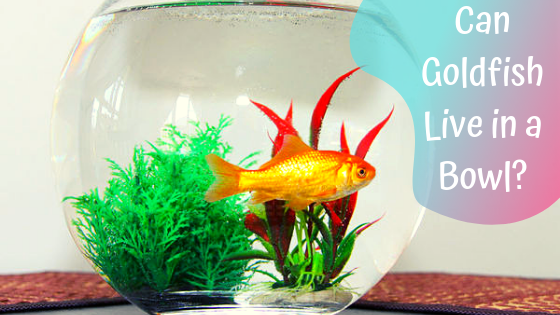
Goldfish Will Not Survive Life In a Bowl

Unfortunately, many new goldie owners are led to believe that goldfish live happily in bowls – and this couldn’t be further from the truth!

A goldfish that lives a whopping four months in a bowl didn’t even come close to its full life expectancy, yet most people think that’s normal and just keep replacing Bubbles.

There are many different types of goldfish, and every single one of them will outgrow a bowl – in fact, most of them will even outgrow a 20 gallon aquarium as well. For the purpose of this discussion, we’re going to group goldfish into two categories – fancy and single-tailed.

The fancies have a double tail and a very round, egg-shaped body that can grow as large as a softball. Single-tailed goldies are a very stream-lined fish that can grow up to a foot in length, and sometimes over! An example of a fancy goldfish is an Oranda, and by single-tail we are referring to breeds like Comets and Shubunkins.

can goldfish live in a bowl

But I’ve Always Kept Goldfish In a Bowl?

There are many reasons why your new goldfish can’t live its life in the confines of a glass bowl. Here are some of the most important ones.

Goldfish are very messy fish in general

If you were to keep a baby goldfish in a bowl, you would be doing multiple water changes per day in an effort to keep the water quality pristine. Unfortunately, most people don’t have the time to dedicate to such an endeavor.

Goldfish are not only very messy when they eat but they are also constantly grazing which leads to quite a bit of fish waste throughout the day. It’s hard enough to keep the ammonia levels from breaching deadly toxicity in an adequately sized fish tank – imagine how much more work a bowl is going to be.

Goldfish grow very large, very quickly

Goldfish don’t stay small for very long, and as they grow that tiny bowl won’t be enough room for them to comfortably turn around in. Expecting a goldfish live in a bowl is similar to buying a dog crate with your Chihuahua in mind, and then deciding that you’d rather put a Great Dane in it.

Goldfish need oxygen and plenty of it

Goldfish rely heavily on well-oxygenated water to function properly. A bowl just cannot provide this for them. Once you place them in an environment where the oxygen is limited they will begin gasping at the surface and showing signs of distress.

The surface area is a large factor in aerating the water – a bowl does not provide a very long or wide surface and thus does not have good potential for aeration. Just remember, the bubbles from your air stone do not magically put oxygen into the water – the disturbance at the surface of the water does.

Goldfish need a good filter, it’s not an option

Because they excrete so much ammonia throughout the day a goldfish needs a good filter that can remove the waste from the water. A good filter should be able to filter at least twice the amount of water you have in the tank, and it should provide all of the three types of filtration – biological, mechanical and chemical. It would be impossible to find a filter that meets these requirements and still fits on the side of a fish bowl.

Some Final Considerations About Having Goldfish Live in Bowls

Aside from the above reasons, keeping a goldfish in a fish bowl is just cruel. You wouldn’t subject any other kind of pet to this kind of inhumane abuse, so why would you be willing to let a goldfish live in an environment that forces it to swim around in its own waste?

Provided that it receives good care, that tiny goldfish has the potential to live a couple decades. They may not be able to come out of the water and sit on your lap or kiss your face, but they do recognize their owners. If you aren’t willing to commit to the level of care that a goldfish requires then you should probably consider a different type of pet that doesn’t require as much space and maintenance.

Категорије: Goldfish

Which Kind of Goldfish to Choose for a Pet

април 8, 2019 By liv parmel

If you’re interested in caring for a goldfish, you might want to start thinking about the different types of goldfish and which ones you prefer to keep. Contrary to popular belief that goldfish all look alike with the shimmering, gold scales and flowing tails and fins, there are many different variations and each type has a slight variation from the usual goldfish look.

How to Identify Goldfish Types

To make the classification easier, there are types that are identified based on appearance. The types of goldfish are the following: single tailed goldfish, double tailed goldfish, double tail with dorsal fin goldfish and the double tailed with no dorsal fin goldfish.

The Single Tail Goldfish

Comets, Commons and Shubunkins fall under the single tailed goldfish classification. The species under this classification usually have slender bodies and a single tail that varies in size.

The Double Tail Goldfish

The double tailed goldfish has Watkins goldfish and Jikins Goldfish classified under it. These types of goldfish have slender bodies just like the single tailed goldfish. However, the distinction comes in their tails where it looks like it was divided making it appear as if it has two tails.

The double tailed with dorsal fin goldfish, unlike the previous types, have egg shaped bodies. Examples of goldfishes under this classification are Fantail, Pearlscale, Oranda, Ryukin, Moors Telescope, Pompom, Demekin, Veiltail. Aside from being egg shaped, this type possesses single or double dorsal fins.

The double tailed without dorsal fin goldfish have egg shaped bodies but does not possess any dorsal fins. Examples under this type are Bubble Eye Goldfish, Phoenix Eggfish/Egg Goldfish, Celestial goldfish and Lionhead goldfish.

As you can see, with these many different types of goldfish, you will never get bored with your goldfish aquarium!

goldfish types that are identified based on appearance

Bubble Eye Goldfish

The bubble eye goldfish is easily recognized by the bubbles around it’s eyes. As its name implies, it has two fluid-filled sacs in its eyes that resembles a bubble. The sacs are made up of a membrane that easily breaks when punctured. Interestingly, the punctured sacs grow back. Although the sacs appear to be burdensome to the activities of the bubble eye goldfish, they do not cause any disadvantage at all.

Just like all goldfishes, the bubble eye goldfish posses the distinctive flowing tails and fins. They also come in metallic, shimmery scales. There are some bubble eye goldfish that has patterns all over its body such as red and white; and gold and calico combinations. Some come in plain colors such as red and black.

Bubble eye goldfish eye

They have the same needs than that of other types of goldfishes. However, they require greater degree of care when it comes to their eyes. As mentioned earlier, the bubble eyes can be punctured easily. There’s a need to get rid of sharp decorations placed inside the tank. It’s also not a good idea to place them together with aggressive types of fish.

The average size of the bubble eye goldfish is six to eight inches. The bubble eye gold fish looks like a normal goldfish at birth. The sacs will only start growing and later on become noticeable at three months.

Paying attention to the details inside the tank is important when caring for this type of goldfish. Clean the tank regularly and maintain a temperature not more than 90°F.

The Oranda Goldfish

Many people think that all goldfishes all look alike. This is partly true. They all share a specific look that sets them apart from all other aquarium pets. However, there are many types of goldfish available and each bears a distinct characteristic.

One of the more common types of goldfish is the Oranda goldfish. The Oranda goldfish is known for its distinctive hood called the wen. The wen is a fleshy growth on the top of its head. It is most appreciated when fully developed in two to two and a half years.

The scales of the Oranda goldfish are large and round. It shimmers as it moves. It has a long, flowing tail that fans out when it stops. It grows approximately from six to seven inches.

This kind of goldfish is referred to as the “flower of the water” in China and “Oranda Shishigashiri” in Japan.

Care for the Oranda Goldfish

Being omnivorous in nature, the Oranda Goldfish can thrive from the nutrients it could gain from any type of fish food such as flakes and worms. This type is not very tolerant to pollution. Regular maintenance and care such as cleaning and filtration is necessary. Otherwise, the goldfish will have low chances of survival. Some illnesses common to this type of goldfish are parasitic such as flukes, lice and anchorworms.

Proper care for the Oranda Goldfish is a must. Feed quality fish food and properly maintain the aquarium environment to prolong the life and enhance the appearance of the Oranda Goldfish.

which species of goldfish is best for a pets

The Black Moor Goldfish

The black moor goldfish is a great addition to any aquarium. Its eye catching black and velvety color makes for an interesting view. Although the black color may fade as the black moor ages, they stay with the same color for a long time. There are very few variations of black moor. They vary in terms of caudal fins.

Goldfish of this species has large eyes that give them slight vision impairment and is also prone to damage. This makes it difficult for them to find food. That’s why the best thing to do is to keep them with fishes that have the same vision impairment so that feeding time will not be a problem later on. Otherwise, fishes that swim faster will consume all the food and the black moor will be left with nothing.

Black Moor Goldfish Care

Black moors feed on the same food as other goldfishes. They are also omnivorous. Feeding it with quality flakes and pellets will give it sufficient nourishment but occasional feeding of brine shrimps and bloodworms will also nourish your black moor. Vegetables cut in small pieces can also be fed to the black moor.

Of course, aside from keeping the tank clean and safe from sharp and spiked decorations, the black moor will do well in an aquarium with a temperature of 65-72 degrees F. Aquatic plants are better alternatives for decorations inside the tank.

If given the proper care, the black moor can grow for approximately ten inches. It has an estimated life span of twenty-five years.

The Fantail Goldfish

The fantail goldfish is best identified by its tail and fins. Its tails and fins are noticeably large and split. The split in the tail is believed to be the indicator of the breeding quality of the fantail goldfish. The more splits the tail has, the better.

This type of goldfish does not require much maintenance, which makes it a good choice for beginners. It is known to survive colder temperatures. They can be kept either in indoor tanks or in outdoor ponds. If chosen to keep in an aquarium, make sure that there is sufficient space for the goldfish to swim in. They should always be kept with other fishes.

Fantail Goldfish Breeding

If you’ve decided to breed your fantail goldfish, make sure that you provide breeding grounds such as grained beds and weeds as the parents have the tendency to eat their young. Increase chances of survival by adding java moss in the tank. Giving variation to their diet makes breeding optimal. Gradual changing of water temperatures can also trigger breeding in fantail goldfish as it will simulate changes in season.

Feeding the fantail goldfish is not much of a problem. Just like all other types of goldfishes, they will eat anything. Feed them with flakes, pellets, vegetables, worms and brine shrimps. A good diet will prolong the life of your goldfish and also increase its breeding condition.

Generally, this type does not grow as big as other types of goldfish. The maximum size of the fantail goldfish reaches only six inches.

Категорије: Goldfish

Are your fish sick? Which goldfish diseases do they have?

фебруар 1, 2019 By liv parmel

There are many goldfish diseases, that our friendly and likeable pets can catch. Our pet fish are like any other living creatures, and are susceptible to falling ill from time to time. The biggest and best way to ensure that your wonderful fish are healthy is to make sure that their living environment is the best it can possibly be. If their water world is dirty and polluted, then they have a higher chance of getting sick.

Some general goldfish diseases

I’m a big believer in preventative medicine, and I think we should use some of the same principles for our pets. The water in the tank needs to be changed regularly. Cleaning their water is easy. If you put this job off, you have to remember, you’re putting their health in jeopardy. You also need to use simple tools, like water conditioner, which removes excesses toxins from the water, a filter, aerator, and time.

Fin Rot

Goldfish fin rot is mainly caused when your pet fish are put under stress. This stress can come from many areas including: infrequent cleaning, not enough oxygen, strange conditions, overcrowding, and being handled too much. If whatever is causing the stress is stopped quickly your pet goldfish can quickly recover, before the disease does too much damage.

Ick

Goldfish ick, or ich, is a very common parasitic disease. It’s also known as White spot. This common name comes from being able to see very small white spots on your pet fish. Please examine your goldfish closely to see if you can see any of the signs that they have been infected with this horrid goldfish disease.

Fungus

This fungus is caused when your pet fish has already had some type of health problem like White spot or Ick its health has already been compromised and is still in a weakened state, and that’s just the way this fungus likes it. This disease needs to be treated quickly as it can be deadly for your goldfish.

Constipation

When we are have constipated we know we have to add more fruits and vegetables to our diet, and the same philosophy applies to your goldfish. It needs more fibre in its diet. You can feed your goldfish spinach, peas, lettuce, zucchini, and other green leafy vegetables. We don’t like to have constipated and neither does your goldfish. It’s mainly caused by feeding your fish too much processed food, or too much floating food. A lack of variety in diet can also cause this painful and uncomfortable problem.

goldfish diseases

Dropsy

Goldfish dropsy sounds cute, but it’s an ugly bacterial infection that can prove fatal for your goldfish. You know that your fish has goldfish dropsy when you notice its body is swelling, and is larger than usual. When this infection is at its worse, your pet can swell so much its scales stick out. Your goldfish’s eyes could bulge too. You need to catch this infection early. The longer the bacterial infection is left the higher the chances your fish will die.

The water in your fish tank should be at room temperature and an eighth a teaspoon of Epson Salts added to ever five gallons of water. The Epson Salts help to draw out the toxins from your goldfish’s body.

Pop Eye

This is a perplexing disease. You know if your pet has this problem if one or both eyes protrude or pop out more than usual. You need to remember that certain varieties of goldfish are meant to have distinguishing eyes such as Black Moor’s, and Bubble Eye’s. But as mentioned if your fishes eyes seem as though they are popping out more than normal action needs to be taken.

Pop Eye can be caused from several different sources which include: parasites, tuberculosis, bacterial infections and the beginning of Dropsy. You need to make sure that your water in the fish tank is clean. This disease can be easily treated with antibiotics.

petsium image

Anchor worm

This is a disgusting parasite. These parasites can attach themselves anywhere on your fish but they really like to aim for muscles and organs. The female Anchor Worm, can grow up to an inch long. She has an anchor like head which digs into your friendly pet, and attaches herself to your fish. Your goldfish knows that there is something wrong and will try to rub up against fish tank ornaments to get rid of it. Unfortunately that doesn’t work.

The female parasite has two egg sacs. If the infestation is not dealt with and the eggs are allowed to hatch the new parasites will re-attack your fish. These parasites are so tenacious that they even stay attached to fish when they are dead. Dimilin is a liquid that can be easily added to your fish tank’s water. This treatment interrupts the life cycle of the parasite, and will kill it. It won’t harm your loveable pet, or your aquatic plants.

Fish Lice

They are sneaky parasites as they are small, flat, disc shaped critters, who are see-through. Being clear, they take on the color of your fish making them hard to detect. Fish Lice have clasp like antennae which allow them to hold onto the fish. They have needle like mouths which allow them to bite into your pet goldfish and suck on their blood. Plus, they have hair like legs which give them mobility. Having mobility allows them to swim in your aquarium, and to crawl all over your fish finding a juicy spot to bite into.

Because of all this biting and blood sucking going on, it’s not surprising to realize your pet fish will have wounds which can be easily infected. If this isn’t bad enough, the female parasite loves to lay her eggs on hard surfaces within your aquarium. Thankfully there are products on the market that can help.

Dimilin is a liquid that doesn’t harm your pet or your aquatic plants, but what it does do is interrupt the parasites life cycle and puts a stop to there reproduction.

some general goldfish diseases

Swim Bladder

This problems will cause your goldfish to act very strangely. Are your fish floating at the top of the tank, or sunk to the bottom? Are they having problems rising, or do they try to wedge themselves under your ornaments to stop themselves floating to the top of your aquarium like a helium balloon?

If so, they have Swim Bladder problems. The swim bladder is a gas filled sac in the dorsal area of your fish. This is what allows your goldfish to swim freely. The strange behavior of your lovable pet is caused by over eating or constipation.

Your pets need to go on a fast, for a few days. Don’t worry they can live over a week without food. Fasting should help solve both types of problems. You then need to give them a variety of different foods, such as peas, (peas seem to be the wonder food for your fish) spinach, lettuce and cucumber, as well as their fish pellets or flakes.

If you give them pellets, pre-soak them before giving them to your fish. And last of all, don’t over feed your goldfish. Too much food is bad for them.

Skin and Gill Flukes

These are small worm like parasites that have hooks on one end, sometimes called Shimmies. They use these hooks to anchor themselves onto your goldfish, and begin feasting. They will crawl and wiggle all over your fish to find a better and tastier spot. And of course, the more parasites your goldfish has to deal with the more lesions and tissue damage your pet will have.

Your pet fish can get these horrid annoying parasites from overcrowding, unclean water, and stress. If the infestation continues your goldfish will become lethargic and in time will lie on the bottom of the fish tank with its fins pulled close to its body. If your fish act in this way, they are seriously sick.

How do we treat the problem?

  • Salt baths for 2-3 days will help. They’ll also help heal any lesions and wounds your fish may have.
  • Once you’ve finished with the salt bath treatment, you can try an ammonia compound product.
  • Malachite and Formalin can also be used.

Hole-in-the-head

This disease, sounds like this problem has just walked off an old gangster movie, but it is as serious as it sounds. It’s caused by a protozoa parasite called Hexamita or otherwise known as HITH (Hole-in-the-head). This infection is very slow, which makes it all the uglier. As this disease’s name indicates, you can notice pitted holes on your fishes head and nasal area. These holes aren’t red like you’d expect, they are white or gray in color.

Bad, dirty, and unclean water is paradise for the parasite, and hell for your goldfish. You need to clean your fish tank regularly. Also, stress can be the cause for many goldfish diseases. Stress can be caused by having too many fish in your aquarium. A bad and unvaried diet will give anyone stress, and your fish too. Make sure you add peas, lettuce, spinach, and other green leafy vegetables to their diet of fish flakes or pellets.

It’s never fun to be sick, so catching the problem as soon as possible, can help stop your goldfish from feeling strange or worse dying. Your fish is a delight to have in your home that can live for many years, so if you suspect that they aren’t their usual active selves, you need to look closely at them and see if you can find out what’s bothering them.

Usually the solution to goldfish diseases is a simple one, so don’t fret and worry too much.

Категорије: Goldfish

Goldfish – a Magnanimous Pet for All Age Groups

јануар 22, 2019 By liv parmel

Some people believe that having an aquarium inside their house will bring luck to them, while some others think that running water will bring wealth to them. Whatever it is, watching shimmering movements of goldfish will always make us happy. They even respond to our whistling or call which forms an emotional attachment towards them.

Though goldfish is sensitive to long-drawn-out exposure to low water temperatures, it’s still considered as a suitable fish for aquarium and pond environments. So we can keep goldfishes in our aquariums, just for the sake of mental pleasure or by taking it as a hobby.

Goldfish Facts

Goldfish, belonging to the genus Carassius, can attain a reasonably good size if we give adequate space and food. As it is considered as a hardy fish, it can live happily in an aquarium or pond for more than 10 years. We can see goldfishes mostly in colors ranging from light orange to bright red, other than brown, blue and other eye catching combinations. Goldfishes also exist in a variety of beautiful outer coverings including silver and metallic textures.

petsium image

This beautiful fish is one of the earliest fishes that man started domesticating and this captive breeding started from its native home China, mostly during the reign of the Sung Dynasty. When man started educating yourself about this fishes, they also tried to raise different breeds within the species. Thus, goldfishes served as a gateway for taming exotic fish species.

Common Goldfish Varieties

Some of the commonly found goldfish varieties are Comet, Black Moore, Ryukin, Fantail, Lionhead, Bubble eye, Pearscale and Oranda. These fishes are omnivores and often feed on vegetables, protein mixtures etc. Comets are very daring and active, and it will grow up to 30 inches. Meanwhile, Black Moores can grow up to 7 inches long and Fantails can develop up to 8 inches.

As Black Moore is a very mischievous fish, it’s always advisable to keep this fish with another goldfish so that it will feel more comfortable. We can see Ryukins in calico, red and white colors. It can grow up to 6 inches and can live more than 14 years. This fish can be identified easily as it has a short, round body, and a high humped back.

how to buy the goldfish

Goldfish Water and Aquarium

As goldfishes are cheerful, long-lived and visually pleasing, we must ensure proper care for them. Most important decisions regarding this is checking the quality of the water. We should not forget that goldfish must eat, swim, breathe and drink in the same water they are living, so water quality for the fish must be taken seriously.

Some of the parameters we should check while setting up an aquarium includes ammonia, nitrite, nitrate, and pH levels. We can also decorate the tank or the aquarium with different colored rocks or ornamental plants; this will offer the fish a hiding spot or a play area to reduce their stress.

As a properly fed goldfish will be livelier, brilliantly colored and resistant to diseases, flake food will be preferable to pellet food. It is better to give food that will float on the top of the water, because this will make it easier for the fish to find.

petsium image

How to Care for Goldfish

Goldfish are relatively easy pets to care for compared to dogs, cats, or even hamsters. You never have to take a fish for a walk, you don’t have to worry about them leaving a mess on the carpet to pick up, and they will never cause a commotion and disturb the neighbours.

It is important to take proper care of both your goldfish and its habitat in order to ensure that it is able to enjoy a lengthy and healthy life. Goldfish are very sensitive animals and the slightest change in temperature or environment can prove to be stressful and harmful.

Is it a Good Idea to Cuddle Goldfish

Never touch your fish unless out of necessity. They are prone to stress, injury, or infection if you try to pet them. This careless action may destroy come of their scales and this can also cause injury or infection. Also, when feeding your fish, place the food in the water. Don’t feed them by hand.

You may carry dangerous germs and infections that can ultimately kill your pets. If you do need to add or remove any of the decorations in the tank, be sure to wear a pair of aquarium gloves to avoid transferring any bacteria or germs.

When it comes to decorating your pet’s new home, be very careful what materials you decide to use. Avoid using any wood, shells or rocks that have been collected from ponds, lakes, or rivers. These will certainly make your fish habitat appear realistic, but you may be subjecting your new pets to parasites and diseases.

Instead, choose ornaments specifying that they are for aquarium use only. Plastic, silk, or real plants as well as ceramic shells and driftwood are perfectly acceptable. Also choose gravel for the bottom of the tank that will be too big for a fish to swallow. Smaller pieces may get lodged in the fish’s throat and choke it.

best goldfish care advices

Do Goldfish Need Companions?

Be attentive and research what types of fish are compatible to share the tank with your precious new friends. Some fish will bully others and nip at their fins, which can cause stress and injury. Algae eating fish aren’t always the best companions for goldfish either as they tend to suck the slime coat off of fish and leave them susceptible to infections.

Be careful not to stock too many fish into one tank as this will deplete the amount of available oxygen and your fish won’t thrive as well. Fish all produce waste which is usually excreted in the form of ammonia. If too much ammonia develops in a fish tank, this could cause harm to other fish by causing disease and infection.

Different types of goldfish should also be set in separate fish tanks as they all have assorted needs and requirements. The more common goldfish are more aggressive and quick and they tend to take control of the food supply before other fish can have a chance to eat.

Putting them in the same tank as fancy goldfish would be detrimental to the latter. Also, fancy goldfish prefer slightly warmer water than common goldfish do.

If we keep right climatic conditions, goldfish is a fantastic species of fish to keep, especially for the budding fish enthusiast. Creating ornamental varieties from a common goldfish become a hobby for many people.

Common goldfish tend to live in groups as they are quite social and have proven over time to be a popular pet not only for children but also for adults.

Категорије: Goldfish

  • Страница 1
  • Страница 2
  • Go to Next Page »

Primary Sidebar

Small Fish Tank

Glass Fish Tank

Категорије

  • Animals
  • Birds
  • Cats
  • Dogs
  • Fish
  • Goldfish
  • Guinea Pig
  • Hamster
  • Horses
  • Name Inspiration
  • Parrot Pet
  • Rabbits
  • Reptile Names

Скорашњи чланци

  • Hoppy Naming! Adorable and Funny Easter-Inspired Guinea Pig Names
  • Purr-fectly Adorable: Valentine’s Day Cat Names for Your Feline Friend
  • Astronomy Inspired Cat Names
  • James Bond Cat Names: Purr-fectly Suave Options for Your Feline 007
  • 170 Authentic Greek Names For Cats
  • Hippie Cat Names
  • Ladybug Facts For Kids
  • Unique White Horse Names with Meanings: From Majestic to Mystical
  • Disney Turtle Names: 160+ Names For Turtles From Disney Movies
  • 100+ Names For Black Horses With Meanings

Guinea Pig Cage

Large cage for your guinea pig

Ознаке

Best family parrots Best Gifts for Cat Lovers Best Hamster Toys Best parrot for beginners Best parrot for kids Best Small Dogs For Kids Boy Cat Names Can Guinea Pigs Eat Celery Cat Names Cat names for pairs Dog Behavior Dog Throwing up Dog Vomiting eat Female Bengal Cat Names Female guinea pig names Funny goldfish names Goldfish aquarium Goldfish names Gold Fish Names Goldfish tank Goldfish varieties Guinea Pig Guinea pig names Guinea pigs Male guinea pig names Manx Cat Names Names for Goldfish Names for guinea pigs Names for pink fish persian cat personality Siamese cats Small curly haired dogs Small dog breeds Sounds Twin cat names Types of goldfish Undigested food Unique guinea pig names What can guinea pigs eat Winter White Hamster Care Winter White Hamster Colors Winter White Hamster Diet Winter White Hamster Facts Winter White Hamster Life Span

Disclaimer:

This website „PETSIUM“ is not liable for any outcome or damage resulting from information obtained from these articles.

The articles provided here are for information and entertainment purposes only. The decision to use, or not to use, any of this information is the sole responsibility of the reader.

Any medical related content in any articles is not intended as diagnosis, treatment or prescription. It is not intended to be a medical advice and is not a substitute for professional medical advice. Please consult with a licensed health care practitioner if you are dealing with a serious medical problem.

Hamster Cage

Hamster Cage

Footer

Petsium – Veštačka Inteligencija

Dobrodošli na Petsium, vašeg novog saputnika za brzo, precizno i potpuno besplatno AI iskustvo. Ovde možete da postavite bilo koje pitanje – od pisanja eseja, preko tehničkih izazova u kodiranju, do saveta za svakodnevne zadatke – i dobićete odgovor prilagođen upravo vama. Sve to bez registracije, bez komplikovanih menija i bez skrivenih troškova.


© 2026 Petsium · Privacy Policy