• Skip to primary navigation
  • Skip to main content
  • Skip to primary sidebar
  • Skip to footer

Petsium - Veštačka Inteligencija | AI

Vestacka Inteligencija Aplikacija i Chat

  • Vestacka Inteligencija
  • Kontakt
  • Uslovi Koriscenja

Dogs

How Long Do Puppies Grow?

април 23, 2020 By liv parmel

We often ask when our puppies will be fully grown in the hopes of estimating when our beloved puppies have reached the summit of their growth ceiling.

In general, smaller breeds tend to reach their growth apex after a year while the larger varieties climax after their second year post-birth.

how big will my puppy grow

How Puppies Grow

It does vary from breed to breed, and from puppy to puppy. Herding dogs such as the Border Collie, do not appear to behave like grown up dogs until sometime in their second year of life. If you have chosen a Catahoulas you wont see their full maturity kick in until they are in their third year of life.

Other indicators breed and size of parents, paw size, loose skin, stopping of height increase and the „double-it formula“. One cannot expect 200-pound poodles from two standard poodle parents.

If you want to have an approximation of the adult size of your puppy, check the parents’ size. The mother size is a better marker than the sires.

Bigger paws also indicate a larger height increase and a heavier weight in the future. Possessing loose skin is also a great gauge since this means that the puppy will have more space in the new suit to fill up.

It is said that a pup grows up to 75% of its height at 6 months. Lastly, some sources say that the adult weight can be estimated by doubling the weight of the puppy at 14 weeks.

Some pet owners get disillusioned when their puppies exhibit signs of maturing because they wish their puppies could retain the cuddly appearance while losing the fascination for chewing furniture and shoes.

As a pet owner, one has to be prepared to accommodate a more spacious facility to romp and exercise in when a puppy is full grown. One also has to make a mental note that not all puppies will exhibit mature behavior even if the growth curve of the puppy maxes out.

Benefits of Knowing Your Puppy’s Growth Rate

One of the most important things you should know as a responsible pet owner is the average puppy growth rate. Just as every human baby grows on a different rate from other babies, every puppy develops on a rate unique to its breed.

As a general rule, larger dog breeds normally require a longer time to fully grow to maturity and toy breeds tend to have a faster puppy growth rate.

Here is a benefits you gain when one is aware of the appropriate puppy growth rate:

You Can Make an Accurate Feeding Guide

Knowing the puppy growth rate specific to your dog’s breed is vital since it will determine the amount of dog food that you need to prepare on a daily basis.

The more activities your puppy does everyday, the more complex his energy requirement is. And you certainly wouldn’t want your puppy to starve to death nor would it be a healthy condition for him to be overweight.

For instance, the first week of your puppy will prove to be a relatively easy time to manage since puppies normally sleep 90% of the time and search for their mommy’s milk 10% for feeding.

However, expect to feed your puppy four times a day during weeks 7-12.

You Can Expect What Size of Crate to Buy for Your Puppy

One of the first things you would want to buy for your pooch is his crate. Consider this your mobile dog house that you can tote around when traveling or moving to a different location in the house.

Aside from being the metal vanguard preventing dogs from ruining your favorite sofa, this handy invention can keep your puppy from getting near hazardous household items.

Given the extreme benefits of buying a crate, it is advisable that one anticipate how big your puppy can get before you race to the pet supply store. And for this, one needs to know the puppy growth rate of Man’s furry best friend!

You’ll Know When Your Puppy is Safe to be Neutered or Spayed

As early as four months, your puppy may undergo neutering or spaying. One will never regret this decision if your intention for acquiring the puppy is to form a tight bond with your family.

Spaying or neutering will prevent him/her from going after the neighborhood bitch or male.

You’ll Know When to Start Training Your Puppy

You’ll know when to start disciplining your puppy or even better, send him/her off to puppy obedience school. Puppies are dependent on their mothers for the first two weeks of their existence.

Once your puppy turns 8 months old, it’s safe to send him off to obedience school or start house training.
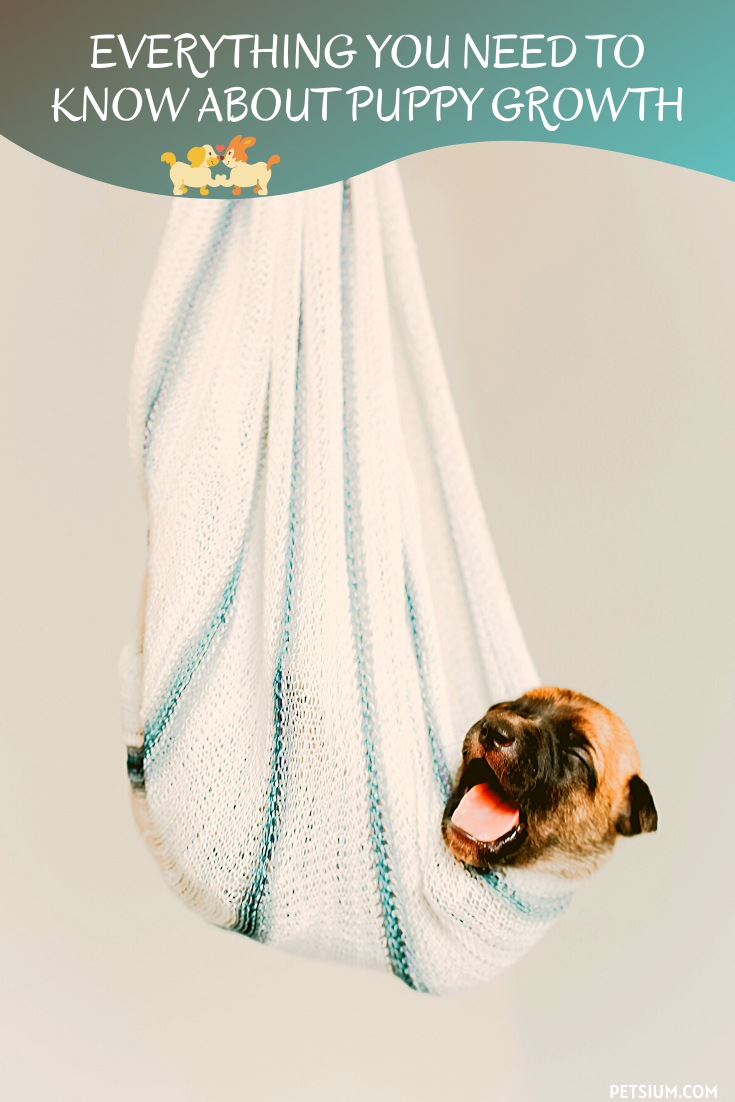
all you need to know about puppy growth

Having knowledge of your puppy’s growth rate will enable you to tailor-fit a feeding guide, anticipate the crate size to buy, send him/her off for a neutering or spaying procedure.

Also predict the behavior of your puppy through various stages of development and foresee when to discipline your puppy.

How Does a Puppy Grow Up?

Puppies, like human babies, will go through numerous stages between birth and adulthood. You may not get to see all of these stages unless you are breeding dogs yourself.

In that case, you will get to see the puppy form from birth all the way up until it is either an adult, or leaves you for a new home. Understanding the different puppy stages provides you with a stronger ability to give the puppy what he/she needs in order to grow up properly.

It’s really quite surprising how fast your puppy goes from a small little bundle of fur, licks, and ungainliness to being an adult dog. Don’t forget to take pictures of your young puppy throughout the stages of his or her life.

When you look back in a year or more, you will be shocked to see how much your puppy has changed and your memories will only be really reinforced by pictures and/or videos of your young pup.

Puppies will grow based on a number of factors. They will generally all grow at the same rate. However, food, breed, health, and the size of the parents of the puppy will help determine how big that puppy is going to be.

Therefore, it is important to be aware of how fast or how big your puppy is going to be. This will help you ensure you provide adequate food, vitamins, and playing room for your puppy so that he/she can grow up the best potential possible.

When Is A Puppy Full Grown

Many people will tell you that by the time a puppy reaches the age of 2 years old they are full grown. While this may be true the fact remains that it will vary from puppy to puppy as to when they have completely finished growing.

Larger breed dogs such as the Boxer or the Dalmatian will usually stop growing when they reach about 18 months of age. Small breeds such as the Pekingese or the Pug, on the other hand will usually be done growing at about 9 months and be completely filled out.

Many puppies will reach their full grown state at around the age of 12 to 18 months old. For the larger breed dogs it might take them a little longer to finish growing to their full size.

There are some dogs, usually the smaller breeds that will develop their full framework around the age of 6 months of age but it could take the rest of this puppy’s body several more months for the other parts of their body to reach this same stage in a puppy’s life.

As far as the maturity level of dogs they are similar to humans in the respect that it takes certain dogs much longer to mature than it does others. So people will tell you that over the course of the first year a puppy will begin to lose some of their puppy qualities such as their rambunctious behavior but that is really not true.

The amount of maturity that a puppy develops over the first year will really depend on that certain puppy.

There are many dogs that will reach their maturity level near the end of the first year but for many others it will take much more time, if ever, for the puppy to become completely mature.

If you start to see signs that your once newspaper chewing puppy has taken to other things or that the holes in the yard become less frequent or that you can leave your favorite pair of shoes out without having them chewed on, then this might be a sure sign that your little furry friend has begun to mature and grow up.
Категорије: Dogs

Non Shedding Dogs

април 17, 2020 By liv parmel

Dogs or other pets usually complete the family picture for some people. There are so many types of cute dogs around that it becomes difficult to choose one. For those who are allergic to dog hairs, but still love dogs and want to keep one, the best solution is to go for non shedding dogs.

Every dog needs some kind of grooming or may be more than that. In a Dog’s coat there are 2 kinds of hair, one is the outer coat and second is the inner coat. The outer coat consists of coarse hair, while the inner coat has much softer hair. The growth of a dog hair is fixed to a length and after its full growth it is pushed out or shed by new hair. If you get those sneezes and watery eyes when you get close to a dog then a non shedding is the right selection for you.

Dogs do shed a lot of hair of their coat regularly. But, there are many breeds that almost do not shed hairs at all. They are called as non shedding dogs. There are many varieties to look into that do not shed hair. Even so, some people may be allergic to dander, i.e., the flakes of the skin, if not the hair. Even a hairless dog will produce allergen, dander. Saliva is the next culprit in causing allergic reactions. This has to be kept in mind when you go looking to buy a dog.

Depending on whether you want to buy a smaller dog or a larger one, you can look into varieties such as terriers, poodles and so on.

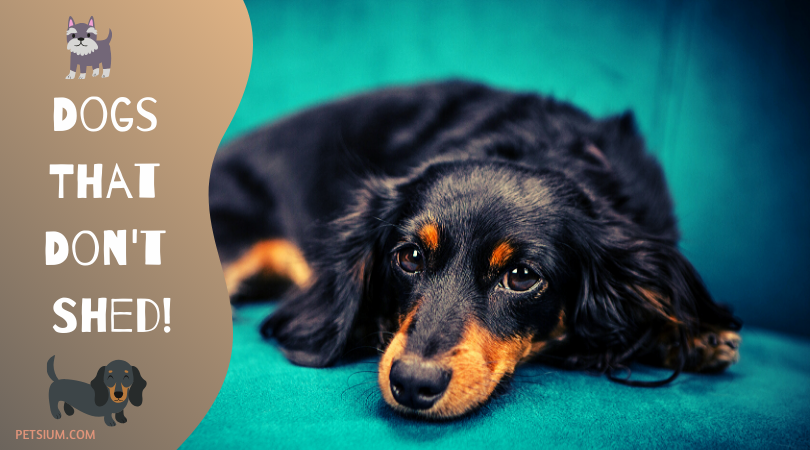
dogs that don't shed

Small Non Shedding Dog Breeds

If you want a smaller non shedding dog, the perfect varieties for you will be Mini Schnauzer, small Poodles, the Shih Tzu, Cairn Terriers, Silky Terriers, Havanese, Norwich and Norfolk Terriers, Chinese Crested and West Highland White Terriers.

Usually all terriers are classified as non-shedding or very low shedding with the exceptions of Jack Russell, Rat and Fox Terriers.

Non Shedding Terriers

  • Airedale Terrier (no shedding).
  • Bedlington Terrier (no shedding).
  • Yorkshire Terrier (this dog is an excessive yapper, but its hair is the same PH as human hair).
  • Welsh Terrier (no shedding).
  • Soft Coated Wheaten Terrier (no shedding).
  • Silky Terrier (no shedding, but another yipper which produces more saliva).
  • Sealyham Terrier (no shedding).
  • Scottish Terrier (no shedding).
  • Cairn Terrier (minimal shedding, but another voracious yipper).
  • Wired Hair Fox Terrier (minimal shedding, but another excessive yipper).
  • Dandie Dinmont Terrier (no shedding).

Best Non Shedding Dog Breeds

American Hairless Terrier

This is the perfect dog for those who suffer from allergies. This dog has no body hair except for the eye brows and whiskers. It comes in three size varieties. So you can make a selection from any one of them according to your taste.

Brussels Griffon – Rough Coat Only

These dogs are the non shedding dogs and are also know as a toy breed. The Brussels Griffon of Rough Coat only are the non shedding dogs, those who are of the Smooth Coat variety are not the shedding dogs. So keep in mind about the variety of this dog.

Chinese Crested (hairless)

This breed shed no or very less hair.

Italian Greyhound

This breed of dog is also known as the toy breed. This breed is also one of the non shedding breeds, but it release dander. So for those who suffer from allergies should test before owing a dog of this breed.

Yorkshire Terrier

Yorkshire Terriers have been said to have a big personality for such a small dog. Their coat sheds very little but they do require consisting grooming and brushing.

Dachshund

Dachshunds are well known for their droopy ears and low center of gravity. They can often become rather attached to their owners and fearful of strangers. In fact, for a small dog, Dachshunds can often be one of the more aggressive dogs that bite.

Poodle

Poodles can come in different colors and sizes, but all Poodle owners can agree that Poodles are the best dog for allergies. Poodles are also easy to groom but need to be keep untangled because their fur can get tangled.

Shih Tzu

Shih Tzus need to be groomed regularly and even though they have a long coat of hair, they typically do not shed. From time to time, Shih Tzu can get matted and the comb cannot run through their hair. Then the owner has to cut the mats out, down to the skin. This is why they need to be groomed daily.

Miniature Schnauzer

Miniature Schnauzers are very loving dogs which are great around kids. Like most dogs, the Miniature Schnauzer needs frequent grooming. Owners usually tend to keep their hair short and their beards long.

Boston Terrier

Boston Terrier, a breed that always seems to be smiling, are usually well tempered dogs who are great for apartment living. Also their short coat is excellent for those who do not like shedding dogs.

Maltese

One of the most lovable and fearless lap dogs, the Maltese breed is known to have long silky hair that can get matted very easily. Owners who keep their Maltese hair long, will spend hours keeping the hair untangled. Most Maltese owners choose to keep their hair short.

Havanese

Havanese breed is a low shedding dog that has a silky hair like the Maltese that requires daily grooming. Although not as popular as the Maltese breed, Havanese are very friendly and make for an excellent family pet.

West Highland Terrier

West Highland Terrier breed have a two layer coat. Some shedding occurs from these coats, but the hair is manageable.

Bichon Frise

The Bichon Frise coat is thick and needs to be brushed frequently but it does not shed like other thick coated breeds. Many owners choose to keep the Bichon Frise cut short to save time on grooming the long frizzy hair.

Usually non shedding dogs don’t have coats that can be cared for easily for some dogs have long coats, the examples for which can be Tibetan terrier, the Bichon Frise, the Lhasa Apso and the Maltese, that need to be groomed daily.

Large Non-Shedding Dogs

Among the larger dogs, there four major breeds that can be looked into, the most favorable being the Greyhound, while the others include Standard Poodle, Irish Water Spaniel and the Airedale Terrier.

The Greyhound is the most suitable because it with just a light brush every few days over the greyhound’s coat, the furniture would be almost fully free of dog-hair, while not requiring frequent bathing and grooming.

Standard Poodles and the Irish Water Spaniel too are almost free of dog hairs because their coats are non allergic and non-irritating in nature; but it does require frequent grooming, bathing and clipping.

The Airedale terrier with its fur too sheds very little. But dander can become a problem with frequent clippings.

Usually, non shedding dogs have wiry, stiff very curly hair while dogs with multi-layered coats and fine hair are not prone to much shedding.

Dogs That Shed The Most

The worse breed you can get if you hate shedding is a dog with a double coat. The outer coat usually is coarse while the inner coat has softer and shorter hairs. The hairs on the coat grow to a certain length, then stop growing and are pushed out or shed by new hairs growing in.

Some breeds shed their whole coat twice per year, some shed moderately throughout the year and some shed very little.

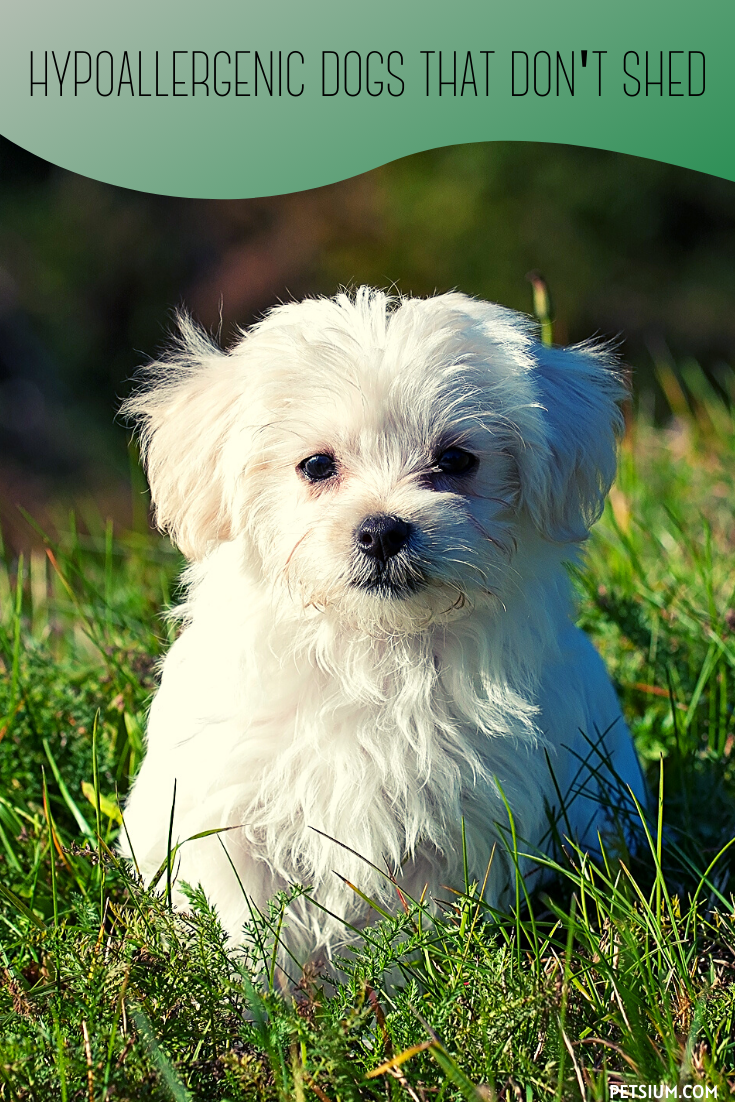
hypoallergenic dogs that don't shed

Hypoallergenic Dogs

Some people simply have violent physiological reactions when exposed to dogs, especially the dog hairs. The dog hairs are considered allergens. Fortunately, such allergic reactions may be reduced and managed when important precautions are carried out and hypoallergenic dog breeds are chosen.

Dogs cannot prevent a person from having allergic reactions. But some dogs induce such allergic reactions more often than others. Such allergy-inducing dogs usually have long-haired coats or coats that are lush and abundant. Other dogs have milder effects on the sensitive or asthmatic person. These dogs are described as hypoallergenic. The word „hypo“ means „less“.

Hypoallergenic breeds do not totally remove the possibility of allergic reactions. But, by the nature of their coat, such allergic reactions can be less frequent. Some of them are considered hairless dogs and others are described as single-coated dogs.

Popular Hairless Dog Breeds

  • American Hairless Terrier (no hair).
  • Chinese Crested (almost no fur so no shedding but still produces dancer and saliva).
  • Peruvian Inca Orchid (no hair).
  • Xoloitzcuintle, also known as the Mexican Hairless (no hair, but still produces dander and saliva).

Popular Single-coated Dog Breeds

  • Bedlington Terrier (no shedding).
  • Bichon Frise (minimal shedding).
  • Chinese Crested (known as the Powder Puff variety).
  • Coton de Tulear (no shedding).
  • Kerry Blue Terrier (minimal shedding because of short hair).
  • Poodles (of all sizes, no shedding, but another barker).
  • Portuguese Water Dog (no shedding).
  • Schnauzers (of all sizes, less shedding because of short hair, but another yipper).
  • Soft-coated Wheaten Terrier (no shedding).
  • West Highland White Terrier (almost no shedding. Another yapper).

Other Hypoallergenic No Shed Dogs:

  • Samoyed (no shedding).
  • Puli (no shedding).
  • Pomeranian (less dander because its small and can be easily washed).
  • Poodle hybrid e.g., Labradoodle ( no shedding, but barks a lot making dander and saliva).
  • Irish Water Spaniel (no shedding).
  • Golden Doodle (depends on parent, if poodle parent, no shedding).
  • Greyhound (minimal shedding owing to short hair).
  • Bolognese (no shedding).
  • Bearded Collie (closely matches PH of human hair).
  • Basenji (no shedding).
  • Affenpinscher (no shedding).

Most people argue this fact, but anything with hair sheds the hair from time to time. As much as hundreds of hair follicles a day! And the more you brush your dog, and bathe your dog, the more you will not notice the hair shedding. However, yes there are some dogs that noticeably shed a lot! These dogs are usually more accustom to colder climates and they will shed their outer coats frequently.

During summer months, some dogs can shed their entire outer coat, which can be a mess on your furniture, carpet and all over the house.

Категорије: Dogs

Hot Spots on Dogs

март 19, 2020 By liv parmel

Hot spots are a common skin disease in dogs. It usually happens during the warm months of the year. It has various causes. A hot spot is an infected area of the skin with inflammation. It may be a light infection or a deep one. Whatever kind it may be, it’s necessary to get the treatment done.

Hot spots are also known as dermatitis. Hot spots are caused by too much of licking, scratching and biting. Symptoms of a hot spot include pus like oozing, redness, swelling and itchiness.

If your canine is constantly scratching a spot on his legs or rear, he may have dog hot spots. These areas will be marked by swollen skin where hair has been removed. They are usually circular shaped, with puss coming out.

Allergies and matted hair also play a factor in whether your puppy is more susceptible to hot spots. If you have a dog with behavior problems, watch and make sure that he or she is not constantly licking the same spot. This will eventually cause the bacteria to build up, and lead to an infection.

what is dog hot spot

Does Your Little Buddy Have Hot Spots on His Skin?

Hot spots are painful sores that dogs get when skin bacteria grows enough to overwhelm your dogs natural defense system. These unfriendly dog sores can begin to spread in as fast as an hour without proper treatment.

What are Dog Hot Spots?

Hot spots on dogs are hot and often painful areas on the skin that can be tiny or very large. Typically, a hot spot will discharge pus and may also emit a bad smell. As a result of the infection of the skin, the hair will begin to fall out and this is made worse by a dog’s natural instinct to lick the area. Hot spots can develop in a matter of just a few hours.

What Causes Hot Spots on Dogs?

Dogs love to bit and lick themselves – it’s not only how they keep their coat clean, but also how they deal with itches, pests, and wounds. The problem is that when they have an issue, they don’t know when to stop, and as a result, generally end up with a gaping bloody spot on their skin, also known as a hot spot.

So what causes hot spots on dogs exactly? Is it just biting and licking, or can something else cause them to occur? Well, in most cases a hot spot on a dog’s skin is the result of the next conditions:

Behavioral Issue

If your dog has pent up aggression or anxiety, then he or she might bite, scratch, and lick as a coping mechanism. In this case, they do it so often that they rip of their hair and damage the skin. In this case, it’s not good enough just to yell at them to stop…you have to address the psychological condition that’s behind it.

Allergic Reaction

Dogs get allergies, just like humans – the only difference is that they can’t tell you about it. Also like humans, dogs react to allergens with histamine, which in turn cause the skin and or body to itch. And how would you guess that dogs reaction to itchy skin? You guessed it, they bite and scratch until the itch stops, or the skin is so raw that they can’t scratch it any longer, and even then they often will keep going.

In the case of an allergic reaction, the likely culprit is fleas, but even materials like pollen or certain foods can cause an allergic reaction in your pet. To fix this, you’ll have to both treat the wound and identify and treat the allergen. Fleas can be treated easily, but food allergens are much more difficult to isolate.

Matted Hair

If your breed of dog has long hair, then they are at a greater risk of getting matted down hair. They should be brushed and bathed once a week to prevent this from happening.

If your puppy has knots in his hair, brush them out before bathing. If the hair is extremely gnarly, and you cannot get the knots to come out, clip the troubled areas with a pair of scissors.

Where are Hot Spots on Dogs

A hot spot can appear just about anywhere on your dog’s body and many dogs end up having several. The most common area for a hot spot is just under the flaps of the ears. This occurs commonly in dogs who are large and who have big, floppy ears.

In addition, hot spots often occur in dogs who have heavy coats such as Labrador Retrievers. In these breeds, the hot spot will develop just prior to the time when the dog begins to shed, because dead hair becomes trapped in the follicles of the skin. Also, common parasites like fleas can cause irritation of the dog’s skin, leading to development of hot spots.

Hot spots on dogs can appear suddenly just about anywhere on your dog’s body. The area around the hot spot can deteriorate quickly as the spot becomes more infected. The most common cause of hot spots on dogs is bacteria that infiltrates a small area of the skin.

Any substance that breaks the surface of your dog’s skin can allow bacteria to get in, especially if there is a bit of moisture on the skin. Moisture can be added when you bathe your dog, walk them in the rain or play in the wet grass. An existing cut on the dog’s skin can be a perfect environment for the development of a hot spot.

Dog Hot Spots Treatment

Dog Hot Spot Treatment

Treatment for hot spots on dogs is essential, because this condition can be painful and dangerous. The vet will usually either sedate or anesthetize the dog for the first treatment for a hot spot. The skin is washed gently with a special shampoo and the hair around the hot spot is removed.

Once the skin is dry, a steroid based antibiotic is typically administered and will need to be reapplied one to two times daily for several days. In addition, some dogs will be prescribed a course of oral antibiotics. Any underlying cause of a hot spot, like fleas, will also need to be treated.

Depending on where a hot spot is located, the dog may also need to wear a special surgical collar to prevent additional infection or damage from scratching.

Dogs should always be dried off thoroughly after bathing or being outdoors, in order to prevent the development of hot spots.

Home Remedies for Hot Spots on Dogs

  • The first thing to do is to trim the hair that is on the edge of the sore. This will prevent the spread of the infection and make the edges of the spot visible.
  • Use a an antiseptic or water based astringent to thoroughly clean the area.
  • If your dog is constantly licking the area after it has been cleaned, they will probably need to wear an Elizabethan cone collar (makes them look like a satellite dish) until the infection has been removed.
  • Also, you can buy soft protective Inflatable Dog Collar to make your pooch more comfortable.
  • Dog sores sometimes need antibiotics such as Neosporin, but wait and see if the dog hot spots clear away before trying them.

How to Prevent Hot Spots on Dogs

Your dog can become stressed, bored, and lonely if he or she does not get adequate love and playtime. This causes bad behavior in animals, and can lead to scratching or licking constantly.

Give them consistent love, play and attention and the problem will go away.

Clean Your Home from Allergens

Allergies seem to be the main culprit when it comes to hot spots. Work at getting your house and yard clean and free of these allergy triggering substances. Pollen, dirt, chemicals, plants, and grass (just to name a few) are all known causes of allergies in dogs.

Vacuum your house well, and get rid of any new plants that may have triggered an allergy flareup. Next, use a dog shampoo for itchy skin to remove the buildup of dirt and soothe the skin.

While there can be several underlying causes the hot spot will almost always cause your dog to itch and bite at it repeatedly. This can increase the chances for infection greatly and lead to more serious dog skin conditions if you’re not quick to act.

In just about every case, a hot spot means a trip to the vet. There are certain medications that can treat them and in some cases your dog may be required to wear the head cone to prevent them from further damaging the inflamed area.

If you suspect your dog has a hot spot be careful when examining him/her. Even well behaved dogs can become aggressive when someone touches their hot spot.

Категорије: Dogs

Interactive Dog Toys

март 13, 2020 By liv parmel

Each dog we share our lives with is unique, with their own personality and temperament and , of course, each dog has its own interests and preferences in games and toys.

Interactive dog toys are always made of harmless and strong materials. Interactive dog toys can be used not only for playing, but also as a sports equipment to keep your pet in a good physical condition.

Interactive Dog Toys

How To Choose The Best Interactive Toy For Your Dog

Due to the growing popularity, interactive dog toys occupy more and more shelves in the pet supply stores. But how to choose a suitable toy for your dog specially among the wide range of interactive dog toys?

If your dog loves to pull out of your hands different subjects, the best choice is special rope or ring. Or maybe you are happy owner of a hunting dog and the perfect toy is the one that resemble a duck with squeaker inside.

There are toys that are designed for interactive playing between you and your dog: balls, flying discs and ropes. Dogs love to play with people, and with these interactive dog toys you can play for hours:

Balls and Flying Discs

You are, certainly, familiar with the traditional game of throwing wooden sticks found on the ground for a dog and a dog bringing it back. Vets say that such wooden sticks could lead to serious injuries from splinters and sharp points.

For your dogs health it is better to use special interactive dog toys, such as dog balls, flying discs, throwing sticks made of natural rubber, nylon etc. Interactive dog toys are perfect for interactive playing, tossing and tugging.

Flexible design of these interactive dog toys is gentle on your dogs’ mouth, teeth and gums. Balls should be small enough, so that dog could catch it and hold it in the mouth, but not so much that it can be swallowed.

Ropes for Dogs

Ropes are ideal for exercise-fetching and interactive playing. You can fling it, throw it or use for tug-of-war games. These interactive dog toys are perfect for toss and fetch.

Ropes often have rubber or latex chew toys or balls beaded on them, which promote healthy teeth and gums. Regularly inspect interactive dog toys for wear and tear. Rope must be replaced if they become much disheveled.

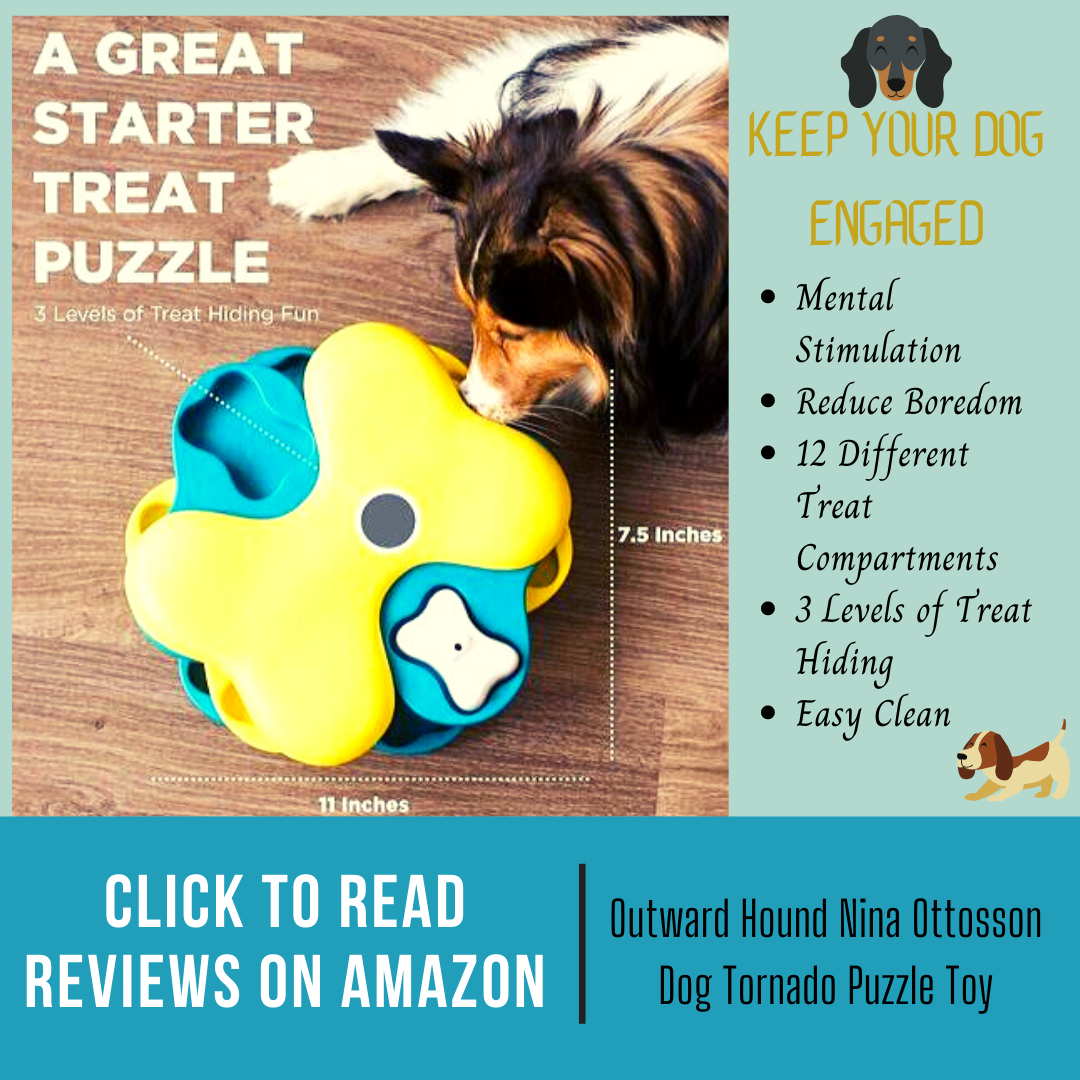
tornado interactive dog toy by outward hound

Indoor Dog Toys

If you dog has to spend a good portion of it’s day home alone, try to find a way to occupy her time. The following interactive dog toys are made specially for this purpose:

Food Puzzle Toys

Food puzzle interactive dog toys actually are durable containers made of plastic or high-quality rubber with special holes on the sides. You should place treats or food inside it, so dog should work by pawing, shaking, rolling and nibbling the toy to get the favorite food.

Dogs always enjoy the process and it is a great fun to watch them playing. But interactive dog toys are not only a great entertainment, it is also good training for your dog. This activity requires patience and problem-solving skills as well as strength and agility.

Interaction with toys activates the brain, trains memory and supports your dog in a good shape. You dog will learn new skills and a variety of actions and movements with interactive dog toys – pulling, pushing, lifting, flipping etc.

And that is very important interactive dog toys save your dog from boredom and behavior problems.

the best types of interactive dog toys

Puzzle Interactive Dog Toys

Puzzle interactive dog toys help the dog develop problem solving skills. There are different levels of difficulty so that you can cater to your dog’s abilities.

There are two main types: treat dispensing and hide and seek.

Treat Dispensing Dog Toys

With the treat dispensing type, the dog has to figure out how to get the toy to dispense the treat. You can also use this as a way to get dogs interested in eating their kibble or as a way to prevent the dog from eating their kibble too quickly.

Hide and Seek Dog Toys

With the hide and seek type, little plush toys with squeakers are hidden inside the main toy. The dog must figure out how to get the squeaker toy out of its hiding spot within the main toy.

Hide and Seek Interactive Dog Toy

Motion Activated Dog Toys

Motion activated interactive toys for dogs make sounds to keep the dog engaged. Some also include flashing lights. This type of toy makes dogs think that the toy is alive and trying to play with them.

Chew Toys

All dogs love to chew, so it’s important to provide safe chew toys to discourage destructive chewing behavior and redirect it to appropriate items designed just for dogs. Chew interactive dog toys keep dogs jaws strong, teeth clean and the dog busy.

Chew or dental interactive dog toys come in a variety of shapes and sizes (mini, small and large). So you’ll easily find one specially for your dog.

Make sure that an interactive dog toy is durable enough to prevent your dog chewing off little pieces. Small bits can be swallowed whole, presenting a serious choking hazard.

Fantastic Ways to Keep Your Dog Entertained

Interactive dog toys are becoming increasingly popular among dog owners as a way to keep dogs busy as well as entertained.

A lot of our canine friends, even those who seem very serious and stern, or those of which are working breeds, will find it very hard to resist the urge to go and play especially with their owners and the rest of their family members.

Just like us, our pets also want to spend a lot of time trying to relax, and enjoy being active and playful time. There is nothing more they could ever want to have during an activity, aside from treats of course, than playing with interactive dog toys.

These toys are all considered interactive dog toys because the dog has to do something to make the toys work. These types of toys for your dog keep them stimulated and also keep them entertained for longer.

Dog toys are becoming more than just boredom-busters; they are actually considered to be very helpful tools that can be used by dog owners to help increase the bond between their pet.

In fact, there are so many benefits that you and your dog can enjoy when you are both playing together with interactive dog toys.

Firstly, these kinds of toys help a lot in regards to giving your dog the exercise and level of physical activity that they need each and every day; this helps your dog stay fit and healthy at the same time.

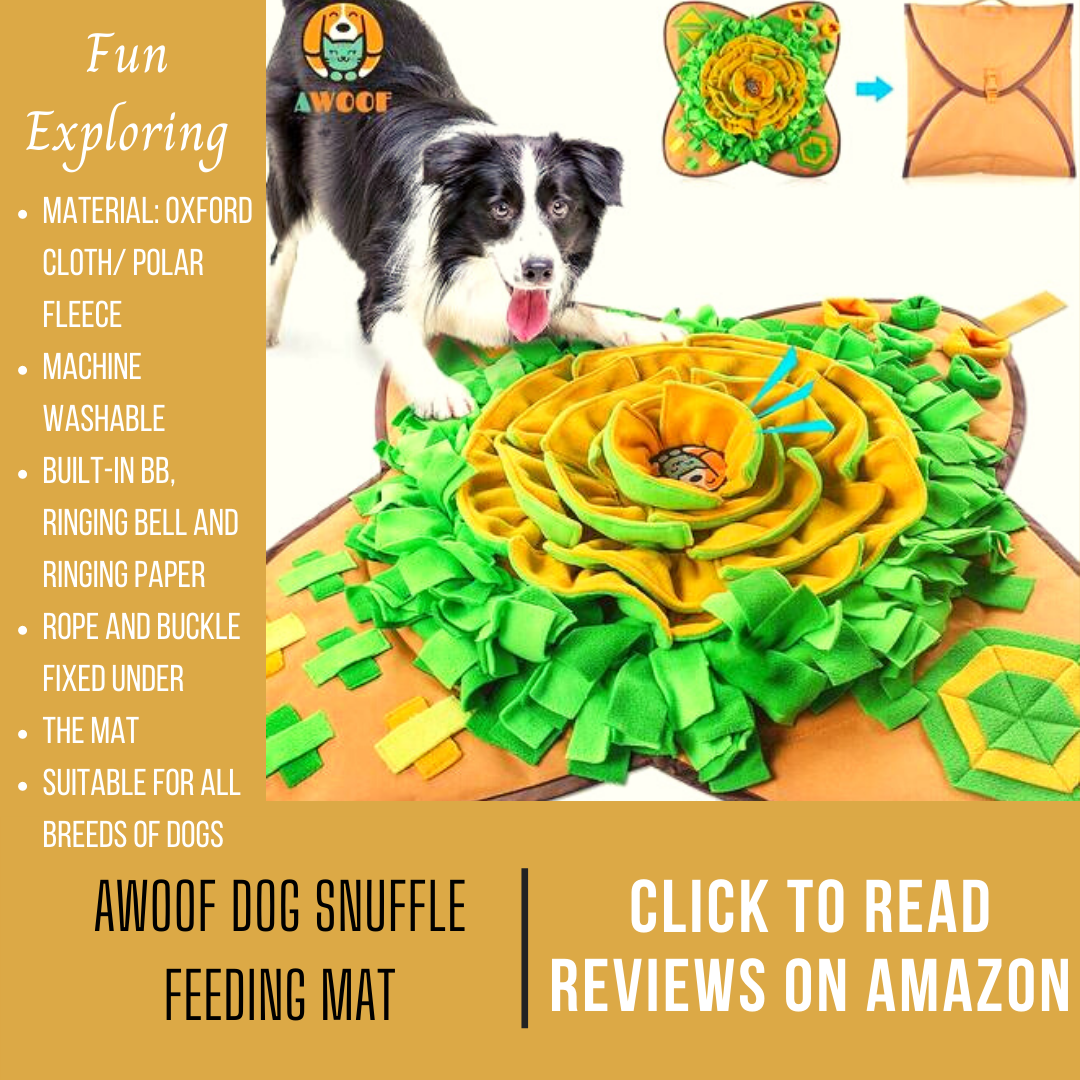
interactive dog snuffle feeding mat

Категорије: Dogs

What You Need To Know About Dog Bones

март 2, 2020 By liv parmel

Bones have always been extremely interesting for dogs, they chew them, play with them and do a host of things with them.

So making dog bones available to your dog is a sure way to please your dog any day.

Can Dogs Eat Bones

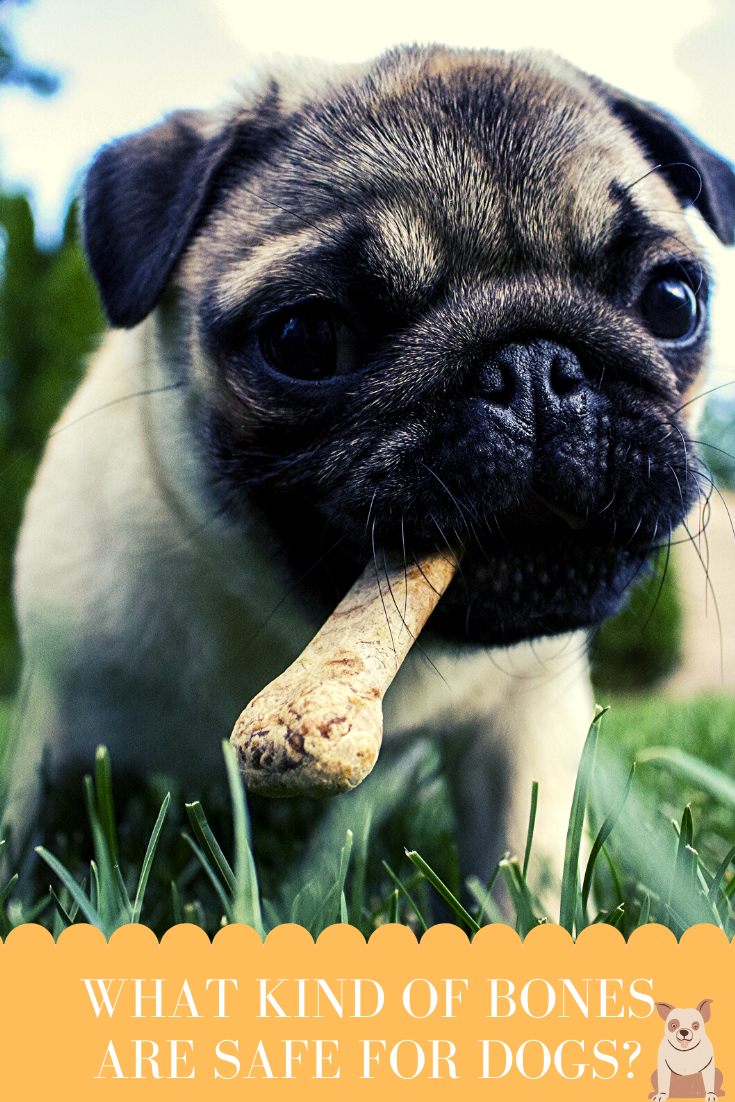
What Are the Safest Chew Bones for Dogs

Though dog bones are loved by dogs, it’s every dog owner’s responsibility to make sure they are good enough or safe enough for them.

Because bones can splinter and harm your dog you must be careful the kind of dog bones you offer your dog.

You don’t have to give your dogs actual bones always. You can give special dog treats shaped as dog bones.

You can give them biscuits shaped as bones.

They will also enjoy these.

Chicken or Poultry Bones for Dogs

If you have to give them bones don’t give them bones that can easily splinter like chicken or poultry bones. Give them strong bones.

Even at that make sure you monitor them well, keep an eye on your dog while he is eating the bones so that if the bone splinters you can easily get rid of it before it does any harm.

Raw Beef Bones for Dogs

Although cooked chicken or turkey bones (poultry bones generally) are considered risky, raw beef bones can be offered to your dog.

Large dogs can be given knuckle bones and oxtails can be given to small dogs.

Beef bones do not break easily and so are safer.

Dog bones help dogs in building and maintaining healthy teeth and balancing the magnesium and phosphorus levels, so it is vital in their nutrition.

Dog bones are also a delight for dogs so make sure your dog is not denied of his delight.

You only have to make sure he enjoys the delight safely.

the best natural dog bones to buy

Dog Bones Chew Treats and Toys

Remember dog treats shaped as bones also come in handy in giving your dog a real delight, so offer your dog bone- shaped biscuits and other treats also.

Bone shaped toys, like rubber bones can also help in dealing with your dog’s bone urges.

Never put spoiling your dog above its safety.

Only offer your dog what is safe.

Which Dog Bones Are Right For My Dog?

Choosing the correct dog bones for your dog doesn’t have to be a tedious process.

It doesn’t matter if you choose a nylon bone, a real bone, or a rawhide bone for your dog.

What’s important is choosing a bone that matches your dog’s chewing rate and chewing habits.

Something you may want to consider is your dog’s size.

It’s important that you give your dog a bone that fits their mouth and teeth.

Selecting the right dog bone for your four legged friend will make them very happy.

Dogs love to be rewarded and a bone makes an excellent treat.

Chewing on a bone can be fun for your dog but the chewing action also has other benefits.

Chewing on a Bone

Will help improve your dogs dental health.

When your dog chews on a bone it scrapes away plaque and prevents tartar buildup, both of which help maintain healthy gums.

Dog chew bones can also prevent bad breathe, help keep teeth whiter and they have also been linked to reducing future dental problems.

Provides your dog with stimulating activity by keeping them entertained.

Bones are especially helpful for teething puppies and older dogs who may not get be as active as they used to.

Satisfy a dog’s innate urge to chew. This helps prevent destructive behavior.

If you pup has a bone to chew on, they will not be looking to chew on your belongings!

Stimulate the Growth of Adult Dog Teeth

If your dog is a „power chewer“ you may want to consider getting him/her a bone-hard dog chew bone.

Some dogs are so powerful that they tear apart certain bones in an instant.

Dog’s that have this kind of strong bite will need a long-lasting, durable bone.

Bone-Hard Chews and Nylon-based Nylabones are two great choices.

Bone-Hard Chews are designed to wear down slowly rather than break or splinter, and they provide important dental benefits.

what kind of bones are safe for dogs

Dog Bones From The Butcher Are A Great Treat

I think we can all agree that most dogs love to chew.

However, what your dog chooses to chew on is a whole different story.

With the large variety of dog bones that are available it can sometimes seem a little overwhelming when it comes to choosing the best dog bone for your pup.

Rawhide Dog Bones

While rawhide dog bones remain one of the most popular types of dog bones being bought by pet owners, there is still the great debate on whether or not they good for your dog.

Most people like giving their pets rawhide treats because they are cheap, they last long and they are for the most part, an all natural dog treat.

If you want an excellent alternative to rawhide dog bones you may want to consider getting your pup some dog bones from the butcher.

Marrow Bones for Dogs

Dog bones from the butcher are an a great treat for your pet.

They are very popular amongst pet owners because just like rawhide dog bones they too are all natural, inexpensive and extremely durable.

Marrow bones, like most dog bones, are also very beneficial to your dog’s dental health too.

The next time that you are at the supermarket take a walk over to the butcher and ask them if they have any marrow bones left over.

Marrow bones are raw bones so they are an all natural treat for your dog.

Pet owners that feed their dogs a raw diet are huge advocates of marrow stating that a marrow bone is something that a dog would get in the wild.

Unlike a lot of the other all natural pet treats on the market today, marrow dog bones from the butcher are rather inexpensive.

The bones do not cost all that much because they are often discarded.

You can expect to spend a few dollars on these types of bones.

It’s really worth it though because these bones are extremely durable so they will last a long time.

All dog bones, including marrow bones, are very beneficial to a dogs dental health.

Chewing on bones is great way to keep teeth and gums clean.

The chewing action helps scrape away plaque and tartar that can be harmful to your pet.

These types of dog bones also add nutrients to a dogs diet that they may not get from other types of dog bones.

Do Dog Bones Improve Dental Health?

The answer to this question is simply YES.

There are actually many benefits to your dog chewing on dog bones.

One of the most positive effects that chewing on a dog bone has on your pooches dental health is that the chewing action scrapes away plaque from their teeth.

It also helps control tartar buildup while stimulating gums.

The less plaque and tartar that are one your dogs teeth and gums, the less bad breath they will have.

Your dog will also have whiter teeth and all of this cleaning will reduce the risk of potentially serious dental problems.

Are Dental Bones Different?

While all dog bones are beneficial for dental health, “dental bones” are specifically designed to promote clean, healthy teeth and gums.

There are dental bones for dogs of different sizes, and there are even dental bones specially designed for power chewers.

Another benefit of dental bones is that they most often a minty flavor which helps eliminate bad breath.

One of the most popular dental dog chews on the market are Greenies Dental Bones.

Vet Recommended Greenies Original Dental Treats

All types of dog bones have their benefits for your dog.

Dental bones are great for promoting healthy dental health.

Chewing on a dog bone, like a rawhide bones, have benefits too.

Giving your a dog will keep them occupied and out of trouble, they are great for teething puppies.

They provide exercise for your dogs jaw muscles and they are an extremely powerful tool to help eliminate stress, anxiety and boredom.


Категорије: Dogs

Diarrhea In Dogs

фебруар 19, 2020 By liv parmel

Most people aren’t aware of it but diarrhea is almost as common in Dogs as it is in humans.

Although Dogs generally have stronger stomach acids that allow them a greater degree of protection against parasites and bacteria, they are not immune to them entirely.

The good news is that most cases of canine diarrhea will clear up on their own even without medication or treatment, although persistent or long lasting episodes of diarrhea should be brought to the attention of your veterinarian.

You should also take your pet in for treatment if vomiting occurs, or if there is blood in the stool.

why does my dog have diarrhea

Symptoms And Signs Of Dog Diarrhea

Canine diarrhea can be characterized by quite a few symptoms, although there are a few that occur in the vast majority of cases.

The most common sign that your Dog is suffering from diarrhea is the increased amount of loose or watery fecal matter.

The feces may also smell more unpleasant than usual.

At this point, you will hopefully be familiar enough with your Dog’s bathroom habits to realize when something is out of the ordinary.

Most Dogs that suffer from canine diarrhea will have to defecate more frequently, and with more intensity.

Your Dog may also seem to get better only to experience a more severe case within the span of a few days.

In addition, your Dog may pick up a certain amount of fecal matter in his tail, which may result in a lingering unpleasant odor around his vicinity.

As a Dog owner, you will probably experience quite a few case of canine diarrhea over the years.

The good news is that most cases of diarrhea in your pet is nothing to be concerned about, and they should clear up on their own within a few days.

There are certain cases of canine diarrhea that may warrant a more thorough diagnosis and treatment however, particularly if they are accompanied by the following symptoms:

Blood in The Stool

Any signs of blood in the feces should immediately be brought to the attention of your veterinarian.

This is a particularly alarming symptom that can be caused by a number of serious medical conditions ranging from a virus infection to parasites.

Both of these conditions can obviously be potentially dangerous and even life threatening, so it is best not to take any chances when you notice them.

Short Periods of High Intensity Diarrhea

This is another common sign of a serious health problem, and should again be brought to the attention of your veterinarian.

In addition to being a common sign of a viral or bacterial infection, this could also be an indicator of any one of a host of common canine illnesses.

Dehydration

Dogs can be a lot more sensitive to the effects of dehydration than humans are, particularly during episodes of canine diarrhea.

Making sure that your Dog gets plenty of water at all times is important of course, but it is even more so during diarrhea attacks.

If your Dog refuses to drink the water that you give him, take him to a veterinarian as soon as possible.

Most of these causes are quite common and easily observed in most Dogs.

The underlying conditions that may be present may not be as easy to detect however, so it is important to bring your pet in for diagnosis if the diarrhea persists for more than a few days.

Be aware of your Dog’s habits and take him to the vet if things do not improve within a few days, and you will have done your part in ensuring the continued good health of your pet.

What Causes Diarrhea In Dogs

In most cases, the primary cause of canine diarrhea is simply eating the wrong kind of food.

As tough as a Dog’s bodily functions may seem to be, its digestive system can actually be quite sensitive, and something as seemingly insignificant as eating foods that are not intended for canine consumption may be enough to cause a severe bout of diarrhea.

Keep in mind that Dogs have very different dietary requirements to humans, and it would be best to avoid feeding your dog human food if you are at all concerned about preserving his health…as well you should be!

Since eating „risky“ food is so often the main cause of canine diarrhea, the easiest way to prevent this from happening is to simply stick to commercial Dog food from a reputable manufacturer.

The problem for many new Dog owners however is that there is quite a bewildering array of Dog food brands out on the market, and it can be quite confusing–not to mention–expensive to try them all out.

A good rule of thumb to follow is to choose your Dog food in accordance with the age, size, breed, and lifestyle of your pet.

Many Dog owners are concerned about feeding their Dog food that contains a high amount of preservatives and artificial ingredients.

If this bothers you as well, you may opt to feed your pet home-cooked meals instead.

Keep in mind that Dogs need a lot of protein in order to ensure their continued good health, and meat, poultry and fish are the best sources.

You do have to be careful about making sure that no bones from fish or chicken end up in your Dog’s plate, since they can case a number of health issues that are a lot worse than canine diarrhea.

You should be aware that a lot of cases of diarrhea is caused by rich or spicy foods that your Dog’s digestive system simply is not equipped to handle.

For this reason, it is best to stick to bland food and go easy on the flavors and seasonings.

You should also limit your sue of salt, oil, and even vegetables, which aren’t really essential for your Dog’s health.

One other common cause of canine diarrhea is a switch from one type of protein to another.

If you have to do this for whatever reason, it may be best to consult with your veterinarian in order to figure out the best way to go about making the change.

Another common cause of diarrhea is simple neglect.

A lot of Dogs would happily root through the trash for hours upon hours of given the chance, and this is unfortunately a good way to come down with a severe case of diarrhea.

As a responsible pet owner, it is up to you to ensure that your Dog doesn’t eat anything that it isn’t supposed to, and garbage definitely falls into that category!

You already have a number of risk factors to contend with so make it easy on yourself and on your Dog by keeping him out of the trash.

How To Treat Dog Diarrhea At Home Naturally

Diarrhea is actually quite a common occurrence in many pets, and as numerous Dog owners are aware of, it can strike suddenly and with no apparent cause.

As undetectable as the root cause of the condition may seem, there are actually a number of different reasons why your Dog may get diarrhea, with the most common one being poor eating habits.

In the majority of cases, canine diarrhea can be treated quite effectively at home using natural remedies.

This doesn’t mean that you shouldn’t take your Dog to the vet mind you, since all case of diarrhea should be treated as soon as possible in order to prevent dehydration in your pet.

Nevertheless, it is good to know that the condition can usually be treated fairly easily.

Before we go into the most common ways by which you can treat canine diarrhea naturally, it is important to make sure that you bring your pet in for proper diagnosis and treatment in cases of persistent diarrhea, or if you detect blood in the stool.

This also goes for pets in which diarrhea is accompanied by vomiting.

what to do if your dog has diarrhea

Fasting Your Dog for 24 Hours

The first step in treating your Dog naturally is putting him on a 24 hour fast or feeding him only a liquid diet.

This will flush out the digestive system of toxic matter and help hasten recovery.

If you choose to go the „fasting“ route, make sure to provide plenty of water in order to protect your Dog from dehydration.

After the 24 hour period has lapsed, you can add some vegetable or meat broth to your Dog’s diet.

In addition to replacing lost water, this will also replenish his stores of essential sodium and potassium.

Your veterinarian may also recommend giving your Dog probiotics in order to restore the balance of beneficial and harmful bacteria in your Dog’s digestive system.

It may also be a good idea to introduce certain amino acids and herbs that will help ease the effects of an inflamed intestinal lining, which is so often a result of chronic diarrhea.

There is a certain approach to treating canine diarrhea naturally that involves restoring the gastrointestinal tract to its normal function.

Treating Dog Diarrhea Requires the Use of Nutrients Such as:

  • Lactobacillus sporogenes, which is a probiotic substance that can control the spread of harmful bacterial.
  • L-Glutamine, which is an amino acid that has beneficial effects on the walls of the intestines.
  • Slippery Elm, which is an herb that can provide relief to irritated mucus membranes in the intestines.
  • Saccharomyces boulardii, which is a yeast that can enhance the function of the intestines.

This can help hasten the road to recovery while easing any negative symptoms that your Dog may be experiencing.

Prevention Of Dog Diarrhea

Just like with any form of illness, prevention is a far better option than finding a cure.

Keep in mind that diarrhea is often a symptom of an underlying medical condition as opposed to being a disease itself.

In addition, diarrhea may be characterized by occasional loose stools or frequent watery feces.

One of the most common reasons for canine diarrhea is an irritation in the intestines.

This can itself be caused by a number of factors, ranging from unfamiliar food to eating „human“ food.

In both cases, diarrhea can be avoided simply by preventing contact with the offending foods.

Changing Dog Food Can Causing Diarrhea

If you do plan to make changes in your Dog’s diet for whatever reasons, it may be a good idea to implement the changes over a span of several days as opposed to doing it all overnight.

You should allow your Dog to adjust slowly to the new diet in order to prevent any adverse effects in your pet.

For starters, you can try mixing in ¼ of the new food with ¾ of your Dog’s regular food.

You could then gradually increase the ratio of new food to “old” food if your Dog takes well to the new diet.

Making dietary changes in this manner will reduce the risk of intestinal upset and thereby reduce the chances of your pet experiencing diarrhea.

Some Table Scraps are Bad for Dogs

While feeding your Dog table scraps may not necessarily be a bad thing in itself, you do have to make sure not to give certain foods that may be too rich for canines’ digestive systems.

Fatty foods are particularly risky factors for canine diarrhea, and they may cause a number of other health issues as well.

They may put your Dog at risk for pancreatitis for instance, which can lead to a host of chronic digestive issues.

Most Dogs love meat of course, although you should be aware that commercial Dog food is processed to a much greater degree than food for humans is.

Food that is intended for human consumption may simply be too rich for your Dog’s sensitive system, and should probably be avoided in order to prevent canine diarrhea.

If you have to give your food to your Dog, it is also best to stick to beef or pork, as the bones from chicken or turkey can puncture your Dog’s stomach and intestinal lining, resulting in a number of health problems that can be significantly more serious than diarrhea.

Dog Diarrhea is result from a wide variety of causes including a change in the Dog’s food, the intake of medication, contaminated or spoiled food, intestinal pests, or even simply stress.

Dogs in which diarrhea is a regular occurrence would probably benefit from foods that are easy to digest.

This may require a shift to purely homemade food or a commercial Dog food that is intended specifically for Dogs with sensitive digestive systems.

You could also add a bit of fiber (canned pumpkin is a good choice) to your Dog’s diet. In addition to providing your pet with an additional source of dietary fiber, this will also help firm up the stool.

Категорије: Dogs

Why do Dogs Eat Grass? Reasons and Prevention

јануар 7, 2020 By liv parmel

How many times you have found your dog eating grass, a bit worried and perhaps confused too? Most dog owners must have seen their dog eating grass at least once in their life time. Not just that you might have also heard retching noise followed by vomiting. However, should you be really worried about it? The answer is a big no.

why is my dog eating grass

A Common Disorder – Pica

The technical term for this type of disorder in which a dog eats grass is pica, and this is what happens when the dog eats things that are not termed as food. It sometimes indicates that the dog has some kind of deficiency; however, this is generally when the puppies are bored.

Dog Eating Grass and Vomiting

Eating grass and vomiting is a common practice of dogs. It is completely natural, and can also be observed in wild dogs. Veterinarians do not consider this an abnormal behavior. A survey about dogs eating plants showed that grass is the plant most commonly eaten by dogs with this disorder.

Reasons Why do Dogs Eat Grass?

Although even veterinary experts cannot give the exact reasons for such behavior of dogs, some of the most believed of those include:

  • A few experts are of the view that dogs eat grass to make themselves feel better when they are unwell. However, the idea is disputed by many by saying that dogs do not have the wisdom to use grass as a remedy. Also, careful analysis shows most dogs are not unwell before eating grass.
  • Other experts believe that the reason for this behavior can be a natural. They might do this to treat intestinal worms or parasites and improve digestion in turn. This may be a behavior inherited from the ancestors.
  • Another simple reason that can be concluded is that a dog simply likes the taste of grass. It is suggested that this taste reminds them of their prey. The prey of dog mainly consists of herbivores and there is undigested plant matter in their stomach. It is possible that eating grass is reminiscent of the taste of its natural prey.
  • Another reason may be that they are fulfilling certain nutritional needs which are not met. However, this reason is dismissed by most vets.

Should the dog be stopped from eating grass?

Although most vets agree that grass is not harmful for dogs but they should still be stopped in case the lawn has been sprayed with pesticides or herbicides. These are generally used in lawns and can be harmful for the dog if ingested. They can lead to pet poisoning. There are also some plants that are poisonous for dogs.

It is important to stop dogs from grazing in lawns that have been freshly treated with chemicals. You can allow them to graze in lawns that are provided with some doggy grass free from any kind of chemicals. Be careful to not walk them in lawns that have been treated using toxic substances.

If Your Dog Is Eating Grass On Regular Basis You Should Visit a Vet

The important point to note here is that if the dog does this on regular basis, it is important to consult a vet and get this behavior checked. The dog may be suffering from some gastrointestinal problems. Normally, grass passes down the dog’s digestive tract easily; however, there are a few things that should be taken care of.

Thick stemmed and non-cultivated grass may have barbs that can cut dog’s esophagus. This may also result in the presence of some blood in the dog’s vomit.

How stop the dog from eating grass?

Here are a few points that if kept in mind can prevent a dog from eating grass.

  • The owner of dog should ensure that it is getting enough exercise. Try to engage it in interesting activities like Frisbee tossing or playing some other interesting and interactive game. You can also buy chew toy to keep him busy. The main motive behind these things is that the dog should be kept occupied in something or the other to prevent it from getting bored.
  • If however you feel that the dog is eating grass due to nutritional deficiency then switch to a food which is better. A food rich in fiber can help alleviate the problem.

Often, it is believed that the dogs are carnivorous. However, it is not the exact word that explains the eating habits of dog. The fact is dogs are omnivorous and they can eat meat as well as green plants. Almost every dog nibbles grass at times, and some dogs eat the grass all the time.

This certainly arises a question that why do dogs eat grass. Do they like the taste of grass or grass is a part of their dietary needs? And if the answer is yes, why does it cause vomiting after all? There are certain theories and beliefs that may help you to find the answer to why do dogs eat grass.

reasons why dogs eat grass

Dogs May Eat Grass to Fulfill a Nutritional Requirement

Truthfully, no expert or vet can tell you the rightful answer to the question why do dogs eat grass. However, according to the theories when dogs are not fed well, at that time they nibble grass to fulfill the requirements of nutrients for their body. This theory is contradictory to the belief that eating grass induces vomiting in dogs.

Well, a survey on why do dogs eat grass suggest that dogs rarely vomit after eating grass. This survey reports also suggest that eating grass is a normal habit of dogs. So, if your dog has this habit then you must not worry about.

However, it is also a fact that grass have 98% of water and carbohydrate. Moreover, grasses have lower levels of any other kind of nutrients. This doesn’t prove that grasses are essential for fulfilling the need of nutrients.

Dogs Eat Grass Because of Their Evolutionary Genes

Genetic inheritance is another theory that provides adequate correlation of why do dogs eat grass. It is a fact that wolves are the ancestors of dog. And, possibly the best answer to why do dogs eat grass is their ancestor’s eating behavior.

Usually, when wolves kill their prey, which are mostly herbivores, they end up eating plants and berries from the intestine and stomach of their prey. This could have developed a craving of green plants in wolves.

Dogs Eat Grass Because They Crave for Green Plants

The exact reason of why do dogs eat grass is yet not clear. But, it is certain that eating grass do not help a dog in either way. According to the theories of why do dogs eat grass, it is concluded that occasionally a dog crave for green plants.

To eliminate this habit you can add tomatoes, chopped apples or carrots in raw form or steamed. Also, be sure that raisins, grapes and onions are not included in their dietary, as these are toxic food to dogs. Some experts also suggest that adding a sprinkle of bran or broccoli to the dietary may suppress the grass-eating cravings of a dog.

Категорије: Dogs

Tips on How to Get Rid of Your Dog Bad Breath

децембар 12, 2019 By liv parmel

We all know what bad breath is when we smell it. Bad breath also known as halitosis is a build up of bacteria found in your dog’s mouth, stomach, lungs, and insides. Halitosis can also be a sign of other serious diseases.

Dogs are not known to have the sweetest breath. If their breath becomes unusually offensive then you just might have to take extra steps to dog bad breath cures.

what to do when your dog has bad breath

Importance of Distinguishing Dog’s Bad Breath

Don’t ignore dog bad breath as it can present certain diseases that can greatly endanger your dog’s health in the long run. In fact, the most common source of bad breath in dogs is dental disease. Always check your dog’s mouth for signs of tartar build up, rotten or bad teeth, and unhealthy gums.

Causes of Bad Breath in Dogs

It pays to know the difference between a normal smell of your dog and its unusual bad breath. Before your dog bad breath turns out to be a major health problem, get to know the potential causes of canine bad breath:

  • Tartar and plaque build up
  • Broken, abscessed, decayed tooth or teeth
  • Periodontist
  • Bone or foreign body trapped in between teeth
  • Gastrointestinal diseases such as intestinal obstructions, cancers, etc.
  • Sinus infections
  • Kidney infections
  • Oral tumors

The following are cases that signal medical problems that requires immediate attention:

  • Fruity or peculiarly sweet breath could signal diabetes especially when your dog has been drinking and urinating more frequently than usual.
  • Urine-like breath can be a sign of a kidney disease.
  • Symptoms of vomiting, lack of appetite, and yellow-tinged corneas and gums can also signal liver problem.

Ways to Treat Dog’s Bad Breath

When you detect sudden changes in your dog’s breath, don’t ignore it based on thinking that dogs at a certain age develop it. Take the proactive approach on treating your dog bad breath as a preventive medicine.

Regular checkups are a must to ensure that your dog has no underlying medical issues that could cause bad breath. A step-by-step physical assessment of your dog bad breath can help determine how healthy or how much medical treatment it needs.

A good hygiene such as regular brushing of your dog’s teeth is an ideal practice. Just be sure to use canine toothpaste to avoid irritating your dog’s stomach.

Purchase products that helps clean your dog’s teeth namely hard, safe chew toys and odor removing treats.

Why Your Dog Has Bad Breath

Plaque formation is the main culprit of bad breath. The odor-causing bacteria can be easily eliminated with brushing of your dog’s teeth. Although this step wouldn’t totally remove bad breath, it can efficiently reduce the smell.

Have a vet check and perform professional dental cleaning of your dog’s oral health. Other problems such as gingivitis, plaque formation, or periodontal disease can be established for prompt treatment.

Check your dog’s diet. Canned foods and raw foods such as meat can also contribute to dog bad breath symptoms. Switch your dog’s diet to dry food and see if it offers any dog bad breath remedy. The trick is to experiment with different kind of diet and see which works best as cures for bad dog breath.

Another dog bad breath cures is to ban your dog from eating non-edible stuff. This includes feces or garbage that can be easily found when your dog goes astray. This dog bad breath remedy is to simply erase these dirty foods from your dog’s diet by immediately picking up his dog poop or preventing access to trash bins.

Check the type of smell your dog has. Fruity or sweet smelling bad breath indicates diabetes especially when your dog is also showing symptoms of being excessively thirsty or with frequent urination.

A trip to your dog’s vet might save your dog’s health or even better your dog’s life. A vet can pinpoint the exact bad breath cause in case of persistent bad breath despite regular brushing or a change of diet.

How to Get Rid of Dog Bad Breath

The dental health of your dog is as important as its overall health. Dogs with bad breath usually indicate that something is wrong with your dog’s health.

the best remedies to cure your dog's bad breath

Cure for Dog Bad Breath

You need to regularly brush your dog’s teeth as the most effective way on how to fight bad breath. Concentrate on brushing its upper teeth given that plaque tends to accumulate in that area.

Treat your dog with raw bones to promote chewing. In dealing with bad breath, it is necessary to keep your dog’s mouth moist. Raw bones enable your dog to frequently chew that lessens the need to go for dental visits to the vet. If your dog has never tried to eat raw bones. Supervise and make sure that it can handle chewing it and not swallow the bones, which can lead to choking. For starters, get a huge bone of mutton or beef.

Strengthen your dog’s immune system with a healthy diet and lots of water.

Get rid of halitosis with oral products designed to target bad breath in dogs, which are canine solution, pet gel, pet toothbrush, dog toothpaste, chews, and among others. Consult with your vet to determine the underlying cause of bad breath and to know the right type of products to get rid of dog bad breath.

The best way to get rid of bad breath is to follow the step on a consistent basis. In order to see long-term results on getting rid of bad breath, aim to maintain your dog’s health including its oral health.

Dog with Bad Breath Home Remedies

Dogs are incapable of expressing their need in health care much more tell you they need remedies for bad dog breath. Dog breath is quite similar to humans. The most common bad breath causes is the lack of a good oral care regimen. It leads to plaque formation, decayed tooth, and bad breath.

Thus the task of finding home remedies for dog bad breath is left entirely on the pet owner’s hands.

You will be surprised on how easy it is to find home remedies no farther than your own kitchen. Know which easy-to-find home remedies for dog bad breath could come in handy to your pet’s rescue.

Carrot:

Have your dog chew on raw carrots. It’s mildly abrasive and helps remove plaque. The more your dog chews, the higher saliva production it makes. The saliva washes away loose food particles inside the mouth and around its teeth.

Parsley:

Produce your own dog breath pray by immersing several stalks of Parsley in hot water. Remove the parsley from the water and allow the tea to cool. You can either try to make your dog drink it or spritz the parsley tea in your dog’s mouth.

Yogurt:

Combat bad dog breath with a mixture of yogurt, raw carrots, and raw turkey.

Herbs:

Some examples of herbs as bad dog breath remedies are Neem leaves and Coriander leaves used as toothpaste or water additive.

Do not ever attempt to use any oral bad breath products for human on dogs. The formulation of these products may be too harsh for your dog. It is best to consult with your vet on oral solutions as one of the cures for bad dog breath.

These natural remedies for bad dog breath however don’t contain harmful chemicals. Best of all, our suggested home remedies for dog bad breath are found in your own kitchen.

When to Seek Your Veterinarian

The best time to seek professional help is when your dog’s breath suddenly becomes unusually different, presence of pain around the mouth area, your dog’s reluctance to eat, difficulty eating, or when your dog frequently drools. Your veterinarian is the best and qualified person to pinpoint the exact cause. A thorough physical examination and laboratory workup may be conducted.

Lastly, discuss with your veterinarian on oral health products that best suits your dog’s health needs. A word of caution though these products simply mask dog bad breath and does not treat underlying medical problems.

Don’t take dog bad breath lightly. Follow dog bad breath cures to relieve your dog from bad breath. Pay attention to your dog’s needs to improve your dog’s health and lengthen its canine years.

Категорије: Dogs

Real Christmas Trees and Dogs: What You Need to Know

децембар 4, 2019 By liv parmel

If you have a dog at home a real Christmas tree may not be the best idea for your home but there are things you can do to keep your pup safe this holiday season even with a real Christmas tree.

Here are some important tips to know when it comes to having a real Christmas tree and a dog in your home.

how to dog-proof the Christmas tree

Pick the Right Location for Your Tree

You want to choose a location for your tree were it can’t easily be knocked over by the dog. Choose a place that is in a corner of the room or someplace were it is not in the way of where you dog usually roams or sleeps. Also try to have it as close as possible to an outlet so you don’t have electrical cords running all along the floor.

You can also try to secure your tree to the wall or ceiling using fishing line or something of that sort just in case your dog accidentally knocks it over or does jump on it when you first set it up.

Keep the Water Stand Covered at All Times

This is probably one of the most important things to do because the tree sap mixed with the water is poisonous for your dog. There are also other things like pesticides and preservatives that are added to the water that can be toxic to your dog as well.

Your dog may just think it’s some yummy water at the bottom of the tree, but since there is pine sap in it as well as the other agents, it can poison your dog and they wouldn’t know not to drink it. Give the tree plenty of water but keep it covered at all times.

Clean Up Any Fallen Needles from the Tree

Pine needles are not digestible for a dog and can cause some problems with a dog’s digestive tract if they eat too many of them. If you have a small dog and they eat the needles just like the water, it can be toxic to them.

Also, pine needles are sharp and can actually puncture a dog’s digestive tract so you don’t want to take any chances with all the needles lying on the floor and instead clean them as soon as possible.

Stop Using Ornament Hooks

If you have ornaments that use those metal Christmas tree hooks, then you will want to replace all of those with ribbon or string instead. If an ornament falls or your dog gets a hold of the ornament somehow the hook can puncture your dog’s mouth or tongue and cause great pain.

Christmas tree safety tips for dog owners

Be Careful What Ornaments You Use on the Tree

Avoid using any edible ornaments on your tree or any that have any type of food smell to them. You also will want to be careful about using glass ornaments if you don’t trust your dog with your tree. If they happen to knock over the tree they can cut themselves on the glass if it breaks.

No Presents Under the Tree Till Christmas

Some people like to put the presents under the tree before Christmas or even add decorative presents under the tree. If you have a dog then leave the presents tucked away until Christmas morning. Gifts under the tree are just another thing that your dog may try to get into and you don’t want your pooch gnawing on your presents and ripping them open.

Also when it comes to opening presents be sure that you clean up all the paper as well as the ribbons and small pieces of plastic and such. You don’t want your pet choking on any of the wrapping or packaging.

Consider Fence Around Your Christmas Tree

If you have a puppy or a hyper dog in your home, you may want to consider gate around your tree so you dog can’t get to it. This helps prevent any type of possible situations from ingesting the water to peeing on the tree, which is actually pretty common. A simple baby gate or baby fence may just do the trick so you can have your real Christmas tree and a healthy dog.

Supervision and Training is Key

Making sure you are supervising your dog and training them to leave the Christmas tree alone is the key to keeping them safe with a real Christmas tree this holiday. You may have to pay extra attention the first few days but if you train them properly, they will leave the tree alone and you can keep your pup safe this holiday.

Категорије: Dogs

Why Do Dogs Eat Poop

новембар 14, 2019 By liv parmel

This is one of those questions you hate to ask, but if you’ve ever seen yours or someone else’s dog do it, then you have to wonder why dogs eat poop. It’s unsightly, unattractive, and unsafe where your dog’s health is concerned. But, if it’s any consolation, your dog is not alone in poop eating behavior.

Feces eating is quite common in the animal kingdom. For many species, poop eating, or coprophagia, serves a distinct purpose. Some animals have trouble digesting their food fully, so they eat it again to get the most nutrients out of it. Some eat poop for nutritive value alone. So why do dogs eat poop?

why dogs eat feces

Why Does Dogs Eat Poop

There are many reasons why dogs eat poop. There may be something missing from their diet that they are trying to fill by eating feces, or maybe they’re just plain hungry. Another possibility is that if they are confined to a small living area for an extended period of time, they may feel the need to keep it clean. So, if a dog is hungry and living in a dirty area, he can kill two birds with one stone by eating his own excrement.

Health Issues

One of the possible reasons to cause a dog to seek more nutrients from poop eating is parasitical infection. Your dog might not be getting enough nutrients because of parasites or worms that suck the nutrients out of your dogs digestive system. You might be saying to yourself, „My dog doesn’t have worms!“.

And you may be right, but the dog or cat next door does, and if your pet is prone to eating feces, guess what? One gulp and Fido is infected. The point is your dog can’t satisfy his unwanted guests needs along with his own from the regular daily feeding.

Copycatting or mimicry is common and essential in the animal world, and is another possible answer to the ‘Why do dogs eat poop’ question. If a puppy sees mom or pops eating poop, then it must be a good idea. In the absence of mother and father, seeing you pick up feces may be enough to make a young dog think it is an okay thing to do. The good news is that there is a solution to dogs eating poop.

How to Modify the Behavior

Dogs, like people, are fairly predictable once you get to know them. If your dog hasn’t had the nasty habit before, but recently started eating poop, then something has changed. A dog that has hitherto now been happy and satisfied, but all of a sudden has taken to eating things he shouldn’t, could have worms or some other parasite. You’ll want to take your dog to the vet to find out what’s going on and get an effective treatment.

If your vet gives your dog the thumbs up, your dog is well nourished, and there doesn’t seem to be any other reason directly responsible for the behavior, then there are other things that can be done to prevent feces eating.

Places from where you can physically remove feces include:

  • The yard. Remove poop from your yard every day.
  • The curb. The neighbors will appreciate it.
  • Keep areas around the property clean as well. Places like paths or alleys.
  • Exercise areas like walking routes and the park.

Additional Measures

In addition there are other physical measures you can take to control the nasty habit. There are certain tastes that most dogs hate like the bitterness of bitter apple and the heat of cayenne pepper. The neighbors may talk a little if they see you out “seasoning” the neighborhood , but some things are just worth it. If you can catch him in the act of poop eating, a good sharp “No!” can be an effective deterrent.

Stop Your Dog From Eating Poop

One fine morning you wake up to a bright sunshine and then lo and behold you notice your dog doing something strange – He was eating his own feces!

Your feelings were beyond imagination and you were most certainly clueless. You must have wondered why a dog eats feces and how this could have happened to you. Well, no worries a lot of dog owners end up in a similar situation quite often!

What to Do if Your Dog Want to Eat Poop?

Have you ever wondered what could be ‘wrong’ with your dog? Have you wondered as to why your dog took to that behavior? Has it troubled you quite often thinking about this ‘unusual’ behavior of your dog?

Do Not Be Worried!

First and foremost, when your dog eats its own feces, your cat’s or any other animal’s poop, you should know that it is neither an abnormal behavior nor is it (in most cases) a „disease“ your dog is suffering from.

Believe it or not, it is but natural for a dog to eat feces; its own or some other animal’s.

Yes, the behavior certainly could seem unusual and maybe disgusting for an owner. But, the first thing you should do is NOT be worried but rather be concerned about the same!

how to stop your dog from eating poop

Know the Exact Reason Why a Dog Eats Feces

The next thing for us is to understand as to why a dog eats feces. I mean, there are several reasons for the dog to have developed the habit of eating its feces.

The most important thing now is to find the exact reason behind your dog eating its feces.

The reasons could range from Behavioral to Medical to Natural causes. It could also be due to the combination of two or more of these above stated reasons.

Act to Stop Dog Poop Eating

Once you have understood the exact cause behind the behavior, act immediately.

Ideally, you could take your dog to the vet to check if there are any Medical causes like – Exocrine Pancreatic Insufficiency, severe Inflammatory Bowel Disease, Intestinal Lymphosarcoma among other related problems. You can then proceed based on your vet’s advice in order to prevent the behavior.

If you have realized that your dog was eating its feces due to Natural or Behavioral causes you would not need the consultation of your vet and can look to eradicate the habit right in your home using one of the preventive measures.

Implement the Preventive Measure

Depending on the exact cause you could implement the required measure in order to ensure that your dog does not eat its own feces.

If the behavior is due to Medical causes then you could go as per the directions of your vet. If the cause(s) is either Behavioral or Natural, you can implement the preventive measures.

Also, you should understand that the solution to eradicate the problem can be the combination of two or more preventive measures.

Preventive Measures to Stop Poop Eating In Dogs

One of the many preventive measures necessary to help your dog from eating his/her poop is fecal removal.

In fact, fecal removal is the simplest measure that can be adopted in order to stop your dog from eating his own poop.

Sounds disgusting isn’t it and difficult too? Well, that’s how we start to train our beloved dogs so they can get rid of this seemingly unfavorable habit.

Combination of Preventive Measures

The preventive measures could be more than one and the method of implementation could be a combination of 2-3 preventive measures. Sometimes the dog needs to be trained on more than one behavioral aspect in order for us to help the dog from eating its poop.

For example, one measure could be – To immediately clean the surroundings of the dog poop (fecal removal) – but this measure alone may not help.

We may also need to immediately divert the attention of the dog after he/she has pooped and restrain it from eating the poop by using some ‘’Do Not Do That’’ commands as and when the dog tends to go near the poop.

If we do not do so, it could resort to the behavior of eating poop when we are absent from the house. The dog has to be ‘trained’ to not go near the poop and made to believe that even smelling the poop is bad.

Only when we can train the dog effectively in this manner can we hope to help stop poop eating in dogs.

Be Patient and Persistent!

You have been implementing the preventive measures, you have not missed out on anything and yet you find that your dog ‘sneaks’ out on you and continues to ‘indulge’ in the habit of eating its feces. What do you do now?

I know it can be frustrating being the owner of a dog that refuses to budge.

Sometimes it so can happen that we may end up not being regular in implementing the preventive measure(s) and other times we may just ‘get tired’ and let go of the ‘training’.

It is very essential for us to keep in mind that preventive measures can surely help the dog get rid of the habit but patience and persistence are two vital things. We need to be very patient with the whole process and persistent in the implementation, only then can we hope to achieve the ‘impossible’!

In the end, if there is nothing to cause a problem, then there is no problem. If there is no poop, no poop can be eaten. Physical removal of the feces is the easiest way to prevent your dog’s coprophagia. So, be vigilant, patient, and learn what you can about coprophagia. That way, when you’re asked,”Why do dogs eat poop?”, you’ll have the answers.

Категорије: Dogs

  • « Go to Previous Page
  • Страница 1
  • Страница 2
  • Страница 3
  • Страница 4
  • Страница 5
  • Страница 6
  • Interim pages omitted …
  • Страница 8
  • Go to Next Page »

Primary Sidebar

Small Fish Tank

Glass Fish Tank

Категорије

  • Animals
  • Birds
  • Cats
  • Dogs
  • Fish
  • Goldfish
  • Guinea Pig
  • Hamster
  • Horses
  • Name Inspiration
  • Parrot Pet
  • Rabbits
  • Reptile Names

Скорашњи чланци

  • Hoppy Naming! Adorable and Funny Easter-Inspired Guinea Pig Names
  • Purr-fectly Adorable: Valentine’s Day Cat Names for Your Feline Friend
  • Astronomy Inspired Cat Names
  • James Bond Cat Names: Purr-fectly Suave Options for Your Feline 007
  • 170 Authentic Greek Names For Cats
  • Hippie Cat Names
  • Ladybug Facts For Kids
  • Unique White Horse Names with Meanings: From Majestic to Mystical
  • Disney Turtle Names: 160+ Names For Turtles From Disney Movies
  • 100+ Names For Black Horses With Meanings

Guinea Pig Cage

Large cage for your guinea pig

Ознаке

Best family parrots Best Gifts for Cat Lovers Best Hamster Toys Best parrot for beginners Best parrot for kids Best Small Dogs For Kids Boy Cat Names Can Guinea Pigs Eat Celery Cat Names Cat names for pairs Dog Behavior Dog Throwing up Dog Vomiting eat Female Bengal Cat Names Female guinea pig names Funny goldfish names Goldfish aquarium Goldfish names Gold Fish Names Goldfish tank Goldfish varieties Guinea Pig Guinea pig names Guinea pigs Male guinea pig names Manx Cat Names Names for Goldfish Names for guinea pigs Names for pink fish persian cat personality Siamese cats Small curly haired dogs Small dog breeds Sounds Twin cat names Types of goldfish Undigested food Unique guinea pig names What can guinea pigs eat Winter White Hamster Care Winter White Hamster Colors Winter White Hamster Diet Winter White Hamster Facts Winter White Hamster Life Span

Disclaimer:

This website „PETSIUM“ is not liable for any outcome or damage resulting from information obtained from these articles.

The articles provided here are for information and entertainment purposes only. The decision to use, or not to use, any of this information is the sole responsibility of the reader.

Any medical related content in any articles is not intended as diagnosis, treatment or prescription. It is not intended to be a medical advice and is not a substitute for professional medical advice. Please consult with a licensed health care practitioner if you are dealing with a serious medical problem.

Hamster Cage

Hamster Cage

Footer

Petsium – Veštačka Inteligencija

Dobrodošli na Petsium, vašeg novog saputnika za brzo, precizno i potpuno besplatno AI iskustvo. Ovde možete da postavite bilo koje pitanje – od pisanja eseja, preko tehničkih izazova u kodiranju, do saveta za svakodnevne zadatke – i dobićete odgovor prilagođen upravo vama. Sve to bez registracije, bez komplikovanih menija i bez skrivenih troškova.


© 2026 Petsium · Privacy Policy