• Skip to primary navigation
  • Skip to main content
  • Skip to primary sidebar
  • Skip to footer

Petsium - Veštačka Inteligencija | AI

Vestacka Inteligencija Aplikacija i Chat

  • Vestacka Inteligencija
  • Kontakt
  • Uslovi Koriscenja

Dogs

Bernese Mountain Dog

април 20, 2021 By Janine Tusk

What are white, tan, and jet-black all over? That would be the Bernese Mountain Dog, a large dog breed that originated from the Alps of Switzerland. This hard-working breed was kept originally as farm dogs and companions of alpine herders and dairymen. To further understand this loyal dog breed, here are some tidbits of information of the Bernese Mountain Dog.

Bernese Mountain Dog Breed Information

4 Things You Didn’t Know About Bernese Mountain Dog

Fact #1

These breed are also called Berner Sennenhund. “Berner” is Bernese in English and is derived from the area of the breed’s origin, Canton of Bern in Switzerland. “Senne” is a German term for alpine pasture while “Hund” is German for dog. Another name of these dogs is Dürrbachhunde, derived from a small town where they were frequently seen.

Fact #2

Bernese Mountain Dogs are famous for pulling carts for kids and parade purposes. The fondness of the dogs for this activity was that they were originally bred to pull wagons for farmers. Their calm temperament and large structure also made them suitable for cart pulling.

Fact #3

Unlike large working dog breeds such as the Newfoundland and Saint Bernard, Bernese Mountain Dogs do not usually like water. Many owners mistake that their similarities to the aforementioned breeds make them good water dogs. The Bernese dogs actually do not even allow their legs to be wet, as they just do not like the feeling of it.

Fact #4

An alarming information regarding the Bernese Mountain Dog is that this breed have a short life span compared to other large and pure bred dogs similar to it. According to studies, the average life span of these dogs recently is between 7-8 years, far from their previous life span of 10-11 years. Cancer is thought to be the main cause of the breed’s shortened longevity and have higher rates of cancer fatality than other breeds.

Is A Bernese Mountain Dog For You?

If you live in a house with a large, fenced yard and would like to share this with a furry companion, then Bernese Mountain Dog is one of the best choice for you. These dogs require daily walks and play for at least half an hour per day and in return they will give you much love, politeness and devotion towards you and your whole family.

Bernese Mountain Dogs are big in size (around 25 inches height) and they have a very thick, black and brownish coat that requires daily care during their seasonal shedding. The breed is not that easy to train while they never respond well to harsh voices and hard-handed training. But of course with fairness, consistency and much praise the breed can learn herding, agility or tracking for example.

Bernese Mountain Dogs are excellent with children, but because of their big size, the best is if you never leave small children alone with the dog. The breed prefers to be the only pet in the family, because they do not get on well with other dogs and pets around them.

All in all, Bernese Mountain Dog is the best breed for big families with (older) children and a big yard to play, and in return they will be devoted to the family and will protect them in all cases in dangerous situations.

A Short History of Bernese Mountain Dogs

Not so long ago, the ancestor of today’s Bernese Mountain Dog spent all year guarding the yard – protecting sheep during summer and pulling milk carts from autumn to spring.

The inhabitants of the Swiss Alps would not let themselves keep such a huge pet unless it was useful on the farm throughout the year.

Due to practical reasons, villagers preferred to breed the dogs long-coated (therefore resistant to cold) and strong (to give the owners protection and help).

Today it is hard for us to imagine that Bernese Mountain Dogs were used to watch yards, but at the beginning it was one of their main tasks.

Nevertheless, they were only supposed to guard and not to defend.

Their task was to bark to warn off intruders and alert the hosts.

Bernese Mountain Dog

The posture of a Bernese Mountain Dog was supposed to deter potential attackers, but they were never brought up to be aggressive towards animals or people.

These dogs, guarding yards in the country, lived among other animals like cows, sheep, and poultry, and were therefore raised to be mild towards others.

This feature was cultivated by breeders later on, and today we can say that Bernese Mountain Dogs are “friends of the whole world.”

The ancestors of today’s Bernese Mountain Dogs reached the area of Switzerland with the Roman legions around the 1st century B.C. Their origin is uncertain, but it is probable that they descended from Roman Mastiffs crossed with sheepdogs.

They were living on Swiss mountain farms unrecognized until the end of the 19th century, when Professor Albert Heim and Franz Schertenlieb decided to rescue the breed and promote it.

The first official name was Dürrbachler (after a small village Dürrbach), but changed to Bernese Mountain Dog (for the canton of Berne) in 1908.

The breed was recognized by the Swiss Kennel Club in 1913. In the 1920s, Bernese Mountain Dogs arrived in America and were recognized by the American Kennel Club in 1937.

Is Your Bernese Mountain Dog Cold?

As there are people who enjoy different seasons differently, it all really depends on their feeling of comfort.

European people may like to try out a less rainy and dark atmosphere and try someplace more sunny and warm or people living in icy conditions would crave for some tropical heat.

This comfort is also sought by canine companions however too much of anything is coined as bad.

Take the Bernese Mountain dog, they were developed in the Swiss Alps and used for pulling carts and farm dogs in the extreme cold.

With their dual coats they are insulated. But a few degrees below zero may prove too much for them.

One good sign to bring them inside is standing on three legs, alternating them and shivering.

To help help them avoid freezing even more outside, trim the hair on the paws so as not to accumulate ice and make it more uncomfortable for them. Keep them indoors after their shots for their resistance would be weak.

Bernese Mountain Dog Short Lifespan

It pains me to write this, but the Bernese is one of those big dog breeds that Shakespeare would not label as immortal.

On average the lifespan of a Bernese Mountain Dog is 7 years; so this is an important factor when considering buying one as a beloved family pet.

Although the coat and disposition shines through and through, the Bernese is cannot be labeled as a very healthy breed.

Apart from having a high food bill, veterinary bills may also skyrocket, since this breed is susceptible to getting certain illnesses.

Hip and elbow Dysplasia plagues this breed, while bloating, several types of cancer and kidney problems have also been known to develop.

Progressive retinal atrophy – an eye disease that causes blindness- is becoming a problem as well with this huge and lovable dog.

Due to its heavy coat, the Bernese may suffer in hot climates if you plan to spend a lot of time outdoors in summer make sure you have enough shade and loads of fresh water for your Bernese.

Take care of your Bernese. He will love you all the more for it…

Категорије: Dogs

Dog Jumping Behavior – How to Stop Your Dog From Jumping

март 6, 2021 By Janine Tusk

Do you have a dog that just won’t stop jumping? There’s nothing worse than being bombarded by a big slobbering pooch every day when you get home from work. Worse still, overexcited dogs can overwhelm visitors and even injure small children with their jumping. If you are sneaking past your dog through the side gate when you come home and hesitant to introduce friends to your dog, it’s time to take control of the situation.

stop your dog jumping

Once you have a well behaved dog that you are able to control, you will enjoy your time together far better. If you are able to get your dog to listen to your commands and recognize you as head of the pack, you are well on your way. Remember, a well trained dog is a happy dog.

Training your dog takes time, but the rewards are many. Not only will your dog be happier and healthier but they will be easier to manage and control. The first step to stopping your dog from jumping is to understand their behavior. Dogs play up for a reason, they may be lacking something in their doggy life, or they may simply just not know any better.

What Is Your Dog Trying To Say?

There are several reasons that dogs jump. The first is their excitement to see you. Dogs have glands around the face that omit odor, this is why dogs sniff each other out when they first meet. They are simply trying to do the same to you.

They also want to know where you have been, what you’ve been doing and who you have met along the way. You’re dog won’t understand when you tell them about your annoying boss or the great lunch date you went on, but having a sniff of you can tell them a lot more than you might think.

Dogs jump to get your attention, usually it works. As puppies they seem cute and affectionate when they are jumping, rewarding this behavior reinforces it in adulthood. Part of training your dog not to jump is not rewarding your dog for anti social behavior, whether you are doing so intentionally or not.

Dogs also jump to assert their dominance. Dogs are pack animals, and in each pack there is always an alpha dog. Your dog views you and our family as its pack. Have you ever noticed how much happier your dog is when you are all together?

You need to ensure that you are the alpha in your pack. A dog jumping is one way of it trying to be the alpha, when it jumps on your couch or your bed, it is claiming ownership of that particular object.

Keep in mind that what you allow your dogs to do they will continue to do. By not telling a dog off when they jump, you are encouraging this behavior. Your dog wants nothing more than your approval and love, and will do what it thinks is making you happy.

Please don’t use violent methods to discipline your dog. You may have been told that pushing a dog’s chest or pinching his paws may stop jumping, this is not the case. Doing this may injure your dog and will not help with training.

Instead they will become afraid of you which makes them more likely to bite or attack you. Also, avoid excessive yelling. This will only stress your dog out, in this frame of mind, they won’t learn anything. When telling a dog off, do it quickly and sharply.

How To Stop Your Dog Jumping

So, in order to get your dog to stop jumping you need to gain some control in the relationship. You need to reassert yourself as the alpha of the pack.

When your dog jumps, they are taking control of the situation. The next time it happens take a step away from your dog and calmly ask him or her to sit. If they don’t obey ask again in a sterner voice. It may take a little more time than usual for them to sit if they are excited. Once they have sat for a few moments, allow them to get up and give them a quick pat on the head. If they jump again, you need to repeat this.

Don’t excite your dog when you get home. It’s tempting to start making a fuss and giving your dog a big hug and pat, but this is when they are likely to act up. Instead, give them a simple hello in a neutral tone of voice and a pat on the head.

If you are unable to do this you need to ask them to sit until they are calm enough to have a pat on the head and a hello. Alternatively you can ignore them until they calm down. Patting your dog on the head is a way of asserting dominance. Repeat this everyday and over time your dog will calm down and stop jumping.

You may like to teach your dog that a certain action must be completed in order for a certain reaction to occur. For instance, teaching your dog to sit on a mat before you greet them is a good way to enforce good habits. If they are sitting on a mat, they are not jumping, and they will stop associating jumping on you with greeting you.

Teaching your dog a command word which means stop is an excellent idea. You may like to make this word OFF, STOP or DOWN, whatever you choose, just make sure you are consistent. When your dog is jumping, either on you or on an object, use this command.

By speaking in a low tone, your dog will quickly learn that this word means they are doing the wrong thing. Many obedience trainers will advice you to teach your dog the word NO as a puppy and use this command across the board.

This is not to say you can’t let your dog jump around on you and have a wrestle when the time is right. This is one of the best ways to bond with your dog and it would be a shame to miss out on. What you do need to do though is remain in control of your dog.

Once you have practiced your sit commands and calm entries, feel free to have a play with your dog. A good time to do this is in the evening when both you and your dog are feeling relaxed. If you feel like your dog is getting too rough ask them to stop of sit. If you can’t do this then you need to spend some more time together training.

dog jumping up

How To Stop Your Dog Jumping Up On People

When dogs jump on people most of the time it’s their way of saying, „Hello“. They also jump when they are happy or excited. Others jump on people as a way of showing domination or aggressiveness. Dogs jump on fences because they want to get out and see what’s on the other side. They jump on furniture because it’s a comfortable place to rest/sleep and because furniture usually smells like their owners. This gives them comfort.

Regardless, there are tips to stopping your dog from jumping. The most important of all tips is to be consistent. Make sure you constantly enforce the rule of no jumping. You cannot allow your dog to jump on certain people but not on others, or certain furniture and not on other pieces. You have to be consistent, no dog jumping is allowed.

Best Tips to Stop Dog Jumping:

Don’t greet his leaping or jumping with positive attention. When you arrive home, you and your dog are both glad to see each other. Get down and greet him at his own level. If he jumps, be calm and yet ignore him. When he retreats down to all four legs, then get down to his level, greet him and give him lots of praise.

If your dog tries to jump on you, ignore him, turn around and walk away. He is trying to get your attention. Don’t give it to him while he is jumping. Show positive attention when and only when he’s back down and not jumping.

Have your friends stop by often. Have your friends follow the same technique that is described above. Your dog needs to understand not to jump on all people, not just you.

Swivel your hip or knee your dog when he jumps on you. This technique is especially effective on big dogs. One good knee in the chest and the jumping should stop.

Only pet the dog when he is on all fours.

Teach your dog to sit on command and when someone comes to the door, give him the sit command.

If you desire to keep the dog from jumping on the furniture, use similar techniques in regard to praise. Teach him the command „down“ and reward him with praise and attention when he follows the command.

Teaching your dog that all the petting and attention comes with all fours on the ground (or in your lap) will get into his mind and instincts and aid tremendously in preventing jumping. Stopping this behavior when the dog is a puppy is vitally important in preventing problems down the road.

Категорије: Dogs

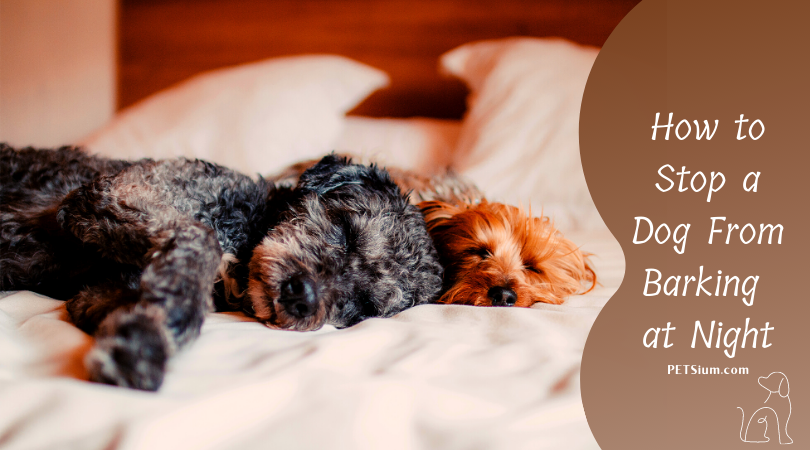
How to Stop Dog Barking at Night

фебруар 11, 2021 By liv parmel

Oh no! Is that dog keeping you up again at night? I know it can be frustrating when my own neighbor’s dog would stay up and howl at the moon all night long.

Why do dogs bark at night?

What can you do to stop dog barking at night when it gets out of hand?

how to stop a dog from barking at night

Your dog is up all night yapping over God-knows-what and it’s keeping you awake or running the risk of getting your neighbors on your bad side

or?

Your neighbor’s dog is at it again barking at every stupid insignificant grasshopper or cat that twitches at night. What can you do?

Stop Your Dog’s Unnecessary Barking!

First things first, if your dog is keeping you up at night with their constant barking, find out the source of why your dog is barking. It’s most likely because of their annoying habit but could your dog be barking at a suspicious stranger walking past your house? Could they be barking at a stray animal in your backyard? For whatever reason, figure out if there is a reason why your dog is barking.

Next, in order to stop dog barking at night, don’t shout back at your dog. Shouting back at your dog may only worsen the situation and intensify their barking. This is like the equivalent of when you yell really loud and your buddy yells back “Hey! You wanna get a nice cold beer, bro?” Of course we’re going to keep barking!

Use one word commands when you’re trying to get your dog to stop barking at night. Dogs can only recognize a few words verses sentences. Stick to one word commands like “Stop” or “Quiet” to cease their barking. Make sure you look at your dog in the eyes when you do this. This is a good way to stop dog barking at night.

Also, don’t forget to reward your dog with a “Good Boy/Girl” or treat so they know you still love them even though the whole neighborhood was pounding on your door to get your dog to stop barking at night. When you reward your dog with a treat, make sure he or she has stopped barking first, otherwise they may think you’re rewarding them for barking.

Another way stop dog barking at night or to silence a dog (without hurting them of course) is to startle with noise! Their hearing is a double edge sword, they have super hero hearing as well sensitive hearing.

So next time your dog wakes you up at night, surprise them with a little noise of your own. A whistle or any sort of noise maker, preferable something that makes a loud pitch noise, can usually startle your dog into silence. Next time your dog sees you approaching with a loud noise maker, barking will be the last thing your dog will want to do.

If nothing else works for your dog, you can always resort to spraying them with water (just a soft mist, so put down the fire hose there, cowboy) along with a firm “Stop” in order to stop dog barking at night.

You might also want to keep in mind the breed of dog you want before adopting a dog. There are dogs out there that have a reputation for barking and while some other breeds are known to be quieter.

If you live in a neighborhood where all the houses are really close together, you may want to avoid getting a noisy Yorkshire Terrier, Cairn Terriers, Fox Terrier and a West Highland White Terrier.

Controlling Excessive Barking

You need to be able to control your dogs barking whilst you’re at home. Try to arrange a situation where your dog barks excessively for example, ask someone to knock on your door or make a sound that you know will make your dog bark. Your dog will then race to that sound and start to bark loudly, you then need to grab his collar whilst at the same time giving the command ‘quiet no barking’.

stop barking dogs

Your dog should then stop barking, once your dog stops barking give him lots of praise and reward with a doggy treat if available. If he continues to bark wrap your fingers around his muzzle to close his mouth. This needs to be firm so use both hands if you need to and give the command again ‘quiet no barking’. You may need to do this several times before your dog realizes what you want him to do, be patient.

Dog barking in excess is not acceptable to people especially at night. The important thing is to find out what is causing your dog to bark excessively in the first place. This may take a few days of observation to discover what is causing your dog to react with this behavior. You can sometimes find the reason for your dog barking excessively through asking your neighbors if they know of any reason why your dog barks so much especially if you are out and not able to observe.

There are other ways to observe your dog barking with the use of video cameras or setting up a voice recorder to see if there is any sort of pattern to your dog’s behavior, hopefully, this will bring to light what is causing the problem which will then give you the steps to help correct the problem.

When dogs are left alone for long periods of time with no stimulation and confined to a small area they will become bored and frustrated. When this happens they will find ways to relieve the boredom and give signs to their unhappiness by barking.

If your dog is left with little food or water or a toy with which they can play with again boredom and frustration will set in which may then lead to more excessive barking. Your dog needs lots of stimulation, take your dog for lots of walks get him to socialize with other people and dogs, play with your dog regularly.

The most stressful time for us is hearing a dog bark excessively during the night when you are trying to get your well deserved sleep, this is all you need in the middle of the night is to suddenly hear your dog barking and upsetting those all around you. This can really play on your nerves and your neighbors.

Being a responsible dog owner means you need to do all you can the resolve the dog barking habit. Dogs are born to bark, it is a natural thing for them to do, you are not trying to stop your dog from never barking but you are trying to stop the excessive barking that cause you so much stress. Constant yapping does strain your friendships with your neighbors and can cause ongoing resentment.

If your problem is that your next door neighbor’s dog is driving you crazy at night with their endless barking, mention this article to your neighbor. They might be just as fed up with their barking as you are and want to stop dog barking at night as well.

Категорије: Dogs

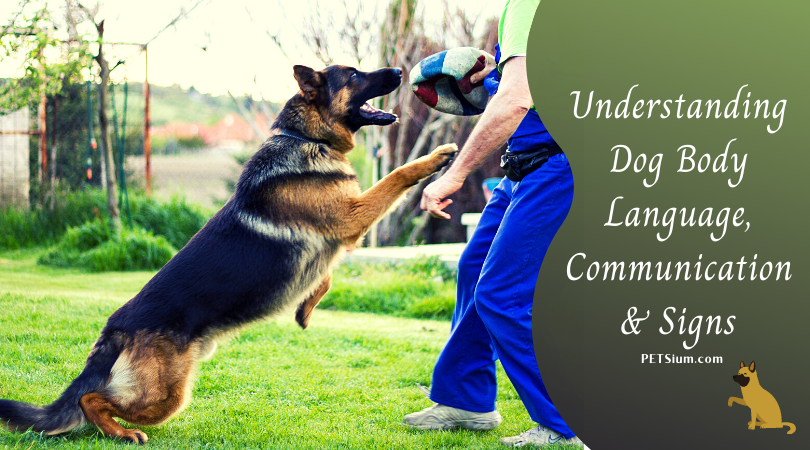
Dog Body Language

јануар 20, 2021 By Janine Tusk

Dog body language is a universal language amongst all dogs. This means that dogs “speak” to each other in body language and in scent. No matter whether they are from America, Europe, Asia or Oceania, they understand each other by means of body signals and scent.

Body Language of Dogs

An average adult dog has about 220 million scent receptors in his nose. The first thing that new born puppies can do is smell, even before hearing and seeing. The very first thing they pick up in life is their mother’s scent and energy. It is not for about fifteen days later that the puppy opens its eyes and around twenty days later, the ears start to function.

Dogs greet by sniffing each other’s behinds. By sniffing they “read” the other dog’s state of mind: who they are, their whereabouts, and their social, aggressive, submissive, antisocial and/or fearful behavior etc. They also communicate with dog body language. They use their ears, eyes, tail and body to express themselves.

Human beings greet each other by saying hello and shaking hands. We lost the ability to “read” each other’s body signals because we learned to speak and communicate with each other by means of words. But, we can not fool our dogs! They “read” our body signals as if they were reading a book!

They can feel exactly in what state of mind we are: either happy, sad, calm, excited, sick. Dogs are even able to feel the energy of the earth! Everybody heard stories of dogs predicting earthquakes or other nature disasters.

By using its dog body language, every calm, well-raised and socialized dog will avoid conflict situations. Therefore it is very important that growing up puppies have regular contact with other well socialized dogs in order to learn the dog body language signals. Most socialized full grown dogs will not attack puppies. They will tell the puppies which boundaries to respect, but they will never attack them viciously.

Some dogs, however, are not so well-raised and socialized. Their behavior can easily turn into aggression. Most of the time, it’s a dominance issue. But before the real fight is on, they try to scare each other off by growling and showing teeth. Normally, a fight is never to death, when one of the fighters submits, for example by lying on his back and showing his belly, the fight should be over.

But, can you speak “dog”? Are you capable to understand your dog? It is very important that we as humans learn to understand our dog’s body language, because the way we behave has a very big influence on our relationship with our dog and dogs in general. For us, humans, it isn’t simple to speak the dog body language.

We communicate with words, whereas dogs use their bodies. To fully understand our dog, you should see the whole picture, the whole dog. How does he carry his tail, his ears, what are his eyes telling us? Is he firmly standing upright or rather bending down? Is his fur lying flat over his back or does he look punk?

What is the best way to approach a dog? Which body language should WE use? When meeting a puppy or an adult dog for the first time, never approach it straight forward. Never make direct eye contact, because this may feel threatening. Approach sideways and keep some distance, let the dog come to you.

Because every dog is curious by nature, he will want to sniff you out. Don’t pet him or talk to him right away! Allow the dog to analyze you by sniffing. After a little while, this can be from a few seconds to a few minutes, you will see the dog relax and stop sniffing.

He will either ignore you or even turn away from you. This means you are no threat to him, but he shows no interest in you. Or, he rubs himself on to you to make contact. This is the time to interact. Don’t act or talk overexcited! Be calm and relaxed.

As stated above, dogs also communicate with scent. They can sniff if the other one is fearful, sick, excited… So, we as humans, start off with a handicap when learning how to speak dog! Nevertheless, dogs use a lot of body signals to express themselves. It is only up to us, to read the dog body language correctly. Here below, we listed some body signals which dogs use amongst each other. These are the same signals they use when they try to communicate with us.

Calming signs

Turn sideways or show their back

Turning sideways or showing their back is used as a calming signal to avoid conflict situations. You can even use these signals yourself. When a dog jumps up to you, turn your back to him. He will understand this signal and stop jumping.

But, your dog can send out calming signals for you too! For example when you are in a bad mood and you shout at the dog or pull his leash during the daily walk, your dog may turn his back to you and start sniffing around.
Maybe you will overreact because you think that your dog is pestering you. Definitely not!

By turning his back to you he will “invite” you to calm down and relax. However, if you misunderstand the signals, you may make the situation even worse. You start shouting and yelling. If your dog sees that his calming signals don’t have the required result, he may go over to signs of aggression (showing teeth, growling, barking).

Sitting or lying down

Another very strong calming signal is sitting or lying down. For example: two dogs who already know each other meet during the daily walk. The younger dog is overexcited and starts running around like mad, the older dog will sit or lie down thus inviting the other dog to calm down.

Signs of not feeling at ease

Turning the head

Sometimes a dog will turn his head away to show that he doesn’t feel at ease in a particular situation. This may happen when you bend over him or when another dog comes straight to him. This can also happen when you are trying to take a picture of your dog. Most of the time you will end up with a picture where your dog looks the other way.

Licking the nose

Another signal is licking of the nose. They use this dog body language when meeting a dog for the first time or when you pick them up.

Moving of the eyes

When threatened, a dog will stiffen his head, and move his eyes fast from left to right. He may even lower his eyelids.

Other signs

Play-bow

When a dog is bowing down, front paws outstretched on the ground and the hind in the air, he is inviting you to play with him. Most of the time, his tail is wagging. When meeting another dog, they will most likely start running after or with each other, even jumping up to one another, lightly nipping each other, but always in a friendly manner.

You can mimic the same behavior by squatting and spreading your arms. When your dog is at a distance, this movement will make him want to run to you. Your dog sees this as an invitation to play. When your dog comes to you, you should always reward him by petting or playing with him.

Shaking

Sometimes, your dog will shake his body. He is not trying to straighten his “hairdo”, or get rid of the water/dirt in his fur; this behavior can sometimes mean something else too. For example, you take your dog on his daily walk. Suddenly, there is a dust bin on the pavement. Your dog has never seen this thing before and is a little afraid. Don’t act or talk overexcited to your dog.

Stay calm and relaxed and let your dog explore this dust bin. As every dog is curious, this may put him in an ambiguous situation, staying far away from the dust bin or exploring it. This causes your dog to grow twice as long out of fear, but eventually, he will loose his anxiety and take a sniff. He shakes off the situation and continues his walk.

Aggressive signs

When a dog shows aggressive dog body language, always be alert. Most of the time, they’re only showing off in order to impress. Avoid making eye contact as this provokes them. Stay calm and relaxed, but alert.

Barking

Some dogs will start barking, when meeting someone or something they don’t know or trust. Most of the time, they’re simply scared and try to impress you with their dog body language. However, this behavior can lead to aggression. The best thing you can do is simply ignore the dog, don’t make eye contact. Don’t run away either as this will enforce their prey drift.

Showing teeth and growling

There are two forms of aggression: dominant aggression and fearful aggression. The position of the ears and tail is completely different in those two forms. Dominant: the ears are erect, and the tail is carried high. By fearful aggression the ears are slightly laid back, and the tail is carried low. Dogs can become aggressive over a lot of things, for example over a toy (possession), towards other dogs (dominant), when they’re afraid.

dog with happy face

Understanding A Dogs Body Language

Dogs can’t talk so to communicate with us and other dogs they make use of a number of instinctive behaviours and other responses. All the dog senses are used to communicate but as they are different from humans this is where many misunderstandings and behavioural problems originate.

Dogs will put their bodies into various postures and make all kinds of noises such as growl, barks and whimpers to express their emotions. If we can learn to read all these signals this will go a long way in training the dog.

A dog’s body language is very important because it communicates the dogs status and current emotional state. It will consist of facial expressions, the dogs posture and even how its tail is positioned. So if you can learn to read all these body language signals that your dog exhibits it will go a long way to understanding how your dog is thinking and feeling.

Here are a just few of these body language signals that a dog shows.

Excitement

When the dog is happy to see you or anyone else for that matter, its face will look relaxed its mouth will be pulled back and its tail will be wagging steadily. A dog will often stamp its feet, alternating its left and right front legs, while keeping its back legs still. This is generally when the dog is excited, wants something, or wants its owner’s attention.

Confidence

When the dog has a high body posture and the head tail and ears are erect it shows that the dog is confident. If it’s tail and ears are held low and close to the body and its body posture is more crouched that means the dog is not feeling confident.

Aggression

Understanding the body language of an aggressive dog is very important for obvious reasons. An aggressive dog will make its body seem larger by raising itself to its full height, its tail will be raised and it will lean forwards in a threatening manner. More obvious signs of aggression in a dog is staring, showing and curling its lips back to expose its teeth to you. Never make sudden movements or put your hand out toward the dog when you see this as it might bite.

Fear

When the dog is afraid it will try to make its body as small as possible. It will tuck its tail between its legs, hold its head down and cringe. It may also avoid eye contact and pull the corners of the mouth, almost like a grin. Rolling on its back in a submissive gesture is another indicator as well.

Playfulness

When the dog wants to play with you it does this with by exhibiting the so-called play bow, in which it lowers its forequarters whilst keeping its hind legs erect.

Although certain canine body language is specific to the dog, a few signals are more or less universal. Learning these mannerisms can give you an insight into your favorite canine’s mood. A few things are obvious. For example, a dog that is happy and excited will be wagging his tail, prancing around and/or jumping around. A dog that is cowering in the corner is afraid. Here are a few other common canine mannerisms and their meanings:

  • Play Bow: Rear end up, front down, and tail wagging generally means „I want to play.“
  • Tail Wagging: Doesn’t always mean that the dog is happy or friendly as is generally assumed. Some dogs also wag their tails when they are scared, agitated or unsure about a situation. Look for other signals to determine the dog’s mood.
  • Rolling Over: Generally means the dog is being submissive. In effect the dog is saying, „You’re the boss.“ Lots of times a contented dog also will roll over when she is happy and wants you to rub her tummy.
  • Tail Between Legs and Ears Back: The dog is afraid or feeling apprehensive about something.
  • Ears Perked Up: The dog is alert for some reason. During obedience class, the dog looking attentively at you with her ears perked up is ideal. It means your dog is paying attention to you and waiting for your next command (egad!).
  • Frontal Approach: A dog standing still facing another dog or person with direct eye contact, hackles raised, and ears and tail up indicates dominance or a sign of imminent attack.
  • Raised Paw: A dog who raises a paw with a bent foreleg is showing submission.

It can be interesting to just sit and watch a dog. By observing your dog, you’ll see how her posture changes and how she uses her ears, eyes, eyebrows, lips, nose, mouth, tail, and coat to express her mood. You can be sure that your dog knows your body language, so if you take the time to learn her body language, you’ll be one step closer to improving the relationship you have with your dog.

When reading a dog’s body language it’s vital that you understand that you have to study the dog’s whole body and not just the mouth or tail before deciding what the dog is feeling. This is important because what might look like an invitation to play might actually be aggression.

These are only a few signals of dog body language. Most of the time, it takes us humans years of practice to understand what dogs are telling us. Moreover, a specific sign of body language can mean several things. A specific word in our spoken language can also have different meanings. It is the same in dog body language.

The most important thing we can do is to look at the general picture, to look at the total dog behavior at that moment and in that particular situation and try to understand our dogs and act the right way.

Категорије: Dogs

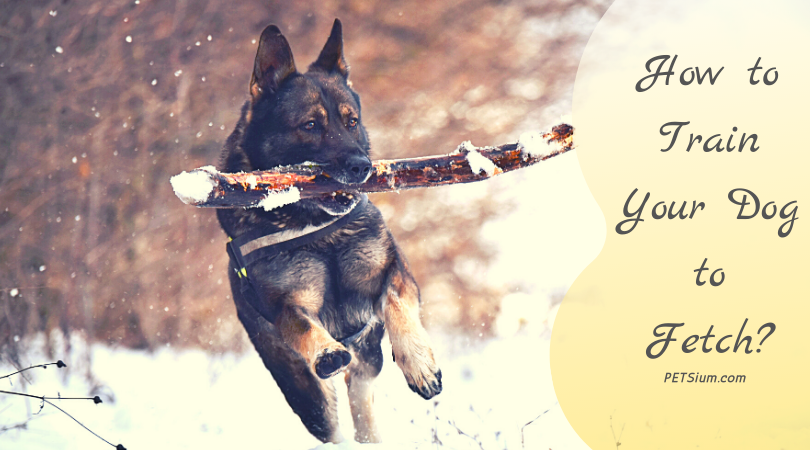
How To Teach A Dog To Fetch in 9 Steps

новембар 20, 2020 By liv parmel

To teach a dog to play fetch is not rocket science but it does take a bit of free time and effort on the owner’s end.

Some dogs fetch by instinct while others need a little bit of training, but once they’ve gotten a taste for this interactive, fun game of throwing and retrieving, they will continuously indulge in such prey-carrying-like behavior. Playing fetch provides your furbaby with great mental stimulation and healthy physical exercise while strengthening your bond together. It also helps your dog with learning how to drop an object on cue.

how to train your dog to fetch

How To Teach a Dog To Fetch Step-by-Step

To teach a dog to fetch, you will need one ( or a few) of his/her favorite toys, an incentive such as some treats that you know your dog loves, a clicker ( but not necessarily), and a bit of time and patience on your part. It’s best to teach your dog to fetch outdoors but in an enclosed area such as a fenced-in public space or your backyard, because once let off the leash, you will want to make sure your dog doesn’t get distracted/run away. Alternatively, you can teach your dog to play fetch indoors.

Let Your Dog Choose The Fetch Toy

It’s essential to allow your dog to choose the fetch toy he/she is most interested in, as different dogs like different toys. Some dogs prefer tennis balls, some show more interest in rope toys, some enjoy chew toys or stuffed toys, while others love to play fetch with frisbees, wood sticks, or pine cones. Place a few toys on the ground so that your canine friend can choose the one that he/she finds the most fetching ( pun intended), and then put away the other toys.

Moving The Toy Around

Stimulate your dog’s interest by moving the toy around. Most dogs will instinctually and immediately show interest in any object that moves, so a little bit of movement may be all it takes for your dog to start chasing after the chosen toy. You can toss the toy in the air and then catch it, juggle it, wave it around, or any other movement you can think of to entice your dog into the game of fetch.

Encourage Your Dog To Touch His/her Nose To The Fetch Toy

Once you’ve moved it around for a couple of minutes, it’s time to check his/her interest, so start waving it around at your dog’s level. If he/she touches the fetch toy, you will then immediately click ( or clap if you don’t have a clicker), reward your furbaby with a yummy treat, and don’t forget to praise him/her.

Further Encourage Your Dog To Grab The Toy With His/her Mouth

If your dog touches the toy but doesn’t want to grab it with his/her mouth, be sure to get him/her to do so by tossing it for several more minutes, then holding the toy in one hand and keeping the treat in the other hand. Let your dog touch his/her nose to it again and then place the toy on the ground. If your dog uses his/her mouth to touch it, you should click, reward, and praise him/her. This way, your dog will start associate picking the toy up with a yummy reward.

Throw The Fetch Toy But Not Too Far Away

Once your dog has grabbed the fetch toy with his/her mouth, you can tell that your dog is ready to start playing fetch. Ideally, you should first throw the fetch toy no more than 5 feet away. If he/she heads in the direction of the toy and picks it up using his/her mouth, you will then instantly click or clap, give him/her a treat and lots of praises. This way, your dog will most likely understand that he/she is doing the right thing by picking the toy up every time you throw it and that’s why he/she is getting a delicious treat.

how to teach a dog to retrieve items

Getting Your Dog To Retrieve The Toy

Once your dog has grabbed the toy, you should head in the opposite direction. Getting your dog to retrieve the toy is typically the trickiest part of teaching a dog to fetch. To encourage your dog to bring the fetch toy back to you, you should head or run in the opposite direction as soon as he/she picks it up. Your dog will most likely follow you; be sure to avoid saying „come“ or saying his/her name. Keep in mind that your dog should _move towards you_, not vice-versa.

Teaching Your Dog To Fetch All The Way

If your dog drops the toy partway, you should click or clap and continue to run/move in the opposite direction. It’s important to avoid the urge to give him/her a treat or to praise him/her at this point because your dog needs to understand that dropping the toy partway to you is not an option, and he/she will not get a reward if he/she doesn’t bring it all the way back.

If Your Dog Brings The Toy Back, Throw It Again Immediately

It’s best to avoid holding on to the toy for too long after your dog has brought it back to you. While you can still reward your dog with a treat, be sure to do it fast and then throw the fetch toy again, because after all, the goal is to teach your dog to play fetch and love this game, not just the treats he/she gets.

Throw The Fetch Toy Gradually Farther Away

Once you’re confident that you’ve managed to teach a dog to fetch, you can throw the fetch toy farther and farther away. Every time he/she successfully brings the toy back to you, you should click or clap, reward him/her with a treat and heavily praise your canine companion. Optionally, you can say the word „fetch“ before throwing the toy and make it even more dynamic by holding your furbaby back for a while after tossing the toy.

The Bottom Line

If in spite of your efforts your dog only chases after the toy but doesn’t bring it back, or your efforts of teaching your dog how to fetch don’t prove fruitful at all, you shouldn’t despair. There are plenty of outdoor activities such as walking and hiking, camping, swimming, scent training, etc. that can be taken into consideration if somehow you can’t teach a dog to fetch. After all, enjoying some quality time together is all that matters.

Категорије: Dogs

How to Stop Dog Growling

новембар 17, 2020 By liv parmel

Before we address the issue of how to stop dog growling, it is important for you to understand why does a dog growl? It is in the roots of your dog. Your pet dog is descendants from wild wolves. Yes, even your little sweet chihuahua has a wolf inside of her. Through time and evolution, wolves have adapted to live along side man.

DOG GROWLING

Why Is My Dog Growling?

Wolves were the first animals to be domesticated by humans. Your pet pooch has the natural instincts of her great ancestors inside of her. There will be times when your dog will want to naturally test her boundaries, it’s the wolf inside of her.

Also keep in mind that dogs growl when they feel threatened. They growl for a number of reasons. In order to stop dog growling, know it’s normal for dogs to growl, know when it becomes a problem. A growling dog may or may not be a cause for concern.

But when your dog growls at you, other people, other animals, you need to take action to prevent this kind of behavior from worsening. What I mean from worsening is a growling dog can easily turn into a biting, snarling, snapping dog-causing reasons to be alarmed. Don’t forget, a puppy growling is one thing, a grown dog growling with aggression is another.

Here are some things you can do to prevent and stop dog growling.

How To Stop A Dog From Growling?

Ask Yourself This, „Is Your Dog the Alpha“?

Dogs are pack animals. Wolves live together in a pack, and in this pack they have one leader, the Alpha dog. It is crucial for your dog to learn that YOU are the alpha leader in his pack (family).

Wolves were the first to eat in the pack, made all the decisions and had the respect from all the members in the pack. If your dog continues to growl at you, your dog is telling you that he sees you as a subordinate and that he is the alpha leader. You must change your dog’s thinking and stop dog growling immediately!

  • Teach your dog obedience. Starting with the simple „Sit“ and „Stay“ cues. These cues will help remind your dog that YOU make the decisions in the household.
  • Before you go outside or inside, teach your dog that you leave and enter FIRST. When your dog enters first, pull his leash back and say „Wait“, walk in and then give him permission to come in. Do this as many times as needed.
  • Do not let a dog struggling for dominance sleep on your bed. Have a dog bed at the side of your bed. Your dog must understand he needs to be invited on the bed before he jumps up.
  • If you are an owner who needs to have your dog sleep with you, have your dog sleep at the foot of the bed, not on your pillow.

For more information on becoming the Alpha in your relationship with your dog, check out How to Become the Alpha.

In Order to Stop Dog Growling, Don’t Mistake Your Dog’s Touch For Loving Expressions

If you think your dog putting his paws on you or nudging you is cute, stop. Your dog isn’t trying to tell you he loves you. He is trying to show you his dominance. Dogs show Alpha leaders respect by space. A dog would never go to an Alpha and put his paws on his head.

You should control when your dog get affection or touch. Touch and affection should only be given to a dog struggling for dominance when they are calm and submissive. If you give in to your dog, then you are only reinforcing his Alpha status.

Stop Dog Growling At Family Members

If your dog growls at other members of the family, you need to teach your dog that is unacceptable behavior.

Try having that person he growls be the one to give him his food. Have that person tell your dog to „Sit“ before he sets the food down.

If your dog growls at that person after they give him his food, have them take it back and say „NO“ and try again. It’s important that your dog understands that he needs to obey before he can be fed.

How to Deal with a Growling Dog

A growling dog could be a serious problem… or nothing to be concerned about.

While in most cases you can deal with this problem on your own, sometimes it’s better to employ the services of a professional dog trainer or behaviorist.

Usually, growling is a sign of a fearful or assertive behavior. Dogs also growl when they play. So, before you confront a growling dog, distinguish between play and aggressive type of growling.

If you have small children, an assertive or fearful dog that exhibits a lot of growling presents a lot of danger. You need to seriously consider whether or not this dog is safe to keep in your home.

On the other hand, some growling when your dog is playing or excited is quite normal and expected.

When does Dog Growling Becomes a Problem?

Try to answer these questions…

  • What happens when you take your dog’s food away?
  • What will he do if you take his toys away?
  • How will your dog react if you tell him to stop his favorite activity or to move from his favorite spot?
  • Does he allow you to groom him?

If your dog always growls or snaps in the above situations, you have a problem. I want to emphasize „always“, because occasional growling is normal and can be expected.

Even if dog growling is not a problem in the above situations, your dog can still be overly aggressive towards other dogs, strangers, and even members of your own family. If this describes your dog, address the problem at the first sign of aggression.

growling dog

How to Control a Growling Dog

Like a lot of other dog behaviors , growling is a lot easier to prevent than to get rid of. And nothing is as successful at preventing dog growling as socialization training.

Socialization training teaches your puppy how to interact with the world around him. Puppy socialization exposes your dog to all the situations that make him growl and tries to correct his responses in those situations.

What about a growling dog that is too old for socialization training?

It’s never too late to socialize your dog.

Tip…

The worst thing to do when dealing with a growling dog is to isolate him. Isolation will only make him resentful and even more aggressive.

Here are some suggestions for dealing with a growling dog…

Until your dog is fully socialized towards strangers and other dogs, when you take him for a walk, always keep him on leash. For larger breeds, consider getting a muzzle.

Once your dog stops growling at strangers and other dogs, you can remove the muzzle, but keep the leash on. In most municipalities, unless in a specially designated area, it’s a law to keep dogs on leash.

When you introduce your dog to other dogs, start with non-aggressive dogs first. These dogs will not growl back and will make your dog feel more comfortable.

Always say „NO“ when you catch your dog growling, and never give in to his demands. You must always remain in control.

As you probably already know, I am against hitting dogs for any reason. Hitting a growling dog is not only counterproductive but is also extremely dangerous.

And if the above suggestions don’t help you with your growling dog, consider a professional behaviorist.

Consult with your dog’s vet. He or she will be able to determine if there are any health issues behind your dog’s growling.

Socializing is Key to Stop Dog Growling

Socialize your dog with other people and animals is important. Go to a dog park. Take your dog to new places, get him accustomed to new environments. Socializing is crucial in preventing dog behavior problems.

If your dog shows aggression to other animals, always correct this behavior. Don’t think it’s cute when he gets defensive, he feels threatened. You need to help teach your dog to get acquainted with new people and animals to stop dog growling.

The most important thing is interactions with your dog. Do more things with your dog. Go for walks, play in the park, throw a ball around or even go for runs together.

Whatever you do, teach your dog boundaries with calmness, assertiveness and an air of authority. Stop dog growling using this techniques will establish a loving and respectful relationship between you and your dog when your dog understands he isn’t the alpha.

Категорије: Dogs

Very Cute and Adorable Stuffed Plush Toys for Your Dog

новембар 11, 2020 By liv parmel

Every dog needs a soft, plush dog toy! A cozy new toy will give your pet hours of companionship and soft comfort. Like a toddler’s security blanket in sweet doggie form, your pet will fall in love with a new plush dog toy!

There are so many wonderful styles of soft dog toys. Different styles of plush dog toys provide your pet with benefits for every stage of their life. Puppies will love the teething exercises that are fundamental for proper development. Pets of all ages will benefit from gnawing on the textured nubby soft toys, knotted toys or corduroy plush toys.

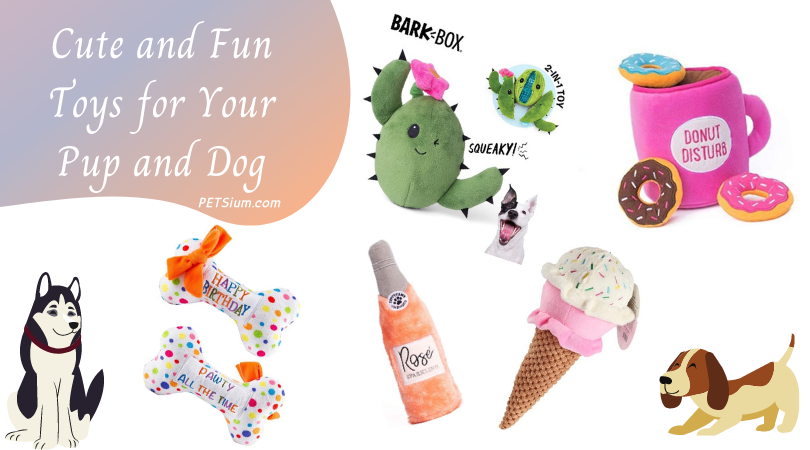
Cute and Fun Toys for Your Pup and Dog

When your dog is anxious or while being left alone, the cuddly companion will provide an outlet to their stress. During naptime or at bedtime, their soft toy will be a welcome addition to their soft bed. Regardless of your dog’s age, a plush dog toy is a perfect lifelong buddy.

Dog plush toys are a great gift but you need to consider the best toys that suit your dog? Take a look at these different toys and see what fits your pet.

BarkBox The Cactus 2-in-1 Dog Squeak Toys

BarkBox The Cactus Dog Toy

Buy on Amazon


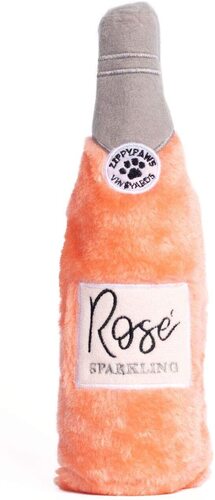
ZippyPaws Happy Hour Drink Themed Bottle Dog Toys

ZippyPaws drink themed bottle shape dog toy

Buy on Amazon


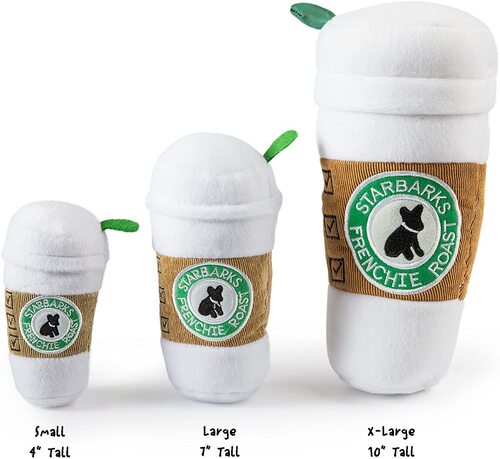
Haute Diggity Starbarks Coffee Collection Plush Dog Toys

Haute Diggity Dog Starbarks Toy

Buy on Amazon


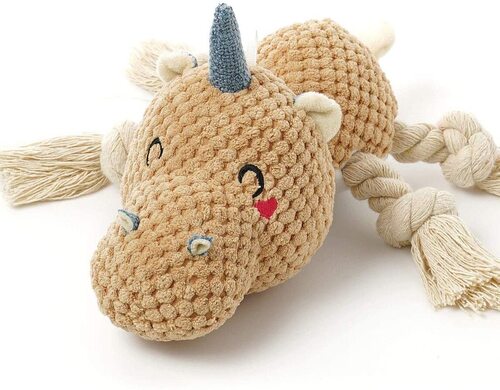
Sedioso Interactive Stuffed Dog Chew Toys

Sedioso Dog Plush Hippo Shaped Toys

Buy on Amazon


Haute Diggity Parody Hide and Seek Interactive Puzzles Plush Toys for Dogs

Haute Diggity Dog Toy Chewy Vuiton Trunk

Buy on Amazon


Haute Diggity Dog White Chewy Vuiton Bone Shaped Dog Toy

Haute Diggity Birthday Bone Dog Toy

Buy on Amazon


ZippyPaws Donuts and Coffee Interactive Hide and Seek Plush Dog Toy

ZippyPaws Coffee and Donut Dog Toy

Buy on Amazon


Petlou Durable Food Collection Dogs Plush Squeak Toys

Petlou Plush Food Collection Dogs Squeak Toys

Buy on Amazon


Bzonsmart Stuffed Durable Plush Dog Chew Toys for Small and Medium Dogs

Bzonsmart Stuffed Durable Plush Dog Toys

Buy on Amazon


Alirea 2pcs Soda Funny Drinks Plush Dog Toy

Alirea Soda Funny Drinks Plush Dog Toys

Buy on Amazon


MewaJump 3pcs Plush Cute Stuffed Dog Toys for Puppy, Small, Medium, Large, Dogs

MewaJump Eagle and Parrot Plush Dog Toys

Buy on Amazon


Hpets 3 Pack Funny Stuffed Plush Dog Chew Toys

Hpets 3 pcs Hamburger, French Fries and Shake Cup Plush Dog Chew Toys

Buy on Amazon


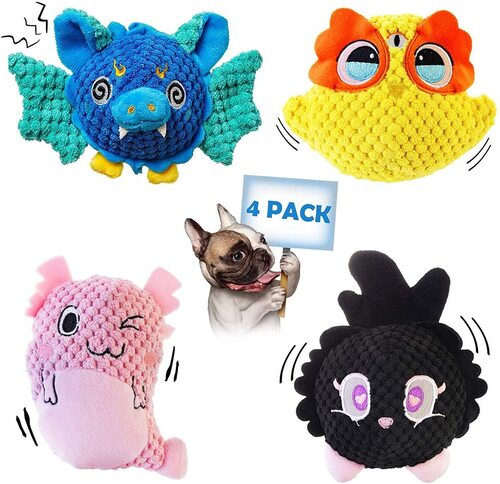
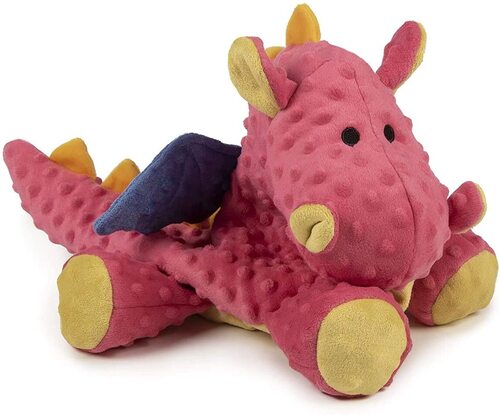
goDog Dragons Durable Plush Squeaker Dog Toy with Chew Guard Technology

goDog Dragons Durable Plush Squeaker Dog Toy

Buy on Amazon


Dogs wish to play. Giving them their own things to play with is a nice way to let them to spend a amount of their energy, and also avoid your things that they must not be chewing on. Simply like youngsters, all dogs do not like the identical dog toys. Some dogs like to play fetch, wile others like it very little rough and others have a softer side.

Dog owners do love to represent their dogs as their children. „That’s my boy“, they can say while pertaining to their own dogs. They will refer themselves as „Mummy“ or „Daddy“ whereas talking to the dogs as well.

People love to give cute and, squeaky toys to their dogs or get them stuffed toys to chew and carry it (the stuffed toy is that the dog’s „baby“ typically. As they think it’s „adorable“. Dog toys should be „cute“, also they should be practical, fun, durable, and importantly safe for the dog.

Some dogs enjoy playing with stuffed toys, while others will love chewing through them even more! If you’re not sure if your dog will love or destroy a stuffed toys, make sure to give it a stuffed toy while you’re there to supervise. This way you can make sure your dog won’t accidentally swallow some of the stuffing.

Stuffed Plush Dog Toys are fun and a great way to let your dog play. Burn up energy and play with your pet, purchase a stuffed dogs toys.

Категорије: Dogs

Mouthing, Biting and Nipping in Puppies

октобар 20, 2020 By liv parmel

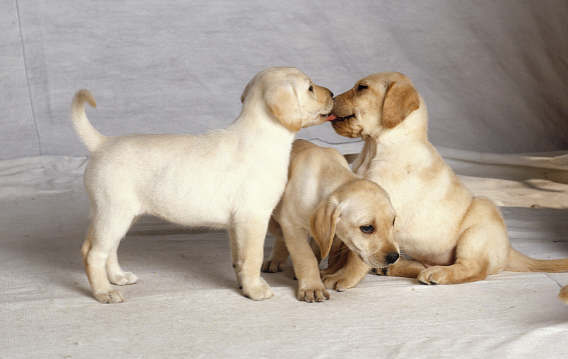
Mouthing, biting and nipping is a natural canine behavior that develops when a puppy plays with his mom and littermates. Because he has no hands, he learns to use his mouth to wrestle and play. When he nipped too hard, his fellow playmates let him know with a sharp yelp or cry, and puppy would normally back off.

Puppy biting and mouthing

While it may be acceptable within the ranks of a litter, mouthing and biting is NOT an acceptable form of play with people. Puppy teeth are sharp! And all puppies grow up to be dogs capable of inflicting severe damage to human skin, flesh and bone.

Biting and mouthing behavior in adult dogs can have deadly consequences. Not every dog is allowed one bite. Some dogs are euthanized immediately after their first biting incident – no exceptions. No second chance.

Every pup has a strong tendency to chew. Puppy biting, for your puppy, is fun, a way to play with their siblings or friends, and also sometimes to get your attention. It is a very normal tendency and it does not mean that your pup is aggressive.

It is seen that puppy biting is a tendency that your puppy will grow out of eventually. But, till then you will have to convey a message, through your voice as well as body language, that puppy biting will never be tolerated.

Puppy biting can be stopped by simple techniques. You can give lots of chewable toys to your puppy to chew on. A puppy, though young, needs a lot of exercise. Ensure that your puppy gets at least 45 minutes of play and exercise a day. You can also help your puppy socialize with other pups in your area.

Stop Bad Behavior Before It Starts

We often inadvertently encourage mouthing and nipping by playing with and/or praising our puppies excessively with our hands. If you want to play with your puppy, use a toy, not your hands, to simulate wrestling play behavior.

There are a myriad of ideas on how best to stop mouthing and nipping. We list some of these methods here but stress that there is no single right or wrong way to deal with this behavior.

Talk to your breeder, your veterinarian or a qualified dog trainer for advice on working with your specific breed of dog. If you have an adult dog that has problem with biting and nipping, seek professional help immediately!

Communicate Your Disapproval

Your puppy needs to learn about bite inhibition. Whenever he takes any part of you in his mouth, startle him by loudly and quickly saying “Ouch! No bite!” In doing so, you have vocally let him know the behavior is unacceptable. (Just like his mom and littermates used to do).

You Can Then…

  • Immediately stop playing, turn away, and ignore the puppy. When you face the puppy again and offer your hand, the puppy should ignore it or gently lick it. If he does this then quietly praise him.
  • If puppy wants your hand in his mouth, make it uncomfortable for it to be there! When he take hold of your hand, make a fist and stuff your hand in his mouth for several seconds or stuff your fingers toward the back of his throat. He’ll start to gag and spit and soon realize that a human hand doesn’t taste quite so good. When he lets go of you, immediately provide a suitable toy and praise him for being so clever as to choose the toy, rather than your hand.
  • Immediately grasp his muzzle with your hand, look him in the eye and say, „No Bite!“ The second he looks away from you, release his muzzle, and offer a toy instead.
  • A spray bottle filled with 1/8th vinegar and 7/8ths water may be effective for a puppy that is nipping at your heels. When he nips, say „Ouch! No bite!“ and spray him in the face with the spray bottle.

Repeat any of the above methods two or three times. If puppy still continues to mouth and nip then he is over stimulated and needs a time out – alone – in his crate. Remember the crate is a den, not a cage. It should be treated as a place of sanctuary, not punishment. Keep his crate clean and dry, with bedding to snuggle up in and one or two indestructible chew toys to entertain him.

a puppy play biting

Basic Training Guidelines:

• Remember, the above-mentioned methods are for very young puppies. These methods are NOT suitable for dogs older than about 12 weeks.

• Be consistent. Never allow the puppy to take your hands in his mouth.

Allowing the puppy to hold, mouth, or chew your fingers at any time makes it more difficult to differentiate in appropriate behavior from acceptable actions.

• Don’t play games that encourage hand/mouth contact or teach your dog to pit his strength against yours. (Tug-of-war and wrestling are out!)

• Don’t encourage puppy to chase people. (This is especially challenging to do with herding breeds!) Teach kids not to run around and excite the puppy.

• Don’t hold toys up in the air to encourage puppy to jump and bite at them. (He may accidentally nip your hand.)

• Don’t allow puppy to grab at or chew on his leash. Yes this can be cute behavior but it leads to other problems.

Don’t loose your temper! Aggression begets aggression.

puppies play time

The moment you bring your dog home for the first day, you cannot expect him to be trained and well behaved. With the passage of time you will realize that there are some dog behavioral problems that you need to rectify in your new pet and very often, one such common problem that many dog owners face is dog nipping.

Dog nipping should not be encouraged and there are ways and means to teach your dog on how to stop nipping the moment you notice him doing so. The first thing that you can do when you are checking the dog nipping habit in your dog is stop playing with him. Every dog loves to play and the nipping habit is generally developed when they are playing.

You should remember that the moment the dog nips you during the playing session you should stop playing so that the pet can connect this to his nipping. The moment he makes the connection he stops the dog nipping habit. You need time and patience for your dog to understand this and you should not expect overnight results.

Dog nipping is mostly done on fingers and when your dog starts nipping you must redirect his mouth to another object preferably a dog toy that will help it reduce this habit. There are many dog toys that are available in the market for the purpose of dog nipping and all you need to do is get hold of a good one and offer it to your pet the moment he nips. The moment he starts to chew on the toy you should praise him so that he understands that he is doing the right thing.

Категорије: Dogs

Why Is My Dog Vomiting Undigested Food? Causes and Treatment

септембар 21, 2020 By liv parmel

There’s nothing more frustrating as a dog owner than to have a sick dog throwing up. So, why are dogs throwing up undigested food? This has always been a question that all dog owners have asked themselves at one time or another, simply due to the fact the vomiting is a frequent occurrence with dogs and readily dismissed as being normal in nature.

Why Do Dogs Throw Up

It is not considered a disease in itself, and just like with humans, vomiting is namely a symptom of an underlying cause, generally ingested food, or in the case of canines, very possibly non edible items. The second most important factor is related to medical conditions.

Indeed, the act of dogs throwing up can end just as quickly as it started, and however distasteful it may be to witness, dogs can easily dip right back into their own vomit.

Dog Throwing Up Undigested Food

Dog Vomiting

Vomiting: this is defined as dogs intentionally and forcefully trying to expulse irritating elements from the stomach. Drooling and heaving usually precede the actual act of vomiting, with the abdominal muscles strongly contracting. It typically consists of yellow bile, which may at times appear to be brownish or look like a frothy type of liquids.

Dog Regurgitation

Regurgitating: a milder form of vomiting that seems to require much less effort, whatever is coming back up almost seems to do so without any help from the dog, usually caused by excessively rapid ingesting of foods.

Dog Gagging

Gagging: called retching in dogs, this condition is similar to choking. Strenuous coughing or hacking will result in visible muscle contractions in the chest rather than the abdomen. This is a more serious condition, as it may possibly indicate that something being swallowed could have been stuck in the throat instead and has become an obstruction. This may also be due to throat, heart or lung problems that should be quickly remedied.

Causes of Vomiting

Vomiting is very common to dogs. There could be many different reasons for vomiting such as stomach diseases, upper intestinal tract infection, ingestion of toxic substances, and so on. Vomiting is instinctive for dogs to force unwanted food or foreign objects out of their body. When a dog vomits, it does not necessarily mean that they have some kind of serious illness.

However, if your dog keeps throwing up followed by diarrhea, lethargy, or a change in behavior, then it is time to consult the veterinarian and request for medical attention.

Mild Acute Vomiting

The causes of dog vomiting can be divided into two those that lead to mild acute vomiting and chronic vomiting. Mild acute vomiting is a sudden episode of vomiting which often occurs just one time. Over-eating and eating too fast could cause a dog to vomit. To avoid this, dog owners could give smaller amounts of food perhaps two or three times a day instead of one big meal. Dogs could also vomit if they have eaten something indigestible or toxic.

Some dogs like to chew random objects or to dig through the garbage. If you know that your dog has a tendency to do these, it only means that your dog might have swallowed something that caused intestinal obstruction. What you should do to avoid this is to keep your garbage containers in an area that your dog does not have access to. Another cause of mild acute dog vomiting is motion sickness. Dogs, just like some people, could feel disturbed with loss of a sense of balance while inside moving vehicles like cars and boats.

Chronic Vomiting

Unlike mild acute dog vomiting, chronic vomiting implies continuous or frequent dog vomiting for more than two weeks. Some causes for chronic vomiting in dogs include food allergies, reaction to certain drugs like steroids and antibiotics, and stomach problems like gastritis and ulcer. If your dog vomits persistently, it may also mean that they have infectious diseases like parvovirus. Dogs are prone to this disease if they have not yet completed their vaccination sequence.

Parvovirus has been proven to attack and kill the cells in the intestinal lining of dogs. Other causes of chronic dog vomiting could also be worm infestation, obstruction in the stomach, liver disease, and even stomach cancer. It is important for dog owners to observe their pets carefully. If you see that your dog is getting worse, then a visit to the veterinarian should be made.

Diet

Any irritation inside the stomach can be the cause of dog puking. Although domesticated, dogs still retain their primeval instincts and are voracious eaters. In the presence of other dogs in particular, they will tend to eat as fast as possible out of concern that their food portions will be diminished by the competition. Interestingly, vomiting can also be induced by an empty stomach, as gastric acids can build up overnight.

Dogs are furthermore still scavengers even when well fed. Contaminated food can be another cause of dog throwing up undigested food. Deficiencies in certain nutrients are possibly an additional cause why dogs scavenge.

Canines, especially inexperienced puppies, never cease to amaze their owners by the amount of inedible items they can ingest, unaware of the difference between ingesting and digesting. It is also astonishing the things that can progress through their digestive system and eventually come out the other end.

Foreign intruders

Worms and parasites are common scourges for dogs, and the Parvovirus is particularly worrisome. Diarrhea and possibly blood usually accompany vomiting in these cases. Loss of appetite or agitation could be further signs of distress.

A typical recommendation is to soften up kibble or dry foods with water to improve the digestive process, along with multiple smaller meals instead of one ample meal. It also is advisable to feed dogs at different times if more than one is being cared for at any given moment to alleviate food gulping.

Although professional help may be required at times, the answer to your dog throwing up can usually be found with some keen observation of its surroundings.

Dog Throwing Up Yellow

You wonder why your dog keeps throwing up? There are a lot of reasons why your dog could vomit. Some of the reasons why a dog could throw up are toxins in the blood, inflammation of the upper intestinal tract, and inflammation of the stomach.

When a dog throws up yellow bile then you have a big problem because this condition can cause serious problems. Throwing up yellow bile can cause intestinal obstruction, pancreatitis, and dehydration.

A dog keeps throwing up yellow bile can be caused by various activities. Some of the common causes are anxiety, over production of bile, fast eating, eating of inedible materials, eating raw foods, eating uncommon food, and gastritis.

Dogs make yellow bile when they are getting ready for eating their food. When they produce this yellow bile and there were no food to be served, dogs just throw up this yellow bile to prevent their stomachs from being burned. So bear in mind that when your dog’s meal is served in long gaps there is a great chance that your dog may vomit yellow bile.

Most of the time, a pet owner feeds the dog a lot when they fail to feed them on the appointed time, and they see their dogs vomit yellow bile. What happened is that the yellow bile and the intestinal fluids have already irritated the stomach so when a dog eats at this point the dog will only throw up the undigested food that it ate.

However, there are various treatments that you can give your dog to prevent the worsening of the condition. The best way to treat this condition is to give your dog medications that have ranitidine, famotidine, and cimetidine. These substances can regulate your dog’s production of yellow bile and gastric acids and thus eliminating the source of your dog’s pain and problem.

Puppy Vomiting

In young dogs, vomiting can be caused by viruses and parasites. Puppies at the age of 2-3 weeks have a high risk of contracting worms. When worms become active, they can cause vomiting and diarrhea.

Canine Parvovirus is a very contagious, very serious illness that many puppies contract when they are not vaccinated at the right time. Parvovirus can cause extreme vomiting, which can lead to dehydration, stomach and intestinal problems, secondary infections and death, if not treated right away.

Ignoring vomiting in your puppy may lower his immune system and cause extreme illness and even death in some cases. It is important to get your puppy proper vaccinations, and keep him away from other animals who have not been vaccinated for worms or Parvo.

Why Do Dogs Throw Up

Dog Throwing Up Undigested Food Treatment

Having a dog with a vomiting problem can be a frightening experience. At first, you might find that it happens infrequently, but in some cases it can become a chronic issue. In other cases, it can the sign of a more serious, if not fatal, condition, such as bloat.

The first step in the dog vomiting treatment is to take your dog to a vet to make sure that the condition is not life threatening. You might be given medication, such as antibiotics (if the condition is bacterial), indigestion/antacid medicines, or even vaccinations against conditions like Bordatella and/or Rabies.

From there, if you’ve found that the condition is not fatal or life threatening, then it’s time to do what you can to ease the symptoms and help your dog feel better. Learning how to do this will help you treat the condition on your own rather than having to visit the vet every time your dog vomits.

The best dog vomiting treatment is a bland diet, which will help to settle the stomach and absorb stomach acid.

Dog Vomiting Treatment With Balanced Diet

1 1/2 cups of white rice
1/2 cup cooked (baked, not fried) chicken or turkey

Mix together and serve.

The rice will serve to absorb acid while the bird will provide slow digesting protein to keep the system working on real food, rather than an empty stomach.

If this works, and the vomiting dies down, then you can slowly re-introduce regular foods until the condition is completely resolved.

Keep in mind that your dog may become dehydrated after long bouts of vomiting, so the next part of the dog vomiting treatment cycle may involve rehydration via water or Pedialyte. I don’t recommend Gatorade or other sports drinks, as they are loaded with sugar, which is not healthy for your dog.

Also, try not to let your dog drink too much too fast, as this can lead to ever greater problems. The recommend amount of water for a dog is 1/2 to 1 ounce per pound of body weight per day.

Dealing with Indigestion

If the issue is related to indigestion, then the simple solution is to change the diet to a bland diet, which consists of white rice and chicken mixture (baked, no skin and no grease). This will work to settle the stomach and absorb stomach acid, but if it does not work, then it’s possible your dog might have swallowed something they shouldn’t have.

An X-Ray can help identify the foreign object, but unless your dog is in pain, the treatment is simply to wait it out and let it pass…naturally.

If the bland diet is working, consider asking your vet for an antacid, such as Tagamet. Though I do not recommend giving antacids to your pet without the approval of a veterinarian, many of them are safe in short-term treatment cycles. However, you’ll have a much easier time getting your dog to take a pill than you would a liquid, such as Pepto Bismol.

Lastly, try to avoid strange and exotic foods, such as rawhides, pig skins, or other edible chew toys. Though these do occupy dogs and keep them from chewing on furniture, they are also terrible for the stomach, as they contain a variety of unhealthy by-products, chemicals, and dies.

Overall, dog vomiting treatment is simple, provided your pet has been properly diagnosed and is monitored frequently. Keep the diet bland, try antacids, and keep them away from foreign objects. Beyond that, the vet is your best friend!

Home Remedies

There’s nothing more frustrating as a dog owner than to have a sick dog especially if you are a first-time dog owner. Part of the problem is that there’s usually a mess involved, and the other is that you feel bad because your dog can’t talk and tell you how he or she feels.

This also leads to an issue where a non-observant pet owner might not notice the subtle symptoms that accompany health issues. Close observation of your pets is a must.

You might often find your dog vomiting white foam, grass, or even chunks of their food. The good news is that this is usually not life threatening, but the bad news is that it can be.

Experimenting with Foods

Your dog’s diet is the key to their healthy digestive system, so try to avoid cheap food and table scraps if you can. Dogs need a certain type of protein, which is why the premium dog foods are worth their cost. If you can’t afford a premium dog food, then keep trying different brands and flavors until you find one that doesn’t give your dog indigestion.

OTC Medicines

There are many supplements that can be used to treat vomiting in dogs, but I wouldn’t use any of them without getting your vet’s advice first. Some medications can be fatal, and even though OTC medicines like Tagamet and Pepto Bismol do not fall into that category, they should be used under a vet’s care.

If you must use something, consider using Milk of Magnesia (magnesium hydroxide). The safe dose for dog vomiting treatment is 2-5 ml per pound of body weight every 4 to 6 hours. Be careful not to use more than that, as it can also serve as a laxative, and being that your dog is already dehydrated from vomiting, diarrhea is the last thing he or she needs.

An alternative to Milk of Magnesia is Mineral Oil, at a dose of 10 to 50 ml, added to your dog’s food.

Dog Throwing Up Undigested Food Conclusion

As stated before, the most important thing you can do is use medicine that a vet gives you and to follow the instructions. Failure to do so can further complicate the issue.

These are some of the important things that you need to know if your dog keeps throwing up. Now you know what to do if you see your dog throwing up however, it is still best that you have your veterinarian check out your dog.

Категорије: Dogs Тагови: Dog Throwing up, Dog Vomiting, Undigested food

Best Dogs For Kids

септембар 7, 2020 By liv parmel

Kids and dogs have always gotten along well. The main reason why kids get along so well with dogs is that their natures are very similar, both kids and dogs tend to be free spirited and loving, energetic and trust worthy.

When it comes to choosing the best dogs for kids, one must consider various aspects that would influence the relationship that the kids will share with the pooch. It is not just the breed of dog that is important but also other factors such as training levels, size, and age and so on. Here is a run down of things one must remember when buying a dog for a kid or adopting a dog for homes with kids.

the best dog breeds for kids

Factors to be considered while choosing the best dogs for kids:

There are various aspects to consider while choosing a dog for a kid. Kids tend to share a very emotional bond with their dogs so unless the dog is chosen carefully it could affect the child’s emotional self easily. The best dogs for kids can be chosen based on the following aspects:

  • Breed of the dog
  • Size of the dog
  • Space available in the living quarters of the child
  • Health and fitness of the dog
  • Training and command response habits of the dog
  • Susceptibility to allergies and infections (if any)

Once these factors are sorted out, one can conveniently bring a dog home exclusively for the kids. Once the right dog enters the life of kids it is hard for them to imagine an hour of play without the dog — it almost assumes the role of a friend or sibling in the minds of kids.

Breeds that can be considered as best dogs for kids:

Almost any breed of dog can be trained to get along with kids, but the following 10 breeds top the list when it comes to choosing dogs for kids:

  • The Newfoundland
  • The Poodle
  • Labrador retriever
  • Golden retriever
  • Cairn Terrier
  • Coonhounds
  • The Beagle
  • Collie and Shetland Sheep
  • German Shepherd
  • Mutts or Mixed breed dogs

While each of the above breeds is great with kids, adults in the family must make sure that the canines are trained appropriately and exercise great caution while dealing with dogs. Once responsible dog ownership is adhered to, all dogs become worthwhile companions to kids.

Best Dogs For Kids

  • Golden Retriever
  • Labrador Retriever
  • Irish Setter
  • Collie
  • Bulldog

Top Small Dogs For Kids

  • Havanese
  • Poodles
  • Shih Tzu
  • French Bulldog
  • Miniature Schnauzer

The 10 Best Child Friendly Dogs

You’ve decided that you want to add another family member to your household, but you want to get a dog that is going to be good with your children. Usually a good option is to choose a dog by it’s temperament, character, size and energy levels. However there are lots of dogs breeds out there so how do you know which breeds are good with children.

Labrador-DogLabrador Retriever

Labradors love people. Labrador Retrievers are happy dogs, with a very calm nature and it probably comes as no surprise that they are the most popular dog breed in the world. This popular dog breed love playing with children, but maybe not ideal for small children because their size and they could accidentally knock a small child over when playing. They are very affectionate towards their families and will lay on your feet or even your lap given the chance. Labs are highly intelligent and are easy to train. However they hate being left alone, and can become destructive if bored.


Golden RetrieverGolden-Retriever-Dog

A calm, friendly, affectionate and gentle dog, the Golden Retriever is a great family dog. They are very gentle and extremely patient with children. Again as they are a big dog they not be suited to very young children, and may accidentally knock into a small child during play. They are extremely intelligent and very quick to learn making training easy. However they do have a long coat and will shed a lot, and you will be finding hair everywhere.


Poodle-Dog

Poodle

Cheerful, affectionate, good-natured with an eagerness to please, the Poodle makes a great family dog. They are very energetic and need lots of exercise. Poodles are extremely intelligent and can be trained with ease. They are very gentle and patient especially with children. However if they get bored they can get into mischief and become destructive, so make sure there are plenty of toys to keep this dog entertained.


Staffordshire Bull TerrierStaffordshire-Bull-Terrier-Dog

The poor Staffordshire Terrier gets a real bad press. Often mistaken for the larger Pit Bull, this dog is a great family dog. Staffies are a very affectionate and love their families, and have a high pain threshold making them ideal playmates for children. However, there are some poor breeding programs out there for this dog, so find a good reputable breeder.


Collie-Dog

Collie

Super intelligent and gentle, the Collie is easy to train and is energetic dogs and will require regular exercise. They were bred as a herding dog, and may do this with children and other family pets, so you are best to try and discourage this behaviour. Collies are great with children and are always eager to please their families.


NewfoundlandNewfoundland-Dog

These dogs absolutely love children, and can be very protective. This dog has a very kind, gentle and patient temperament, and is often referred to as natures babysitter. However they are very large and require a lot of space. They have very thick coats which shed a lot of hair, and they can drool a lot, but you simply can’t help falling in love with this beautiful large dog.


Springer-Spaniel-Dog

Springer Spaniel

Springer Spaniels are fun, obedient, loving towards their families and always want to please their owners. They love playing with children, and are very energetic, and will require lots f regular exercise. However they need lots of attention and affection, and will always want to be close to their family. They hate being left on their own for long periods.


BulldogBritish-Bulldog-Dog

With a rugged sturdy build the Bulldog may not look like a cute and cuddly dog, but they are absolutely perfect for kids as they can tolerate rough handling, and enjoy playing. They are not the most energetic dog breed, but this means that they make great dogs if you have a small house or flat. The Bulldog is friendly, pretty chilled and gets on well with other household pets as well.


King-Charles-Cavalier-Dog

Cavalier King Charles Spaniel

This little dog likes a lot of attention and fuss, and will love being part of a family. They are gentle, friendly and playful. They love kids, but because of their delicate size they might not be suited to very young children. This cute dog enjoy walks but keep them on a leash as they will chase anything that moves. Cavalier King Charles Spaniel are suited to a large house or small flat, but they don’t like to be left alone for long periods.


Irish SetterIrish-Setter-Dog

These large dogs are great with families. They are very energetic, love to run and need lots of exercise. They have a great personality and can be a little mischievous at times, but they love to play especially with toys. Start training early as they can be destructive if they get bored. They love children are probably not suited to smaller children due to their size.


Dogs For Kids – Picking the Right Breed

There are many different things to factor in when your picking the right breed of dog, especially for your child. How old is your child? Have they been around dogs before?

If your child is still small (in the 1-5 range) it might be a better idea to get a smaller less active dog. Sometimes dogs don’t understand that a child is to small and they can’t be rough with them. If the dog is a smaller less active dog then they won’t be large enough to play to hard.

For example a large dog like a Lab might not be to active but still may be to big for the child to play with, while a smaller dog like a Chihuahua may be to aggressive. If getting a larger or active dog, or even both, it is best to get it while it is still a puppy. This gives the puppy time to learn who to be with the child before being to large to be a problem.

Another thing to consider when trying to pick the right breed for your kids is your families current living situation. Larger dogs eat more and in turn cost more to raise. Larger dogs can also be more of a messy companion then smaller dogs, especially while shedding.

Also if you have other pets you should be sure that it’s a breed that is known to get along with that particular pets species. This is another good reason to buy dogs as puppies first, to familiarize them with other pets at a young age.

The most important thing to factor in when picking the right breed for your kids is their opinion. Ask them they may know what they want and if it’s okay with the rest of the family then that’s the best way to go. If you still are not sure what to get them take them with you to your local pet shop and see which one your child bonds with.

Категорије: Dogs

  • « Go to Previous Page
  • Страница 1
  • Страница 2
  • Страница 3
  • Страница 4
  • Interim pages omitted …
  • Страница 8
  • Go to Next Page »

Primary Sidebar

Small Fish Tank

Glass Fish Tank

Категорије

  • Animals
  • Birds
  • Cats
  • Dogs
  • Fish
  • Goldfish
  • Guinea Pig
  • Hamster
  • Horses
  • Name Inspiration
  • Parrot Pet
  • Rabbits
  • Reptile Names

Скорашњи чланци

  • Hoppy Naming! Adorable and Funny Easter-Inspired Guinea Pig Names
  • Purr-fectly Adorable: Valentine’s Day Cat Names for Your Feline Friend
  • Astronomy Inspired Cat Names
  • James Bond Cat Names: Purr-fectly Suave Options for Your Feline 007
  • 170 Authentic Greek Names For Cats
  • Hippie Cat Names
  • Ladybug Facts For Kids
  • Unique White Horse Names with Meanings: From Majestic to Mystical
  • Disney Turtle Names: 160+ Names For Turtles From Disney Movies
  • 100+ Names For Black Horses With Meanings

Guinea Pig Cage

Large cage for your guinea pig

Ознаке

Best family parrots Best Gifts for Cat Lovers Best Hamster Toys Best parrot for beginners Best parrot for kids Best Small Dogs For Kids Boy Cat Names Can Guinea Pigs Eat Celery Cat Names Cat names for pairs Dog Behavior Dog Throwing up Dog Vomiting eat Female Bengal Cat Names Female guinea pig names Funny goldfish names Goldfish aquarium Goldfish names Gold Fish Names Goldfish tank Goldfish varieties Guinea Pig Guinea pig names Guinea pigs Male guinea pig names Manx Cat Names Names for Goldfish Names for guinea pigs Names for pink fish persian cat personality Siamese cats Small curly haired dogs Small dog breeds Sounds Twin cat names Types of goldfish Undigested food Unique guinea pig names What can guinea pigs eat Winter White Hamster Care Winter White Hamster Colors Winter White Hamster Diet Winter White Hamster Facts Winter White Hamster Life Span

Disclaimer:

This website „PETSIUM“ is not liable for any outcome or damage resulting from information obtained from these articles.

The articles provided here are for information and entertainment purposes only. The decision to use, or not to use, any of this information is the sole responsibility of the reader.

Any medical related content in any articles is not intended as diagnosis, treatment or prescription. It is not intended to be a medical advice and is not a substitute for professional medical advice. Please consult with a licensed health care practitioner if you are dealing with a serious medical problem.

Hamster Cage

Hamster Cage

Footer

Petsium – Veštačka Inteligencija

Dobrodošli na Petsium, vašeg novog saputnika za brzo, precizno i potpuno besplatno AI iskustvo. Ovde možete da postavite bilo koje pitanje – od pisanja eseja, preko tehničkih izazova u kodiranju, do saveta za svakodnevne zadatke – i dobićete odgovor prilagođen upravo vama. Sve to bez registracije, bez komplikovanih menija i bez skrivenih troškova.


© 2026 Petsium · Privacy Policy