• Skip to primary navigation
  • Skip to main content
  • Skip to primary sidebar
  • Skip to footer

Petsium - Veštačka Inteligencija | AI

Vestacka Inteligencija Aplikacija i Chat

  • Vestacka Inteligencija
  • Kontakt
  • Uslovi Koriscenja

Cats

Why You Need a Cat Scratching Post

јун 30, 2019 By liv parmel

Some people don’t find cat scratching post to be essential things — until they see their untidy sofa or ravaged bedside, that is! Cats have a tendency to scratch.

Cats scratch when they stretch, to mark their territory (there are scent glands in their paws), to expend energy or remove the outer layer of their nail which is a normal occurrence.

These pets are fond of scratching conspicuous objects, so it is not surprising to see claw marks on your table, chairs, and other furniture at home.

This is something that you would like to avoid as a pet owner, because as much as you love your pet, their onslaught on your expensive furniture is just too hard to ignore.

That is the reason why cat scratching post are available for you to take advantage of. Why these posts can attract the interest of your pet is not difficult to explain.

Primarily scratch posts are designed with materials that can offer your cat an amazing experience whenever it digs its claws into it.

These posts are also lengthy enough to afford your cat a full vertical stretch that can tone their muscles and let them de-stress.

Placing the cat scratching post near where they sleep or near an entrance usually works.

You can scratch the post with your fingers to give them the idea. Or move their paws gently on the post. They’ll catch on.

In the meantime, you can cover items they’re already trying to scratch with double sided tape or a plastic carpet runner, something they won’t like using.
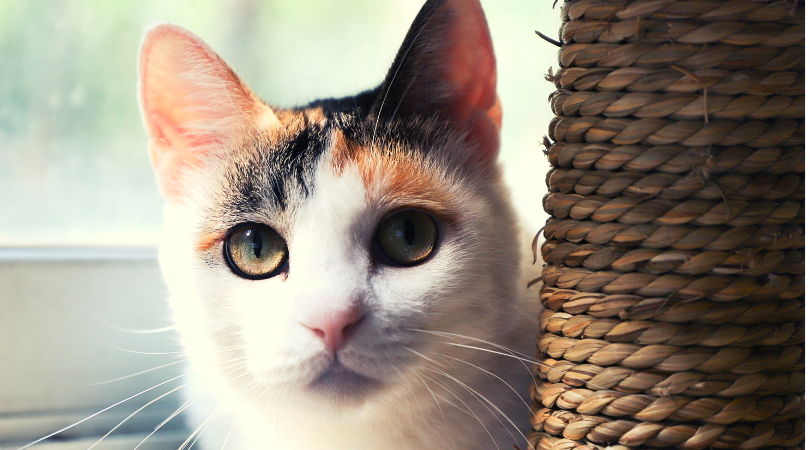
how to prevent cat scratching

Why do Cats Feel the Need to Scratch

Cats have the instinctive need to scratch and to climb atop tall objects.

Giving that they like to stay clean and well groomed, one of the reasons why cats like to scratch is because they try to remove the dead outer layer that forms on their claws.

Furthermore, this specific action helps them to keep their claws sharp, which is essential when it comes to being prepared for using them in case of any danger.

Another reason why your fluffy friend likes to scratch is because it needs to stretch its body in order to stay active throughout the day.

So, if you want to protect your sofa and curtains from its powerful claws, we suggest you to search for a solution that will allow your pet to carry on with its daily routine without causing any damages to your furniture.

We recommend you to opt for a cat playground that would offer your kitty everything that it needs to stay happy.

It is important to realize that cats do not damage carpet and furniture by scratching in an effort to sharpen claws or as a form of vindictive behavior.

Scratching objects is more a way for the cat to groom itself than it is anything else.

Sheaths of a cat’s claws are constantly renewed and replaced and scratching is the way they remove the old sheaths from front claws.

The sheaths of the back claws are removed by mouth.

The scent glands contained in the cat’s paw pads emit the cat’s scent on the surface scratched which enables them to mark territory.

The scent is undetectable by humans but other animals smell it.

Claw marks also provide a visual indication of a cat’s territory to be understood by other cats.

Recommended Product:
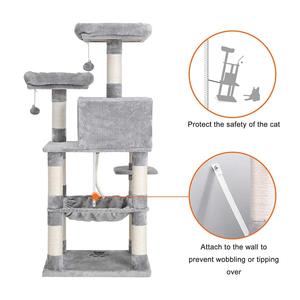
multi-level cat tree with sisal-covered scratching posts

Feandrea Multi-Level Cat Playground with Sisal-Covered Scratching Posts by SONGMICS

FEATURES:
Specially designed for sharpening cat claws, lying around, playing, and hiding.
Natural sisal rope is highly resilient yet strong enough to withstand constant scratches.
Featuring high density construction and superior durability, ensures overall stability for cats.
Made of compressed and glued cardboard, the high density supporting tubes can hold the platforms firmly without wobbling.

Buy on Amazon

When do Cats Start Scratching

Scratching is also an emotional response of cats.

It can be a form of stress relief as it often will increase when territorial conflicts or other stressors arise.

Anxiety, tension and frustration will also result in increased scratching.

Cats often focus on a limited number of obvious environmental objects for scratching such as sofas, fence posts or trees.

Once they have singled out a particular object, they will repeatedly use them for scratching.

This can be evidenced by the presence of a particularly scarred tree in the neighbor’s yard or an exposed portion of a couch.

The visible damage is a communication to other cats as well.

The scent left on an item by the cat’s scratching is another strong form of communication to other cats.

The ability to mark an area or item with the scent from the paw pads is the reason even declawed cats will continually scratch certain objects.

Although the visible evidence is not there, the cat can still mark its territory.

The damage a cat can inflict on the pet owner’s household possessions can be a great source of frustration and often lead to the cat losing its home.

It is much easier to prevent this problem than it is to rectify it.

Once a cat has an established favorite scratching area, it can be very difficult to persuade it to focus on a more appropriate one for the pet owner’s benefit.

It is best to begin training the cat to use a cat scratching post or other acceptable scratching area as early as possible.
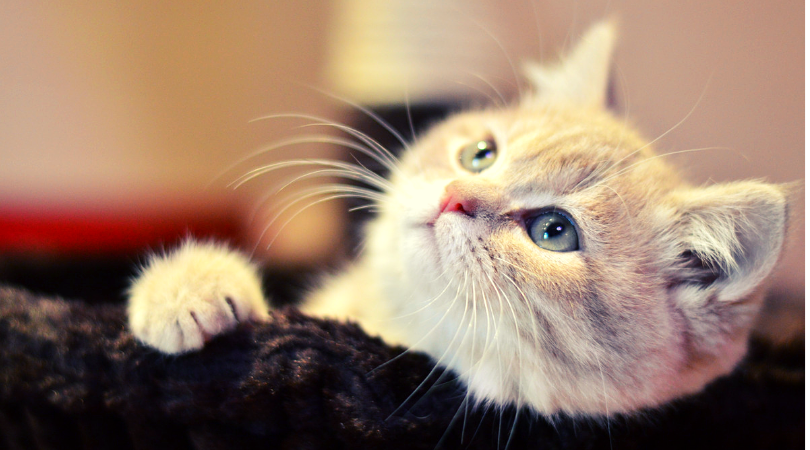
how to stop cats from scratching furniture

The Advantages to Buying a Fun Cat Playground

A cat playground represents a great solution for helping your pet to keep its claws well groomed without destroying your furniture.

Moreover, we all know how cats like to jump on counters and tables, so if you want to save all your house decorations, we advise you to search for a playground that would satisfy your pet’s need for climbing.

Opting for a special cat furniture that features tall elements will keep your cat off your bookshelf, because once your fluffy friend will understand that it has its own private place, it will no longer be interested in other elements from the room.

Recommended Product:
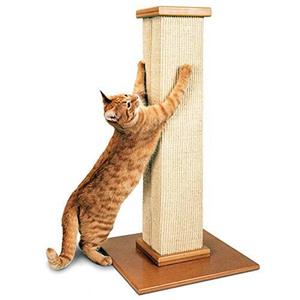
ultimate cat scratching post

The Ultimate Scratching Post by SmartCat

FEATURES:
Encourages mental and physical stimulation of cats.
Durable post allows cats to get a full stretch vertically and tone muscles.
Fibrous woven sisal fiber is extremely durable and encourages scratching.
Sturdy construction with 16” x 16” wide base reduces tipping and wobbling.
The finest materials and workmanship guarantee the scratching post will remain attractive and useful for years.

Buy on Amazon

What to Look for in a Cat Playground?

Cats need their own space where they can retreat when they want to be left alone, or when they want to feel safe.

Therefore, we guarantee you that a playground that comes with practical spaces will meet all your pet’s expectations, and it will turn into its favorite place of the house.

So, we advise you to search for a product that comes with the following elements:

Tall poles with landings

Cloth-covered poles come in all sizes and shapes, so you have to consider your cat’s dimensions before opting for a certain model.

Scratching surfaces

The best scratching surfaces are wrapped in sisal rope for a better resistance, but burlap and carpet-covered areas are also considered excellent for scratching.

Comfortable beds

Cats need a place where they can relax and pour after getting tired of playing, so you must ensure that your kitty has a special place where it can curl up.

Hiding spaces

Giving that felines feel the need to enter narrow places, they will love a playground that they can explore and use for hiding.

Punching toys

Cats like to paw and play with toys of all sizes, so offering them a playground with punching bags, or any other types of toys will definitely capture their attention.

Types of Cat Furniture

There are many types of cat furniture and toys.

Starting from basic shapes to complex structures and sophisticated constructions, you can choose between pieces that can serve as an addition to an existing playground, or you can opt for buying an entire dream house for cats.

Here are the most common products that you can find on the market:

Cat scratcher

This type of product represents a nondestructive surface where your pet can exercise its claws and stay active throughout the day.

Depending on your preferences, you can choose between a simple scratching board, or you can select a scratcher shaped as a bed for comfortable naps.

Furthermore, if you want your cat’s scratcher to match your contemporary house design, you can opt between a wide range of modern shapes.
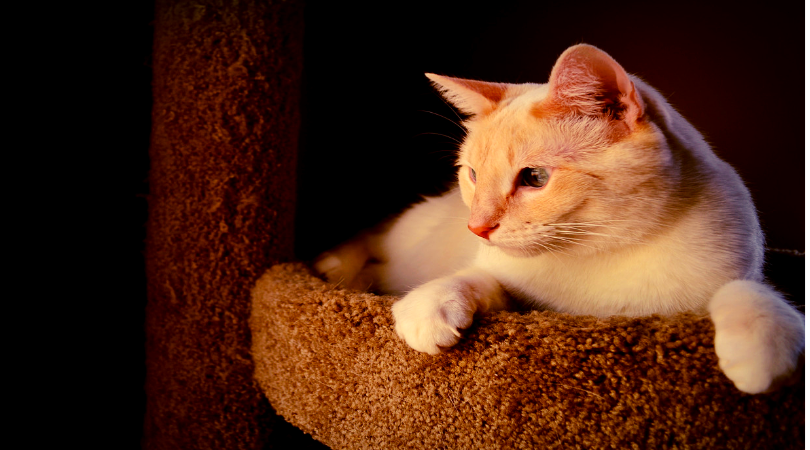
what stops cats from scratching furniture

Cat boxy structures

These products come with random holes that allow your pet to move throughout the inside of the boxes by going from one perforated area to another.

Cat posts

Cat posts can feature a simple shape, or they can be integrated in circular and rectangular structures. Furthermore, depending on their design, they can include cat teasers and toys, or they can serve just for stretching.

Cat trees

Cat trees provide endless options for cats to stay active and play, but also to relax and purr in a comfortable environment.

The most practical cat trees include platforms, scratching surfaces, ladders, special bedrooms, high posts, toys and spaces for hiding.

Cat shelf

Since, they constantly express their passion for perching, cat experts implemented the idea of offering your pet a shelf of its own.

So, you can opt for a Cat Shelf where your fluffy friend can climb and analyze what is going on in the room from a comforting height.

Perch and hideaway furniture

One of the best acquisitions that you can make for your kitty is a piece of furniture that your pet can consider its very own.

Most models integrate all the elements that a cat needs to consume its energy and spend a wonderful time.

The best advantage that you can get by purchasing such a product is that it can serve as an addition for your interior design, so you can be confident that you can place it anywhere you want without ruining your house decor.

Recommended Product:

jumbo cat scratcher lounge

Jumbo Cat Scratcher Lounge for Scratch, Stretch, Perch, Interactive Play by PetFusion

FEATURES:
These scratchers are glued together piece by piece, making them much more durable than the cheaper pre-glued versions.
More than just a typical scratcher stimulating your cat’s natural instincts and curiosity.
Save money and reclaim your couch (carpet, drapes, you get the point).
Modern and durable cat furniture that protect your furniture.

Buy on Amazon

Tips on Choosing the Perfect Cat Scratching Post

Once a pet owner has decided a cat scratching post is needed to stop the cat from ruining the furniture, it is important to remember to consider the cat’s individual taste and preferences.

Without taking these things into account, the cat may continue to prefer the sofa to the scratching post no matter how expensive it is.

It is not uncommon to have to experiment with a few different cat scratching posts before the cat finds one it likes. Attempting to demonstrate the use of the cat scratching post to the cat is a big mistake.

It offends the cat and effectively marks the post as the demonstrator’s territory, not the cat’s.

A significant factor in the cat liking a post is the location of it.

What to Keep in Mind when Placing the New Scratching Post:

Stability – A cat will often put its entire weight into the effort of scratching.

For this reason, the post needs to be solidly stationary.

It should not be able to be toppled by the cats climbing it or jumping onto it.

Size – A cat will usually indulge in a stretch of the entire body while scratching.

The cat scratching post needs to be approximately 28 to 30 inches in length for the cat to accomplish this.

Although some cats may be smaller, it is better to have too much space rather than too little.

Horizontal or Vertical – Although experimentation may be the only way to determine which orientation of the post the cat prefers, it is a good idea to engage in some observation before shopping for the post.

When the cat is scratching the sofa or whatever item it should not be, observe whether it is standing on its hind legs and reaching up or if it is lying down and scratching.

That will show which orientation the cat prefers.

Texture – The best Cat Scratching posts are covered by a rough material that will act as a surface similar to a nail file.

Surfaces that appear to already be scratched will act as visible cues letting the cat know it is permissible to scratch it.

The surface of the ideal scratching item will also be a factor that can be different for each cat.

Carpet, rope and sisal are popular choices. Some cats particularly like the feel of rough fabrics or cardboard.

Cat scratching posts made with sisal are ideal because it has the perfect grain and texture for shredding, an activity cats enjoy.

Recent studies indicate that cats vertical shred marks as a territory markings and sisal allows the cat to make those type of marks.

Although it can look used up when the cat has shredded it, sisal should not be hastily thrown away because the cat has probably just gotten the material to a point where it feels comfortable and familiar.

Location – Poor placement of the new cat scratching post can result in the cat never using it no matter how carefully it has been chosen.

The pet owner should observe the times the cat exhibits the scratching behavior such as after sleeping or upon the owner’s entrance into the house.

The locations of these instances should dictate where the new cat scratching post is placed.

how to make your cat use a scratching post

Using a Cat Scratching Post

It’s a fact that cats love to scratch and they should be encouraged to scratch because it helps not only to clean and sharpen their claws, but also to exercise the muscles from the claws through the legs, shoulders and back.

If you find your cat scratching furniture indoors, consider providing the right kind of cat scratching post.

The fluffy posts that are covered with carpet are not ideal – first of all, how is the cat to know the difference between the carpet on the post and the carpet on your floor?

Secondly, the post needs to be covered with something rough, not smooth, like carpet.

If you do already have a post that is covered in carpet, you could try taking the carpet off and re-attaching it with the rough carpet backing on the outside, this will be much more appealing to your cat.

The ideal type of post is one that’s made of sisal and these are easily available in most pet stores.

Just make sure that the post is large enough and stable enough for your cat to use.

If it’s too small it may fall over or your cat may not be able to get a good grip.

How to Encourage Your Feline to Use the Cat Scratching Post

For example, when you arrive home, rather than immediately petting your cat, you can go to the cat scratching post and scratch it a little bit yourself with your nails until the cat comes, at which point your cat will probably join in.

Then you can stroke your cat while he or she scratches the post.

This way they associate the post with pleasure – you arriving home and stroking them at the same time.

You can also encourage your cat to use the post just before feeding time.

Once again, your cat will associate the post with something pleasurable – food.

It’s unfortunate that many people have their cats declawed because they’ve been scratching the furniture or the carpet when can simply buying the right cat scratching post and encouraging them to use it would stop the furniture scratching.

Cats need to sharpen their claws.

If you provide the right tools for them to do it then you needn’t worry about your furniture.

Категорије: Cats

An In-Depth Guide to Roundworms in Cats

јун 23, 2019 By liv parmel

It’s not very uncommon to find roundworms in cats, especially in kittens. When kittens have roundworm infestations, it is usually because the worms have been passed on to them by their mother prior to their birth or following their birth through their mother’s milk. Cats of any age can be infested with roundworms, as can dogs; but these parasites can be particularly hard on kittens.

Kittens are much more vulnerable to the problems roundworms can cause than adult cats are, although older cats that have become debilitated can sometimes be at a high risk of becoming seriously ill should they become infected with roundworms.

What are Roundworms

Roundworms are parasites that live in the intestines of dogs, cats, and other animals as well as of humans. Roundworm infestations are contagious in the sense that their eggs can be transported from one animal to the next, either by direct contact or through dirt or debris that can harbor them.

With dogs and cats, roundworms are usually spread by feces, in which their eggs will usually be present once an animal has become infected. These eggs usually enter the feline’s body through its mouth if the cat should lick its paws, which cats of course frequently do, and the paws have become contaminated. In some instances, roundworm larvae will burrow through the skin.

all about roundworms in cats

How Roundworms Look Like

Roundworms are long, thin worms. In fact, they are so thin that they bear some resemblance to spaghetti. While they can be quite small, they can at times grow to be anywhere from 3 to 5 or 6 inches in length, particularly if they reside in a cat’s intestines, where there is always an ample supply of food.

There are a number of different species of roundworms. The two species known to affect cats are Toxocara cati and Toxascaris leonina, with T. cati being the more common of the two.

Once inside an animal, the adult worms take up residence in its intestines. The larvae however can travel throughout the body through the bloodstream and take up residence in other organs, such as the liver and the lungs.

In most cases, they do not cause damage, although on some occasions they will. If roundworms should take up residence in an eye for example, vision problems or even blindness can result.

Most of the time, roundworms are ingested as eggs and find their way into the intestines. It is in the intestinal tract where these eggs hatch, after which the larvae begin their migration into the bloodstream and throughout the body. The larvae will enter another stage in their development while in the liver and will enter yet another stage after passing into the lungs through the bloodstream.

When they mature in the lungs, they tend to be coughed up by the cat (one of the symptoms of an infection) and are then swallowed, after which they will return to the intestines to become adult worms. The adults then lay their eggs in the intestines to start the cycle all over again.

It should be noted that the eggs of roundworms are not always infective.  It is only three weeks or so after they have first passed into a cat’s intestines that they will become infective. It is at this point that the infection can spread if the roundworm eggs are then passed into the intestines and into a cat’s feces.

Transmammary Infection

As noted previously, one source of roundworms in kittens is the mother’s milk. When this occurs, it is referred to as a transmammary infection. Often, the immature larvae are the source of the problem as they may be present in the mother cat’s mammary glands. Kittens are less apt to pick up eggs from feces unless one or more of the other kittens in a litter have become infected.

Adult cats will sometimes become infected by roundworms by eating what are called paratenic hosts. Rodents often play the role of paratenic hosts. These are hosts in which roundworm eggs are present. These eggs may hatch in the host’s intestines, but cannot mature as long as they are in that host.

Once eaten by cats, or another animal, the eggs can mature, undergo a transformation into larvae, and eventually become adult worms, at which point the life cycle will resume. In some cases, the larvae may exist for some time in a dormant state.

When a female cat becomes pregnant, these inactive larvae will sometimes come out of dormancy and will be passed to the kittens through the mother’s milk or passed through the placenta prior to the kitten’s birth.

Roundworms are not the only type of worms that can infest cats, but they are the most common. Other types of worms that can cause problems are hookworms, tapeworms, and lungworms. All three types can create problems for a cat, and it is the hookworm that is potentially the most dangerous parasite, especially when kittens are involved.

symptoms roundworm infection in cats

Symptoms of Roundworms in Cats

While roundworms can be especially hard on kittens, their presence isn’t always noticed in adult cats, many of which may not show any symptom of being infected. While roundworms can potentially be a serious health problem, their presence in an adult cat may not be detected until the cat suddenly becomes quite ill.

The symptoms that may be noticed can vary both in intensity and in type, depending on the overall health of your feline buddy, which of the two species is involved, and the location or locations of the infection.

Two of the more common symptoms are diarrhea and blood in the stool. In some cases, worms may be observed in the stool, or segments of worms may be noticed in the area immediately surrounding the cat’s anus. Your cat may suffer from bloating, weight loss, or both conditions, and vomiting is a fairly common symptom as well.

In instances of bloating, your pussy may suddenly begin to take on a potbellied appearance. In particularly severe cases, your cat may have coughing spells or have trouble breathing, indicating that the infestation may be limited to the digestive system but may be affecting the cat’s lungs as well.

Diagnosis – Look for Floating Eggs

The next step would be conducting a diagnosis, which needs to be done by a veterinarian unless the presence of the parasites is obvious. While adult worms or segments of worms can usually be located in a cat’s feces fairly easily if they are present, determining if eggs are present can be somewhat more of a challenge since they are so small.

One technique that is often used is to place a sample of feces on a glass slide for viewing in a microscope. A special solution is mixed in with the feces. This solution causes the eggs to float to the top, where they tend to collect and become more visible. When viewed under a microscope, roundworm eggs are quite distinctive in appearance.

Dangers Posed to Cats

There are three primary threats that roundworms can pose to cats. Understanding what these threats are will help one to make a decision to have a cat treated:

  • Roundworms or roundworm larvae in the lungs can lead to pneumonia.
  • Roundworms in the intestines in sufficient quantities can rob a cat of the nutrition it requires.
  • Roundworms in the intestines in large enough numbers can cause intestinal blockage, a very serious condition.

Treating Roundworms in Cats

Treatment for roundworms is generally not difficult as there are a number of medications that are both safe and effective. Both oral and topical treatments are available, and both are relatively inexpensive.

Treatments can also be given by injection. Injections are a common method of treatment for kittens, since they can be given together with a kitten’s booster shots. Several injections, at two- or three-week intervals, are needed since the medication kills the adult worms and larvae only, but not the worms’ eggs.

Eggs that are already present in a kitten or cat will hatch in about three weeks, at which time they become vulnerable to the mediation. Treatment should routinely be given to kittens since it is the kittens that are at a high risk of becoming quite ill.

Outdoor cats should be treated periodically for roundworms as well. Veterinarians usually suggest that heartworm medications be given to pets on a periodic basis. Heartworm medications, usually taken as pills, can take care of roundworms and hookworms as well.

how to get rid of roundworms in cats

Prognosis for a Cat Diagnosed with Roundworms

The prognosis is usually good if the medication has been given in good time. The prognosis for kittens may not be so good if treatment is not given, or is not given in time, since a kitten can easily become debilitated to the point where it may die.

Avoidance and Prevention

There are at least five things that can be done to keep your cat free of roundworms, none of which are particularly difficult. Preventing or treating an infection early on is usually far less expensive than treating a cat that has become very ill from roundworms.

  • Feces should not be allowed to accumulate in your cat’s litter box. If there should happen to be eggs in the feces, some of the eggs could end up on the cat’s paws and could be ingested the next time your cat licks its paws to wash itself.
  • When scheduling an annual examination for your cat, ask the veterinarian to test a fecal sample for eggs unless that is already normal practice during such an exam. If roundworms appear to be a common problem where you live, especially if your cat is an outdoor cat, having a fecal exam done several times a year would not be a bad idea.
  • If you are a breeder, female cats (called queens) should be dewormed before they are allowed to become pregnant to prevent the transmission of an infection from the mother to her kittens.
  • To the extent possible, control insects and rodents that may be carriers around your property.
  • See that your cat receives heartworm medication periodically as prescribed by your veterinarian. Many, if not most, heartworm medications will eliminate roundworms as well.

Dangers Posed to Humans

The species of roundworms that affect cats cannot mature in a human host. The human then would assume the role of a paratenic host. The fact that the eggs will not fully mature does not however mean that humans will never feel the effects of their presence.

The eggs can hatch and enter the larval stage but can go no further. These larvae, known as stage 2 larvae, can however travel throughout the body and cause diseases in various organs, including the lungs, the eyes, the brain, and the liver.

Toxocariasis Disease

A disease in humans caused by these larvae is called toxocariasis. Toxocariasis is especially harmful if it affects the eyes since it can lead to blindness. If the larvae migrate to other organs, they can cause inflammation, leading to an immune system response that can at times prove damaging to organs.

The good news in all of these is that roundworm infections, once they are known to exist, are usually easily treatable. In addition, healthy adult cats are much less likely to become ill from an infection.

They should of course be treated if an infection is known to exist and be given periodic medications to prevent infections from occurring in the first place. While roundworms cannot mature in the human body, the immature larvae are still capable of causing a number of serious problems.

Категорије: Cats

How to Litter Train a Kitten

јун 20, 2019 By liv parmel

Most of new cat owners have the same question after the first day with their cutest kitten: How to Litter Train a Kitten?

It is instinctual for a kitten to cover up their waste after they are done. It doesn’t matter if they are using a litter box, a sand box, or your potted plant. As long as they have something soft that can bury their waste they will use it. Chances are you would prefer them to use their litter box.

Even outdoor cats, which tend do their business in the garden outside, will use their litter box when inside if they have been trained to use it. This is why it’s important to start litter training when they are a kitten.

Things to Consider Before Choosing a Kitten Litter Box

Before you begin litter box training the kittens the first thing you need to consider is how many kittens you have in the house. Ideally, there should be one litter box available for each cat or kitten when doing litter box training. In addition to that, you should keep a spare box in another location of the home just in case your cat has a problem with one the other boxes.

How to Litter Train More Cats

If you have several cats, or live in a small apartment with limited space, the cats will usually learn to adapt and share their little retreat. Keeping this in mind, you should still try to have two boxes available for them. This does help during litter box training.

How to Litter Train a Kitten

Going back to your cat’s natural instincts, and this is really important to litter box training your kitten, he or she prefers to have an environment where they can do their business and then bury it from sight. This is why, in a cat’s eyes, a litter box filled with pliable cat litter, is much more preferable than simply using your nice, clean floor.

The only reason why a cat would do their deed on the floor is because they are not aware that a litter box is available, or they have a problem with a particular litter box and refuse to use it.

RECOMMENDED PRODUCT

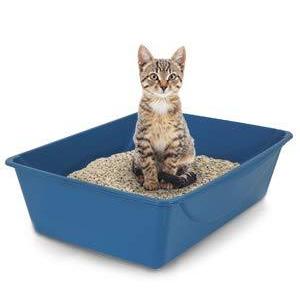
Petmate Open Litter Pan for Kitten

Petmate Open Litter Pan for Cats Of all Sizes

  • Litter pan design promotes stability when lifting and filling.
  • Entrance ensures comfortable access for cats of all sizes.
  • Comfort-grip pan is rimmed on all sides for easy lifting and cleaning.
  • Wide-profile base keeps litter contained within the pan.
  • Made using durable, pre-consumer recycled plastic.

Buy on Amazon

How To Train a Kitten To Use The Litter Box

When it comes to kitten litter training, the mother can teach the kitten how to use the litter box if she is around the kitten for a long enough time. Even other cats in the house can show the new kitten how to use the litter box. But if the kitten was taken away from its mother too early, or you have no other cats in the house, then the litter box training is going to fall onto your shoulders.

First, purchase a kitten sized litter box. You may be able to get a kitten into an adult sized litter box, but if the height of the door is too high then some kittens will not attempt to jump into their little box and avoid it all together.

When choosing the litter box try to pick the least scented and most natural clay-type litter that you can find. This will ensure your cat doesn’t get turned off by unnatural scents or clumping action. Just basic stuff that they would use outside works best for kitten litter training.

Second, find a location in the house that works well for you and for your kittens instincts. Also, remember that a kitten will want to have some privacy while doing their business, so a closet or somewhere behind furniture will be a good place to stash their little box.

Thirdly, remove all other options from the house. If you have floor potted plants, or even a sandy zen-garden inside, remove them until your kitten is litter trained. They will not know the difference between your potted plant and their litter box, as it all looks like stuff that they can bury their waste in!

Lastly, introduce your kitten to their litter box as soon as they come home. Place your kitten in it, and let your kitten smell around and figure out what it is. You can even mimic your kitten digging by taking the front paws and using them to dig a little. Your kitten should instinctively pick up what their paws are trying to do.

If your kitten does not use the litter box right away, then take your kitten to their litter box many times throughout the day. This will increase your chances of putting them in the litter box at a time that they have to go, and your kitten will quickly figure out that this is a great place to do their business.

Remember to keep the litter box clean at all times. Even kittens are picky and will not do their business in a dirty area. You want to make sure they are consistently using their litter box in order to train them quickly.

PrettyLitter Ultra Premium Cat Litter

How to Litter Train a Kitten the Easy Way

Generally speaking, momma cats will teach their kittens how to use the litter box. However, if you are picking up a stray cat or getting a cat from a shelter they might not be trained. So here is how to litter train a kitten. Its not as hard as you might think.

How to litter train a kitten tip #1 – Choose The Right Litter Box

This is a very important step. You have to make sure the litter box you get is low enough for the kitten to get in and out of with ease. If you want to give your kitten a level of privacy you can get one with a cover over it. Plastic is the best material because it is easy to clean.

How to litter train a cat tip #2 – Put The Litter Box In A Quiet and Easily Accessible Place

Most people will put the litter box in the laundry room. This is a great place because it provides privacy and they are usually close to the kittens eating and sleeping area. If you have small children or other pets, consider putting up a small gate to keep the area safe for the kitten.

How to litter train kittens tip #3 – Use Unscented, Clumping Litter

Some kittens are very sensitive to the smell of litter. To help them adjust use a unscented litter to start with. You should also use clumping litter so you can easily clean it out. If you use litter that doesn’t clump it will be very difficult to find the waste and remove it.

How to litter box train a kitten tip #4 – Introduce The Kitty To Their New Litter Box

Once you get the litter box home, take the kitten and put him or her in the litter box. The kitten will probably sniff around and scratch the box trying to see what it is. The first time they use the bathroom in the litter box make sure you leave the waste in it for at least a day. This way the kitten will learn where to go based on the scent.

How to litter train a kitten tip #5 – Keep The Litter Box Clean

Have you ever walked in a home and got hit in the face with the smell of kitty litter? That’s because the owner wasn’t cleaning the box out on a regular basis. Once your kitten starts to grow up and use the litter box on a regular basis you should be cleaning it out once a day. By doing so you will eliminate odors and keep the area clean for the kitten.

how to litter box train a kitten

Cat Litter Training Problems

A common problem with getting cats to use a litter box is that cats may find it hard to get in. If they are in a big hurry then they will go on the floor. This means that the smell and urine will have to be cleaned up. You don’t want to have to do this so you need to make sure your cat goes in the box.

Cats may have a problem with the type of litter you use and so they will avoid the box and use the floor or carpet to do the job. With small kittens the litter could get caught in their claws and so they will not use the litter. Cats may also have a serious health problems that makes them act this way as well.

3 Mistakes You Will Make in Litter Training Your Cat

Litter training your cat will save you countless hours of frustration but there are a few mistakes you may make while learning to litter train your cat.

How To Litter Box Train A Kitten Mistake #1 – Using the wrong type of litter:

In order for your cat or kitten to use a litter box it is crucial to use the right type of litter. If the litter has too much clay in it the litter may get stuck in the cat’s claw and it won’t want to use the box.

How To Litter Train A Kitten Mistake #2 – Placing the litter box in front of people:

Cats are very private animals and prefer to have their box in a private place in a corner so they can do their business privately. Your friends and family don’t need to see the box or your cat at this time as the smell could offend them.

How To Litter Train A Kitten Mistake #3 – Not using enough litter:

Cats are territorial creatures and nature has taught them to cover up their messes. The same is true when nature comes calling. Cats need enough litter in their box to cover over their messes. When your cat covers over its mess properly then you can praise it for a job well done.

When It Comes To Cat Litter Box Size Matters

Learning how to litter train a kitten does need your initial patience, but if you get it right it will have obvious rewards for you and your special new friend, for many years to come.

Think first of all about the size of your little pet, it’s tiny! A large space may be daunting, so consider a small quiet room, where the kitten is not too often disturbed, where you will be happy for your kitten to go to the toilet!

A small box with quite low sides would be ideal, although it needs to be sufficiently deep enough to hold the kitten’s toilet litter and ideally needs to be cleanable. Your kitten will bury its toilet movements into the litter very quickly, once it gets the idea, so a tray about the size of a shoe box would be a great start.

RECOMMENDED PRODUCT

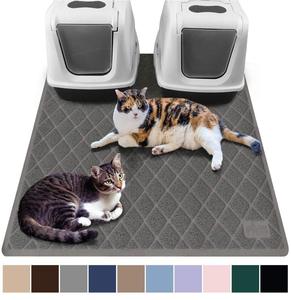
Premium Cat Litter Mat by Gorilla Grip

Gorilla Grip Cat Mat

  • A slip-resistant backing to help prevent the mat from slipping and sliding on your floors.
  • Messy litter and debris stay trapped on your mat.
  • Manufactured with the softest materials to protect even the most sensitive paws.
  • Gorilla Grip innovative design features carefully constructed grooves and tight mesh that capture and trap litter your cat kicks out of her box.

Buy on Amazon

Other Useful Tips on How to litter train a kitten

It may be prudent to spend some time with the kitten during the training days, as it will return over and over again to the place where it went to the toilet last time! So make sure that your new rules of how to litter train a kitten are safely passed on to your kitten. So he/she definitely knows where you want that to be!

If you find that the kitten goes to the toilet in an unsuitable different place, pick up the waste quickly with a tissue and place this, along with the dirty tissue, immediately into the kitten’s litter tray, ensuring that it knows that this is where it should be… And what it smells like!

Take the kitten’s paw and gently scratch the litter with it, giving the kitten experience of knowing what to do. Continue repeating this if mistakes are made. Alternatively move the tray!

A kitten is likely to use the litter tray, or go to the toilet, around 30 minutes after eating its food, so watch carefully and encourage the kitten into the right area. Keep doing this for a few days and it will soon get the hang of it.

Mistakes can be made if the kitten cannot find its way back to the litter tray in time! My tip would be to try and confine the kitten to a small space around the litter tray for a few days, allowing him more space as he gets older and bigger.

After a couple of weeks, or within a short period of time, you will have learned how to litter train a kitten and can look forward to happy days with your new fluffy new friend.

Kitten litter training is quite easy as long as you follow the above tips. Making it accessible to them, keeping it in a comfortable place, and consistently encouraging them to use it will help to ensure that they quickly know where to do their business.

Категорије: Cats Тагови: How to litter train a cat

Aggressive Cat Behavior

јун 10, 2019 By liv parmel

Cats are generally considered to be very independent animals. They can often safely be left to their own devices. However, it is also the case that they can provide their owners with a lot of love and affection. In order to have a good relationship with a pet cat is important to be able to understand cat body language, and to interpret cat behavior.

Despite the fact that cats are independent they can also be very territorial about where they live. They will rub themselves in their area to leave scent behind. This behavior is known in the animal world as marking territory, and is done when a cat wants to alert others to its presence. This territorial behavior can often lead to aggression as local cats fight for dominance.

Fighting between cats can also occur when a neighborhood female cat is in season. Male cats will fight to be the first to mate with her. Sometimes a cat’s general aggression can be directed towards humans. This is one of the main cat problems which owners must be aware of. The aggression usually stems from a cat having insufficient social stimulation as a kitten, both from other cats and in interactions with humans.

aggressive cat behavior towards humans

Aggressive Cat Behavior Towards Humans

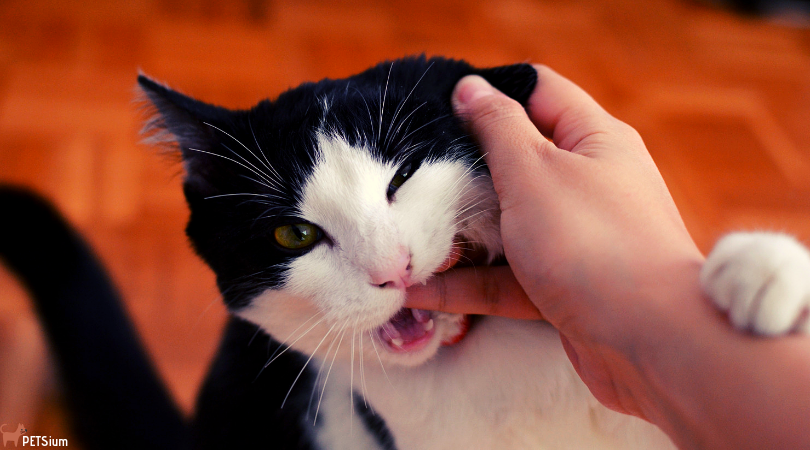
People who do not know many facts about cats, often under-estimate the damage a cat can do against a human. A small dog that is the same size as a cat can do little damage, but the different is that the dog only has one weapon the mouth, while the cat has five, the mouth and four paws with sharp claws. This is why all cat owners should take aggressive cat behavior towards humans very seriously.

There are many different reasons for aggressive cat behavior towards humans. The most commons reasons are learned aggression, violent play, defensive aggression, offensive aggression, aggression associated with handling and redirected aggression. Aggressive cat behavior towards humans are often related to illness and pain. Especially if your nice and kind cats turns aggressive.

Just like humans will the cats tolerance become low when it is in pain or ill. It will often become aggressive if you touch it or it think you will, were it is in pain. You should always have your cat checked if you suspect it to be this. When the cat is healthy again, will the aggression often disappear.

Learned aggressive cat behavior towards humans

Learned aggression is that the cat has learned in some situation can it pay of to be aggressive. The cat has learned it can get its way if it is aggressive.

A classic example of aggressive:

Your cat does not like to be brushed, a day were the cat is in an extra bad mood, will it hiss and try to hit you. You will pull your hand back. The cat will then think “HEY, my lovely owner stopped, I will just do the same next time”. It has now learned that by being aggressive towards you, it won’t have to be brushed.

Solution to this aggressive cat behavior towards human

If you react the way the cats want on its aggressive cat behavior, will it use the same tactic the next time. If your cat react aggressively when you touch it, the most correct way will be not to move the hand, but no one want to be close to an angry cat.

This is why you have to be clever, you could use like stick or something and keep touching it and just let it go all out on that stick. At some point the cat realize that it does not help and you should be able to touch it. You can increase the effect by giving the cat a snack if it does not react aggressive.

how do make cat less aggressive

Violent play in cats

Aggression in the form of violent and uncontrolled play is very common, but also very easy to solve. The problem can be everything from the cat has its claws a little too far out when playing or the cat attacks the owner with biding and scratching.

Violent playing is mostly a problem for indoor cats, because they have to get of some energy. And they can’t run outside and hunt. It is a common problem when the cat is a kitten and a young cat, and it will often disappear when it grow up. But for some cats it does not disappear. There are two reasons for this behavior, under stimulating and learning and a lot of the times both.

Under stimulating:

Under stimulating is mostly indoor cats who are bored and because they can’t hunt birds and mice outside, they hunt humans to satisfy their hunting instinct.

Learning:

It is often the cat owner who “teaches” the cat to be violent, because it fun to let the small kitten attack the hand or foot. And owner does not stop it, because it does not really hurt that much. But when the cat gets older, it still think it is okay, but now it hurts, because its teeth and claws has grown out. It is also a matter of kitten development.

When the kitten is small it fight with its siblings, if the cat bites two hard the other cat will react. And none of the cats want that, that is why the kittens adjusts the power of their bite so the playing can continue without anyone getting angry. Single kittens or kittens that have been taken away from the mother to soon will often have a hard time playing “nice”.

The solution to this is to learn the cat to play nice or prevent it from beginning to play rough. It is easy to prevent the cat from becoming violent if you follow these rules:

  • Your hands are for caressing and not for playing.
  • Always use toys when playing. So the cat attacks the toys and not you.
  • Stop the playing if the cat begins to play rough.
  • If the cat attacks the foot when hunting a toy, stand still, it is not fun to attack a “dead” foot.
  • Make sure to play with your cat on a daily basis, especially with indoor cats.
  • Make sure to stimulate the cat in different ways

If the cat already is aggressive the problem is harder to deal with, but it can still be possible learn the cat to play nice with this six rules. But if it more seriously you could try to spray the cat with some water if it is too violent.

NEVER user any form of physical punishment, it will only make it worse and more personal for the cat. Another solution could be to find the kitten or young cat a playmate.

Defensive Aggressive Cat Behavior Towards Humans

This is probably the most common reason for aggressive cat behavior towards humans. The cat uses the aggression as a defense. The cat becomes aggressive when it feels threatened, if it can escape will it’s normally do that. Defensive aggression often happens when a cat it held or is forced up in a corner. Insecure cats will often use this form of aggression.

A bad socializing can develop this form of aggression. A cat that is use to being carried around and held will often be more likely to accept a lot more than a cat who has not been use to it. Its behavior will become worse and worse, because it is a combination of learned aggression and defensive aggression.

An example:

Your cat is scared of the neighbor’s 4 year old girl because she once pulled it by the tail. Next time she does your cat will turn around and scratch her, and she stops. The cat now knows that it helps (learned aggression).

Next time she does it, will it do the same, this become worse and worse, and next time the little girl come over to visit you, your cat will instantly attack the girl, because then it does not have to be pulled by the tail.

Solution to this cat behavior

Defensive aggression is easiest being avoided by socializing the cat from the beginning. If the cat is very anxious and react very aggressive on you touching should you use the techniques from learned aggression. It is important never to corner a cat. And if there are kids evolved, tell them how to handle the cat correctly.

aggressive cat behavior solutions

Offensive Aggressive Cat Behavior Towards Humans

This is the opposite of defensive aggression; this is where the cat uses aggression as a way of getting what it wants and to control certain situations. This cat behavior is normal with cats that are very confidence, and they know what they want and what they don’t, and they will not stand for anything.

The cat will often become aggressive in handling situation, like when it is getting brushed, it does not attack because it is scared like defensive aggression, but because it don’t want that right now. It only want to get petted when it is in the mood for it. It becomes worse if the owner accept this behavior, because it then becomes learned aggression.

Solution to this cat behavior

The keyword here is control. To take control you have to do following things. First you have to tell the cat that it gets nothing out of being aggressive, so if you are trying to get it down from the chair and it reacts aggressive, don’t stop, keep pushing it down.

To take control is it a good idea to use the approach “something for something”. The best things here is to take control over food.

First separate its daily portions in to small portions, ever time it’s time for food, you call after it. So it knows that it have to come to you to get food and not the other way around, you are not its waiter. When the cat comes try to touch it, start just by padding the back, if it reacts aggressive, you put the food away and wait for a bit and then try again.

Slowly increase the amount of handling and padding. The end result will be that the cat understands that it does not help to be aggressive.

Aggression Associated with Handling the Cat

Most cats love to get petted, and some even seek it. But it can suddenly change, and it bites and scratches and then run off. This is why many people who do not like cats say that they are unpredictable. It is hard to say what the reason for such behavior is, but it is most likely that the cat is in conflict with itself.

At one side it wants to get petted, but one the other hand it does not want the owner to get to close, or maybe there is some areas were the cat does not like to be petted. The cat has a line of how much and were it want to be petted, if the line is cross it becomes aggressive. The stomach is for some reason the place you don’t want to touch your cat.

Solution to this cat behavior

This problem can be prevented by socializing the kitten, if the kitten is use to being handled from it is a kitten, will most likely accept more handling when it grow up. But of course are all cats not the same, some cats love to be petted and someone does not.

It is also a great idea to learn the cats signals. Even though it looks like the cat just out of no where becomes aggressive does it actually show some signs, that indicate that you are soon crossing the line. First it will stop purring, and after that the tail will begin to swing from site to site, if that happens it is about time that you stop petting the cat.

You can also trough cat training make the cat love petting more. First you need to learn were the cats line is, when you do then stop before you cross it. For example if it likes to be petted in 1 min, then stop after 45 seconds. This should slowly increase the time of where the cats like to be petted.

There are 3 things you always should remember:

  • Make sure never to hold the cat to hard
  • Beware of the signs, that indicate that you should stop petting the cat.
  • Do not touch the sensitive places on the cat, such as the stomach before you have trained it to accept it.

how to stop aggressive cat behavior

Redirected Aggressive Cat Behavior Towards Humans

Redirected aggression is when aggressive reactions are taken out on a target, which did not trigger the behavior. This happens when it is not possible to react on the “real” thing. This is common with most animals and humans. This redirected aggression often happens when another cat triggers the behavior.

For example if the cat is sitting in the window hissing at a cat outside, because it cannot get to it, but it is agitated it attacks you instead because you are the closet and easiest target.

Solution to this cat behavior

To solve this problem you have to find the reason for it, because this cannot be solved like other “aggressive cat behavior towards humans”, because it is not really the humans fault. If the cats attacks you when you stand between the cat and a new cat in the house should try to solve the problem between the two cats.

If your cat becomes aggressive because of cats outside the house, should try to remove the cats outside.

Aggressive Cat Behavior Toward Other Cats

It often happens that the peace in the house is ruined by two cats fighting or bulling each other. And it can be very frustrated for the other, who might have bought two cats so they can enjoy each other’s company, but instead they are fighting.

The reason for aggressive cat behavior toward other cats

There are many reasons that can create the problems between the cats. The most common problem to this aggressive cat behavior is territorial aggression. Even though a cat is very flexible when it comes to socializing, you must remember that it is by nature a loner and it only socialize with other cats when it is time for mating and for female cats when it takes care for the kittens.

If there is enough food in one place it sometimes happens that cats gather in communities, were they live and raise kittens together. It is not like herd, more a lot of cats who tolerate each other’s presence.

why is cat aggressive towards other cats

There is a lot of cats who live perfect together and love each other’s company. But just like humans are their some cats who can’t together. It is totally normal that there are small arguments, with some wheezing and a couple of paw strokes. You first have to be worried if it turns in to frequent arguments which turn in to real fights.

The kittens development has a great impact on the cats social behavior towards other cats. Cats who has grown up with other cats are more social than cats who have not. Also, cat who have been taken away from the mother to soon, is often more antisocial.

It also happens that indoor cats that can see cats moving around outside the house become aggressive towards each other. If two cats who normally is great friends becomes aggressive towards each other can be because one of the cats has been some were else, like the vet, and is carrying smells of other cats.

A house with a lot of cats can give the cats stress and stress can lead to aggression. It is not unusually to see that there is one cat out of many in the house who will be the victim to the others cats bullying. This is not a problem with outdoor cats because they can just hide or runaway for a while. But for indoor cats there is no hiding places and the cat won’t have a good life.

How to solve aggressive cat behavior towards other cats?

If you haven’t done it, than sterilize or castrate your cats. Cats who are sterilized or castrated tend to fight less. But it doesn’t help every time.

Prevent aggressive cat behavior

It is always a great idea to prevent a problem before it happens. It is always a good idea to introduce two cats to each other slowly. Start by keeping them separated with only a door between them, so they can smell each other. After a couple of days, open the door a bit so they can see each other, but not touch. After a couple of days more, you can put them together.

Stay in the background and be passive and calm, your anxiety can be felt by the cats. If the cats begin to fight, take a blanket or spray them with water to keep them apart. If the cats do not begin to fight you can begin to play with together. Or try to give them some cat herbs, this will make them more playful and it can break the ice between the two cats.

Treatment:

If your cats already are together, it can help if the cat has its own food, water and sleeping spot. Try to feed the cats together in the same room, but with great distance. If you are lucky will they accept each other over some time, because they relate the presence of the other cat to something nice, food.

You can also try pheromones. It is not all cats who can live together, and sometimes you just have to accept that you have to find a new home for one of the cats.

Cat behavior which is deemed to be aggressive or destructive can often been corrected by training cats. As with dogs, training a cat will involve rewarding desired behavior and punishing behavior which is deemed to be wrong. Cats cannot be trained to the same level of obedience as dogs. But their behavior can be altered with consistent and repetitive training.

A lot of cat behavior can be explained by the fact that domesticated cats are closely related to, and descended from, wild animals. When pet owners are looking for a cat behavior meaning it is often that any actions are instinctive as a result of evolution. Despite this, cat training is always a viable option to attempt to address any behavior which is deemed to be destructive or dangerous.

Категорије: Cats

Digestive Problems with Kittens

јун 7, 2019 By liv parmel

If you own kittens, then you must be worried about their health. Cats can have serious illnesses that can eventually lead to their death. You do not want that to happen. For you to be prepared, you need to know the most common cat ailment like digestive problems and how to prevent and treat them.

What to Do About Kitten Constipation

Kitten constipation is pretty common, especially among hand-reared kittens and premature kittens. The reason is because mother cats stimulate the anal region of their kittens frequently. If something happened to the mother cat soon after her kittens were born, then this is something you will have to start doing. If you allow feces to build up inside the kittens’ anuses, it can turn toxic and kill them.

Premature kittens often have constipation because their organs and bodies are not fully developed. They need to be fed every hour or two with diluted kitten formula. Premature kittens, like other kittens, should have a bowel movement at least once every two days. They especially need to have their anus stimulated often to avoid kitten constipation.

To stimulate your kitten’s anus, you can try a warm wet cotton ball first, although it may be too rough for some kittens’ bottoms, especially the premature ones. The best way to stimulate your kitten’s bottom is with your index finger. Trim your nails and then start running warm water at the sink. When it’s the right temperature, put the kitten’s bottom in the stream and gently stimulate her anus. You’ll know you’re not doing it right if the kitten doesn’t have a bowel movement after you do it.

kitten constipation

So how do you know if kitten constipation is a problem?

Normal kitten feces is easily passed and looked similar to brown toothpaste. If the feces are small, hard lumps, then your kitten is starting to get constipated. You’ll also know your kitten is constipated if he strains to have a bowel movement. Constipated kittens also tend to have a hard abdomen that’s distended and may be tender to the touch.

If your kitten has not had a bowel movement for more than two days, then try a small dose of liquid paraffin or another feline laxative. Use only about a half milliliter of paraffin with each feeding for one to two days. Avoid paraffin if the kitten is especially young. Instead, rub some white petroleum jelly into the kitten’s anus. Be sure to warm it up in the microwave a tiny bit before you rub it in.

One important factor in keeping kitten constipation away is how much exercise your kittens get. Keeping them in a box or cage will prevent them from getting the exercise they need to help their digestive system function properly. Be sure you let them out plenty of times per day to play, romp, and work those digestive muscles.

Another thing to watch is how much water your kittens drink. We all think cats and kittens drink milk all the time, but it’s important not to forget the water. Water keeps the kitten’s bowels hydrated and helps them pass stool more easily.

If the kitten constipation keeps coming back or never seems to go away, then it could be a symptom of a more serious problem. You should seek the advice of a veterinarian if you can’t seem to get rid of your kitten’s constipation.

Is Kitten Diarrhea Dangerous?

It may be difficult to know how serious kitten diarrhea really is. While you don’t want to panic, you certainly don’t want to let a problem escalate out of control. Taking action though will prevent it from getting any worse than it already is. Important nutrients that the body does need are lost when diarrhea is present. Do what you can to keep that loss to a minimum.

Food for a kitten with diarrhea?

It makes sense not to give your kitten food to fuel the diarrhea so that it doesn’t continue. There are some items you can offer though what may help to reduce it. Yogurt is a great food product that can kill bacteria in the body. You need to use plain yogurt though, a type that has fruit or various flavors added to it.

Cottage cheese is a good option for kitten diarrhea too. This isn’t something you want to give very much of though. A tablespoon at a time to see how our kitten reacts to it is a good idea. You can mix it up with some cooked beef too if you want to encourage your kitten to consume it.

Cooked rice is filling so your kitten won’t be as hungry. It can help to absorb additional water that is in the body when those loose stools are being created. Rice is very good for kittens too as it contains large amounts of vitamins and nutrients that they need. It is never a good idea to deprive your kitten of all food while you wait for the diarrhea to pass.

What you do offer should be given in very small portions. You can offer it several times a day to give the body time to properly digest it. If your kitten doesn’t want to it you may need to fit it out of your hand and gently coax him or her to swallow it.

If kitten diarrhea doesn’t go away within 48 hours then it is time to kick it up a notch. Contact your vet so that they can examine your pet. Fecal testing can be done to find out if there are parasites or other factors present that can be causing it to continue. They can also do blood work to find out if there is any other type of health concern that needs to be explored in further detail.

kitten diarrhea

Diarrhea in kittens can be a symptom of serious health problems

There are some serious health problems where kitten diarrhea is a common symptom. In addition to parasites it could be an indicator of leukemia, consuming poison, or a type of bacteria that has found its way into the body. This is part of the reason why it is so important for them to get vaccinations on schedule.

Most of the time kitten diarrhea isn’t anything serious to worry about. Yet there are times when a kitten can become dehydrated because of it. Make sure you continue to get your kitten to drink some water during the day when this is all going on. If they won’t drink on their own then they use of a dropper may be necessary.

Kittens tend to become dehydrated as a result of diarrhea faster than dogs do. They can end up dying if you don’t take swift action to offset it. Sometimes kitten diarrhea is chronic which means the cat is continually suffering from it. This is often an indication that you need to make dietary changes for your kitten.

They may have an allergy to various types of ingredients found in cheap cat food. Canned food tends to create a problem less often than dry cat food. Look for foods that are high in protein and low in carbohydrates.

Kitten Vomiting

Kittens may experience vomiting for a number of reasons, but some kitten vomiting may be the result of a more serious condition. Knowing the facts about the signs and symptoms of your kitten’s vomiting problem can help you make a more informed decision about treatment.

There are many reasons that may cause a kitten to vomit. Digestive upset is very often the cause of vomiting in cats and may be the result of hairballs, changes in diet, food sensitivity or allergies. Even something as simple as stress can result in occasional vomiting.

Serious causes of kitten vomiting

More serious causes of vomiting may include intestinal parasites, nervous system problems, peritonitis, poisons, kidney or liver disease, chronic renal failure, acute metritis or uterus problems, hyperthyroidism, inflammatory bowel disease, cancer, bowel or intestinal obstructions and skin diseases.

The key to determining if your kitten’s vomiting is caused by a simple problem or a more serious condition requiring treatment is know your kitten’s overall health habits and note any changes accordingly. This will allow you to notice extreme changes in your kitten.

Occasional vomiting may occur with healthy cats. Look for changes such as persistent vomiting or vomiting over long periods of time. Other warning signs include blood or feces in the vomit, projectile vomiting or parasites that can be seen in the vomit. The composition of the kitten’s vomit may provide clues to its cause.

Blood in vomit may indicate stomach problems or bleeding, mucus may mean a problem with the upper intestines; food may indicate poisons or digestive upset and vomit containing bile may mean a bowel problem. With persistent vomiting it is also wise to keep track of your kitten’s overall appearance.

kitten vomiting

Your kitten’s behavior can tell you a lot about their health

Look for other warning signs that can accompany serious problems such as diarrhea, lack of appetite, lethargy, and weight loss. If your kitten is vomiting repeatedly or has anything abnormal about their vomit and their general demeanor is different, then a trip to the vet’s office is probably warranted.

To determine the cause of your kitten’s vomiting, your vet will most likely run diagnostic tests and procedures. They may perform a blood chemistry test, blood cell counts, x-rays, urinalysis or ultrasounds to check for signs of injury or disease. Once a proper diagnosis is obtained, you and your vet can discuss treatment options.

Intravenous fluids, medications or even surgery may be needed to cure serious health problems. Treatment at home for simple kitten vomiting problems means keeping a close watch to prevent dehydration, which can be extremely serious for young cats.

How to avoid kitten vomiting

You can help avoid kitten vomiting by keeping your pet up to date on vaccinations to prevent serious diseases and keeping him free of worms and fleas. Worming for kittens should be done three times during the kitten’s early life, every two weeks.

Then your kitten should be wormed every two months for the first six months after that. Once this stage is reached a kitten or cat will only need to be wormed every three to six months on a regular schedule. Keeping your cats skin healthy will prevent hairball and skin conditions that cause licking and hair ingestion.

Provide your kitten with a healthy and nutritious diet, and avoid sudden changes in diet that may cause stomach upset. Change your kitten’s food over a period of time and in small doses. Always feed fresh food, don’t refrigerate older food to serve again as it may grow bacteria in it.

Don’t give your kitten cow’s milk as it often causes stomach upset. Groom your kitten regularly to prevent the ingestion of hair. If hairballs are a consistent problem, you may wish to discuss medications or over the counter treatments for hairballs with your vet.

Like humans, kittens may occasionally vomit to rid their bodies of unwanted or harmful substances. By knowing your kitten’s behavior and overall health, you will be able to determine if vomiting is occurring too much or if you kitten is showing signs of more serious problems.

Категорије: Cats

What is the Best Kitten Nutrition?

јун 1, 2019 By liv parmel

Cats are carnivores and rely on the nutrients, vitamins and minerals contained in animal tissues to ensure that their specific nutritional requirements are met. Cats living in their natural habitat consume prey that is rich in protein and with a moderate amount of fat and low concentrations of carbohydrates. Their bodies are naturally adapted to need fewer carbohydrates and to metabolise protein faster than dogs and other omnivores.

Consequently, it’s important that kittens get the correct balance of proteins, carbohydrates, fats, minerals, vitamins, and water in their diet. During the first few months and years of your cats life their body is busily growing and developing, without good nutrition they risk severe health issues later in life. By ensuring that all the dietary components are well balanced, your kitten can develop and mature into a happy, healthy cat.

Commercial Kitten Food

The most convenient way to make sure that your kitten is getting a well balanced diet is through commercial kitten food. Pet food manufacturers produce food that will meet the nutritional needs of kittens without any additional supplements. When you’re selecting a commercial kitten food product, check the labelling to ensure that it states that it’s a ‘balanced and complete nutrition’. These declarations are regulated by state and federal agencies to guarantee their accuracy.

Balanced and complete kitten food is sold in three main forms: canned, dry and soft-moist. They will all contain the same essential nutrients; the main difference is in the amount of water they contain. Generally, dry foods are more economical, while canned foods are often more palatable.

Unless directed by your veterinarian, it’s important not to add any additional vitamins or mineral supplements into your kitten’s diet if you are feeding them commercial food that guarantees a balanced and complete diet. Excess minerals and vitamins can lead to skeletal problems, kidney stones and other serious ailments.

how to feed a kitten

How Often do You Feed a Kitten?

As your kitten grows the amount of food required will also alter. Commercial pet food labels will typically provide guidelines on how much to feed your kitten as it matures. These labels will include estimates based on several different weight ranges. It’s a good idea to follow these guidelines when you first start using a certain brand of food and you can adjust it accordingly once you better understand your cat’s individual energy requirements.

Kittens have steep growing curves and their energy demands increase rapidly and its necessary adjust their daily food intake accordingly.

Free-choice Method of Feeding Kittens

If you have a kitten that is struggling to gain weight or is growing slowly you should use the free-choice method of feeding. This helps to reduce gastric distension that can occur when a kitten eats too rapidly. Free choice feeding is not recommended for kittens that are overweight or obese. Also, it’s important to bear in mind that neutered cats are at a higher risk of obesity and free choice feeding should be done cautiously.

The feeding frequency for meal-fed kittens six months old or younger should be three to four times a day. Once your kitten reaches six months old they are generally happy to be feed only twice a day. Most commonly, the transition towards an adult diet should start when your kitten is twelve months old. Kittens should always have access to fresh, clean drinking water. Often kittens prefer shallow water and food dishes, especially breeds that have ‘flat faces’, such as Persian cat.

If you do change your kitten’s diet, make sure that you do so using a slow transition over a period of approximately a week. Immediately replacing one diet with another can create gastrointestinal upsets or the refusal to eat. Start by replacing a small portion of the meal with the new food and gradually build this up until the new diet is introduced.

Always store unused can food in the refrigerator to maintain quality and try to bring it to room temperature before feeding it to your kitten as this will help to prevent stomach upsets. Dry food should be kept in a dry, cool location and any food that hasn’t been eaten within six months should be discarded.

what can kittens eat

Homemade Kitten Food

You can feed you kitten homemade diets if you prefer. However, ensure that the meals are prepared based on recipes that have been designed by a nutritionist to ensure that they are complete and well balanced. Be cautious of raw meat as it’s a potential source of pathogenic bacteria and parasites.

Also, while eggs are a great protein source, raw eggs can reduce the absorption of vitamin B and lead to coat and skin problems. Regular meals of raw fish should be avoided as can create a deficiency in thiamine (a B vitamin) and lead to a reduction in appetite and can cause seizures; in some extreme cases it can cause death.

Investing in good nutrition from the start of your kitten’s life will reduce the likelihood of your beloved pet developing obesity problems and other debilitating ailments that can be easily avoided with the correct diet. Ensuring that your kitten has a complete and balanced diet will set them up for a long and healthy life.

Best Kitten Food

Kitten food is obviously an product that we would want to choose wisely for the benefit of our little friend’s health and happiness. The fact is that choosing the right food is not easy as there are several brands for different types of kittens as well as having different nutritional values. There are many important factors to consider when choosing the best kitten food.

When you purchase kitten food, you most DEFINITELY want to avoid buying adult cat food. You wouldn’t feed you 5 or 6 month old child some spicy spaghetti that you made; instead you’d feed her baby food, according to her age. Just like human, a kitten’s digestive system is not developed well enough to be able to handle harsher foods that older cats would be eating.

Also, avoid any foods that contain any types of byproducts, for the same reason — digestion.

which food is best for feeding your kitten

Kittens Nutritional Needs

Kitten food has a lot more nutrients that a growing kitten needs to develop properly. You should always read the ingredients and look for the first ingredient that has to be some sort of meat product, such as chicken or veal. Kittens need a lot of protein to help them develop their organs and muscles. It’s important to choose the food that made from good protein sources and avoid cheap protein sources that may not be digested by your kitten.

In addition, the best kitten food should contain complete vitamin and mineral profile as they are essential part of helping a kitten to grow into a strong, healthy adult feline. Make sure there is no artificial ingredients, colors and preservatives in the food.

Dry or Canned Food for Kittens

There is a common misconception that dry food is better for ANY animal’s digestive system, but quite the contrary, canned food holds better nutritional value.

Allow me to explain: All foods for kittens contain a percentage of moisture (empty calories). Let’s imagine taking all of the moisture or water out of dry food. Say there is 10% moisture that we omit, leaving the “dry matter” at 90%. If the most important ingredient, protein, is 20%, then you can divide that 20% by the 90% to get 22%, protein per pound of dry matter.

Now with canned kitten food, there’s obviously more moisture or water than dry matter. If there is 80% moisture or water and 20% dry matter and 5% protein, calculate the canned food the same way; 5% protein divided by 20% would be 25% protein per dry matter.

Since the canned food provides more protein per pound of dry matter than does the dry food, the canned food although better in nutritional quality, is actually less expensive, per pound as well. So, “getting what you pay for” isn’t always bad!

dry kitten food

Here are some recommended food brands for your kitten:

KMR Kitten Milk Replacer — For orphaned or rejected kittens. This is much similar to the human infant formulas that we give to the children when they’re not nursing from their mothers.

BLUE Healthy Growth — For extra pleasurable flavor. This product offers a very nutritional “Chicken and Brown Rice” flavored formula.

Royal Canin Babycat Instinctive — If you’d prefer to give your kitten canned (moist) food as opposed to dry food.

You should compare different products and choose kitten food only from trusted company. Do not forget to browse for more information and reviews from other kitten owners. So you will be able to find the food that least expensive and still the best in nutritional value for your kitten.

Dry Kitten Food

Dry kitten food should be high in protein and fat to help meet the needs of your growing pet. You will find that many of the value brands are high in grains and other fillers that may not be beneficial to your pet’s health. Some whole grains and vegetables are okay for your kitten to eat but cats are carnivorous making quality meats the ingredient of choice.

Ash content is another issue and too much of this in your kitten’s food may result in urinary tract infections. Ash is a byproduct of the cooking process but higher quality meats will not contain as much ash from cooking as the lower quality meats often found in value foods.

is wet or dry food best for kittens

Organic Kitten Food

You can even find organic dry kitten food for those who want to give their cats the best possible dry foods. You may choose to supplement their dry food with a small serving of moist food once a day but the wet food should not be left out as it may go bad. Dry cat food is the most convenient choice for many families that are constantly on the go and it may be left out for your cat or kitten to eat whenever they are hungry.

Turkey, chicken, beef, and assorted fish ingredients are all popular choices and some brands use several of these in their dry food recipes.

You may also want to look for dry kitten food that does not contain high amounts of chemicals that may be used for preserving the cat food. Quality brands may not have any unnatural preservatives making them a great option for those who want to keep their cat food as natural as possible.

Most organic brands will fall into this category while keeping additives out of the meat and vegetable products that are being raised to make these foods as well. Antibiotics, hormones, growth supplements, and other chemicals may be used to raise livestock or grow crops and there is much speculation at the health risks associated with these additives.

Talk to Your Vet

Taking some time to talk to your vet about his or her recommendations regarding healthy or organic cat and kitten food is always a good idea. Your vet may also be able to tell you what ingredients you should avoid at all costs. This can be helpful when you are researching the different brands available.

High quality ingredients may cost more but you will also not be paying for fillers and chemicals that are used for many value brands. You should look for the dry kitten food that has the highest quality ingredients while still falling within your budget restrictions.

Категорије: Cats

Understanding Cat Spraying and Marking Behavior

мај 19, 2019 By liv parmel

From lions, to the tabby next door, cats possess a certain subtlety and unspoken purpose in everything they do.

Marking Behavior in cats is normal behavior and is an important part of „nonverbal“ communication between cats, helping to establish and define boundaries and reassure the cat that the area is familiar.

Marking of territory involves the spraying of urine and the deposition of other „pheromones“ from glands strategically located on your cat’s body.

Glands are located in the facial area, around the tail region and even in the foot pads.

Researchers have identified more than 17 different substance acting as chemical markers (pheromones) in cats.

The commonly observed behavior of a cat „rubbing“ its face/cheek against objects is an instinctual behavior that releases facial pheromones, communicating that the area is familiar and safe.

The presence of facial pheromones has been shown to have a calming effect on cats.

why cat spraying indoors

Urine Spraying

If your cat can see or smell a visiting cat outside the house or is confronted with new furniture or a new pet or person in the household…

This could be sufficient stimulus for your cat to „spray“ in an attempt to define boundaries and confirm their social standing.

Analogous pheromone sprays, like Feliway, are a great tool for reducing domain boundary angst.

By applying this synthetically imitated facial pheromone, you remove the uncertainty of an unfamiliar environment, or interloper.

It is possible that your cat could be „marking“ and breaking its litter training simultaneously, although they happen for different reasons.

RECOMMENDED PRODUCT

best cat pheromone product

Feliway Classic Cat Pheromones Product

  • FELIWAY and FELIWAY Multicat mimic naturally produced pheromones that help reduce stress-related behaviors in cats.
  • Helps control inappropriate behaviors in cats and the signs of stress due to changes in the environment.
  • FELIWAY is clinically proven to help reduce behaviors caused by stress.
Buy on Amazon

Do Male Cats Spray?

When you are a cat owner, the smell of cat urine anywhere in your house other than the litter box is definitely not a pleasant one.

You may be surprised to find out that male cats, while they are the more common gender of cats do actually spray, and are not the only ones, female cats will also spray as well.

Male cats that have not been neutered will usually start spraying by the time they reach the age of about 5 to 12 months old.

There are may different reasons that can affect the age at which your tom cat starts to spray.

Do Female Cats Spray?

That nasty smell that you feel wandering around your house can’t be from the spray of your female kitty, can it?

You are certain that only male cats are able to spray and in fact, that’s why you got a female in the first place.

Well, the truth is that you’ve been wrong.

Why Do Cats Spray

In the wild, cats use spraying, or urine marking as a way to communicate with one another.

Unlike dogs, which are pack animals and typically travel, hunt and eat in packs with each other, cats will venture out on the their own and claim their own territories.

One way of communicating with other cats to let them know that they have wandered into their territory is to mark their area by spraying.

This form of scent marking is still used in domestic house cats, even though they are no longer in the wild.

To teach them to stop this unwanted behaviour, you will need to figure out why they are scent marking in the first place.

This is important as you will have to know how to properly react to this annoying behaviour.

The first thing that you need to determine is whether or not your cat is actually spraying.

That’s right – it could just be urinating.

The way to tell the difference is to examine your cats behaviour.

If your cat cat stands in an upright position near a horizontal surface and it eliminates a teeny-tiny amount of urine, then it’s definitely spraying.

On the other hand, if your cat has squat and it’s eliminating a substantial quantity of urine then it’s most certainly not spraying – it’s urinating.

RECOMMENDED PRODUCT

cat litter box

IRIS Top Entry Cat Litter Box with Grooved Lid with Scoop

  • Features a large top opening for easy entrance and exits.
  • Grooved lid to help remove litter from cat’s paws.
  • The easy top access that provides them room to move around and not make a mess.
  • The rounded shape and attachable hook to hang the included litter scoop makes for quick and easy cleaning.
Buy on Amazon

Why is This Important?

Well, cats are creatures of habit and if your cat is peeing outside litter box then there is a reason for this.

Most commonly, it would have something against the substance that the litter box is filled with but on occasion this could be a symptom of a serious health-related issue such as kidney failure, diabetes or arthritis.

That’s why you absolutely have to take it to the vet and have it checked out.

Whether it’s a male or a female, the reason is always going to be the same.

And cats need to mark their territory when there is a sudden change in their environment.

That’s why if you are planning a total remodeling of your home then you might expect to get a few sprays here and there – that’s rather natural.

However, if you want to make sure that this never happens you might want to take a few things into consideration.

You can use specifically designated sprays to go over the area which is targeted and ensure that your cat does not spray on that area again.

Quite frankly, that’s the most effective solution that you should go for.

However, you have to make sure that you get your pet examined by a professional just to make sure that this isn’t related to any complicated medical condition that could pose danger to its health.

how can I get my cat to stop spraying

How to Tell if Your Cat is Spraying

You will be able to determine if your cat is in fact spraying and not having just a litter box issue if they urinate small amounts onto a vertical surface.

When a cat is actually urinating, you will find they will eliminate much larger amounts of urine onto a horizontal surface.

When cats are spraying this is not just a litter box issue, but an issue with marking their territory to communicate with other cats around them.

This is especially the case if you have other cats in the same household.

If you have noticed any stray cats hanging around your house, this could be another reason that your cat has started spraying.

You may notice that they will mark their territory around the windows and doors in hopes of letting the other cats in the area know they have wandered into their zone.

One way to stop your cat from spraying is to have them spayed or neutered.

This is typically one of the simplest solutions to get them to stop after they have reached six months old.

RECOMMENDED PRODUCT

cat litter trapper

Large Size Cat Litter Trapper by iPrimio

  • Traps litter from cats paws and litter from box.
  • Super smooth surface and larger holes.
  • Litter falls through extra large holes.
  • Easy to clean. You can vacuum the mat or just shake of the trapped cat litter directly into the litter box.
Buy on Amazon

How to Stop Your Cat Spraying Using a Litter Box

In order to try and figure out how to treat the issue of your cat’s elimination problem, you will have to determine if in fact you are experiencing an issue with your cat spraying or if it is just a litter box issue.

To treat a litter box issue, you may want to make sure that the litter box is cleaned a few times a day and fresh.

Additionally, your cat may have an issue with the type of litter you are using.

Try out a few different types of litter boxes to determine the type that your cat likes the best.

For spraying, it may be a good idea to speak with your vet to figure out how to properly treat the issue.

Best Litter Box For Cats That Spray

So what is the best litter box for cats especially for cats that spray.

First of all let us talk a little about why it is your cat may not be using the litter box because the last thing you want is cat pee every where in your house.

There are many reasons why your cat is not using the litter box, one of the first things to consider is the placement of the litter box.

The Right Location for the Litter Box

The location of the box can play a big part in whether or not your cat will use the litter box in the first place, can your cat easily get to the box make sure all doors are open leading to the box.

Try and place the litter box where your cat will be happy to use it and where it is convenient to use,use more than one box in your home ideally one box per floor.

If you have many cats you will need more boxes, let your cat feel safe when peeing and not afraid of being attacked while in a vulnerable situation.

Do not place the litter box near to the cats food and water or sleeping area.

Cats are very clean and fussy animals and do not like to smell their pee odor near their food and so will normally pee some distance away from their den.

why cats won't use the litter box

Is Your Cat Spraying or is it Peeing?

Is your cat spraying or is it peeing?

If your cat is spraying this might be a reason your cat is not using the litter box.

Cats spray to mark their territory as a warning to other nearby cats that this is their territory and to stay away.

You can tell if a cat is spraying because when they spray they will do so by backing their rear end up to a vertical surface and squirting a small amount of urine onto the surface.

When cats pee they do this by squatting down and peeing much larger amounts onto horizontal surfaces.

RECOMMENDED PRODUCT

Tidy Max LightWeight 24/7 Performance Clumping Cat Litter by PURINA

  • Tidy Max Ammonia Blocker stops ammonia smells before they get a chance to linger.
  • The powerful deodorizing system attacks urine, fecal and ammonia odors, leaving behind a fresh litter box.
Buy on Amazon

Types of Litter Box

When it come knowing what the best cat litter boxes are it can be a tricky question to answer, as this will depend on your particular cat and what is the best litter box for your cat.

First you need to make sure the litter box is big enough fro your cat, some boxes come with a lid on and are fully enclosed with maybe only an entry point.

Cats are nervous animals and when it comes to covered litter boxes your cat may become more anxious as there is no quick escape route and therefore may not use this type of covered box.

A regular open sided type of litter box or litter tray may be more suitable for a cat that doesn’t like covered litter boxes.

Covered litter boxes can smell a bit more because the urine odor becomes trapped inside longer and this is another reason a cat will avoid using this type of box.

It will come down to trail and error when it comes to finding the best litter box for cats as they are all individuals.

One cat may find it prefers using covered litter boxes as these give the cat some privacy and they feel safe, whereas another cat will be nervous about using a covered box and prefer a regular tray.

PrettyLitter Ultra Premium Cat Litter

Stop Cats Spraying Indoors – The Smart Way

Is your cat periodically urine marking certain spots of your house on the inside?

If so, then it’s highly likely that it is spraying.

However, the first thing that you have to do is to determine whether the cat is actually spraying, or it is simply peeing and why cats spray indoors .

When they are urine spraying they tend to stand in an upright position, and they are only going to eliminate an insignificant amount of urine on a vertical surface.

If your cat is urinating it is usually going to squat, and it’s most certainly going to eliminate a larger quantity of urine on a horizontal surface.

In any case, you should thoroughly understand that if you can’t determine which if these is it you should call an expert and have him check your cat out.

This is because there are numerous conditions that could, in fact, cause your cat to urine outside of the litter box that you have set apart.

Some of them include kidney failure, arthritis or diabetes.

However, if your cat isn’t urinating but it’s only marking with sprays, there are a few things that you can do to get rid of this annoying problem.

If you want to stop the cat spraying indoors, you have to take the following into consideration.

RECOMMENDED PRODUCT

best selling self-cleaning cat litter box

PetSafe ScoopFree Self-Cleaning Litter Box for Cats

  • No more clumps to scrape or scoop.
  • Self-cleans for weeks with no maintenance.
  • Crystal litter absorbs moisture for maximum odor control.
  • Non-tracking crystal litter keeps your floors clean.
  • Safe and hygienic for you and your cat.
Buy on Amazon

Determine What Causes the Spraying

You should know that this is one of the most common and normal ways for the cat to communicate with others.

The truth is that they may leave small urine marks on vertical and horizontal surfaces, and they can even occasionally defecate.

The majority of cats that are usually going to spray are male which haven’t yet been neutered as the hormones are playing a major role in this process.

Check With Your Vet

The first thing you should consider is to check in with your vet if your cat doesn’t have any health-related issues.

On the other hand, you might want to see for yourself if there are any environment changes in your home – have you moved furniture or changed upholstery, for instance.

This could be one of the reasons.

However, if you truly want to stop cat spraying indoors, you have to take advantage of certain products that are offered on the market.

There are cat pee deterrent sprays which are going to prevent your cat from spraying on the same location again.

The first thing you need to do is to thoroughly clean the sprayed area and use the spray that you bought on it, and you can be sure that it won’t spray again.

Of course, there are other ways, but this is without a doubt the most potent one.

Категорије: Cats

Newborn Kitten Care

мај 12, 2019 By liv parmel

Taking care of a newborn kitten is not easy. When you bring home your tiny bundle of fur, you should be mentally prepared to love your kitten for its whole life. This will include plenty of time spent training, feeding and grooming your pet, as well as costing you money. But the joy and happiness that a kitten will bring is far beyond any material cost or investment of time.

How To Take Care Of A Newborn Kitten With A Mother

If you have an adult cat that has given birth to a litter of kittens, you can usually allow her to take care of the needs of her kittens for the first few weeks. You will need to provide her with a safe and private place to do that, out of the way of traffic and excess noise and with a good, steady temperature. Make sure to have bedding laid out large enough for the mother and kittens to relax and sleep on together.

Watch the mother cat clean her babies regularly, feed them and generally control any energetic kitten behavior that develops in those first four weeks. Have plenty of food and water available for mother, as she will be feeding her litter and recovering from birth as well.

How To Take Care Of A Newborn Kitten Without A Mother

If you have rescued an orphaned kitten, you have much more work to do in those first weeks. Consider a foster mother cat if one is available. Otherwise consider yourself the primary provider of warmth, sanitation, food and care from the rescue onward. This is a full-time, involved job so don’t enter into it lightly.

Set up bedding that is warm and absorbent (fleece or old towels work well), as well as free from strings or threads that the kittens may get caught up in. Providing a source of warmth can be tricky – always remember to watch for the chance of burning and allow the kittens the ability to move away from heat. Heating lamps may work, but heating pads should be avoided.

Consider a food like commercial or homemade milk replacements, but be sure to find something that is nutritionally stable and prepare it properly. Feeding can be done through bottles or tubes, but be sure to sterilize all of the equipment well.

caring for newborn kittens and mother

When Can a Kitten Eat Regular Cat Food?

Once your kittens are four weeks old, they will begin to wean either from mother or your hand feedings. You can introduce a small amount of wet food at this time, but make sure it is specially formulated for kittens. This will ensure that they start their growth with the optimum advantages. After five weeks, mix a small amount of premium dry kitten food with the wet food.

How Old is a Kitten When it Starts to Play

As soon as your kittens open their eyes and begin to move around, you can introduce safe toys for their playtime. Small balls or scratchers will help them develop and may also help to deter them from scratching your furniture, walls and flooring.

When to Start Litter Training a Kitten

This is also the time when you can introduce them to the litter box. As mother cat will not want to share and the kittens need a shorter, more accessible box, you should purchase a small litter box strictly for them. Be sure to buy only wheat or corn litter, as they may take to eating it and clay litter is very dangerous when consumed.

Watch them as they learn the procedure, acting as encouragement and cleaning up any messes along the way. Sometimes special products will need to be purchased to help attract or train your kittens in their litter box. You can read our tips on how to litter train a kitten fast.

Time To Kitten Proof The Area

After the six week mark your kittens will be ready to roam the house, so take special care to “kitten proof” the area – such as keeping cupboard doors and drawers closed, shutting the lid of all toilet seats and even installing outlet covers. Don’t underestimate the adventurous spirit and mischievous capabilities of your kittens.

Taking care of kittens can seem a daunting and involved job. There are many things to consider and many elements to monitor and supervise. Always remember the fun, joy and love that will come as you share your home and your heart with kittens. They are worth any investment.

Newborn Kittens Need Special Care

Newborn kittens need special care and attention especially on the first few days of their lives. Mother cats would spend most of her time with this welcome addition to the feline world and they keep their loveable offspring warm. While pet owners also share the responsibility of making sure that they are nursed regularly and making it certain that mother cats produce enough milk for her litter.

How Old is a Kitten When it Opens its Eyes

Newborn kittens join the feline world with their eyes closed and only when they reached one or two weeks old that they start to actively move around the box and would demand milk all the time. Yet, some of the litters need help in opening their eyes and pet owners will notice this is if there is a swelling or bulging under the eyelids.

Pet owners could help the opening of the eyelids but using a dampened cotton balls with lukewarm water or ask the help of a veterinarian in doing so. However, newborn kittens are vulnerable to infections and could die within 24 hours after birth while those who survive may experience excessive swelling under the eyelids, and pus will come out from the open eyelid.

Too Much Crying is Not Good

During the first two weeks of life, newborn kittens also spend 90 percent of their time eating and sleeping. But they tend to be restless and cry during and after nursing if they are not getting enough milk. Aside from not producing enough milk, milk could also become infected. This could cause greater concern since all the newborn kittens could die.

So, if too much crying happens, visit a veterinarian immediately and ask for a milk replacement at least three times a day. It may be necessary to continue the supplemental feeding until the newborn kittens are old enough to eat kitten food.

how to deal with newborn kittens

Pet owners also have no control on when and how often mother cats left the box, and how much time mothers spend with her newborn kittens. So, regularly check if newborn kittens are warm enough but if not, provide supplemental heating even though newborn kittens huddled together that helps keep their body warm.

Observe the growth rate of the newborn kittens. In about one week, they should double their birth weight while they should be alert and standing on the second week. By three weeks time, newborn kittens are more active and curious than ever. They will try to climb out of their box while they should be able to walk, run, and play during the fourth week.

Newborn Kittens and Caring for Mother Cats

Make sure that the mother cat is comfortable. Mothers may become anxious and feel threatened, especially first time mothers. Often, too much noise and light may cause her to become restless and this is the reason why she move the newborn kittens from place to place. Mothers will hide her newborn to a warmer place. Away from too much light and even away from the pet owners; and this moving to and from might endanger her newborn kittens.

Cover the top of the box with a piece of cloth to keep off too much light or by using an enclosed box will protect mother cat from being restless. In some cases, fretful mothers could even kill her newborn kittens just to protect them. So, it would be best to seek professional help and ask if it is necessary to caged mother cats away from too much people and noise.

caring for newborn kittens

Newborn Kitten Care Week by Week

Getting your newborn kitten care correct is one of the most important things to learn about in this early stage. There will obviously be a lot of excitement and oohing and ahhing, but it is vital that you don’t get distracted and inadvertently neglect the little thing.

First Four Weeks

For the first four weeks of their life, a newborn kitten can live off its mother’s milk. This provides everything that they need.

If your kitten has been separated from the mother, the best move is to try and find a temporary foster mother who has just given birth to a smaller litter of babies, and see if she can feed your kitten initially.

The more likely option though, is that you will bottle feed it. You should definitely consult with a veterinarian about the best way to do this. The milk you use should be cat milk replacer, not regular cow milk or that of another animal.

After Four Weeks

Newborn Kitten care is something that should be taken seriously, so do not skip any steps or choose inappropriate substitutes.

After a few weeks, you can begin to wean them off the milk and add food designed for kittens. This will usually be moist and easily chewable. They should be fed more than an adult cat, about four to six times per day in small servings.

Six to Eight Weeks

Around six to eight weeks old, they should be used to this new diet, and you will be able to just feed regular dry food. Make sure it is still designed for kittens though, as kittens need more energy than regular cats (at least double) and a large amount of this should come from protein (around 30 percent).

kittens care and feeding

Twelve Weeks Old

As they get older, reaching around twelve weeks old, you can reduce the amount you feed them to four times per day, and reduce the milk replacer (they will have stopped feeding from the mother a few weeks previously) until they gradually do not need it.

After three months, you can reduce it again to just three times per day, until they are six months old.

Other Newborn Kitten Care Requirements

As well as closely monitoring their feeding, you should also make sure they are keeping warm. If the kitten is orphaned, or without its mother, many people enjoy success with a hot water bottle (wrapped in a towel or similar cover).

It is important that the cat can free itself from the heat whenever it wants, so do not position it in a place that it cannot get away from.

It’s best to consult your vet about the optimum temperature.
Holding And Petting

If a kitten is very newly born and still being raised by the mother, do not hold it for too long or the mother will get upset. The second week onward is a great time to handle the kitten though, as it helps them get used to living with humans.

Taking care of your kitten requires research and dedication, but is not a particularly difficult task. As long as you are attentive and understand the needs of your kitten, you will be fine. Always consult a vet over any issues you are unsure of.

Категорије: Cats Тагови: How To Take Care Of A Newborn Kitten

How To Groom Your Cat’s Coat

мај 2, 2019 By liv parmel

Cats are very simple to groom, using the right grooming tools, especially once they get used to being brushed and combed.

This is true regardless of what type of cat you own: short haired cats, medium haired cats, and wire-haired cats.

All you have to do is run the comb over their fur and follow through with a grooming glove or slicker brush to create a soft coat that is filled with luster and shine.

why groom cats

Grooming Short-haired Cats

One huge benefit of grooming a short-haired cat such as a Cornish Rex is that you can use a flea comb on their fur.

Flea combs are brushes that have very narrowly placed teeth that scrape up those pesky little fleas while at the same time giving your cat’s fur a thorough brushing.

When using this type of brush, you must use the fine comb first and then flea comb starting from the skin out.

Do this in small lengths at a time, never hard, and dip the fleas into a bowl of soapy water as you catch them.

After you have finished, simply flush the fleas down the toilet to get rid of them.

Caution: It is important to realize that even though using a flea comb is a great way to remove fleas from your cat during grooming, this does not solve the issue of having parasites living on your cat’s skin.

You must take further action to get rid of these pesky little creatures.

Consult with your veterinarian for more information on flea and other parasite control.

RECOMMENDED PRODUCT

cat grooming brush

The Pet Portal Self Cleaning Slicker Brush for Cats

  • Stainless steel pins gently remove dead hair, mats and tangles, and then retract for easy clean-up.
  • A durable and long lasting ergonomic brush design with a comfortable soft anti slip brush handle.
  • Easily and efficiently get through the thickest double coats easily.
  • Cleaning the brush takes less than 5 seconds!
Buy on Amazon

Grooming Long-haired Cats

Long-haired cats, on the other hand, cannot easily be groomed and brushed with a flea comb.

Brushing the fur of a Persian cat is more involved than brushing a Colorpoint Shorthair.

Long-haired cats require different grooming tools and procedures to obtain maximum cleanliness and shine.

Here are four very simple steps to follow:

1. First take a medium or course comb and split your cat’s coat into different sections.

Be sure to work through the fur in a gentle and slow manner.

2. Next, do exactly as you did in step one but this time use a fine-toothed comb.

3. Follow through now with a good brushing, still working with small sections at a time.

This time use a pin brush and work against the grain of the fur.

4. Lastly, be sure to shower your cat with lots and lots of praise and play with him afterwards.

This helps in creating a tighter bond between you and your pet and also makes it easier to groom and brush him in the future.

how to groom a cat that hates it

Bathing Cats for Beginners

Cats don’t need to be bathed very often because they regularly clean themselves.

However, if your cat has gotten into something messy, it may need a bath.

  • Prepare

Choose a time when your kitty is tired and calm.

You may need to wear her out with a play session.

Clip her nails and brush her hair before you get her close to the bath.

Wear old clothes because you are going to get wet.

  • Comfy Cat

To make your kitty’s bath as comfortable as possible, be sure that you are not bathing it on a slippery surface.

Keep the water lukewarm but not hot or cold.
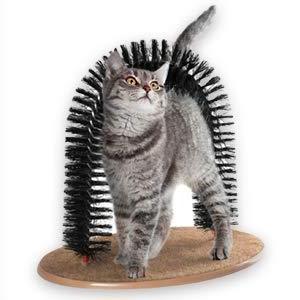
Be sure you hold your kitty tightly during the entire bathing session.

This is to ensure that she doesn’t bolt from the tub and to give her a sense of security.

  • Wet, Lather and Rinse

The bath itself is simple.

Spray some water all over your cat, and then lather her up with cat shampoo.

Don’t use human shampoo on a cat.

When she’s all clean, rinse off the shampoo and take her out of the tub.

Dry her with a towel.

Some cats don’t mind a hair dryer.

RECOMMENDED PRODUCT

cat grooming gloves

Eco-Friendly Cat Grooming Gloves by Pat Your Pet

  • Get rid of hairballs before they appear once and for all!
  • With Two-Hands performance you’ll achieve twice faster and more impressive grooming results.
  • No more stressful chasing trying to comb out your cat.
  • Scrubbing nubs provide relaxing massage, your cat will ask for more!
  • 400+ grooming nubs on fingers and palms.
  • Perfectly works dry or while bathing.
Buy on Amazon

  • After the Bath

Give your cat lots of attention and love after her bath.

You want her to think of a bath as a positive experience.

If she runs away and hides, shower her with love as soon as she emerges.

  • Cat Scratch

Some cats do not react positively to being bathed.

If your kitty scratches or bites, you will need to restrain her for a bath.

Some pet stores offer self-service bathing facilities where you can bathe your cat yourself.

In tubs made for cats, the bathing area will be elevated and there will be clips you can use to contain the cat.

You can also buy these tubs for home use.

Taking your cat to a professional groomer is always an option.

Groomers are trained in bathing pets and can make sure your kitty is healthy and clean.

how to bathe a cat at home

Cleaning Cat Ears

Cats will usually clean their ears on their own, but it is a good idea to check your cat’s ears regularly and clean them out if they look dirty.

  • Ear Problems

The reason to keep a cat’s ears clean is that they are infection-prone.

If your cat is pawing at its ears, they might be infected and will need a prescription medication from a veterinarian.

Another problem cats have with their ears is ear mites.

These tiny bugs can live in the ears and cause discomfort to your cat.

Check your cat’s ears about once a week for any signs of infection or mites.

If the ears look dirty or red, if they smell bad or if you can see bugs, you should clean the ears.

If they don’t look better by the next day, see a veterinarian.

  • Make the Experience Positive

Your cat may not like you messing with its ears.

Try to get it to associate positive feelings with having its ears clean by offering it treats throughout the process.

Talk to it gently as you clean, and ask another person to help you keep it still if it is anxious.

RECOMMENDED PRODUCT

cat arch groomer

Cat Self Arch Groomer by Hollypet

  • Coarse iron wire twist, sturdy and durable, using fiber wool, soft, will not stab the cat.
  • The carpet uses soft and density board material, cat cleans hair and lie down all very comfortable to enjoy.
  • The base bottom has non-slip mat, to prevent cat rubbing hair, collapse move.
Buy on Amazon

  • Gather Your Supplies

Have everything you need ready to go before you begin cleaning your cat’s ears.

You should use an ear cleanser made specifically for cats.

You can use this with clean cotton balls or pads.

You can also buy ear cleansing pads made for cats.

These are convenient and make cleaning ears easier.

  • Simple Steps

Begin by wiping the inside of your kitty’s ears with a cleansing pad or a cotton ball with cleanser applied.

Work gently but be sure to get all parts of the ear cleaned.

If your cat’s ears seem especially dirty, you can squirt about 3 drops of cleanser into the ear, then massage the ear for several seconds.

Your cat will shake its head, causing dirt from inside the ear to come out.

Wipe this out with a cleansing pad.

how to clean cat ears

Brushing Cats the Best Way

Cats need to be brushed far more often than they need to be bathed. You should brush your cat daily if possible.

  • Brushing Keeps Cats Healthy

Regular brushing is important because it helps keep your cats hair clean and healthy.

Brushing also eliminates problems like having the hair mat against the cat’s skin.

Mats can be very uncomfortable for your cat.

Another problem solved by regular brushing is flaking due to dry skin.

If your cat has especially dry skin, talk to a veterinarian.

Brushing your cat is good for you, too.

It helps reduce shedding, keeping your house cleaner.

It also makes your cat look beautiful.

  • Choose a Brush

Lots of pet brushes make claims about shedding and styling, but what you really want is a brush your cat enjoys having run through her hair.

Choose a brush that massages your cat as you use it.

You will know if she likes it because she will keep coming back for more.

RECOMMENDED PRODUCT

cat hair remover

Cat Hair Remover by ChomChom Roller

  • Premium quality brush that traps cat hair. You can use it over and over again.
  • No adhesive or sticky tape, no power source required, clean and convenient pet hair remover.
  • By simply moving the cat hair roller back and forth, you immediately track and pick up cat hair embedded deeply in sofas, couches, beds, carpets, blankets, comforters and more.
Buy on Amazon

  • Brush Everywhere

It is easy to brush a cat’s back, but there are other parts of her body that are going to be more challenging.

Be persistent, even if you have to split the brushing session up into several parts.

You will need to be sure and brush your cat’s tummy and under her tail.

These are the areas that are hardest to brush, but they are also places where matting typically occurs.

  • Hair Length

All cats, even those with very short hair, need to be brushed regularly.

Long-haired cats require more grooming because there is more hair to brush.

Some cats will naturally shed more than others.

Cats will also shed more during certain times of the year.

If your cat is shedding a lot, increase the amount of time you spend brushing her.

This is true whether she has long hair or short hair.

Категорије: Cats

Traveling Internationally with Your Pet

април 22, 2019 By liv parmel

Traveling with your pet can be a great bonding experience; however, you want to ensure that you can enjoy your vacation while also doing everything you can to make sure your dog enjoys the time off as well. Before travelling with dogs, it is important that you take several things into consideration, such as vaccines, medications, age, etc. For those that truly love their dogs like their own children, this is not a problem.

how to travel with pets

A Few Important Tips That Can Help Guarantee an Enjoyable Vacation with Your Pet:

Before embarking on any vacation trip, visit your veterinarian. Your pet needs to ensure that he is current with all vaccinations. Make sure that you have a copy of up-to-date vaccines in case of an emergency. You may want to speak to the veterinarian about a light sedative in the event that your pet doesn’t do well riding in the car.

If your pet is currently taking any medications, make sure that you bring plenty along with you. You will want to pack a few extra pills just in case you decide to stay longer than you wanted or an unexpected circumstance arises keeping you from returning home on time.

Before you leave home, make sure to create an itinerary, or at the very least, print out maps to pet-friendly beaches, parks and restaurants that you would like to visit while on vacation. You can always do this at the hotel, but it’s easier if you handle it before you actually leave.

Make sure to pack your pet’s favorite food, fresh drinking water, treats, extra collar(s) and leash(es), and anything else that you can think of that might make the experience more enjoyable for your canine friend. It’s always better to be over-prepared than under-prepared.

Always carry a photo or two of your pet. Ensure your pet has current tags as well. You never know what can happen in a big city or out in the wild. Be prepared in the event that you and your pet get separated.

Make sure you do your research and understand the pet laws of the city that you are traveling to. Some communities require that certain breeds be muzzled in public while others require that pet owners have liability insurance. To obtain this information, it may be best to call the local animal control office.

Remember, it’s always better to be prepared for any situation than to not be prepared when a situation arises. You are familiar with the way your dog acts and what he wants and needs. Take all of this into consideration when traveling. By doing so, you are more likely to have a memorable vacation.

Traveling with your pets starts getting complicated when you cross country borders. Then it becomes more than just a matter of finding pet friendly hotels or booking a plane ticket for your pet. Because of the concerns of bringing diseases into the country from other places, many countries require an animal to be quarantined upon arrival, or at the very least, to have a health certification from a vet.

how to travel with pets

Tips for Traveling with Your Pets

Traveling into Canada is probably the easiest for Americans who want to travel with their pets. You can go back and forth across the U.S./Canadian border all day with your pets and no one is going to care.

Traveling into the U.K. is also fairly easy, as they have a program there called PETS (Pet Travel Scheme) that was set up to allow people to travel with their pets more easily. As long as certain conditions are met — such as coming from one of the approved countries, or the animal having been vaccinated for rabies, for example — you can bring your pet into the UK without having to quarantine them.

Certain other countries require your pet to have a health certificate, usually from an APHIS Accredited Veterinarian. This verifies to the country that your pet is free of any of the diseases they don’t want in their country, and is a much better alternative than quarantining your pet.

Quarantine may or may not be required, though. Some countries require it only when certain conditions can’t be met, such as providing immunization records for the pet. Other countries require it across the board.

RECOMMENDED PRODUCT

foldable dog crate for indoor, outdoor, training and travel

Easy to Fold and Unfold Portable Dog Travel Crate by 2PET

  • Made with strong steel tubes and water resistant, soft Oxford 600D fabric cover.
  • Perfect for your beloved Dog or pet for indoor, outdoor, training & travel purposes.
  • The 2PET Fold-A-Crate also features bone design mesh panels (windows) for natural ventilation.
  • Lightweight, easy to carry, includes a top handle that can be also used as secure it in the car with the seat belt.
Buy on Amazon

How do You Travel with Pets?

Knowing how various countries deal with pets coming into their country is important if you are planning on traveling internationally with your pet. You may need to plan for it in advance, for example, to ensure that you have all of the requirements (such as a health certificate, or certain immunizations) met before your trip.

You may also need to plan your trip according to which countries will allow you to travel with your pet without quarantining them. Be sure to do all your research ahead of time, so that you can better plan for your trip!

Tips for International Travel with Pet

There are many things that you have to take into consideration when engaging in international pet travel. Most airlines in the world allow for shipping pets internationally, as long as certain rules and regulations are strictly followed.

There are many things that you must take care of before international pet travel can successfully be accomplished. One important thing that is often overlooked is pet microchips. They should have a microchip that meets ISO standards and has a 15 digit number that should show up on all your vaccination certificates. This way your pet can be tracked at all times and you will never have to worry about it becoming lost.

Can You Take Your Pet to Europe with Airlines?

Pet travel to Europe is especially easy since most European countries allow an animal or two to travel with you right in the cabin. Millions of animals travel by air every year, so even though it may sound uncommon it really is not. Every effort is taken by the airlines to make sure your pet is comfortable and safe.

However, each airline does have its own specific requirements that must be followed so make sure you get in contact with them and ask them about all the particulars.

Of course there are times when you will not be allowed to take your pet on board with you, such as cases where it is too large to be stowed underneath the seat. In cases such as this you will have to travel by separate planes and your animal will be treated as cargo. Although this may sound rough, animals are actually stored separately from other baggage in pressurized, weather controlled areas where they will be safe.

As a matter of fact, these days there are actually companies, like pet airways, that specialize in just transporting pets, so you will not have a difficult time finding an airline that you trust to handle this for you.

travel with pet cats or dogs

How Much a Pet Should Be Old to Travel Safely

Finally, here are a few important questions that you will want to take into consideration when shipping pets internationally. For one thing, you have to make sure that your pet is old enough to travel. The USDA recommends that animals must be at least 8 weeks old and weaned before boarding a plane.

Also, in order to make things as easy as possible for your pet, you should do your best to book only nonstop flights to minimize the amount of time that you are in the air.

If you find that you have to move and travel with pet in tow, then there are plenty of things that you need to keep in mind. Moving pets across country can be particularly difficult so it is never something that should be undertaken without first taking the necessary precautions.

The following will help you out in this matter by explaining all the basic steps that should be followed when you travel with pet cats or dogs.

RECOMMENDED PRODUCT

airline approved pet carrier for small dogs and cats

Travel Airline Approved Pet Carriers for Cats and Small Dogs by Pawfect Pets

  • Ultra durable claw-defense mesh resists tears from cats and dogs.
  • 2 seatbelt buckles keep your pet carrier secured within your car.
  • Storage pockets for easily storing a leash, treats and pet accessories
  • Mini buckles ensure your zippers stay closed and your pet remains safely inside the carrier.
  • Dimensions: 17.5″ long x 10″ wide x 11″ tall recommended for cats and small dogs.
Buy on Amazon

Where should you start when planning to travel with pet dogs or cats?

First of all, you should determine just how you will be getting from point A to point B. Will you be traveling by car, plane, or some other mode of transportation? Your decision here will have a large effect on the plans that you need to make.

If driving, then you will have to prepare your animal for the long drive ahead. If all you have is a small pet travel bag then your pet is most likely not going to be too happy, so you may want to invest in something larger for the trip.

Another important step for pet relocation is to make your hotel arrangements if the drive is going to take you longer than a single day. Instead of waiting until the last minute and just hoping to find a hotel with some vacancies along the way, determine where a good rest stop will be and make your plans ahead of time.

This way you can also call around and find a good hotel that is very accommodating for animals. Having to drive around from one hotel to the next to find one that will allow your pet to stay with you is not a good experience, especially if you are tired.

If you do not wish to drive, then your other main option is to fly. The good news is that there are plenty of air travel options that allow a small pet to travel with you on the cabin. The main stipulation however is that they must be small enough to fit in a small carrier underneath of your seat; if they are not then they will have to travel in a separate compartment of the plane.

In fact, you might even want to fly separately since there are air travel companies like pet airways that specialize in shipping pets only. You can even track their location in real time over the Internet.

pets travel tips

Regardless of the mode of travel, you will find that things will simply go a lot more smoothly when you have done the proper planning ahead of time. Traveling, either by air or the highway can be a stressful experience for an animal, so make sure that you do whatever you can to make them comfortable. Follow these steps and your travel with pet cats or dogs will go well.

RECOMMENDED PRODUCT

large capacity water bottle for dogs

Lesotc Leak-Proof Dog Water Bottle

  • 18 OZ capacity can provide safe, fresh, and healthy water for furry puppies at any time.
  • Food-grade safety material: High-Density Polyethylene, Safe and non-toxic, hence it can safely be used for pets, BPA Free, no smell, soft material, and recyclable.
  • The various parts are detachable and easy to clean.
  • Suitable for when you travel with your pet on the way, feeding in a cage or at home, no water leakage and no waste, a good choice for your pet.
Buy on Amazon

Your responsibilities while traveling:

♦Pick up after your dog. If your dog poops at a rest stop or outside of your hotel, pick it up. Dog friendly hotels and businesses will remain so as long as we don’t abuse the privilege.

♦Do your best to keep your dog from going potty in the hotel room. If you are going to travel with your dog, you have a responsibility to make sure he or she gets taken out often enough to avoid messes in the room.

♦Follow local leash laws. If your dog is supposed to be on leash, do it. It’s not worth a ticket. Personally, since I don’t want to have to worry about finding my dog in a strange city, I keep my dogs on a leash at all times when not in the car or the hotel room. It’s just not worth the risk of losing one of them.

♦Know your dog’s limits. Honestly, if you know your dog feels threatened by people wearing funny hats, and a woman with a potentially fear-inducing hat starts walking toward you, turn around and walk the other way.

It’s true — a lot of people don’t like dogs, or can’t handle messes, barking, hair everywhere, etc. That’s why finding dog friendly hotels and businesses can be such a hassle. It’s important for us “dog people” to be fully appreciative of dog friendly businesses, and be sure to act as respectful and responsible as we possibly can.

RECOMMENDED PRODUCT

dog carrier backpack for small and medium pets

K9 Sport Sack Dog and Pet Carrier Backpack

  • Ventilated cooling side panels.
  • Over 5 different safety/failsafe features.
  • Adjustable dual side pockets.
  • Sternum strap avalanche whistle clip.
  • Moisture wicking, ventilated shoulder straps.
Buy on Amazon

Категорије: Cats, Dogs

  • « Go to Previous Page
  • Страница 1
  • Interim pages omitted …
  • Страница 3
  • Страница 4
  • Страница 5
  • Страница 6
  • Страница 7
  • Go to Next Page »

Primary Sidebar

Small Fish Tank

Glass Fish Tank

Категорије

  • Animals
  • Birds
  • Cats
  • Dogs
  • Fish
  • Goldfish
  • Guinea Pig
  • Hamster
  • Horses
  • Name Inspiration
  • Parrot Pet
  • Rabbits
  • Reptile Names

Скорашњи чланци

  • Hoppy Naming! Adorable and Funny Easter-Inspired Guinea Pig Names
  • Purr-fectly Adorable: Valentine’s Day Cat Names for Your Feline Friend
  • Astronomy Inspired Cat Names
  • James Bond Cat Names: Purr-fectly Suave Options for Your Feline 007
  • 170 Authentic Greek Names For Cats
  • Hippie Cat Names
  • Ladybug Facts For Kids
  • Unique White Horse Names with Meanings: From Majestic to Mystical
  • Disney Turtle Names: 160+ Names For Turtles From Disney Movies
  • 100+ Names For Black Horses With Meanings

Guinea Pig Cage

Large cage for your guinea pig

Ознаке

Best family parrots Best Gifts for Cat Lovers Best Hamster Toys Best parrot for beginners Best parrot for kids Best Small Dogs For Kids Boy Cat Names Can Guinea Pigs Eat Celery Cat Names Cat names for pairs Dog Behavior Dog Throwing up Dog Vomiting eat Female Bengal Cat Names Female guinea pig names Funny goldfish names Goldfish aquarium Goldfish names Gold Fish Names Goldfish tank Goldfish varieties Guinea Pig Guinea pig names Guinea pigs Male guinea pig names Manx Cat Names Names for Goldfish Names for guinea pigs Names for pink fish persian cat personality Siamese cats Small curly haired dogs Small dog breeds Sounds Twin cat names Types of goldfish Undigested food Unique guinea pig names What can guinea pigs eat Winter White Hamster Care Winter White Hamster Colors Winter White Hamster Diet Winter White Hamster Facts Winter White Hamster Life Span

Disclaimer:

This website „PETSIUM“ is not liable for any outcome or damage resulting from information obtained from these articles.

The articles provided here are for information and entertainment purposes only. The decision to use, or not to use, any of this information is the sole responsibility of the reader.

Any medical related content in any articles is not intended as diagnosis, treatment or prescription. It is not intended to be a medical advice and is not a substitute for professional medical advice. Please consult with a licensed health care practitioner if you are dealing with a serious medical problem.

Hamster Cage

Hamster Cage

Footer

Petsium – Veštačka Inteligencija

Dobrodošli na Petsium, vašeg novog saputnika za brzo, precizno i potpuno besplatno AI iskustvo. Ovde možete da postavite bilo koje pitanje – od pisanja eseja, preko tehničkih izazova u kodiranju, do saveta za svakodnevne zadatke – i dobićete odgovor prilagođen upravo vama. Sve to bez registracije, bez komplikovanih menija i bez skrivenih troškova.


© 2026 Petsium · Privacy Policy