• Skip to primary navigation
  • Skip to main content
  • Skip to primary sidebar
  • Skip to footer

Petsium - Veštačka Inteligencija | AI

Vestacka Inteligencija Aplikacija i Chat

  • Vestacka Inteligencija
  • Kontakt
  • Uslovi Koriscenja

Cats

Burmese Cat Facts

децембар 28, 2020 By liv parmel

Burmese cats are a popular breed of pet cat, both in the UK and America, but the American Burmese has a few distinct differences to the British Burmese due to different breeding programs and the Governing Council of the Cat Fancy in Britain recognises several more color than the American Cat Fanciers Association.

Information on Burmese Cats

Burmese Cat Breed Information

The name “Burmese” means fortunate, beautiful, and splendid in the Thai language, and is a very apt description of this lovely cat. The modern Burmese cat breed is split into two distinct sub-groups of cats: the British Burmese and the American Burmese.

Modern Burmese cats are descended from the descendents of a female cat known as Wong Mau who was brought to America from Burma in 1930. Cat registries do not normally recognise the American and British Burmese cat as two separate groups, but occasionally the British Burmese is referred to as a European Burmese.

British Burmese cat characteristics mean they are more oriental in appearance when compared to their American cousins and they have a distinctly triangular face. American Burmese cats tend to be stockier and rounder all over. The Siamese influence is now considered a fault in showing circles, as is the stocky quality often seen in the American Burmese cat.

Burmese cats are known for being extremely vocal and they will often call to their owner. Their meow is softer than that of a Siamese cat, but can be just as persistent when they want attention.

Burmese is a friendly cat and can be taught to fetch toys just like a dog. These cats enjoy being sociable and if allowed out, Burmese cats will soon seek out the company of other people to play with, which is a good reason to keep Burmese cats as house pets. Burmese cats are good with children and dogs, and are happy to play and be played with, even when old age finally catches up on them.

Unlike some other breeds of cat, Burmese are not known for their aggressive qualities and are usually fairly passive in nature. However, they will defend themselves against attack, even when the opponent is considerably larger than they are!

Burmese Cat Colors

When Burmese cats were first recognised as an official breed, they were predominantly a sable brown color, but due to selective breeding practices, there are now a wide variety of other colors found. Different breed registries have different rules as to which colors are acceptable.

In the UK, the Governing Council of Cat Fancy accepts the following colors: brown, blue, chocolate, lilac, red, cream, brown tortoiseshell, chocolate tortoiseshell, lilac tortoiseshell, blue tortoiseshell. In the USA, different cat registries recognise different colors, and some only accept the first four colors. All Burmese cats should have darker shading on their back that gradually lightens up beneath the body. Spots and stripes are not allowed.

Burmese Cat Characteristics

There are a number of Burmese Cats characteristics that make them very popular as pets. They are a beautiful cat and are known for their intelligent and affectionate nature. Very much a “people cat”, Burmese cats seek out human company and are not usually very happy being left alone for long stretches of time.

Burmese are a compact and muscular cat with a thick velvety coat. They are not terribly big, although the male is always larger than the female, but they are quite solid in build and are usually heavier than they first appear. Like Siamese cats, Burmese cats are very vocal. They are an affectionate cat that often develops a very close relationship with their owners.

A relatively small cat, Burmese cats are usually weigh around 4-6 kilograms, although they can be heavier than they first appear due to their muscular frames. A Burmese cat will often live to about 16 or 18 years old, which is older than many other pedigree breeds of cat.

Burmese Cat Behavior Problems

Burmese cats are extremely intelligent cats, which can sometimes lead to Burmese cat behavior problems. They can be a demanding breed of cat and they very much enjoy human interaction. Most Burmese cats live quite happily with their family and never cause any problems at all, but occasionally a Burmese cat behavior problem will manifest itself.

Like other pedigree cat breeds, Burmese cats are sensitive to changes in their home environment and do not always adjust to new pets or babies very well, particularly if they have been the only pet for a long time. Burmese cat behavior problems can take many forms. Some cats show aggression towards a new pet, whereas other will begin vigorously scent marking everything in sight.

What types of negative behavior can a Burmese cat show?

A common Burmese cat behavior problem is scent marking. Many cats exhibit this behavior as a response to the addition of a new cat or dog to the family. The Burmese cat will typically scent mark furniture or curtains in protest. Not only is cat urine extremely unpleasant, it is also very difficult to eradicate the smell due to its chemical composition.

Scratching furniture is another very undesirable trait. This can cause an enormous amount of damage and if you have expensive wooden furniture, you will naturally want to curtail the behavior.

Aggression towards the new pet or baby is a big problem. If the victim is another pet, the balance of power is very often shifted once the new pet is older and more able to defend itself, but if the target is a baby or young child, you have a serious problem.

All three problems can usually be cured by Feliway. This is a natural product designed to relieve stress in cats. Feliway is an artificially produced copy of a feline pheromone. A plug in Feliway diffuser disperses the liquid and within a short time, you should see a reduction in your cat’s behavior problems.

Excessive meowing is a less serious problem, but annoying nonetheless. Burmese cats have a rather loud meow and can be quite demanding when they want attention. The usual solution is to ignore the excessive meowing until the cat learns that meowing is not rewarded with attention.

If the behavior problem manifests itself as obsessive grooming leading to skin problems, you will need to seek the advice of your veterinarian.

Burmese cats are intelligent enough to train, so as long as you avoid rewarding negative behavior with attention, you stand a very good chance of eliminating the problem with patience and persistence. Just remember, your cat cannot tell you when he or she is unhappy, so try and be understanding with your Burmese cat.

burmese-kitten

Burmese Kittens

Before buying a Burmese kitten, you need to give plenty of thought to whether owning a Burmese kitten is going to be right for you and your family. Burmese cats are not like other breeds of cats: they are demanding and need lots of human interaction.

If you work long hours and the kitten is likely to be left alone for long periods of time, this will not be ideal and you will probably end up with an unhappy Burmese cat. Worse still, if you allow your new Burmese kitten the freedom of roaming in the outside world, it is likely to go looking for companionship elsewhere, and since Burmese cats have very little road sense, that could end in disaster.

The other scenario is that your Burmese kitten will sleep all day while you are out, and then decide to play all night while you want to sleep! Or worse, seek therapy by destroying your home in new and inventive ways!

Burmese kittens are great fun. Like many pedigree cats, Burmese are very intelligent and have strong personalities. They will tear around and keep you amused for hours with their playful antics. One kitten will be playful on its own, but two will be exhausting to watch. You may need to place all valuable ornaments safely away in locked cupboards, or alternatively stick them down with sticky pads to avoid any unnecessary accidents.

Treat a Burmese kitten in the same way you would a small child: think ahead for potential danger zones and place them off limits or make them safe. Be particularly conscious of upper level hazards such as cooker tops, as Burmese cats are very prone to jumping up and seeking out high spaces to explore.

Burmese kittens will accept other animals in the home and are tolerant of dogs. However, this is on the assumption that the dog knows its place in the family hierarchy: Burmese cat—you—dog. The dog will always be bottom of the pack and as long as the dog is happy to accept that, you will have no problems.

Once you have made your decision and are ready to take on a Burmese kitten, always buy from a registered Burmese cat breeder.

Never buy a Burmese kitten (or any kitten) from a breeder who cannot show you the kitten’s mum, and ideally the dad as well (although this will be less likely as many breeders use stud cats from different owners). Ideally kittens should have been raised in a family environment and socialized well with people: beware the breeder who keeps their cats in outdoor pens with very little human interaction.

Burmese kittens should be friendly, inquisitive, and healthy looking, Never buy a kitten that appears to be sick in any way—you might feel sorry for it, but buying it will only encourage the breeder to continue with their irresponsible practices.

Once you have found your Burmese kitten, take him or her home, and look forward to your life-long love affair with the Burmese cat!

Cute Burmese Cats

Burmese Cat as a Pet

Burmese cats enjoy human company and always prefer to have company. They are a very sensitive cat and are very good at interpreting human moods and feelings. Burmese are very good at picking up when you need some extra TLC and will immediately plonk themselves on your lap for a cuddle.

Whilst some cats do not mind being left alone for periods of time, Burmese cats are not suited to this and are likely to become distressed. This can manifest itself in many ways, including some destructive ones!

If you leave your cat at a cattery for a week while you go on holiday, do not be surprised to find your cat refuses to talk to you when you return to collect them. Your cat will probably sulk for a couple of days as a protest for being abandoned.

Burmese cats are very intelligent and you will discover that you can teach your Burmese cat a few tricks. Like dogs, Burmese cats enjoy fetching and retrieving toys as part of a game and they still act like kittens even when they are quite elderly! They are usually quite tolerant of other cats and dogs, although they can sometimes object to the arrival of a new cat as they do tend to consider themselves “top cat”.

Not as temperamental as some pedigree breeds of cat, the Burmese cat makes a wonderful pet. They are great with kids and enjoy the interaction that children can offer, although as with all cats, you need to be careful when you have very young children.

They are a very friendly cat and if allowed outside, they are likely to make friends with everyone who lives nearby. Unfortunately, this can make then targets for theft and as a result, Burmese cats are better kept as house cats. They are usually quite happy to stay indoors, but if you have the space, you can always build an outdoor enclosure in your garden. If you wish to exercise your Burmese cat, they will tolerate a cat harness and lead, and you can walk the cat in the same way you would a dog.

Burmese Cat Lifespan

Burmese cats are fairly long-lived and often live to 15 years plus. If you are looking for a pet cat that is both affectionate and intelligent, Burmese are definitely a good choice. They make great family pets and will soon become a much loved part of the family.
Категорије: Cats

Cat Lifespan

децембар 4, 2020 By Janine Tusk

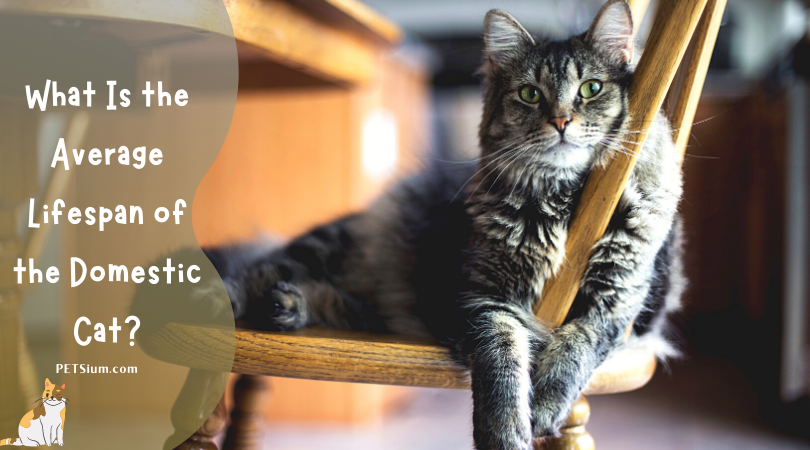
what is the average lifespan of the domestic cat

How Long do Cats Live?

Whenever we adopt a new cat or kitten, whether it is our first pet or not, our mind is full of 1000’s of unique cat names until we choose the one, and we often ask ourselves, „How long do cats live“? It is a natural curiosity, because most pet owners would obviously love to extend their cat’s lifespan and prolong their cat’s life expectancy to the utmost.

While the natural lifespan or your typical domesticated feline is determine by many factors beyond human control, there are indeed many steps that may be taken to lengthy our time with our cats.

Some of the primary factors that weigh on how long do cats live:

  • Genetics (feline family history)
  • Environment
  • Nutrition
  • Lifestyle
  • Breed

Genetics of Cat

Obviously, the genetics of each individual cat are not ours to determine, nor can we have any control over the breed of the cat (save for choosing to own a specific breed). If you do choose to own a particular breed of choice, there exist several breeds of cat that are known to possess especially impressive long-livedness.

These include: Persians, Orientals, Egyptian Maus, and Burmese. Each of these breeds commonly live in excess of 15 or even 20 years, and a few record holders have been claimed to reach almost 40 years old!

The aspects of a cat’s life that we can control play an even more important role in how long our cats live.

Cat Nutrition

Nutrition is perhaps the most crucial. Just as we must be very careful about we we do and do not put into our own bodies, so must we be just a nutritionally aware about feeding our cats and kittens. Be sure to research your food choices carefully.

Always choose to purchase from a respected brand with specifically formulated diets that correspond with the different stages of each cats life. Also take into account each individual cat’s special health needs.

Cat Environment

The environment and lifestyle are also fundamentally important aspects when considering how long do cats live, and they are both thankfully completely up to a cat owner to establish and control. First and foremost, we suggest *keeping your cat indoors*.

Numerous studies and researchers have found that cats who are allowed to roam freely, even in seemingly “safe” areas, almost always have a lower life expectancy than strictly indoor cats. A domesticated cat simply has no business wandering outside in a modern human landscape- too many dangers await them.

Lifestyle of Cat

It is also a very bad idea to de-claw a cat…and not only because it is almost universally considered cruel. If a de-clawed cat ever does end up outside by accident, it has not way to defend itself, or even escape potential predators/other aggressive cats (because they can’t climb trees!).

And, of course, always have your pet spayed or neutered. Not only does this decrease their potential aggressiveness, but almost completely removes their desire to seek the outdoors in the first place.

This does not mean, however, that we want our cats to be inactive or sedentary. For physiological as well as psychological well-being, a cat should never live a sedentary lifestyle. Obesity is a common problem in household cats, and one of the greatest threats to their long lives.

When possible, it is best to own multiple cats, granting playmates. With or without living companions, always make sure that a cat has plenty of toys, for enjoyment as well as exercise.

How Long do Cats Live if You Take Steps to Extend Their Lifespan?

To ensure that your cat will have a long lifespan, there are numerous steps that a diligent owner should take and many factors to consider. The breed of the cat, it’s genetic makeup, and the environment in which it is raised all play a part.

Perhaps most important to how long cats live is their nutrition. Each stage of a cat’s life, from kittenhood to old age, has an appropriate food type, because the nutritional needs of a cat change throughout its life. You wouldn’t feed a human infant pizza, right? Likewise, you wouldn’t feed a growing teenager baby food, nor would you feed a 90-year old sirloin steak. So it is with cats.

There are several great brands of cat food that are specially formulated to correspond with your cats current age. Hill’s Science Diet and Royal Canin are two well-respected brands that specifically cater to the different stages in our pets’ lives, both cats and dogs, and both are highly suggested.

Be sure to select a type of food that is in agreement not only with your cat’s age, but also any special dietary needs that might arise from various health problems or possible concerns (such as obesity or urinary tract infections).

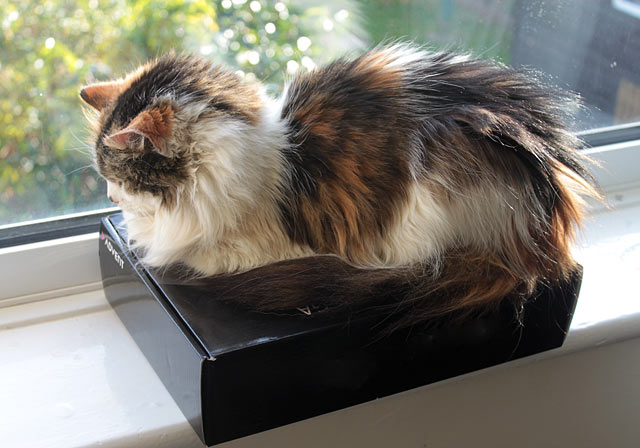
cat-on-window
We all know the old saying, that cats have nine lives… but how long do cats live, really? The answer depends almost wholly on the lifestyle of the cat the the manner in which it is treated and raised and cared for.

There are tales and anecdotes that claim some cats have been known to live well into their 30s (and even 40s!), and the World Record is supposedly 38 years old for a domestic cat. In reality, most cat lovers consider themselves fortunate to own a cat for more than15 years.

Cats mature at an incredible rate, especially in comparison to humans. By the time a cat is only two years old, it is the equivalent of a 25 year old in „human years“. By the time a cat reaches 10, it should be considered a senior citizen, and should be cared for and treated appropriately.

How Long Do Cats Live in the Wild?

Domestic cats have a varied lifespan, depending on many factors, but how long do cats live in the wild? Unfortunately, there isn’t much conclusive data to determine precise lifespans of wild cats in the many differing environs throughout the planet.

Due to the extreme difficulty involved in the identification and tracking of individual cats, but a rough estimate of wildcat lifespans can be estimated simply by identifying the species in question.

The following table provides the typical lifespans of some of the more prevalent types of cat:

  • Lion – 15 years
  • Tiger – 18 years
  • Bobcat – 20 years
  • Panther – 12 years
  • Lynx – 15 years
  • Leopard – 15 years

Of course, these and other species of wild cats usually live longer in captivity (more or less 5 years), as the receive safer food and do not have to contend with the many dangers of the wilderness.

All in all, the most crucial factor in determining how long your cat lives is you, the owner. Take the time to research and the steps to maintain your cat’s health and happiness as you would your own, and hopefully you and your furry friend will enjoy many, many great years together!

Категорије: Cats

Egyptian Mau Cat

август 25, 2020 By liv parmel

The Egyptian Mau is the only naturally spotted domestic cat. Many owners/Egyptian Mau breeders say that Maus is smarter than other domesticated cats.  The Egyptian Mau is recognized by the CFA in 3 different colors. These colors consist of silver, smoke, and bronze. When in a good mood, they are known to make a „chortle“ sound.

Egyptian Mau Cat Information

Egyptian Mau Cat Temperament

The Egyptian Mau Cat is for me one of the most beautiful, lovable and characterful cat breeds! She is a high-contrast, elegant and majestic looking cat with a radiant personality and the only breed in the world that is naturally (i.e. not bred) spotted.

Her nature is characterized by the fact that she is loving, intelligent, affectionate, sensitive, people-related and playful. She is loyal to her family as soon as she has gained the trust (although this breed has to be given time in this regard!) And loves them intensely until the end of her life. She has a special, very strong bond with her owner – this trait is something special among pedigree cats.

A Mau demands their love from their human being in a gentle but consistent way. She is soulful and does not like rejection, although she can and will learn very well, but with a lot of empathy for her individuality.

Mau does not like to be lifted (with rare exceptions) – due to their proximity to the wildcat, they need the feeling of not losing the ground under their feet. They want to keep track of things and hate to be forced to be „lucky“! For the same reason, the Mau just doesn’t like being stared straight in the eye.

When you bring an Egyptian Mau home, you absolutely have to consider its originality! She gets along very well with other cats. But she has a strong sense of „equality“.

Egyptian Mau Cat Appearance

The Mau is a medium-sized, slender, muscular cat with a weight of around 2.5 to 5 kilos, depending on the individual and gender.

Their fur can have three color variants: Silver Spotted (silver with black spots), Bronze Spotted (brown with black spots) and Black Smoke (a special characteristic of this breed because it has the only spot pattern among the smoke-colored cats), of course each up.

The coat is relatively short, silky and fine (especially with the Black Smokes). The natural spots can be of different sizes and shapes. They should be arbitrary and distributed all over the body.

The Mau’s senses are strongly developed due to the proximity to the „wild“ cat and want to be practiced and occupied. With play – and variety – you shouldn’t be stingy at the Mau!

The eyes of the Egyptian Mau are gooseberry green (light green) in all colors, which I personally especially love. It is fascinating to look into the eyes of this cat, because their eyes express each of their emotions exactly – as far as one can and wants to read this „eye language“.

Her face is characterized by an „M“ above the eyes, the mascara lines (which extend from the corners of the eyes to the end of the cheeks) and a particularly typical eye position, which gives the cat a naturally „concerned“ expression (often as “ Did I miss the bus? „).

Their ears are medium to large in size and can also have small tufts. The paws of the Mau are comparatively small and graceful, the hind legs are longer than the front legs, which is reminiscent of a leopard when walking. When running, it can reach up to 50 km / h – it is one of the fastest cats among the domestic cats (breeds).

Egyptian Maus Cat Breed

Egyptian Mau Cat History

The history of the Egyptian Mau begins with the settling down of the people in ancient Egypt. Farming in the fields and building granaries attracted many rodents at that time.

Because of this excess food supply in rats, the Nubian black cat settled. The Egyptians quickly realized that cats kept rats away from their grain and soon people started keeping these cats as pets.

Over time, they were treated like regular family members. If a cat died of natural causes, a family funeral was held. This memorial service was followed by the ritual of embalming. This was only allowed to the kings of Egypt.

Mice were also placed in the grave to give the dead cat a good start in its new life. The Mau was therefore very important in ancient Egypt. In fact, there are even more cat mummies than human mummies.

The name Mau is derived from Egyptian and means cat or sun. From the many ancient Egyptian paintings and murals one can see the important position of the Mau cat.

Many deities, such as the Sun God Ra, were depicted as a spotted cat. She was downright adored and was considered part of religion. A cat killer in ancient Egypt was sentenced to death immediately without a trial.

If a cat died in an accident, the guilty party would face a heavy penalty. Such laws underline once again the position of this cat at that time.

The fact that the Egyptian Mau still exists today is due to the Belarusian princess Nathalie Troubetzkoy. In 1953 she met the Egyptian ambassador to Italy. During her visit, she was so enthusiastic about a pair of cats and their polka dots that, with the help of the Egyptian ambassador, she got a female.

They mated with one of the ambassador’s male cats. As a result of mating, two male kittens were born. One of the boys was backcrossed with his mother. With the resulting young female and two other Egyptian Mau, the Belarusian left Italy and moved to America. From this moment the breed spread again.

Like many cat breeds that are not too far away from the wildcat, Egyptian Mau kittens from around 6 weeks of age are in the so-called fuzzy phase (fuzzy = blurry).

This stage is of different length and can also be different. The drawing and coat color appear blurred during this time. The development of the color (contrast) and drawing (sharpness of the spots) is only fully completed from an age of 2 years.

The reason for this phase can be found in the original wild portion of the Egyptian Mau. Wildcats start to leave the safe nest at the age of 10 weeks and a few weeks before they take on a blurred drawing in order to be well camouflaged from predators. Egyptian Mau also has this characteristic.

Apart from that, it should be mentioned that every cat, whatever breed (or not) it belongs to, is and always remains an individual. The more important that cats must go through a good socialization process in all directions in their first weeks of life.

The character phase in cats takes place between the second and seventh week of life – accordingly, it is wise to accustom kittens to various noises, smells and people in general, especially at this time. This is the only way to guarantee that, especially with Egyptian Maus, humans and cats can enjoy their mutual existence.

Категорије: Cats

How To Avoid A Cat Bite

август 4, 2020 By liv parmel

Cat Biting is a problem that cat owners may face at some point. It is very important to deal with this problem immediately. The reasons for cat biting can be many.

One of the common reasons of cat biting is fear. Find out if your cat is afraid of something, or if it is being irritated by something or someone. Cat biting while playing is natural and so you need to be careful as this is when the cat releases the energy. However if your kitty is biting you lightly, he or she is actually showing love.

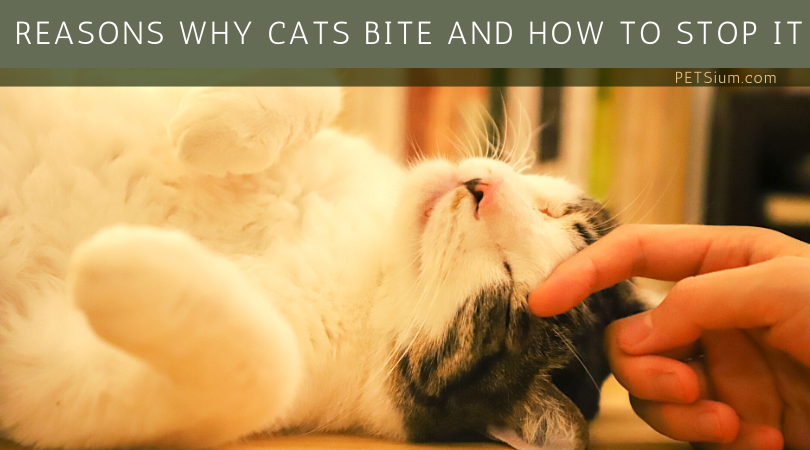
Reasons Why Cats Bite and How to Stop It

Cat biting may also be a result of the cat being in pain. It he or she starts biting for no apparent reason, it is important to have a vet check your cat.

You will have to understand the difference between your cat nipping you and biting you. If the biting draws out blood, it is very important that you take immediate attention to stop and break the habit. It is important to find out what triggers the problem and then try to stop it.

This rather undesirable behavior may strike at any time with any cat when they feel threatened or unable to express their discontent with their current circumstances. Many times an unexpected intolerance to the amount of petting or stroking that a cat may allow is the cause for a quick nip.

Why Do Cats Bite

Have you ever settled into bed or nestled into the couch and who should appear but your precious cat? She situates herself within hand’s reach and you start to stroke her addictingly soft fur. She is appreciative, emitting a rhythmic purr. All of sudden, after a stretch of time has passed; your cat suddenly bites your hand.

You are puzzled as to why she would react in such a way. For some cats, this is their means of communicating that they have had enough petting. This is not always the case – other felines remove themselves from the action or slowly wander away.

Some owners are appalled the first time their cat has bitten them and want to make sure the act doesn’t occur again. In most cases, there are signs that a cat gives to warn of an impending nip or bite, but often an owner is unaware of what each signal means. For instance, when the tail of a cat begins to twitch with a rolling flick motion, a bite may soon follow.

The ears of the cat are also quite telling. When they begin to turn towards the back or become flattened against the head, she is letting out a warning. If your cat appears restless, stiffens her body, or begins to stare at your hand, these are also signs that a sharp attack may occur.

When any of the above signs presents themselves during a session of stroking, it is suggested to stop the petting and allow your cat to remain positioned beside you or on your lap, jump down, or walk away when they feel ready. Whatever they decide to do, biting doesn’t have to become one of the options.

If your cat bites you, it never pays to punish your pet for the action. Not only does it not work, but also many cats start to equate punishment with your presence and don’t even consider biting as a bad behavior. As hard as it may seem, but if you have missed the cue that a bite is coming, the proper way to handle the situation is to not pull the hand away or push the cat aside. Freezing is the best solution because often, a cat will not puncture the skin if they feel their message was received in full. Their aim is to stop you from petting them, not to cause intentional harm.

Some cats revert to aggression for a many number of reasons. They may have inherited the behavior through genetics or learned the conduct as a kitten. Owners who allow their kittens to chew on their hand during play have learned that it is OK to respond in this manner when they have “had enough” of the stroking and warning signals have been ignored.

Some owners have found ways to make petting a more enjoyable activity for their cat by using treats as incentives to encourage a lengthening of their tolerance. Overall, avoiding a cat bite means paying attention to the signs and signals associated with your feline.

The Dangers of Cat Bites to Humans

To most pet lovers, there can be nothing sweeter than the feel of a loving cat nuzzling your arms. This is the reason why many would simply ignore being bitten by their feline companion and chalk it up as a moral lesson. However, the infections that could occur from cat bites to humans can potentially lead to something very serious if left untreated (or even if the wound was simply not treated the right way).

This is often compounded by the fact that most cat bite wounds have a tendency to heal very quickly, which often results in the bacteria remaining in the scar tissue—a nesting ground for infection. Below are some of the consequences that could occur from a cat bite, the signs of infection and how to avoid it.

Pasteurella is a kind of bacteria that is commonly found in the mouth of a cat. If your bite gets infected with this type of bacteria, you could contract pasteurellosis, one of the most common yet dangerous outcomes of cat bites to humans. The signs become apparent around twelve hours after the bite (a lot of swelling, and a lot of pain).

Once you notice the signs, it would be best to seek medical attention immediately, as pasteurellosis has a tendency to spread and can cause permanent damage if left untreated. Aside from this, cat bites to humans can cause staphylococcal infections that produce a wide range of side-effects such as pneumonia, or even blood poisoning.

Streptococcal infections on the other hand can cause kidney failure. The immediate signs of the three infections are very similar, and all three require medical attention.

In order to stop any of this from happening in the first place, you must understand that cat bites to humans can be dangerous, and you must never underestimate it. Do not provoke your cat, and stay away from stray cats that look agitated.

How to Deal With Cat Biting

You may have encouraged the cat biting behavior unknowingly. Having a spray bottle proves handy when playing with him/her and you can spray lightly right on his face if he/she does bite you. Getting lot of cat toys for him/her to release the energy is very important so that he/she can wrestle and play with them. A toy ball that bounces well is a toy that your kitty will love.

Giving enough attention to your cat is important to prevent any negative behavior. Cat biting is a serious problem that you will need to stop immediately as it can inflict harm and pain to you, relatives or family members. However it is extremely important not to over react when the cat bites you.

understanding biting behavior in cats

Cat Biting Training Tips 1

Cats can use biting as a means of defense. If you hurt your cat, whether intentionally or accidentally, the cat is biting to show you that he was hurt. If this happens, don’t clap or spray water on him, just say „no“.

Cat Biting Training Tip 2

The instance your cat moves to bite you, firmly grab the scruff of his neck and force his head down, and so „no“ just like in cat biting training tip 1. Just make sure that you’re not hurting your cat, just stop him for that moment.

Cat Biting Training Tip 3

If your cat continuous to bite, tap your cat on the top of his nose. This does not hurt your cat but it annoys him.This usually really works!

Cat Biting Training Tip 4

Make sure that you do not cuddle your cat after you have disciplined him/her. This will confuse your cat and give it mixed feelings, so next time it will bite you again.

Cat biting is another one of the most common behavior issues that people have with cats. Aggressiveness comes naturally to them but if we are to live together in harmony, we must employ ways to curb this instinctual behavior.

Cats bite for two primary reasons: over stimulation and play aggression.

Stop Cat Biting Due To Over Stimulation

Keep this in mind: If you don’t exert dominance, your cat will continuously battle you for it. The reason the biting occurs when you are petting your cat is because your cat is attempting to basically take control of your relationship.

Each time your cat tries to bite, even if in play, you must loudly and firmly command „stop it!“ or „no!“ After a while, your cat will understand the repercussions of aggressive behavior and stop biting.

A cat’s mouth contains bacteria that can cause infection. Their sharp teeth are designed to puncture the skin and can cause tissue damage. A serious bite can send you to the doctor so it is important that you watch for the warning signs that your cat about to bite. If you are consistent with the training, eventually your cat will learn not to bite but in the meantime you should be practical and learn the signs of a pending biting attack and protect yourself.

These signals can include tail twitching and body tensing. If this happens, you may want to stop petting your cat or cease whatever behavior is provoking your cat.

Stop Cat Biting Due To Play Aggression

When your cat exhibits biting or aggressive behavior, roll it on its back and gently hold him or her immobile until he or she calms down. While you do that, use verbal cues to indication that the behavior is not to be tolerated. I used a very commanding, „stop it“ when my kittens were being trained not to bite. Placing the kitten on it’s back is putting it in a very vulnerable position. By doing this, you are also teaching your kitten to trust and respect you.

NEVER intentionally hurt your kitten or cat. This will destroy trust and your relationship will be continuously problematic. You must exercise restraint and compassion while taking your rightful place as the Alpha in your domestic pride.

Your goal is to essentially take the roll of firm, yet loving, parent in your cat’s life. If your cat learns to see you in that roll, your bond will be unbreakable and you will have cats that people with unruly cats truly envy.

How to Stop Cat Biting, Continued…

As we discussed above, kittens engage in naturally aggressive play that includes biting. When your kittens are cute and little. it is tempting to take your hands, wrestle with them, and encourage them to „attack“. This kind of play must be avoided if you want to a cat that doesn’t bite. At that point, if your cat is still seeing your hand as something to attack, you will literally feel the pain of that mistake for a long time!

Use Toys to Stop Cat Biting

It is imperative that you train your cat not to see your hand as a plaything. To this end, cat toys are essential. It is crucial when playing with your kitten to put the focus on a toy, rather than your hand. A fishing-pole toy is extremely helpful with this because it puts a safe distance between your hands and your cat’s fangs.

It also helps teach your cat what is acceptable to bite. You don’t have to deny yourself the joy of playing with and enjoying your kitten or cat… you just have to change the tactics of play.

Another thing to remember in the „stop cat biting“ training process is that when your kitten or cat does cross the line and get too aggressive, end the game immediately. A stern „no“ or „stop it“ helps identify what behaviors are discouraged. Be consistent and your pet will catch on.

Категорије: Cats

Turkish Angora

јун 26, 2020 By liv parmel

Turkish Angora cats are ancient domesticated cats which are preferred by many people.

People loved this type of cat because of its very long silky smooth cover coat.

The interesting fact about the Turkish Angora cat is that they are the oldest type of Angora species.

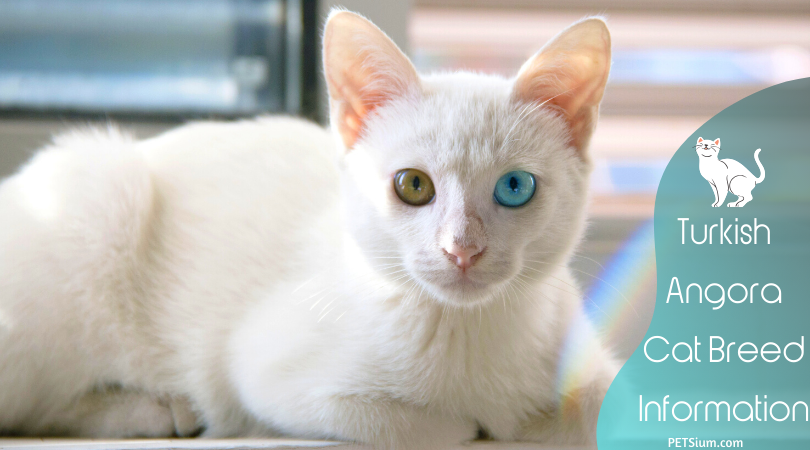
Turkish Angora Cat Breed Information

Turkish Angora History

The Turkish Angora has only been in the United States for only four decades.

Because of its increasing popularity they were able to participated in competitions conducted by the CFA association and gained a best of breed award in 1973.

The Turkish Angora first flourished in European countries in the late 17th century only then it moved to United States.

They are sometimes confused with Turkish Van because they both have similar physical appearances.

Since this breeds’ existence seems to be decreasing day by day some special programs were carried out by the Turkish government in order to safeguard them.

They are found in considerable amounts in Asia, Russia, France, Persia and Britain.

They inhibited a thick outer coat in order to sustain the extreme temperatures which helps them prevail in the Turkish mountains where they originated from.

Turkish Angora Information

As their name indicates the breed were first found in the hilly region of Turkey.

Turkish Angoras are small size domestic cats whose weight is between 5 to 9 pounds.

They have a medium to large size coat in order to withstand the very cold temperature it originated from in Turkey.

But the breeds physical features also attract the attention of potential owners.

They have very sharp eyes which are walnut shaped and eye color which may be blue or amber, so cats are born with eye colors of both blue and amber.

If the eyes are blue in color it shows they have inferior hearing abilities and if they have amber colored eyes they tend to have no issues with their hearing.

The coat color of Turkish Angora was originally white but now a days its fur pattern come in over twenty different colors and different types of patterns.

Colors like blue, black and red are found to be the most common colors next to white color, but breeders are practicing to get cats with smoke and shaded patterns.

They do not require much care but proper grooming is mandatory.

They have a wedge shaped head with a flattened face.

For a white colored Angora at least bathing the cat once a month is recommended in order to make them appear more of silky and have more a milky color shade to their fur.

Turkish Angora as a Pet

The Turkish Angora breed is a lovable and affectionate cat which mingles with its owners very well.

The Turkish Angora has a pleasing personality and has a cousin of another cat type called the Turkish Van.

Turkish Angoras are very playful and intelligent.

They very active like other kittens.

They usually like to rest on peoples shoulders or on pillows.

The Turkish Angora is a very rare breed with stunning appearances.

Turkish angora most commonly attract the attention of their masters and love to play with children.

They also accept any human being as a friend.

They also mingle well with dogs and other animals which do not bring harm to them.

Turkish Angoras are very energetic and moves from place.

The muscles of the Turkish Angora are strong and healthy enough to bare any kind of weather condition.

But sometimes these kittens are also sensitive when affected by HCM.

HCM is diseases which mean a muscle growth nearer to the heart.

Other than this a Turkish angora can be readily accepted as a pet.

Turkish Angora Cat Breed Traits and Profile

Turkish Angora Physical Traits

The most common physical characteristics of a Turkish Angora is a silky smooth coat, with medium to large body structures and it has a fine bone structure.

The Turkish Angora has long hair that usually comes in various colors like lavender, chocolate brown, white and pink.

The eyes of the Turkish Angora is the most attractive part of this breed some of the Turkish Angoras have odd colored eyed feature.

The odd eye means that the cat will have one eye of one color and one of another.

The eye will be blue, amber or in green and come in any combination.

The eye of the Turkish angora is almond shaped and is very attractive.

Male cats weigh more than the female cats the normal body weight of the Turkish Angora is about 6 to 11 pounds.

The Turkish Angora usually gets along well with it owners. It is very playful and highly intelligent breed.

A very active breed that plays well with the other members.

It accepts dogs as good friends unless the dog is not friendly around cats.

There are no specific food habits for angoras.

But usually meat has been fed to Turkish Angoras, along with there cat food.

The ears of the Turkish Angora are large and are sharp.

The Turkish Angora cats attracts the attention of children and the cat can adapt to any environment with ease.

Turkish Angora Personality Traits

Turkish angoras are affectionate and social breed which are very active all the time.

They are categorized as a group of hyper active cat breed and are like that throughout their entire lifespan.

The Turkish Angora is considered to be like a dog breed because they are found to be very curious when visitors are present and will be inspecting their actions.

They will try to interact with them and if they are playful they will join with them.

Turkish Angoras are graceful and they will be standing in front of the door to welcome visitors to your home.

Most of the time during conversations they will constantly remained around their owners and let them know that they are around.

They always like to feel they were the center of attraction at all times.

One negative aspect of their behavior is they tend to be very stubborn.

Turkish angora cats always wish to be with people rather than staying alone.

They are mainly a companion type of cat.

If they are adopted they will be easily adjust to their new surroundings.

The Turkish Angora breed is an inquisitive, clever, and delightful pet to own.

Turkish Angora Colors

Historically and traditionally, the Turkish Angora is typically thought of as a pure white cat.

Indeed, in the early days of showing cats in Europe, owning a white Turkish Angora was even considered to be a status symbol!

In the early exportation of the breed from the Ankara Zoo, maintaining the white color of the Turkish Angora was the goal of most breeders.

The white Turkish Angora cat was recognized by CFA, the Cat Fancier’s Association, in 1973.

The breed standard contained no color other than pure white.

This continued until 1978, when CFA added colors to the Turkish Angora breed standard.

Genetically, white is not a result of the color genes from the parents.

White is a result of a separate gene which acts to „tell“ the hair follicles to „mask“ the color, thus growing white fur.

What this means is that „under“ the white coat of every white cat, the cat is carrying the genes for a color.

White cats are typically born with a „color spot“, usually on the head, that fades and disappears as the cat grows it’s adult coat and sheds it’s kitten coat.

This color spot will tell you the color gene that the cat is carrying!

Eye Colors

Turkish Angora eye colors are „amber eyed white“ (AEW), „blue eyed white“ (BEW), and „odd eyed white“ (OEW).

An OEW Turkish Angora cat typically has one blue eye and one amber eye.

Категорије: Cats

Constipation in Cats

мај 13, 2020 By liv parmel

Does your cat feces look like small brown pellets?

Does your cat appear to be straining when trying to poop?

Is her abdomen distended and tense?

Is she not pooping regularly?

If this is the case, your cat is more than likely suffering from cat constipation.

There are other symptoms of constipation in cats.

For example, your cat may be showing a loss of appetite or crouching and straining for prolonged periods of time in her litter tray without pooping or pooping small, hard dry stools.

Your cat may also be defecating outside the litter tray, vomiting, hunching over due to discomfort or losing weight.

cat with constipation

What Causes Cat Constipation?

There is many number of things that can cause constipation in cats. These can include:

Dietary

The most common causes of cat constipation are dietary issues.

Cats are predators and often ingest food containing hair and bones, which can cause a blockage.

Are you feeding your cat a steady diet of dry food?

Dry cat food can also cause cat constipation.

Diets which are low in fiber, can also cause constipation.

Dehydration

Another cause of cat constipation is dehydration.

Is your cat getting enough water?

If your cat is dehydrated, its body will try to conserve water by removing additional water from the stool, causing it to become small and hard.

Cat on Any Drug or Medication

Drugs such as antihistamines, diuretics and antibiotics can cause your cat to become constipated.

Behavioral Issue

Felines constipation can also be the result of a cat behavioral issue.

Your cat may be reluctant to use its litter tray because the tray is dirty or your cat may not want to share the litter tray with another cat.

Obstruction of the Colon

Another possible cause of your cat’s constipation is an obstruction in its colon.

There are many reasons why this can occur, including a birth defect, tumors, polyps or because it has eaten some foreign object.

Neurological

Another cause of cat constipation can be neurological.

Your cat may have suffered damage to the nerves in the colon or anus, or a spinal cord injury due to trauma.

Pelvic Injuries

A pelvic injury can also cause constipation in a cat.

An example could be a car accident which caused fractures that narrowed your cat’s pelvic canal.

Metabolic/Hormonal

Another cause of constipation in cats is metabolic/hormonal.

Your cat may have low potassium, kidney failure, or some disease of the thyroid or parathyroid gland.

A cat can have impacted anal glands or a perianal bite abscess, either of which can cause cat constipation.

Idiopathic Cause

The cause of cat constipation may be idiopathic.

This means it is just not possible to determine what is causing the cat’s constipation.

Now that you know what causes cat constipation , you can watch for this in your cat.

If the constipation persists or if the cat shows periodic bouts of constipation, lethargy, weakness or vomiting, you will need to get your cat to your veterinarian as soon as possible.

This is because even simple constipation, if left untreated, can turn into a serious problem.

Cat Constipation Symptoms

Is your cat showing cat constipation symptoms?

Have you noticed a change in your cat’s daily bowel output?

If your cat has been in the habit of pooping once or twice a day and you realize that it is more like two or three days between defecations, your cat may be suffering from constipation.

Other symptoms of cat constipation include straining to produce a stool, a bloated belly or a very sensitive abdomen.

If the cat meows when in the litter box or seems agitated for no good reason, that is also a symptom of cat constipation.

You may also see hairballs that have been coughed up or noticed that the cat is trying unsuccessfully to cough up a hairball.

Cats groom themselves almost continually.

If it is trying to cough up a hairball, it may also have hair in its stomach that is plugging it up and causing the constipation.

Has your cat shown a loss of appetite as this is another sign of cat constipation.

Another sign of cat constipation is crouching and straining for a long time in the litter box where the cat either passes no stool or only small, hard dry stools.

Other symptoms of cat constipation include defecating outside the litter box, lethargy, and vomiting.

Your cat might also seem depressed or it may be hunching over due to discomfort.

Treating Cat Constipation

There are some simple things you can do to treat cat constipation.

Water

One of the most important is water.

This is because dehydration is often the cause of cat constipation.

Try making sure that the cat is around running water as this may stimulate it to drink more.

It’s important that your cat drinks plenty of water.

It is more likely to become constipated if it does not drink enough. It will help if your cat has access to running water as this can encourage it to drink.

A small electric water fountain is a good way to encourage your cat to drink more.

Do You Feed Your Cat Only Dry Food?

If so, you might add a tablespoon of olive oil to its food a few times a week.

Also, high-fiber foods will help prevent cat constipation.

One idea is to add unsweetened, canned pumpkin to your cat’s food at the rate of a few tablespoons a week to provide additional fiber.

Litter Tray Problem

Some cats are very finicky about their litter tray.

If your facilities do not meet the cat’s expectations, your cat may hold her need to go.

This can lead to constipation.

Make sure the litter box is easily accessible.

If yours is a multi-cat household, try to make sure that one cat is not guarding the box and keeping others from getting to it when they need to go.

Do You Have More Than One Cat?

One way to prevent cat constipation is to have a litter tray for each cat.

If your cat’s litter tray is dirty or if it is competing to use the litter tray, it may hold its bowel movements which can cause it to become constipated.

remedies for cat constipation

Overweight Cat

Cat constipation may also be the result or little or no exercise.

This is especially true if your cat is overweight.

You may not take your cat for a walk in the way you would a dog, but you do need to get your pet up and moving.

One good way to do this is with laser beams.

Cats often enjoy chasing the light across floors and walls.

Cat constipation is usually fairly easy to treat.

However, if your cat becomes lethargic and weak or starts to vomit, you should get it to the vet as soon as possible, as the condition could be developing into a medical emergency.

The good news is that there are some simple steps you can take to prevent cat constipation.

For one thing, you will want to brush you cat regularly.

This is particularly important if you cat has long or thick hair.

Regular brushing will help prevent your cat from ingesting a lot of hair when it grooms itself.

Cats are predators and are designed by nature to eat freshly killed meat which contains the enzymes, fats and nutrients that your cat needs.

If you have been feeding your cat a steady diet of dry cat food, try adding some canned food to its diet periodically or you can add two or three tablespoons of olive oil to your cat’s food several times a week.

Cat Constipation Prevention

The best way to keep your cat from becoming constipated is to eliminate those things, which are most likely to cause cat constipation in the first place.

For example, if your cat is prone to hairballs you might talk to your veterinarian about a special hairball diet for cats.

You can also make sure you brush your cat regularly as this will remove loose hair before your cat can ingest it.

If you have been feeding your cat nothing but dry food, you might add a tablespoon of olive oil to it several times a week.

You might also mix canned pumpkin (unsweetened) to your cat’s food for good fiber content.

Just as with us humans, fiber in the diet is important for moving waste through the colon.

Make sure your cat is getting plenty of water as dehydration is often the cause of constipation.

Older cats tend to become constipated because they are overweight or inactive.

While you may not be able to take your cat for a walk, you can find ways to make sure the cat gets some exercise.

Remedies for Cat Constipation

If you believe your cat is constipated, there are products available that can help remedy the problem.

For example, you can give five to eight Purrfectly Natural Gourmet Cat Treats to your cat between meals to treat the hairballs or constipation.

A second product is PetAlives Natural Moves herbal and cell salt, which consists of a mix of psyllium husks, oats, aloe ferox, and homeopathic Natrum Muriaticum 6x.

Another product that could help your cat is King Bio Constipation Relief.

Cat constipation symptoms are fairly easy to spot.

And it’s always best to begin treatment early on – before the constipation can turn into something far more serious.

In the worst of cases, your vet may need to take a biopsy, perform a colonoscopy or even do surgery.

This is especially true if the problem is chronic.

Cat constipation can become a serious problem.

But there are some simple cat constipation remedies available.

Make sure you keep an eye on your cat’s bowel movements, as it’s always better to be safe than sorry.

Категорије: Cats

Sphynx Cats

април 2, 2020 By liv parmel

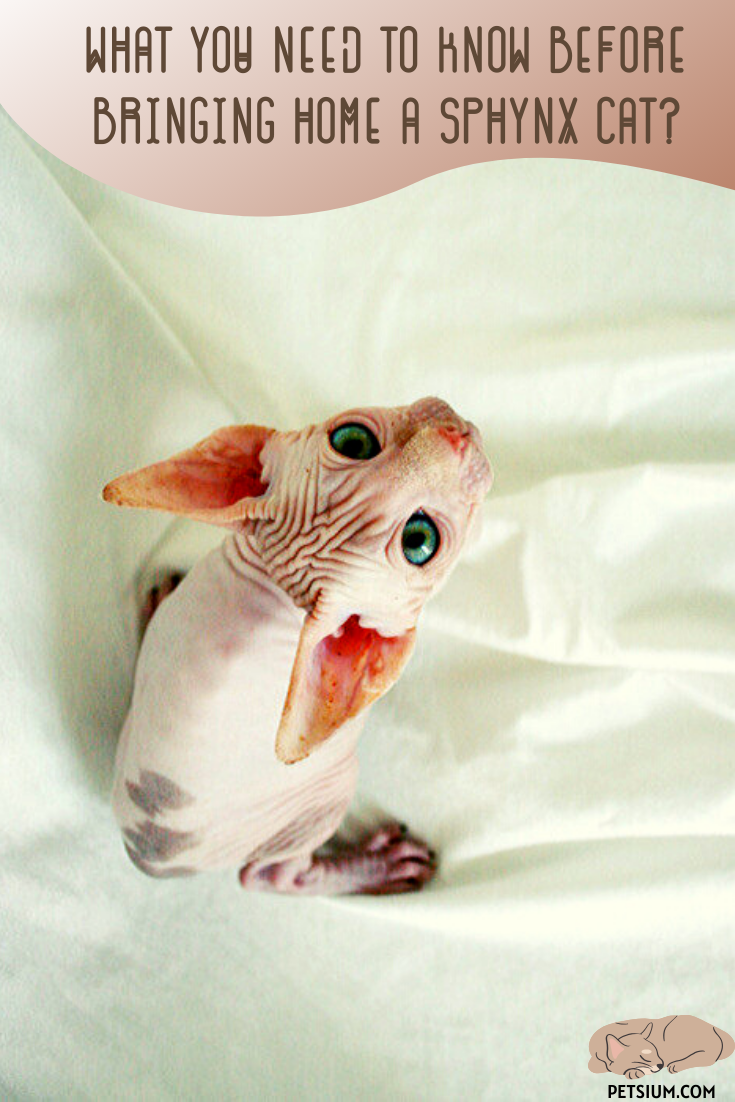
The Sphynx Cat is a very inquisitive, intelligent and playful cat. Sphynx also have a very unique appearance in that they appear hairless–but in reality, the Sphynx actually has different degrees of hairlessness.

Some are completely bald while others have various levels of fuzz or peachy down. Some Sphynx, as they get older, may get a little fuzzy as well. Sphynx also come in a variety of colors such as red (orange), black, blue (gray), tortie, and bi-color.

Sphynx Cats are often referred to as part monkey, part child, and part dog, and many will come when called and also meet you at the door, ready to play! Sphynx love to sleep with you at night, and will snuggle right up against you for warmth.

Cute Sphynx Cats

Sphynx Cat Origin

The Sphynx Cat does not come from Egypt as many think but originated in Toronto Ontario, Canada, where in 1966 a naked baby was born into a litter of hairy cats. This was the beginning of the Sphynx breed that we know today. The Sphynx name was given at a later date because of the similarity they bore to the Sphinx statues.

Sphynx Cats (also called Canadian Sphynx, Canadian Hairless, Moonstone Cat, Moon Cat, Wrinkled Cat) first showed up in Canada during the 1960’s but the original breed is thought to have passed on. However, breeders from Canada, Europe, and Minnesota recreated the breed in the 1970’s.

History of the Sphynx

The Sphynx is a rare cat that is known to lack a coat. Evidence shows that hairless cats come mutations in the cat population. These mutations can occure in the population up to every 15 to 20 years.

The modern version of the Sphynx came about in the late 60’s in Toronto Canada, when there was the birth of a hairless kitten who was dubbed Prune. The cat was then crossed with its mother, which led to another hairless cat. Prune with a few other naked cats became the founders of the Sphynx breed.

As with most mutated species the first Sphynx faced several problems such as a very limited genetic pool, and breeders did not have much information on the cats so many died. Later a male Epidermis was born in the year 1975. His mother was short-haired, this breed provided new genes for the Sphynx lovers to mix their cats with.

Early on crosses with the Devon-rex were used most of the time but as time went on this became a taboo because it caused health and devolution problems. The Sphynx is now a breed with a sturdy gene pool.

Sphynx Cat Care

Your Sphynx kitten does require a bit of maintenance that a cat with hair does not require. Regular bathing, nail cleaning and ear cleaning are necessary, but usually not a problem, as Sphynx kittens start this at an early age and most are used to it by the time they go to their new homes.

Sphynx Cat Fur

Although the Sphynx looks like a bald cat this is not the case. They have a higher core temperature than other cats and their skin texture resembles Chamois leather. Sometimes the coat is covered with a fine peach like coat of hair.

Because of the lack of much hair Sphynx Cats should not be kept in the sun for too long or they will burn, they should also reside in a warmer climate because they are sensitive to temperature changes. These cats can often be seen cuddled up to other people or animals trying to stay warm, this is to make up for the lack of fur on their coats.

Most of them even sleep under the covers at night with their owners. In the colder winter months they often spend their time under blankets or cuddled up to a warm person. The lack of fur makes these cats feel very warm when touched. Sometimes they have whiskers and eyebrows and sometimes they do not.

Although they do not have fur their skin is the color their fur would be and they have all the normal marking of other cats, such as solid, van, or tabby. Because of the lack of fur these cats need to be washed more often, the fur normally soaks up the oils of the skin but without fur these need to be washed off more regularly.

Sphynx Cat Appearance

The Sphynx has an adorable, wedge-shaped head with extra large ears, which are 3 inches or higher in adults and lemon-shaped eyes. They have a thin whippy tail and soft, wrinkly skin. With a medium, muscular build and a cute little pot belly, these guys and gals are hard to resist.

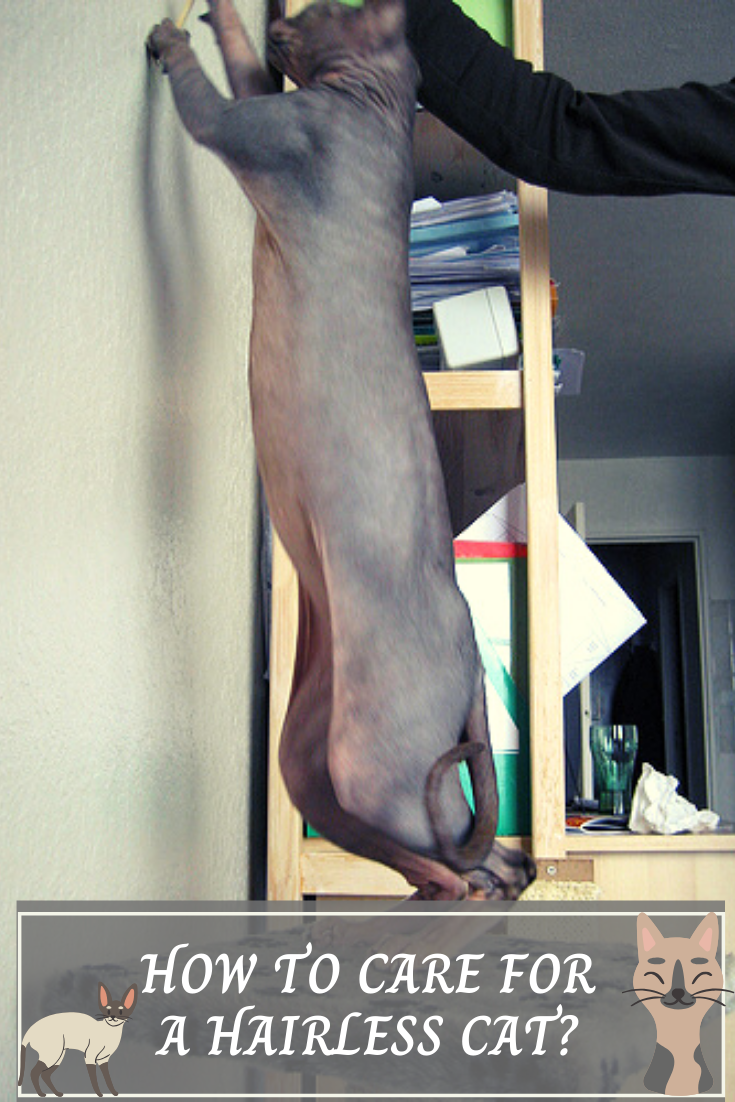
They have long, slender legs with well-muscled thighs. Their precious toes look like tiny baby fingers and they use them to pick things up and hold them.

Like a sociable dog, the Sphynx can be taught to walk on a leash and cherishes a good game of fetch. They’re good with children, other cats, and with dogs.

Sphynx kitten

Sphynx Cat Personality

This cat is a friendly. Like a good buddy, he enjoys nothing better than the attention of his human parent and he loves to play games.

They are intelligent and inquisitive. They are very creative when it comes to inventing games and will investigate just about everything in the house including countertops and cupboards.

Don’t be surprised if your Sphynx figures out how to open cupboards with their finger-like toes. It won’t be long before you discover kitty up on the fridge or in other high places.

Sphynx Cat Issues

  • They get cold easily.
  • Sphynx Cats are vulnerable to sunburn and skin cancer.
  • They have a higher chance of developing heart disease (hypertrophic cardiomyopathy).
  • Kittens susceptible to respiratory infections.
  • They require ear cleanings, nail cleanings, and weekly baths.
  • They have a high metabolism and need to eat frequently.

Tips and Solutions

  • Keep the house above 70 degrees F.
  • Have several warm cat beds around the house.
  • Keep them indoors or at least out of the sun.
  • Buy or make them a sweater.
  • Have them screened for hypertrophic cardiomyopathy (HCM).
  • Make sure they always have food available.

Sphynxes are not shy cats, they are very energetic, smart, and like most cats very curious.

A Sphynx Cat/Kitten will give you years of love, friendship and laughter, and once you bring your Sphynx Kitten home, you will wonder how you ever lived without one!

Категорије: Cats

Hairless Cat

март 26, 2020 By liv parmel

Why be a “Me too” and get a cat that looks like the cat everyone else has?

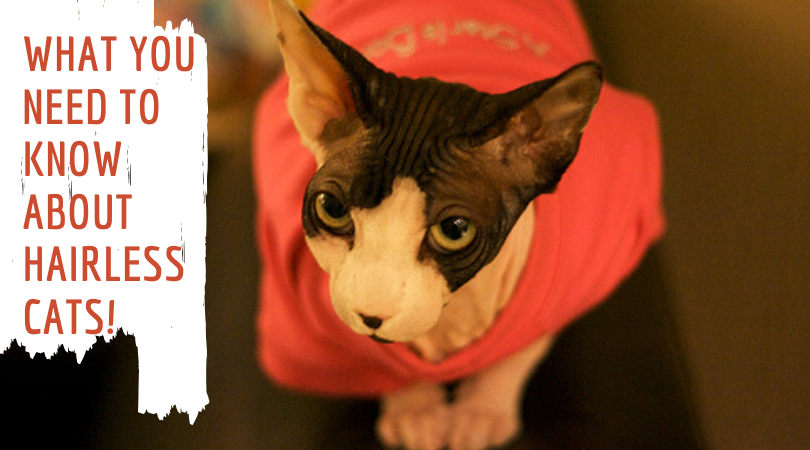
Hairless Cats tend to be friendly, playful, and sociable. They love to snuggle more often because they get cold easier than other cats. This tends to create a closer bond between the lucky owner and kitty. They enjoy crawling under the warm covers to sleep with Mom and Dad.

hairless cat facts

Main Hairless Cats Breeds:

  • Sphynx Cat
  • Bambino Cat
  • Peterbald Cats
  • Ukrainian Levkoy
  • Donskoy Cat
  • Kohana Cat
  • Dwelf Cat

What Do Hairless Cats Look and Feel Like?

The head of Hairless Cats tend to be wedge-shaped, and their skin is wrinkly in a cute Yoda-like fashion. They tend to have large, adorable ears and a thin tail. Eyes vary from roundish to almond shaped. Their skin is wrinkly and somewhat elastic. It feels soft – like a warm, fuzzy peach or a hot water bottle.

They don’t need to be brushed as often. If they are truly bald, they don’t have to be brushed at all. Shedding won’t get all over your clothes and you won’t have to clean up hair balls.

They look really cool and unusual.

How Big is a Hairless Cat?

Hairless Cats can be anywhere from slim and elegant like a Siamese cat to fairly stocky. They are small to medium sized with an average weight between seven and fifteen pounds. As with other breeds, females are notably smaller than males.

Grooming Hairless Cat

Grooming has to do with how often you have to bathe your cat, clean cats ears, wipe their eyes, clean out their ears, and clean their nails (claws).

If you strongly object to bathing your cat once a week, then Hairless Cats are a less than ideal choice for you. Remember, you’ll have to do that each and every week for several years.

It may not be as bad as you think. Some of my cats actually like the water. For us, it’s a bonding experience. We all have a good time. Not all my cats like the baths though. Some get upset. It’s best to start them bathing a few days after you get them home.

The good thing about Hairless Cats is that breeders usually start giving them baths before you even adopt them. These cats are already used to it.

Grooming also has to do with brushing them. One of the benefits of being a Hairless Cat owner is that you don’t have to deal with brushing them, getting cat hair on your furniture and clothes, or with them getting hair balls. So, bathing them weekly is something of a trade off.

Bathing A Hairless Cat

Hairless Cats do take some extra care. They have little to no hair (hair would normally absorb and disperse oil) and their skin tends to get oily after a while. They need to be bathed once a week.

You can tell when they need it because they start to give off an odor. The smell of the odor varies from cat to cat and from breed to breed. Sometimes it can smell like raw mushrooms or like cheese. When you pet them they leave an oily residue on your hand. You don’t want this on your clothing or furniture.

When bathing your cat, three things should be on hand:

  • Cat shampoo (the one that many vets use)
  • A clean, dry towel (organic cotton – set of two).
  • A large plastic drinking glass or small plastic bucket (to rinse kitty off)

You can bathe your cat in either the sink or in the bathtub. Some prefer the sink because it’s higher and easier to wash the cat.

Cleaning Cats Ears

Hairless Cats need to have their ears cleaned because they have very little hair or none at all in their ears. As a result, wax has a tendency to build up in their ears and it needs to be cleaned out.

We check our cat’s ears once a week. You’ll be able to tell if there’s any wax build up. See the note below the Steps section.

Safety tip: Never use Q-tips and never stick anything further down the ear canal than you can see. Doing so can damage the sensitive inner ear and can even rupture the ear drum. That can be painful and might lead to infection.

Instead, use cotton balls and special ear drops. Have the cotton balls and ear drops handy along with a facial tissue or two for clean up. You’ll do this on the floor so kitty doesn’t panic and fall off the counter. Be sure to read the instructions listed on the bottle of ear drops before you begin.

Note: Healthy ear wax is dark yellow to medium brown in color. A little wax is okay but excess build up could indicate injury, infection, or early mite infestation. Black wax in the ear often indicates ear mites. If you see black discharge, take kitty to the vet.

Hairless Cat Health Issues

It helps to know if a breed has a tendency to have certain health issues. For example, a larger than average percentage of Sphynx population has a tendency to have HCM, which is a certain kind of heart disease. Would you be willing and able to handle it if your cat had serious health problems?

Many breeders will test their Sphynx cats for you. All you have to do is ask them if the adoption candidate has been tested for HCM or if they will have the test run. That way you won’t get stuck with a cat that already has HCM or some other issue. Check the details of the breeder agreement. What are they standing behind?

They are capable of getting skin cancer so make sure they are mostly indoors and away from the sun beating down on them to try to stop any sorts of cancer. They do have a higher chance of heart disease but if you keep regular veterinarian visits, this may help to prevent anything from seriously happening to them.

hairless cat care

Hairless Cat Life Span

The life span of a Hairless Cat is the same as any other cat, about fifteen or more years. Since the cat is hairless the cat won’t be able to tolerate the cold weather so make sure that the temperature is seventy degrees or higher for them during the winter inside the home.

In the summer, leave a blanket around for the cat so he can snuggle under it as you’ll probably have your air conditioner running. You can look into purchasing a sweater for the cat too.

Allergy to a Hairless Cat

If you or any members of your family are allergic to cats, a Hairless Cat might not be the best to own for the allergies. It’s not the hair that a person is allergic to; it’s the pet dander that is found on the skin of the cat. Therefore to own a Hairless Cat might aggravate your allergy more so.

You are going to need to bathe them at least once a week but if your find your cat’s oils are too much, get a sponge and clean him up a bit as you see too much oil on his coat. Although the cat has no hair it’s very soft to the touch and has that squeaky clean feel to it.

Coat Colors Of A Hairless Cat

As with cats who have hair, Hairless Cat Breeds come in a wide variety of colors.

Some of the most common colors are listed below:

  • Piglet Pink
  • Red
  • Black
  • White
  • Gray
  • Black and White
  • Tortie
  • Calico
  • Tabby
  • Point
  • Tan
  • Brown

They come in many additional colors too. Though “Hairless” doesn’t always mean that they have no hair at all, some are truly bald.

Coat Types

Our friendly Hairless Felines come in four main coat types:

Rubber Bald: Completely bald. Some cats will remain bald throughout their life.

Flocked: This type of coat resembles the look and feel of soft chamois leather (shammy). Though these cats appear hairless, especially from a distance, they actually have very short and fine hair. Some kittens that are born with a flocked coat will progressively become more bald as they age.

Velour: Kittens and young cats with this type of coat will have a bald patch on the top of their head. The body has a cute wavy coat. Much of the hair will disappear as the ages.

Brush: This coat is wavy and wiry, yet it’s very soft. Bald areas are visible on the back and on parts of the neck as well as on the head.

Nose Leather And Paw Pad Colors

Nose leather and paw pad colors vary quite a bit. Here’s a partial list:

  • Pink
  • Black
  • Smoke
  • Brick Red
  • Brown
  • Cinnamon
  • Rose
  • Lavender
  • Fawn

Hairless Cat Price

The price of a Hairless Cat can be quite expensive depending on where you would buy it from. It can run you anywhere from four hundred dollars to nearly sixteen hundred dollars. This will depend on where you went to buy the cat. You can buy one from a breeder or you can adopt one or find them online.

If you are looking for a Hairless Cat you can find one almost anywhere. If you are willing to pay a price for them, you will find one.

Hairless Cats are Very Sensitive Cats

With a Hairless Cat you are going to have to watch each time he goes to lay on the window sill that he is not going to get a sunburn so try to block the sun with shades or screens so this doesn’t happen. Also you might want to put some baby sunscreen on him especially his ears and nose so he doesn’t get burnt in those areas.

You can let him go outside but he’s not a good outdoor cat. The wind and the dust will affect him too.

Hairless Cats are very sensitive to the differences in room temperature. Cat beds and blankets are a requirement with Hairless Cats because having little to no hair, they get cold easily.

You are going to want to watch that the Hairless Cat doesn’t catch a cold because they can very easily so you’ll want to make sure it’s always a bit warm in the house for them.

Категорије: Cats

Maine Coon Cat Facts

фебруар 25, 2020 By liv parmel

Maine Coon cat is good by nature, lively and just a wonderful pet. Maine Coons are one of the largest representatives of the family of domestic cats. They are extremely hardy, strong and very beautiful.

Any large animal species is characterized by slow development, Maine Coons are no exception. Representatives of the species reach puberty only by 4-5 years of life. Moreover, the males are very large! The females are slightly smaller in size.

Maine Coon cat

Maine Coon Cat Appearance

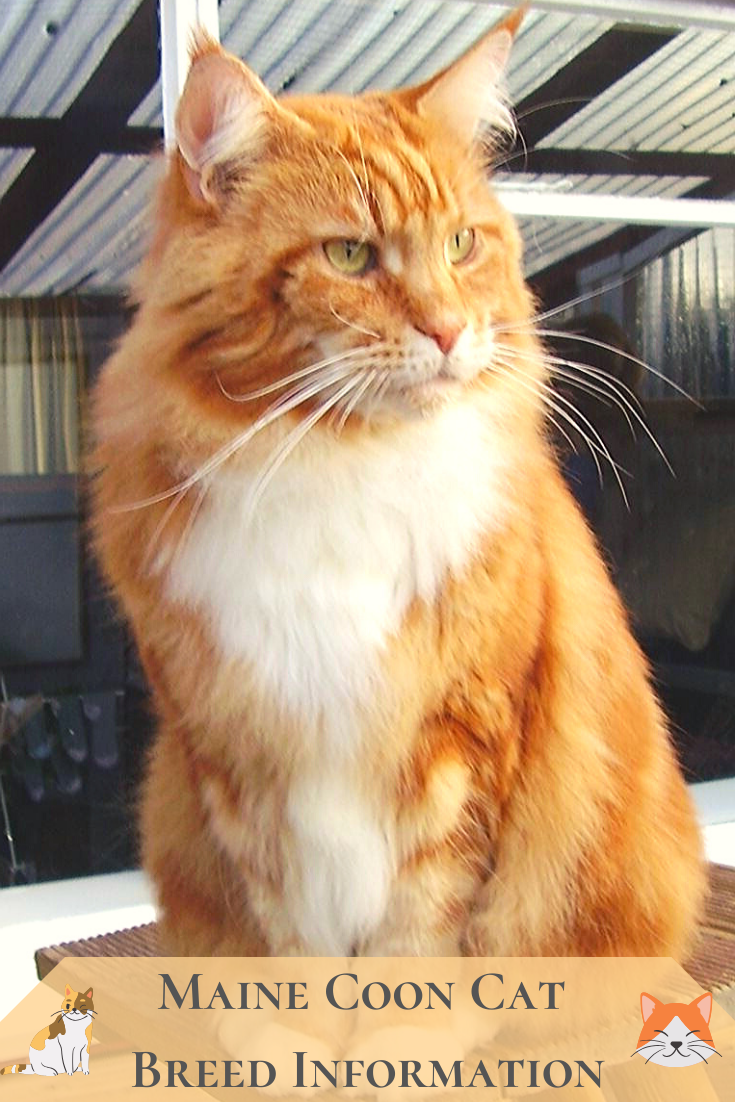
Maine Coons have a very strong developed muscular body with powerful legs ending with large round paws, with a wide chest. An elongated head of medium length (with strong square jaws), with rounded eyes and large high ears, pointed at the ends and crowned with tassels, extended at the base. Ears and paws are covered with tufts of hair.

The Maine Coon is thought to be a descendant of the domestic cats that were the first to arrive in North America. Maine Coon cat is known for their size boasting the largest breed in the domestic cat domain.

How Long Do Maine Coon Cats Live?

It has been recorded that the average life span is 13 years, I would think with the right exercise and diet that your Maine Coon would see 15 years. The average weight of a Maine Coon male is around 7-11 kg and females 5-8 kg.

The Breed

Maine Coon cats are instantly recognizable as the largest breed of domestic cat. They have large, strong and muscular bodies to support their heavy frame. Their body shape is considered rectangular compared to the tapered shape of smaller breeds.

They have large broad chests with a wider than normal leg stance. Their iconic bushy tail is often described as similar to those of raccoons and squirrels.

Maine Coon Coat and Hair

The Maine Coon fur coat is thick and heavy to keep the larger body warm during the colder months. Most Maine Coon cats have long-haired coats which are very soft and smooth, however characteristics differ between coat colors.

The length of hair differs along the body with most cats having shorter hair on the head and shoulders, longer hair along the belly, neck and ears. The coat is easy to maintain as the undercoat is lightweight, however it is important to note that molting will occur with the change of seasons.

Maine Coons posses many physical attributes that enable them to flourish in cold and harsh environments. The longer fur that is found on the underbelly is thick and water-resistant to enable the body to stay warm while lying in wet or frozen conditions.

The large tufts of fur on the ear help to warm the thin wall tissue while in high wind conditions. The bushy tail is used as a thermal seat to keep the backside of the cat off cold surfaces when seated. The tail is also used a wind breaker when it is wrapped around the face and shoulders.

Maine Coon Cat Weight and Size

You are surely wondering how big do Maine Coon cats get? Males can weigh up to 25 lb (11 kg) and females up to 15 lb (6.8 kg) reaching a length from tip to tail of 40 inch (100cm). The tail itself can grow to 14 in (36 cm). The breed is considered slow maturing as full size is reached anywhere between the ages of 3-5 where most cats mature at age 1.

Maine Coons Colors

Maine Coons can come in any color found in other cat breeds due to generations of crossbreeding through domestic animals. Although physical stature and shape may depict a purebred Maine Coon, cats that posses colors suggesting cross breeding such as the Siamese patterns are not recognized by breed standards.

The classic Maine Coon fur color is the brown tabby. All eye colors are accepted under the breed standards except for blue or mixed eyes, which are only accepted in the white furred Maine Coon.

The Maine Coon can be long or medium haired depending on where you live and your climate. The coat is soft and silky and comes in variety of colors some of these include black, silver, red, blue, white in either tabby or solid pattern with the allowance of any eye color.

Mainecoon

Maine Coon Cat Personality

Maine Coon cat is a very loyal companion and has a very unique personality with unlimited love and affection for their owners especially children which they adore. They are curious smart and clever and very easy to train.

They will learn tricks including fetching, shake hand and walking on a harness their feet are used like we us our hands for every thing they do including eating and playing.

They are great with other animals this would include the family dog if raised together or even the pet bird.

They will stay by their owners when visitors are around and can be cautious but never mean until trust is established with strangers but this doesn’t mean they won’t show off and be the entertainment at dinner time or social occasions.

Maine Coon Cat Behavior

Maine Coon cats love to be with the family but if left alone they will occupy themselves with out being destructive so the furniture you love is safe. When the owners return a Maine Coon will greet you with plenty of chirping which is what they are known to do more so than a meow.

They have their little behavior quirks some of them being there resemblance to a dogs nature and loyalty. They can never just drink from a bowl with out testing the temperature with their feet or walk away from food unless it has to be buried.

They have a fascination with water. Finding a sink or bath full of water is just too hard to resist even in the winter months. Maine Coons are fun loving no questions asked gentle giant of the feline world that will delight and entertain you and be very much a part of the family home.

If you are lucky enough to be owned by more then one Maine Coon they are content to play, sleep and eat together in harmony and the mix of personalities is entertainment plus every minute of the day.

Maine Coon Sounds

Maine Coon cat, despite their formidable and majestic appearance, is distinguished by a very soft voice, they are rarely meow, and if they do, then a person will be struck by the timbre of their voice.

Maine Coons don’t sound like other cats. They have a very distinctive trill, which some describe as a cross between a purr, a chirp, and a meow. If you talk to them, they will ‘converse’ with you. They love the sound of your voice, and want you to talk to them often. In spite of their size, Maine Coons have very soft ‘voices.’

Do Maine Coon Shed

Yes, Maine Coon does indeed shed. As any other fur-bearing animal they also needs to adjust to the variation in terms of seasons, temperature, and so on.

Maine Coon Cat’s Litter Size

The average litter size for a Maine Coon is between 5-7 kittens. Naturally there can be more, or less. In Norway there has been registered 9 kittens in one litter at maximum. All survived.

For How Long are the Females Pregnant

The general average pregnancy period for a normal cat (includes Maine Coon) is 65 days. (Births after 63-70 days pregnancy is considered normal).

Maine Coon Cat is Great Pet

Despite its wild appearance, the Maine Coon cat is a great house and family cat. In contrast to her size, she has a soft and gentle voice that often sounds like the cooing of a dove. Although it is independent in nature, it easily adapts to living in an apartment. A networked window or a secured balcony ensures a place in the sun and fresh air.

Maine coons are suitable for keeping at home like no other, they are funny in appearance, despite the abundant amount of hair, they do not require careful care, their hair does not fall off, because in natural conditions they had to endure harsh climatic conditions.

Representatives of this breed are very mobile, Maine Coon cat will always find what to do with himself. Only Maine Coon cat will be able to give you a sea of ​​love and joy and forever „settle“ in your heart and become a best pet!

Категорије: Cats

Abyssinian Cat Guide

фебруар 1, 2020 By liv parmel

The cat lover who wants a companion who is the epitome of the feline species can not make a better choice than an Abyssinian. A sleek, elegant mini-cougar with:

  • Magnificent alert ears
  • Sculptured exotic face
  • Radiant royal dignity
  • Regal beauty
  • A mischievous twinkle in his eye

Abyssinian Cat Breed Information

About Abyssinian Cat

The Abyssinian cat has a mysterious history that makes it a very interesting breed as it’s origins ore not entirely certain. As of late the Abyssinian has become one of the more popular cat breeds with some major cat publications ranking it among the top ten most popular breeds today.

Let’s talk about this breed, the history and overall characteristics that make it such a popular breed among cat lovers.

Abyssinian Cat Origins

There is a lot of debate and uncertainness over the actual origin of the Abyssinian cat breed. The main theory as to where it came involves Ancient Egypt. It is widely believed that the breed is a few thousand years old and that the Egyptians loved and adored this cat.

This theory can be supported by the fact that there are many paintings and art that depict cats that resemble what we know as the Abyssinian today. The name ‘Abyssinian’ is actually tied to Ethiopia, but Egypt is the most logical place that the cat came from.

Abyssinian Cat Appearance

The Abyssinian is very slender, long, and muscular in appearance with a medium length coat that is very silky in both touch and feel. If you have ever seen a Somali cat you will notice that there is a striking similarity.

Another prominent feature is the large and alert ears compared to the rest of its skinny body. The tail is also long, just like the rest of the body. Overall this breed is medium in size and weight compared to other felines.

Abyssinian Cat Color

The coat of Abyssinian cats is very unique compared to other breeds of cats; it is medium in length, dense and very silky. The coat of Abyssinian cats have a special feature where each hair has multiple shades of colors.

The hair usually has three or four bands, with the lighter color being at the root and darker color being at the tip.

This feature is found only in the Abyssinian, Somali and Singapura breeds, however this does not mean the coat needs special care or anything.

The dark and light colored coat, also referred to as ‘ticking’ involves a base color that is darker with a lighter colored root. There are only a few cat breeds that have this type of cat, which makes it even more unique.

There are a few color variations but the overall appearance hasn’t changed much over the years. Color variations include a cinnamon base, a beige color base, and there is also a light cream base color which is rare compared to the first two that were mentioned.

Other rare colors include red, chocolate, lilac, and tortoiseshell with just a few breeders focusing on these types of coats. There is also a silver Abyssinian but it current is not recognized by the CFA, making it unattractive as a pedigreed cat.

Abyssinian cats, or kittens are born with darker fur that turns into a lighter shade as they age and mature. It usually takes several months for the final color to settle in. The coat of Abyssinian cats may be: Sorrel, beige, black, blue, silver and the rare colors include tortoiseshell, chocolate, red, and lilac.

Abyssinian Cat Personality

The temperament of this cat is what makes it very attractive to prospective owners who want a feline that is not going to lay around and be a typical lazy cat. They are very outgoing, playful, and intelligent cats who thrive on interaction with their owners.

While their personality is very extroverted, this usually applies to affectionate towards their owners only. Strangers, for example can typically result in shyness from these cats as they feel uncertain and timid in unfamiliar situations.

Abyssinian Cat Personality Traits

  • Intelligent
  • Very Affectionate
  • Playful
  • Active
  • Alert
  • Inquisitive
  • Clever
  • Quiet
  • Possessive
  • People-Oriented
  • Water Loving
  • Elegant
  • Graceful
  • Quick
  • Responsive
  • Intuitive
  • Beautiful
  • Unique
  • Fascinating
  • Determined
  • Bold
  • Sensitive
  • Trusting
  • Mischievous

These are ideal cats for families that are willing to give the affectionate and attention that is needed. Abyssinians are one of the best breeds to have in a family setting, but don’t always play nice with other animals. They like to be the focus of attention and other cats can sometime cause jealousy or erratic behavior.

This doesn’t mean that you cannot have other animals or cats if you get one, but you should be aware that there may be extra social adjustment required to make it work.

You should definitely devote time to play with an Abyssinian (great for kids) and have plenty of toys available while you are away, as they will get into trouble!

If you watch some videos of the breed you will see that they definitely are thrill seekers, including exploring heights and other less traveled parts of your house.

Abyssinian Kittens

If you have just gotten a kitten from the breeder there are some things to consider. You should keep it in an area that is safe and free of unexpected dangers. What we mean by unexpected dangers are things that could potentially harm the kitten as they play or become curious.

Look around your house or specific room where the kitten will be and look for things that might be able to fall on them, tip over, and also cords and other electrical items that could be chewed on. Dangerous plants and other flowers that can be chewed on should also be put away.

As you may know, the Abyssinian breed is notorious for being curious and a bit risky as it plays…a real thrill seeker. You want to eliminate anything that is dangerous to your new baby. And just like a real baby, the new kitten does not know any better. Keep it safe by using common sense and knowing your environment.

Abyssinian Cat Feeding and Watering

Probably the most important part of caring for an Abyssinian cat is keeping a regular and fresh supply of dry food and water available at all times. You will want to keep the food and water in an area that is both private and accessible for your cat.

The brand of food that you choose isn’t as important as making sure they have a constant supply. There are many popular brands that have a specific kitten formula for new cats, an adult mixture for normal feeding, and even a senior formula that helps give the cat nutrition and help with joint problems.

Abyssinian Cat

Abyssinian Cat Grooming

Grooming this breed is really pretty easy because of their silky medium length coats. You probably want to do regular brushing a few times a week with a wire or coarse brush.

Bathing is generally not necessary unless they get into something very bad or that will not come off through brushing.

Nail clipping is a regular chore that may not be pleasant but is necessary to keep the claws at short length which will reduce the chance of getting your furniture clawed up as well as possible scratches to yourself or members of your family.

Declawing is something that some owners perform that we highly recommend against, but it is a personal decision. It is painful to the cat and really unnecessary as long as you do the proper clipping on a regular basis.

There are also plastic caps that are available as an alternative if you are really concerned about the claws doing damage or harming small children.

Abyssinian Cat Dental Care

Brushing the teeth on a regular basis of your Abyssinian is something that is very important to avoid dental problems for the future. Let’s be honest here… most cats hate having their teeth cleaned with brushes or rubber applicators that usually come with dental products for felines.

Regular cleanings can be done at the vet to help avoid serious dental problems in life. As well as feeding them treats such as greenies that they can chew on to help with bad breath and germs that collect in the mouth. Make an effort to have some type of dental plan to help your cat keep a mouth full of teeth as they age.

Abyssinian Affection and Attention

This section is very important for taking care of an Abyssinian cat. They require a high level of attention and affection to be the companion that you will love and enjoy having in your home.

Make a point to spend time playing with your cat on a regular basis and have a good variety of toys that they can play with on their own.

The Litter box

The type of litter box probably isn’t important as long as it is large enough for your cat to use and be comfortable in. For just one cat a smaller box might be ok, and with multiple cats you may want to consider a larger box or even two.

Clumping type litters should be avoided as they can cause dangerous situations where the litter expands inside the cat after being swallowed.

Again, the brand probably doesn’t matter as much as having a fresh and clean litter box as often as possible for your Abyssinian.

Consider scooping the box at least twice a day and completely changing the litter at least once a week to keep it fresh enough and free of odor.

Cats in general are very picky about this and you will know if you are not doing a good job because you will probably start finding little surprises around the house. You can avoid this completely by keeping the litter box fresh and clean.

Appearance of Abyssinian Cats

Something unique that Abyssinian cats have is something called the “M.” The “M” shaped marking above the eyes of the cat are also referred as “frown lines” and Abyssinian cats, every single one of them, have it.

Note that the “M” shaped marking does not mean something is wrong with Abyssinian cats, rather, it should be considered as wrinkles.

The head of Abyssinian cats is broad compared to the other breeds, and some-what wedge shaped. The eyes of Abyssinian cats can be described as “almond-shaped,” colors varying from gold, copper, hazel and green.

The ears of the Abyssinian cats are erect and alert, and large compared to the other breeds. They are broad and are slightly pointed at the tips.

Abyssinian Cat Size and Weight

They are a medium size breed compared to other cats. The body of Abyssinian cats is medium in length, and they tend to be very slender while having developed muscles at the same time.

The fine-boned legs are also very slender, and proportionate to the body. The paws are small and oval-shaped and their tails are rather long; sometimes as long as the body itself.

Most adult females are in the range of 8-10 lbs while adult males can get as large as 10-15 lbs.

Abyssinian Cat Lifespan

Usually 12-15 years of age is the average for the Abyssinian breed although it can be more or less depending on individual care and health of the cat.

Is Abyssinian Cat Good for Families?

The Abyssinian is definitely good with families, including children as they require and crave attention as much as possible. There are many indications that they may not do well with other cats or pets because of their desire to be the center of attention.

If you do have other pets it is recommended that you make sure to give them the extra attention that they need.

Most professional breeders will agree that Abyssinian cats are extroverted, and very active and playful. In most cases, Abyssinian cats are never „lap cats“, as they are considered one of the most active breed of cats.

Abyssinian cats love playing and exploring, and those two characteristics are the two main reasons why Abyssinian cats make great show cats. However, there are some Abyssinian cats that are very shy and timid- especially in public.

Abyssinian cats are also very intelligent; they do not take any kind of risks and are very sensible. They are physically capable of climbing to high places and they enjoy it.

They also love playing fetch and playing with strings like many cats do. Abyssinian cats also make great hunters, though you might not expect your Abyssinian cat to be one.

Категорије: Cats

  • « Go to Previous Page
  • Страница 1
  • Страница 2
  • Страница 3
  • Страница 4
  • Страница 5
  • Interim pages omitted …
  • Страница 7
  • Go to Next Page »

Primary Sidebar

Small Fish Tank

Glass Fish Tank

Категорије

  • Animals
  • Birds
  • Cats
  • Dogs
  • Fish
  • Goldfish
  • Guinea Pig
  • Hamster
  • Horses
  • Name Inspiration
  • Parrot Pet
  • Rabbits
  • Reptile Names

Скорашњи чланци

  • Hoppy Naming! Adorable and Funny Easter-Inspired Guinea Pig Names
  • Purr-fectly Adorable: Valentine’s Day Cat Names for Your Feline Friend
  • Astronomy Inspired Cat Names
  • James Bond Cat Names: Purr-fectly Suave Options for Your Feline 007
  • 170 Authentic Greek Names For Cats
  • Hippie Cat Names
  • Ladybug Facts For Kids
  • Unique White Horse Names with Meanings: From Majestic to Mystical
  • Disney Turtle Names: 160+ Names For Turtles From Disney Movies
  • 100+ Names For Black Horses With Meanings

Guinea Pig Cage

Large cage for your guinea pig

Ознаке

Best family parrots Best Gifts for Cat Lovers Best Hamster Toys Best parrot for beginners Best parrot for kids Best Small Dogs For Kids Boy Cat Names Can Guinea Pigs Eat Celery Cat Names Cat names for pairs Dog Behavior Dog Throwing up Dog Vomiting eat Female Bengal Cat Names Female guinea pig names Funny goldfish names Goldfish aquarium Goldfish names Gold Fish Names Goldfish tank Goldfish varieties Guinea Pig Guinea pig names Guinea pigs Male guinea pig names Manx Cat Names Names for Goldfish Names for guinea pigs Names for pink fish persian cat personality Siamese cats Small curly haired dogs Small dog breeds Sounds Twin cat names Types of goldfish Undigested food Unique guinea pig names What can guinea pigs eat Winter White Hamster Care Winter White Hamster Colors Winter White Hamster Diet Winter White Hamster Facts Winter White Hamster Life Span

Disclaimer:

This website „PETSIUM“ is not liable for any outcome or damage resulting from information obtained from these articles.

The articles provided here are for information and entertainment purposes only. The decision to use, or not to use, any of this information is the sole responsibility of the reader.

Any medical related content in any articles is not intended as diagnosis, treatment or prescription. It is not intended to be a medical advice and is not a substitute for professional medical advice. Please consult with a licensed health care practitioner if you are dealing with a serious medical problem.

Hamster Cage

Hamster Cage

Footer

Petsium – Veštačka Inteligencija

Dobrodošli na Petsium, vašeg novog saputnika za brzo, precizno i potpuno besplatno AI iskustvo. Ovde možete da postavite bilo koje pitanje – od pisanja eseja, preko tehničkih izazova u kodiranju, do saveta za svakodnevne zadatke – i dobićete odgovor prilagođen upravo vama. Sve to bez registracije, bez komplikovanih menija i bez skrivenih troškova.


© 2026 Petsium · Privacy Policy