• Skip to primary navigation
  • Skip to main content
  • Skip to primary sidebar
  • Skip to footer

Petsium - Veštačka Inteligencija | AI

Vestacka Inteligencija Aplikacija i Chat

  • Vestacka Inteligencija
  • Kontakt
  • Uslovi Koriscenja

liv parmel

Guinea Pig Cage and the Importance of Getting a Good One

мај 21, 2019 By liv parmel

Providing an appropriate guinea pig cage for your pet is one of the best things you can do to show that you are a responsible pet owner.

Since guinea pigs spend most of their lives in cages, it will be worth buying a guinea pig cage that is roomy enough for them to move about, to play and to exercise.

Besides, it will require a bigger space to contain a nest box, a food dish, a water bottle and some toys.

What Kind of Cage is Best for a Guinea Pig?

Since guinea pigs are sociable animals, it will be good to consider getting at least a pair.

This, therefore, there will be a need for you to have a bigger size of guinea pig cage.

One reason for this is so that they have room to walk and sprint around; they are not like mice and hamsters that are happy to run on a wheel all night.

In fact, they don’t even use a wheel; even if you ignore me and put one in there anyway, just know that your guinea pigs will not use it; it may be a point of interest for a few minutes, but that would be about it.

The second consideration for a guinea pig cage is that it has to have a removable plastic bottom.

This will make it easier for you to clean it at the end of the week.

Also, make sure that the bottom tray sides are quite high, because guinea pigs like to dig around and kick up their litter.

It can get quite messy around the cage if the sides aren’t tall enough.

But anyway, consider that these animals can live up to ten years, so can you imagine having trouble with a cage for that long?

Guinea pig cages can be expensive, but it is money well spent when you think of the long term.

And after you bond with your new pet, you will not regret one single penny spent.
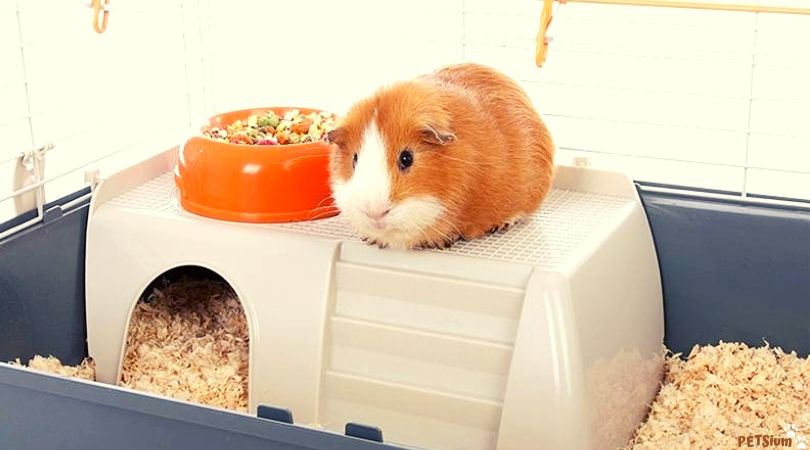
the best guinea pig cages

Cage Style

Nowadays, the Cubes and Coroplast (C & C) style of cage, is now fast gaining popularity.

This kind of guinea pig cage was designed to contain a big number of guinea pigs.

It is made from a combination of metal wire grid, joined together, to serve as walls for the enclosure and corrugated plastic to be used as a container to hold the bedding and the waste materials of the guinea pigs.

This cage can be constructed by means of do-it-yourself instructions that are available online, through C & C cage links.

As compared to the commercial cages available, this is a healthier choice for your pets with the ample size it offers.

Besides, it is more reasonable to build one because of its lower cost.

Since these animals are quite large, they are not into climbing so a sensible height of 18 inches will do for a guinea pig cage.

RECOMMENDED PRODUCT

guinea pig cage

MidWest Guinea Habitat Plus

  • A multi-access folding top allowing safe and secure interaction with your enclosed guinea pigs.
  • 14 inch sides keep your guinea pigs secure while giving you easy access.
  • Modular design allows for numerous configurations and unlimited expandability.
  • Durable, PVC-lined canvas bottom protects your pets’ sensitive feet.
Buy on Amazon

Bedding

It is vital to choose bedding that is safe for your guinea pigs.

Aspen shavings as well as hay are good alternatives to cedar and pine.

Furthermore, placing paper below will help with the absorbency.

Aside from the aforementioned, the newer type of beddings made from recycle paper is, also, a good choice for a bedding.

Nest Box

A place to hide such as a nest box is essential to guinea pigs.

It may either be a plastic pail, tub or a cardboard box, which is easy to replace when dirty.

Shoe boxes and PVC pipes with large diameters are, likewise, good choices for nest boxes.

Toys

Guinea pigs are playful animals so they love to have toys in their midst.

They play with all sorts of stuff such as balls, crumpled paper, wooden blocks, paper bags, tunnels, tubes and hanging bird toys, among others.

These toys, however, should not contain parts that are too small for fear that they may be swallowed by your pets.

Since they are active pets, guinea pigs need ample space in their guinea pig cage to exercise.

Exercise wheels are not recommended because these are not suited to their larger size.

These and exercise balls may do more harm than good and may even cause injury.

Food Dish and Water Bottle

A ceramic bowl is a good choice for a food dish.

On the other hand, a water bottle with a steel spout is a better alternative to a water bowl because this can maintain cleaner water to drink.

Since guinea pigs are fond of drinking, they can easily finish the water that is provided.

So, it would be good to check on the water supply from time to time to replenish when needed.
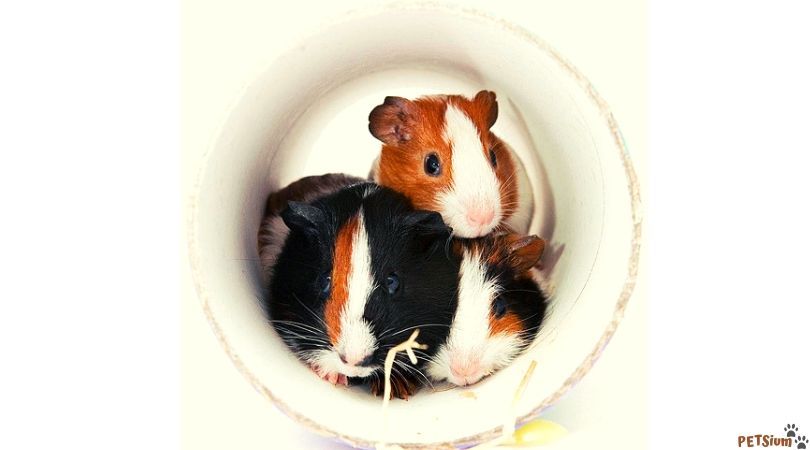
the best accessories for guinea pig cage

Exercise Pens

To enable your pet guinea pigs to be active, you can make your own exercise pen.

You can, also, buy a pen made from wire that is designed for small animals.

Playing inside these corrals keeps them from chewing on the furniture.

The practical thing about these portable pens is that they can be brought anywhere, even in the lawn which can serve as a nice backdrop for playing.

But you have to make sure that no pesticides have been sprayed on the grass to prevent pets from breathing in toxic chemicals.

RECOMMENDED PRODUCT

guinea pigs playpen

MidWest Guinea Pigs Playpen

  • The 15″ high panels ensure that your guinea pig will be in a safe, contained environment.
  • This Playpen features six colorful and durable panels that keep your pets safely contained.
  • Perfect for outdoor use.
  • You can give your pet a safe place to roam and explore.
Buy on Amazon

Proper Place for Guinea Pig Cage

It is, also, important to consider the right spot to situate your guinea pig cage.

When it is inside the house, it should be placed near the window where your pets can be able to get the healthy benefits provided by the sunlight.

It should be far from too much noise.

The temperature should fall within the range of 65 to 75 deg F to prevent them from getting sick.

When the guinea pig cage is brought outside, it should not be placed too far from the house.

It should be kept under a shade to keep your pets from either the sun’s harmful rays or getting wet from the rain.

Keeping your pets in the best guinea pig cage is the most important way of assuring their safety and well being throughout their life span.

This way, you will have pets to enjoy for a longer time.

How to Choose Guinea Pig Beddings

When it comes to choosing guinea pig beddings, the good news is there are a lot of options available to you.

The bad news is, there is no such thing as the perfect bedding. Well, not yet anyway.

The most suitable bedding for your guinea pigs will depend entirely on your priorities.

There are many factors that people consider when choosing their guinea pig’s beddings.

Of course, beddings that are healthy and not toxic to your guinea pigs is up at the top.

We also want one that’s inexpensive and easy to purchase; one that will not require frequent cleaning or changing; beddings that are environment friendly and won’t trigger any allergies; and one that can absorb and neutralize smells very well.

Fortunately, we have plenty of alternatives when it comes to guinea pig beddings. Let’s look at the pros and cons of each one:

Newspaper

Using old newspapers to line the floor of your guinea pig’s cage is an economical option.

Newspapers are inexpensive and it makes cleaning up your cavy’s cage easier, too.

Plus, when you use old newspapers, you are recycling, so its actually good for the environment when you reuse in this manner.
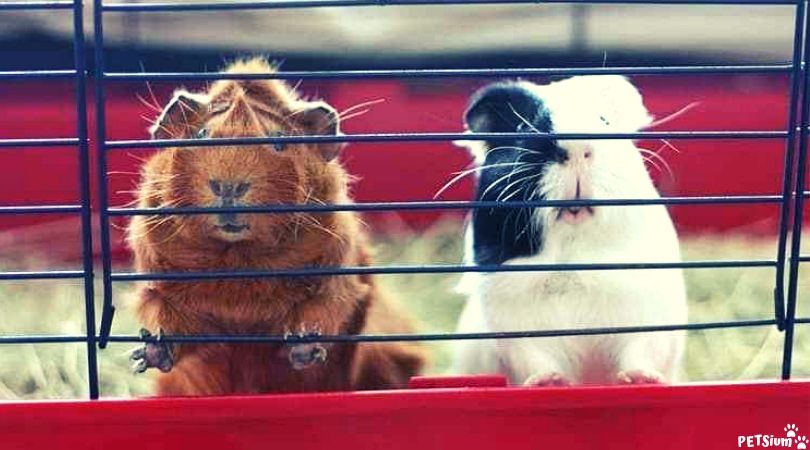
how to prepare cage for guinea pig

Packed paper beddings

In many pet stores you will find various brands of paper based beddings.

Paper beddings are great because they are absorbent, less expensive, and are usually more absorbent compared to wood based beddings.

The drawback with paper beddings is that they may carry some dust which can cause respiratory problems for your guinea pigs.

Kiln Dried Pine Shavings

For many pet owners, kiln dried pine shavings are considered suitable for guinea pigs.

However, there are some who believe that pine shavings may cause fungal infection and respiratory problems like allergies in cavies.

When using pine shavings, make sure you get the one that is kiln dried and not those that are air dried.

Air dried pine shavings retail their phenols, which in large quantities is toxic to guinea pigs.

This is the same reason why cedar and other softwood tree shavings are considered harmful when used as beddings for guinea pigs.

Aspen Shavings

Another type of wood shavings that can be used in guinea pig beddings is the aspen shavings.

While it is pricier compared to other wood shavings, it is possibly the only type of wood shaving that’s considered completely safe for guinea pigs.

Hay

While hay is not strictly a bedding material, it works great when used with other bedding materials, both paper and wood based. Those who use it say that guinea pigs love to run over hay.

A layer of hay on top of the other beddings also prevents dust and pieces of the wood or paper shavings from being kicked around and turning messy.

However, when using hay, it is important that you replace the hay daily.

RECOMMENDED PRODUCT
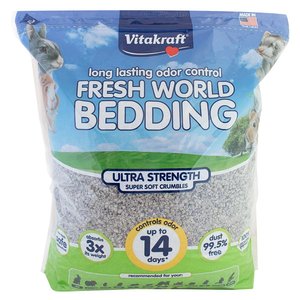
vitakraft fresh world strength crumble bedding for guinea pigs

Vitakraft Long Lasting Odor Control Bedding for Guinea Pigs

  • Absorbs 3x its weight in moisture.
  • Up to 14 days of amazing odor control, less time cleaning up after them.
  • Perfectly soft for guinea pig cages and a great litter for guinea pig.
  • Fresh World Bedding is proudly made right here in the USA!
  • Made entirely from paper collected through PaperGator.
Buy on Amazon

Instructions on Cleaning a Guinea Pig Cage

Cleaning a guinea pig cage is part and parcel of caring for your cavy.

Keeping the housing of your cavy clean will help keep it healthy and deter any build up of foul smell emanating from it.

How often to clean the guinea pig cage is up to you, but generally a once a week schedule is what most pet owners observe.

Several factors will affect how often your guinea pig cage needs to be cleaned.

The type of bedding material that you use on your cage is one of them.

Some types of beddings are more absorbent than others, or neutralizes smells and urine much better.

Fleece is a popular bedding material used by many pet owners.

With fleece, daily spot cleaning by picking up droppings is usually observed.

Other factors include the size of your cage and the number of guinea pigs that you have sharing a cage.

The bigger the cage is, the less frequently you will need to clean it.

But, the more guinea pigs you have to care for, the more mess they’ll make, which means more frequent cleaning.

how to clean a guinea pig cage

When cleaning a guinea pig cage, here are the steps you need to observe:

  • Wear a mask and gloves to protect yourself especially if you have allergies.
  • Transfer your guinea pigs temporarily to a clean and secure enclosure while their cage is being cleaned.
  • Remove accessories in the cage such as their food and water dishes, igloos, and toys. Wash or launder toys, igloos, food containers and water bottle as well.
  • Remove disposable bedding materials and dispose of properly. If using towels and fleece beddings, replace them with a fresh set of towels and beddings, or wash and dry before reusing.
  • Use a vacuum cleaner on the floor of the cage to remove any stray bits. Or sweep with a broom and dustpan.
  • Prepare a vinegar solution by mixing 3 parts water with 1 part vinegar. This vinegar solution will neutralize the smell from guinea pig urine. Spray the floor and the walls of the cage liberally and wipe with a dry cloth.
  • To clean calcium deposits that are stuck on the floor, put vinegar on the stain to loosen it. And then with an old toothbrush, scrub the floor lightly to completely remove it.
  • To disinfect the cage, create a bleach solution by mixing about 2 tablespoons of bleach to a litter of water and clean the cage using it.
  • After cleaning the cage, it’s time to put the beddings back, then the accessories. When everything is in place, you may return the guinea pigs back to their cleaned cage.

Guinea Pig Water Bottles and Guinea Pig Bowls

Like all living creatures, in order to survive, guinea pigs need a constant source of fresh and clean water.

It is necessary to change it every day. I find it easiest to make it part of the feeding routine.

The best way to give water to your guinea pig is to use one of those water bottles that hang on the wires of the cage from the outside.

You can use a water bowl, but it isn’t very sanitary and you would need to clean it way more often, as these animals like to sprint around and kick up a mess and some of it is bound to hit the water bowl.

The guinea pigs are also prone to spilling it and a bowl will just end up wetting the cage and cause extra mess and clean up.

The second item I wanted to mention is a food bowl, you can use a metal, ceramic or plastic bowl if you like.

You will not require one for their vegetables and fruit because you can just place these in the middle of the cage.

A bowl is needed to hold their pellets, however.

This is for two reasons: to keep the cage clean and to keep the pellets clean and away from their feces and urine.

You can find water bottles and bowls made specifically for this purpose in any pet store or by shopping online.

They are not very expensive and considering that guinea pigs live 4-8 years, they are a worthwhile investment.

The Importance of a Guinea Pig House

Aside from a cage, food and water, a house is the most important item that you should provide for your guinea pig.

The reason for this is that they have a natural instinct to hide because they are at the bottom of the food chain; in other words, they are considered food for larger carnivorous creatures.

Your pet will never totally feel secure and safe if you don’t give them a house to sleep and hide in.

These houses are commonly referred to as an “igloo”, because they are igloo shaped.

They are constructed of a hard plastic and are the perfect size for one pig.

You may find that your guinea pigs don’t mind sharing one, but it’s still a good idea to provide one for each animal, just in case.

Guinea pigs are nervous and jumpy by nature, and if they feel that they are in any kind of danger, they like to scurry to where they feel safe from predators.

A house of some kind will satisfy this need to hide.

Of course you don’t necessarily need to buy a plastic hut, you can simply make one yourself.
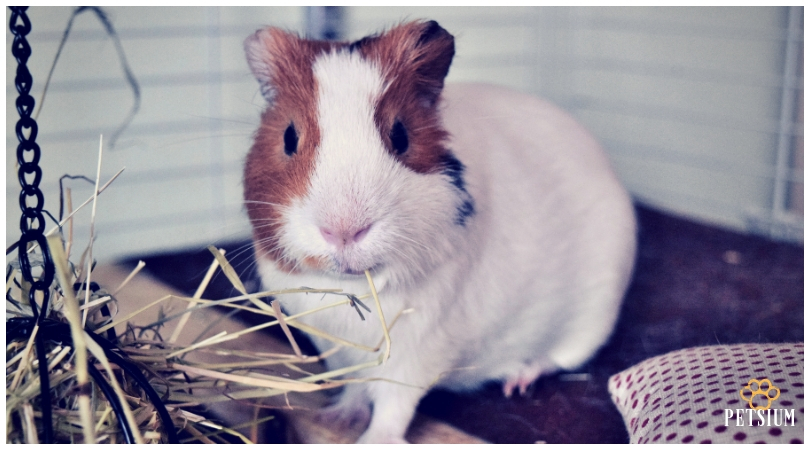
guinea pig igloo

Shoe Box for Hiding Guinea Pigs

An old cardboard shoebox with a guinea pig sized hole cut in it will work just as well.

The problem with this is that you would need an endless supply of shoe boxes.

You can’t wash cardboard and you would need to throw it out at the end of the week because guinea pigs pee and poo all over the place and it wouldn’t be very sanitary.

One of the suggestion is that you can use a flowerpot for a house; just turn it on its side and the guinea pigs will love it.

Whichever way you decide to go is fine, as long as you provide a nice hidey-hole for your pet, he/she will be all the happier because of it.

RECOMMENDED PRODUCT
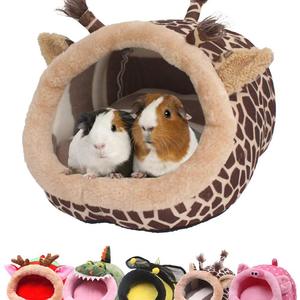
JanYoo Guinea Pig Bed Accessories Cage House

JanYoo Guinea Pig Bed/House

    • It is removable with zipper,you can wash it in the washing machine.
    • Adorable cartoon shapes and short plush for guinea pig accessories, very popular with children.
    • Super soft short plush + high precision PP cotton filling.
    • Choice of 3 sizes.
Buy on Amazon

Where Should my Guinea Pig Live?

Where you keep your guinea pig largely depends on your own circumstances and personal preferences.

The weather plays a part too.

They need to be kept warm in the winter and in the shade in the summer.

Wherever you choose to keep them it is important to keep their bedding and living quarters as clean as you can.

Cleaning the cage or hutch out 2 to 3 times a week should be a minimum.

More so in hot weather to prevent flies and other unwanted attention.

You must also consider the size of the cage according to how many guinea pigs you have.

Many cages and hutches are double floored these days which is brilliant for allowing guinea pigs to roam and get some personal space if they want it.

Indoors

If you have the space you can keep them indoors with you.

There are plenty of guinea pig cages for sale that can be bought online through many stores or at your local petshop.

You can put them to run outside on pleasant days so that they can munch through the grass.

They love to eat grass. Plus guinea pig poo is a brilliant manure for the grass!

Just make sure you keep moving the run around your garden so they can get to work on the whole garden.

Guinea pigs do well living inside with the family.

They like the same temperatures as us (make sure they are not right next to a radiator or in direct sunlight).

Your guinea pigs will soon become used to everyday family life and probably benefit from extra cuddles if inside!

One point to mention is if you decide to let your guinea pigs roam around make sure there are no electrical leads or telephone cables they can chew through.

Outdoors

If you are going to be mainly keeping your guinea pig outside you need to make sure your hutch is both weather proof and secure.

Be aware of local cats and cunning foxes who will all be intrigued by your little furry friends.

Make sure the hutch is at least a metre off the ground and secure against a wall or fence.

Make sure the hutch has a felt roof to protect it from the elements.

In wet weather and colder nights you might want to put a cover over the cage at night to give your piggies so extra warmth.

Always make sure your guinea pigs have plenty of bedding to keep them warm and dry.
Категорије: Guinea Pig

Understanding Cat Spraying and Marking Behavior

мај 19, 2019 By liv parmel

From lions, to the tabby next door, cats possess a certain subtlety and unspoken purpose in everything they do.

Marking Behavior in cats is normal behavior and is an important part of „nonverbal“ communication between cats, helping to establish and define boundaries and reassure the cat that the area is familiar.

Marking of territory involves the spraying of urine and the deposition of other „pheromones“ from glands strategically located on your cat’s body.
Glands are located in the facial area, around the tail region and even in the foot pads.

Researchers have identified more than 17 different substance acting as chemical markers (pheromones) in cats.

The commonly observed behavior of a cat „rubbing“ its face/cheek against objects is an instinctual behavior that releases facial pheromones, communicating that the area is familiar and safe.

The presence of facial pheromones has been shown to have a calming effect on cats.

why cat spraying indoors

Urine Spraying

If your cat can see or smell a visiting cat outside the house or is confronted with new furniture or a new pet or person in the household…

This could be sufficient stimulus for your cat to „spray“ in an attempt to define boundaries and confirm their social standing.

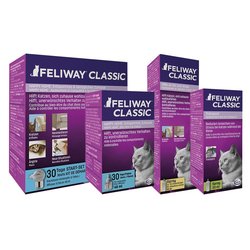
Analogous pheromone sprays, like Feliway, are a great tool for reducing domain boundary angst.

By applying this synthetically imitated facial pheromone, you remove the uncertainty of an unfamiliar environment, or interloper.

It is possible that your cat could be „marking“ and breaking its litter training simultaneously, although they happen for different reasons.

RECOMMENDED PRODUCT

best cat pheromone product

Feliway Classic Cat Pheromones Product

  • FELIWAY and FELIWAY Multicat mimic naturally produced pheromones that help reduce stress-related behaviors in cats.
  • Helps control inappropriate behaviors in cats and the signs of stress due to changes in the environment.
  • FELIWAY is clinically proven to help reduce behaviors caused by stress.
Buy on Amazon

Do Male Cats Spray?

When you are a cat owner, the smell of cat urine anywhere in your house other than the litter box is definitely not a pleasant one.

You may be surprised to find out that male cats, while they are the more common gender of cats do actually spray, and are not the only ones, female cats will also spray as well.

Male cats that have not been neutered will usually start spraying by the time they reach the age of about 5 to 12 months old.

There are may different reasons that can affect the age at which your tom cat starts to spray.

Do Female Cats Spray?

That nasty smell that you feel wandering around your house can’t be from the spray of your female kitty, can it?

You are certain that only male cats are able to spray and in fact, that’s why you got a female in the first place.

Well, the truth is that you’ve been wrong.

Why Do Cats Spray

In the wild, cats use spraying, or urine marking as a way to communicate with one another.

Unlike dogs, which are pack animals and typically travel, hunt and eat in packs with each other, cats will venture out on the their own and claim their own territories.

One way of communicating with other cats to let them know that they have wandered into their territory is to mark their area by spraying.

This form of scent marking is still used in domestic house cats, even though they are no longer in the wild.

To teach them to stop this unwanted behaviour, you will need to figure out why they are scent marking in the first place.

This is important as you will have to know how to properly react to this annoying behaviour.

The first thing that you need to determine is whether or not your cat is actually spraying.

That’s right – it could just be urinating.

The way to tell the difference is to examine your cats behaviour.

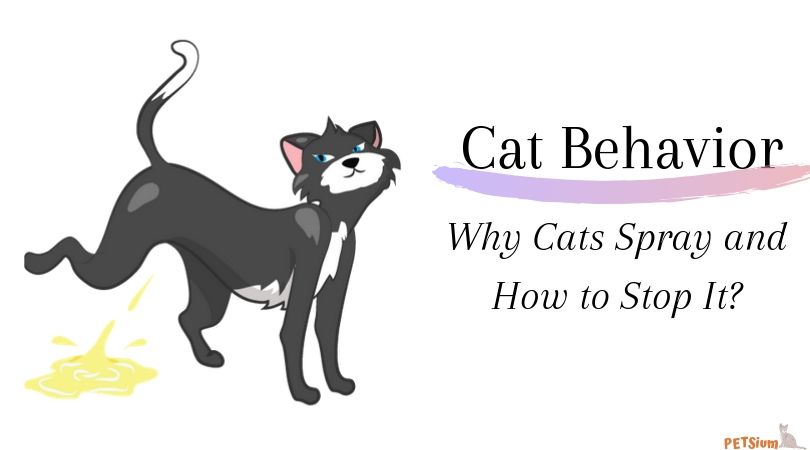
If your cat cat stands in an upright position near a horizontal surface and it eliminates a teeny-tiny amount of urine, then it’s definitely spraying.

On the other hand, if your cat has squat and it’s eliminating a substantial quantity of urine then it’s most certainly not spraying – it’s urinating.

RECOMMENDED PRODUCT

cat litter box

IRIS Top Entry Cat Litter Box with Grooved Lid with Scoop

  • Features a large top opening for easy entrance and exits.
  • Grooved lid to help remove litter from cat’s paws.
  • The easy top access that provides them room to move around and not make a mess.
  • The rounded shape and attachable hook to hang the included litter scoop makes for quick and easy cleaning.
Buy on Amazon

Why is This Important?

Well, cats are creatures of habit and if your cat is peeing outside litter box then there is a reason for this.

Most commonly, it would have something against the substance that the litter box is filled with but on occasion this could be a symptom of a serious health-related issue such as kidney failure, diabetes or arthritis.

That’s why you absolutely have to take it to the vet and have it checked out.

Whether it’s a male or a female, the reason is always going to be the same.

And cats need to mark their territory when there is a sudden change in their environment.

That’s why if you are planning a total remodeling of your home then you might expect to get a few sprays here and there – that’s rather natural.

However, if you want to make sure that this never happens you might want to take a few things into consideration.

You can use specifically designated sprays to go over the area which is targeted and ensure that your cat does not spray on that area again.

Quite frankly, that’s the most effective solution that you should go for.

However, you have to make sure that you get your pet examined by a professional just to make sure that this isn’t related to any complicated medical condition that could pose danger to its health.

how can I get my cat to stop spraying

How to Tell if Your Cat is Spraying

You will be able to determine if your cat is in fact spraying and not having just a litter box issue if they urinate small amounts onto a vertical surface.

When a cat is actually urinating, you will find they will eliminate much larger amounts of urine onto a horizontal surface.

When cats are spraying this is not just a litter box issue, but an issue with marking their territory to communicate with other cats around them.

This is especially the case if you have other cats in the same household.

If you have noticed any stray cats hanging around your house, this could be another reason that your cat has started spraying.

You may notice that they will mark their territory around the windows and doors in hopes of letting the other cats in the area know they have wandered into their zone.

One way to stop your cat from spraying is to have them spayed or neutered.

This is typically one of the simplest solutions to get them to stop after they have reached six months old.

RECOMMENDED PRODUCT

cat litter trapper

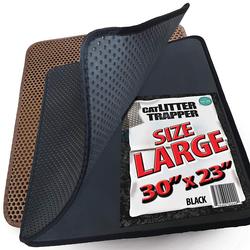
Large Size Cat Litter Trapper by iPrimio

  • Traps litter from cats paws and litter from box.
  • Super smooth surface and larger holes.
  • Litter falls through extra large holes.
  • Easy to clean. You can vacuum the mat or just shake of the trapped cat litter directly into the litter box.
Buy on Amazon

How to Stop Your Cat Spraying Using a Litter Box

In order to try and figure out how to treat the issue of your cat’s elimination problem, you will have to determine if in fact you are experiencing an issue with your cat spraying or if it is just a litter box issue.

To treat a litter box issue, you may want to make sure that the litter box is cleaned a few times a day and fresh.

Additionally, your cat may have an issue with the type of litter you are using.

Try out a few different types of litter boxes to determine the type that your cat likes the best.

For spraying, it may be a good idea to speak with your vet to figure out how to properly treat the issue.

Best Litter Box For Cats That Spray

So what is the best litter box for cats especially for cats that spray.

First of all let us talk a little about why it is your cat may not be using the litter box because the last thing you want is cat pee every where in your house.

There are many reasons why your cat is not using the litter box, one of the first things to consider is the placement of the litter box.

The Right Location for the Litter Box

The location of the box can play a big part in whether or not your cat will use the litter box in the first place, can your cat easily get to the box make sure all doors are open leading to the box.

Try and place the litter box where your cat will be happy to use it and where it is convenient to use,use more than one box in your home ideally one box per floor.

If you have many cats you will need more boxes, let your cat feel safe when peeing and not afraid of being attacked while in a vulnerable situation.

Do not place the litter box near to the cats food and water or sleeping area.

Cats are very clean and fussy animals and do not like to smell their pee odor near their food and so will normally pee some distance away from their den.

why cats won't use the litter box

Is Your Cat Spraying or is it Peeing?

Is your cat spraying or is it peeing?

If your cat is spraying this might be a reason your cat is not using the litter box.

Cats spray to mark their territory as a warning to other nearby cats that this is their territory and to stay away.

You can tell if a cat is spraying because when they spray they will do so by backing their rear end up to a vertical surface and squirting a small amount of urine onto the surface.

When cats pee they do this by squatting down and peeing much larger amounts onto horizontal surfaces.

RECOMMENDED PRODUCT

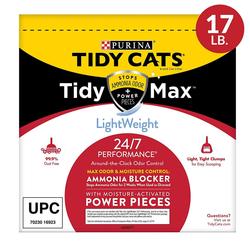
Tidy Max LightWeight 24/7 Performance Clumping Cat Litter by PURINA

  • Tidy Max Ammonia Blocker stops ammonia smells before they get a chance to linger.
  • The powerful deodorizing system attacks urine, fecal and ammonia odors, leaving behind a fresh litter box.
Buy on Amazon

Types of Litter Box

When it come knowing what the best cat litter boxes are it can be a tricky question to answer, as this will depend on your particular cat and what is the best litter box for your cat.

First you need to make sure the litter box is big enough fro your cat, some boxes come with a lid on and are fully enclosed with maybe only an entry point.

Cats are nervous animals and when it comes to covered litter boxes your cat may become more anxious as there is no quick escape route and therefore may not use this type of covered box.

A regular open sided type of litter box or litter tray may be more suitable for a cat that doesn’t like covered litter boxes.

Covered litter boxes can smell a bit more because the urine odor becomes trapped inside longer and this is another reason a cat will avoid using this type of box.

It will come down to trail and error when it comes to finding the best litter box for cats as they are all individuals.

One cat may find it prefers using covered litter boxes as these give the cat some privacy and they feel safe, whereas another cat will be nervous about using a covered box and prefer a regular tray.

PrettyLitter Ultra Premium Cat Litter

Stop Cats Spraying Indoors – The Smart Way

Is your cat periodically urine marking certain spots of your house on the inside?

If so, then it’s highly likely that it is spraying.

However, the first thing that you have to do is to determine whether the cat is actually spraying, or it is simply peeing and why cats spray indoors .

When they are urine spraying they tend to stand in an upright position, and they are only going to eliminate an insignificant amount of urine on a vertical surface.

If your cat is urinating it is usually going to squat, and it’s most certainly going to eliminate a larger quantity of urine on a horizontal surface.

In any case, you should thoroughly understand that if you can’t determine which if these is it you should call an expert and have him check your cat out.

This is because there are numerous conditions that could, in fact, cause your cat to urine outside of the litter box that you have set apart.

Some of them include kidney failure, arthritis or diabetes.

However, if your cat isn’t urinating but it’s only marking with sprays, there are a few things that you can do to get rid of this annoying problem.

If you want to stop the cat spraying indoors, you have to take the following into consideration.

RECOMMENDED PRODUCT

best selling self-cleaning cat litter box

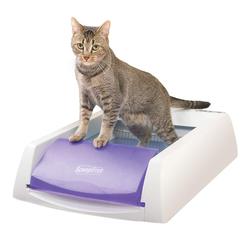
PetSafe ScoopFree Self-Cleaning Litter Box for Cats

  • No more clumps to scrape or scoop.
  • Self-cleans for weeks with no maintenance.
  • Crystal litter absorbs moisture for maximum odor control.
  • Non-tracking crystal litter keeps your floors clean.
  • Safe and hygienic for you and your cat.
Buy on Amazon

Determine What Causes the Spraying

You should know that this is one of the most common and normal ways for the cat to communicate with others.

The truth is that they may leave small urine marks on vertical and horizontal surfaces, and they can even occasionally defecate.

The majority of cats that are usually going to spray are male which haven’t yet been neutered as the hormones are playing a major role in this process.

Check With Your Vet

The first thing you should consider is to check in with your vet if your cat doesn’t have any health-related issues.

On the other hand, you might want to see for yourself if there are any environment changes in your home – have you moved furniture or changed upholstery, for instance.

This could be one of the reasons.

However, if you truly want to stop cat spraying indoors, you have to take advantage of certain products that are offered on the market.

There are cat pee deterrent sprays which are going to prevent your cat from spraying on the same location again.

The first thing you need to do is to thoroughly clean the sprayed area and use the spray that you bought on it, and you can be sure that it won’t spray again.

Of course, there are other ways, but this is without a doubt the most potent one.

Категорије: Cats

Guinea Pig Illnesses

мај 17, 2019 By liv parmel

The guinea pig, although relatively a healthy animal can get ill and you as a owner should learn about common guinea pig illnesses.

When you have a family pet as loving as the guinea pig, it often entails being the family doctor.

It is vital for all guinea pig owners to be able to supply and treat their guinea pigs with optimal care.

There are many common conditions such as “bumblefoot” to more uncommon conditions such as abortions and stillbirths.

The guinea pig is naturally “alive” and playful in spirit.

It enjoys hide-and-seek, being pampered, and will jump high in the air at times when it is agitated or around a new person, therefore, it is not difficult to distinguish when there is something troubling your guinea pig, such as illness.

Common Guinea Pig Heath Problems Signs

If your guinea pig is experiencing bouts of lethargy, weight loss, discoloration or weakness, it is time to get the medical journal out and put on your nurse’s hat.

These are all signs that the guinea pig health is at risk.

Diet is a very important concern in guinea pig health.

The guinea pig is unable to produce its own vitamin C; therefore it is necessary to ensure that the guinea pig is feed foods with vitamin C.

Signs of Vitamin C Deficiency in Guinea Pigs

Signs of a vitamin C deficiency will include lethargy, lack of movement, weakness, hopping instead of walking, lack of appetite, loss of weight, diarrhea, discharge from the eyes and nose, coarse or rough hair, experiences pain when touched, an internal skeletal-muscular hemorrhage, and /or stiff limb joints.

Ensure that your guinea pig is getting an adequate supply of vitamin C by feeding it a diet of pellets formulated for guinea pigs, fresh vegetables and fruit, and grasses. You can read our „What can Guinea pigs eat“ for details.

Guinea Pig Illnesses

Common Guinea Pig Illnesses

Common guinea pig illnesses can strike even with our watchful care.

Prevention of course is important, but it is no guarantee that health problems will not take place.

This is why it is important for us to stay vigilant so we can spot the signs and symptoms of these diseases early on.

There’s nothing more distressing for a pet owner than to see his pet ill.

With cavies, due to their small size, these disease can progress really quickly.

Guinea Pig Illnesses and the Symptoms You May Observe in Your Cavy:

Guinea pigs are usually very active, so if you see something that’s off in their behavior, don’t just brush it off. It may be an early warning of an impending illness.

Common signs of illness include slower movements or generally less activity.

You may also notice guinea pig not eating, eating less or drinking less.

An unusual discharge in any part of the body should be looked into.

Diarrhea is not common, but should be taken seriously when you see it in your pet.

Parasitic and fungal skin infections

Signs that you can observe is a guinea pig that seems to scratch itself a lot.

When you check the cavy’s fur, you will see scratch woulds and scaling.

Parasites and fungal infections can spread quickly.

Be sure to check all your guinea pigs if you suspect that one of them is infected.

Urinary tract infection

Urinary tract infections are common in guinea pigs and their anatomy contributes to this problem.

Guinea pigs are quite „low slung“, especially the older ones.

This puts them in contact with the floor litter and makes them more susceptible to urinary infection.

Aside from this, their diet may also put them at risk for these types of infections.

Having too much calcium in their diet, or perhaps eating too much dry food and not taking sufficient water can also be blamed.

Vitamin C deficiency

Because guinea pigs do not produce their own vitamin C, they need to supply themselves with it from the food that they eat.

A deficiency in this vitamin interferes with energy absorption, which can result to malnutrition, hair loss, susceptibility to respiratory infections and so on.

Respiratory infection

Guinea pigs are prone to allergy from dust, pollen and even to the type of bedding material that you use.

Aside from this, a common bacteria called Bordatella present in our environment can also cause respiratory infection in guinea pigs.

Old age

When your cavy has reached old age, debility is something that you cannot entirely avoid.

Your cavy will be more sluggish and slow in its movements.

One way to avoid complications is to make sure your cavy is healthy and fit in its youth.

common health issues in guinea pigs

Common Guinea Pig Parasites

One of the common afflictions that can affect your guinea pig are parasites.

Guinea pig parasites are a bane to both cavies and their owners.

Parasites can do a lot of harm to your guinea pigs. It causes intense itch, and scratching leads to wounds.

Parasites can also carry infectious diseases with them, and may even cause anemia in severe cases.

Parasites are usually brought in when you have a pet that’s allowed to go outdoors.

Or there may be cases when you unwittingly let parasites in when you introduce a new guinea pig into your home.

This is why we should never skip putting a new guinea pig in quarantine for 2 to 3 weeks to make sure we stop the spread of parasites and other diseases.

Common guinea pig parasites include lice, mites and fleas

Lice

There are several types of lice that can affect guinea pigs.

All of them do not pose any risk to humans. Lice can cause intense itching, scratching, and scabbing.

You will find red papules one back of the head and behind the ears.

Lice infestation are usually together with fleas.

When treating guinea pigs for lice, all guinea pigs and not just the one suspected of having lice will be inspected.

All beddings and housing should be thoroughly cleaned as well.

Fleas

Fleas can also affect guinea pigs.

This usually happens when you have other animals in the house, such as dog and cats, who get infected outside the home.

When they return, the fleas catch a free ride and spread to other animals in the house.

The most common flea that affects guinea pigs are what’s commonly called as cat flea.

Fleas can cause intense itching, hair loss, and crusty lesions on the skin.

If left untreated, it can lead to anemia and even death.

In guinea pigs that are afflicted with fleas, you will be able to observe small brown granules on their fur when you brush it.

These brown granules are the fleas feces, which serves as the food of newly hatched flea larvae.

If you suspect fleas in your guinea pigs, bring them to the vet to find out what the recommended treatment is.

Other pets in the house should also be observed for fleas.

Together with treatment, prepare to do a general cleaning and disinfecting of the spaces occupied by your pets.

Common Guinea Pig Illnesses

Mites

When it comes to mites, there are 2 types of mites that are commonly seen to afflict guinea pigs.

These are the T. caviae and the C. caviae.

Trixacarus caviae mites

This type of mite is transmitted by direct contact and can afflict humans as well.

T. caviae is known to burrow itself into the skin of the host. It is not always active.

In some guinea pigs, the mite can remain dormant and may surface when the animal is weaker such as at times of sickness or poor nutrition.

When active, it causes an itch that is so intense at times that you may observe your pets throwing fits as if they’re having seizures.

You may also see guinea pigs scratching their bodies to the point of creating open wounds, which then opens them up to risks of secondary infections.

These mites cause redness and papules, commonly found around the head, shoulders, on the back and around the flanks of your pets’ body.

Chirodiscoides caviae mites

In a way c.caviae are easier to detect because the mite lives on the hair of the host animal.

In guinea pigs, it is often found on the hairs in the rump area.

This mite is also transmitted by direct contact.

Just like the t.caviae, it causes itching, scratching, hair loss, and redness.

how to avoid guinea pig parasites

Prevent health issues in guinea pigs

It is a good practice to get into to give your guinea pig a health check every day.

Begin with checking the eyes for discharge.

If you notice a discharge aside from the normal milky discharge that is sometimes produced, it could be a sign of infection, such as conjunctivitis and should be treated.

If you notice a discoloration of the eye, the guinea pig may have scratched his eye on something and likely needs to be examined by the veterinarian, as the protective covering to the eye is likely damaged.

Your guinea pig health checklist should also include a check of the hair and skin.

Run your fingers through the guinea pigs hair and feel for coarseness or brittle hair, pay close attention to the skin as well.

Your guinea pigs skin should be free from scratches, sores and flaky skin.

Pay attention to the itching habits of the guinea pig as well.

Any of these signs could be a sign of a fungal infection, lice or other forms of a skin condition.

Check the ears of your guinea pig each day when performing your guinea pig health checklist.

The ears should be soft and smooth, and not have excessive wax buildup.

Ear conditions will result as a sign of ear mites or infection.

Check the nose for discharge- yes even guinea pigs get colds!

Sinusitis is a condition which will show through a running nose and needs to be treated immediately by your veterinarian.

Check the guinea pig each day for conditions of the feet.

The feet should be free from all swelling, cuts and scrapes.

Weigh the guinea pig weekly to ensure that it is not losing weight.

Weight loss is a sign of an underlying condition in the guinea pig.

Respiratory problems are also another condition that affects the guinea pig.

Check the guinea pig daily for labored breathing or wheezing.

Категорије: Guinea Pig

How to Properly Give a Dog Bath

мај 14, 2019 By liv parmel

An avid and well-to-do pet owner typically never hesitates to spend money buying his beloved dog premium dog food, giving it the best health care and taking his pet to a top-notch doggie day care facility.

In addition, this pet owner also knows how giving his dog proper dog baths is vital to keeping his pet in good health.

tips on how to bathe a dog

How to Bathe a Dog at Home

Before bathing your dog, brush its hair. If you own a short haired dog, brush the hair in a circular motion. Use a currycomb constructed of rubber with teeth cut into its edges. This kind of comb will pull any dead hairs out.

If you have a long haired dog, use a pin brush (on a coat that is not tangled) or a slicker brush (on a coat that is tangled up). Start brushing at the legs, brushing from the skin out and only a few hairs at a time.

The correct way to bathe your dog is based on the texture and length of your dog’s coat. If your dog is short haired, you need to bath your dog with a circular motion to pull out the dirt.

If your dog has a medium length coat, you bath it with a back and forth motion. If your dog is long haired, you need to go only in the direction the hair grows.

Before applying shampoo, rinse off your dog. Next, apply shampoo to the back, working up as much lather as possible. Rinse the coat with one hand to work the water tap and the other hand to knead the water into the coat in order to work the shampoo out — just make sure that when you are done, you get all the shampoo out.

If there are any shampoo residue left on your dog, it will dry out, make the coat of dull and may even cause skin problems in your dog.

Before toweling your dog dry, try and squeeze out as much water from the coat as you can by pulling the hair straight out while squeezing. Use a washcloth to clean your dog’s face.

Dry out their ears and make sure that there isn’t any water in their ears as water in the ears can provide conditions for a fungi infection.

Lastly, towel dry your dog and finish off with a hand-held hair dryer. Do not use a human hair dryer as it tends to run a bit too hot and can burn your dog or damage its coat.

Recommended Product:

oatmeal dogs shampoo and conditioner

Hypo-Allergenic Oatmeal Pet Wash Shampoo and Conditioner by Pro Pet Works

FEATURES:
Promotes a healthy coats, relieves dry itchy skin.
Natural and organic ingredients like aloe vera, almond oil, vitamins A, D, and E.
No artificial colors, no irritants , alcohol, toxins, and fragrance.
Pet tested and approved. Made in USA.

Buy on Amazon

Finding the Right Dog Bathtub

The growth of the pet industry has led to inventions such as a dog bath tub for your convenience when washing your dog. Washing your pets can be a troublesome, traumatic experience for both the pet and yourself in some cases.

Usually these animals are afraid of water, but with new innovations and modifications, there are large-scale bathtubs scaled down to fit the needs of you home pets.

To be successful in bathing your dog, there are a number of items needed. Dog bathtubs and special pet shampoo are basic necessities.

For cutting hair, a good pair or trimmers as well as scissors are required. Finally, nail clippers specially designed for dogs make this task that much easier.

For dog bathtubs, it is best to find the one that is right for your situation as well as your type of dog.

If you are simply looking for something mainly to get the dog off the ground and make it easiest on your back, there are tubs that are raised off the ground and make bathing a larger dog so much easier.

how to bathe your dog

If you want something that is a space saver and can be easily stored when not in use, there are compact vinyl or waterproof nylon ones. These easily fold up when not in use and are great to use if you want to take the bathtub with you when you go away on trips.

One care tip with these is that the tub be completely dry when it is being stored. Mold and mildew can easily form if excess water is left inside for a long period of time.

Recommended Product:

large outdoor dog bathing tub

Large Outdoor Bathing Tub for Dogs by Zacro

FEATURES:
Specially prepared for your lovely dog to play or bathe in the outdoors.
This pet pool is very easy to fold and transport, so it's very convenient to carry it to the outdoors.
Large capacity 47 X 11.8 in /120 x 30 cm (Dia.x H). It's large enough for medium and big dogs.

Buy on Amazon

The shampoo used in dog bathtubs can vary greatly. The kind that you use in the shower should not be used on your dog. It needs to be specifically designed for use on dogs.

Otherwise, your pet may have a reaction on their skin to human shampoo.

There are brands that are specifically designed for white dogs and claim to get them whiter. You can find shampoo that is scented and brands that have dandruff controlling products.

The main thing is to make sure that it gets your dog clean and does not cause them any skin problems.

If you are going to cut your dog’s hair, a pair of dog grooming trimmers with a number of blade attachments is recommended.

You can find models for less than $30, but it is better to go with a more robust and professional grade model. These will give you the best possible cut for your dog and it will be easier for you to use.

At first, you will not always get the best looking haircut or cleanest dog when you do it at home, but with time you will become very proficient in grooming and caring for your dog and will certainly save a lot of money in the long run.

dog bath benefits

The dog bath tub comes in various designs and shapes. One example is a portable and collapsible one that has a tight water draining nozzle. The good thing about this tub is that it requires no tools in order to be assembled.

It also offers you the option of washing your dirty dog anywhere including the front lawn or backyard. It can be folded down to 2 inches also making storage simpler.

Recommended Product:

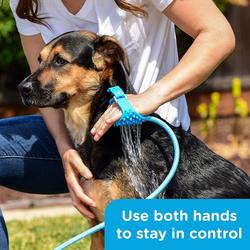
dog bathing sprayer and scrubber

Aquapaw Dog Bathing Tool/Sprayer and Scrubber in One

FEATURES:
The Aquapaw is slim, flexible, and doesn’t impede your dexterity.
Innovative sprayer and scrubber in one can help you reduce the stress of bath time for both you and your dog.
The Aquapaw bathing tool can be operated entirely with one hand.
Adapters are included with simple instructions.

Buy on Amazon

Many dog bath tub also include accessories such as leashes if it is to be used in an open area, with a quick-connect faucet adapter with an on and off control to save water, mesh pocket for holding conditioner and shampoo, leash retainer & a cotton towel.

Some are also equipped with transparent bottoms allowing the dog to see the ground thereby reducing tension. Some also have rubber mats too place on any surface.

You can purchase these bathtubs from many different places, both online and offline.

For any dog owner, there are a lot of important responsibilities that come with the owning a dog. The dog needs to be groomed and bathed as well as kept up to date with vaccines and veterinary visits. This is of course in addition to the love and attention every pet need.

Medical bills and the cost of food can be quite expensive. It is important that these areas are not forgotten about. In addition to these essentials, the dog grooming and bathing cost can be quite expensive.

This is one area where you can easily save some money and do the work yourself at home.

Recommended Product:

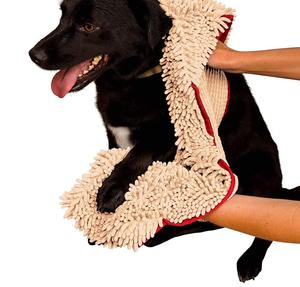
dog towel

Quick Drying & Odor Free Dog Towel with Hand Pocket by Soggy Doggy Productions

FEATURES:
Absorbs 5x more water than regular cotton doormats.
Quick drying exceptionally durable.
No-slip backing.
Soaks up water and dirt like a sponge.
Convenient hand pockets for easy drying your dog.

Buy on Amazon

Категорије: Dogs

How to Teach a Parrot to Talk

мај 13, 2019 By liv parmel

Any bird is trainable but you have to remember that its up to you to make sure conditions are optimal for successful training. Bird have needs just like people. You need to make sure you’re feeding them correctly with nutritious food. Make sure they have plenty of fresh water, toys to play with to keep them stimulated and of course a really nice big cage. You would be surprised at how many people get a cage that’s way too small for their bird.

Exotic birds are absolutely wonderful pets. They’re super smart and inquisitive too but they also require interaction and can be very demanding of your attention. That’s why it’s vitally important to interact with your parrot and that means training them.

The family of exotic birds vary among species and there will be differences in training but the main thing you must first do is build trust with your bird. That means taking it nice and slow and building a relationship with your bird. Yup, a relationship and with any relationship that means having patience and taking things slow.

One method of parrot training is the use of repetition with a treat given when the bird responds in the correct way. Your bird gets the treat and further positive interaction with you. When the bird does not respond to the right command, you ignore the response and don’t give a treat.

Bird training is all about repetition; giving the command and having your bird do it over and over again. This needs to done everyday for a specified amount of time, like 15-20 minutes a day. Don’t over do it but make sure you reward your bird when he gets it right. You’ll be amazed at how fast your bird will catch on.

how to teach your parrot to talk

Have a Perfect Parrot Pet

You can have the perfect bird or parrot. A parrot that doesn’t scream and lunge at you when you get too close. If you have a bird that’s scared of you the first thing you need to do is give him a little room. Some species tend to be more jittery then others but one thing you can do right away is simply back off.

Approach the cage slowly and as soon as your bird becomes noticeably uncomfortable STOP!. Stop right where you are and talk to him in a peaceful calm manner for a couple of minutes. Walk away, wait for awhile and then repeat.

What does this accomplish? First, it lets the bird know that you’re not trying to hurt him and it also calms him because you’re not invading his space. This is a fundamental technique which is very effective in allowing you to get close to even the most agitated type of bird. Clicker training birds is another method used as well.

Teach Your Parrot to Talk

You ever notice when visitors come over and see your pretty bird someone will always ask “Can he talk?“ Parrots are known for talking and most people simply assume if you have a parrot he must be able to talk, right? Wrong. All parrots have the ability to “mimic” human speech and some species are better “talkers” then others. Your parrots ability to learn how to talk is going to be dependent upon YOU having everything in place to allow your bird to learn properly. Which means conditions for learning should be as ideal as possible.

Help Your Parrot Learn to Talk

A healthy and happy trained parrot will learn to talk faster then a bird who is not trained. Parrot training is the first thing you need to do. Make sure your bird has a nice big cage, plenty of food and water and interaction with you on a daily basis.

Your bird has to trust and love you but also know that you are the dominate one. You have to be caring and very patient when it comes to teaching your bird how to talk. It’s also easier to teach younger birds how to talk then it is trying to teach older ones, so the best time to start is shortly after weaning if you’re fortunate enough to get a young bird.

You have to be consistent and set a daily routine when training your bird to talk. This is a rule of thumb for any type of bird training whether it’s learning to talk or learning basic bird tricks.

african grey best-known talking parrots

Best Bird Talkers

There is some controversy as to which birds are the best talkers but the general consensus is that some of the best talkers include:

  • African Grey
  • Eclectus Parrot
  • Budgies
  • Sulfer Crested Cockatoos
  • Double Yellow Heads
  • Long Billed Corellas
  • Blue Front Amazon
  • Quakers and the Yellow Nape

This is the short list and in no way rules out the ability of other species to talk. The moral to the story is every bird will be different. Yes some birds are “prone” to having a better ability to mimic than others but in the end it all comes down to environment and your ability to be patient and consistent in your bird training routine.

Here’s The Rub

Every body loves a good old neck rub. The neck rub is that special attachment you have with your bird and it represents total affection between you and your bird.

Work up to the neck rub. The first step to a talking bird is an affectionate bird so if you have the ability to handle your bird comfortably do so. Talk to your bird repetitively as you rub his neck. Place him in front of you and repeat one word like, “kiss”, and then give him a kiss. Your parrot will associate the word and the action together.

This is one way to start training your parrot how to talk. It takes time and patience but you’ll be surprised at how fast your bird will catch on if you maintain regular training regiment.

6 Techniques to Get Your Pet Parrot to Talk

Start Young – The earlier you start to associate words with objects the better. Your bird may not respond initially, but many will understand what you mean long before they are able to actually say words.

Be Consistent – Set aside a short time for training each day-10 minutes is enough when getting started. If your student seems to lose interest during training, stop the session, reward, and be upbeat about what you accomplished.

You always want your bird to enjoy the interaction with you, be excited during the sessions, and be eager for more. You can train on your finger or on a perch, but be consistent so your bird knows what to expect and can relax and focus on what you want to teach each time.

how do parrots learn to talk

Be Generous With Your Reward – The reward is so important and builds such trust, respect, and love between you and your bird. It can be a favorite treat, and don’t forget one of the best rewards is praise from its human.

Your happy and animated voice while stroking your bird on the head, under the chin, or on its back can be an invaluable incentive.

Keep it Personal – There are many automated tapes that you can play for your bird, and whereas some of this has its place, the best teacher for your bird is you, up close and personal.

Remember, only part of the process is about teaching your bird to speak. An equally important part of the process is having your pet feel a sense of accomplishment, and be able to please you.

A bird that feels successful and is praised after each session is much more likely to talk. And even if it never speaks, you’ve developed a bond that will only deepen with time.

Repeat and Repeat – When trying to get your bird to make associations, use the object and repeat the word slowly several times. As it masters words, reinforce the word by giving it the object it requests such as ball, toy, cracker.

Use words consistently when certain things happen. When people enter the room the cue might be welcome, welcome, welcome. When it’s time for dinner, the cue could be dinnertime. If you cover the cage at night it could be night, night or see you in the morning!

If you’re lucky, you’ve got a living tape recorder that is eager to soak up the words and say them back to you at just the right time. Be creative with what you decide to teach. You may be hearing it for years.

train your parrot to talk

Don’t Worry, Be Happy – Don’t take your bird’s talking too seriously. Each bird has its own personality and will learn at its own rate. Set goals, but should you and your bird not be able to reach them, don’t let it spoil the fun.

Almost all parrots have the capacity for speech. It’s one of the biggest attractions for parrot owners, but it quickly becomes frustrating and disappointing when the birds don’t seem to catch on. Take heart, it’s easier than you think! Teaching your parrot to speak is very rewarding, and can be accomplished easily, as long as you keep three things in mind: patience, repetition, and dedication.

If you remain dedicated to the task, patient with your parrot, and continue to repeat the sounds on a regular basis, there is no doubt that your parrot will be talking in no time. Then, it’s just a simple matter of introducing new words and sounds.

Категорије: Birds, Parrot Pet

Newborn Kitten Care

мај 12, 2019 By liv parmel

Taking care of a newborn kitten is not easy. When you bring home your tiny bundle of fur, you should be mentally prepared to love your kitten for its whole life. This will include plenty of time spent training, feeding and grooming your pet, as well as costing you money. But the joy and happiness that a kitten will bring is far beyond any material cost or investment of time.

How To Take Care Of A Newborn Kitten With A Mother

If you have an adult cat that has given birth to a litter of kittens, you can usually allow her to take care of the needs of her kittens for the first few weeks. You will need to provide her with a safe and private place to do that, out of the way of traffic and excess noise and with a good, steady temperature. Make sure to have bedding laid out large enough for the mother and kittens to relax and sleep on together.

Watch the mother cat clean her babies regularly, feed them and generally control any energetic kitten behavior that develops in those first four weeks. Have plenty of food and water available for mother, as she will be feeding her litter and recovering from birth as well.

How To Take Care Of A Newborn Kitten Without A Mother

If you have rescued an orphaned kitten, you have much more work to do in those first weeks. Consider a foster mother cat if one is available. Otherwise consider yourself the primary provider of warmth, sanitation, food and care from the rescue onward. This is a full-time, involved job so don’t enter into it lightly.

Set up bedding that is warm and absorbent (fleece or old towels work well), as well as free from strings or threads that the kittens may get caught up in. Providing a source of warmth can be tricky – always remember to watch for the chance of burning and allow the kittens the ability to move away from heat. Heating lamps may work, but heating pads should be avoided.

Consider a food like commercial or homemade milk replacements, but be sure to find something that is nutritionally stable and prepare it properly. Feeding can be done through bottles or tubes, but be sure to sterilize all of the equipment well.

caring for newborn kittens and mother

When Can a Kitten Eat Regular Cat Food?

Once your kittens are four weeks old, they will begin to wean either from mother or your hand feedings. You can introduce a small amount of wet food at this time, but make sure it is specially formulated for kittens. This will ensure that they start their growth with the optimum advantages. After five weeks, mix a small amount of premium dry kitten food with the wet food.

How Old is a Kitten When it Starts to Play

As soon as your kittens open their eyes and begin to move around, you can introduce safe toys for their playtime. Small balls or scratchers will help them develop and may also help to deter them from scratching your furniture, walls and flooring.

When to Start Litter Training a Kitten

This is also the time when you can introduce them to the litter box. As mother cat will not want to share and the kittens need a shorter, more accessible box, you should purchase a small litter box strictly for them. Be sure to buy only wheat or corn litter, as they may take to eating it and clay litter is very dangerous when consumed.

Watch them as they learn the procedure, acting as encouragement and cleaning up any messes along the way. Sometimes special products will need to be purchased to help attract or train your kittens in their litter box. You can read our tips on how to litter train a kitten fast.

Time To Kitten Proof The Area

After the six week mark your kittens will be ready to roam the house, so take special care to “kitten proof” the area – such as keeping cupboard doors and drawers closed, shutting the lid of all toilet seats and even installing outlet covers. Don’t underestimate the adventurous spirit and mischievous capabilities of your kittens.

Taking care of kittens can seem a daunting and involved job. There are many things to consider and many elements to monitor and supervise. Always remember the fun, joy and love that will come as you share your home and your heart with kittens. They are worth any investment.

Newborn Kittens Need Special Care

Newborn kittens need special care and attention especially on the first few days of their lives. Mother cats would spend most of her time with this welcome addition to the feline world and they keep their loveable offspring warm. While pet owners also share the responsibility of making sure that they are nursed regularly and making it certain that mother cats produce enough milk for her litter.

How Old is a Kitten When it Opens its Eyes

Newborn kittens join the feline world with their eyes closed and only when they reached one or two weeks old that they start to actively move around the box and would demand milk all the time. Yet, some of the litters need help in opening their eyes and pet owners will notice this is if there is a swelling or bulging under the eyelids.

Pet owners could help the opening of the eyelids but using a dampened cotton balls with lukewarm water or ask the help of a veterinarian in doing so. However, newborn kittens are vulnerable to infections and could die within 24 hours after birth while those who survive may experience excessive swelling under the eyelids, and pus will come out from the open eyelid.

Too Much Crying is Not Good

During the first two weeks of life, newborn kittens also spend 90 percent of their time eating and sleeping. But they tend to be restless and cry during and after nursing if they are not getting enough milk. Aside from not producing enough milk, milk could also become infected. This could cause greater concern since all the newborn kittens could die.

So, if too much crying happens, visit a veterinarian immediately and ask for a milk replacement at least three times a day. It may be necessary to continue the supplemental feeding until the newborn kittens are old enough to eat kitten food.

how to deal with newborn kittens

Pet owners also have no control on when and how often mother cats left the box, and how much time mothers spend with her newborn kittens. So, regularly check if newborn kittens are warm enough but if not, provide supplemental heating even though newborn kittens huddled together that helps keep their body warm.

Observe the growth rate of the newborn kittens. In about one week, they should double their birth weight while they should be alert and standing on the second week. By three weeks time, newborn kittens are more active and curious than ever. They will try to climb out of their box while they should be able to walk, run, and play during the fourth week.

Newborn Kittens and Caring for Mother Cats

Make sure that the mother cat is comfortable. Mothers may become anxious and feel threatened, especially first time mothers. Often, too much noise and light may cause her to become restless and this is the reason why she move the newborn kittens from place to place. Mothers will hide her newborn to a warmer place. Away from too much light and even away from the pet owners; and this moving to and from might endanger her newborn kittens.

Cover the top of the box with a piece of cloth to keep off too much light or by using an enclosed box will protect mother cat from being restless. In some cases, fretful mothers could even kill her newborn kittens just to protect them. So, it would be best to seek professional help and ask if it is necessary to caged mother cats away from too much people and noise.

caring for newborn kittens

Newborn Kitten Care Week by Week

Getting your newborn kitten care correct is one of the most important things to learn about in this early stage. There will obviously be a lot of excitement and oohing and ahhing, but it is vital that you don’t get distracted and inadvertently neglect the little thing.

First Four Weeks

For the first four weeks of their life, a newborn kitten can live off its mother’s milk. This provides everything that they need.

If your kitten has been separated from the mother, the best move is to try and find a temporary foster mother who has just given birth to a smaller litter of babies, and see if she can feed your kitten initially.

The more likely option though, is that you will bottle feed it. You should definitely consult with a veterinarian about the best way to do this. The milk you use should be cat milk replacer, not regular cow milk or that of another animal.

After Four Weeks

Newborn Kitten care is something that should be taken seriously, so do not skip any steps or choose inappropriate substitutes.

After a few weeks, you can begin to wean them off the milk and add food designed for kittens. This will usually be moist and easily chewable. They should be fed more than an adult cat, about four to six times per day in small servings.

Six to Eight Weeks

Around six to eight weeks old, they should be used to this new diet, and you will be able to just feed regular dry food. Make sure it is still designed for kittens though, as kittens need more energy than regular cats (at least double) and a large amount of this should come from protein (around 30 percent).

kittens care and feeding

Twelve Weeks Old

As they get older, reaching around twelve weeks old, you can reduce the amount you feed them to four times per day, and reduce the milk replacer (they will have stopped feeding from the mother a few weeks previously) until they gradually do not need it.

After three months, you can reduce it again to just three times per day, until they are six months old.

Other Newborn Kitten Care Requirements

As well as closely monitoring their feeding, you should also make sure they are keeping warm. If the kitten is orphaned, or without its mother, many people enjoy success with a hot water bottle (wrapped in a towel or similar cover).

It is important that the cat can free itself from the heat whenever it wants, so do not position it in a place that it cannot get away from.

It’s best to consult your vet about the optimum temperature.

Holding And Petting

If a kitten is very newly born and still being raised by the mother, do not hold it for too long or the mother will get upset. The second week onward is a great time to handle the kitten though, as it helps them get used to living with humans.

Taking care of your kitten requires research and dedication, but is not a particularly difficult task. As long as you are attentive and understand the needs of your kitten, you will be fine. Always consult a vet over any issues you are unsure of.

Категорије: Cats Тагови: How To Take Care Of A Newborn Kitten

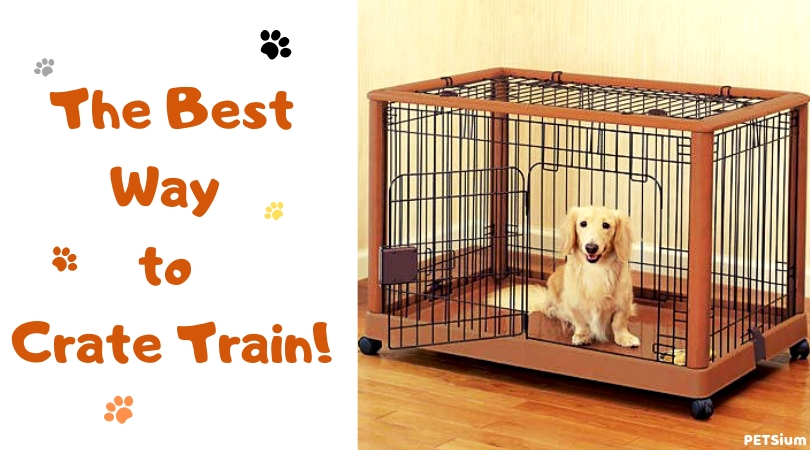
Crate Training Your Puppy

мај 8, 2019 By liv parmel

Crate Training Puppies Can Be Easy To Do

Crate Training a Puppy refers to the process of conditioning a puppy or dog to remain quietly and comfortably in a plastic or metal dog crate. There are significant advantages to applying crate training early in the puppy’s life, so that it becomes an inconsequential, totally neutral, and „normal“ part of the growing pup’s daily life in the home.

When properly introduced and positively trained, the puppy crate becomes a much welcome respite for the puppy from the over-stimulating big wide world and a place to call its own away from people and other animals.

Should your dog need to spend the night away from home at the vet clinic or in a boarding facility, understand that in all likelihood your dog will be expected to remain quietly in a clinic cage or kennel crate.

If you don’t train your puppy early on to feel comfortable and safe in its crate, you will be setting your dog up for the unnecessary stress and trauma of finding itself away from home and in a strange and unfamiliar enclosure.

Should something happen to you or your home (ie, fire or flood) that requires your dog to be removed from your house and boarded elsewhere, having its own familiar „den“ that goes with your dog to the new destination is eminently comforting in the midst of possible stress and upset.

Also consider the possibility that your dog may become injured or have surgery that demands „bed rest“ and restricted physical activity. If yours is a high energy, high drive dog, you’ll thank your lucky stars that you introduced crate training early on so that your dog is at ease, resting quietly and quickly recuperating, in the safety of its crate.

crate train a puppy fast

How Do You Train Your Puppy to Use Crate?

You have to be very careful while first introducing the kennel to your dog. Following some simple steps will make the experience enjoyable to your puppy.

◊ Never use force while trying to get your pet to use the crate. Always talk to him in a comforting tone and try to tempt him into it with little treats.

◊ Never use this as a punishment – the puppy shouldn’t come to fear the crate in any way.

◊ Place your pet’s favorite things inside his kennel – soft toys, towels and blankets.

◊ Many crates have a detachable door. You may want to fix the door till the pup has been trained. You can remove the door once he’s trained to use the crate.

◊ It is better to purchase a crate that’s just right for your pet’s size. You can even buy a larger crate and then insert a compartment into it, to make it smaller for his present size.

◊ In case your pup is under 3 months old, he will have no bladder control. So it is advisable to leave a stack of newspapers on one end of the crate, just in case he’s in a hurry to ease himself.

◊ In case the pup creates a mess in the crate, do not punish him for it. Dogs care a lot about cleanliness, so he probably couldn’t help himself.

◊ Place the crate in a room where you can always keep an eye on your pet. Don’t leave him alone in dark, empty rooms. Create a comfortable environment for your pet.

◊ Once he starts to like his kennel, you can think of leaving him alone in there for short periods of time. Afterwards, your dog will naturally get used to the idea of being alone for longer periods of time.

◊ Do not let your children disturb the dog when he is in his crate. He’s definitely not going to like the intrusion into his privacy!

◊ It is best not to use the crate if your pup is under 8 weeks old, is ill, feels lonely or displays severe separation anxiety symptoms. It is also best to avoid using crates when the weather is too warm and stuffy.

Showering a lot of love on your pet is vital for his well-being. Playing by some simple pet care rules will ensure a great relationship between you and your precious little pup!

crate training a puppy steps

Why Crate Train Your Puppy

There are many reasons why puppy crate or dog kennel training should be at the forefront of training your puppy or dog. While there are those who claim that use of a crate to contain their dog is „cruel,“ these folks are unfortunately ill-informed about fundamental canine development and behaviors, not the least of which is the denning characteristic of all canids.

Failing to provide a safe and secure retreat for a tired or over-stimulated puppy or dog, crate or otherwise, might be the real lapse of kind, responsible, and humane stewardship.

The desire to have a safe, secure, and quiet place to retire and sleep is a biological imperative in all mammals.

When properly introduced and positively trained, the your dog’s plastic crate, or metal crate or even a portable crate becomes a much welcome respite for the puppy from the over-stimulating world at large, a quiet and peaceful comfort zone to call its very own away from people and other animals.

To teach your puppy to go in the crate, throughout the day put pieces of dog food or treats inside the crate. You can try keeping the dog food in front or inside the crate as well. Every time the puppy enters the crate, praise him. You should not force the puppy into the crate, because then he will become stressed and see it as a punishment.

Many people who crate their dogs do so while taking the dog with them in the car as well. This is safe for the owner and the dog. It keeps the dog still stationary so it cannot get hurt from falling in the car and getting too excited. It keeps the driver from becoming distracted by the dog running around the car.

benefits of kennel training

You do not have to use crate forever. You can use it until the dog has learned to not be housebroken while you are gone. You should always keep the puppy in the crate for as short a time as possible. A recommended guide to follow is:

  • 9-10 weeks old puppy, 30-60 minutes
  • 11-14 weeks old, 1-3 hours
  • 15-16 weeks old, 3-4 hours
  • Older than 17 weeks, 4-5 hours

The main purpose of crate training puppies is to teach your young dog to accept and treat their crate as their home. They will learn to feel safe and secure in the crate and they can also be safely transported when needed. Crate training puppies is mainly done as a method of house-training.

You can use the crate while playing with the dog and also while feeding so they will associate it with fun and enjoyable things while crate training puppies, all this will help the dog feel less afraid or stressed with the feeling of being locked up, eventually when they get used to it they will be able to stay in the crate for longer periods of time and also sleep in the crate without a problem. This is great if your dog is causing a lot of damage around the house when left alone. It is also important during crate training to create a calm and relaxed atmosphere, your pet will find it easier to adapt and feel safe and secure without being forced to do something and they will accept the crate easier.

Crate training puppies is quite similar to potty training and it is one of the ultimate methods used to help your pet develop good behavior from the very start. This is when dogs generally learn to have their own space in the house especially when they want quiet time or nap.

Категорије: Dogs

Important Guinea Pig Facts That Every Pet Owner Has To Remember

мај 8, 2019 By liv parmel

As cute, cuddly and easily manageable as they are, there are many important Guinea Pig facts out there that every pet owner should pay attention to in order to secure a happy and healthy life for their Guinea Pig.

What Are Guinea Pigs?

A Guinea Pig is also known as a Cavy.

These creatures belong to the family of rodents and alongside hamsters, are a very popular household pet.

Because of their gentle demeanor and compact size, they are the perfect addition to any home, even those with young children.

Guinea Pigs are said to originate from the Andes in South America and were domesticated and raised for food by the local tribes.

Although they were originally introduced to the conventional pet market as exotic pets, Guinea Pigs can be found in homes all across the globe today.

Unlike other rodents, Guinea Pigs are fully domesticated and no matter how hard you search, cannot be found in the wild.

What Are Some Important Guinea Pig Facts To Know?

Like all other household pets, there are certain things that you should know before welcoming a Guinea Pig into your family.

Although they are generally easy to maintain and to keep as pets, here are some things that you should take note of as a responsible pet owner.

Guinea Pigs Lifespan and Size

Cavies can live up to eight years, with the average lifespan being six or so odd years.

However like any living creature, your Cavy lifespan is directly linked to how well you look after it.

Factors such as diet, habitat, and care play very important roles in determining how long a Guinea Pig will live for.

Interestingly, the longest recorded lifespan for a guinea pig is 15 years.

As this is extremely rare, do no get your hopes up too high and expect your pet to live for a decade and a half.

guinea pig things that you should know

However judging from its small size, Guinea Pigs have a relatively long lifespan as compared to fellow rodents like hamsters, mice and rats.

When it comes to the average size, Cavies weigh between 700 to 1200 grams and measure up to 25 centimeters in length.

These little creatures are a perfect fit for pet owners who live in apartments and small spaces.

Physical Traits of Guinea Pig

Generally, Guinea Pigs come in a wide array of colors. From brown to black to white, you will be spoilt for choice when choosing the perfect Cavy to bring home.

Not only that, you have to decide if you want a Cavy with long, short, straight or curly fur.

When sourcing for a Guinea Pig, there are four categories to look out for. They are smooth-coated breeds, long-coated breeds, rough-coated breeds and hairless breeds.

A popular breed is the American Short Coat whereas the Skinny Pig is a rare breed and you will probably have to contact a breeder to get your hands on one.

Guinea Pig Dietary Needs

A cavy diet plays a very important role in determining how long it will live. You have to feed your pet a diet that is rich in phosphorus, calcium, potassium, magnesium and vitamins A, C, D and E.

These little creatures are herbivores so they will thrive on a diet that comprises of high quality pellets, grass hay, organic vegetables and fruits.

They love carrots, kale, apples, salad greens, red and yellow bell peppers, fresh parsley, pears, corn on the cob and seedless grapes.

Although most vegetables are fine for Guinea Pigs, stick to dark leafy greens to be safe.

Try not to feed your Cavy cabbage as it is a gassy vegetable and can cause your pet to feel bloated and gassy when fed in large quantities.

The golden rule is to feed your Cavy everything in moderation and it will be just fine. Also remember to remove the seeds from fresh fruits before treating your Cavy to them.

cavy food

Guinea Pigs Social Characteristics

Like rabbits and other rodents, Guinea Pigs are very social creatures. Remember to raise a minimum of two at a time to avoid depression and loneliness.

Because they are gentle creatures that exhibit mild behavioral characteristics, they are a perfect fit for families with kids.

However, you have to remember not to stress your Cavy out and children should always be cautious when lifting or playing with the Cavy.

They are sensitive to loud noises so children have to be reminded to be gentle around these creatures.

Remember that pet stores may make a mistake when determining the gender of the Guinea Pig so in order to avoid having to deal with an unwanted litter of pups, get both Guinea Pigs spayed or neutered before bringing them home.

Do not worry about altering their personalities as this will not affect them in any way.

Most Cavies get along with one another, regardless of whether they are of the same sex, but you have to be prepared for the unexpected.

There have been cases where Guinea Pigs raised together from pups may not get along in the future, especially after they go through adolescence.

Guinea Pigs Habits

Guinea Pigs love social situations and will interact with those around them.

Whether it is a human, dog, cat or other Guinea Pig that it has grown up with, it is not uncommon for plenty of bonding and playing to happen.

Like cats, Guinea Pigs show affection and happiness through purring. They also love stretching out when they feel relaxed and at ease.

Another thing to note is that when given the chance, Guinea Pigs can eat all day long, just like pandas.

They even get worked up and competitive when it comes to meal times so if you have two or more Cavies, ensure that each creature is getting enough nutrition and that the dominant one is not monopolizing the food supply.

Another habit of Cavies is that they do not sleep for long periods at a time the way humans do. Instead, they prefer to take multiple short naps throughout the day.

guinea pig behaviour with each other

Guinea Pig Habitat

These mild mannered animals prefer in-between climates. Nothing too hot or too cold is ideal for the Guinea Pig so it is best to keep your Cavy indoors.

Generally, if you feel comfortable with the temperature, your Cavy probably will too.

As Guinea Pigs do not adjust well to drastic temperature changes and are prone to heat and sun strokes, do not place its cage with access to direct sunlight.

You should also ensure that your Cavy space is not in the way of drafts and wind as they tend to catch respiratory infections easily.

Besides the temperature, you should pay attention to the space of your Cavy cage.

Like all other animals, they need space to grow and thrive.

Cramped quarters are a big no-no so prepare and maintain at least 10 square feet of living space for two Cavies.

If you plan to own just one Cavy for the time being, something a little smaller is fine too but remember that the more space your pet has, the more exercise it will get in order to stay healthy.

Cages with solid mesh wire floors are a common choice as they offer great airflow and are easy to clean.

Line the cage with wood chips so that your Guinea Pig will not hurt itself when running back and forth.

If you are able to, install ramps and platforms so that your Guinea Pig will not get bored with its environment.

The introduction of toys and other equipment will stimulate your pet to exercise and play, building a strong base for a long and happy life.

Common Diseases of Guinea Pigs

Besides respiratory infections, a common ailment amongst Guinea Pigs is Bumblefoot.

This is an inflammatory infection that affects the feet of rodents who live in cages that have not been cleaned for a significant amount of time.

The only way to avoid this from happening is to clean your pet’s cage frequently.

You can also opt to wipe its feet every few days with a wet cloth to get rid of the grime, feces and urine that will inevitably get stuck to the bottom of its feet.

You have to remember that a clean living environment is key to a happy pet so ensure that do all that you can to offer it the best life possible.

Категорије: Guinea Pig

How To Groom Your Cat’s Coat

мај 2, 2019 By liv parmel

Cats are very simple to groom, using the right grooming tools, especially once they get used to being brushed and combed.

This is true regardless of what type of cat you own: short haired cats, medium haired cats, and wire-haired cats.

All you have to do is run the comb over their fur and follow through with a grooming glove or slicker brush to create a soft coat that is filled with luster and shine.

why groom cats

Grooming Short-haired Cats

One huge benefit of grooming a short-haired cat such as a Cornish Rex is that you can use a flea comb on their fur.

Flea combs are brushes that have very narrowly placed teeth that scrape up those pesky little fleas while at the same time giving your cat’s fur a thorough brushing.

When using this type of brush, you must use the fine comb first and then flea comb starting from the skin out.

Do this in small lengths at a time, never hard, and dip the fleas into a bowl of soapy water as you catch them.

After you have finished, simply flush the fleas down the toilet to get rid of them.

Caution: It is important to realize that even though using a flea comb is a great way to remove fleas from your cat during grooming, this does not solve the issue of having parasites living on your cat’s skin.

You must take further action to get rid of these pesky little creatures.

Consult with your veterinarian for more information on flea and other parasite control.

RECOMMENDED PRODUCT

cat grooming brush

The Pet Portal Self Cleaning Slicker Brush for Cats

  • Stainless steel pins gently remove dead hair, mats and tangles, and then retract for easy clean-up.
  • A durable and long lasting ergonomic brush design with a comfortable soft anti slip brush handle.
  • Easily and efficiently get through the thickest double coats easily.
  • Cleaning the brush takes less than 5 seconds!
Buy on Amazon

Grooming Long-haired Cats

Long-haired cats, on the other hand, cannot easily be groomed and brushed with a flea comb.

Brushing the fur of a Persian cat is more involved than brushing a Colorpoint Shorthair.

Long-haired cats require different grooming tools and procedures to obtain maximum cleanliness and shine.

Here are four very simple steps to follow:

1. First take a medium or course comb and split your cat’s coat into different sections.

Be sure to work through the fur in a gentle and slow manner.

2. Next, do exactly as you did in step one but this time use a fine-toothed comb.

3. Follow through now with a good brushing, still working with small sections at a time.

This time use a pin brush and work against the grain of the fur.

4. Lastly, be sure to shower your cat with lots and lots of praise and play with him afterwards.

This helps in creating a tighter bond between you and your pet and also makes it easier to groom and brush him in the future.

how to groom a cat that hates it

Bathing Cats for Beginners

Cats don’t need to be bathed very often because they regularly clean themselves.

However, if your cat has gotten into something messy, it may need a bath.

  • Prepare

Choose a time when your kitty is tired and calm.

You may need to wear her out with a play session.

Clip her nails and brush her hair before you get her close to the bath.

Wear old clothes because you are going to get wet.

  • Comfy Cat

To make your kitty’s bath as comfortable as possible, be sure that you are not bathing it on a slippery surface.

Keep the water lukewarm but not hot or cold.

Be sure you hold your kitty tightly during the entire bathing session.

This is to ensure that she doesn’t bolt from the tub and to give her a sense of security.

  • Wet, Lather and Rinse

The bath itself is simple.

Spray some water all over your cat, and then lather her up with cat shampoo.

Don’t use human shampoo on a cat.

When she’s all clean, rinse off the shampoo and take her out of the tub.

Dry her with a towel.

Some cats don’t mind a hair dryer.

RECOMMENDED PRODUCT

cat grooming gloves

Eco-Friendly Cat Grooming Gloves by Pat Your Pet

  • Get rid of hairballs before they appear once and for all!
  • With Two-Hands performance you’ll achieve twice faster and more impressive grooming results.
  • No more stressful chasing trying to comb out your cat.
  • Scrubbing nubs provide relaxing massage, your cat will ask for more!
  • 400+ grooming nubs on fingers and palms.
  • Perfectly works dry or while bathing.
Buy on Amazon

  • After the Bath

Give your cat lots of attention and love after her bath.

You want her to think of a bath as a positive experience.

If she runs away and hides, shower her with love as soon as she emerges.

  • Cat Scratch

Some cats do not react positively to being bathed.

If your kitty scratches or bites, you will need to restrain her for a bath.

Some pet stores offer self-service bathing facilities where you can bathe your cat yourself.

In tubs made for cats, the bathing area will be elevated and there will be clips you can use to contain the cat.

You can also buy these tubs for home use.

Taking your cat to a professional groomer is always an option.

Groomers are trained in bathing pets and can make sure your kitty is healthy and clean.

how to bathe a cat at home

Cleaning Cat Ears

Cats will usually clean their ears on their own, but it is a good idea to check your cat’s ears regularly and clean them out if they look dirty.

  • Ear Problems

The reason to keep a cat’s ears clean is that they are infection-prone.

If your cat is pawing at its ears, they might be infected and will need a prescription medication from a veterinarian.

Another problem cats have with their ears is ear mites.

These tiny bugs can live in the ears and cause discomfort to your cat.

Check your cat’s ears about once a week for any signs of infection or mites.

If the ears look dirty or red, if they smell bad or if you can see bugs, you should clean the ears.

If they don’t look better by the next day, see a veterinarian.

  • Make the Experience Positive

Your cat may not like you messing with its ears.

Try to get it to associate positive feelings with having its ears clean by offering it treats throughout the process.

Talk to it gently as you clean, and ask another person to help you keep it still if it is anxious.

RECOMMENDED PRODUCT

cat arch groomer

Cat Self Arch Groomer by Hollypet

  • Coarse iron wire twist, sturdy and durable, using fiber wool, soft, will not stab the cat.
  • The carpet uses soft and density board material, cat cleans hair and lie down all very comfortable to enjoy.
  • The base bottom has non-slip mat, to prevent cat rubbing hair, collapse move.
Buy on Amazon

  • Gather Your Supplies

Have everything you need ready to go before you begin cleaning your cat’s ears.

You should use an ear cleanser made specifically for cats.

You can use this with clean cotton balls or pads.

You can also buy ear cleansing pads made for cats.

These are convenient and make cleaning ears easier.

  • Simple Steps

Begin by wiping the inside of your kitty’s ears with a cleansing pad or a cotton ball with cleanser applied.

Work gently but be sure to get all parts of the ear cleaned.

If your cat’s ears seem especially dirty, you can squirt about 3 drops of cleanser into the ear, then massage the ear for several seconds.

Your cat will shake its head, causing dirt from inside the ear to come out.

Wipe this out with a cleansing pad.

how to clean cat ears

Brushing Cats the Best Way

Cats need to be brushed far more often than they need to be bathed. You should brush your cat daily if possible.

  • Brushing Keeps Cats Healthy

Regular brushing is important because it helps keep your cats hair clean and healthy.

Brushing also eliminates problems like having the hair mat against the cat’s skin.

Mats can be very uncomfortable for your cat.

Another problem solved by regular brushing is flaking due to dry skin.

If your cat has especially dry skin, talk to a veterinarian.

Brushing your cat is good for you, too.

It helps reduce shedding, keeping your house cleaner.

It also makes your cat look beautiful.

  • Choose a Brush

Lots of pet brushes make claims about shedding and styling, but what you really want is a brush your cat enjoys having run through her hair.

Choose a brush that massages your cat as you use it.

You will know if she likes it because she will keep coming back for more.

RECOMMENDED PRODUCT

cat hair remover

Cat Hair Remover by ChomChom Roller

  • Premium quality brush that traps cat hair. You can use it over and over again.
  • No adhesive or sticky tape, no power source required, clean and convenient pet hair remover.
  • By simply moving the cat hair roller back and forth, you immediately track and pick up cat hair embedded deeply in sofas, couches, beds, carpets, blankets, comforters and more.
Buy on Amazon

  • Brush Everywhere

It is easy to brush a cat’s back, but there are other parts of her body that are going to be more challenging.

Be persistent, even if you have to split the brushing session up into several parts.

You will need to be sure and brush your cat’s tummy and under her tail.

These are the areas that are hardest to brush, but they are also places where matting typically occurs.

  • Hair Length

All cats, even those with very short hair, need to be brushed regularly.

Long-haired cats require more grooming because there is more hair to brush.

Some cats will naturally shed more than others.

Cats will also shed more during certain times of the year.

If your cat is shedding a lot, increase the amount of time you spend brushing her.

This is true whether she has long hair or short hair.

Категорије: Cats

The Benefits of Grooming Your Dog

април 30, 2019 By liv parmel

As a dog lover you understand how important it is to regularly groom your dog. Short haired, long haired, smooth or wiry, all dogs benefit from regular grooming.

Grooming is a great way to bond with your dog and is an important part of looking after their health and wellbeing.

Regular grooming ensures that your pet looks good, feels comfortable too and reduces the possibility of skin problems in dog.

One of the main benefits of grooming your dog is that you are able to keep an eye on his health.

Problems such as skin irritations, cut paws, dirty ears, lumps and bumps, fleas and ticks may not be immediately obvious but when you regularly wash or brush your dog you are much more likely to pick up on these issues and you can attend to them sooner rather than later.

Regular grooming will ensure that your pet not only looks well kept but feels comfortable too. Knots and tangles can be uncomfortable for your dog, so a regular brush and comb will help to prevent this.

If your dog has a fringe you can keep it neat and tidy so it doesn’t irritate his eyes or perhaps your dogs whiskers need the occasional trim, especially if he’s a messy eater!

How Often Should You Groom Your Dog?

This is going to vary widely depending on the size and breed of your dog. Some long coats may need combing or brushing on a daily basis whereas dogs with a short coat may only need to be brushed once a week.

A lot will also depend on the kind of walks you take your dog on.

A dog that has long, muddy walks through the woods or loves to swim in the sea will need to be bathed more regularly than a dog who is walked on footpaths in a suburban area.

Considering the Cost

A trip to the grooming salon can be expensive but then so can stocking your cupboards with grooming supplies and equipment.

However, if you decide to buy your own equipment the good news is that after the initial investment, you will only need to replace items as and when they wear out or break.

And don’t forget about the cost in terms of your time. You need to consider how much time you can dedicate each week to grooming your dog.

If you don’t have the time or inclination to clip out your dog’s coat then take him to a professional groomer and simply maintain his coat with regular brushing at home.

how to grooming a dog

Dog Grooming Tips/Advice

A clean, healthy dog is a happy dog – So keeping your dog well groomed has many benefits to both you and your pet!

Groom is anything from brushing and bathing your pet to cleaning their ears – All of these must be done regularly to keep your pet healthy.

It is important to brush your dog every day – There is many reasons for this, as well as keeping your pet’s hair dirt free it will spread their natural oil to promote skin clean & irritation free. You will find that most pets actually enjoy being brushed!

Dental care is also a fundamental part of your dogs grooming routine. You must ensure that their teeth are brush every other day. Your vet should also give them a thorough clean when they visit the vet.

You should also make sure that your pets nails are clipped monthly – You can buy clippers that are specific for this! You must trim carefully; make sure you do not cut too short you may notice some bleeding, moist cotton wool will help stop this.

It is essential that dogs ears are keep clean, as infection can result in hearing loss. If your dog has floppy ears that cover their ear canal these should be checked more regularly – Ideally twice a month!

You can use most cotton wall (with warm water) to clean your dogs ears.

Although you dog may not be too keen a monthly bath should also be part of the routine. Make sure your pet is brushed before and after the bath to prevent their fur from mating.

A small rubber mat at the bottom of the bath will help stop your pet from slipping around in the water.

You will easily find pet shampoo in pet shops and in many cases your local supermarket. Make sure you only use a small quantity of this shampoo and that your pet is washed all over. Pat dry afterwards.

how to groom a dog at home

Choosing Dog Grooming Equipment

As with all pet requirements think about what is best for the animal, with dog grooming equipment consider what type of grooming is needed, how and by whom the grooming will be carried out, how often the grooming is recommended for the particular breed of dog.

These all need to be taken into account when choosing a supplier.

When caring for your pet grooming is very important because it makes them look good and it keeps them healthy therefore the correct products are essential. Grooming can be beneficial for the owner and the pet, it helps to form a strong bond and cements a trust in each other.

Before rushing out to buy the latest product that has been advertised, take time to discover what your dog really needs, check out what is best for your pet. The ultimate aim of the exercise is the dog’s well being.

The available information via the internet and other media outlets allows you to shop around to find the best deals when it comes to buying dog grooming supplies, it also allows you to buy direct from the manufacturers therefore cutting out the middle man and inevitably reduces the costs.

It may also be possible to buy some products in bulk which will also bring down the cost, especially if you own more than one animal.

Dogs are not renowned for meticulous self-grooming like cats so they are somewhat reliant on their owners for some assistance.

Help in things like brushing, bathing, checking out their general condition and maybe even clipping nails. So it is important to have the correct products at hand when carrying out these tasks.

If you are unsure as to the best methods for grooming take advice from your vet, they will undoubtedly give you guidance on the proper course of action to take and products to use when it comes to pet care.

Be certain that you have investigated the products, checked out the needs of the dog and researched the best methods and your choice of dog grooming equipment will enable both you and the animal to enjoy the rewards of a successful partnership when it comes to grooming.

Категорије: Dogs

  • « Go to Previous Page
  • Страница 1
  • Interim pages omitted …
  • Страница 15
  • Страница 16
  • Страница 17
  • Страница 18
  • Страница 19
  • Interim pages omitted …
  • Страница 22
  • Go to Next Page »

Primary Sidebar

Small Fish Tank

Glass Fish Tank

Категорије

  • Animals
  • Birds
  • Cats
  • Dogs
  • Fish
  • Goldfish
  • Guinea Pig
  • Hamster
  • Horses
  • Name Inspiration
  • Parrot Pet
  • Rabbits
  • Reptile Names

Скорашњи чланци

  • Hoppy Naming! Adorable and Funny Easter-Inspired Guinea Pig Names
  • Purr-fectly Adorable: Valentine’s Day Cat Names for Your Feline Friend
  • Astronomy Inspired Cat Names
  • James Bond Cat Names: Purr-fectly Suave Options for Your Feline 007
  • 170 Authentic Greek Names For Cats
  • Hippie Cat Names
  • Ladybug Facts For Kids
  • Unique White Horse Names with Meanings: From Majestic to Mystical
  • Disney Turtle Names: 160+ Names For Turtles From Disney Movies
  • 100+ Names For Black Horses With Meanings

Guinea Pig Cage

Large cage for your guinea pig

Ознаке

Best family parrots Best Gifts for Cat Lovers Best Hamster Toys Best parrot for beginners Best parrot for kids Best Small Dogs For Kids Boy Cat Names Can Guinea Pigs Eat Celery Cat Names Cat names for pairs Dog Behavior Dog Throwing up Dog Vomiting eat Female Bengal Cat Names Female guinea pig names Funny goldfish names Goldfish aquarium Goldfish names Gold Fish Names Goldfish tank Goldfish varieties Guinea Pig Guinea pig names Guinea pigs Male guinea pig names Manx Cat Names Names for Goldfish Names for guinea pigs Names for pink fish persian cat personality Siamese cats Small curly haired dogs Small dog breeds Sounds Twin cat names Types of goldfish Undigested food Unique guinea pig names What can guinea pigs eat Winter White Hamster Care Winter White Hamster Colors Winter White Hamster Diet Winter White Hamster Facts Winter White Hamster Life Span

Disclaimer:

This website „PETSIUM“ is not liable for any outcome or damage resulting from information obtained from these articles.

The articles provided here are for information and entertainment purposes only. The decision to use, or not to use, any of this information is the sole responsibility of the reader.

Any medical related content in any articles is not intended as diagnosis, treatment or prescription. It is not intended to be a medical advice and is not a substitute for professional medical advice. Please consult with a licensed health care practitioner if you are dealing with a serious medical problem.

Hamster Cage

Hamster Cage

Footer

Petsium – Veštačka Inteligencija

Dobrodošli na Petsium, vašeg novog saputnika za brzo, precizno i potpuno besplatno AI iskustvo. Ovde možete da postavite bilo koje pitanje – od pisanja eseja, preko tehničkih izazova u kodiranju, do saveta za svakodnevne zadatke – i dobićete odgovor prilagođen upravo vama. Sve to bez registracije, bez komplikovanih menija i bez skrivenih troškova.


© 2026 Petsium · Privacy Policy