• Skip to primary navigation
  • Skip to main content
  • Skip to primary sidebar
  • Skip to footer

Petsium - Veštačka Inteligencija | AI

Vestacka Inteligencija Aplikacija i Chat

  • Vestacka Inteligencija
  • Kontakt
  • Uslovi Koriscenja

Hamster

Breeding Hamsters and Hamster Babies Care

октобар 5, 2019 By liv parmel

Before you decide to breed your own Hamsters, you should consider that Hamster breeding is not to be entered into lightly. You will have to find homes for all your babies or keep them yourself.

Local pet shops may take your unwanted Hamsters but don’t bank on this. Check with them as they may already have a surplus to requirement. There may be others in your area breeding Hamsters.

We think that owning and caring for Hamsters can be one of the most rewarding experience that anyone, child or adult, can have.

A pet Hamster does not cost a fortune to buy, house or keep. Best of all they are great little characters.
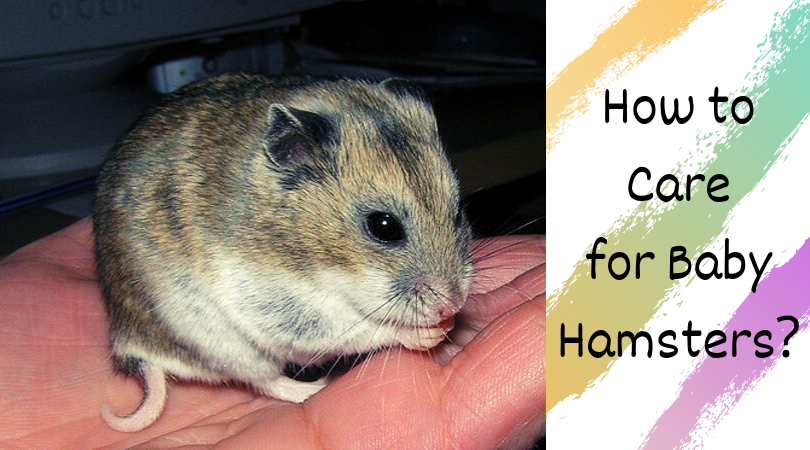
how to care for baby hamsters

Hamster Breeding and Mating:

Initiate Hamster breeding by placing a mature female into the male’s cage nightly during estrus. Estrus is the period of time when a female Hamster will mate with a male and lasts roughly 12 hours.

You will know the female is receptive if she stretches and splays her legs when you stroke her back. Estrus typically takes place at night and the pair may be lightly combative at the onset.

If fighting continues for more than a few minutes or seems particularly rough remove the female and wait a day or two before trying again. Keeping an eye on the pair from a distance or remotely via camera is recommended.

If mating occurs you can safely leave the pair together until morning, if not it’s best to separate them and try another day.

Hamster Pregnancy and Gestation:

The female Hamster will appear pregnant 2 weeks after mating. Placing the mating cage in a quiet, isolated location is recommended because Hamsters easily become stressed. Her interests may shift from running on her wheel to eating and resting during pregnancy.

Nesting and grooming behavior increases before giving birth and the female may seem restless or startle easily. Gestational duration varies slightly by Hamster type but expect a litter 18 to 22 days after mating.

Baby Hamster Birth and Litter Size:

Baby Hamsters are called pups. A typical Hamster litter will be 6 to 8 pups in size but can be as small as 3 and as many as 12 pups in size depending on breed. Pups are typically born a few minutes apart but may be up to 30 minutes apart as the female cleans the nest between births.

Allow mother to take care of her babies umbilical cord and adopt a hands off approach as much as possible. Do not open the cage or handle the babies until they are 2 weeks of age, unless necessary.

If mother feels threatened in any way there is a chance she cannibalizes one or more of her pups. This can happen anyway so reduce the chance by leaving the litter alone.

Caring for Hamster Babies:

Baby Hamsters are born toothless and without hair until they reach 11 to 14 days in age. Mother will feed her litter at first until the babies begin drinking water (14 days) and eating food between (16-21 days) on their own.

Pups will behave as a group and eat, sleep and play at the same time. Successful Hamster weaned occurs after 3 weeks and sexual maturity is reached between 6-7 weeks of age.

Hamster Sexing:

To determine a Hamster’s sex hold them gently but firmly on their back in the palm of your hand with their back feet slightly higher than the front. They may struggle as you examine their genital area so hold them just above a table or hard surface to minimize the chance of being hurt by a fall.

The genital opening of a female Hamster is next to her anus while a male’s genital opening will be a small distance away, roughly the width of your finger. Male Hamster testes become visible as two hairless pink lumps on each side of the anus after roughly 5 weeks of age.

Signs of Hamster Trouble:

The female Hamster will instinctively know what to do during and after pregnancy so the less you involve yourself the better. It may be tempting to watch closely or bring the kids around but if you do this you need to be extra careful not to do anything which might make the mother feel threatened in any way. The simple act of opening her cage or touching her pups may cause mother to eat one or more of her young as a result.

This happens by instinct and is done to give the remaining pups a better chance at survival. Your best intentions may backfire so a hands off approach for at least two weeks before and after birth is recommended. Before breeding ask your vet what type of complications are common with your specific breed.

Tips for a Positive Outcome:

Bring mom to the vet for a prenatal checkup before mating. Avoid stressing mom as much as possible from mating until two weeks after delivery. Don’t change the bedding during this time. Have a second water bottle available to quickly swap with the first so that you don’t have to return twice.

Practice adding food to the Hamster’s bowl through the side of the cage, without opening the door. Use a cage big enough to allow a private area that is largely out of sight. Don’t move or otherwise disturb the litter unless absolutely necessary.

A small camera outside the cage is better than a big human next to it if you’d like to monitor the process. Trust that mother Hamster knows what she is doing. When in doubt call a vet, otherwise enjoy your Hamster miracle!

what to do if your hamster has babies

How to Care for a Baby Hamster

Caring for a mother and baby Hamster is fairly easy. Firstly, you should not touch the baby Hamsters until they have emerged from the nest.

It is best not to clean the cage out or make sudden loud noises near the hamster cage for a week or so after the babies are born, as this may stress the new mother. It is not unknown for stressed new mothers to kill or even eat their new babies.

While there is not much difference in caring for Hamster babies versus adults, you will find some differences. If you raise Hamsters, it is important to know the proper care so you will have a cute, healthy, and loving pet. Most people do not think of Hamsters as being cuddly pets but in actuality, they are and in fact, when raising Hamster babies, the way you treat them will help determine their personality and behavior as adults.

For starters, the official name of Hamster babies is pups. When born, the babies are extremely tiny, pink, they have no hair, and their eyes are closed. Obviously, when first born, Hamsters are not much to look at and until they are a few weeks old, they will stick very closely to the mother.

Mother Hamsters Eat Their Babies

The most important thing to remember is that you should never handle Hamster babies for a minimum of two weeks, which could cause the mother to turn against them. When the mother smells human scent, she might think that the babies are foreign and not her little ones so avoid picking them up or even touching them at all cost.

Sadly, some mothers will eat the Hamster babies, which might be just one, or all of them. As humans, we find this difficult to handle but we need to remember that they are acting as nature made them so if a mother does not accept her pups, you cannot do anything about it. After all, when they are so tiny, caring for them would be impossible in that they need very special care of the mom.

The Hamster babies will remain huddled in a close group after being born and to keep them safe, the mother will often pick them up and move them to a new location within the cage from time to time. For this reason, once you know your mother Hamster is getting close to giving birth, you want to provide her with a clean cage, extra bedding, and even a private box where she can take them to reduce stress, if needed.

When Can You Hold Baby Hamsters

Once the Hamster babies are about two weeks old and if the mother does not seem overly protective or stressed, you could at that time start to hold them but only for a minute in that their skin is still very sensitive. You would also want to clean the cage again to make sure mother and pups have clean, soft bedding and fresh food and water.

Baby Hamsters Nutrition

Just as with humans, Hamster babies will nurse off the mother so providing her with a nutritional diet, special snacks, and clean water daily is essential. Then around two weeks old, most of the pups will begin to learn how to drink from the water bottle in the cage so make sure the nozzle is lowered enough so they can reach it.

To ensure the babies have adequate hydration, place a few slices of fresh cucumber in a bowl daily but never set a bowl of water in the cage, which could accidentally drown the babies if they were to fall in.

They will venture out of the nest when quite small and start exploring and looking for (soft) solid food. At this time leave a couple of little pieces of cooked (unsalted) pasta or raw (washed) broccoli florets. The babies will need their mother’s milk less and less and at four weeks they are fully weaned.

baby hamster eat from owner hand

Safe Area for Baby Hamster

Keep an eye on the baby Hamsters, especially early explorers to make sure they do not get stranded in the equipment. If your cage has a wheel or other single entry accessories, it is worth keeping an eye on the early explorers to make sure they do not get stranded in the equipment.

If the pregnant Hamster and father Hamster have been living together as a couple before and during the pregnancy without fighting, it should fine to leave the new father in with the mother and new litter.

The male baby Hamsters should be removed from their mother before they are six weeks old. Female babies can be left with a solitary mother indefinitely so long as she will tolerate them but must be removed before they are six weeks old as well if the father is cohabiting with the mother hamster. Unless of course you want a pregnant Hamster again!

Finally, around three weeks of age, you would begin to move the hamster babies from the mother, putting them in a different cage and you can start thinking about some creative hamster names. It is important to watch for fighting and if you see any, you may need to separate the babies from one another too. Additionally, if you find that one or more of the Hamster babies becomes stressed from being taken from the mother, allow those to stay with her for a few more days or another week.
Категорије: Hamster

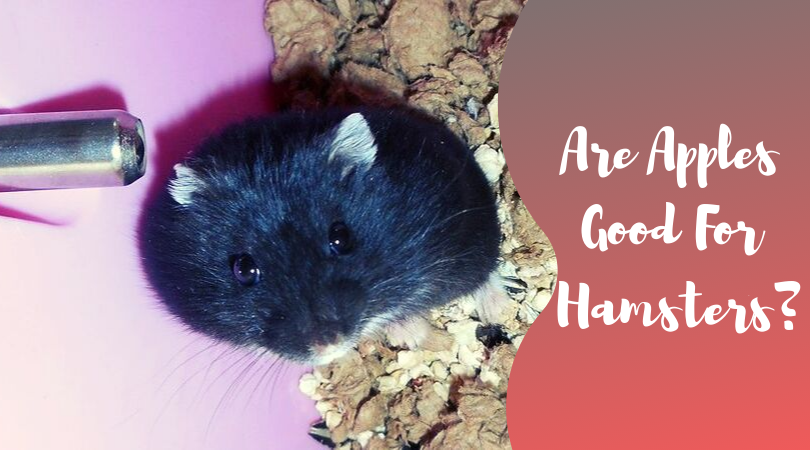
Can Hamsters Have Apples – Can hamsters eat apple seeds?

септембар 28, 2019 By Petsium

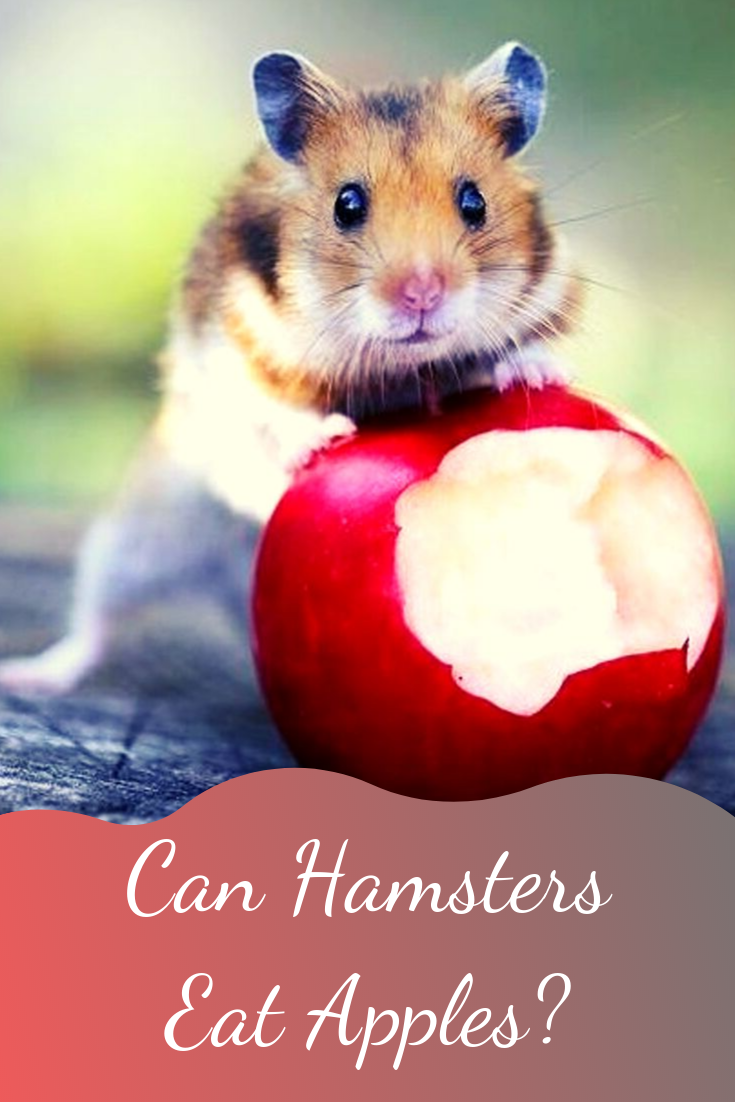
They say „an apple a day keeps the doctor away.“ However, does this also apply to hamsters, can hamsters eat apples?

Well, let’s find out…

Apples are one of the most nutritious fruits. They’re also incredibly sweet, and have the right amount of juice. This makes them a preferred choice for many.

Some people like to consume them raw, others blend them, while others put them in salads.

Can Hamsters Have Apples - Can hamsters eat apple seeds?

Related: Can Hamsters Eat Grapes – Are Grapes Safe For A Hamster

Can Hamsters Have Apples?

Yes, hamsters can eat apples, and they actually do eat apples. As earlier mentioned, apples are healthy and nutritious, and these health benefits are not restricted to human consumers only.

Nonetheless, you should watch the amount of apples you feed your hamster to prevent possible side effects. More on that later, for now, let’s look at how apples benefit your hamster.

Related: Can Hamsters eat Raspberries and Blackberries

Health Benefits of Apples for Hamsters

The following are the vitamins and minerals found in apples.

  • Vitamin C (Ascorbic Acid)

Vitamin C is commonly found in most fruits, including apples. It helps in the growth and development of body tissues, strengthening the immune system, and boosts the recovery process from illnesses.

Further, vitamin C was found to delay and prevent cancer of the cheek pouches in hamsters.

  • Antioxidants

Apples are full of antioxidants, which mostly help in neutralizing the harmful free radicals that occur in the blood.

Antioxidants also help in the prevention of cancers and heart diseases as well as boosting the digestive system.

  • Fiber

Apple contains dietary fiber, which promotes a healthy and functional digestive system, as is essentially vital in preventing constipation.

Dietary fiber also encourages the growth of healthy gut bacteria.

Related: Can Hamsters Eat Bananas?

What Are The Potential Risks of Feeding Your Hamster Apples?

Just like humans, hamsters may experience digestive problems when they are introduced to new foods. Diarrhea, particularly, is a very common problem that occurs when you start feeding apples to your hamster.

To prevent this, get your pet used to apples by feeding them tiny amounts at first, and only increase the portions once you are sure there are no adverse reactions, such as allergies.

If your hamster gets diarrhea, or experiences visible discomfort after feeding on apples, it is best to discontinue the feeding and seek your vet’s opinion.

Another reason to only feed your hamster small portions of apples at a time is that the tiny animals like to hide their food in their cages.

Apples, just like most fruits, tend to go bad after a few days, and when your hammy eventually eats the hidden fruits, they may get sick.

You are therefore advised to always feed your hamster the amounts you’re sure they can finish.

And if they don’t manage to complete all the apple pieces you served, take them away and keep them yourself till the next day.

Related: Can Hamsters Eat Blueberries?

Can Hamsters Eat Apple Seeds and Peels?

Apple seeds contain a toxic compound called cyanide, which can harm your hamster. Of course, apple seeds are mostly safe for humans, as they have a higher immunity compared to the tiny hamsters.

In fact, a single toxic seed is enough to kill a typical hamster.

Apple peels, on the other hand, are safe for hamsters to eat and are very nutritious. Just like the inner part, the peels contain several vitamins and dietary fiber.

Just remember to thoroughly wash the apple with clean water to remove dirt and any pesticide residue before feeding your pet.

Notably, some pesticides are highly stubborn, and may not come off the skin even after washing. Hence, only go for organic fruits if you intend to feed the peels to your hamster.

Can Hamsters Have Apples - Can hamsters eat apple seeds?

Related: Can Hamsters Have Strawberries – Are Strawberries Safe For Hamsters?

What Is The Recommended Amount Of Apple for Hamsters To Eat?

Obviously, the amount of apple you should feed your hamster depends on their size and age.

For the younger hamsters, a very tiny slice, twice per week is adequate.

For the older ones, slightly bigger slices, served at most thrice a week is enough. If you’re unsure about the specific portion sizes, you are advised to consult your vet.

Related: What Can Hamsters Eat? Hamsters Food Guide

Hamsters and Apples – The bottom line

Fresh vegetables and fruits, such as apples, are healthy snacks that should be a common feature in your hamster’s diet.

However, you are advised to only feed them small pieces at a time.

More importantly, you should also try looking for seedless apples, instead of removing the seeds every time.

Категорије: Hamster

Facts About Hamsters

септембар 20, 2019 By liv parmel

If you are passionate about having a small pet, did you know one of the cutest and easiest to care and inexpensive pets to raise are — Hamsters!

They really are cute loveable creatures with their little noses always twitching and fun to watch as they scurry around. Hamsters are a very cheerful pet, are pleasant to have as a pet, and can be a joy to take everywhere with you.

Being a Hamster owner is a unique experience and while Hamsters are often seen as pets in a cage, they are very adaptable.

Many Hamster pet owners simply enjoy playing and cuddling with them and can adapt to travelling so you can take them with you.

If you are thinking of buying a Hamster as a pet… You need to know some main facts about Hamsters.

interesting facts about hamsters

Some Interesting Hamster Facts

-Hamsters are colorblind.

-They, like most rodents, will get sick if cedar is in their cage.

-Like most rodents, they need to chew and if not, their teeth will grow very long.

-The Hamster gets its name from a German word for storing food.

-One of the Hamster characteristics is the ability to stuff its cheek pouches with food… sometimes an amazing amount for one little Hamster!

-Domestication of the Hamster began in 1930 when a zoologist found one mother and twelve young Hamsters in the Syrian Desert (to the North of Israel).

-A Hamster’s average life span is about 2-3 years. They have been known to live 3-4 years.

-The gestation period of a Syrian Hamster is about 16 days.

-Syrian (also known as Golden, Fancy, or Teddy Bear) Hamsters are solitary animals and will not live peacefully with other Hamsters past 8-10 weeks of age. They should always be housed separately.

–Russian Dwarf Hamsters can often be kept in pairs or groups, as long as they are introduced to each other at a very young age.

–Roborovski Hamsters are the smallest species of Hamster and the least likely kept as pets.

-Black Bear Hamsters are a genetic mutation of the Syrian Hamster. It is not a different species.

-Hamsters can remember their relatives.

-Hamsters can be taught how to come by name.

-Hamsters cannot be spayed or neutered. In order to stop pregnancy, you must separate the male and female.

-Hamster burrows can be as deep as 1.5 m (5 ft) below the ground.

-A human year for a hamster is 25 Hamster years.

-Hamsters can eat almost anything.

-Hamsters are great escape artists(trust me!:) ).

-Hamsters can drink milk as long as it doesn’t go sour.

-Male Hamsters are called Bucks and females Does (as with deers, goats, rabbit and other animals).

-Baby Hamsters are called “puppies” just like canine offspring!

-Hamsters can only see up to six inches in front of them.

-Hamsters are nocturnal meaning they sleep during the day and are active during the night.

hamsters facts

-In the wild, Hamsters will line their tunnels with grasses and wool or hair shed from other animals to help maintain a fairly constant temperature in their burrow (often around 60°F), no matter the outside temperature.

-Hamster fur can be found in a wide range of splendid colors, and this is all dependent upon the natural landscape of the area in which the Hamsters reside. This coloration matchup comes from the predation and a natural mechanism, since Hamsters are relatively defenseless, against a host of predators, and animals, that would love to have a Hamsters snack!

-Hamsters typically have poor eyesight and depth perception. To compensate for their poor sight when in unfamiliar territory, Hamsters have scent glands on their flanks (and abdomens in Chinese Hamsters). A Hamster rubs these areas of his body against various objects, and leaves a trail of smells the Hamster can follow to return to his home den.

-Hamsters can reproduce as young as 4 weeks old, usually have several pups in each litter, and can have several litters throughout a year. This makes studying the effects of medication, etc on future generations very easy.

-Hamsters most notably have been used to test alcohol aversion drugs. Hamsters have a high alcohol tolerance (around 300% of ours) and when given the choice between alcohol and water will choose alcohol. This has made them great test subjects for medication to discourage excessive alcohol consumption.

Raising and caring for hamsters can be a fun and rewarding experience, simply because these tiny pets are a truly warm and friendly companion. The benefits of owning and raising Hamsters are a pleasure for young and old alike!

hamster facts infographic

Категорије: Hamster

Teddy Bear Hamster Facts

септембар 15, 2019 By liv parmel

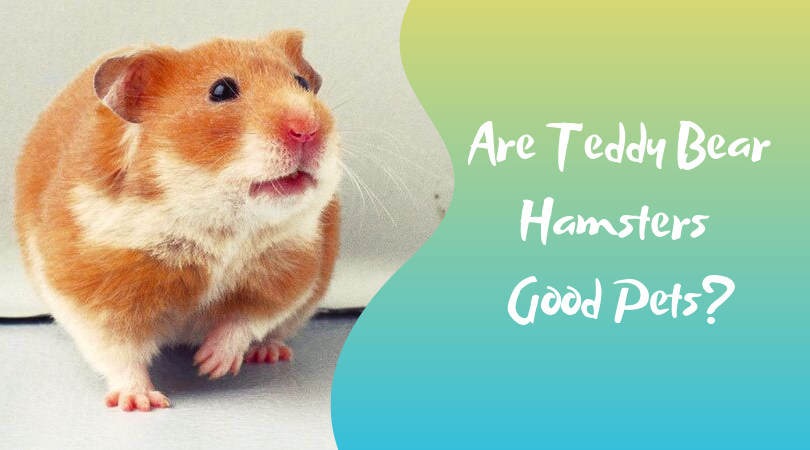
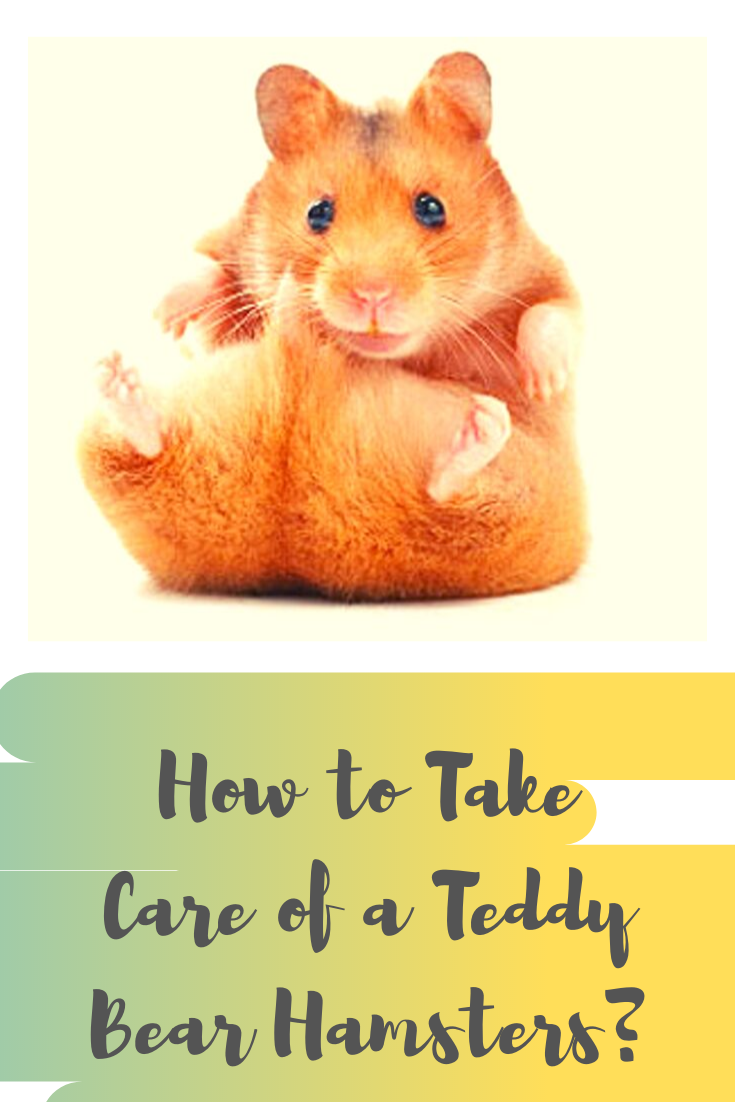
Teddy Bear Hamster is neither a bear nor a stuffed toy. But Teddy Bear Hamster is definitely a Hamster and it is absolutely cute. They are often called Long-haired Hamsters, Fancy Hamsters or Angora Hamsters. Teddy Bear Hamster is a cousin of Syrian or Golden Hamsters. The difference would be is that Teddy Bear Hamsters have much longer hair.

Teddy Bear Hamster

Teddy Bear Hamster Size and Physical Appearance

Teddy Bear Hamsters are about 5-7 inches long.

People desire to have a Teddy Bear Hamster as a pet because of its remarkable fur color. Their fur comes in shades of reddish gold and it grows an average of one to two inches in length.

Most of these gorgeous Hamsters have white paws and some sport a white triangle at their throat which gives them the appearance of wearing a tuxedo. These cute Hamsters have different colors but usually, golden colors are present.

The males are the ones with the longer hair though the females grow larger than the males. Females mature faster than males. Females mature around six weeks.

Teddy Bear Hamsters Lifespan

Teddy Bear Hamster life span is about 2 years, and it may be extended for 4 years if kept in a proper habitat.

Behavior

Generally Teddy Bear Hamsters are happy animals. But it is recommended to not put 2 hamsters in one cage. Sometimes they get grumpy and want to be left alone. They are nocturnal animals which means they sleep during the day and are active during the night.

They are perfect pets for those who are seeking for a pet of low-maintenance. Teddy Bear Hamsters can bathe themselves using their tongues. Like their Syrian cousins Teddy Bear Hamsters have the habit of nipping.

Teddy Bear Hamsters are surely adorable and lovable and need very low-maintenance, making them perfect for kids.

Housing

The cage where you will house your Teddy Bear Hamster must facilitate optimal air flow. It must be lightweight and easy to clean. Must be large enough. Approximately 2 to 3 story cage with shredded wood shavings (avoid pine or cedar shavings it is harmful to them) or hay on its cage flooring, with 1 or more houses with nesting materials on it.

And also put some food, water, bedding, wheel, hideout, water bottle, food dish and safe to chew toys.

If you have one or more Teddy Bear Hamsters make sure they are not overcrowded in a cage. Teddy Bear Hamster do not like to live in pairs. They have the tendency to fight over each other even to the verge of death.

teddy bear hamsters

Teddy Bear Hamster Diet

Consumption or eating and drinking is the last, but certainly not least thing on your hamster health checklist. Hamsters need a high protein, high fat (good fat) diet in order to support their active lifestyles. Remember to only feed them a couple table spoons per day, and do not introduce a new food rapidly into their diet; do it slowly.

Eating a large amount of a new food could cause diarrhea which could lead to wet tail and death. For example, fresh vegetables are very good for hamsters. They keep them hydrated and provide necessary nutrients. But, feeding them exclusively veggies will cause irregularities in their digestive system. Remember, everything in moderation.

Teddy Bear Hamsters diet is composed mainly by grains, fruits and vegetables. Before feeding them it is advisable to remove leftovers from the previous day. And also always refill their water supply which must be kept fresh.

Chew Toys

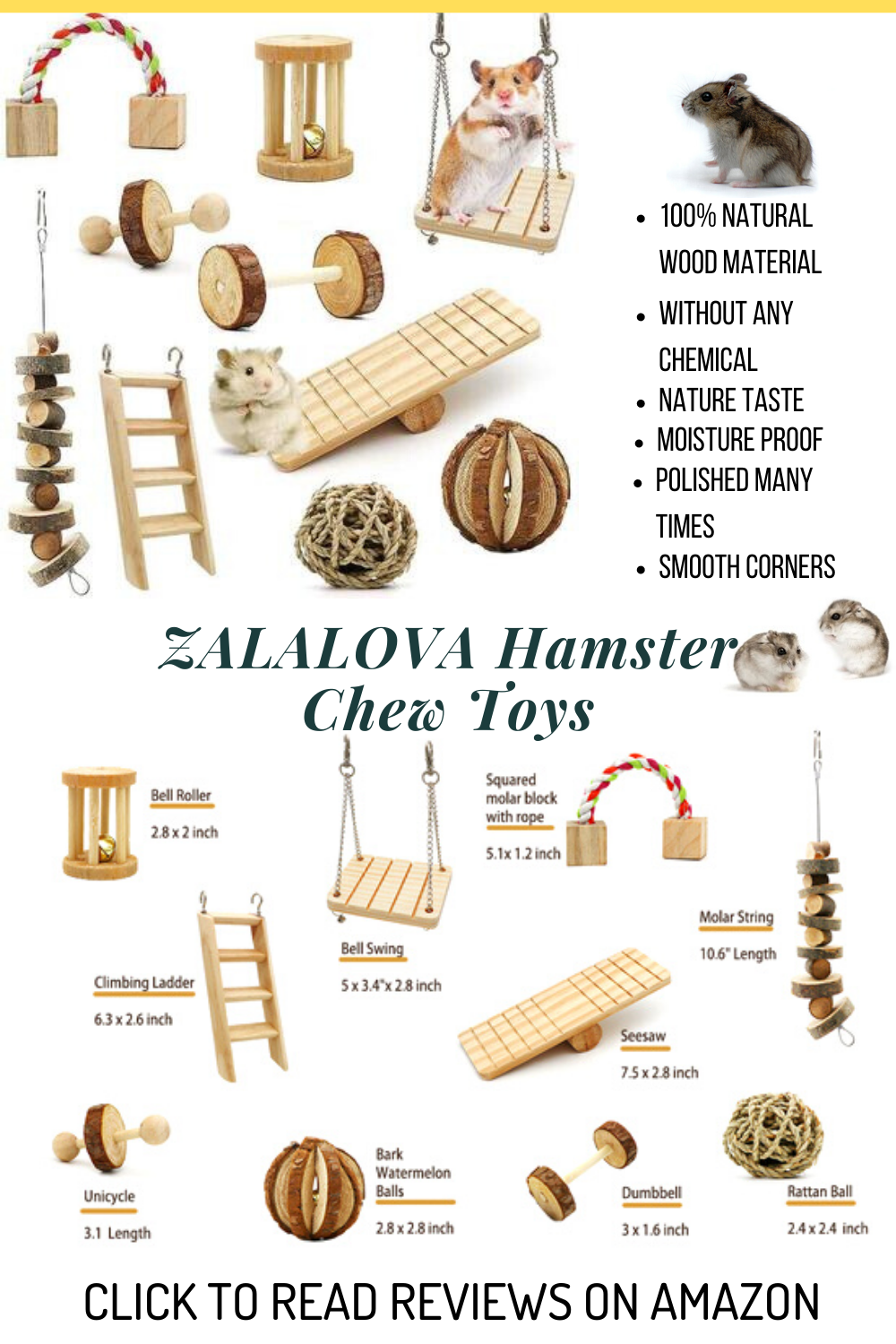
Hamsters love to chew and bite, they must also be given a chew toys. It is necessary to give them chewing toys for their tooth health. A material for gnawing is a must and it should be non-toxic to avoid health problems because they love to chew and bite that makes the possibility of gnawing the metal bars of their cage.

Maintenance and Cleaning

Clean the cage of the Hamster twice in a week. When cleaning use warm water and non toxic solvent cleaner, then rinse well and dry it completely. It also includes all the accessories inside your hamster’s cage, including the house. Hamster bedding should be changed routinely.

They should not be bathed unnecessarily because they can be prone to colds. They don’t need to bathed but can be brushed using a toothbrush so tangled hair can be removed. Whenever there are times it gets dirty and cannot clean itself, a damp cloth can be used to gently wipe off the dirt on the Hamster.

Even though majority Hamsters can clean up themselves, you can also take care and help them by combing their hair by using hamster-combs that might be bought at hamster stores or pet shops. Even toothbrushes can be used; taking care of Hamsters includes brushing their teeth. These will lead up to a healthy way in having good relationship between you and your Hamster.

Teddy Bear Hamster Health

Teddy Bear Hamsters are very small and as such their immune system is much weaker than ours. As their owner, you must always keep this fact in mind.

Here are some guidelines to help you keep your Teddy Bear as healthy as possible:

Wash Your Hands

I can’t say it enough, wash your hands before and after handling your Teddy Bear Hamster. Bacteria or viruses that reside on your hands can prove to be fatal to your little guy/girl. Take extra sanitary precautions when you are feeling sick, or have just eaten (what you ate may be poisonous to your hamster).

If you are feeling ill wash your hands and wear a mask so you do not breathe on your Hamster, and only come in contact with them to change their bedding, food, and water. Leave them alone until you are healthy again!

But what if your hamster does get sick?

Signs That Your Teddy Bear Hamster is Sick:

  • Loss of appetite
  • Change in behavior
  • Discharge from eyes
  • Runny nose
  • Dull or unkempt coat
  • Wetness around tail

Hamsters, like humans tend to eat less, and do not like to be bothered when sick. If you notice your Hamster is not waking up at its normal time, and is eating or drinking less, contact your local Vet with a list of symptoms and get some medicine for your Hamster.

Other common signs of illness among Teddy Bear’s are if the eyes leak fluid, or have a redness to them. Healthy Hamsters’ eyes should be black, clear, and alert looking. Also if they’re nose is running, or is dry your Hamster may be sick. Healthy Teddy Bear’s have slightly wet noses just like cats and dogs.

Additionally, if their fur is not sleek and shiny, or is not being cleaned regularly your Hamster may be sick.

Finally, if your Teddy Bear Hamster has any wetness around his or her tail, immediately call your Vet for medication because your Hamster probably has a disease called, Wet Tail. This sickness is curable but only if it is caught immediately.

Bringing Your Teddy Bear Hamster Home

Before buying the new Teddy Bear Hamster, select a permanent place and set up a cage for them. It is best if we bring the Teddy Bear Hamster in the home with its transport box which is the quick way, due to the certain circumstances intensifying the efforts for making it free itself very soon.

So when we reach home, put the box in the cage and open it and see whether the Hamster comes out or not. Put the old materials of the nest which we took while buying in the cage. It will smell the scent and will identify that this is his home even if the surroundings do not match.

Selecting the Healthy Teddy Bear Hamster

Healthy Teddy Bear Hamster has a shining, smooth coat and bright eyes. It also has a dry nose thus its body is like cylindrical. It creates lively impression apart from that, but it will not be same if they just woke up of the sleep. The contrasting coat of the ailing Teddy Bear Hamster appears to be dull and unkempt; the creature also has the sunken flanks.

The sign of illness are the nasal discharged and the inflamed eyes. But if the Teddy Bear Hamster is wobbling its legs, trembling, wheezes or sneezes immediately contact the dealer and don’t buy that one.

Important Tips for Getting a Teddy Bear Hamster

  • The professional dealer will definitely advise us if we are uncertain regarding the Teddy Bear Hamsters. At the good pet stores, Teddy Bear Hamsters can be found.
  • If you desire a happy and healthy Hamster, it is recommendable to get one from a reliable professional Teddy Bear Hamsters breeder that is dedicated for the breeding system.
  • Always try to buy Hamsters in the afternoon. These creatures are very lively due to which we can evaluate them very better. Contrasting to the mice and the guinea pigs, they are very active at night in dusk, and mostly they prefer to stay alone for having rest at daytime.
  • Get a Teddy Bear Hamster of around ¾ weeks older. Because young Hamsters become more handy and quick then the older ones.
  • Lookout for any signs of illness, fur having bare places, dry eye, sneezing, long teeth or nails, dragging the leg or limping, continuous scratching and reddening of skin.
  • After bringing the Teddy Bear Hamster home, please kindly take some of the nesting materials from its previous cage. Because it is very easy for the Hamster to get used to the new cage along with the earlier habitat.

Now the final job is to find a lovely name for the cute little Teddy Bear Hamster.

Категорије: Hamster

Can Hamsters Eat Bananas?

септембар 9, 2019 By Petsium

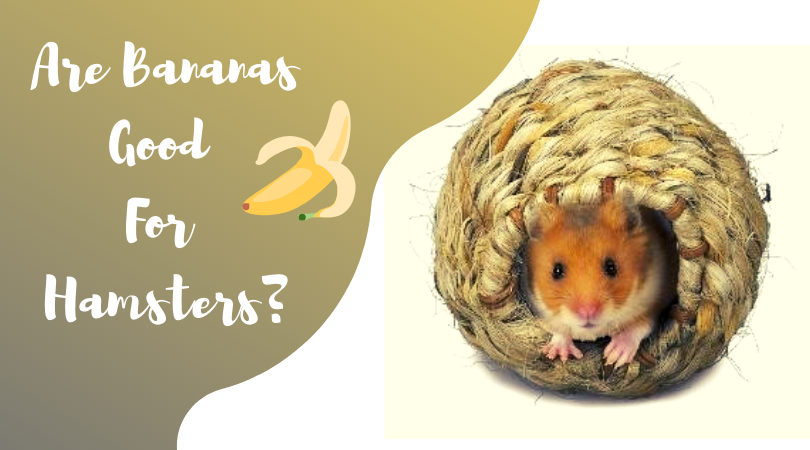
If you have a hamster, or are planning to get one soon, one of the questions probably running through your mind is, can hamsters eat bananas? Well, the answer to that is a resounding YES!

Generally, hamsters love to eat fruits and vegetables, just like rats – their more famous cousins, so hamster eating banana is a common thing.

Knowing what to feed your pet is crucial to their survival. For instance, if you feed them with spoilt food, they will more likely develop stomach problems.

Even for pets as small as hamsters, which are known to eat about everything (they’re rodents after all!), it’s essential to stick to recommended hamster diets.

can hamsters eat bananas

Can Hamsters Eat Bananas And If So, How Much?

Hamsters can eat bananas but the moderation is Key. While bananas are not known to harm hamsters, they should be served with other fruits, for a healthy and wholesome diet.

Basically, you should feed your hamster several pieces of banana at most twice or thrice a week. Every banana feeding should ideally not exceed half a teaspoon.

In essence, bananas should be taken as treats and not as main meals when it comes to hamsters. As such, you should only give your pet only a small slice at a time.

For instance, you can divide a smaller banana into three and feed them one piece in the morning, another at midday, and the last in the evening.

This is because hamsters are small animals, and can’t consume a large fruit. Moreover, make sure you wash the fruit before serving, and check them thoroughly for signs of rotting.

Giving your hammie rotten bananas may cause diarrhea.

Can Hamsters Eat Banana Peels?

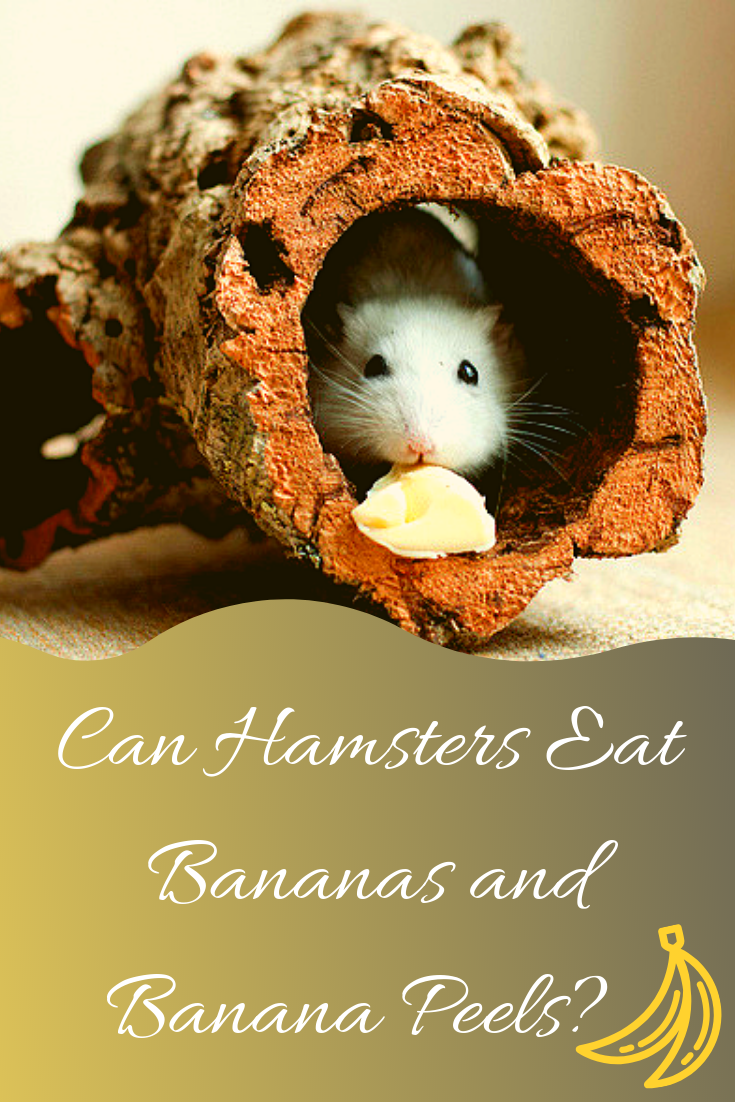
Yes, banana peels are safe for hamsters to eat. You, however, need to wash them with clean, running water thoroughly and cut them into small, manageable pieces.

And since they are more or less bananas, you should also serve them in moderation, such that if you give your hamster a bigger amount of banana, you should give them an even smaller piece of banana skin.

Can All Hamsters Eat Bananas?

Yes, bananas are technically safe to eat for all hamster breeds.

However, there are some breeds that are highly susceptible to diabetes, and bananas (which have high sugar content), may hasten the onset of the disease.

To start with, the breeds that should be okay consuming bananas include the Roborovski and Syrian Hamsters.

Breeds that may develop health problems due to banana consumption include Chinese Hamsters, Winter White Dwarf Hamsters and Russian Campbell Dwarf Hamsters.

That is, however, not to say that they can’t consume bananas. You only have to limit the consumption to less than once a week – Once every two weeks should be okay.

So before going bananas on your hammie (pun intended), first find out what breed they are, and whether the breed is susceptible to diabetes or other health problems brought about by excessive sugars.

hamster eating banana

Benefits of Bananas to Hamsters

Bananas are very nutritious fruits, rich in magnesium, potassium, fiber, B6, and vitamins B and C. It’s hard to get these vitamins in individual foods, so if your hammie is not easily susceptible to diabetes, you should make sure to include bananas in their diet.

Additionally, the high fiber content in bananas makes them a perfect solution for treating constipation and other digestive problems.

Fiber is also known to reduce blood pressure, the risk of leukemia and some types of cancer.

The Problem With Overfeeding Bananas

All the above-mentioned benefits of bananas to hamsters only apply when consumption is controlled and limited, and in synchrony with other healthy foods.

Feeding your hamster too much bananas can cause diarrhea and dehydration (which could be fatal).

Notably, even breeds that don’t carry high risks of diabetes could get the disease if overfed with the sugary fruit.

Your hamster could also become overweight, which could put them at risk of heart disease and joint pain.

Overweight hamsters also become too lazy, and won’t play with you, which is the whole essence of having a pet.

Can Hamsters Eat Bananas Bottom line:

Hamsters, just like other pets, they need to be handled with care. When feeding them, you are advised to monitor any signs of discomfort or health reactions.

In case you notice anything unusual, you are advised to seek specialized assistance from a vet.

hamster eating banana

Maybe you’ll find these topics interesting as well:

  • Can Hamsters eat grapes?
  • Can hamsters eat strawberries?
  • Can Hamsters eat apples?
  • Can Hamsters eat blueberries?
  • What can Hamsters eat?

Категорије: Hamster

The Albino Hamster – What You Need To Know Before You Buy!

август 19, 2019 By liv parmel

If you are thinking about getting an unusual looking hamster, consider an Albino hamster.

The word Albino means that the animal is completely white and the eyes are red.

But these types of hamsters can also come in different sizes and have different fur lengths.

For example, you can purchase a dwarf sized Albino hamster and an angora golden hamster is known for having long soft hair.

albino hamster

Hamster the Best Small Pet for a Child

Hamsters make great pets for people who do not have enough room for a bigger animal.

They are also good starter pets for children.

They don’t need much room to grow and thrive and they are happy and friendly animals.

They have a life span of around 3 years and they vary in size.

The largest hamster is called a giant hamster and it can reach a full 12 inches long.

The medium sized hamster can reach up to 6 inches long and the dwarf hamster only reaches 4 inches long at maturity.

You will find there are many people who often give their children hamsters as their first pet but these parents need to read up on the pros and cons of having hamsters before they purchase them.

Hamsters make wonderful pets for children who are responsible enough to take care of them.

You will find that there are several different breeds of hamsters, including the albino hamster which is very popular.

The three main types of hamsters include Syrian hamsters, Dwarf hamsters, and Chinese Hamsters.

Albino Hamster Facts

The Albino hamster falls into the category of the Syrian Hamsters.

Other names of these hamsters include black bear hamster, teddy bear hamsters, and golden hamsters.

There is also a hairless hamster variety that is often called an alien hamster.

These hamsters are pretty well normal in size, which is about six to seven inches long.

They can live to be up to three years old, which is a pretty good length of time for one of your children to learn responsibility.

These types of hamsters are usually awake for most of the night but will sometimes be up during the day depending on the owner’s schedule.

One main aspect of an Albino hamster in the Syrian group is that this hamster as well as the others will have a tendency to become rather nippy to their owner if they are not regularly handled.

When a child gets this type of hamster for a pet, they need to be aware that if they do not give the hamster attention regularly, that the hamster could possibly become aggressive and hurt them.

Dwarf hamsters are better for children or people who want to have more than one hamster.

There can also be an Albino hamster within the Dwarf hamster group, but it is uncommon.

These hamsters are great for children because they are very sociable pets, especially if you accompany them with another little friend.

They are small enough that you don’t have to give them each a cage as you would normally have to do with the Syrian hamster.

The Chinese hamsters are very small hamsters that will only get to be about four inches long.

They will usually be housed in an aquarium because they often squeeze through the small spaces of a regular cage.

Albino Hamster Care

An Albino hamster does not need any special care. But there are a few good ideas for keeping these animals safe and healthy.

Before you purchase a hamster, you can choose the type you would like and pick out just one.

When you group these creatures together they will usually fight.

What is the Best Cage for the Albino Hamster

Unlike other small creatures who live in a cage, the hamster can be comfortable almost anywhere.

They thrive in an aquarium or cage. They do not need any type of heat light or lamp and they require little care.

If you are going to be using a wire meshed cage, make sure that the animal is unable to chew through the wire and escape.

The wire should be very strong and you should also have a strong wire mesh lid for the top of the cage.

The lid should snap firmly on the top as a cover, so that the hamster cannot escape by climbing out of the cage.

When you purchase your hamster you can also get tubing or an exercise wheel for the animal.

Hamsters love activity, so you can place as many activity related toys in the cage as possible.

Keep in mind that the hamster can chew through most plastic, so avoid using plastic toys.

Albino Hamster Bedding

Use bedding to line the bottom of the hamster cage. You can use shredded newspaper or purchase hamster bedding at the pet store.

Hamsters like to borrow underneath the bedding, so add around 2 to 3 inches of it.

Cedar wood chips were once thought to be a good hamster bedding but we now know that they can cause respiratory illness in these animals.

So never use cedar or any other type of scented bedding.

Albino Hamster Feeding

When it comes to feeding an Albino hamster, you can purchase regular hamster pellets at your local pet store.

Do not give these animals any snacks more than a few times a week.

Acceptable snacks are tiny bits of fruits or vegetables. A good example of a healthy treat would be 2 raisins.

Hamsters should never be over fed. This is bad for overall health and the hamster may have a shorter life span if it eats foods high in fat and calories.

Place the hamster food in a small dish on the bottom of the cage.

You will need a special water bottle for the hamster. It hangs on the side of the cage and the hamster must reach up to get a drink.

Using a bowl for water does not work in a hamster cage. The animal will walk through it and this makes for a messy and wet cage.

On occasions, you can fill the water bottle with fresh milk. This is very healthy for the growing animal. But keep an eye on the milk and make sure that it does not sour.

Albino Hamster Food

Категорије: Hamster

Can Hamsters Eat Blueberries?

август 13, 2019 By Petsium

When it comes to feeding, there are a few matters that are definitely worth mentioning in order to keep your hamster healthy.

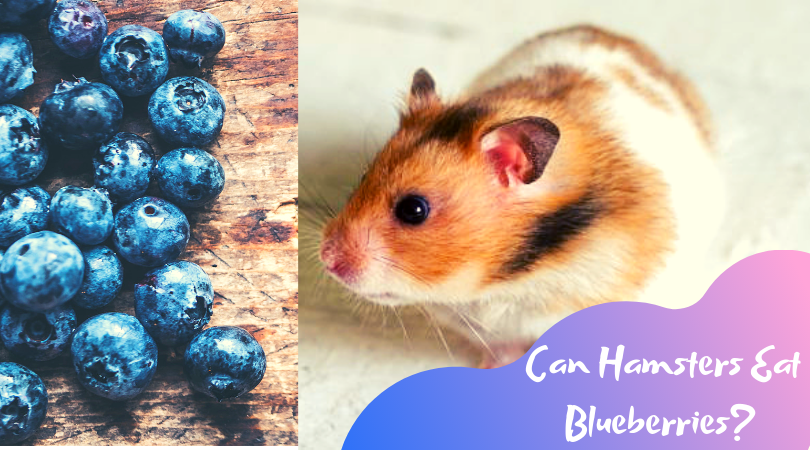
Especially when you want to treat your hamster with something new like blueberries. So, let’s see can hamsters eat blueberries?

Sure, we all melt away when we see a tiny hamster storing a lot of food in the cheek pockets, even though he has plenty of food everywhere.

But it’s important to know exactly what to feed them and what not.

First of all, they need a diversified diet.

That is easy to do thanks to the plenty of options that you can find in pet shops.

However, apart from those, maybe you would like to feed him a little treat every now and then. How about blueberries? Are they suitable for hamsters?

can hamsters eat blueberries

Can Hamsters Eat Blueberries or Not?

Yest they can eat blueberries, but…

Though hamsters are rodents and usually eat simple grains, every once in a while you can feed them with something else.

But be careful.

Grains, as well as seeds and nuts also help them sharpen their teeth.

This means that anything else should be given to them only in little quantities.

Let’s take blueberries for example.

They bring along so many health advantages for us.

They are packed with antioxidants and are nature’s biggest weapons to have a strong immune system.

Blueberries are safe for hamsters and even recommended. The adorable hamster will find them delicious and it will be delight to see him eating them too.

How Many Blueberries Can a Hamster Eat?

Still, even though blueberries aren’t as sweet as other fruits, they do contain certain amounts of sugar.

This isn’t beneficial for a hamster.

One or two blueberries are totally fine.

But don’t go over the limit and don’t give your hamster more than that.

More blueberries can upset his stomach and lead to gastrointestinal distress, which might force you to take him to the vet.

It’s easy to avoid this by sticking mostly to grains and 1-2 blueberries occasionally.

Only feed him raw blueberries and make sure they are fresh.

They shouldn’t either be too ripe or too green.

how many blueberries can a hamster eat

Can Hamsters Eat Frozen Blueberries?

Stick to fresh ones and don’t feed him frozen blueberries.

Those ones contain way too much ice and water.

No type of frozen product is suitable for a hamster, not even carrots.

If you want to spice things up and give him something else, never look in the freezer.

Don’t go for processed products such as jams or anything else of the sort.

This is very important to remember.

Those ones include massive amounts of sugar, which can affect the hamster’s stomach.

Not to mention that they will be too liquid.

Even if a hamster can eat things that aren’t very hard, the food should have a certain firmness so that he can eat it properly.

Jellies are certainly not one of the foods that you can safely give to the little friend.

What Kind of Fruit Can Hamsters Eat?

This actually applies to any other fruit that is ok for hamsters such as apples or strawberries.

Never feed your hamster with citrus fruits as they are way too acidic for his body.

Even with the antioxidant rich blueberries that also bring along health benefits for hamsters, limit the amount even if the little one seems to really enjoy them.

As the hamster is a pet whose main diet consists in something totally different, it’s highly recommended to give him only the highest quality food, especially when it comes to exceptions.

The treats should be just right. Be highly critical here.

Conclusion

Even if hamsters can eat blueberries, caution is advised.

Always pay attention how much you give him and stick to his regular diet.

Also, don’t mix various types of fruits.

Blueberries or any other types of fruits should only be given separately.

Never feed a hamster only fruit the whole day as they need other nutrient requirements too.

Hamsters are great pets for people of all ages.

They are mostly preferred by children and these little cute rodents can help a child learn more about caring about others.

Also people who live in apartments or who have a busy working life choose hamsters as pets because they are pretty low maintenance.

hamsters can eat blueberries

Категорије: Hamster

What Can Hamsters Eat? Hamsters Food Guide

јул 14, 2019 By liv parmel

So you have brought home your new hamster and now you want to know what can hamsters eat?

Well, that is a good question.

Actually, it is a very good sign that you are a responsible pet owner because you are taking the time to check to see what is safe for your hamster to eat.

That is the question all new hamster owners ask themselves as they are purchasing their new pet.

We know you want to provide the best diet for your hamster, and that includes you providing nutritious hamster food and hamster treats to your new companion.

What Can Hamsters Eat?

What can hamsters eat and what do hamsters eat are two different questions.

what can hamsters eat

What are the Best Foods for Hamster Diet

Hamsters are omnivores which means they eat just about everything.

In the wild they eat berries, nuts, fruits, a wide variety of vegetables and grasses, a wide variety of seeds, and occasionally insects.

Hamsters need a source of protein and in the wild they fulfill this need by eating the occasional insect.

Hamsters are opportunistic feeders and will eat what is readily available to them.

They scavenge throughout their native environment collecting any foods they can carry in their cheek pouches.

Hamsters will take these foods back to their burrow and store excess foods to eat later as needed.

What do Hamsters Eat as Pets?

Hamsters generally will eat the same things as a pet as they do in the wild.

The one difference will be that we as pet owners do not usually offer high protein insects to their diets.

These high protein foods are supplemented with other commercial foods that will be mentioned a bit later.

Today, hamster owners have a HUGE selection of commercial hamster foods available to them.

Some are of better quality than others because the manufacturers load the hamster food with vitamins, supplements, and sometimes medications.

Something all hamster owners learn is that hamsters love to eat!

The truth is they forage actively, especially at night, and spend a large portion of their time on food gathering activities.

Hamsters consume about a tablespoon of food per day spread throughout the day.

Hamsters typically collect food at night and wake every couple of hours during the day to snack.

A fast metabolism ensures that hamsters require food regularly in small amounts.

Hamster Staple Diet Base

Hamsters know which type of food their bodies need at any given time and commercial grains cover most of these requirements.

It is safe to use packaged grains from the store as the staple or base of your hamster’s diet.

You will want to supplement a base diet with proteins, carbohydrates, vitamins, minerals, fresh vegetables and the occasional hamster treat to keep your pet healthy and happy.

Hamster Proteins

Needed for building of healthy tissue additional protein is recommended for young or pregnant hamsters.

Good sources of protein include corn, nuts, oats, peas, barley, cooked beans and wheat.

what do hamsters eat

Hamster Fats and Carbohydrates

Eating fats only results in a fat pet if eaten in excess, otherwise your hamster needs fats and carbohydrates to maintain a healthy level of energy.

Carbohydrates are abundant in potatoes, milk, sugar and yeast and readily provided by barley, corn wheat and oats.

Note: avoid giving your hamster pure milk as this can sour quickly in a warm environment.

Hamster Vitamins & Minerals

Ask your vet if they recommend additional vitamins or minerals when you bring your hamster in for a checkup.

Too many vitamins or minerals can cause as many problems as not enough.

Hamster Water Needs

Hamsters require fresh water daily even if they are not finishing the bottle.

Clean the bottle regularly and boil it to disinfect as required.

Stagnant water breeds mold that can harm your pets health.

Hamster Treats

Hamster snacks can be added to the diet of a healthy pet in moderation.

A hamster eats a relatively small amount of food each day so focus on snacks that have a good nutrient value.

Do not feed your hamster human snacks with empty calories such as chocolate or your pet will eventually get sick.

Fresh Vegetables for Hamster

A list of recommended fresh vegetables to feed your hamster is available below.

It’s important to thoroughly wash all fruits and vegetables to remove any trace of pesticide before feeding it to your hamster.

Hamster Food Types

Today, there are so many different types of hamster foods on the market today.

The following section will briefly discuss the differences between the types of hamster food on the market today.

Hamster Seed Mixes

Hamster seed mixes can be purchased in bags that range from 2 -5 pounds.

Most common size bags found on the market today are 2 – 3 pound bags.

Kaytee Fiesta Max offers your hamster a good blend of vegetables, seeds, fruits, and grains.

Your hamster will LOVE this seed mix!

Hartz Bonanza (4 lb. bag) includes a great combination of ingredients such as carrots, pinto beans, almonds, seeds, and pellets.

This larger bag is a great value and offers great nutritional value.

Common commercial Hamster Seed Mixes often contain the following:

  • Millet
  • Oats
  • Barley
  • Corn
  • Raisins
  • Peanuts
  • Wheat
  • Sunflower Seeds
  • Split Peas
  • Milo
  • Pumpkin Seeds
  • Various dried Fruits

These seed mixes also contain other supplements, minerals, and vitamins.

I urge you to read the bag’s ingredients before purchasing.

what can hamsters eat

Hamster Pellets

Hamster Pellets are available in various sizes, shapes, and color.

Hamster pellets or hamster cubes usually contain the same ingredients, vitamins, and supplements that the Hamster Seed Mixes do but simply come in a different format.

Hamster pellets are good because they contain everything the hamster needs to eat all compressed into one chunk.

The benefit of feeding Hamster Pellets is that the hamster can not pick out only what they want to eat.

With hamster pellets, the question:”What Do Hamsters Eat?” is answered simply with “everything”!

Hamster pellets ensure your hamster eats all the good stuff and the stuff they “prefer”.

A hamster is like a small child, put all types of food on the table and let them choose, and they will pick only their favorites.

Put only one type of food in front of them, they will most likely eat that one food.

When you ask what do hamsters eat, you simply must remember they will eat almost anything we as pet owners give them so let’s make sure we give them the best foods possible.

Hamsters are really not that picky.

So when you begin asking what can hamsters eat, you really need to think about what we shouldn’t feed our hamsters.

Below I am going to list out the common foods that hamsters enjoy and that are safe.

**NOTE:

The following food items are generally safe for hamsters, but like all animals, every individual specimen is different and pets can have allergic reactions to certain foods.

The foods below are believed to be safe to the general population of hamsters, but if you notice any difference in health, behavior, or appearance of your hamster after feeding a certain food, please look into possible allergic reactions.

Safe Hamster Foods

The following foods are hamster safe and can be given to them a few times a week.

I highly suggest you provide a commercial grade hamster food that contains all the vitamins and supplements hamsters need.

You can add these foods several times a week along with their staple diet.

What Fruits Can Hamsters Eat

Hamster Fruits:

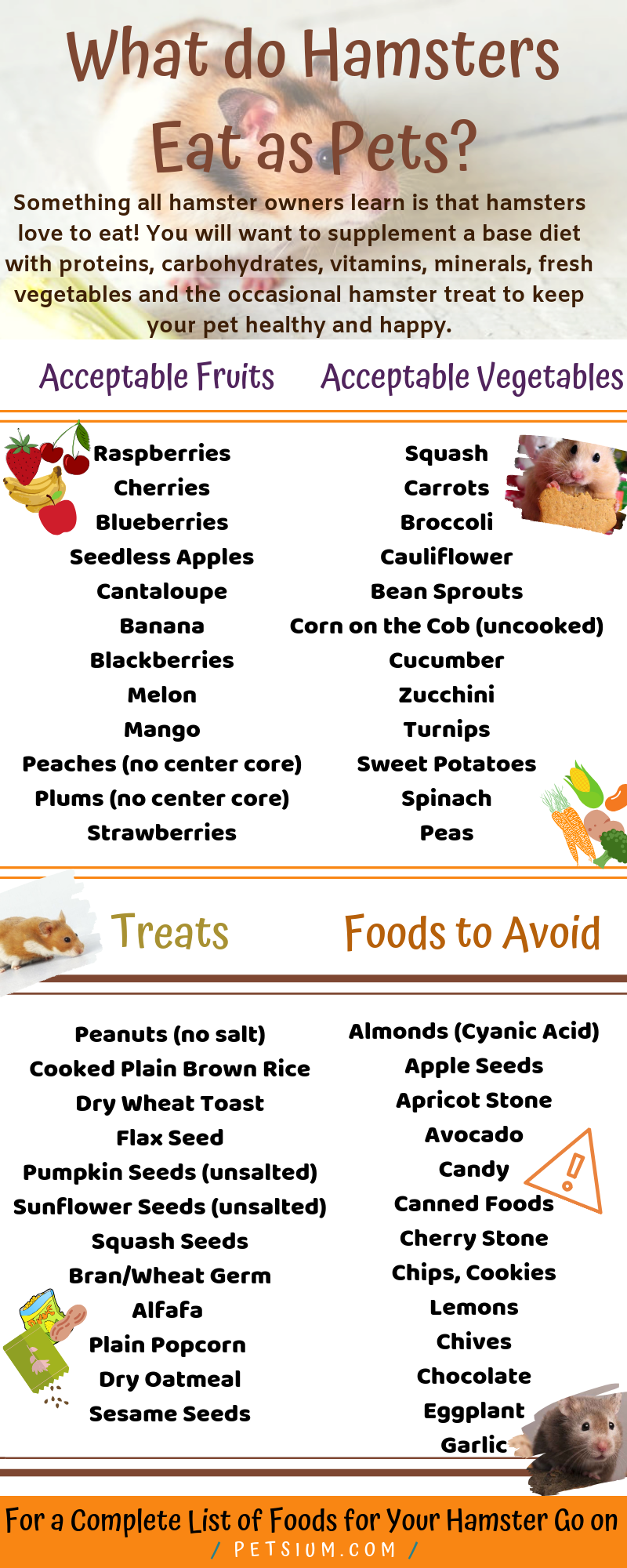
  • Raspberries
  • Cherries
  • Blueberries
  • Seedless Apples
  • Cantaloupe
  • Banana
  • Blackberries
  • Melon
  • Mango
  • Peaches (no center core)
  • Plums (no center core)
  • Strawberries
  • Cranberries
  • Grapes(seedless)

Can Hamsters Eat Apples?

Yes, hamsters can eat apples, and they actually do eat apples. As earlier mentioned, apples are healthy and nutritious, and these health benefits are not restricted to human consumers only.

Nonetheless, you should watch the amount of apples you feed your hammie to prevent possible side effects. Read the complete guide – Can hamsters eat apples?

Can Hamsters Eat Strawberries?

Yes, it is safe to give strawberries to your hamster. However, you should limit the servings to at most thrice per week to prevent stomach upsets, particularly diarrhea. Additionally, strawberries are pretty high in sugar, which may affect your hamster healthwise. Remember, hamsters can also get lifestyle diseases such as diabetes and cancer, just like us humans. Read the complete guide – Can Hamsters eat strawberries?

Can Hamsters Eat Bananas?

Well, the answer to that is a resounding YES! Generally, hammies love to eat fruits and vegetables, just like rats – their more famous cousins.

While bananas are not known to harm hamsters, they should be served with other fruits, for a healthy and wholesome diet. Basically, you should feed your hamster several pieces of banana at most twice or thrice a week. Every banana feeding should ideally not exceed half a teaspoon. Read the full review – Can Hamsters eat bananas?

Can Hamsters Eat Grapes?

Yes, they can! Matter of fact, most types of fruits, including grapes, are safe, and actually healthy for hamsters. Remember, hamsters are herbivores, and fruits and vegetables are their main foods. Read more – Can Hamsters eat grapes?

Can Hamsters Eat Blueberries?

Yes they can. Blueberries are safe for hamsters and even recommended. The adorable hamster will find them delicious and it will be delight to see him eating them too. Read the full guide – Can Hamsters eat blueberries?

Can Hamsters Eat Blackberries?

While hamsters can eat blackberries, they should only be fed in small quantities to avoid putting a strain on their sensitive digestive system. Luckily, blackberries are one of the many fruits that are safe for hamsters to consume, as they pose no risk of poisoning. Read more on Can Hamsters eat blackberries?

Can Hamsters Eat Raspberries?

Well, this depends largely on the species of the hamster. Different species, due to their varied sizes respond differently to sugars and acidity in their diet. Before you feed raspberries to your pet hamster, therefore, it is essential to understand the potential health implications of your particular species. Read the detailed review on Can Hamsters eat raspberries?

what fruit and vegetables can hamsters eat

What Vegetables Can Hamsters Eat

  • Asparagus
  • Squash
  • Carrots
  • Broccoli
  • Cauliflower
  • Bean Sprouts
  • Corn on the Cob (uncooked, small piece)
  • Cucumber
  • Zucchini
  • Turnips
  • Sweet Potatoes
  • Spinach
  • Peas
  • Green Beans
  • Kale
  • Bok Choy
  • Cabbage (small portions)
  • Celery
  • Chestnuts
  • Clover
  • Parsnip
  • Romaine Lettuce
  • Bell Peppers

Proteins for your Hamster:

These foods add the proteins a hamster would normally eat in the wild.

When asking What Can Hamsters Eat, I bet you didn’t think they would eat insects!

If you decide to feed insects, be sure they are pesticide free (found in your local pet store -store bought are usually really safe) and feed occasionally.

Meats & Insect Foods

  • Cooked Chicken or Turkey (not fried)
  • Crickets (Pet Shop)
  • Eggs (boiled or scrambled)
  • Grasshoppers (Pet Shop)
  • Low Fat Cottage Cheese
  • Low Fat Yogurt (unflavored)
  • Meal Worms (Pet Shop)
  • Bread (whole wheat)

Hamsters Treats:

These foods can be offered as treats a few times a week.

Remember these are treats, not foods to be given every day.

  • Peanuts (no salt)
  • Cooked Plain Brown Rice
  • Dry Wheat Toast
  • Flax Seed
  • Pumpkin Seeds (unsalted)
  • Sunflower Seeds (unsalted)
  • Squash Seeds
  • Bran/Wheat Germ
  • Alfalfa
  • Plain Popcorn (no salt or butter)
  • Dry Oatmeal
  • Sesame Seeds

what can't hamsters eat

What Can Hamsters Not Eat:

These are the foods to avoid.

Remember hamsters should not eat a lot of sugars, salts, and preservatives.

  • Almonds (Cyanic Acid)
  • Apple Seeds
  • Apricot Stone
  • Avocado (Cardiac Glycosides)
  • Candy
  • Canned Foods
  • Cherry Stone
  • Chips, Cookies and Junk Food
  • Chives
  • Chocolate
  • Eggplant
  • Garlic
  • Grape Seeds
  • Iceberg Lettuce (liver problems)
  • Jams and Jellies
  • Leeks
  • Lemon or Lime
  • Onions (N-propyldisulfide is toxic to hamsters)
  • Oranges or Tangerines (no citrus fruits)
  • Pickles
  • Pork Products
  • Raw Kidney Beans
  • Raw Potatoes
  • Raw Rhubarb
  • Scallions
  • Spicy Foods (indigestion)
  • Tomato Leaves
  • Unwashed Fruits & Vegetables (toxic pesticides)
  • Watermelon (high water content, diarrhea)

This list of  foods that Hamsters CAN NOT eat is a good beginning list.

If you have a food in mind that is not mentioned here, simply search on the internet to see if that specific food is hamster safe.

When asking What Can Hamsters Eat, it is better to be safe than sorry!

  • Feed a Commercial Hamster Food as your staple diet.
  • Always monitor your hamster to ensure no food allergies are present.
  • Provide Commercial Hamster Treats that are high in vitamins and minerals.
  • Feed in moderation.
  • Leafy veggies and fruits no more than two to three times a week (too many and your hamster will have diarrhea).
  • Wash fruits and vegetables properly.
  • Be aware that some foods above will be stored and not eaten by your hamster, so clean old food stored or you will have odors and flies on the uneaten rotting foods.
  • Stay away from sugars (some hamsters are prone to diabetes and obesity).
  • Stay away from canned, salty, preservative laden foods.

Should I Use a Bowl?

A bowl is recommended to keep foods off the bottom of the cage however hamsters will likely move the food into their sleeping area.

It’s also perfectly acceptable not to use a food bowl.

A regular feeding schedule and placing the food in the same location each day will limit the hamsters desire to relocate food.

I recommend placing a food bowl just outside your hamsters primary sleeping area to further minimize hoarding outside of the bowl.

Important: if you notice the hamster sitting in the bowl regularly and doing his business in it consider moving the bowl or using a smaller bowl.

Do you have a name for your new Hamster? If you are still brainstorming, let our Hamster names inspire you.

What Can Hamsters Eat Infographic

This is our hamster food guide on infographic. Feel free to share it, or place it on your website, just link back to petsium.com.

what can hamsters eat infographic

Категорије: Hamster Тагови: Hamster food

Russian Dwarf Hamsters as Pets

март 28, 2019 By liv parmel

There are a vast number of hamster species considered to be Russian dwarf hamsters. Out of those, there are three different types of Russian dwarf hamsters and those are the Winter White, the Campbell’s, and the Roborovski dwarf hamster.

Each of these kinds of hamsters are probably some of the smallest hamsters you’ve ever seen. But the largest of the three, the Campbell and the Winter White are typically the same size being around 3 or 4 inches in length.

The Best Pets are Dwarf Russian Hamsters

Dwarf Russian hamsters are the best pets to keep because of their small size, friendliness, sociability, cuteness and gorgeous fur.

According to most pet owners, dwarf Russian hamsters are the most preferred hamster species. These hamsters have three variants, namely Roborovski hamster, Campbell’s Russian dwarf hamster, and Russian winter white.

Roborovski Dwarf Hamsters

Roborovski hamsters only have a maximum length of not more than two inches. These dwarf Russian hamsters have brown furs and have spots located just above their eyes. They have a sense of strong bonding with other kinds of hamsters.

In fact, they even enjoy others’ company while playing, sleeping and eating. They are agile and fast moving creatures. These hamsters can easily escape even when they are being handled.

Roborovski dwarf hamsters were found in their natural habitats of the desert dunes of Western and Eastern regions of Mongoilia and some parts of Northern China.

Although they are smaller then their White Winter and Campbell’s dwarf hamster cousins, they have slightly longer legs. They naturally have a coat that is sandy brown in color with a slate grey undercoat.

Because of their high actively level they can be sometimes hard to keep as pets and they are too small for most wire cages. Most of these small creatures can squeeze themselves through the bars.

But the Roborovski hamster is an extremely clean animal. It spends most of its time grooming itself and they love a good dust bath.

dwarf russian hamster facts

Campbell’s Russian Dwarf Hamster

The Campbell’s Russian dwarf hamster is probably the most popular type of hamster and is found in most pet stores. This variant usually has a gray-brown fur, white belly and a dark stripe in its back.

However, some breeders nowadays have successfully come up with multi-colored species. As observed by many enthusiasts, these dwarf Russian hamsters prefer to live only with their own kind.

Though many people call the Campbell’s type of hamster a Russian dwarf hamster they are actually Mongolian, are also known as Djungaria hamsters because they come from a region in Mongolia called Djungaria.

These hamsters do not have the ability to change colors like the Winter White, but you can find them in a wide array of colors which makes them sought after for this purpose.

Many people find the reason this particular hamster has a wide variety of colors is because the Campbell’s Russian dwarf hamster has been bred with many different hamsters throughout the years. With this in mind, Russian dwarf hamsters are very colorful and tiny making them the ideal pet.

Along with the growth of their popularity came the growth of creative breeding and the increase of their color combinations and markings. In addition to their natural or normal wild color, those wanting to own these hamsters can find them with spots, mottled, or colors like cinnamon, black or even shades of blue or lilac.

Winter White Russian Dwarf Hamster

Of the two largest Russian dwarf hamsters the Winter White is very difficult to find. Normally you won’t find a Winter White at a local pet store and you may have to journey outside your local area to find one. When you do find them you probably will have to buy them in pairs and settle for them both being the same sex, because this is typically how they’re sold.

You might be asking, why they’re sold in pairs?

The reason is Winter White Dwarf Hamster live better in pairs rather than alone. Russian dwarf hamsters will normally live better with company because they enjoy having a friend around rather than being all alone and by themselves. They are paired off in the same sex because hamsters will mate like crazy and before long, if you’re not careful, you will have an army of Russian dwarf hamsters.

There has been an increase in popularity when it comes to the Winter White and this is due in part to their furry coats ability to change colors in the winter. Their color changes from the typical gray color they are most of the time to pure white color during the winter months. This makes them a very sought after pet because of their ability to change colors.

It doesn’t matter whether or not you have snow, or your hamsters aren’t in the cold, they will still change colors during the winter times of the year. Some people say that it has to do with the amount of sunlight they receive, but it’s been found that regardless of the sunlight their coats will change colors anyway.

russian dwarf hamster lifespan as a pet

One should pay special attention to the needs of dwarf Russian hamsters. Handling them carefully is very important because they are very sensitive. One should also be equipped with complete supplies to easily take good care of them.

If you are planning to take these hamsters to your home, you should consider these things first:

  • The cage should be properly ventilated. Air circulation greatly affects the growth and mood of your pet.
  • You should provide them with adequate supply of clean water.
  • Feed them regularly with commercial food mix, which are available in your local pet shop.
  • Do not allow your hamsters to eat sweet foods because these will make them more hyperactive.
  • Provide them with chew toys to help promote the proper growth of their teeth.
  • Install a wheel and tunnels inside the cage so that they can play with them.
  • Place huts where they can hide and sleep.
  • Always ensure the cleanliness of your hamsters. It is highly recommended to wash them once a week to maintain clean bodies.

Following these pointers may enable you to have a remarkable experience while taking good care of your hamsters.

How Long Do Dwarf Hamsters Live

The dwarf hamsters are a species of the rodents called hamsters that are extremely small. They usually have very small tails which are difficult to actually see. These creatures are loved by many due to their cute looks, stout bodies and silky fur. The longevity of dwarf monsters depends upon each type.

Life Span of a Dwarf Hamster

The average life span for a Campbell’s and Siberian dwarf hamster is two years. The Chinese and Roborovski dwarf hamsters can live for a period of three years. If you look after the dwarf hamsters really well, some species of the dwarf hamsters can even have an extended life to 4 years.

The life span of a dwarf hamster is usually affected due to injuries, illnesses, exercises, diet and housing conditions. If you provide the hamster nutritious food like fresh fruits vegetables and nuts, you can actually help the creature to live longer. Help the animal to adjust to the environment and give it lots of love and care so that it lives longer.

In the wild, these hamsters are always active; try and help them be active at home also by allowing it to play a lot. Keep them away from stress by letting them out of the cage when you know they will not run away from you and trusts you.

The cage should be spacious, so that the dwarf hamsters you have in it get enough space to move about freely. Ensure that the hamsters do not get injured.

Do not give the creatures playthings that are made of plastic or have sharp edges, as these toys can break when the hamsters chew them and cause injury to the inside of their mouths.

Even though there are different kinds of Russian Dwarf Hamsters, they all require about the same amount of care. Since most dwarf hamsters can be very fast to escape a good idea to give time and exercise outside of the cage is to use a hamster ball.

These balls are specifically made so that the hamster is able to run around the floor without getting lost. Just make sure that the hamster is not near stairs as they might be able to roll down when using the ball.

Категорије: Hamster

Get Ready to Enjoy Loving Your Own Hamster!

март 11, 2019 By liv parmel

Hamsters were first scientifically described in 1839 as the Syrian hamster or (golden hamster), but not breed and domesticated until around 1939. In Jerusalem hamsters were bred very easily and were soon exported to the United States. Hamsters are rodents from the subfamily Cricetinae.

Hamsters borrow themselves in the day light to prevent themselves from getting caught by predators. They typically have short stout bodies and short tails. Hamsters can come in many different colors and have thick, silky fur that covers most of their body. To compensate for their bad eyesight hamsters rely on scent glands to tell them where they are.

Hamster facts

Hamsters can make great pets, as they are nearly odorless to the human nose and are relatively inexpensive to maintain. Since hamsters are active at night, many owners can interact with their pets when they get home from school or work. With the exception of the Roborovski and Campbell breeds, most hamsters enjoy spending their life by themselves.

It is not a good idea to keep a male and female hamster in the same cage unless you are planning on breeding them, as they will most likely breed themselves. It is a good idea to get separate cages to house your pet hamsters. Hamsters enjoy human company, and they will interact with the people who care for them.

When given proper care and attention, hamsters are odor-free and clean; thus wonderful little pets for children to hold and cuddle. Children usually make good hamster owners because they enjoy spending time with their hamster. With their silly antics and shenanigans, hamsters can entertain children and adults.

Syrian Hamsters most popular pets

There are different types of Hamsters like Syrian Hamsters, Chinese Hamsters, Campbell Hamster, Roborovski Hamster and a lot more. It is noted that there are more than 100 species of Hamsters and they mostly are found in the wild. Syrian Hamsters are the most popular ones and measures from 6-7 inches and 5-7 ounces.

Syrian Hamsters are the most popular pets

The most common type of hamster found in pet stores is the Syrian and Golden Hamster.

In general, Syrian hamsters have cylindrical bodies and are about six to eight inches long, and they weigh in at about three to five ounces. Of course, their weight and size can vary. Dwarf hamsters are smaller hamsters than the Syrian golden hamster.

Syrian Hamsters with long haired coats are called as Teddy Bear hamsters whereas the ones with golden coats are called as Golden Teddy Bear. Why called Teddy Bears? They are too small and look like a cute teddy bear. It is known that these Syrian Hamsters live for more years than the other Hamsters.

How to take care of your pet Hamster?

Syrian Hamsters are much calm and friendly when compared to other hamsters. Children can play with them and it is easy to take care of people who buy the pet Hamster for the first time. Follow some of the ideas given here to take care of your little pet. First, buy a large cage for your pet and assure that you give him a neat and comfortable environment. It should be more rooms in the cage. It is better to add a nest box for your little pet in the cage so that it will be a bedroom and also a pantry.

Syrian Hamsters with long haired coats

See to that you clean the cage twice a week or once a week and also spot cleaned and remove the foods and clean the toilet area. It is very important to place your hamster cage in a quiet place. It is important because loud noise will make him angry or will make him unable to sleep. Feed your tiny pet with fresh foods like carrot, bread, banana, unsalted nuts and many other treats from the pet store.

The hamster’s teeth, one pair of upper incisors and a pair of lower incisors continue to grow as the hamster ages. If their teeth are not aligned properly and kept whittled down by their gnawing on wood, they can literally starve to death, so chew sticks are high on the hamster’s shopping list!

A hamster’s most active times are dawn and dusk. It makes sense that hamsters would forage about during the early morning hours, having the advantage of daylight to scout for food, but not having the disadvantage of nocturnal predators.

For better understanding, let’s sort out some of the many coats, colors, and patterns of the Syrian hamster.

Syrian hamsters coats colors and patterns

Hamsters coats, colors and patterns include:

  • Long haired
  • Short haired
  • Satin Coat
  • Rex Coat

Syrian Coat Pattern:

  • Branded
  • Solid
  • Dominant Spotted
  • Roan
  • Tortoiseshell
  • Other Coat Colors (Ranging from Golden to Black and even Albino)

Stroke your tiny pet with care

How to stroke a Syrian Hamster correctly? Your tiny pet has poor eyesight and will not be able to notice that you are going to stroke him until you directly show your hand in front of his face. Before stroking him pick him up. Just put your hand on his blanket or bed so that your hamster comes to you.

It is also important to pick him up carefully so that he won’t jump off from your hand. Thus, this will not make him surprised when you keep your hand suddenly before him.

The many benefits of owning a hamster include: they are beautiful, quiet, easy-to-care-for, and inexpensive to feed and will be a pet that is a joy to own!

Категорије: Hamster Тагови: Syrian Hamsters

  • « Go to Previous Page
  • Страница 1
  • Страница 2
  • Страница 3
  • Go to Next Page »

Primary Sidebar

Small Fish Tank

Glass Fish Tank

Категорије

  • Animals
  • Birds
  • Cats
  • Dogs
  • Fish
  • Goldfish
  • Guinea Pig
  • Hamster
  • Horses
  • Name Inspiration
  • Parrot Pet
  • Rabbits
  • Reptile Names

Скорашњи чланци

  • Hoppy Naming! Adorable and Funny Easter-Inspired Guinea Pig Names
  • Purr-fectly Adorable: Valentine’s Day Cat Names for Your Feline Friend
  • Astronomy Inspired Cat Names
  • James Bond Cat Names: Purr-fectly Suave Options for Your Feline 007
  • 170 Authentic Greek Names For Cats
  • Hippie Cat Names
  • Ladybug Facts For Kids
  • Unique White Horse Names with Meanings: From Majestic to Mystical
  • Disney Turtle Names: 160+ Names For Turtles From Disney Movies
  • 100+ Names For Black Horses With Meanings

Guinea Pig Cage

Large cage for your guinea pig

Ознаке

Best family parrots Best Gifts for Cat Lovers Best Hamster Toys Best parrot for beginners Best parrot for kids Best Small Dogs For Kids Boy Cat Names Can Guinea Pigs Eat Celery Cat Names Cat names for pairs Dog Behavior Dog Throwing up Dog Vomiting eat Female Bengal Cat Names Female guinea pig names Funny goldfish names Goldfish aquarium Goldfish names Gold Fish Names Goldfish tank Goldfish varieties Guinea Pig Guinea pig names Guinea pigs Male guinea pig names Manx Cat Names Names for Goldfish Names for guinea pigs Names for pink fish persian cat personality Siamese cats Small curly haired dogs Small dog breeds Sounds Twin cat names Types of goldfish Undigested food Unique guinea pig names What can guinea pigs eat Winter White Hamster Care Winter White Hamster Colors Winter White Hamster Diet Winter White Hamster Facts Winter White Hamster Life Span

Disclaimer:

This website „PETSIUM“ is not liable for any outcome or damage resulting from information obtained from these articles.

The articles provided here are for information and entertainment purposes only. The decision to use, or not to use, any of this information is the sole responsibility of the reader.

Any medical related content in any articles is not intended as diagnosis, treatment or prescription. It is not intended to be a medical advice and is not a substitute for professional medical advice. Please consult with a licensed health care practitioner if you are dealing with a serious medical problem.

Hamster Cage

Hamster Cage

Footer

Petsium – Veštačka Inteligencija

Dobrodošli na Petsium, vašeg novog saputnika za brzo, precizno i potpuno besplatno AI iskustvo. Ovde možete da postavite bilo koje pitanje – od pisanja eseja, preko tehničkih izazova u kodiranju, do saveta za svakodnevne zadatke – i dobićete odgovor prilagođen upravo vama. Sve to bez registracije, bez komplikovanih menija i bez skrivenih troškova.


© 2026 Petsium · Privacy Policy