• Skip to primary navigation
  • Skip to main content
  • Skip to primary sidebar
  • Skip to footer

Petsium - Veštačka Inteligencija | AI

Vestacka Inteligencija Aplikacija i Chat

  • Vestacka Inteligencija
  • Kontakt
  • Uslovi Koriscenja

liv parmel

Constipation in Cats

мај 13, 2020 By liv parmel

Does your cat feces look like small brown pellets?

Does your cat appear to be straining when trying to poop?

Is her abdomen distended and tense?

Is she not pooping regularly?

If this is the case, your cat is more than likely suffering from cat constipation.

There are other symptoms of constipation in cats.

For example, your cat may be showing a loss of appetite or crouching and straining for prolonged periods of time in her litter tray without pooping or pooping small, hard dry stools.

Your cat may also be defecating outside the litter tray, vomiting, hunching over due to discomfort or losing weight.
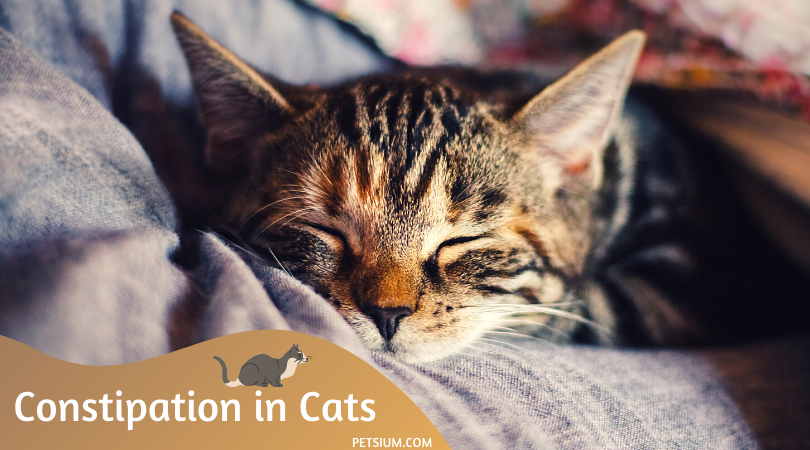
cat with constipation

What Causes Cat Constipation?

There is many number of things that can cause constipation in cats. These can include:

Dietary

The most common causes of cat constipation are dietary issues.

Cats are predators and often ingest food containing hair and bones, which can cause a blockage.

Are you feeding your cat a steady diet of dry food?

Dry cat food can also cause cat constipation.

Diets which are low in fiber, can also cause constipation.

Dehydration

Another cause of cat constipation is dehydration.

Is your cat getting enough water?

If your cat is dehydrated, its body will try to conserve water by removing additional water from the stool, causing it to become small and hard.

Cat on Any Drug or Medication

Drugs such as antihistamines, diuretics and antibiotics can cause your cat to become constipated.

Behavioral Issue

Felines constipation can also be the result of a cat behavioral issue.

Your cat may be reluctant to use its litter tray because the tray is dirty or your cat may not want to share the litter tray with another cat.

Obstruction of the Colon

Another possible cause of your cat’s constipation is an obstruction in its colon.

There are many reasons why this can occur, including a birth defect, tumors, polyps or because it has eaten some foreign object.

Neurological

Another cause of cat constipation can be neurological.

Your cat may have suffered damage to the nerves in the colon or anus, or a spinal cord injury due to trauma.

Pelvic Injuries

A pelvic injury can also cause constipation in a cat.

An example could be a car accident which caused fractures that narrowed your cat’s pelvic canal.

Metabolic/Hormonal

Another cause of constipation in cats is metabolic/hormonal.

Your cat may have low potassium, kidney failure, or some disease of the thyroid or parathyroid gland.

A cat can have impacted anal glands or a perianal bite abscess, either of which can cause cat constipation.

Idiopathic Cause

The cause of cat constipation may be idiopathic.

This means it is just not possible to determine what is causing the cat’s constipation.

Now that you know what causes cat constipation , you can watch for this in your cat.

If the constipation persists or if the cat shows periodic bouts of constipation, lethargy, weakness or vomiting, you will need to get your cat to your veterinarian as soon as possible.

This is because even simple constipation, if left untreated, can turn into a serious problem.

Cat Constipation Symptoms

Is your cat showing cat constipation symptoms?

Have you noticed a change in your cat’s daily bowel output?

If your cat has been in the habit of pooping once or twice a day and you realize that it is more like two or three days between defecations, your cat may be suffering from constipation.

Other symptoms of cat constipation include straining to produce a stool, a bloated belly or a very sensitive abdomen.

If the cat meows when in the litter box or seems agitated for no good reason, that is also a symptom of cat constipation.

You may also see hairballs that have been coughed up or noticed that the cat is trying unsuccessfully to cough up a hairball.

Cats groom themselves almost continually.

If it is trying to cough up a hairball, it may also have hair in its stomach that is plugging it up and causing the constipation.

Has your cat shown a loss of appetite as this is another sign of cat constipation.

Another sign of cat constipation is crouching and straining for a long time in the litter box where the cat either passes no stool or only small, hard dry stools.

Other symptoms of cat constipation include defecating outside the litter box, lethargy, and vomiting.

Your cat might also seem depressed or it may be hunching over due to discomfort.

Treating Cat Constipation

There are some simple things you can do to treat cat constipation.

Water

One of the most important is water.

This is because dehydration is often the cause of cat constipation.

Try making sure that the cat is around running water as this may stimulate it to drink more.

It’s important that your cat drinks plenty of water.

It is more likely to become constipated if it does not drink enough. It will help if your cat has access to running water as this can encourage it to drink.

A small electric water fountain is a good way to encourage your cat to drink more.

Do You Feed Your Cat Only Dry Food?

If so, you might add a tablespoon of olive oil to its food a few times a week.

Also, high-fiber foods will help prevent cat constipation.

One idea is to add unsweetened, canned pumpkin to your cat’s food at the rate of a few tablespoons a week to provide additional fiber.

Litter Tray Problem

Some cats are very finicky about their litter tray.

If your facilities do not meet the cat’s expectations, your cat may hold her need to go.

This can lead to constipation.

Make sure the litter box is easily accessible.

If yours is a multi-cat household, try to make sure that one cat is not guarding the box and keeping others from getting to it when they need to go.

Do You Have More Than One Cat?

One way to prevent cat constipation is to have a litter tray for each cat.

If your cat’s litter tray is dirty or if it is competing to use the litter tray, it may hold its bowel movements which can cause it to become constipated.

remedies for cat constipation

Overweight Cat

Cat constipation may also be the result or little or no exercise.

This is especially true if your cat is overweight.

You may not take your cat for a walk in the way you would a dog, but you do need to get your pet up and moving.

One good way to do this is with laser beams.

Cats often enjoy chasing the light across floors and walls.

Cat constipation is usually fairly easy to treat.

However, if your cat becomes lethargic and weak or starts to vomit, you should get it to the vet as soon as possible, as the condition could be developing into a medical emergency.

The good news is that there are some simple steps you can take to prevent cat constipation.

For one thing, you will want to brush you cat regularly.

This is particularly important if you cat has long or thick hair.

Regular brushing will help prevent your cat from ingesting a lot of hair when it grooms itself.

Cats are predators and are designed by nature to eat freshly killed meat which contains the enzymes, fats and nutrients that your cat needs.

If you have been feeding your cat a steady diet of dry cat food, try adding some canned food to its diet periodically or you can add two or three tablespoons of olive oil to your cat’s food several times a week.

Cat Constipation Prevention

The best way to keep your cat from becoming constipated is to eliminate those things, which are most likely to cause cat constipation in the first place.

For example, if your cat is prone to hairballs you might talk to your veterinarian about a special hairball diet for cats.

You can also make sure you brush your cat regularly as this will remove loose hair before your cat can ingest it.

If you have been feeding your cat nothing but dry food, you might add a tablespoon of olive oil to it several times a week.

You might also mix canned pumpkin (unsweetened) to your cat’s food for good fiber content.

Just as with us humans, fiber in the diet is important for moving waste through the colon.

Make sure your cat is getting plenty of water as dehydration is often the cause of constipation.

Older cats tend to become constipated because they are overweight or inactive.

While you may not be able to take your cat for a walk, you can find ways to make sure the cat gets some exercise.

Remedies for Cat Constipation

If you believe your cat is constipated, there are products available that can help remedy the problem.

For example, you can give five to eight Purrfectly Natural Gourmet Cat Treats to your cat between meals to treat the hairballs or constipation.

A second product is PetAlives Natural Moves herbal and cell salt, which consists of a mix of psyllium husks, oats, aloe ferox, and homeopathic Natrum Muriaticum 6x.

Another product that could help your cat is King Bio Constipation Relief.

Cat constipation symptoms are fairly easy to spot.

And it’s always best to begin treatment early on – before the constipation can turn into something far more serious.

In the worst of cases, your vet may need to take a biopsy, perform a colonoscopy or even do surgery.

This is especially true if the problem is chronic.

Cat constipation can become a serious problem.

But there are some simple cat constipation remedies available.

Make sure you keep an eye on your cat’s bowel movements, as it’s always better to be safe than sorry.

Категорије: Cats

Dog Ear Infection Symptoms and Treatment

мај 5, 2020 By liv parmel

The infection caused in the dog’s ear due to over growth of the bacteria or yeast is known as Dog’s ear infection. The dog ear actually consists of three layers, the inner layer, the middle layer and the outer layer.

The layers of the ear in the dog have a balance of the yeast and the bacteria. When this balance gets disturbed, there is an infection in the dog’s ear.

Ear Infection in Dogs

If the infection in the dog is in the outer ear, it is known, as „Otitis Externa“, if the infection is in the inner ear it is known as, „Otits Interna“, if the infection is in the middle ear it is known as „Otitis Media“.

This type of infection starts from the outer ear passes through the ear canal and passes to the central nervous system, which can result in serious illness and even death.

Types of Dog Ear Infections

There are basically two types of Dog Ear Infections:

Bacterial Ear Infection: This type of ear infection might occur if there is observed a discharge from the dog’s ear and an unpleasant odour. Also, in such an infection, there is swelling and redness in the ear.

Dog Yeast Ear Infection: This type of ear infection can be there if there is dryness and itching observed in the dog’s skin. The dog ear infection can also spread to other parts of the dogs body such as paws or face.

Causes of Dog Ear Infections

Most dogs will contract an ear infection at one time or another in their lifetime. This is a fairly common aspect that dog owners have to deal with and ear infections are pretty easy to cure. Dogs that have those cute floppy ears are more susceptible to having inner ear infections than dogs with smaller upright ears. This is due to the lack of air flow inside the ear canal.

While ear infections are quite common, knowing what causes an ear infection in a dog will enable you to help cure your dog’s affliction and keep it from getting worse.

The Common Reasons of Ear Infections in Dogs

Knowing these causes can pave the way to a more effective prevention of this disease:

Bacterial and Yeast Infections on Dogs

Your dog may be suffering from a bacterial or yeast infection. While these conditions may not start in the ear, rather they start as a simple skin infection; they can lead to an ear infection. Making sure your dog is bathed and groomed properly will keep these kinds of infections from ever starting.

Dog Ear Mites

Ear mites are one of the most common causes of ear infections in dogs. Although, this usually happens in younger dogs. If your dog has ear mites he will tend to scratch his head and ears quite a bit. You can look inside your dog’s ear, carefully, and see the mites moving around. This will let you know that your dog will be needing ear mite drops to kill off these parasites.

Moisture

Moisture is one of the major causes of Dog Ear Infection. If the dog is kept in contact of water through any means there is high risk of growing infection in the Dog’s face. Increasing humidity in the climate can cause the dog to have more ear infection.

Allergies

Allergies are another cause of ear infection. Dogs that have any kinds of allergies have a higher probability of ear infection.

Presence of Foreign Bodies in the Dog’s Ear

If there’s anything trapped inside your dog’s ear, it is very likely to trigger infections. Dog infection caused by the penetration of a foreign body inside the ear may require surgery to remove. In milder cases, flushing out may work.

Tumors

If ear mites are common in younger dogs, older dogs are more prone in tumors developing in the wax glands. If this is the main cause of ear infection in your dogs, the only solution is tumor’s surgical removal.

Food Intolerance

Ear infections can be caused by your dog’s irritation to certain foods. You know this is the cause of the problem if your dog’s ear infection keeps on recurring. Try to recall the food items that your dog had eaten prior. These are the most common culprits. Try not to feed them to your dog and see if the infection would recur.

Puppy Strangles

Puppy strangles is most fittingly described as swollen lymph nodes. This is one complex disease that can cause ear infection primarily because it is one of the disease’s symptoms. If you suspect that this is the problem your pet is suffering from, be sure that you take it to the vet right away for immediate diagnosis and treatment.

Other Underlying Diseases

If your dog is prone to different types of disorders like scaling, hormonal issues, and immunity problems, high are the chances that it would develop ear infection in the long run. While it may not indirectly cause the problem, studies show a link between a dog’s set of underlying diseases to ear infection.

What Causes Dogs Ear Infection

There are different reasons for a dog ear infections, but the most frequent one is known as otitis externa, this is when a dog gets an ear infection on the outer ear carnal and this happens when bacteria starts growing on a dogs moist ears. This problem is not unique to dogs, there is a similar infection that affects humans, and it’s called „swimmers ear“.

Bacteria likes to grow in damp environment and a dogs moist ear is the perfect home for most of these microbes. Also ear infections in a dog can occur when a dog has a yeast infection or even dog ear mites.

The breed of dogs more susceptible to ear infection are those with floppy ears or the dogs that have hairy ear canals because after they’ve taken a swim/bath their hairs retains water and bacteria then feels at home to grow.

Dog Ear Infection Symptoms

Otitis or generally called as ear infection in pets are very common and almost every dog suffer from such a painful condition at least once in his lifetime. Though ear infection is not that serious but it can turn into if it is left untreated for long time. This causes great discomfort to our furry friends from leading a healthy lifestyle.

Dogs can get ear infection due to several reasons like if they are prone to spend more time in moist areas and in swimming or bathing. The moisture encourages the growth of micro organisms in the ear canal thus causing infection. Or if they are allergic and have floppy ears and even if they grow hairs on the inner part of their ears, ear infection can develop.

Ear infection usually starts with its mild presence in the outer ear. But negligence can turn this into internal otitis causing inflammation and infection in inner ear of the dog. An untreated ear infection can lead to extreme pain of the furry pet discomforting them in touching their head and opening their mouth.

Some symptoms and signs:

  • They can be found to shake their head more often than usual and also tilt their heads.
  • They would start to paw, rub and scratch their head creating scabs around the ear, hair loss and crustiness.
  • Their ear may have typical and unusual smell like yeast.
  • Often ear pus may be found which can be black and chunky or yellowish in color or even accompanied with blood.
  • Red and swollen ear canal is noticeable.
  • The ear canal may become filled with brown wax.
  • Abnormal eye movements called Nystagmus are very common among the symptoms.
  • If the inner nerves of the ear are affected then the pet is often found to become dizzy and walk and run in a circle most of the time.
  • Dog may be found to be yelping and whining at any time.
  • It can damage the sensitive ear tissues and also cause blood-filled blisters to develop due to excessive head-shaking.
  • In some cases, this ear infection can even cause deafness to the dogs.

Diagnosis

Otitis is diagnosed using an Otoscope by looking deep into the ear canal. If the ear canal appears to be deep red, then it symbolizes that the dog is suffering from an ear infection. The instrument even enables to see the discharge fluid and pus can be collected as laboratory sample for testing the cause of infection.

Prevention

The dogs exposed to water regularly can be made to use soft cotton balls to avoid moisture entering their middle and inner ear canal. Or else can also be cleaned and dried properly immediately after the moisture exposure. If an external ear infection shows up, it should immediately be taken care of.

Some dogs are even allergic to some otitis-curing medicines. Though one of the most common and well-suited medicine is an antibiotic, Neomycin. Some other includes chroramphenicol, miconazole, gentamicin etc.

If you want to lower the chances of your dog getting an ear infection, you should follow the tips given below.

  • Avoid plucking hair in the dog ear area. This causes serum production to increase, resulting to bacteria growth, and consequently, ear infections.
  • Towel dry dog ears after bathing and swimming to keep them dry. As mentioned above, wet ears can trigger infections.
  • See to it that you check your dog’s ears regularly so that you can detect the onset of any infection and therefore, provide treatment right away.
  • If there is foxtail in your dog’s ears, have it removed by the vet. Don’t attempt to get it yourself as it could be painful for your dog.

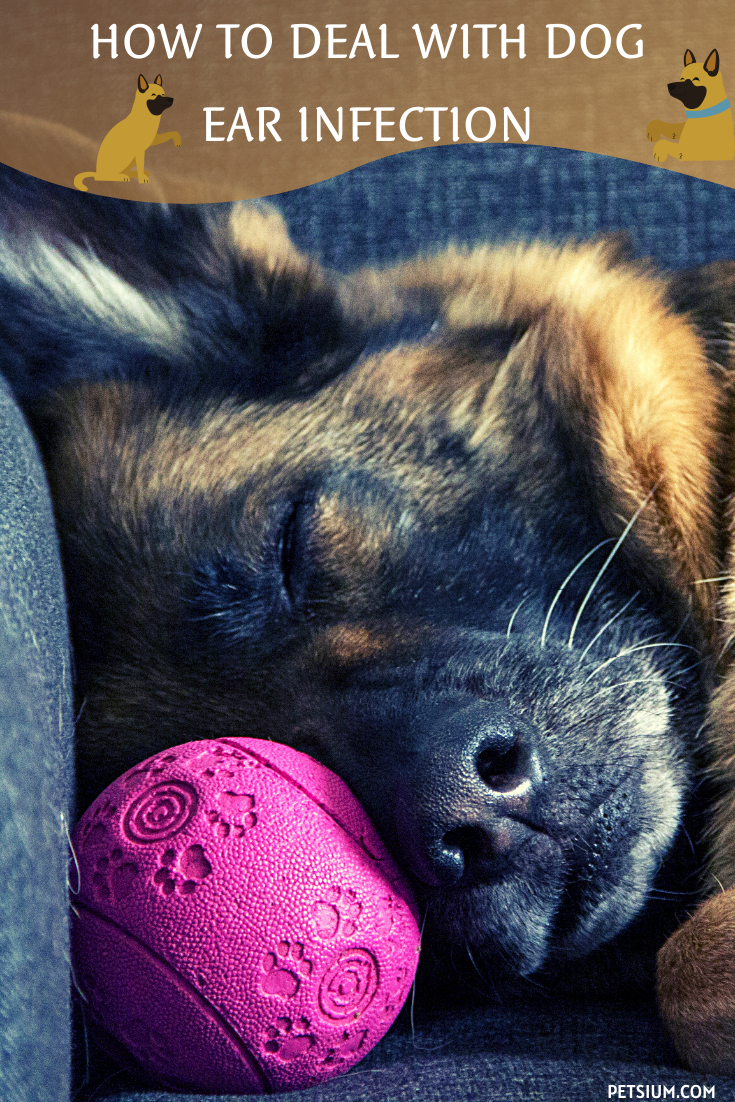
how to deal with dog ear infection

Dog Ear Infection Home Remedy

Ear infection or otitis is one of the most common things that almost every pet suffer once in his lifetime. This is very painful at certain times and can even cause deafness in the pet.

Being an owner of a dog does not only mean belly rubs and cozy cuddles, but the dog should be taken proper care of in daily routine itself by its master.

Our canine companions often enjoy being outside the house and thus they get exposed to a hell lot of dust, pollution, water, allergic components etc. every day which can be a reason behind ear infection and inflammation.

Symptoms like foul odor and discharge from the ear may be noticed accompanied by some abnormal behavior of the pet like tilting and shaking its head, scratching and rubbing its ears more than usual.

The Best Home Remedy for Dog Ear Infection

Though the best remedy to ear infection is to keep the pet clean, dry and hygienic, there are even some home remedies that are inexpensive and easy as well.

Firstly we have to clean the ear with some lukewarm water so that the dust and irritants wash away. This will help the medicine to reach the exact infected area.

Apple Cider Vinegar for Dog Ear Infection

We can mix some apple cider vinegar in water and spray the mixture to the infected part. The vinegar acts as an antiseptic and anti-inflammatory helping in easing the discomfort in the ear due to infection. But it should not be used if the dog has scratched the ears and made open sores as it would increase the pain and discomfort.

Witch Hazel for Dog Ear Infection

Witch hazel can also be an effective astringent to clean the infected area.

Essential Oils and Vitamins for Dog Ear Infection

Essential oils are a great home remedy to be used. Applying a mixture of five-six drops of oil of mullein and oil of garlic regularly for 10 days would help in killing viruses, bacteria and also ease pain and swelling of the ears.

A few drops of vitamin E oil can bring relief to the pain and also soothes the inflamed tissues for quite a time.

Pau d’arco and mineral oil can be mixed and used for massaging the ears for several days. It helps in killing the bacteria and fungi causing the infection.

Vitamin C capsules can be used for the dog daily to prevent future ear infection. This vitamin not only boosts the immune system but also excites the adrenalin gland causing much secretion and thus helping to fight ear infection.

Warm Compress for Dog Ear Infection

A warm compress can sometimes alleviate the pain temporarily though it cannot be a permanent cure. Warm compress can be made at home by simply damping a small towel with warm water, wringing it out and pressing it against the ear for once or twice daily very gently.

By plucking all the hair growing in the ear canal, the ear can be made to keep dry and thus away from infection.

Besides all these easy home remedies, if the pet is suffering from major ear infection, it is always advisable to contact the veterinarian at the earliest and then decide the treatment to be done.

Complications of Ear Infection in Dogs

Ear infection in dogs can lead to a more complex health concern if not treated right away.

On the surface, ear infection in dogs seems to be a minor problem. But if left untreated, this condition may turn into something that’s very hard to reverse.

Sarcoma in Dogs

A simple ear infection may lead to sarcoma. Sarcoma is a form of tumor forming on the ear canal that requires surgery to remove. Other types of tumor may also develop, such as hemangiosarcoma and malignant melanoma.

Otitis Media in Dogs

Aside from these, dogs suffering from worse cases of ear infection could develop facial nerve problems as well. Since the ears of the dogs are technically part of their heads, the infection could possibly affect the nerves situated in the face. Scientifically, this condition is referred to as otitis media. Otic neoplasms can also develop in dogs with ear infections, more particularly to Cocker Spaniels that have floppy ears.

Deafness in Dogs

Another very common complication of ear infection in dogs is deafness. Some dogs start with a minor case of infection on their ears. But because of the negligence of their owners, the dog’s poor hygiene, and unhealthy environments, the dog’s inner ear is damaged. Now when that happens, deafness occurs. Most dogs with hearing problems have suffered from ear infection at one point in their life. This is one complication of ear infection that is very hard to reverse.

Ulceration of Ear Canal in Dogs

When dogs suffer from acute cases of ear infection, ulceration of the cartilages of the ears is apparent. This condition isn’t common to dogs, unless they are involved in a fight. There could be lacerations in the conchal cartilages of the ear. This condition could also be the cause why dog deafness due to ear infections occurs.

Bacterial Meningitis in Dogs

In more rare cases, bacterial meningitis may develop in your pets. This occurs when bacteria finds an ascending path from the ear of the dog towards the brainstem region. Bacterial meningitis is characterized by the formation of abscess in the brain area. This condition is very hard to treat.

One of these many complications could be acquired by your pet if you’re not careful. Even so, you should still follow all the recommendations of your dog’s vet. So to ensure long, happy years with your pet, be sure to take care of it at all times.

Conclusion

Dog ear infection can be treated by antibiotics and should not be ignored. It takes from a few days to few weeks depending on the type of infection.

Thus dog’s ear infection should be properly taken care of and shouldn’t be ignored. Your dog is the part of your life, a part of your home and should be taken full care of.

Категорије: Dogs

Rabbit Litter and Litter Box Training

април 30, 2020 By liv parmel

When you first bring your rabbit home allow a couple of days for them to get used to their cage and accustomed to their surrounds.

This will also give you an opportunity to see where they decide to go to the toilet so you are able to set up their litter box in a spot of their choosing.

Allowing your rabbit to run unsupervised is not a good idea, especially when they are new to your home.

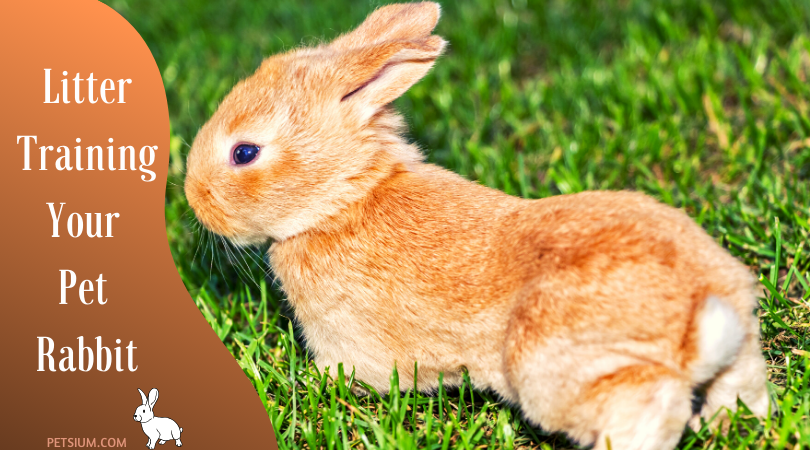
Litter Training Your Pet Rabbit

Remember to keep your eye on your rabbit for all out of cage time, if they pee or poo out of their litter box, do not yell or get angry with them, just soak or pick it up with a tissue and place the feces or urine and rabbit back into their litter box immediately, they will catch on soon enough.

Do not rush your rabbit, allow therm to explore and go about their business and learn to use their litter box in their own time, like people all rabbits are different, some will catch on faster than others.

Selecting a suitable rabbit litter box, will help make the litter training process easier for both you and your rabbit.

What to Consider When Buying a Rabbit Litter Box

The Size of your Rabbit – Rabbits tend to use their litter box to play, eat and even sleep at times, so when it comes to selecting a litter box, bigger is always better.

Cage Size – will the litter tray fit inside the cage door and the litter box allow enough space in the rest of the cage for your rabbit.

Recommended Rabbit Litter Boxes

High Corner Litter Box

Great for small rabbits that have a cage as a base, they offer some privacy and help to keep the cage and surrounds clean.

Square hi-back Litter Box

This work well for rabbits especially if they are old, have arthritis or other mobility medical conditions that make hopping into a box difficult.

Plastic Cat Litter Trays

They come in several sizes can be cleaned with vinegar.You cut down one side of a cat litter box and cover the edges with split plastic tubing to make it safe.

Large Dog Litter Trays

These type of trays are heavy duty, easy to clean, have a low entry site, provide plenty of room and are great for large or rabbits with mobility issues.

Wire Bottom Litter Boxes

Wire in Litter Boxes – Tend to be favoured as a way to stop your rabbit from digging through their litter, to reduce mess, make cleaning easier.

Some rabbits will simply refuse to use them.

As it is designed for the dropping to fall through, it is crucial that your rabbit is able to access to their cecotropes, a softer ball type dropping that a rabbits need to eat in order to extract residual nutrients from their food.

Remember no matter what type of Rabbit Litter Box you select as long as you factor in the size of your rabbit and space available you are off to a good start.

How to Litter Train a Rabbit

For the rabbit litter training you have to get several litter boxes, which should filled, with a rabbit safe product. For rabbit, litter items like paper-based litter are preferred most. Free wood stove chips can also used.

Before placing the litter box just watch the rabbit in which position it does the litter. If you can noticed the favourite place of your rabbit then put the litter box in that place. This is the easiest process to convey the message of littering to the rabbit.

If you find that, the rabbit is doing the litter outside the litter box then just startle the rabbit towards the litter box. Do not try to reprimand your rabbit after the litter.

Use white vinegar for cleaning the rabbit litter. You can also clean the rabbit litter boxes using this white vinegar. Remove the smell of the rabbit litter so that the smell cannot affect the rabbit.

Clean the rabbit litter once in a day and the litter box once in a week.

Once the rabbit starts using the rabbit litter, you can change the position of the litter boxes. You can also change the number of rabbit litter boxes if your rabbit is habituated using the rabbit litter box.

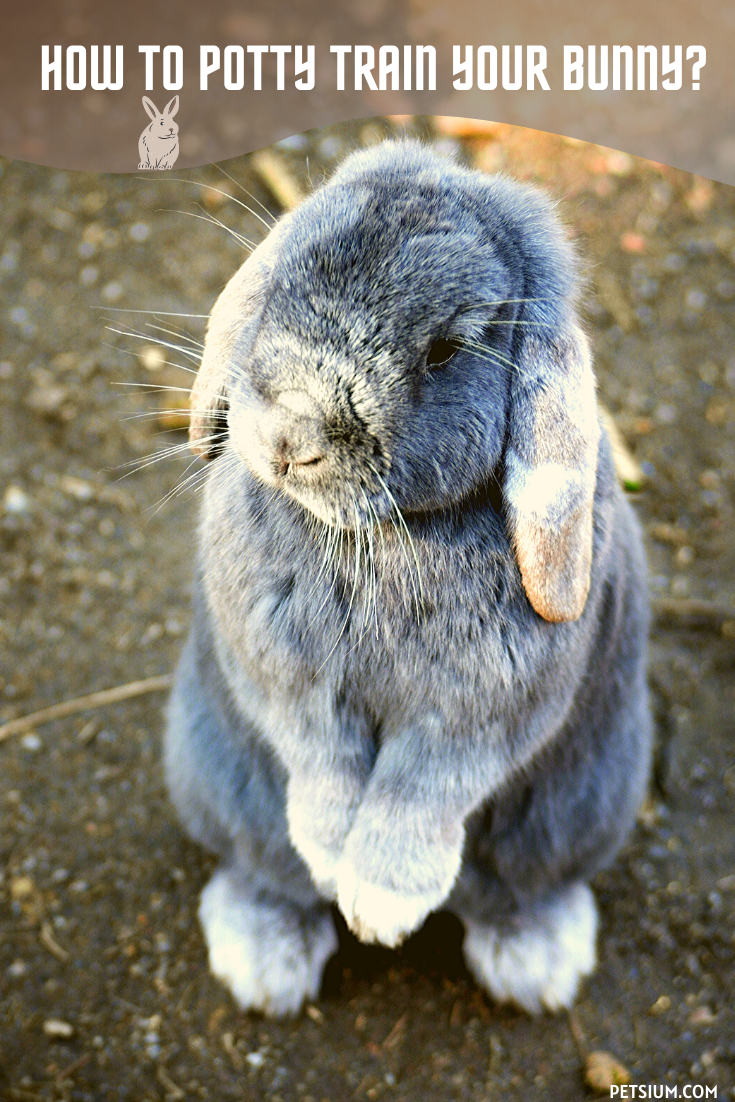
how to toilet-train your rabbit

Rabbit Urinating Everywhere

If your rabbit is litter trained and starts to change their toilet behaviour there are a few reasons and signs to look out for.

Dribbling urine over their cage instead of using the litter box.

In most cases dribbles (especially if your rabbit is litter trained) are an indication of a bladder infection.

Get your rabbit to a vet asap, they will probably prescribe antibiotics. If the dribbling stops, you know that that was the problem.

What if the Dribles do not stop after antibiotics?

Consider if your rabbit is feeling afraid, has there been a change in routine or cage location, they may be any factors that may be making your bunny feel insecure and can cause a rabbit to mark their new territory.

Also check back with the Vet just in case.

Why Do Rabbits Pee Outside The Litter Box?

The most common reasons why a litter trained rabbit reverts to bad habits are:

Behavior Related – there can be many changes that can cause your rabbit to act up such as change of routine, stress, visitors, children home for the holidays, extremely bad weather

If it is a one of fright from a sudden loud noise while in their litter box can trigger a fear of using it in the future.

Regardless of what triggered the bad behaviour, the goal is to rebuild their confidence by placing their urine/droppings into their box while using praise, treats and positive reinforcement to reassure them that it is a safe.

Once they realize that nothing bad is going to happen they should forget about what happened and get back to their old litter routine.

Remember that litter box retraining can more time than the first time, patience, consistency and positive reinforcement are the key.

Territory Related – This can start when your baby rabbit turns into a teenager, in which case spaying or neutering can help. Adding another rabbit to the family can trigger the need for your rabbit to mark it’s territory, once your rabbit feels that it has sufficiently marked it’s territory, they should start using their litter box again.

Urinary Tract Infections – If you notice out of the ordinary explainable urinating, take your rabbit to see the Vet immediately. Often times once treated your rabbit will resume using their litter box again.

If somebody has rabbits in the house then the first thing to learn is rabbit litter training. However, the process of training is quite simple because the rabbits have tends to go to the corner of the rabbit hutch for toilet and stick to it.

Категорије: Rabbits

How Long Do Puppies Grow?

април 23, 2020 By liv parmel

We often ask when our puppies will be fully grown in the hopes of estimating when our beloved puppies have reached the summit of their growth ceiling.

In general, smaller breeds tend to reach their growth apex after a year while the larger varieties climax after their second year post-birth.

how big will my puppy grow

How Puppies Grow

It does vary from breed to breed, and from puppy to puppy. Herding dogs such as the Border Collie, do not appear to behave like grown up dogs until sometime in their second year of life. If you have chosen a Catahoulas you wont see their full maturity kick in until they are in their third year of life.

Other indicators breed and size of parents, paw size, loose skin, stopping of height increase and the „double-it formula“. One cannot expect 200-pound poodles from two standard poodle parents.

If you want to have an approximation of the adult size of your puppy, check the parents’ size. The mother size is a better marker than the sires.

Bigger paws also indicate a larger height increase and a heavier weight in the future. Possessing loose skin is also a great gauge since this means that the puppy will have more space in the new suit to fill up.

It is said that a pup grows up to 75% of its height at 6 months. Lastly, some sources say that the adult weight can be estimated by doubling the weight of the puppy at 14 weeks.

Some pet owners get disillusioned when their puppies exhibit signs of maturing because they wish their puppies could retain the cuddly appearance while losing the fascination for chewing furniture and shoes.

As a pet owner, one has to be prepared to accommodate a more spacious facility to romp and exercise in when a puppy is full grown. One also has to make a mental note that not all puppies will exhibit mature behavior even if the growth curve of the puppy maxes out.

Benefits of Knowing Your Puppy’s Growth Rate

One of the most important things you should know as a responsible pet owner is the average puppy growth rate. Just as every human baby grows on a different rate from other babies, every puppy develops on a rate unique to its breed.

As a general rule, larger dog breeds normally require a longer time to fully grow to maturity and toy breeds tend to have a faster puppy growth rate.

Here is a benefits you gain when one is aware of the appropriate puppy growth rate:

You Can Make an Accurate Feeding Guide

Knowing the puppy growth rate specific to your dog’s breed is vital since it will determine the amount of dog food that you need to prepare on a daily basis.

The more activities your puppy does everyday, the more complex his energy requirement is. And you certainly wouldn’t want your puppy to starve to death nor would it be a healthy condition for him to be overweight.

For instance, the first week of your puppy will prove to be a relatively easy time to manage since puppies normally sleep 90% of the time and search for their mommy’s milk 10% for feeding.

However, expect to feed your puppy four times a day during weeks 7-12.

You Can Expect What Size of Crate to Buy for Your Puppy

One of the first things you would want to buy for your pooch is his crate. Consider this your mobile dog house that you can tote around when traveling or moving to a different location in the house.

Aside from being the metal vanguard preventing dogs from ruining your favorite sofa, this handy invention can keep your puppy from getting near hazardous household items.

Given the extreme benefits of buying a crate, it is advisable that one anticipate how big your puppy can get before you race to the pet supply store. And for this, one needs to know the puppy growth rate of Man’s furry best friend!

You’ll Know When Your Puppy is Safe to be Neutered or Spayed

As early as four months, your puppy may undergo neutering or spaying. One will never regret this decision if your intention for acquiring the puppy is to form a tight bond with your family.

Spaying or neutering will prevent him/her from going after the neighborhood bitch or male.

You’ll Know When to Start Training Your Puppy

You’ll know when to start disciplining your puppy or even better, send him/her off to puppy obedience school. Puppies are dependent on their mothers for the first two weeks of their existence.

Once your puppy turns 8 months old, it’s safe to send him off to obedience school or start house training.

all you need to know about puppy growth

Having knowledge of your puppy’s growth rate will enable you to tailor-fit a feeding guide, anticipate the crate size to buy, send him/her off for a neutering or spaying procedure.

Also predict the behavior of your puppy through various stages of development and foresee when to discipline your puppy.

How Does a Puppy Grow Up?

Puppies, like human babies, will go through numerous stages between birth and adulthood. You may not get to see all of these stages unless you are breeding dogs yourself.

In that case, you will get to see the puppy form from birth all the way up until it is either an adult, or leaves you for a new home. Understanding the different puppy stages provides you with a stronger ability to give the puppy what he/she needs in order to grow up properly.

It’s really quite surprising how fast your puppy goes from a small little bundle of fur, licks, and ungainliness to being an adult dog. Don’t forget to take pictures of your young puppy throughout the stages of his or her life.

When you look back in a year or more, you will be shocked to see how much your puppy has changed and your memories will only be really reinforced by pictures and/or videos of your young pup.

Puppies will grow based on a number of factors. They will generally all grow at the same rate. However, food, breed, health, and the size of the parents of the puppy will help determine how big that puppy is going to be.

Therefore, it is important to be aware of how fast or how big your puppy is going to be. This will help you ensure you provide adequate food, vitamins, and playing room for your puppy so that he/she can grow up the best potential possible.

When Is A Puppy Full Grown

Many people will tell you that by the time a puppy reaches the age of 2 years old they are full grown. While this may be true the fact remains that it will vary from puppy to puppy as to when they have completely finished growing.

Larger breed dogs such as the Boxer or the Dalmatian will usually stop growing when they reach about 18 months of age. Small breeds such as the Pekingese or the Pug, on the other hand will usually be done growing at about 9 months and be completely filled out.

Many puppies will reach their full grown state at around the age of 12 to 18 months old. For the larger breed dogs it might take them a little longer to finish growing to their full size.

There are some dogs, usually the smaller breeds that will develop their full framework around the age of 6 months of age but it could take the rest of this puppy’s body several more months for the other parts of their body to reach this same stage in a puppy’s life.

As far as the maturity level of dogs they are similar to humans in the respect that it takes certain dogs much longer to mature than it does others. So people will tell you that over the course of the first year a puppy will begin to lose some of their puppy qualities such as their rambunctious behavior but that is really not true.

The amount of maturity that a puppy develops over the first year will really depend on that certain puppy.

There are many dogs that will reach their maturity level near the end of the first year but for many others it will take much more time, if ever, for the puppy to become completely mature.

If you start to see signs that your once newspaper chewing puppy has taken to other things or that the holes in the yard become less frequent or that you can leave your favorite pair of shoes out without having them chewed on, then this might be a sure sign that your little furry friend has begun to mature and grow up.

Категорије: Dogs

Non Shedding Dogs

април 17, 2020 By liv parmel

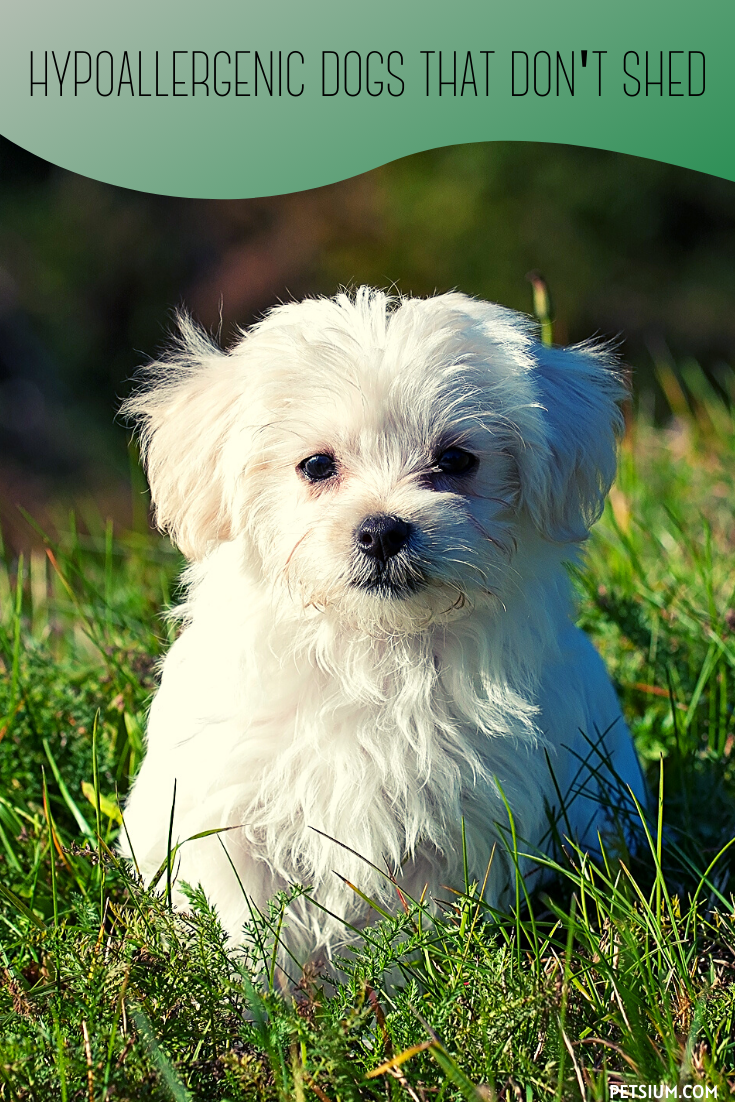
Dogs or other pets usually complete the family picture for some people. There are so many types of cute dogs around that it becomes difficult to choose one. For those who are allergic to dog hairs, but still love dogs and want to keep one, the best solution is to go for non shedding dogs.

Every dog needs some kind of grooming or may be more than that. In a Dog’s coat there are 2 kinds of hair, one is the outer coat and second is the inner coat. The outer coat consists of coarse hair, while the inner coat has much softer hair. The growth of a dog hair is fixed to a length and after its full growth it is pushed out or shed by new hair. If you get those sneezes and watery eyes when you get close to a dog then a non shedding is the right selection for you.

Dogs do shed a lot of hair of their coat regularly. But, there are many breeds that almost do not shed hairs at all. They are called as non shedding dogs. There are many varieties to look into that do not shed hair. Even so, some people may be allergic to dander, i.e., the flakes of the skin, if not the hair. Even a hairless dog will produce allergen, dander. Saliva is the next culprit in causing allergic reactions. This has to be kept in mind when you go looking to buy a dog.

Depending on whether you want to buy a smaller dog or a larger one, you can look into varieties such as terriers, poodles and so on.

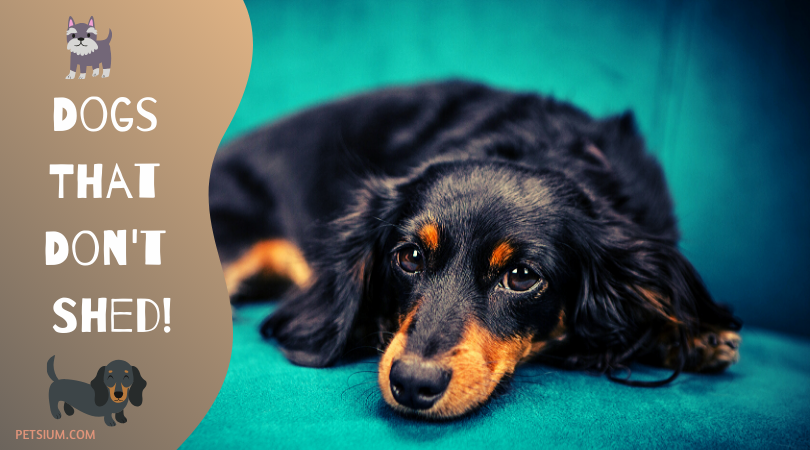
dogs that don't shed

Small Non Shedding Dog Breeds

If you want a smaller non shedding dog, the perfect varieties for you will be Mini Schnauzer, small Poodles, the Shih Tzu, Cairn Terriers, Silky Terriers, Havanese, Norwich and Norfolk Terriers, Chinese Crested and West Highland White Terriers.

Usually all terriers are classified as non-shedding or very low shedding with the exceptions of Jack Russell, Rat and Fox Terriers.

Non Shedding Terriers

  • Airedale Terrier (no shedding).
  • Bedlington Terrier (no shedding).
  • Yorkshire Terrier (this dog is an excessive yapper, but its hair is the same PH as human hair).
  • Welsh Terrier (no shedding).
  • Soft Coated Wheaten Terrier (no shedding).
  • Silky Terrier (no shedding, but another yipper which produces more saliva).
  • Sealyham Terrier (no shedding).
  • Scottish Terrier (no shedding).
  • Cairn Terrier (minimal shedding, but another voracious yipper).
  • Wired Hair Fox Terrier (minimal shedding, but another excessive yipper).
  • Dandie Dinmont Terrier (no shedding).

Best Non Shedding Dog Breeds

American Hairless Terrier

This is the perfect dog for those who suffer from allergies. This dog has no body hair except for the eye brows and whiskers. It comes in three size varieties. So you can make a selection from any one of them according to your taste.

Brussels Griffon – Rough Coat Only

These dogs are the non shedding dogs and are also know as a toy breed. The Brussels Griffon of Rough Coat only are the non shedding dogs, those who are of the Smooth Coat variety are not the shedding dogs. So keep in mind about the variety of this dog.

Chinese Crested (hairless)

This breed shed no or very less hair.

Italian Greyhound

This breed of dog is also known as the toy breed. This breed is also one of the non shedding breeds, but it release dander. So for those who suffer from allergies should test before owing a dog of this breed.

Yorkshire Terrier

Yorkshire Terriers have been said to have a big personality for such a small dog. Their coat sheds very little but they do require consisting grooming and brushing.

Dachshund

Dachshunds are well known for their droopy ears and low center of gravity. They can often become rather attached to their owners and fearful of strangers. In fact, for a small dog, Dachshunds can often be one of the more aggressive dogs that bite.

Poodle

Poodles can come in different colors and sizes, but all Poodle owners can agree that Poodles are the best dog for allergies. Poodles are also easy to groom but need to be keep untangled because their fur can get tangled.

Shih Tzu

Shih Tzus need to be groomed regularly and even though they have a long coat of hair, they typically do not shed. From time to time, Shih Tzu can get matted and the comb cannot run through their hair. Then the owner has to cut the mats out, down to the skin. This is why they need to be groomed daily.

Miniature Schnauzer

Miniature Schnauzers are very loving dogs which are great around kids. Like most dogs, the Miniature Schnauzer needs frequent grooming. Owners usually tend to keep their hair short and their beards long.

Boston Terrier

Boston Terrier, a breed that always seems to be smiling, are usually well tempered dogs who are great for apartment living. Also their short coat is excellent for those who do not like shedding dogs.

Maltese

One of the most lovable and fearless lap dogs, the Maltese breed is known to have long silky hair that can get matted very easily. Owners who keep their Maltese hair long, will spend hours keeping the hair untangled. Most Maltese owners choose to keep their hair short.

Havanese

Havanese breed is a low shedding dog that has a silky hair like the Maltese that requires daily grooming. Although not as popular as the Maltese breed, Havanese are very friendly and make for an excellent family pet.

West Highland Terrier

West Highland Terrier breed have a two layer coat. Some shedding occurs from these coats, but the hair is manageable.

Bichon Frise

The Bichon Frise coat is thick and needs to be brushed frequently but it does not shed like other thick coated breeds. Many owners choose to keep the Bichon Frise cut short to save time on grooming the long frizzy hair.

Usually non shedding dogs don’t have coats that can be cared for easily for some dogs have long coats, the examples for which can be Tibetan terrier, the Bichon Frise, the Lhasa Apso and the Maltese, that need to be groomed daily.

Large Non-Shedding Dogs

Among the larger dogs, there four major breeds that can be looked into, the most favorable being the Greyhound, while the others include Standard Poodle, Irish Water Spaniel and the Airedale Terrier.

The Greyhound is the most suitable because it with just a light brush every few days over the greyhound’s coat, the furniture would be almost fully free of dog-hair, while not requiring frequent bathing and grooming.

Standard Poodles and the Irish Water Spaniel too are almost free of dog hairs because their coats are non allergic and non-irritating in nature; but it does require frequent grooming, bathing and clipping.

The Airedale terrier with its fur too sheds very little. But dander can become a problem with frequent clippings.

Usually, non shedding dogs have wiry, stiff very curly hair while dogs with multi-layered coats and fine hair are not prone to much shedding.

Dogs That Shed The Most

The worse breed you can get if you hate shedding is a dog with a double coat. The outer coat usually is coarse while the inner coat has softer and shorter hairs. The hairs on the coat grow to a certain length, then stop growing and are pushed out or shed by new hairs growing in.

Some breeds shed their whole coat twice per year, some shed moderately throughout the year and some shed very little.

hypoallergenic dogs that don't shed

Hypoallergenic Dogs

Some people simply have violent physiological reactions when exposed to dogs, especially the dog hairs. The dog hairs are considered allergens. Fortunately, such allergic reactions may be reduced and managed when important precautions are carried out and hypoallergenic dog breeds are chosen.

Dogs cannot prevent a person from having allergic reactions. But some dogs induce such allergic reactions more often than others. Such allergy-inducing dogs usually have long-haired coats or coats that are lush and abundant. Other dogs have milder effects on the sensitive or asthmatic person. These dogs are described as hypoallergenic. The word „hypo“ means „less“.

Hypoallergenic breeds do not totally remove the possibility of allergic reactions. But, by the nature of their coat, such allergic reactions can be less frequent. Some of them are considered hairless dogs and others are described as single-coated dogs.

Popular Hairless Dog Breeds

  • American Hairless Terrier (no hair).
  • Chinese Crested (almost no fur so no shedding but still produces dancer and saliva).
  • Peruvian Inca Orchid (no hair).
  • Xoloitzcuintle, also known as the Mexican Hairless (no hair, but still produces dander and saliva).

Popular Single-coated Dog Breeds

  • Bedlington Terrier (no shedding).
  • Bichon Frise (minimal shedding).
  • Chinese Crested (known as the Powder Puff variety).
  • Coton de Tulear (no shedding).
  • Kerry Blue Terrier (minimal shedding because of short hair).
  • Poodles (of all sizes, no shedding, but another barker).
  • Portuguese Water Dog (no shedding).
  • Schnauzers (of all sizes, less shedding because of short hair, but another yipper).
  • Soft-coated Wheaten Terrier (no shedding).
  • West Highland White Terrier (almost no shedding. Another yapper).

Other Hypoallergenic No Shed Dogs:

  • Samoyed (no shedding).
  • Puli (no shedding).
  • Pomeranian (less dander because its small and can be easily washed).
  • Poodle hybrid e.g., Labradoodle ( no shedding, but barks a lot making dander and saliva).
  • Irish Water Spaniel (no shedding).
  • Golden Doodle (depends on parent, if poodle parent, no shedding).
  • Greyhound (minimal shedding owing to short hair).
  • Bolognese (no shedding).
  • Bearded Collie (closely matches PH of human hair).
  • Basenji (no shedding).
  • Affenpinscher (no shedding).

Most people argue this fact, but anything with hair sheds the hair from time to time. As much as hundreds of hair follicles a day! And the more you brush your dog, and bathe your dog, the more you will not notice the hair shedding. However, yes there are some dogs that noticeably shed a lot! These dogs are usually more accustom to colder climates and they will shed their outer coats frequently.

During summer months, some dogs can shed their entire outer coat, which can be a mess on your furniture, carpet and all over the house.

Категорије: Dogs

Hamsters and Children

април 8, 2020 By liv parmel

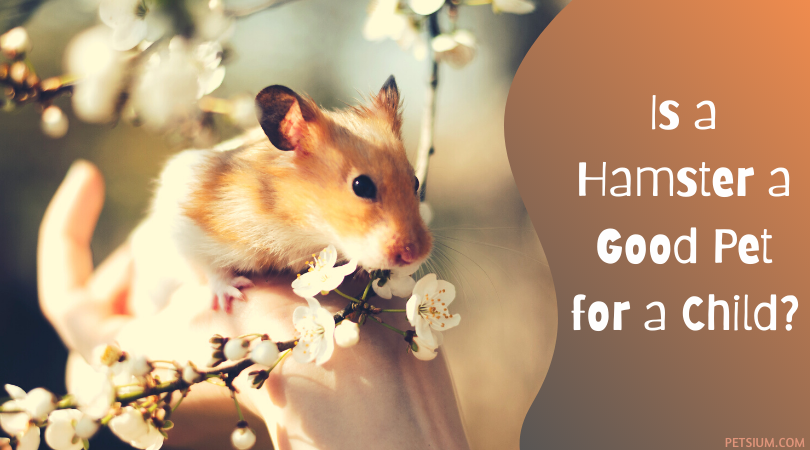
Have you ever considered getting a pet Hamster for your kid? Maybe you are unsure of the suitability of Hamsters as pets for child.

Hamsters are incredibly cute and super cuddly, and make great first pets for both children and adults because they are inexpensive to maintain and quite easy to take care of!

However that said, as with any pet, keeping a Hamster requires a commitment and responsibility from the owner during its entire life-span, which could last anything between 2 – 4 years.

is a hamster a good pet for a child

Are Hamsters Great Pets for Children?

Well, it depends on the child, but mainly, it depends on the parents.

Before giving a Hamster as a pet to a child, consider the following:

Involve the Child in the Selection of the Pet

It is not a good idea to give it as a surprise gift to a child who has no interest in it. Bring the child to the pet shop and have him/her look at all the animals there (including Hamsters).

Remember that Hamsters are sensitive to loud noises, and would be stressed by shouting and rowdy playing. Hamsters are awake at night, mainly during the child’s bedtime. Hamster noises (mainly squeaky exercise wheels) might be a problem for children who are light sleepers.

Adult Supervision Required

Hamsters require daily handling and can’t be set aside because the child doesn’t feel like playing with it. Handling Hamsters always requires adult supervision. Hamsters are very delicate and might be squeezed by a child’s over-eager hand. Hamsters move very quickly and may be difficult for a child to control. An adult should be around when a child attempts to hold a Hamster.

Some Children are Not Suitable to Get a Hamsters

Children who have allergies to fur, or who might be sensitive to dust or seeds in the Hamster’s bedding and food, might develop allergic/asthmatic symptoms. In general, pets aren’t recommended for children who have weak immune systems or are undergoing immunosuppressive treatment.

Caring for a Hamster Can Be Hard Work

Hamsters require very little maintenance compared to other pets, but the cage needs cleaning once a week and adult supervision is required for this. The child should be able to help with changing food and water, otherwise he/she will not learn about the responsibilities involved in keeping a pet.

Coping with Losing a Pet

The lifespan of Hamsters is rarely more than 3 years, which means that the child will have to deal with a death of a pet rather early.

All these ‘warnings’ aren’t meant to discourage children and their parents from having Hamsters as a pet. What we are saying is that Hamsters shouldn’t be an impulse buy. We have seen Hamsters being advertised for sale because a child has lost interest in them.

This is certainly not good for the child, who learns that he/she has somehow ‘failed’ in fulfilling an assigned task; not good for the parents who now must find a new home for the Hamster; and definitely not good for the Hamster.

Benefits for a Child to Have a Pet Hamster

For a child the advantages are equally impressive. Pets can improve your child’s social skills and self esteem, they also teach responsibility.

All things considered, there are more advantages than disadvantages in allowing a child to have a pet Hamster. The child learns about love and affection, companionship, empathy and responsibility. They also learn that there are interesting things out in nature, and a handheld animal can be more interesting than a handheld gaming console.

On the practical side, Hamsters make great pets for kids because they don’t smell (unless their cages have not been cleaned for a long time, of course), they don’t need baths, they don’t cost too much to feed or house, they don’t crave as much attention, and they don’t need to go outside for a walk.

Quite the opposite, a Hamster does not want to be cuddled too much, giving the child time for other important pursuits. The child can ‘practice’ being a responsible pet owner, making him or her better prepared for having more demanding pets like dogs and cats later in life.

The Hamster’s short lifespan can be an advantage because the family does not have to enter into a very long term commitment with an animal: maximum 3 years, more likely 2. Someone in the family should be able to assume responsibility for it until the end of its lifespan.

Hamsters for Child’s Age Under 4 Years

Behavior towards Hamster

The child tends to poke with a finger rather than pet a Hamster with an open hand. Laughs loudly or shouts when excited, which can be stressful for the Hamster. Can definitely NOT hold a Hamster in own hands, but can give it some food through the cage. Taps the cage to wake Hamster up.

Parent’s role

The child should not be allowed to touch a Hamster unsupervised. The Hamster cage might need to be secured against curious hands. The child should be taught that Hamsters are afraid of loud noises and rough handling. On the plus side, it is a great learning experience for a toddler to see an animal up close. Parents can use the opportunity to teach the child about animals (and how these, in particular, like to eat vegetables).

child holds a hamster in his hand

Hamsters for Child’s Age 4 to 6 Years

Behavior towards Hamster

Can pet a Hamster with an open hand. Can sit quietly with a Hamster and observe its activities. May be able to hold a Hamster.

Parent’s role

The child still needs adult supervision to hold the Hamster. Allow the child to help with feeding, changing water and some cleaning. Major cleaning responsibilities rest with the parents. Children at this age shouldn’t be scolded for ‘neglecting’ the Hamster.

Hamsters for Child’s Age 7 to 12 Years

Behavior towards Hamster

Able to hold the Hamster and participate in the process of taming it, but may need help if the Hamster is very quick.

Parent’s role

The child still needs gentle reminding about feeding the Hamster and cleaning the cage. A task-list might be a good idea to show what needs to be done per day of the week. The child should understand that the Hamster depends on him/her for survival. The tasks should not be seen as boring chores.

Also remember that the child is starting many new activities (school, sports, music, art, computer games, new friends…) that the old Hamster can easily take a back seat. Parents should ensure that the child does not lose interest.

Hamsters for Child’s Age Over 12 Years

Behavior towards Hamster

Can be fully responsible for Hamster care. May better understand the Hamster’s daily needs and its role in nature. Can also better understand the cycles of life, illness and death.

Parent’s role

Turnover more responsibility to the child, but check on the Hamster’s wellbeing regularly. Make sure that the child does not ‘experiment’ with new food, unsafe housing, or risky activities (for example, setting the Hamster on a high table without guards against falling).

Think twice before allowing the child to breed Hamsters. This might provide a great lesson in biology, but new homes need to be found for the babies. For Hamsters that might possibly be hybrids (winter whites with Campbell’s Hamster’s genes), further production is not a good idea. We strongly advise AGAINST breeding Winter Whites with Campbell’s.

It’s hard to say when is the best age for a child to have a pet, and how much responsibility can be given to a child. This is up to parents to decide, but we recommend that the Hamster be considered a family pet, with everyone (including at least one parent) contributing to its care. Parents should ensure that children learn to be responsible pet owners, and should be ready to take over when their children are not ready for the responsibility.

All in all Hamsters are great pets, especially if space or money is a concern. They do not require any exotic housing or specialised knowledge, nor do they require constant attention. They are in short, the near-perfect pet.

Категорије: Hamster

Sphynx Cats

април 2, 2020 By liv parmel

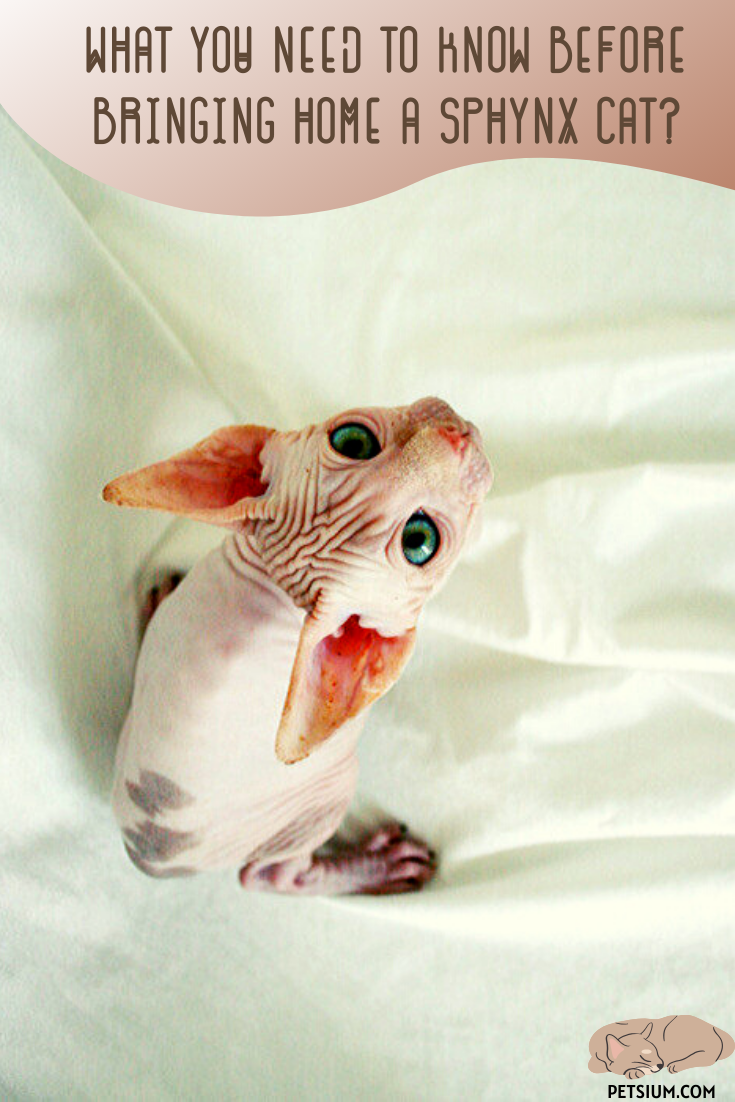
The Sphynx Cat is a very inquisitive, intelligent and playful cat. Sphynx also have a very unique appearance in that they appear hairless–but in reality, the Sphynx actually has different degrees of hairlessness.

Some are completely bald while others have various levels of fuzz or peachy down. Some Sphynx, as they get older, may get a little fuzzy as well. Sphynx also come in a variety of colors such as red (orange), black, blue (gray), tortie, and bi-color.

Sphynx Cats are often referred to as part monkey, part child, and part dog, and many will come when called and also meet you at the door, ready to play! Sphynx love to sleep with you at night, and will snuggle right up against you for warmth.

Cute Sphynx Cats

Sphynx Cat Origin

The Sphynx Cat does not come from Egypt as many think but originated in Toronto Ontario, Canada, where in 1966 a naked baby was born into a litter of hairy cats. This was the beginning of the Sphynx breed that we know today. The Sphynx name was given at a later date because of the similarity they bore to the Sphinx statues.

Sphynx Cats (also called Canadian Sphynx, Canadian Hairless, Moonstone Cat, Moon Cat, Wrinkled Cat) first showed up in Canada during the 1960’s but the original breed is thought to have passed on. However, breeders from Canada, Europe, and Minnesota recreated the breed in the 1970’s.

History of the Sphynx

The Sphynx is a rare cat that is known to lack a coat. Evidence shows that hairless cats come mutations in the cat population. These mutations can occure in the population up to every 15 to 20 years.

The modern version of the Sphynx came about in the late 60’s in Toronto Canada, when there was the birth of a hairless kitten who was dubbed Prune. The cat was then crossed with its mother, which led to another hairless cat. Prune with a few other naked cats became the founders of the Sphynx breed.

As with most mutated species the first Sphynx faced several problems such as a very limited genetic pool, and breeders did not have much information on the cats so many died. Later a male Epidermis was born in the year 1975. His mother was short-haired, this breed provided new genes for the Sphynx lovers to mix their cats with.

Early on crosses with the Devon-rex were used most of the time but as time went on this became a taboo because it caused health and devolution problems. The Sphynx is now a breed with a sturdy gene pool.

Sphynx Cat Care

Your Sphynx kitten does require a bit of maintenance that a cat with hair does not require. Regular bathing, nail cleaning and ear cleaning are necessary, but usually not a problem, as Sphynx kittens start this at an early age and most are used to it by the time they go to their new homes.

Sphynx Cat Fur

Although the Sphynx looks like a bald cat this is not the case. They have a higher core temperature than other cats and their skin texture resembles Chamois leather. Sometimes the coat is covered with a fine peach like coat of hair.

Because of the lack of much hair Sphynx Cats should not be kept in the sun for too long or they will burn, they should also reside in a warmer climate because they are sensitive to temperature changes. These cats can often be seen cuddled up to other people or animals trying to stay warm, this is to make up for the lack of fur on their coats.

Most of them even sleep under the covers at night with their owners. In the colder winter months they often spend their time under blankets or cuddled up to a warm person. The lack of fur makes these cats feel very warm when touched. Sometimes they have whiskers and eyebrows and sometimes they do not.

Although they do not have fur their skin is the color their fur would be and they have all the normal marking of other cats, such as solid, van, or tabby. Because of the lack of fur these cats need to be washed more often, the fur normally soaks up the oils of the skin but without fur these need to be washed off more regularly.

Sphynx Cat Appearance

The Sphynx has an adorable, wedge-shaped head with extra large ears, which are 3 inches or higher in adults and lemon-shaped eyes. They have a thin whippy tail and soft, wrinkly skin. With a medium, muscular build and a cute little pot belly, these guys and gals are hard to resist.

They have long, slender legs with well-muscled thighs. Their precious toes look like tiny baby fingers and they use them to pick things up and hold them.

Like a sociable dog, the Sphynx can be taught to walk on a leash and cherishes a good game of fetch. They’re good with children, other cats, and with dogs.

Sphynx kitten

Sphynx Cat Personality

This cat is a friendly. Like a good buddy, he enjoys nothing better than the attention of his human parent and he loves to play games.

They are intelligent and inquisitive. They are very creative when it comes to inventing games and will investigate just about everything in the house including countertops and cupboards.

Don’t be surprised if your Sphynx figures out how to open cupboards with their finger-like toes. It won’t be long before you discover kitty up on the fridge or in other high places.

Sphynx Cat Issues

  • They get cold easily.
  • Sphynx Cats are vulnerable to sunburn and skin cancer.
  • They have a higher chance of developing heart disease (hypertrophic cardiomyopathy).
  • Kittens susceptible to respiratory infections.
  • They require ear cleanings, nail cleanings, and weekly baths.
  • They have a high metabolism and need to eat frequently.

Tips and Solutions

  • Keep the house above 70 degrees F.
  • Have several warm cat beds around the house.
  • Keep them indoors or at least out of the sun.
  • Buy or make them a sweater.
  • Have them screened for hypertrophic cardiomyopathy (HCM).
  • Make sure they always have food available.

Sphynxes are not shy cats, they are very energetic, smart, and like most cats very curious.

A Sphynx Cat/Kitten will give you years of love, friendship and laughter, and once you bring your Sphynx Kitten home, you will wonder how you ever lived without one!

Категорије: Cats

Hairless Cat

март 26, 2020 By liv parmel

Why be a “Me too” and get a cat that looks like the cat everyone else has?

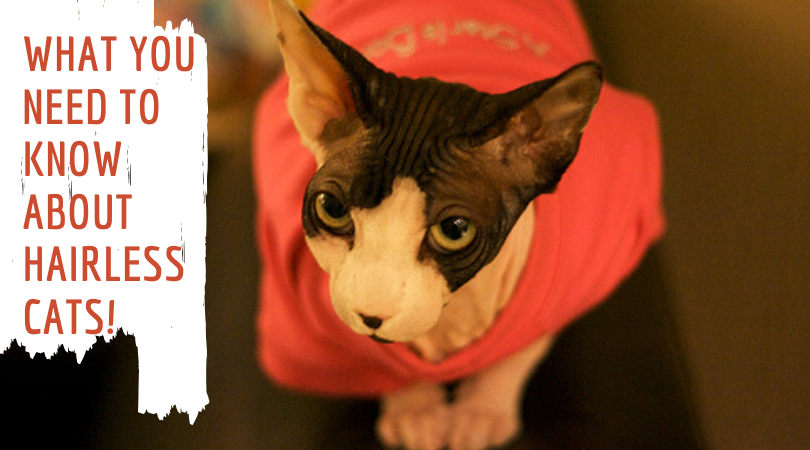
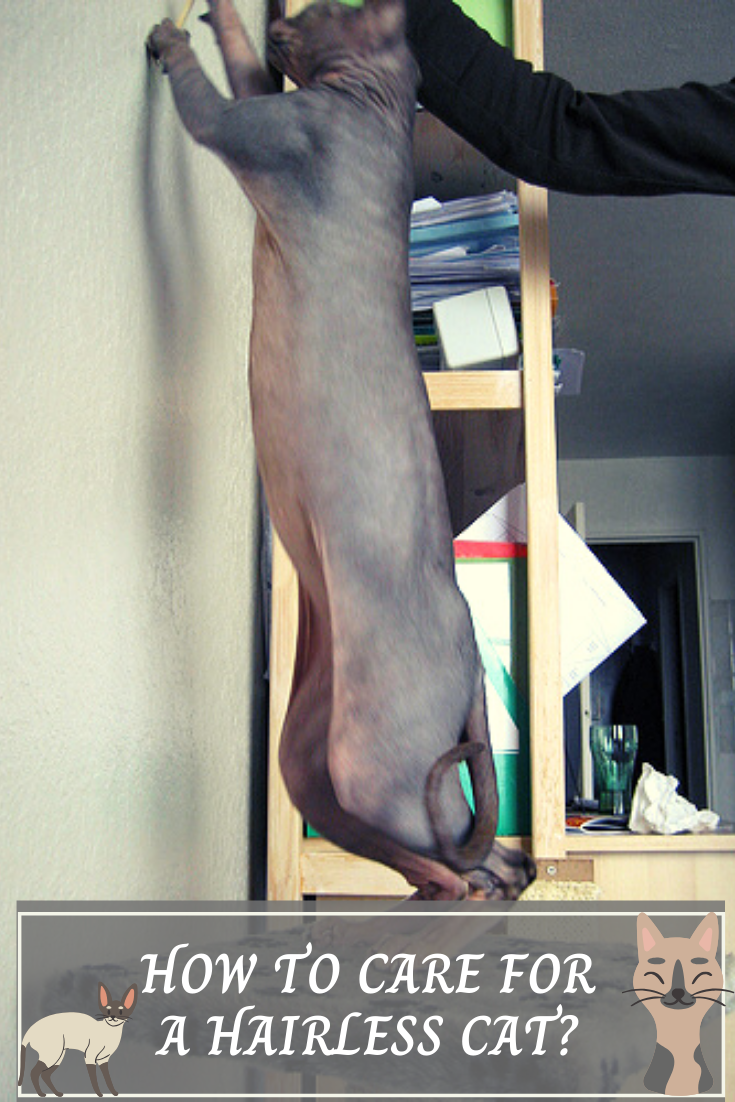
Hairless Cats tend to be friendly, playful, and sociable. They love to snuggle more often because they get cold easier than other cats. This tends to create a closer bond between the lucky owner and kitty. They enjoy crawling under the warm covers to sleep with Mom and Dad.

hairless cat facts

Main Hairless Cats Breeds:

  • Sphynx Cat
  • Bambino Cat
  • Peterbald Cats
  • Ukrainian Levkoy
  • Donskoy Cat
  • Kohana Cat
  • Dwelf Cat

What Do Hairless Cats Look and Feel Like?

The head of Hairless Cats tend to be wedge-shaped, and their skin is wrinkly in a cute Yoda-like fashion. They tend to have large, adorable ears and a thin tail. Eyes vary from roundish to almond shaped. Their skin is wrinkly and somewhat elastic. It feels soft – like a warm, fuzzy peach or a hot water bottle.

They don’t need to be brushed as often. If they are truly bald, they don’t have to be brushed at all. Shedding won’t get all over your clothes and you won’t have to clean up hair balls.

They look really cool and unusual.

How Big is a Hairless Cat?

Hairless Cats can be anywhere from slim and elegant like a Siamese cat to fairly stocky. They are small to medium sized with an average weight between seven and fifteen pounds. As with other breeds, females are notably smaller than males.

Grooming Hairless Cat

Grooming has to do with how often you have to bathe your cat, clean cats ears, wipe their eyes, clean out their ears, and clean their nails (claws).

If you strongly object to bathing your cat once a week, then Hairless Cats are a less than ideal choice for you. Remember, you’ll have to do that each and every week for several years.

It may not be as bad as you think. Some of my cats actually like the water. For us, it’s a bonding experience. We all have a good time. Not all my cats like the baths though. Some get upset. It’s best to start them bathing a few days after you get them home.

The good thing about Hairless Cats is that breeders usually start giving them baths before you even adopt them. These cats are already used to it.

Grooming also has to do with brushing them. One of the benefits of being a Hairless Cat owner is that you don’t have to deal with brushing them, getting cat hair on your furniture and clothes, or with them getting hair balls. So, bathing them weekly is something of a trade off.

Bathing A Hairless Cat

Hairless Cats do take some extra care. They have little to no hair (hair would normally absorb and disperse oil) and their skin tends to get oily after a while. They need to be bathed once a week.

You can tell when they need it because they start to give off an odor. The smell of the odor varies from cat to cat and from breed to breed. Sometimes it can smell like raw mushrooms or like cheese. When you pet them they leave an oily residue on your hand. You don’t want this on your clothing or furniture.

When bathing your cat, three things should be on hand:

  • Cat shampoo (the one that many vets use)
  • A clean, dry towel (organic cotton – set of two).
  • A large plastic drinking glass or small plastic bucket (to rinse kitty off)

You can bathe your cat in either the sink or in the bathtub. Some prefer the sink because it’s higher and easier to wash the cat.

Cleaning Cats Ears

Hairless Cats need to have their ears cleaned because they have very little hair or none at all in their ears. As a result, wax has a tendency to build up in their ears and it needs to be cleaned out.

We check our cat’s ears once a week. You’ll be able to tell if there’s any wax build up. See the note below the Steps section.

Safety tip: Never use Q-tips and never stick anything further down the ear canal than you can see. Doing so can damage the sensitive inner ear and can even rupture the ear drum. That can be painful and might lead to infection.

Instead, use cotton balls and special ear drops. Have the cotton balls and ear drops handy along with a facial tissue or two for clean up. You’ll do this on the floor so kitty doesn’t panic and fall off the counter. Be sure to read the instructions listed on the bottle of ear drops before you begin.

Note: Healthy ear wax is dark yellow to medium brown in color. A little wax is okay but excess build up could indicate injury, infection, or early mite infestation. Black wax in the ear often indicates ear mites. If you see black discharge, take kitty to the vet.

Hairless Cat Health Issues

It helps to know if a breed has a tendency to have certain health issues. For example, a larger than average percentage of Sphynx population has a tendency to have HCM, which is a certain kind of heart disease. Would you be willing and able to handle it if your cat had serious health problems?

Many breeders will test their Sphynx cats for you. All you have to do is ask them if the adoption candidate has been tested for HCM or if they will have the test run. That way you won’t get stuck with a cat that already has HCM or some other issue. Check the details of the breeder agreement. What are they standing behind?

They are capable of getting skin cancer so make sure they are mostly indoors and away from the sun beating down on them to try to stop any sorts of cancer. They do have a higher chance of heart disease but if you keep regular veterinarian visits, this may help to prevent anything from seriously happening to them.

hairless cat care

Hairless Cat Life Span

The life span of a Hairless Cat is the same as any other cat, about fifteen or more years. Since the cat is hairless the cat won’t be able to tolerate the cold weather so make sure that the temperature is seventy degrees or higher for them during the winter inside the home.

In the summer, leave a blanket around for the cat so he can snuggle under it as you’ll probably have your air conditioner running. You can look into purchasing a sweater for the cat too.

Allergy to a Hairless Cat

If you or any members of your family are allergic to cats, a Hairless Cat might not be the best to own for the allergies. It’s not the hair that a person is allergic to; it’s the pet dander that is found on the skin of the cat. Therefore to own a Hairless Cat might aggravate your allergy more so.

You are going to need to bathe them at least once a week but if your find your cat’s oils are too much, get a sponge and clean him up a bit as you see too much oil on his coat. Although the cat has no hair it’s very soft to the touch and has that squeaky clean feel to it.

Coat Colors Of A Hairless Cat

As with cats who have hair, Hairless Cat Breeds come in a wide variety of colors.

Some of the most common colors are listed below:

  • Piglet Pink
  • Red
  • Black
  • White
  • Gray
  • Black and White
  • Tortie
  • Calico
  • Tabby
  • Point
  • Tan
  • Brown

They come in many additional colors too. Though “Hairless” doesn’t always mean that they have no hair at all, some are truly bald.

Coat Types

Our friendly Hairless Felines come in four main coat types:

Rubber Bald: Completely bald. Some cats will remain bald throughout their life.

Flocked: This type of coat resembles the look and feel of soft chamois leather (shammy). Though these cats appear hairless, especially from a distance, they actually have very short and fine hair. Some kittens that are born with a flocked coat will progressively become more bald as they age.

Velour: Kittens and young cats with this type of coat will have a bald patch on the top of their head. The body has a cute wavy coat. Much of the hair will disappear as the ages.

Brush: This coat is wavy and wiry, yet it’s very soft. Bald areas are visible on the back and on parts of the neck as well as on the head.

Nose Leather And Paw Pad Colors

Nose leather and paw pad colors vary quite a bit. Here’s a partial list:

  • Pink
  • Black
  • Smoke
  • Brick Red
  • Brown
  • Cinnamon
  • Rose
  • Lavender
  • Fawn

Hairless Cat Price

The price of a Hairless Cat can be quite expensive depending on where you would buy it from. It can run you anywhere from four hundred dollars to nearly sixteen hundred dollars. This will depend on where you went to buy the cat. You can buy one from a breeder or you can adopt one or find them online.

If you are looking for a Hairless Cat you can find one almost anywhere. If you are willing to pay a price for them, you will find one.

Hairless Cats are Very Sensitive Cats

With a Hairless Cat you are going to have to watch each time he goes to lay on the window sill that he is not going to get a sunburn so try to block the sun with shades or screens so this doesn’t happen. Also you might want to put some baby sunscreen on him especially his ears and nose so he doesn’t get burnt in those areas.

You can let him go outside but he’s not a good outdoor cat. The wind and the dust will affect him too.

Hairless Cats are very sensitive to the differences in room temperature. Cat beds and blankets are a requirement with Hairless Cats because having little to no hair, they get cold easily.

You are going to want to watch that the Hairless Cat doesn’t catch a cold because they can very easily so you’ll want to make sure it’s always a bit warm in the house for them.

Категорије: Cats

Hot Spots on Dogs

март 19, 2020 By liv parmel

Hot spots are a common skin disease in dogs. It usually happens during the warm months of the year. It has various causes. A hot spot is an infected area of the skin with inflammation. It may be a light infection or a deep one. Whatever kind it may be, it’s necessary to get the treatment done.

Hot spots are also known as dermatitis. Hot spots are caused by too much of licking, scratching and biting. Symptoms of a hot spot include pus like oozing, redness, swelling and itchiness.

If your canine is constantly scratching a spot on his legs or rear, he may have dog hot spots. These areas will be marked by swollen skin where hair has been removed. They are usually circular shaped, with puss coming out.

Allergies and matted hair also play a factor in whether your puppy is more susceptible to hot spots. If you have a dog with behavior problems, watch and make sure that he or she is not constantly licking the same spot. This will eventually cause the bacteria to build up, and lead to an infection.

what is dog hot spot

Does Your Little Buddy Have Hot Spots on His Skin?

Hot spots are painful sores that dogs get when skin bacteria grows enough to overwhelm your dogs natural defense system. These unfriendly dog sores can begin to spread in as fast as an hour without proper treatment.

What are Dog Hot Spots?

Hot spots on dogs are hot and often painful areas on the skin that can be tiny or very large. Typically, a hot spot will discharge pus and may also emit a bad smell. As a result of the infection of the skin, the hair will begin to fall out and this is made worse by a dog’s natural instinct to lick the area. Hot spots can develop in a matter of just a few hours.

What Causes Hot Spots on Dogs?

Dogs love to bit and lick themselves – it’s not only how they keep their coat clean, but also how they deal with itches, pests, and wounds. The problem is that when they have an issue, they don’t know when to stop, and as a result, generally end up with a gaping bloody spot on their skin, also known as a hot spot.

So what causes hot spots on dogs exactly? Is it just biting and licking, or can something else cause them to occur? Well, in most cases a hot spot on a dog’s skin is the result of the next conditions:

Behavioral Issue

If your dog has pent up aggression or anxiety, then he or she might bite, scratch, and lick as a coping mechanism. In this case, they do it so often that they rip of their hair and damage the skin. In this case, it’s not good enough just to yell at them to stop…you have to address the psychological condition that’s behind it.

Allergic Reaction

Dogs get allergies, just like humans – the only difference is that they can’t tell you about it. Also like humans, dogs react to allergens with histamine, which in turn cause the skin and or body to itch. And how would you guess that dogs reaction to itchy skin? You guessed it, they bite and scratch until the itch stops, or the skin is so raw that they can’t scratch it any longer, and even then they often will keep going.

In the case of an allergic reaction, the likely culprit is fleas, but even materials like pollen or certain foods can cause an allergic reaction in your pet. To fix this, you’ll have to both treat the wound and identify and treat the allergen. Fleas can be treated easily, but food allergens are much more difficult to isolate.

Matted Hair

If your breed of dog has long hair, then they are at a greater risk of getting matted down hair. They should be brushed and bathed once a week to prevent this from happening.

If your puppy has knots in his hair, brush them out before bathing. If the hair is extremely gnarly, and you cannot get the knots to come out, clip the troubled areas with a pair of scissors.

Where are Hot Spots on Dogs

A hot spot can appear just about anywhere on your dog’s body and many dogs end up having several. The most common area for a hot spot is just under the flaps of the ears. This occurs commonly in dogs who are large and who have big, floppy ears.

In addition, hot spots often occur in dogs who have heavy coats such as Labrador Retrievers. In these breeds, the hot spot will develop just prior to the time when the dog begins to shed, because dead hair becomes trapped in the follicles of the skin. Also, common parasites like fleas can cause irritation of the dog’s skin, leading to development of hot spots.

Hot spots on dogs can appear suddenly just about anywhere on your dog’s body. The area around the hot spot can deteriorate quickly as the spot becomes more infected. The most common cause of hot spots on dogs is bacteria that infiltrates a small area of the skin.

Any substance that breaks the surface of your dog’s skin can allow bacteria to get in, especially if there is a bit of moisture on the skin. Moisture can be added when you bathe your dog, walk them in the rain or play in the wet grass. An existing cut on the dog’s skin can be a perfect environment for the development of a hot spot.

Dog Hot Spots Treatment

Dog Hot Spot Treatment

Treatment for hot spots on dogs is essential, because this condition can be painful and dangerous. The vet will usually either sedate or anesthetize the dog for the first treatment for a hot spot. The skin is washed gently with a special shampoo and the hair around the hot spot is removed.

Once the skin is dry, a steroid based antibiotic is typically administered and will need to be reapplied one to two times daily for several days. In addition, some dogs will be prescribed a course of oral antibiotics. Any underlying cause of a hot spot, like fleas, will also need to be treated.

Depending on where a hot spot is located, the dog may also need to wear a special surgical collar to prevent additional infection or damage from scratching.

Dogs should always be dried off thoroughly after bathing or being outdoors, in order to prevent the development of hot spots.

Home Remedies for Hot Spots on Dogs

  • The first thing to do is to trim the hair that is on the edge of the sore. This will prevent the spread of the infection and make the edges of the spot visible.
  • Use a an antiseptic or water based astringent to thoroughly clean the area.
  • If your dog is constantly licking the area after it has been cleaned, they will probably need to wear an Elizabethan cone collar (makes them look like a satellite dish) until the infection has been removed.
  • Also, you can buy soft protective Inflatable Dog Collar to make your pooch more comfortable.
  • Dog sores sometimes need antibiotics such as Neosporin, but wait and see if the dog hot spots clear away before trying them.

How to Prevent Hot Spots on Dogs

Your dog can become stressed, bored, and lonely if he or she does not get adequate love and playtime. This causes bad behavior in animals, and can lead to scratching or licking constantly.

Give them consistent love, play and attention and the problem will go away.

Clean Your Home from Allergens

Allergies seem to be the main culprit when it comes to hot spots. Work at getting your house and yard clean and free of these allergy triggering substances. Pollen, dirt, chemicals, plants, and grass (just to name a few) are all known causes of allergies in dogs.

Vacuum your house well, and get rid of any new plants that may have triggered an allergy flareup. Next, use a dog shampoo for itchy skin to remove the buildup of dirt and soothe the skin.

While there can be several underlying causes the hot spot will almost always cause your dog to itch and bite at it repeatedly. This can increase the chances for infection greatly and lead to more serious dog skin conditions if you’re not quick to act.

In just about every case, a hot spot means a trip to the vet. There are certain medications that can treat them and in some cases your dog may be required to wear the head cone to prevent them from further damaging the inflamed area.

If you suspect your dog has a hot spot be careful when examining him/her. Even well behaved dogs can become aggressive when someone touches their hot spot.

Категорије: Dogs

Interactive Dog Toys

март 13, 2020 By liv parmel

Each dog we share our lives with is unique, with their own personality and temperament and , of course, each dog has its own interests and preferences in games and toys.

Interactive dog toys are always made of harmless and strong materials. Interactive dog toys can be used not only for playing, but also as a sports equipment to keep your pet in a good physical condition.

Interactive Dog Toys

How To Choose The Best Interactive Toy For Your Dog

Due to the growing popularity, interactive dog toys occupy more and more shelves in the pet supply stores. But how to choose a suitable toy for your dog specially among the wide range of interactive dog toys?

If your dog loves to pull out of your hands different subjects, the best choice is special rope or ring. Or maybe you are happy owner of a hunting dog and the perfect toy is the one that resemble a duck with squeaker inside.

There are toys that are designed for interactive playing between you and your dog: balls, flying discs and ropes. Dogs love to play with people, and with these interactive dog toys you can play for hours:

Balls and Flying Discs

You are, certainly, familiar with the traditional game of throwing wooden sticks found on the ground for a dog and a dog bringing it back. Vets say that such wooden sticks could lead to serious injuries from splinters and sharp points.

For your dogs health it is better to use special interactive dog toys, such as dog balls, flying discs, throwing sticks made of natural rubber, nylon etc. Interactive dog toys are perfect for interactive playing, tossing and tugging.

Flexible design of these interactive dog toys is gentle on your dogs’ mouth, teeth and gums. Balls should be small enough, so that dog could catch it and hold it in the mouth, but not so much that it can be swallowed.

Ropes for Dogs

Ropes are ideal for exercise-fetching and interactive playing. You can fling it, throw it or use for tug-of-war games. These interactive dog toys are perfect for toss and fetch.

Ropes often have rubber or latex chew toys or balls beaded on them, which promote healthy teeth and gums. Regularly inspect interactive dog toys for wear and tear. Rope must be replaced if they become much disheveled.

tornado interactive dog toy by outward hound

Indoor Dog Toys

If you dog has to spend a good portion of it’s day home alone, try to find a way to occupy her time. The following interactive dog toys are made specially for this purpose:

Food Puzzle Toys

Food puzzle interactive dog toys actually are durable containers made of plastic or high-quality rubber with special holes on the sides. You should place treats or food inside it, so dog should work by pawing, shaking, rolling and nibbling the toy to get the favorite food.

Dogs always enjoy the process and it is a great fun to watch them playing. But interactive dog toys are not only a great entertainment, it is also good training for your dog. This activity requires patience and problem-solving skills as well as strength and agility.

Interaction with toys activates the brain, trains memory and supports your dog in a good shape. You dog will learn new skills and a variety of actions and movements with interactive dog toys – pulling, pushing, lifting, flipping etc.

And that is very important interactive dog toys save your dog from boredom and behavior problems.

the best types of interactive dog toys

Puzzle Interactive Dog Toys

Puzzle interactive dog toys help the dog develop problem solving skills. There are different levels of difficulty so that you can cater to your dog’s abilities.

There are two main types: treat dispensing and hide and seek.

Treat Dispensing Dog Toys

With the treat dispensing type, the dog has to figure out how to get the toy to dispense the treat. You can also use this as a way to get dogs interested in eating their kibble or as a way to prevent the dog from eating their kibble too quickly.

Hide and Seek Dog Toys

With the hide and seek type, little plush toys with squeakers are hidden inside the main toy. The dog must figure out how to get the squeaker toy out of its hiding spot within the main toy.

Hide and Seek Interactive Dog Toy

Motion Activated Dog Toys

Motion activated interactive toys for dogs make sounds to keep the dog engaged. Some also include flashing lights. This type of toy makes dogs think that the toy is alive and trying to play with them.

Chew Toys

All dogs love to chew, so it’s important to provide safe chew toys to discourage destructive chewing behavior and redirect it to appropriate items designed just for dogs. Chew interactive dog toys keep dogs jaws strong, teeth clean and the dog busy.

Chew or dental interactive dog toys come in a variety of shapes and sizes (mini, small and large). So you’ll easily find one specially for your dog.

Make sure that an interactive dog toy is durable enough to prevent your dog chewing off little pieces. Small bits can be swallowed whole, presenting a serious choking hazard.

Fantastic Ways to Keep Your Dog Entertained

Interactive dog toys are becoming increasingly popular among dog owners as a way to keep dogs busy as well as entertained.

A lot of our canine friends, even those who seem very serious and stern, or those of which are working breeds, will find it very hard to resist the urge to go and play especially with their owners and the rest of their family members.

Just like us, our pets also want to spend a lot of time trying to relax, and enjoy being active and playful time. There is nothing more they could ever want to have during an activity, aside from treats of course, than playing with interactive dog toys.

These toys are all considered interactive dog toys because the dog has to do something to make the toys work. These types of toys for your dog keep them stimulated and also keep them entertained for longer.

Dog toys are becoming more than just boredom-busters; they are actually considered to be very helpful tools that can be used by dog owners to help increase the bond between their pet.

In fact, there are so many benefits that you and your dog can enjoy when you are both playing together with interactive dog toys.

Firstly, these kinds of toys help a lot in regards to giving your dog the exercise and level of physical activity that they need each and every day; this helps your dog stay fit and healthy at the same time.

interactive dog snuffle feeding mat

Категорије: Dogs

  • « Go to Previous Page
  • Страница 1
  • Interim pages omitted …
  • Страница 8
  • Страница 9
  • Страница 10
  • Страница 11
  • Страница 12
  • Interim pages omitted …
  • Страница 22
  • Go to Next Page »

Primary Sidebar

Small Fish Tank

Glass Fish Tank

Категорије

  • Animals
  • Birds
  • Cats
  • Dogs
  • Fish
  • Goldfish
  • Guinea Pig
  • Hamster
  • Horses
  • Name Inspiration
  • Parrot Pet
  • Rabbits
  • Reptile Names

Скорашњи чланци

  • Hoppy Naming! Adorable and Funny Easter-Inspired Guinea Pig Names
  • Purr-fectly Adorable: Valentine’s Day Cat Names for Your Feline Friend
  • Astronomy Inspired Cat Names
  • James Bond Cat Names: Purr-fectly Suave Options for Your Feline 007
  • 170 Authentic Greek Names For Cats
  • Hippie Cat Names
  • Ladybug Facts For Kids
  • Unique White Horse Names with Meanings: From Majestic to Mystical
  • Disney Turtle Names: 160+ Names For Turtles From Disney Movies
  • 100+ Names For Black Horses With Meanings

Guinea Pig Cage

Large cage for your guinea pig

Ознаке

Best family parrots Best Gifts for Cat Lovers Best Hamster Toys Best parrot for beginners Best parrot for kids Best Small Dogs For Kids Boy Cat Names Can Guinea Pigs Eat Celery Cat Names Cat names for pairs Dog Behavior Dog Throwing up Dog Vomiting eat Female Bengal Cat Names Female guinea pig names Funny goldfish names Goldfish aquarium Goldfish names Gold Fish Names Goldfish tank Goldfish varieties Guinea Pig Guinea pig names Guinea pigs Male guinea pig names Manx Cat Names Names for Goldfish Names for guinea pigs Names for pink fish persian cat personality Siamese cats Small curly haired dogs Small dog breeds Sounds Twin cat names Types of goldfish Undigested food Unique guinea pig names What can guinea pigs eat Winter White Hamster Care Winter White Hamster Colors Winter White Hamster Diet Winter White Hamster Facts Winter White Hamster Life Span

Disclaimer:

This website „PETSIUM“ is not liable for any outcome or damage resulting from information obtained from these articles.

The articles provided here are for information and entertainment purposes only. The decision to use, or not to use, any of this information is the sole responsibility of the reader.

Any medical related content in any articles is not intended as diagnosis, treatment or prescription. It is not intended to be a medical advice and is not a substitute for professional medical advice. Please consult with a licensed health care practitioner if you are dealing with a serious medical problem.

Hamster Cage

Hamster Cage

Footer

Petsium – Veštačka Inteligencija

Dobrodošli na Petsium, vašeg novog saputnika za brzo, precizno i potpuno besplatno AI iskustvo. Ovde možete da postavite bilo koje pitanje – od pisanja eseja, preko tehničkih izazova u kodiranju, do saveta za svakodnevne zadatke – i dobićete odgovor prilagođen upravo vama. Sve to bez registracije, bez komplikovanih menija i bez skrivenih troškova.


© 2026 Petsium · Privacy Policy