• Skip to primary navigation
  • Skip to main content
  • Skip to primary sidebar
  • Skip to footer

Petsium - Veštačka Inteligencija | AI

Vestacka Inteligencija Aplikacija i Chat

  • Vestacka Inteligencija
  • Kontakt
  • Uslovi Koriscenja

liv parmel

How To Know Is Your Hamster Pregnant?

јануар 2, 2020 By liv parmel

Upon determining that your hamster is pregnant, or if you have suspicions that your hamster is pregnant, there are certain preparation that you can begin to make immediately that may prove beneficial in the coming weeks.

If you take nothing else from this guide, please remember that the benefits of human intervention (handling, photographing, cage cleaning or otherwise disturbing) rarely outweigh the risks. Aside from providing fresh food and water, keep disruption to a minimum. Do not make attempts at interacting with baby hamsters until they are around 14 days old, doing so may endanger their lives.
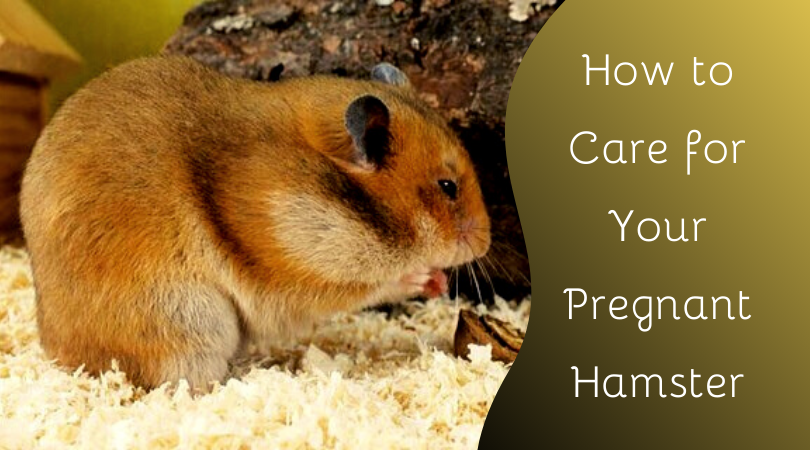
how to care for your pregnant hamster

How Many Babies Do Hamsters Have?

The first step is to stay calm. This may be a surprise, but try not to become anxious or stressed over the matter. Your hamster is an extraordinary creature, she will do the majority of work herself. Furthermore, while every pregnancy and labor carries a risk, complications are surprisingly rare in hamsters.

That said, caring for a mum and her pups can still be taxing. Syrian Hamsters have large litters, with around 5-10 ‘babies’ being average, though the actual number varies considerably. Litters as few as 1 or as great as 20+ have been recorded. Caring for the mum and hamster babies will undoubtedly require resources; money, time and effort.

What Should You Do If Your Hamster is Pregnant?

Locate Support – If you got your hamster from a breeder, they may be willing to guide you through the process, pet shops may or may not also offer this support. Other breeders, stores or shelters may have hamster experts who can offer you practical and personal support.

Locate a Vet – You may not need a vet, but it’s much better to have one on hand than be running around trying to find one when your hamster needs urgent care. Using local services or the internet, you preferably want to locate a vet who specializes in small animals. These vets are often known as ‘exotics’ specialists. Furthermore, also look for a nearby 24/7 emergency vet, they may be your only source of help outside of office hours.

Locate Additional Cages – Syrian Hamsters are solitary creatures and become sexually mature very young. This means that the pups need separating into their own cages to avoid fighting or more pregnancies. You’ll require 3 cages around 4 weeks of age (one for mum, one for females and one for the males) and by around 5-6 weeks the pups will require a cage each before fighting begins.

Locate Potential Buyers – To avoid the need (and cost!) of housing all the pups separately, you ideally want to locate buyers as soon as possible. Though you do not want to sell pups before they are at least 4-5 weeks old. You can do this through a variety of channels, such as advertising online or in the paper, through social media and through word of mouth etc.

Pet shops are often assumed to be good outlets of baby animals, but remember that these stores have their own suppliers and may not need or want your stock.

Be conscientious about who you allow to adopt your hamsters.

Some people may seek rodents to use as food for reptiles, while others are buying on behalf of children who may be unable to meet a hamsters needs etc. I personally feel that if people are unwilling to to take your advice or accommodate your requests, then they may be unsuitable.

While you will generally not be required to do anything during the delivery of the pups, there are a few changes to be made when caring for a pregnant hamster to reduce risks, and to improve outcomes.

How To Tell If A Hamster Is Pregnant?

Is She Pregnant? – The gestation period (length of pregnancy) for Syrian hamsters is just 16 days. Your first question is likely ‘Is she actually pregnant?’. Unfortunately it can be difficult to determine, you can’t perform a pregnancy test as such and the only physical indications come in last few days of pregnancy, if at all!

You may notice an enlarged abdomen anywhere from day 10 (often becoming pear shaped in the latter days) her nipples will become more prominent and she may display nesting behavior.

She may also become less tolerable of humans (she may not want to be handled. If there is any doubt, simply treat your hamster as if she is pregnant. It is better to care for a non-pregnant hamster as if she was pregnant then treat a pregnant hamster as if she wasn’t.

How Long Are Hamsters Pregnant For?

If you do know when the conception occurred, and labor has not commenced by the 18th day – contact your vet. Note that it is normal for some blood to be present in the cage due to the delivery, but again – contact your vet if concerned.

After the hamster babies arrive, there are a further few adjustments that need to be made to ensure best outcomes. This is an exciting time, but is also trying on your patience, you will no doubt be counting down the days until you can handle the pups!

Continue to ensure that the cage is in a quiet environment and limit the amount of people who might be walking past the cage. As always, the golden rule is to leave her to her own devices while keeping disruption to a minimum.

Proper Diet for Pregnant Hamster?

Her Diet – Hamsters are self-selecting when it comes to their diet, this is why it is safe to provide an excess of food. The hamster will not only limit the quantity of food consumed to an appropriate amount, but will adjust their macro nutrient intake (carbohydrates, protein and fats) as well.

As a result, there is no evidence to suggest that if an abundance of a good staple mix is provided, that significant supplementation should be required, she will take what she needs. Furthermore, evidence suggests that pregnant hamsters will hoard significantly more food than non-pregnant hamsters, and that a large hoard of food positively correlates to reduced incidence of cannibalism.

Therefore, ensure that an abundance of good quality mix is available. Please note, it is important to actually use a mix, and not a pellet as you can read from our What can hamsters eat article. Hamsters are unable to vary their micro-nutrient intake if provided with a pellet and consequently consume less than if offered a mix.

Proper Cage for Pregnant Hamster?

The Cage – If you suspect your hamster is pregnant, a few changes may need to be made to ensure her home is suitable. Modular cages or multiple-tiered cages are generally not recommended due to the possibility of pups falling, becoming stranded or otherwise becoming injured. Furthermore, the bar sizing on some Hamster cages may not be suitable for very young hamsters and permit escape.

It is advisable that your hamster is kept in a very quiet and consistent environment, you don’t want loud televisions or music players near the cage, nor do you want people constantly walking back and forth around the cage. Be sensible and consider if a relocation may be best sooner, rather than later.

It’ll only be a matter of weeks before the pups can use the water bottle. Ensure that this essential supply of water is easily accessible to the short-statured pups.

Plastic tubes are also undesirable, partly due to the risk they pose to the mother and her enlarged body but also due to the risk they pose to pups. If you suspect your cage is unsuitable then consider making a simple bin cage. It is also advisable that her exercise wheel is removed due to the numerous dangers they pose to pups, also remove toys or other objects that you suspect may be unsuitable.

Do Not Disturb It

Your aim is to disturb the cage as little as possible after delivery and so the cage cannot be cleaned safely until the pups are at least 2 weeks old.

It is therefore important to prepare the cage in advance by cleaning it particularly thoroughly and providing greater than usual amounts of fresh substrate and nesting material before birth, you may want to maintain the nest she has likely worked hard to create.

This is usually done around 12-14 days into the pregnancy. If you do not know her estimated due date then simply perform the clean as soon as she starts ‘showing’. Or to be safe, simply perform the full clean immediately and then leave her be, besides obviously subtly providing food and water.

how to tell if a hamster is pregnant

The Delivery/Birth of Hamster Babies

The delivery of the pups often occurs during night, you may never even know she is in labor, the best advice is to simply leave her be to do her own thing. Your hamster will inherently know what to do, she will deliver the babies herself, gnaw the umbilical cord and perhaps even eat placentas for nutrition.

Hamster babies are born one by one, with short gaps between births, during this time the mother may nap or even make some last minute adjustments to the hoard or nest.

At birth, the pups are immensely vulnerable and entirely dependant on their mother. They are born both blind, naked and even deaf, their sole source of nutrition is her milk and they are predominantly kept warm by her body.

Hamster Eating its Babies

If for some reason you do happen to witness part of the labor, do not interfere. Keep your distance and remain quiet. Only under the most extraordinary circumstances should you approach the mother, any intervention may cause her to cannibalise the babies.

Regardless, she may still appear to eat one or more of her young, this may be due to the pup being born dead or with significant abnormalities. Do not try to ‘save’ the pups, any attempts at hand-rearing at this point would be redundant.

How to Take Care of a Hamster That Just Gave Birth

When the babies are first delivered, it might be a few days before you even catch your first glimpse of them. The mother will ensure that the pups spend all of their time safely tucked away in the nest. She herself will rarely leave the nest, only taking short voyages out to retrieve food, to drink or to perhaps toilet away from the nest.

She will promptly return to ensure the babies are fed and kept warm. You will want to subtly change the water bottle every day or two and delicately place food in the cage, but otherwise stay well away. After a few days, the possibility of infanticide (killing her young) is still present, but the likelihood is reduced.

Unlike during pregnancy, lactation causes a dramatic increase in calories consumed. Continue to provide an abundance of complete hamster mix. Adequate calcium supply is critical, though only a finite quantity can be effectively used, and so supplementation should only be minimal/moderate, if at all.

Having a cuttlefish bone in the cage will compensate for the deficient if needed. Please note that non-solid food such as porridge or baby food should only be provided in thin layers, as a pup could easily become stuck and drown in a deep amount.

How to Care for Hamster Babies

Aside from providing water and food, your input to the hamster family will be minimal until around 14 days. However, hidden behind the nest are rapidly developing hamsters, and it won’t be long before you can begin handling them.

At around 10 days old the pups have grown considerably and will have some coloring present as fur begins to develop, if they have inherited any patterning then this may also begin to show. If you catch a good glimpse, you may even begin to notice that some of the pups (females) have a row of teats present, it might even be possible for eye color to be seen beneath the lids.

Despite their eyes still being closed, particularly adventurous hamster babies might begin to explore, although most mums will promptly return them to the nest. In addition to the supplementation for mum, you can begin to provide the hamster babies with additional food.

You might want to sprinkle wheat germ into the nest, or provide very thin amounts of porridge or small pieces of bread soaked in milk for them to enjoy – although mum might snap it up first! The pups will likely not use the water bottle just yet, but it should be accessible anyway.

How to Clean a Hamster Cage with Babies In

At around 14 days, the hamster babies are fully ‘fleshed out’ and look like mini-hamsters. The eyes will begin to open and their efforts to explore maybe more prominent.

The opening of eyes is usually accepted to be your first opportunity to possibly handle the babies! If the the mother appears particularly protective then consider waiting for a couple of days, otherwise you can have your first handling session.

Given that the cage is likely quite messy at this point, you will also want to partially clean it out at the same time. Wait until the mother is awake, at which point you should place her alone in a playpen, travel carrier or similar (she’ll likely appreciate the time alone!).

You then want to wash your hands with just plain water, and then rub your hands all in the substrate (so that your scent is disguised somewhat). You may then begin to transfer the pups by hand into another cage or similar, be conscious that the pups will be quite scared.

Never raise the hamster babies too far from the ground, as they are likely to make attempts at leaping from your hands. When every pup has been transferred (count them carefully!) you want to partially clean the cage (a full clean cage may upset the mother) scoop out the toilet corner and exchange some of the old substrate with fresh, remove some old nesting material and add plenty more.

You can then spend a few minutes handling each pup before returning them to the spruced-up cage, let them settle back in for a while and then return the mother. She will hopefully not be too distressed by the cage being cleaned or by the pups having some of your residual scent.

However, ensure that she is greeted by a healthy portion of her favorite food upon being returned, this will distract her. You should now continue to handle the pups every day. It may not be necessary but I still prefer to ensure the mother is removed from the cage before handling them directly still. Around day 16 I would complete a much needed full cage clean.

At around three weeks, the pups have likely made good progress to becoming fully weaned, they may still suckle but this will likely be more for comfort or out of habit than actual nutrition dependency. Continue to provide plenty (you’ll be amazed at how much a mother and her litter can consume) of staple mix and soft foods. Also ensure you make every effort to tame the pups as much as your schedule permits.

When to Separate Baby Hamsters

It is usually advisable to keep the babies with mum for another week or so, although under some circumstances it may be wise to do this prematurely – such as if she became ill or displayed signs of agitation.

Around four weeks the pups will need separating from the mother, partially because she may be beginning to reach her tether and partially because it is reported that females may begin ovulation from 28 days. As such, the males should have their own cage, the females theirs, and poor mother finally allowed to live alone again. Now is the good time to start brainstorming some hamster names for your young hamsters.

Between 5-6 weeks the baby hamsters can now be re-homed individually to new owners. Despite being less than two months old, they are well developed and can generally be cared for much like any other Syrian. If the pups reach 6 weeks and are still together, it will be time to separate them into individual cages. It’s possible that they would coexist for a little while longer without fights. But given that they are inevitable, it is safest to separate them into separate cages.

Категорије: Hamster

How to Check if Your Guinea Pig Healthy

децембар 29, 2019 By liv parmel

Wondering if your guinea pig is healthy? Use the guide below to perform an examination of your guinea pig as often as possible, ideally each day. It doesn’t take long once you get into the routine of what to look for, and after all it’s important to always be in sync with your new pet.

Over time you’ll get better and better at noticing any irregularities in their behavioral and eating patterns, so don’t worry if you aren’t the best at the outset. The faster you notice issues with your guinea pig, the sooner you can take him or her to the vet and have its health restored by a professional.

how to do a health check on a guinea pig

Guinea Pig Hair

It’s common for animals when they’re affected by pests like fleas and mites to scratch at, bite and even remove hair from the areas most strongly affected. Redness and baldness result in what is sometimes referred to as „hot spots“.

Guinea pigs are prone to mite infestations which make them irritable to the touch and cause them to focus on itching, scratching and biting. However, dryness also poses a problem because itching can become so bad that lesions and scabs form.

Guinea Pig Skin

Your guinea pig’s skin should be free of abnormalities; these include odd swelling, scratches, dryness, sores and flakiness. Guinea pigs commonly are affected by parasitic skin problems and fungal infestations. They originated from South America which has a dry, warm climate.

If you live in a cold and wet climate fungal infestations can easily result and it’s important to ensure they are not misdiagnosed for a more serious parasitic skin infection.

Guinea Pig Eyes

Make sure the eyes of your guinea pig are free of discharge, and are completely open and are bright. Issues guinea pigs suffer in regards to their eyes include injuries, conjunctivitis, diabetes and cataracts. Common injuries include blades of hay either poking or becoming lodged in the eye.

Conjunctivitis results from blocked tear ducts, or bacteria or a foreign body coming in contact and causing an allergic reaction of the eye.

Cataracts has no known cause, but luckily most guinea pigs simply deal with it and are able to do so because blindness does not usually result until old age; sometimes diabetes and old age itself causes cataracts.

That said, diabetes does occur in guinea pigs as well but is treatable, so it’s important to look out for the common symptoms like sudden cataracts, frequent UTIs and wetness on the backside from irregular urination.

Guinea Pig Ears

The ears of your guinea pig should be smooth and free of wax; do not try to remove wax yourself. If hair loss is present take your guinea pig to the vet to see if it has mange mites or a fungal infection. Treatments for these ailments are relatively simple.

Guinea Pig Feet

Make sure to keep the nails of your guinea pig trimmed. A good rule of thumb is roughly twice a month. Inspect the remainder of each foot closely to check for issues like bumble foot, which is characterized by a swollen red bump. The cause is not known but guinea pigs seem to, like cataracts, simply deal with the problem after the initial stage of pain.

Guinea Pig Weight

Just as you do with yourself, it’s important to watch the weight of your guinea pig to ensure it’s not becoming too large or too slender. Males usually weigh more than females and the general weight for an adult guinea pig is between two and three pounds. Refusal to eat or drink, along with zero passage of urine or feces, could mean anorexia; visit a vet immediately if you notice these symptoms.

what are the symptoms of a sick guinea pig

Guinea Pig Nose

Ensure the nostrils of your guinea pig do not exhibit watery liquid or discharge, or crustiness. The latter can be a sign of respiratory illness in guinea pig. Discharge, as well as sneezing and wheezing can indicate sinusitis which is common in guinea pigs, usually as a result of improper bedding. Improper can mean something more obvious like sawdust, or hay which is old and produces significant particulate matter to cause irritation.

Guinea Pig Feces and Urine

There’s a lot of predictability to the appearance of guinea pig fecal matter. If your pig isn’t producing firm jelly bean-shaped pieces of fecal matter, the usual remedy is to decrease the feeding of green vegetables. If fecal matter is liquid or emits a foul odor, it’s best to visit the vet to prevent dehydration.

Also take into account that guinea pigs eat the first pass of their feces from their perineal sac, usually at night; if it becomes impacted you must remove it quickly or your guinea pig can easily die due to lack of nutrients.

Guinea Pig Food and Water

How your guinea pig reacts to food and water are easy tell-tale signs of how they are feeling. Not eating well can mean teeth problems or anorexia, and not drinking enough water or drinking too much can indicate other problems like diabetes.

Guinea pigs nutrition require a well-rounded diet of whole foods, namely hay, pellets and vegetables, with the occasional fruit treat!

Guinea Pig Hiccups

Any abnormalities in breathing will be obvious and should be checked out by a vet. However, the guinea pig hiccups are not a real problem though they look very serious. Your guinea pig develops hiccups to clear a blocked airway, and they may rock violently and look as if they are going to vomit. Don’t worry, it ends after a handful of heaves and the guinea pig is fine.

Guinea Pig Behavior

Guinea pigs without a mate or proper attention can become lonely and bored. A good rule of thumb to ensure they are not depressed is to offer an enticing treat. As you know guinea pigs love to eat, so if they aren’t they need to see a vet.

As guinea pigs are not able to speak, it is often tough to find out what is wrong with them in the event they may become unwell.

Often problems with guinea pigs typically resolve themselves in a few hours, but when a vet is required, time is critical, regardless of whether it is 11pm on a Sunday evening, or some other time.

Looking after a guinea pig can be something that will help keep your lovely pet health and happy. The guinea pig cage should be cleaned out every couple of days. They need to get fresh hay at all times, pellets, and a daily serving of fresh fruit and vegetables.

They also must be handled frequently. The long haired varieties must be combed daily.

For kids and adults alike, guinea pigs can be quite a great addition to a family. They’re incredibly affectionate, and they are good for many people, as they do not need to be taken for a walk several times per day.

Should you be thinking of buying a guinea pig, it is definitely important that they are always in pairs, this is for the reason that they are quite a sociable species. It also ensures that they don`t feel boredom when they are left alone.

Категорије: Guinea Pig

Why is My Cat Sneezing?

децембар 24, 2019 By liv parmel

The occasional cat sneezing is not uncommon or abnormal. Cats sneeze just like humans do as a way of releasing irritants from their nasal passages. If your sneezing cat does not stop sneezing though, it may be a sign that it’s time to take your cat to the vet.

cat sneezing

Causes of Cat Sneezing

If you respond in a timely fashion, a cat sneezing is not a big health problem in virtually all cases. Here are some of the causes of sneezing and suggested actions to take to help your kitty get better.

Respiratory Infection

The cat’s temperature should be about 102.5 degrees Fahrenheit. A temperature over 103 could mean a respiratory infection. You should see your veterinarian who will most likely give antibiotics. Also, giving nose drops can ease the discomfort. If the kitty’s nostrils seem red or sore, you can use an eye ointment, as long as it is not aromatic, and clean her nose several times a day with a warm damp soft cloth.

Something Inhaled and Lodged in Airways

The cat could have inhaled environmental material that has become stuck in the nose or elsewhere. It should go away once the cat has sneezed a number of times. Usually there will be nasal drainage in this case. Cleaning products, fragrances, excessive dust, can irritate the cat just as they do human beings.

Other factors for sneezing cat could be dust in cat litter, insecticides or any aerosol sprays or asbestos – fiberglass. Other offenders are mold or pollen on houseplants or tracked in from the outdoors.

Cat Breeds with Compressed Facial Characteristics

Persians and some other cat breeds have the flat-faced appearance. It constrains the nasal passages so it is easier for them to get infections, or get irritants lodged in the airway causing them to sneeze.

A Reaction to a Rhinotracheitis Vaccine

After your kitten receives Rhinotracheitis Vaccine it may cause you cat to sneeze and a runny nose, but only for a few days. If it persists, see your vet.

Why is My Cat Sneezing a Lot?

Upper respiratory infection has become the most common cause of your cat sneezing a lot. There are two types of virus that infect cat’s respiratory system: Adenovirus and Parainfluenza virus. These viruses are easily infecting cats, leading to such symptoms as excessive sneezing, coughing, swollen eyes and glandes as well as increasing of mucus production.

Cat Sneezing Caused by Bacteria

In addition to virus, cat sneezing infections are also caused by bacteria. There are two types of bacteria: Adeno-2 and Bordetella. These bacteria can also infect human respiratory system as well. An alternative way to keep your cat from this ailment is to avoid them contact with other infected cats.

why is my cat sneezing

Cat Sneezing Caused by Chemicals

Respiratory system of cats is similar with human. It might be sensitive to some chemicals, making your cat sneezing a lot. Some chemicals that make your cat sneezing are smoke of a cigarette, household cleaning products, fly spray or even cologne/perfume.

Cat Litter Cause Sneezing in Cats

Other thing that makes you cat sneeze is cat litter with very fine particles which will irritate noses of your cat. Now, check your cat litter and replace it with a new one. It will prevent your cat sneeze in litter tray or after using litter box.

Tooth Root Abscess Cause Cat Sneezing

In addition to virus and bacteria, tooth abscesses can be the cause your cat sneezing too much. It is because of tooth abscesses in the upper teeth can travel to the nasal cavity and stimulate cat to sneeze. You don’t have to do anything but you might visit the vet to get some advice.

Cat Sneezing Blood

If your cat sneeze and blood came out around the nose, you are highly recommended to contact the veterinarian. It may or may not be serious, but it could be nasal cancer. The veterinarian will diagnose your cat and tell you what to do.

Feline Herpesvirus and Calicivirus

Your cat sneezing can be very scary but try not to worry, it’s usually just a common upper respiratory infection. This can be caused by feline Herpesvirus (usually caused by exposure to an already infected cat) or feline Calcivirus. The latter can be more serious as it can lead to pneumonia in some cases, so it’s important to bring your sneezing cat to the vet if its sneezing doesn’t stop or worsens.

Why Is My Cat Sneezing Final Words

There are many ways to cure a cat from sneezing. But first, you must find out what the main cause is. If your cat has a tendency to be allergic to the chemicals you are using, you can then easily throw it away.

Cat sneezing also occurs during a certain time of the year. It leads the air being contaminated with dirty material.

At last, cat sneezing can be the normal action of allergic or irritation problem, but for sure, you are advised to visit the veterinarian.

It is important to contact your vet and describe symptoms when you notice your cat sneezing. Many times, they can advise you without an office visit and you can take care of your kitty.

Категорије: Cats

Stop Parrot Screaming

децембар 20, 2019 By liv parmel

why does parrot scream

Bad Parrot Behavior

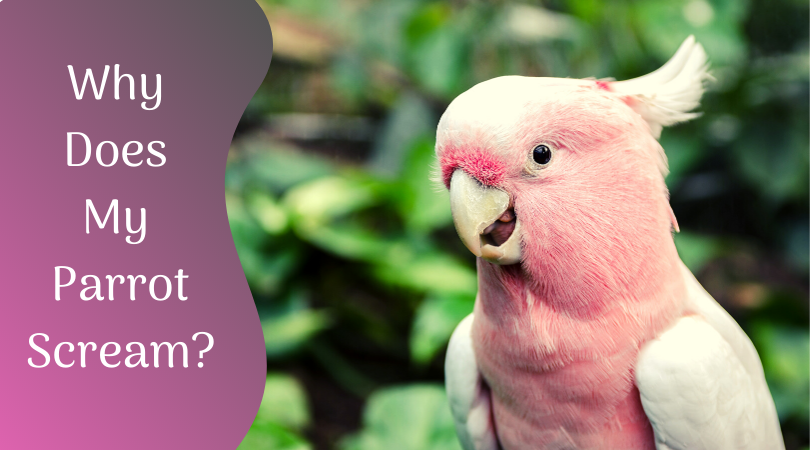
Have you ever been awaken by your Parrot screaming early in the morning? Does your Parrot scream when you leave the room, come home from work or scream for what seems, „just the fun of it“? Why do Parrots scream and what can be done about bad Parrot behavior? Parrot training is essential to help Stop a Screaming Parrot.

Remember, Parrots are social creatures and vocalization is normal for all birds because that’s their primary way of communicating. So there is going to be a certain amount of squeaks and chatter from your Parrot. You have to understand this but also be able to determine normal chatter from distress screaming.

Normal Screaming Parrot

It’s normal for Parrots to scream a little bit first thing in the morning. I once owned a Cockatiel who was notorious for waking me up every morning and wouldn’t let up. He refused to be ignored until he got his morning neck rub. Parrots will typically scream when you get home from work also.

These are normal screams and usually will subside once you greet your bird, spend a minute with them to let them know you’re there by simply responding to their way of saying „hello flock member“.

Of course if your bird is hungry or without water you can bet he is going to let you know about it.

Bad Screaming Parrot

Bad may not be the best way to describe this but your Parrot will also scream if he is bored, lonely and continually isolated. Don’t forget, Parrots are very intelligent and social birds and they need interaction from the flock; this means you. The worst thing you can do is ignore your Parrot and throw a sheet over his cage to make him shut up when all he wants to do is talk to you.

Parrots need something to do. You can help by first of all making sure you have a large enough cage so your bird isn’t cramped up. Make sure there are plenty of toys for your bird to play with. Leave the T.V. on when you go to work so he gets some sort of stimulus when no one is home. Try sitting in a room all day by yourself and see how you like it.

how to stop your parrot from screaming

How to Stop Parrot Screaming

Always remember that Parrots communicate through vocalization and you will never completely stop all screaming. Birds do this naturally in nature and you don’t want to totally deny them of their natural expression. But there are a few things you can do to alleviate some of the birds screaming.

Train your Parrot. A trained Parrot is a happy and more controllable Parrot. Spend time with your bird and teach him bird tricks. You are the dominant flock member so take charge. Start out by teaching your bird the „step up/step down“ command and move on from there.

This is the most important thing you can do. Stop unwanted behavior before it progresses by imposing dominance over your bird. When you „make“ your bird step up you are showing him who is in control. You exert your dominance by insisting your Parrot „do“ what you want him to do, not what he wants to do.

A noisy house will also contribute to a loud bird because Parrots tend to emulate their environment. If the T.V. is loud and the kids are screaming your bird will naturally ramp up the volume and „communicate“ likewise.

Don’t yell or scream back at your bird and tell him to shut up. That’s a positive response for the parrot and he thinks he did the right thing. You’re giving him the attention he wants but it will backfire on you.

Of course you never want to hit your Parrot or shake the cage violently because now you’re only making the situation worse and producing a bird that’s fearful and a scared bird won’t trust you and can be dangerous.

It takes a little time and a little patience but you can get your Parrot under control and make your bird a happy family member.

Категорије: Birds, Parrot Pet

Tips on How to Get Rid of Your Dog Bad Breath

децембар 12, 2019 By liv parmel

We all know what bad breath is when we smell it. Bad breath also known as halitosis is a build up of bacteria found in your dog’s mouth, stomach, lungs, and insides. Halitosis can also be a sign of other serious diseases.

Dogs are not known to have the sweetest breath. If their breath becomes unusually offensive then you just might have to take extra steps to dog bad breath cures.

what to do when your dog has bad breath

Importance of Distinguishing Dog’s Bad Breath

Don’t ignore dog bad breath as it can present certain diseases that can greatly endanger your dog’s health in the long run. In fact, the most common source of bad breath in dogs is dental disease. Always check your dog’s mouth for signs of tartar build up, rotten or bad teeth, and unhealthy gums.

Causes of Bad Breath in Dogs

It pays to know the difference between a normal smell of your dog and its unusual bad breath. Before your dog bad breath turns out to be a major health problem, get to know the potential causes of canine bad breath:

  • Tartar and plaque build up
  • Broken, abscessed, decayed tooth or teeth
  • Periodontist
  • Bone or foreign body trapped in between teeth
  • Gastrointestinal diseases such as intestinal obstructions, cancers, etc.
  • Sinus infections
  • Kidney infections
  • Oral tumors

The following are cases that signal medical problems that requires immediate attention:

  • Fruity or peculiarly sweet breath could signal diabetes especially when your dog has been drinking and urinating more frequently than usual.
  • Urine-like breath can be a sign of a kidney disease.
  • Symptoms of vomiting, lack of appetite, and yellow-tinged corneas and gums can also signal liver problem.

Ways to Treat Dog’s Bad Breath

When you detect sudden changes in your dog’s breath, don’t ignore it based on thinking that dogs at a certain age develop it. Take the proactive approach on treating your dog bad breath as a preventive medicine.

Regular checkups are a must to ensure that your dog has no underlying medical issues that could cause bad breath. A step-by-step physical assessment of your dog bad breath can help determine how healthy or how much medical treatment it needs.

A good hygiene such as regular brushing of your dog’s teeth is an ideal practice. Just be sure to use canine toothpaste to avoid irritating your dog’s stomach.

Purchase products that helps clean your dog’s teeth namely hard, safe chew toys and odor removing treats.

Why Your Dog Has Bad Breath

Plaque formation is the main culprit of bad breath. The odor-causing bacteria can be easily eliminated with brushing of your dog’s teeth. Although this step wouldn’t totally remove bad breath, it can efficiently reduce the smell.

Have a vet check and perform professional dental cleaning of your dog’s oral health. Other problems such as gingivitis, plaque formation, or periodontal disease can be established for prompt treatment.

Check your dog’s diet. Canned foods and raw foods such as meat can also contribute to dog bad breath symptoms. Switch your dog’s diet to dry food and see if it offers any dog bad breath remedy. The trick is to experiment with different kind of diet and see which works best as cures for bad dog breath.

Another dog bad breath cures is to ban your dog from eating non-edible stuff. This includes feces or garbage that can be easily found when your dog goes astray. This dog bad breath remedy is to simply erase these dirty foods from your dog’s diet by immediately picking up his dog poop or preventing access to trash bins.

Check the type of smell your dog has. Fruity or sweet smelling bad breath indicates diabetes especially when your dog is also showing symptoms of being excessively thirsty or with frequent urination.

A trip to your dog’s vet might save your dog’s health or even better your dog’s life. A vet can pinpoint the exact bad breath cause in case of persistent bad breath despite regular brushing or a change of diet.

How to Get Rid of Dog Bad Breath

The dental health of your dog is as important as its overall health. Dogs with bad breath usually indicate that something is wrong with your dog’s health.

the best remedies to cure your dog's bad breath

Cure for Dog Bad Breath

You need to regularly brush your dog’s teeth as the most effective way on how to fight bad breath. Concentrate on brushing its upper teeth given that plaque tends to accumulate in that area.

Treat your dog with raw bones to promote chewing. In dealing with bad breath, it is necessary to keep your dog’s mouth moist. Raw bones enable your dog to frequently chew that lessens the need to go for dental visits to the vet. If your dog has never tried to eat raw bones. Supervise and make sure that it can handle chewing it and not swallow the bones, which can lead to choking. For starters, get a huge bone of mutton or beef.

Strengthen your dog’s immune system with a healthy diet and lots of water.

Get rid of halitosis with oral products designed to target bad breath in dogs, which are canine solution, pet gel, pet toothbrush, dog toothpaste, chews, and among others. Consult with your vet to determine the underlying cause of bad breath and to know the right type of products to get rid of dog bad breath.

The best way to get rid of bad breath is to follow the step on a consistent basis. In order to see long-term results on getting rid of bad breath, aim to maintain your dog’s health including its oral health.

Dog with Bad Breath Home Remedies

Dogs are incapable of expressing their need in health care much more tell you they need remedies for bad dog breath. Dog breath is quite similar to humans. The most common bad breath causes is the lack of a good oral care regimen. It leads to plaque formation, decayed tooth, and bad breath.

Thus the task of finding home remedies for dog bad breath is left entirely on the pet owner’s hands.

You will be surprised on how easy it is to find home remedies no farther than your own kitchen. Know which easy-to-find home remedies for dog bad breath could come in handy to your pet’s rescue.

Carrot:

Have your dog chew on raw carrots. It’s mildly abrasive and helps remove plaque. The more your dog chews, the higher saliva production it makes. The saliva washes away loose food particles inside the mouth and around its teeth.

Parsley:

Produce your own dog breath pray by immersing several stalks of Parsley in hot water. Remove the parsley from the water and allow the tea to cool. You can either try to make your dog drink it or spritz the parsley tea in your dog’s mouth.

Yogurt:

Combat bad dog breath with a mixture of yogurt, raw carrots, and raw turkey.

Herbs:

Some examples of herbs as bad dog breath remedies are Neem leaves and Coriander leaves used as toothpaste or water additive.

Do not ever attempt to use any oral bad breath products for human on dogs. The formulation of these products may be too harsh for your dog. It is best to consult with your vet on oral solutions as one of the cures for bad dog breath.

These natural remedies for bad dog breath however don’t contain harmful chemicals. Best of all, our suggested home remedies for dog bad breath are found in your own kitchen.

When to Seek Your Veterinarian

The best time to seek professional help is when your dog’s breath suddenly becomes unusually different, presence of pain around the mouth area, your dog’s reluctance to eat, difficulty eating, or when your dog frequently drools. Your veterinarian is the best and qualified person to pinpoint the exact cause. A thorough physical examination and laboratory workup may be conducted.

Lastly, discuss with your veterinarian on oral health products that best suits your dog’s health needs. A word of caution though these products simply mask dog bad breath and does not treat underlying medical problems.

Don’t take dog bad breath lightly. Follow dog bad breath cures to relieve your dog from bad breath. Pay attention to your dog’s needs to improve your dog’s health and lengthen its canine years.

Категорије: Dogs

Guinea Pig Grooming

децембар 8, 2019 By liv parmel

Sure, Guinea Pigs are easier to take care of as compared to bigger pets. Especially when it comes to guinea pig grooming. But this doesn’t mean that they are completely self-sufficient animals! In fact, I believe that Guinea Pigs should come with a tag that say ‘Don’t buy me if you won’t take good care of me’. Guinea Pigs aren’t toys. Neither are they playthings for young children.

Their health and appearance must be nourish to regularly in order that they will have long and happy lives. Moreover, they must be groomed the right way. Making mistakes in this aspect is crucial to their quality of life, as you will see in this article.

guinea pig grooming

Easy Guide on How to Correctly Groom your Guinea Pig

Most owners of Cavies or Guinea Pigs just let them freely run around their enclosures. They take care of them by providing food, water and cleaning their Guinea Pig cage. But while this may work for other animals. This is not ideal for a Cavy.

Without proper grooming, a Cavy could hurt itself. A good owner realizes that and takes steps to make sure that their pet is pretty and healthy.

Guinea Pig Nails

First, always make sure that you give your guinea pig manicures and pedicures. Even if they are „ladies“, trust me, they will not benefit from having long nails. It will only give them a lot of discomfort. That is why you will commonly see cages filled with objects having rough surfaces on which they can scratch their nails with. They act like nail files, keeping the size of their nails at a manageable length.

They are very vulnerable to injury and bleeding because they are located near the nail bed. Carefully trim your Guinea Pigs nails above these vessels, especially if they have opaque nails.

Even if you are extremely careful, you might be unable to avoid the bloodbath if your pet has black nails. So keep iodine handy. Get someone to assist you as well. You can take turns with someone holding your pet still while the other cuts the nails. You can also place your pet on top of a tennis racket so that his movements will be suppressed by the strings.

Nails are another problem area. Like the teeth, they grow constantly. They need to be cut or trimmed as well. Animals usually scratch objects to trim their nails but, depending on the construction, your Guinea Pig hutch may not have anything to scratch.

If the nails are too long, it could cause injury and cuts to both you and your pet. Learn how to clip your pets nails. You can have your veterinarian show you how it is done.

Guinea Pig Teeth

Guinea Pigs don’t need toothbrushes or toothpaste. But their teeth have to be controlled in size, or else they will not be able to shut their mouths properly. Look out for cracks, chips and missing teeth in his mouth as well, and send him to the vet right away should you see anything wrong.

One of the more problematic areas is their teeth. For one thing, it grows constantly. A human’s teeth will grow only to a certain extent. This is not the same with the Cavy.  Their teeth will continue growing until the day they die. If their teeth aren’t properly groomed, they will find it increasingly hard to eat. It could become so bad that they stop eating altogether.

Guinea Pig Gnawing

Thankfully, nature has given the Cavy a behavior to keep their teeth under control: gnawing as you can read from our Guinea pig body language article. Gnawing will whittle down the ever growing teeth. Don’t just feed your guinea pig pellets.

Give him some hard vegetables. Carrots are nice and hard. Non-vegetables can be used too, like twigs or brushwood.

If your Cavy’s teeth are already too long, bring him to the vet. He will trim its teeth for you. Doing that yourself is possible, but not recommended.

guinea pig grooming

Guinea Pig Hair

Another problematic part of a Cavy’s body is their hair. Whenever two Guinea Pigs meet, they will engage in social hair grooming. It’s a practice that many other animals have. This is necessary for their health.

A single Cavy will try to groom his own hair but there are simply some places, which he can’t reach. It is a good idea to buy a small brush for your pet in order to groom him yourself.

Brush his hair once a week, if your Guinea Pig has short hair. Long-haired Cavies should be groomed everyday. This will bond the two of you even more.

It will also relieve your Cavy. Their hair won’t turn into a tangled, greasy mess. If your pet’s hair becomes too long then you will have to cut it. You don’t need to cut very short, just short enough so it won’t disturb the Guinea Pig’s movement.

While brushing your Cavy’s hair, this is also a good time to check for pests, which is another reason for social grooming. Lice and bedbugs are very troublesome for humans. Imagine how troublesome they are to a small creature like your pet.

These parasites can be transmitted through several ways, for instance other pets or a dirty Guinea Pig hutch. If your pet has these vermin, you can buy a shampoo that kills the pests.

Brush your Guinea Pig’s mane gently with a natural-bristled brush. Only use metal brushes for long-haired Guinea Pigs.

Guinea Pig Bathing

Guinea pigs don’t like to be bathed, hence one of the most popular boy guinea pig names is Trash. They become highly stressed when you do decide to dunk them in water, and this can lower their immune system. Many guinea pigs go their entire lives without bathing, and that’s just fine for them.

Unless you’ve been instructed by the vet, or your guinea pig got into something dirty and smelly, you do not have to bathe your guinea pig. If you do have to bathe him, choose a shampoo that’s gentle on his skin – either something made for kittens (not cats) or a baby shampoo. Only use a medicated shampoo if it’s recommended by a vet.

Keep your Guinea Pig groomed and he will be happy and healthy.

Категорије: Guinea Pig

Real Christmas Trees and Dogs: What You Need to Know

децембар 4, 2019 By liv parmel

If you have a dog at home a real Christmas tree may not be the best idea for your home but there are things you can do to keep your pup safe this holiday season even with a real Christmas tree.

Here are some important tips to know when it comes to having a real Christmas tree and a dog in your home.

how to dog-proof the Christmas tree

Pick the Right Location for Your Tree

You want to choose a location for your tree were it can’t easily be knocked over by the dog. Choose a place that is in a corner of the room or someplace were it is not in the way of where you dog usually roams or sleeps. Also try to have it as close as possible to an outlet so you don’t have electrical cords running all along the floor.

You can also try to secure your tree to the wall or ceiling using fishing line or something of that sort just in case your dog accidentally knocks it over or does jump on it when you first set it up.

Keep the Water Stand Covered at All Times

This is probably one of the most important things to do because the tree sap mixed with the water is poisonous for your dog. There are also other things like pesticides and preservatives that are added to the water that can be toxic to your dog as well.

Your dog may just think it’s some yummy water at the bottom of the tree, but since there is pine sap in it as well as the other agents, it can poison your dog and they wouldn’t know not to drink it. Give the tree plenty of water but keep it covered at all times.

Clean Up Any Fallen Needles from the Tree

Pine needles are not digestible for a dog and can cause some problems with a dog’s digestive tract if they eat too many of them. If you have a small dog and they eat the needles just like the water, it can be toxic to them.

Also, pine needles are sharp and can actually puncture a dog’s digestive tract so you don’t want to take any chances with all the needles lying on the floor and instead clean them as soon as possible.

Stop Using Ornament Hooks

If you have ornaments that use those metal Christmas tree hooks, then you will want to replace all of those with ribbon or string instead. If an ornament falls or your dog gets a hold of the ornament somehow the hook can puncture your dog’s mouth or tongue and cause great pain.

Christmas tree safety tips for dog owners

Be Careful What Ornaments You Use on the Tree

Avoid using any edible ornaments on your tree or any that have any type of food smell to them. You also will want to be careful about using glass ornaments if you don’t trust your dog with your tree. If they happen to knock over the tree they can cut themselves on the glass if it breaks.

No Presents Under the Tree Till Christmas

Some people like to put the presents under the tree before Christmas or even add decorative presents under the tree. If you have a dog then leave the presents tucked away until Christmas morning. Gifts under the tree are just another thing that your dog may try to get into and you don’t want your pooch gnawing on your presents and ripping them open.

Also when it comes to opening presents be sure that you clean up all the paper as well as the ribbons and small pieces of plastic and such. You don’t want your pet choking on any of the wrapping or packaging.

Consider Fence Around Your Christmas Tree

If you have a puppy or a hyper dog in your home, you may want to consider gate around your tree so you dog can’t get to it. This helps prevent any type of possible situations from ingesting the water to peeing on the tree, which is actually pretty common. A simple baby gate or baby fence may just do the trick so you can have your real Christmas tree and a healthy dog.

Supervision and Training is Key

Making sure you are supervising your dog and training them to leave the Christmas tree alone is the key to keeping them safe with a real Christmas tree this holiday. You may have to pay extra attention the first few days but if you train them properly, they will leave the tree alone and you can keep your pup safe this holiday.

Категорије: Dogs

How to Cat Proof Your Christmas Tree

децембар 2, 2019 By liv parmel

Why To Cat-Proof Your Christmas Tree?

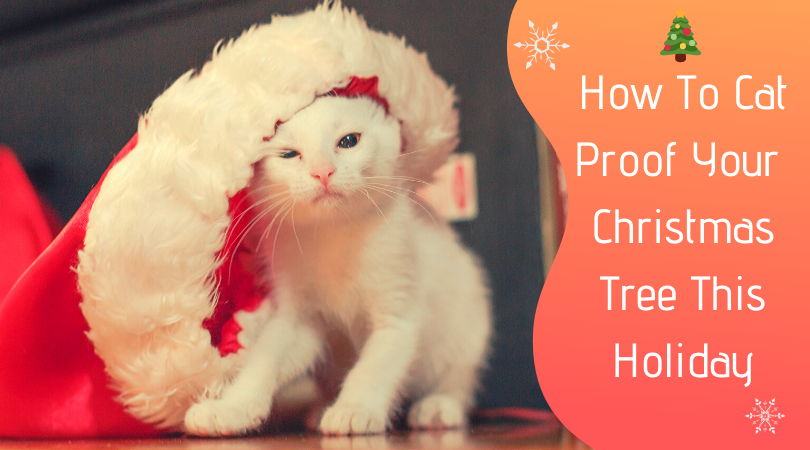
A beautiful Christmas tree lit up with decorations and surrounded by presents is one of the most iconic images of the holiday. However, a tree in the home can present an irresistible temptation to cats who only see a new post to climb, scratch, and taste.

Cat owners don’t necessarily have to forego their Christmas decorations, but they do have to be careful. A proper cat Christmas must keep feline safety in mind – as a sick cat and a mangled tree would not make a jolly holiday.

Christmas Trees and Cats

Christmas Trees Are Toxic to Cats

Christmas can be a stressful time of the year, so it doesn’t help that Christmas trees are dangerous to cats. The oils in fir trees can irritate the mouth and stomach and cause excessive drooling or vomiting if eaten.

Potentially more dangerous is that pine needles can’t be digested, causing further irritation, vomiting, and possibly gastrointestinal obstructions or punctures. Artificial trees can also cause intestinal blockage if the plastic needles are eaten.

Another concern is the Christmas tree water, which can be filled with pesticides, fertilizers, even aspirin to keep the tree fresh. Do not let your cat drink Christmas tree water, and cover the tree water dish.

Choose the Right Christmas Tree

The first decision Christmas tree buyers often make is whether to go natural or artificial. Live Christmas trees are toxic to cats and eating the spines of either can pose severe gastrointestinal problems.

Many cat owners lean towards artificial trees which are often less tempting to eat, but this choice will really depend on you and your cat.

If you do go with a live tree, make sure to cover the water which often contains toxic fertilizers and pesticides. Another consideration is size – small trees can be less tempting to climb and can pose less of a problem if they come crashing down.

Finally, be sure to purchase a secure base with your tree. Ask your retailer for suggestions – the tree base should be solid and keep the tree firmly in place if it gets knocked about.

Choose the Right Spot for Your Tree

Once you have a tree and a solid base, you’ll need to find a spot in your home that is cat-friendly. Keep the tree far from other furniture items and bookshelves, or you might find your cat launching herself from tree to shelf.

If you can, put the tree in a room with a door so you can shut the cats out and away from the tree.

This is especially useful at night and when you are not home. A final tip is to secure the tree to the wall or ceiling to prevent it from toppling over if your cat should pull on it. You may also consider putting short trees on a sturdy table where cats will be less interested in checking it out.

Consider Tree Deterrents

Some cat owners will spray their trees with a product called Bitter Apple, or a citrus spray which spells pleasant enough to humans but not so great to cats. Plastic trees can be sprayed with a small amount of Citronella oil diluted in water.

Another idea is to spray some pine cones with citronella and place them around the base of the tree. The pine cones will make a lovely decoration and discourage your cat from walking up to the tree!

Decorating for a Cat Christmas

The greatest hazard to cats during Christmas time is, perhaps, the Christmas decorations. These dangling ornaments are often too tempting to just leave alone. So please do consider the following:

  • Delay decorating until your cat is used to the tree (and knows to leave it well alone).
  • Keep your cat away while decorating, and do NOT tease her with the ornaments (or she’ll learn to think of them as toys).
  • Avoid glitter and shiny ornaments and try to choose ornaments that will be less attractive to your cat.
  • Do NOT use tinsel – it has sharp edges that can slice up the intestinal wall and cause blockage if eaten.
  • Avoid using food as decorations (popcorn strands, etc).
  • Be careful of ornament hangers – these sharp pieces of metal can require expensive surgery if eaten.
  • Take your cat to the vet immediately if he has eaten an ornament.

are Christmas trees poisonous to cats

What To Do If Your Cat Eats the Christmas Tree

If you suspect that your cat ate a few pine needles off the tree, your best move really would be to get him to the vet as soon as possible. This is especially true if you notice that your cat has stopped eating or drinking, is vomiting, or has had any changes in behavior such as excessive licking or drooling.

Monitor your cats closely during the Christmas season and do what you can to cat proof your Christmas tree.

Are Other Holiday Plants Toxic to Cats?

Poinsettias are considered to be only mildly toxic to cats and medical treatment is rarely necessary because of poinsettias. However, holly berries, mistletoe, and rosemary can all be dangerous to inquisitive casts.

Again, these holiday plants have spiny leaves and potentially toxic oils that can be harmful to felines. Keep plants out of reach and check for any changes in your cat’s behavior. Get him to a vet if you suspect anything is wrong.

Curious cats cannot keep themselves away from a beautifully decorated Christmas tree. Unfortunately this can be a huge headache for cat owners who have to deal with toppled trees, broken decorations, and the worst nightmare – sick cats.

So, if you wanted to give a cat as a Christmas gift this year, think about the Christmas party and the tree that will be there. It would be nice if that gift cat has a nice Christmas name. There are so much cute Christmas kitten names online, be sure to check them out.

The best route to a jolly Christmas is to keep cats away from the tree as much as possible. However, as stopping cats from doing anything they want to do is often difficult, keep these cat safety tips in mind.

Категорије: Cats

Solutions for Cat Bad Breath

новембар 30, 2019 By liv parmel

Cat Bad Breath Problems

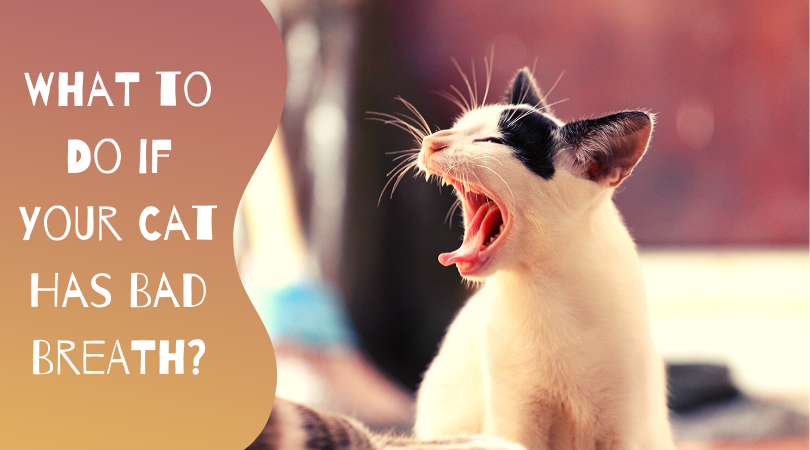
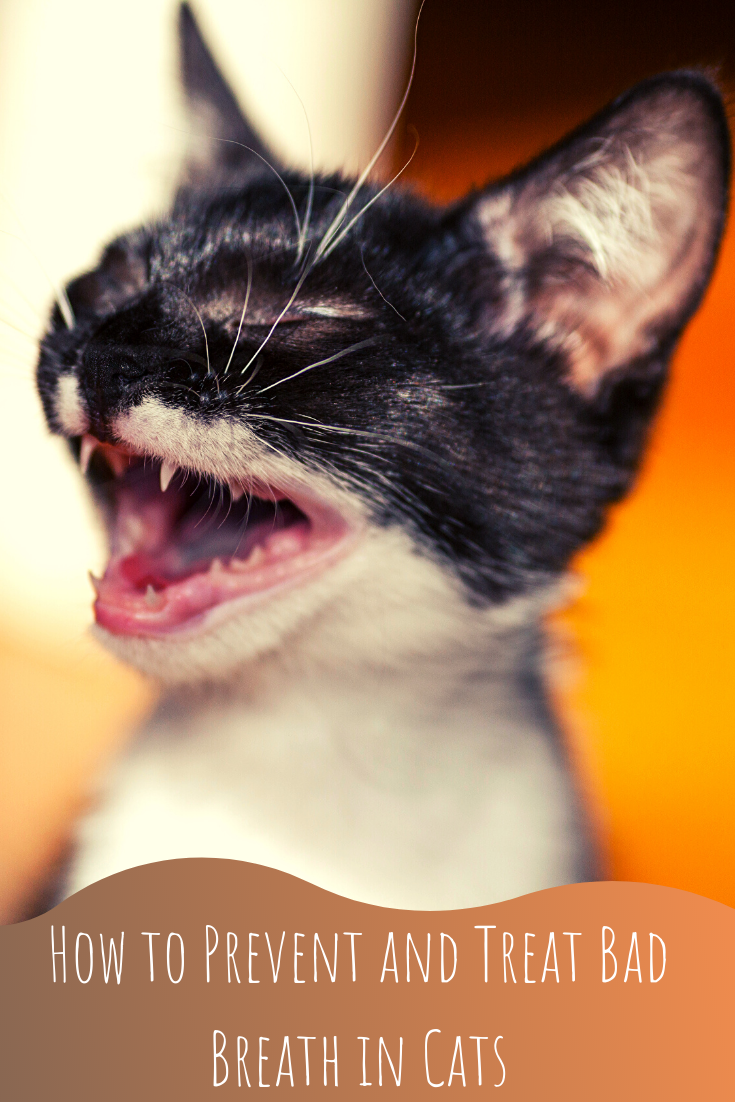
Feline halitosis simply means bad breath in cats. There is a bad smell coming from their mouth. This smell is mainly due to a number of bad breath causes that you as pet owners should be concerned of.

Avoid expensive medical bills and stressful worries by caring for your cat’s oral hygiene. Don’t forget an old adage, prevention is better than cure.

cat bad breath

What is Bad Breath

Just like humans, cats develop bad breath at some point in their lives. Bad breath, also known as halitosis, produces an unpleasant odor at the same time also signal underlying medical condition.

It is important to know that every cat naturally has bad breath owing to its carnivorous and fish-based diets. Nonetheless, don’t neglect signs of significant of cat with bad breath. There are some cases that a simple bad breath can threaten your pet’s life over time.

What are the Symptoms of Cat’s Bad Breath?

Aside from the unpleasant odor from your cat’s mouth, watch out for following symptoms of bad breath of dental in origin:

  • Reluctance to eat even when the cat in hungry
  • Frequent drooling
  • Untidy and poor coat condition
  • Red, swollen, and bleeding gums
  • Plaque and tartar deposits on the teeth
  • Pawing at the mouth.

Additionally, your cat may have non-dental causes of bad breath when showing symptoms of:

  • Weight loss
  • Increased thirst and urination in cats
  • Lethargy
  • Upset stomach or diarrhea
  • Vomiting
  • Enlarged liver or kidneys

What are the Causes of Bad Breath in Cats?

When bacteria build up in the cat’s mouth, gums, or teeth, it can pose serious problems for your cat’s whole health system. When bacteria travel away from the mouth, through the bloodstream, it gives off a toxic effect on the various parts of the animal’s body. The spread of bacteria could potentially harm your cat’s overall health.

The non-dental cause of feline bad breath can be coming from a different part of its body and is simply released through the mouth. Thus, it makes cats develop bad breath.

Perhaps, the most common cause of feline halitosis is periodontal disease. The bacterial part of plaque and recurrent infections cause cat’s bad odor with periodontal origin. A plaque is a combination of bacteria, minerals, and decayed food that sticks to the teeth. Thus, it causes inflammation of tissues supporting the teeth.

How is Cat Bad Breath Treated?

Cat bad breath treatment varies depending on the exact cause. Thus, it is best to consult your trusted veterinarian on how to find the most suitable bad breath treatment.

Based on the underlying cause of the problem, specific treatment plan can be taken to lessen symptoms of cat bad breath as well as improve your cat’s comfort and health. The most effective means to eliminate feline bad breath is to provide dental care.

A full, professional tooth and gum cleaning service can do wonders for your cat bad breath. Decayed or abscessed teeth are removed leading to a greatly lesser chances of developing other diseases.

7 Cat Breath Remedies That Work

Given that pets aren’t capable of brushing their own teeth, it’s not surprising to know there’s bad breath in cats. The good news is that there are bad breath cures. Bad breath afflicts almost anyone including your pet cat.

Hydration

Always provide a fresh supply of drinking of water in a clean bowl. Cats, just like humans, develop bad breath cats when dehydrated. Although cats are not typically big water drinkers, you can invest in a cat water fountain to attract cats into drinking more water.

Regular vet visit

An appointment to see your vet can be an effective cat bad breath remedies. Your vet would be able to pinpoint the exact cause and suggest treatment for cats with bad breath.

Your vet may perform an oral exam of your cat to check any signs of infection or a decayed tooth. Many serious oral disorders can be treated effectively with medication although a majority of them do not improve on their own.

Regular brushing of teeth

One of the sure-fire bad breath cures is to regularly brush your cat’s teeth. Regular brushing gets rid of plaque and tartar that attracts bacteria to grow and multiply. The build up of these particles in your cat’s mouth, teeth, and gum is one of the cat bad breath causes.

Meat-based cat food

Meat as a staple in your cat’s daily diet helps maintain a healthy mouth environment. As one of the cat breath remedies, it hampers development of infection and bad breath. Check your cat food label to see if your cat’s dry food contains more grain-based protein than real meat.

Allow your cat to chew on raw chicken necks or wings. The bones found in these foods promote chewing the bone to massage cat’s teeth and gums. In the process of chewing, it removes food residue and tartar.

Oral hygiene

Cat breath remedies would not be complete if oral hygiene is excluded. Supplement your cat’s regular brushing with an oral hygiene product to help minimize tartar and plaque formation.

Breath mints

Control cats with bad breath with the use of cat breath mints. Pet supply stores usually sell mints that taste like liver, chicken or fish as well as chlorophyll as a breath freshener.

Plant wheat grass

The compound chlorophyll found in wheat grass will freshen bad breath cats. If your cat is not keen on nibbling wheat grass, break some into bite-sized portions and sprinkle them on the cat’s food.

how to prevent and treat bad breath in cats

Taking care of your cat’s teeth may be the answer when your cat has bad breath, but if that doesn’t do the trick there is probably something else causing the problem. When your cat has horribly bad breath it could be because of an abscess or tumor, and you should have it checked out by your vet. There could also be other problems underlying your cat’s breath, so a visit to the vet is always in order.

Cats are not immune to diabetes, lung disease, liver disease, or kidney disease, and all of these conditions can lead to bad breath. Taking your cat to the vet is the least you can do for your friend who has given you many reasons to smile, and your vet is the only one that has the tools to diagnose her properly and provide the treatment needed when your cat has bad breath.

Here are some signals that your cat requires a visit to the veterinarian’s office.

  • Too much brown tartar on your cats teeth, particularly if it is also accompanied by red, inflamed gums, drooling, and has difficulting eating.
  • A sweet, fruity odor to the breath, which could be an indication that your cat has diabetes. This is particularly true is she has been urinating more often than usual, and drinking more water also.
  • If your cat’s breath has the odor of urine it may indicate that she is developing kidney disease.
  • She is pawing at her mouth.
  • Loss of appetite, vomiting, foul breath odor, gums and corneas that are yellow may be a sigh that your cat’s liver is not well.

When is it time to brush the teeth to get rid of cat bad breath?

Bad breath can be caused by fish-based diet of cats. Thus, it is not unusual that cat bad breath has a fishy odor to it. Normal cat bad breath has a minimal odor that should not be offensive. In the absence of pain, you would know that your cat only needs good brushing by the smell of its breath. The process on how to stop bad breath should start with brushing cat’s teeth.

How to get rid of plaque on teeth?

Cats with bad breath are results of tartar and plaque build up on teeth. Thus, the best way on how to get rid of plaque on teeth is to brush the cat’s teeth.

What steps should I take to start brushing my cat’s teeth?

The first step is to make an appointment to see your veterinarian. Your vet will know if there are any serious medical issues to diagnose and treat. A sweet breath indicates diabetes when accompanied with increased urination and hunger and thirst.

The second step is to give your cat prescribed medications when other causes of bad breath are known. These medications may be used to better manage the bacteria found to cause cat bad breath.

How To Brush Cat’s Teeth To Get Rid of Bad Breath

Put tuna juice on your finger to rub it over your cat’s gums. Continue doing this everyday. This step introduces your cat to the tooth brushing process as part of its daily health care.

The next step is to repeat the put tuna juice on a gauze then wrap it around your finger. Use tuna juice if your cat likes the taste.

Dip cat toothbrush in tuna juice. Allow your cat to lick it to get used to the feeling of bristles.

Then put flavored toothpaste on your finger. Rub it into your cat’s mouth and gums. It allows your cat to get used to the taste. It is best to choose cat toothpaste in flavors of tuna, poultry, and other familiar taste.

The final step is to add flavored toothpaste to your pet’s toothbrush. Do not attempt to brush the entire section of your cat’s teeth. Start brushing your cat’s front teeth only. After a few sessions, your cat should let you brush further back.

Cats with bad breath greatly benefits from brushing when done twice or thrice a week. Start slowly on this process to allow your cat to adjust and cooperate. Bad breath solutions need to be done on a consistent manner to see long-term results.

It is difficult for cats to tell you that they need oral care. It is up to you to brush cat’s teeth to get rid of bad breath.

Категорије: Cats

What Does a Goldfish Eat?

новембар 25, 2019 By liv parmel

Proper filtration and a good feed are all that it takes for your beautiful Goldfish to stay healthy and happy. Now the important question is what to feed your Goldfish. Goldfish require a good amount of protein, along with minerals and vitamins in their diet. The fat content should be less.

Today you have a wide variety of formulated goldfish food available, such as TetraFin Goldfish Flakes, Wardley Goldfish Pellets, Wardley Total Goldfish. You get them in both flakes and pellets form. All you need to do is choose which would be best for your Goldfish.

Apart from these formulated foods you can also give them leafy vegetables, brine shrimps, bloodworms or earthworm flakes. This would be different and your Goldfish would enjoy it.

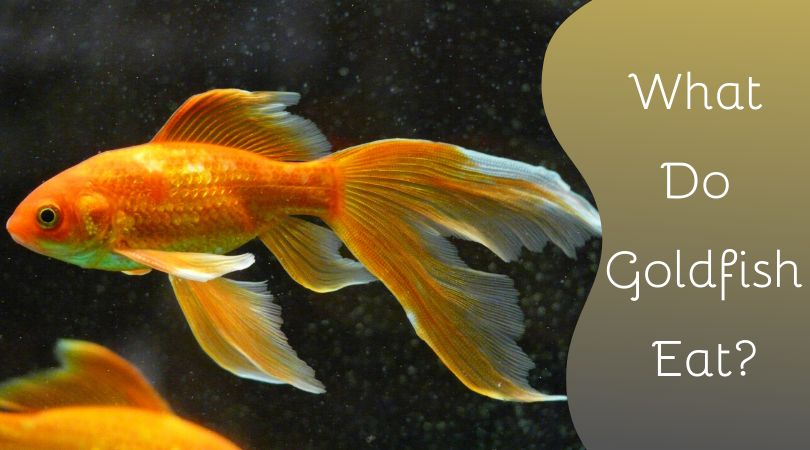
goldfish food and feeding

Feeding Goldfish

Whatever food you choose to feed your Goldfish, offer just a small quantity. Do not feed them in excess. Splitting the feed into several smaller ones than a single large one is better. Goldfish have a unique digestive tract. So avoid feeding them to much.

After a feed make sure you remove all the excess food. If not, it would decay in the water and pollute the water.

Goldfish love to eat and will very quickly learn to zoom to the top of the tank to beg for food when they see you pass by.

Goldfish are omnivorous and should be fed a variety of foods. They must have a balance of both protein rich foods and vegetation. Too much protein in the diet will not be utilized and will result in excess waste.

Goldfish should only be fed once a day (more often for babies and fry) and only as much as they can eat in 2 minutes. If there is left over food in the tank, in the gravel or floating around you are feeding too much!!! Cut back so you don’t cause water quality problems with rotting uneaten food. One day a week of fasting, or not feeding anything is recommended by many fish keepers to rest and clear out their digestive system.

Food specifically formulated for Goldfish will have a higher carbohydrate and lower protein content.

Trails of waste that hang from your Goldfish is a sign of overfeeding or constipation. A proper and varied diet will prevent this.

I recommend pre-soaking all dried foods in a small cup of tank water for 2-3 minutes before pouring it slowly into your fish tank. This is because fish can overeat dry foods and then become bloated as the dry food absorbs water in their intestinal tract. It is also important to do this so that your fish does not swallow large amounts of air while eating, which can lead to swim bladder disease.

Choosing Good Goldfish Food

Goldfish always appear hungry and will automatically eat if you constantly feed them. Overfeeding can lead to discomfort and illness for your little fish. If you notice a string of feces trailing behind your fish as it swims, this is a sign that you are overfeeding it.

Only feed them twice a day at the very most and only put in as much food as they can consume within 2-3 minutes. Goldfish are cold-blooded creatures so they don’t need to metabolize a huge amount of food to create energy.

So what exactly should you feed your new Goldfish? This is an extremely simple question to answer because goldfish love variety. They are considered to be omnivores. This means that they will eat anything they can find. The most common foods can be picked up at any local pet store.

Dry Food for Goldfish

Dry pellets are a fine choice but you should remember to soak them in the tank water for about 3 minutes to let them expand before the fish eat them. If you don’t, then they will expand inside the fish and this could cause constipation. It is recommended that you feed your fish approximately 5-10 pellets per day.

Dry pellets can also cause problems with the fish’s swim bladder. The swim bladder is an organ that fills with air that allows a fish to rise and sink in the water. Dry food pellets can block the swim bladder and cause the fish to swim sideways or upside down. Most fish foods come in the form of flakes and the Goldfish also enjoy dining on frozen, live, and gel based foods.

Bloodworms and Brine Shrimp for Goldfish

Blood worms and brine shrimp are tasty treats that your Goldfish will. You should not feed your fish these delicacies too often as they are very high in protein and could cause digestive problems. Also opt for the freeze-dried varieties portions rather than fresh as there is less chance of introducing parasites into your fish’s environment.

how to feed goldfish properly

Vegetables for Goldfish

Vegetables are a favored cuisine as long as they are blanched. This means that they should be partially cooked or steamed and then cooled before feeding them to your pets. Romaine lettuce, spinach, cucumbers, peas, and carrots are some healthy choices to add to your fish’s diet.

Bad Food for Goldfish

A fish’s digestive system is not equipped to break down foods containing lactose, such as cheese. Other foods like ground beef are also not a good food choice as it doesn’t contain the necessary nutrients for your goldfish.

If this is what you decide to feed your fish it will become malnourished and then eventually die. Even if your fish don’t eat this food, they can develop infections by the bacteria and germs that are introduced into the water.

Types of Goldfish Food:

Flakes:

  • PROS: Easy, inexpensive, large variety.
  • CONS: Processed, lots of varieties contain large amounts of filler, fish swallow a lot of air by eating from the surface which over time may lead to swim bladder problems.

I recommend putting your flakes in a small cup of tank water for 3 minutes to soak before pouring them slowly into the tank. This ensures that the food is already moist and it will slowly sink rather than floating at the surface.

Pellets:

  • PROS: Easy, better than flakes for large goldfish.
  • CONS: Should be soaked before feeding or it can be hard on digestion over time.

There are both sinking and floating pellets, and small and large sized pellets available. Pellets are a good overall staple food.

Freeze Dried:

PROS: Easy, its a whole food item
CONS: Should be soaked before feeding or it can be hard on digestion over time.

Freeze dried Tubifex, Krill, Plankton, Brine Shrimp, and Blood Worms provide high protein foods.

Frozen:

  • PROS: High quality food for superb health, convenient compared to fresh, growth and color
  • CONS: Expensive, messy, time consuming.

Frozen foods are available in both blister packs and solid slabs. I recommend the individual serving sizes in the blister packs over the single frozen slab because its much easier to grab what you need.

Fresh:

  • PROS: High quality food for superb health, its a whole food item
  • CONS: Time consuming, expensive

You can feed your Goldfish fresh chopped leafy greens, chopped fresh peas (will outer skin removed), chopped fresh earthworms and night crawlers, chopped fresh mealworms, and hatched brine shrimp.

Providing your fish with a proper diet will allow them to live longer and ensure that they are healthy. You will be able to enjoy observing your beautiful pet for many years to come.

Категорије: Goldfish

  • « Go to Previous Page
  • Страница 1
  • Interim pages omitted …
  • Страница 10
  • Страница 11
  • Страница 12
  • Страница 13
  • Страница 14
  • Interim pages omitted …
  • Страница 22
  • Go to Next Page »

Primary Sidebar

Small Fish Tank

Glass Fish Tank

Категорије

  • Animals
  • Birds
  • Cats
  • Dogs
  • Fish
  • Goldfish
  • Guinea Pig
  • Hamster
  • Horses
  • Name Inspiration
  • Parrot Pet
  • Rabbits
  • Reptile Names

Скорашњи чланци

  • Hoppy Naming! Adorable and Funny Easter-Inspired Guinea Pig Names
  • Purr-fectly Adorable: Valentine’s Day Cat Names for Your Feline Friend
  • Astronomy Inspired Cat Names
  • James Bond Cat Names: Purr-fectly Suave Options for Your Feline 007
  • 170 Authentic Greek Names For Cats
  • Hippie Cat Names
  • Ladybug Facts For Kids
  • Unique White Horse Names with Meanings: From Majestic to Mystical
  • Disney Turtle Names: 160+ Names For Turtles From Disney Movies
  • 100+ Names For Black Horses With Meanings

Guinea Pig Cage

Large cage for your guinea pig

Ознаке

Best family parrots Best Gifts for Cat Lovers Best Hamster Toys Best parrot for beginners Best parrot for kids Best Small Dogs For Kids Boy Cat Names Can Guinea Pigs Eat Celery Cat Names Cat names for pairs Dog Behavior Dog Throwing up Dog Vomiting eat Female Bengal Cat Names Female guinea pig names Funny goldfish names Goldfish aquarium Goldfish names Gold Fish Names Goldfish tank Goldfish varieties Guinea Pig Guinea pig names Guinea pigs Male guinea pig names Manx Cat Names Names for Goldfish Names for guinea pigs Names for pink fish persian cat personality Siamese cats Small curly haired dogs Small dog breeds Sounds Twin cat names Types of goldfish Undigested food Unique guinea pig names What can guinea pigs eat Winter White Hamster Care Winter White Hamster Colors Winter White Hamster Diet Winter White Hamster Facts Winter White Hamster Life Span

Disclaimer:

This website „PETSIUM“ is not liable for any outcome or damage resulting from information obtained from these articles.

The articles provided here are for information and entertainment purposes only. The decision to use, or not to use, any of this information is the sole responsibility of the reader.

Any medical related content in any articles is not intended as diagnosis, treatment or prescription. It is not intended to be a medical advice and is not a substitute for professional medical advice. Please consult with a licensed health care practitioner if you are dealing with a serious medical problem.

Hamster Cage

Hamster Cage

Footer

Petsium – Veštačka Inteligencija

Dobrodošli na Petsium, vašeg novog saputnika za brzo, precizno i potpuno besplatno AI iskustvo. Ovde možete da postavite bilo koje pitanje – od pisanja eseja, preko tehničkih izazova u kodiranju, do saveta za svakodnevne zadatke – i dobićete odgovor prilagođen upravo vama. Sve to bez registracije, bez komplikovanih menija i bez skrivenih troškova.


© 2026 Petsium · Privacy Policy