• Skip to primary navigation
  • Skip to main content
  • Skip to primary sidebar
  • Skip to footer

Petsium - Veštačka Inteligencija | AI

Vestacka Inteligencija Aplikacija i Chat

  • Vestacka Inteligencija
  • Kontakt
  • Uslovi Koriscenja

liv parmel

Roborovski Hamster

март 7, 2020 By liv parmel

Should you decide to take on a Roborovski Hamster as a pet, you should know that they are the smallest and fastest breed of hamsters.

The Roborovski Hamster (Phodopus roborovskii) is sometimes referred to as the Desert Hamster or shortened to Robo or Robs Hamsters. But either way it is the smallest of all the Dwarf Hamsters.

Roborovski Hamster Size

On average, Roborovski Hamsters can measure anywhere between 4 and 5 centimeters in length.

Roborovski Hamster Lifespan

Their average lifespan is about three years and the breed comes in one color only: golden brown, with a white patch on their stomach and light eyebrows and whiskers.

Roborovski Hamsters have a very short coat and this breed actually originated in Mongolia. As compared to other breeds of Hamsters, they are the ones with the longest lifespan.
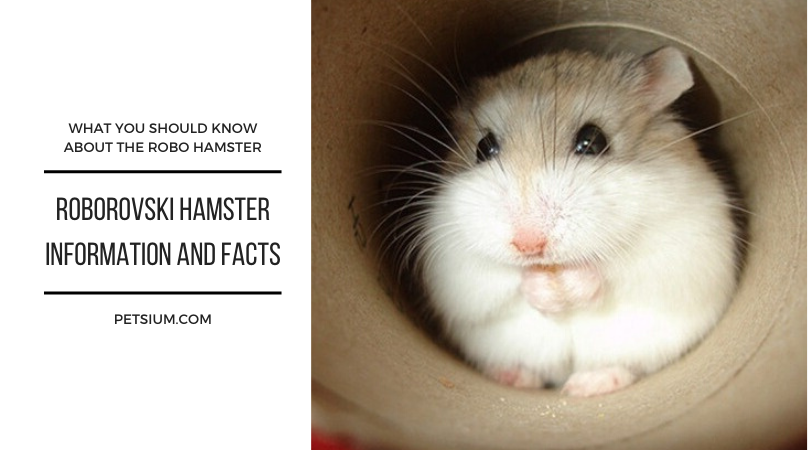
roborovski hamster

Temperament of the Roborovski Hamster

If your kid is requesting for a Hamster to take care of, for example, Roborovski Hamsters make for an ideal pet. This is due to the fact that they are extremely fascinating to watch.

Be careful when allowing younger kids to take Roborovski Hamster as pets, though. They do not generally like to be held or cuddled – so they’re basically a type of pet that you only need to observe from afar.

To make up for the fact that they’re quite easily startled, the good thing about Roborovski Hamster is that they very rarely bite.

Roborovski Hamster Facts

Roborovski Hamsters are the smallest of all the Hamster families commonly kept as pets.

They are easily distinguished from all other Hamsters by their characteristic white spots where their eyebrows should be.

Their ‘Agouti’ colouring (also called ‘normal or ‘wild’), is a sandy color with the actual roots of their hairs being a distinct greyish color.

Typically, they will have an off-white colored tummy and quite distinctive, bushy whiskers.

Also, they will lack of any dorsal stripe that would normally be seen in all the other Dwarf Hamster breeds.

They have the longest lifespan of any other domestic Hamster breed – living, on average, three years.

Roborovski Hamster History

The Roborovski Hamster originates from the wilds of the Mongolia desert and Northern China. Their natural habitat is burrows beneath the sand. These burrows will be some 2 – 6 feet deep in semi-arid areas that have very little vegetation.

The name itself comes from Lt. Roborovski who first reported on these Hamsters whilst on expedition near Nan Shan back in July 1894. However, the first studies were made by the zoologist Konstantin Saturin at the turn of the century around 1903.

These Hamsters were not introduced into the United Kingdom until the 1970′s. The breeding was unsuccessful and it was not until the 1990′s, when they were imported from Europe, that successful breeding was achieved.

The Roborovski Hamster was not introduced to the United States until 1998. A group of Hamster breeders imported the first breeding pairs, so they are still quite a rare pet there.

Roborovski Hamster Characteristics

Through living in the arid deserts, these Hamsters have become very efficient in their ability to economize their water needs. So much so that they are able to survive on less water than any other Dwarf Hamster breed.

Interestingly, they are quite sensitive to heat.

Living in burrows, they love to dig – and this is something you must provide for in their living habitat.

Roborovski Hamster Behavior

Believe it or not, Roborovski’s generally have a good behavior. They rarely bite, have a good settlement to fellow cage-mates and can become very tame.

However, even Roborovski’s can get anti-social and can have fights with other Hamsters, as well as biting quite often. Remember to keep their teeth trim by letting them have plenty of things to gnaw on, or else you’ll be seeing them gnawing everywhere!

Double Trouble

If you see two little Roborovski’s eating together in a pet shop, you will be tempted to buy both of them. However, if you buy two separately, that is not the good case.

However, if you buy two at the same time, it can still be Double Trouble with you and both of them. They will fight over the wheel, the treat, the nesting space etc, even over nothing.

But, always in the end, you will see both of them giving each other good company.

When the fight, it would be a paw-to-paw combat, or either one decide’s to grab the end of it’s tail and stay their following it until the other one fights back.

Sometimes, if your lucky, one of them will go on its back and lie down, still fighting!

Although it may seem like that, they still share the same things, like to talk to each other nose-to-nose, and are actually quite happy Robo’s in their own way.

There is always a risk that two Hamsters in the same cage will start fighting. When this happens it can be very serious and severe injury can occur.

However, they will normally enjoy each others company and will play, eat and socialize together for the rest of their lives if introduced properly at a very young age.

Roborovski Hamster Activities

Studies have shown Roborovski Hamsters cover huge distances each night. And it has been documented that they will run the equivalent to 3 human marathons each night. So it goes without saying you must provide a large cage for them.

As well as active and fast, they are also very curious creatures who love a challenge. Also love sniffing around and discovering new places, especially if it involves a bit of burrowing.

On the down side, they can be quite easily startled and are, at first, quite timed. As a result you will find they don’t ‘squeak’ much, certainly not as much as the other Hamster breeds.

As with most Hamster species, they will be predominantly more active during the night. However, a Roborovski Hamster will be out and about a lot more during the daytime than most other breeds.

But remember their dislike to heat and do not keep their cage in any form of direct sunlight during the day. They will most certainly not emerge to play during the daytime if there’s sunlight anywhere on the cage.
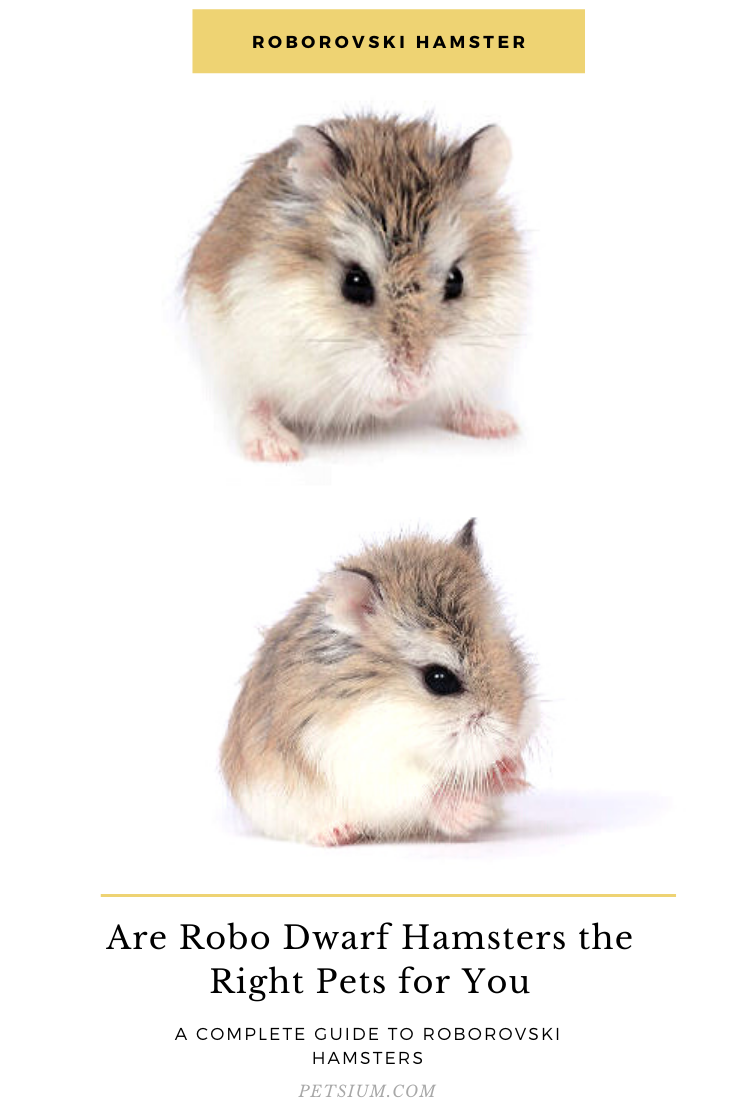
roborovski dwarf hamster

Roborovski Hamster Size

You can expect an adult to grow, on average, 2 inch long and weigh in at 1 oz (20-25 grams). Being the smallest of all the Dwarf Hamster breeds are also masters of escaping.

That means they can quite easily squeeze themselves through the bars of a standard cage. You must ensure your cage will prevent this from happening.

Roborovski Hamster Feeding

When feeding a Robo Hamster food you should always remember not to give them too much or too less food. You can read our detailed story about what can hamsters eat to learn more.

The normal Roborvski Hamster food is Hamster muesli, which normally consists of nuts and seeds. However you can feed your Robo other different types of food.

The smallcut up pieces of apple or different chopped up pieces of fruit and maybe even a meal worm or two.

Normally you would put the food in a food bowl but sometimes you can just scatter the food around their cage/aquarium. So they can look around for their food just like they would in the wild.

Also it is vital to always give your Robo Hamster water in a drinking bottle that they can reach it easily .

Always empty out their feeding bowl and water bottle so the can have fresh food and water every day.

Roborovski Hamster Cage

Due to their miniature size, make sure that you will get a cage where they cannot easily escape. Instead of going for a metal cage, you can choose a glass or plastic aquarium cage.

You can use hay or shredded paper as bedding for the bottom of the cage, any other material may cause their tiny feet to get stuck.

The Roborovski Dwarf Hamster is one of the fastest and most active Hamster breeds to own. That means you must have an adequate sized cage for them to run off all that energy.

An engaging habitat that offers a variety of challenges is essential to keep them interested and active – therefore, try to think ahead and buy a cage that will be easy to extent whenever possible.

Roborovski Hamster Cage need to be a little different from the ‘normal’ Hamster cages you buy at a pet shop. Your Hamster is very small, in the dwarf class, you must make sure the cage is suitable and the bars are closer together.

Buying cage as big as you can afford will give your Hamster a good lifestyle. Initially buy as big as possible with the ability to expand and create new runs and different areas for your Hamster to explore.

Roborovskis love burrowing and you can buy Interactive Burrowing and Nesting Accessory to add-on to their habitat.

It gives an ideal area for your Hamster to play in, but remember, it’s an add-on, not a cage (far too small) – but as an area where your Hamster can practice digging and burrowing and making a mess… it’s ideal.

Your Hamster will be full of fun and just love exploring new things. Once they have acclimated to their area and feel safe enough to come out they will be very inquisitive and nosey, exploring everything and anything that you put in their cage.

They will also have a little gnaw on just about everything too. So always make sure that everything you put in their cage is safe for them – if in doubt, do not put in in their cage.

Roborovski Hamster Handling and Safety

Some Roborovski Hamsters do not like to be held, but others love to climb all over you. It depends on the individual Hamster’s personality.

If you want a Robo Dwarf that you can hold, you should ask the workers at the pet store if you can hold them to see how they interact.

When you are holding them, you must make sure there are no other animals around, and that there is nowhere they can hide if they escape.

Most Robo Dwarf Hamster owners prefer to keep them in a ball so that they can run around their house, but they will not have to worry about losing the little guy.

These are some of the most important, but basic, things you will need to know about Robo Dwarf Hamsters.

They really do make great pets, and are a ton of fun to have around–especially if you have small children.

But remember that small children probably shouldn’t hold them, as they can be easily hurt. You may have better luck with a larger breed of Hamster.

Категорије: Hamster

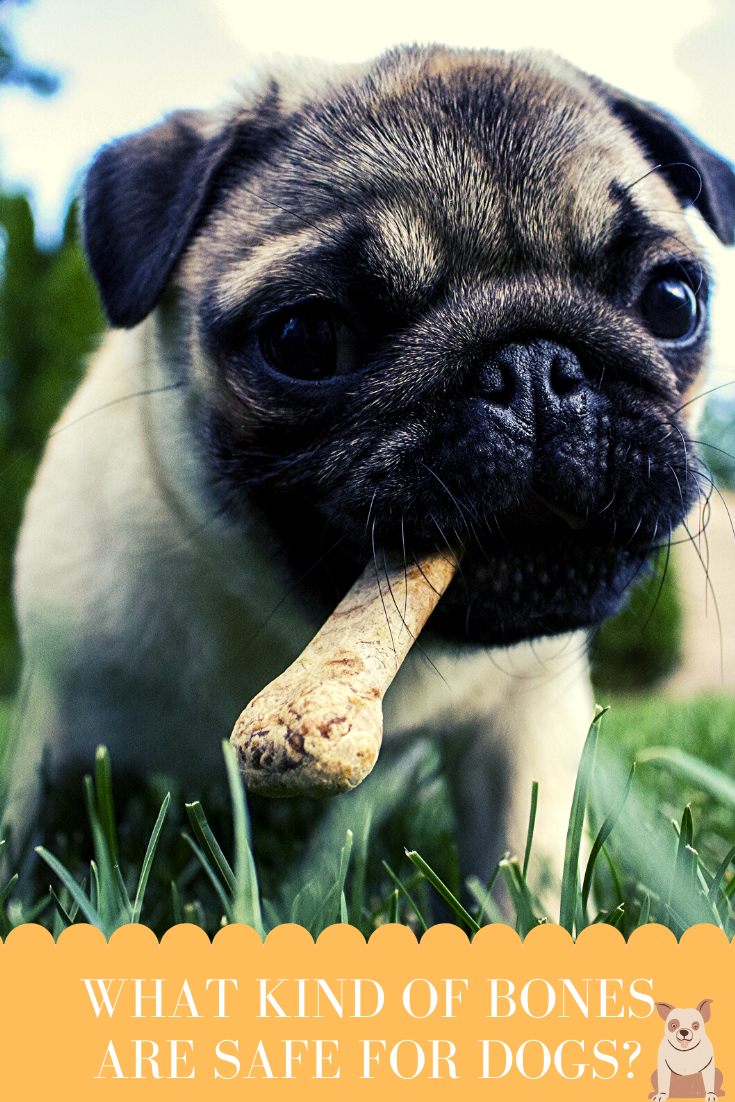
What You Need To Know About Dog Bones

март 2, 2020 By liv parmel

Bones have always been extremely interesting for dogs, they chew them, play with them and do a host of things with them.

So making dog bones available to your dog is a sure way to please your dog any day.

Can Dogs Eat Bones

What Are the Safest Chew Bones for Dogs

Though dog bones are loved by dogs, it’s every dog owner’s responsibility to make sure they are good enough or safe enough for them.

Because bones can splinter and harm your dog you must be careful the kind of dog bones you offer your dog.

You don’t have to give your dogs actual bones always. You can give special dog treats shaped as dog bones.

You can give them biscuits shaped as bones.

They will also enjoy these.

Chicken or Poultry Bones for Dogs

If you have to give them bones don’t give them bones that can easily splinter like chicken or poultry bones. Give them strong bones.

Even at that make sure you monitor them well, keep an eye on your dog while he is eating the bones so that if the bone splinters you can easily get rid of it before it does any harm.

Raw Beef Bones for Dogs

Although cooked chicken or turkey bones (poultry bones generally) are considered risky, raw beef bones can be offered to your dog.

Large dogs can be given knuckle bones and oxtails can be given to small dogs.

Beef bones do not break easily and so are safer.

Dog bones help dogs in building and maintaining healthy teeth and balancing the magnesium and phosphorus levels, so it is vital in their nutrition.

Dog bones are also a delight for dogs so make sure your dog is not denied of his delight.

You only have to make sure he enjoys the delight safely.

the best natural dog bones to buy

Dog Bones Chew Treats and Toys

Remember dog treats shaped as bones also come in handy in giving your dog a real delight, so offer your dog bone- shaped biscuits and other treats also.

Bone shaped toys, like rubber bones can also help in dealing with your dog’s bone urges.

Never put spoiling your dog above its safety.

Only offer your dog what is safe.

Which Dog Bones Are Right For My Dog?

Choosing the correct dog bones for your dog doesn’t have to be a tedious process.

It doesn’t matter if you choose a nylon bone, a real bone, or a rawhide bone for your dog.

What’s important is choosing a bone that matches your dog’s chewing rate and chewing habits.

Something you may want to consider is your dog’s size.

It’s important that you give your dog a bone that fits their mouth and teeth.

Selecting the right dog bone for your four legged friend will make them very happy.

Dogs love to be rewarded and a bone makes an excellent treat.

Chewing on a bone can be fun for your dog but the chewing action also has other benefits.

Chewing on a Bone

Will help improve your dogs dental health.

When your dog chews on a bone it scrapes away plaque and prevents tartar buildup, both of which help maintain healthy gums.

Dog chew bones can also prevent bad breathe, help keep teeth whiter and they have also been linked to reducing future dental problems.

Provides your dog with stimulating activity by keeping them entertained.

Bones are especially helpful for teething puppies and older dogs who may not get be as active as they used to.

Satisfy a dog’s innate urge to chew. This helps prevent destructive behavior.

If you pup has a bone to chew on, they will not be looking to chew on your belongings!

Stimulate the Growth of Adult Dog Teeth

If your dog is a „power chewer“ you may want to consider getting him/her a bone-hard dog chew bone.

Some dogs are so powerful that they tear apart certain bones in an instant.

Dog’s that have this kind of strong bite will need a long-lasting, durable bone.

Bone-Hard Chews and Nylon-based Nylabones are two great choices.

Bone-Hard Chews are designed to wear down slowly rather than break or splinter, and they provide important dental benefits.

what kind of bones are safe for dogs

Dog Bones From The Butcher Are A Great Treat

I think we can all agree that most dogs love to chew.

However, what your dog chooses to chew on is a whole different story.

With the large variety of dog bones that are available it can sometimes seem a little overwhelming when it comes to choosing the best dog bone for your pup.

Rawhide Dog Bones

While rawhide dog bones remain one of the most popular types of dog bones being bought by pet owners, there is still the great debate on whether or not they good for your dog.

Most people like giving their pets rawhide treats because they are cheap, they last long and they are for the most part, an all natural dog treat.

If you want an excellent alternative to rawhide dog bones you may want to consider getting your pup some dog bones from the butcher.

Marrow Bones for Dogs

Dog bones from the butcher are an a great treat for your pet.

They are very popular amongst pet owners because just like rawhide dog bones they too are all natural, inexpensive and extremely durable.

Marrow bones, like most dog bones, are also very beneficial to your dog’s dental health too.

The next time that you are at the supermarket take a walk over to the butcher and ask them if they have any marrow bones left over.

Marrow bones are raw bones so they are an all natural treat for your dog.

Pet owners that feed their dogs a raw diet are huge advocates of marrow stating that a marrow bone is something that a dog would get in the wild.

Unlike a lot of the other all natural pet treats on the market today, marrow dog bones from the butcher are rather inexpensive.

The bones do not cost all that much because they are often discarded.

You can expect to spend a few dollars on these types of bones.

It’s really worth it though because these bones are extremely durable so they will last a long time.

All dog bones, including marrow bones, are very beneficial to a dogs dental health.

Chewing on bones is great way to keep teeth and gums clean.

The chewing action helps scrape away plaque and tartar that can be harmful to your pet.

These types of dog bones also add nutrients to a dogs diet that they may not get from other types of dog bones.

Do Dog Bones Improve Dental Health?

The answer to this question is simply YES.

There are actually many benefits to your dog chewing on dog bones.

One of the most positive effects that chewing on a dog bone has on your pooches dental health is that the chewing action scrapes away plaque from their teeth.

It also helps control tartar buildup while stimulating gums.

The less plaque and tartar that are one your dogs teeth and gums, the less bad breath they will have.

Your dog will also have whiter teeth and all of this cleaning will reduce the risk of potentially serious dental problems.

Are Dental Bones Different?

While all dog bones are beneficial for dental health, “dental bones” are specifically designed to promote clean, healthy teeth and gums.

There are dental bones for dogs of different sizes, and there are even dental bones specially designed for power chewers.

Another benefit of dental bones is that they most often a minty flavor which helps eliminate bad breath.

One of the most popular dental dog chews on the market are Greenies Dental Bones.

Vet Recommended Greenies Original Dental Treats

All types of dog bones have their benefits for your dog.

Dental bones are great for promoting healthy dental health.

Chewing on a dog bone, like a rawhide bones, have benefits too.

Giving your a dog will keep them occupied and out of trouble, they are great for teething puppies.

They provide exercise for your dogs jaw muscles and they are an extremely powerful tool to help eliminate stress, anxiety and boredom.


Категорије: Dogs

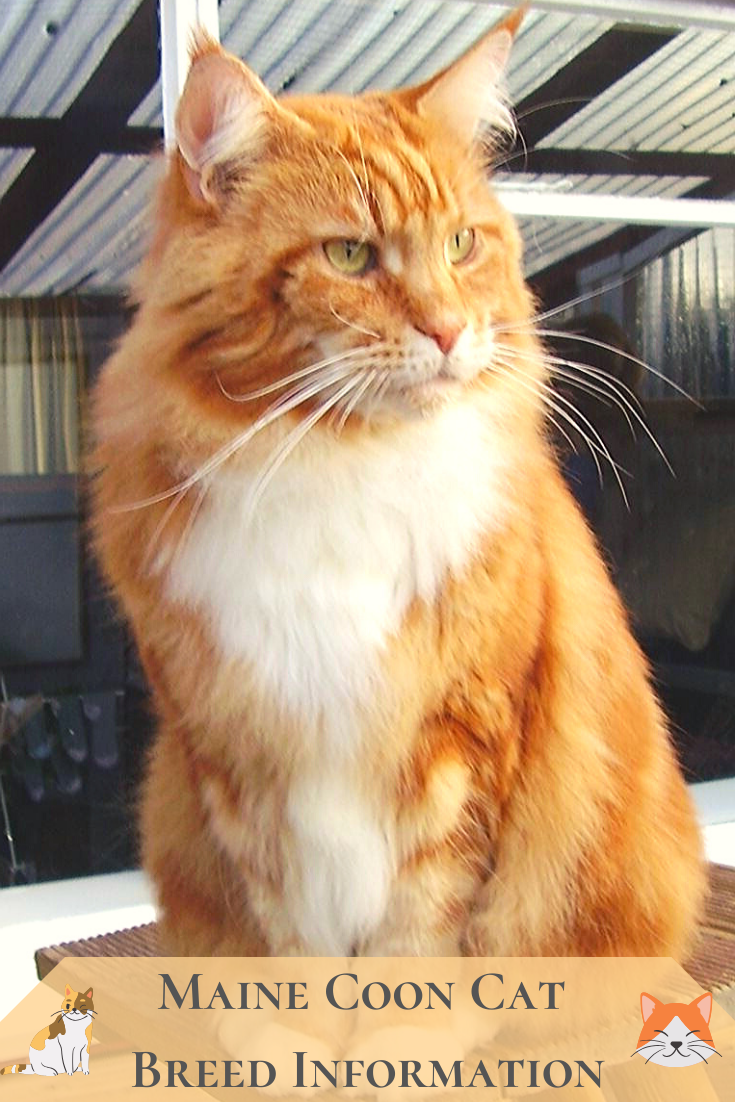
Maine Coon Cat Facts

фебруар 25, 2020 By liv parmel

Maine Coon cat is good by nature, lively and just a wonderful pet. Maine Coons are one of the largest representatives of the family of domestic cats. They are extremely hardy, strong and very beautiful.

Any large animal species is characterized by slow development, Maine Coons are no exception. Representatives of the species reach puberty only by 4-5 years of life. Moreover, the males are very large! The females are slightly smaller in size.

Maine Coon cat

Maine Coon Cat Appearance

Maine Coons have a very strong developed muscular body with powerful legs ending with large round paws, with a wide chest. An elongated head of medium length (with strong square jaws), with rounded eyes and large high ears, pointed at the ends and crowned with tassels, extended at the base. Ears and paws are covered with tufts of hair.

The Maine Coon is thought to be a descendant of the domestic cats that were the first to arrive in North America. Maine Coon cat is known for their size boasting the largest breed in the domestic cat domain.

How Long Do Maine Coon Cats Live?

It has been recorded that the average life span is 13 years, I would think with the right exercise and diet that your Maine Coon would see 15 years. The average weight of a Maine Coon male is around 7-11 kg and females 5-8 kg.

The Breed

Maine Coon cats are instantly recognizable as the largest breed of domestic cat. They have large, strong and muscular bodies to support their heavy frame. Their body shape is considered rectangular compared to the tapered shape of smaller breeds.

They have large broad chests with a wider than normal leg stance. Their iconic bushy tail is often described as similar to those of raccoons and squirrels.

Maine Coon Coat and Hair

The Maine Coon fur coat is thick and heavy to keep the larger body warm during the colder months. Most Maine Coon cats have long-haired coats which are very soft and smooth, however characteristics differ between coat colors.

The length of hair differs along the body with most cats having shorter hair on the head and shoulders, longer hair along the belly, neck and ears. The coat is easy to maintain as the undercoat is lightweight, however it is important to note that molting will occur with the change of seasons.

Maine Coons posses many physical attributes that enable them to flourish in cold and harsh environments. The longer fur that is found on the underbelly is thick and water-resistant to enable the body to stay warm while lying in wet or frozen conditions.

The large tufts of fur on the ear help to warm the thin wall tissue while in high wind conditions. The bushy tail is used as a thermal seat to keep the backside of the cat off cold surfaces when seated. The tail is also used a wind breaker when it is wrapped around the face and shoulders.

Maine Coon Cat Weight and Size

You are surely wondering how big do Maine Coon cats get? Males can weigh up to 25 lb (11 kg) and females up to 15 lb (6.8 kg) reaching a length from tip to tail of 40 inch (100cm). The tail itself can grow to 14 in (36 cm). The breed is considered slow maturing as full size is reached anywhere between the ages of 3-5 where most cats mature at age 1.

Maine Coons Colors

Maine Coons can come in any color found in other cat breeds due to generations of crossbreeding through domestic animals. Although physical stature and shape may depict a purebred Maine Coon, cats that posses colors suggesting cross breeding such as the Siamese patterns are not recognized by breed standards.

The classic Maine Coon fur color is the brown tabby. All eye colors are accepted under the breed standards except for blue or mixed eyes, which are only accepted in the white furred Maine Coon.

The Maine Coon can be long or medium haired depending on where you live and your climate. The coat is soft and silky and comes in variety of colors some of these include black, silver, red, blue, white in either tabby or solid pattern with the allowance of any eye color.

Mainecoon

Maine Coon Cat Personality

Maine Coon cat is a very loyal companion and has a very unique personality with unlimited love and affection for their owners especially children which they adore. They are curious smart and clever and very easy to train.

They will learn tricks including fetching, shake hand and walking on a harness their feet are used like we us our hands for every thing they do including eating and playing.

They are great with other animals this would include the family dog if raised together or even the pet bird.

They will stay by their owners when visitors are around and can be cautious but never mean until trust is established with strangers but this doesn’t mean they won’t show off and be the entertainment at dinner time or social occasions.

Maine Coon Cat Behavior

Maine Coon cats love to be with the family but if left alone they will occupy themselves with out being destructive so the furniture you love is safe. When the owners return a Maine Coon will greet you with plenty of chirping which is what they are known to do more so than a meow.

They have their little behavior quirks some of them being there resemblance to a dogs nature and loyalty. They can never just drink from a bowl with out testing the temperature with their feet or walk away from food unless it has to be buried.

They have a fascination with water. Finding a sink or bath full of water is just too hard to resist even in the winter months. Maine Coons are fun loving no questions asked gentle giant of the feline world that will delight and entertain you and be very much a part of the family home.

If you are lucky enough to be owned by more then one Maine Coon they are content to play, sleep and eat together in harmony and the mix of personalities is entertainment plus every minute of the day.

Maine Coon Sounds

Maine Coon cat, despite their formidable and majestic appearance, is distinguished by a very soft voice, they are rarely meow, and if they do, then a person will be struck by the timbre of their voice.

Maine Coons don’t sound like other cats. They have a very distinctive trill, which some describe as a cross between a purr, a chirp, and a meow. If you talk to them, they will ‘converse’ with you. They love the sound of your voice, and want you to talk to them often. In spite of their size, Maine Coons have very soft ‘voices.’

Do Maine Coon Shed

Yes, Maine Coon does indeed shed. As any other fur-bearing animal they also needs to adjust to the variation in terms of seasons, temperature, and so on.

Maine Coon Cat’s Litter Size

The average litter size for a Maine Coon is between 5-7 kittens. Naturally there can be more, or less. In Norway there has been registered 9 kittens in one litter at maximum. All survived.

For How Long are the Females Pregnant

The general average pregnancy period for a normal cat (includes Maine Coon) is 65 days. (Births after 63-70 days pregnancy is considered normal).

Maine Coon Cat is Great Pet

Despite its wild appearance, the Maine Coon cat is a great house and family cat. In contrast to her size, she has a soft and gentle voice that often sounds like the cooing of a dove. Although it is independent in nature, it easily adapts to living in an apartment. A networked window or a secured balcony ensures a place in the sun and fresh air.

Maine coons are suitable for keeping at home like no other, they are funny in appearance, despite the abundant amount of hair, they do not require careful care, their hair does not fall off, because in natural conditions they had to endure harsh climatic conditions.

Representatives of this breed are very mobile, Maine Coon cat will always find what to do with himself. Only Maine Coon cat will be able to give you a sea of ​​love and joy and forever „settle“ in your heart and become a best pet!

Категорије: Cats

Diarrhea In Dogs

фебруар 19, 2020 By liv parmel

Most people aren’t aware of it but diarrhea is almost as common in Dogs as it is in humans.

Although Dogs generally have stronger stomach acids that allow them a greater degree of protection against parasites and bacteria, they are not immune to them entirely.

The good news is that most cases of canine diarrhea will clear up on their own even without medication or treatment, although persistent or long lasting episodes of diarrhea should be brought to the attention of your veterinarian.

You should also take your pet in for treatment if vomiting occurs, or if there is blood in the stool.

why does my dog have diarrhea

Symptoms And Signs Of Dog Diarrhea

Canine diarrhea can be characterized by quite a few symptoms, although there are a few that occur in the vast majority of cases.

The most common sign that your Dog is suffering from diarrhea is the increased amount of loose or watery fecal matter.

The feces may also smell more unpleasant than usual.

At this point, you will hopefully be familiar enough with your Dog’s bathroom habits to realize when something is out of the ordinary.

Most Dogs that suffer from canine diarrhea will have to defecate more frequently, and with more intensity.

Your Dog may also seem to get better only to experience a more severe case within the span of a few days.

In addition, your Dog may pick up a certain amount of fecal matter in his tail, which may result in a lingering unpleasant odor around his vicinity.

As a Dog owner, you will probably experience quite a few case of canine diarrhea over the years.

The good news is that most cases of diarrhea in your pet is nothing to be concerned about, and they should clear up on their own within a few days.

There are certain cases of canine diarrhea that may warrant a more thorough diagnosis and treatment however, particularly if they are accompanied by the following symptoms:

Blood in The Stool

Any signs of blood in the feces should immediately be brought to the attention of your veterinarian.

This is a particularly alarming symptom that can be caused by a number of serious medical conditions ranging from a virus infection to parasites.

Both of these conditions can obviously be potentially dangerous and even life threatening, so it is best not to take any chances when you notice them.

Short Periods of High Intensity Diarrhea

This is another common sign of a serious health problem, and should again be brought to the attention of your veterinarian.

In addition to being a common sign of a viral or bacterial infection, this could also be an indicator of any one of a host of common canine illnesses.

Dehydration

Dogs can be a lot more sensitive to the effects of dehydration than humans are, particularly during episodes of canine diarrhea.

Making sure that your Dog gets plenty of water at all times is important of course, but it is even more so during diarrhea attacks.

If your Dog refuses to drink the water that you give him, take him to a veterinarian as soon as possible.

Most of these causes are quite common and easily observed in most Dogs.

The underlying conditions that may be present may not be as easy to detect however, so it is important to bring your pet in for diagnosis if the diarrhea persists for more than a few days.

Be aware of your Dog’s habits and take him to the vet if things do not improve within a few days, and you will have done your part in ensuring the continued good health of your pet.

What Causes Diarrhea In Dogs

In most cases, the primary cause of canine diarrhea is simply eating the wrong kind of food.

As tough as a Dog’s bodily functions may seem to be, its digestive system can actually be quite sensitive, and something as seemingly insignificant as eating foods that are not intended for canine consumption may be enough to cause a severe bout of diarrhea.

Keep in mind that Dogs have very different dietary requirements to humans, and it would be best to avoid feeding your dog human food if you are at all concerned about preserving his health…as well you should be!

Since eating „risky“ food is so often the main cause of canine diarrhea, the easiest way to prevent this from happening is to simply stick to commercial Dog food from a reputable manufacturer.

The problem for many new Dog owners however is that there is quite a bewildering array of Dog food brands out on the market, and it can be quite confusing–not to mention–expensive to try them all out.

A good rule of thumb to follow is to choose your Dog food in accordance with the age, size, breed, and lifestyle of your pet.

Many Dog owners are concerned about feeding their Dog food that contains a high amount of preservatives and artificial ingredients.

If this bothers you as well, you may opt to feed your pet home-cooked meals instead.

Keep in mind that Dogs need a lot of protein in order to ensure their continued good health, and meat, poultry and fish are the best sources.

You do have to be careful about making sure that no bones from fish or chicken end up in your Dog’s plate, since they can case a number of health issues that are a lot worse than canine diarrhea.

You should be aware that a lot of cases of diarrhea is caused by rich or spicy foods that your Dog’s digestive system simply is not equipped to handle.

For this reason, it is best to stick to bland food and go easy on the flavors and seasonings.

You should also limit your sue of salt, oil, and even vegetables, which aren’t really essential for your Dog’s health.

One other common cause of canine diarrhea is a switch from one type of protein to another.

If you have to do this for whatever reason, it may be best to consult with your veterinarian in order to figure out the best way to go about making the change.

Another common cause of diarrhea is simple neglect.

A lot of Dogs would happily root through the trash for hours upon hours of given the chance, and this is unfortunately a good way to come down with a severe case of diarrhea.

As a responsible pet owner, it is up to you to ensure that your Dog doesn’t eat anything that it isn’t supposed to, and garbage definitely falls into that category!

You already have a number of risk factors to contend with so make it easy on yourself and on your Dog by keeping him out of the trash.

How To Treat Dog Diarrhea At Home Naturally

Diarrhea is actually quite a common occurrence in many pets, and as numerous Dog owners are aware of, it can strike suddenly and with no apparent cause.

As undetectable as the root cause of the condition may seem, there are actually a number of different reasons why your Dog may get diarrhea, with the most common one being poor eating habits.

In the majority of cases, canine diarrhea can be treated quite effectively at home using natural remedies.

This doesn’t mean that you shouldn’t take your Dog to the vet mind you, since all case of diarrhea should be treated as soon as possible in order to prevent dehydration in your pet.

Nevertheless, it is good to know that the condition can usually be treated fairly easily.

Before we go into the most common ways by which you can treat canine diarrhea naturally, it is important to make sure that you bring your pet in for proper diagnosis and treatment in cases of persistent diarrhea, or if you detect blood in the stool.

This also goes for pets in which diarrhea is accompanied by vomiting.

what to do if your dog has diarrhea

Fasting Your Dog for 24 Hours

The first step in treating your Dog naturally is putting him on a 24 hour fast or feeding him only a liquid diet.

This will flush out the digestive system of toxic matter and help hasten recovery.

If you choose to go the „fasting“ route, make sure to provide plenty of water in order to protect your Dog from dehydration.

After the 24 hour period has lapsed, you can add some vegetable or meat broth to your Dog’s diet.

In addition to replacing lost water, this will also replenish his stores of essential sodium and potassium.

Your veterinarian may also recommend giving your Dog probiotics in order to restore the balance of beneficial and harmful bacteria in your Dog’s digestive system.

It may also be a good idea to introduce certain amino acids and herbs that will help ease the effects of an inflamed intestinal lining, which is so often a result of chronic diarrhea.

There is a certain approach to treating canine diarrhea naturally that involves restoring the gastrointestinal tract to its normal function.

Treating Dog Diarrhea Requires the Use of Nutrients Such as:

  • Lactobacillus sporogenes, which is a probiotic substance that can control the spread of harmful bacterial.
  • L-Glutamine, which is an amino acid that has beneficial effects on the walls of the intestines.
  • Slippery Elm, which is an herb that can provide relief to irritated mucus membranes in the intestines.
  • Saccharomyces boulardii, which is a yeast that can enhance the function of the intestines.

This can help hasten the road to recovery while easing any negative symptoms that your Dog may be experiencing.

Prevention Of Dog Diarrhea

Just like with any form of illness, prevention is a far better option than finding a cure.

Keep in mind that diarrhea is often a symptom of an underlying medical condition as opposed to being a disease itself.

In addition, diarrhea may be characterized by occasional loose stools or frequent watery feces.

One of the most common reasons for canine diarrhea is an irritation in the intestines.

This can itself be caused by a number of factors, ranging from unfamiliar food to eating „human“ food.

In both cases, diarrhea can be avoided simply by preventing contact with the offending foods.

Changing Dog Food Can Causing Diarrhea

If you do plan to make changes in your Dog’s diet for whatever reasons, it may be a good idea to implement the changes over a span of several days as opposed to doing it all overnight.

You should allow your Dog to adjust slowly to the new diet in order to prevent any adverse effects in your pet.

For starters, you can try mixing in ¼ of the new food with ¾ of your Dog’s regular food.

You could then gradually increase the ratio of new food to “old” food if your Dog takes well to the new diet.

Making dietary changes in this manner will reduce the risk of intestinal upset and thereby reduce the chances of your pet experiencing diarrhea.

Some Table Scraps are Bad for Dogs

While feeding your Dog table scraps may not necessarily be a bad thing in itself, you do have to make sure not to give certain foods that may be too rich for canines’ digestive systems.

Fatty foods are particularly risky factors for canine diarrhea, and they may cause a number of other health issues as well.

They may put your Dog at risk for pancreatitis for instance, which can lead to a host of chronic digestive issues.

Most Dogs love meat of course, although you should be aware that commercial Dog food is processed to a much greater degree than food for humans is.

Food that is intended for human consumption may simply be too rich for your Dog’s sensitive system, and should probably be avoided in order to prevent canine diarrhea.

If you have to give your food to your Dog, it is also best to stick to beef or pork, as the bones from chicken or turkey can puncture your Dog’s stomach and intestinal lining, resulting in a number of health problems that can be significantly more serious than diarrhea.

Dog Diarrhea is result from a wide variety of causes including a change in the Dog’s food, the intake of medication, contaminated or spoiled food, intestinal pests, or even simply stress.

Dogs in which diarrhea is a regular occurrence would probably benefit from foods that are easy to digest.

This may require a shift to purely homemade food or a commercial Dog food that is intended specifically for Dogs with sensitive digestive systems.

You could also add a bit of fiber (canned pumpkin is a good choice) to your Dog’s diet. In addition to providing your pet with an additional source of dietary fiber, this will also help firm up the stool.

Категорије: Dogs

14 Facts About Winter White Dwarf Hamster

фебруар 7, 2020 By liv parmel

Having a Winter White Hamster can be a rewarding and fun experience. Here are 14 Winter White Dwarf Hamster facts to begin with.

Winter White Dwarf Hamster Facts

Hamsters come in more varieties than you can imagine and have two distinct sizes. Dwarf Hamsters stop growing at only four inches long, hence the name. They are cute, furry little creatures that live primarily in a pack.

The Russian Dwarf Hamster is known by several different species. They are Winter White Hamsters, Campbell’s Russian Hamsters and Roborovski Hamsters.

Each one is a little different from the other.

The Campbell and Winter White hamster can be very identical in shape and size. Hence people tend to confuse the two. The size and coloring of these two are very similar. They both can reach around 7 to 10 centimetres in length.

The Roborovski hamster is the smallest one compared to the other two. Typical size of this one will be around 4 to 6 centimetres.

Out of all of them the Winter White hamsters are the rarest. Most pet stores will not have them.

Winter White Dwarf Hamster

What You Need to Know about Winter White Dwarf Hamster

Winter White Dwarf Hamsters (Phodopus Sungorus) resemble Campbell’s Dwarf Hamsters (Phodopus Campbelli) so closely that for many years people assumed they were just two different color varieties of the same species.

But they are two different species, although their needs and behaviors are remarkable similar to the Russian dwarf. Both species can even breed together, but the offspring are sterile.

Winter White Dwarf Hamster Origin

Winter White Dwarf Hamsters come from the plains of Southern Siberia and Northern and Eastern Kazakhstan. Some references say they are also found in China and Mongolia.

They live in areas with stiff grasses and sand dunes, with snow cover in the winter. They are popularly known as Siberian Hamsters, but sometimes they are called Djungarian Hamsters which is a name that is shared with their close cousins, Campbell’s Dwarf Hamsters (Phodopus campbelli).

The name ‘phodopus’ comes from two Greek words: ‘phodos’ (burn, blister) and ‘pous’ (foot) and was chosen because the soles of these Hamsters’ feet look like they have blisters.

The name ‘sungorus’ comes from ‘Djungaria’ which is a valley between the Altai Mountains in Mongolia and Tienshan Mountains in China.

Winter White Hamster Size

The Winter White Hamsters are very small in size ranging between 3-4 inches. An adult can weight about 1 ounce; the weight of a slice a bread. Winter White Hamster have very poor eye sight and are sociable among other Hamsters and people.

Winter White Dwarf Hamsters, also called Siberian Hamsters, average a mere four inches (10 centimeters) in length from nose to tail tip. They weigh a barely perceptible 1 to 2 ounces (up to 56.7 grams) and can live up to 2 years, although some people have claimed their Hamsters made it to a staggering 3 years of age.

When compared to a Russian Dwarf Hamster, the Winter White is shorter and has a back that is far more rounded. However, if you happen to have a Russian Dwarf Hamster for comparison, determining what species of Dwarf Hamster you have can be difficult until the winter sets in.

Breeding Winter White Hamsters

The first, and most important thing we will say about this is: breeding Winter White Hamsters isn’t something we would recommend for casual pet owners. A ‘lonely’ Hamster needs more toys, a bigger play area, more play time with its owner, and not necessarily a partner Hamster.

If one would like to keep more than one Hamster, then the first choice should be to have two females or two males together, especially if they come from the same litter.

Breeding Hamsters is an important responsibility because the female needs extra care, and new homes have to be found for the babies.

The breeding of Winter Whites is a particularly sensitive issue because of the possibility of producing more hybrids from animals with unknown family trees. From a conservation standpoint, mating Winter Whites shouldn’t be taken lightly.

PLEASE mate only Winter Whites that come from clean lines, preferably with a documented family tree.

If a Hamster owner really wants to be around to experience an entire Hamster life cycle, it’s better to try it with the other species: Chinese Dwarfs, Roborowskis or Gold Hamsters.

The hybrid problem exists only with Winter White and Campbell offspring. The other Hamsters will choose to mate only with their own kind.

Winter White Hamster Pregnancy

When a Winter White Hamster becomes pregnant the mother will show signs of weight and aggressiveness. If you have other Hamsters in the same cage, you should separate the mother. She needs time to nest. The pregnancy can last 18-21 days. After birth do not touch anything, including the babies.

By handling the babies your scent will be left and the mother will kill them. Wait between 3-4 weeks before holding the babies. At this time you can return mother and babies back to their original cage.

Maximum Litter Size of Winter White Hamster

The average number of offspring usually 4 to 8. The maximum number of litters produced by one pair in their lifetime was 13.

Winter White Hamster Life Span

The average life span is between 2-3 years.

Winter White Hamster Colors

Unlike other species of Hamsters, Winter White hamsters come in only three colors:

  • Dark grey-brown (agouti or normal)
  • Light grey (sapphire)
  • White (pearl variants of agouti and sapphire).

All three types have a dark grey-black stripe running down the back.

The name ‘Winter White’ comes from their ability to change their coat color in the winter, allowing them to hide more effectively in snowy environments. Those that are born mostly white stay that way all year, although they tend to become even more white in the winter.

Unlike other species like the Gold Hamster and the Chinese Dwarf Hamster, in the wild, Winter Whites live in colonies. One reason they have evolved into social animals is because they can huddle during cold winters and conserve energy that would have otherwise been used to keep themselves warm.

When come spring, Hamsters with more body fat and muscle are more ready to mate and have offspring.

Winter White Hamster Food

Dwarf Hamsters consume as much food as their bigger cousins, maybe because of their very fast metabolism.

Winter White Dwarf Hamster Feeding time

Hamsters feed mostly at night, but they do wake up sporadically in the daytime to get a snack. It’s a good idea to leave some food for them in the daytime too.

In the wild Winter White Dwarf Hamsters are herbivores/insectivores (plant and insect eaters). They forage for food, store them in their cheek pouches, then keep them in stockpiles close to where they sleep (and away from their toilets).

It is this behavior that earned them their name: Hamster comes from the German word Hamstern, meaning to hoard.

It’s not a good idea to give a Hamster food that is prepared for other animals, and especially not food for bigger mammals (cats and dogs). Commercially prepared food has the right balance of nutrients (carbohydrates and proteins) that is best for Hamsters.

They mostly contain corn, maize, alfalfa, dried peas, sunflower seeds and peanuts. Just as important, they do not have too much fats and contain no added sugar, artificial colors or flavor additives.

Supplement their diet with treats – fruits, vegetables, birdseed, worms or insects – but their core diet should be packaged Hamster food.

Mixed bird seed given to small caged birds can be eaten by Dwarf Hamsters. They also eat rice (raw or cooked) and puffed rice cereal (with no sugar, salt, chocolate, or other flavorings). If you have these in the house, then it’s okay to let them try these as special treats.

  • Sunflower seeds are high in fat and low in calcium.
  • Peanuts are high in protein, but too much may lead to coat changes and digestive problems.

Winter White Hamster Protein Diet

The ideal protein content of a Hamster diet is about 19%. Below 16% is considered a low-protein diet. If your packaged food has low protein, supplement with worms or insects about twice to three times a week. Hamsters specially like dried mealworms.

Pregnant females and babies (from two weeks onward) really like boiled eggwhite. You can give lactating females small pieces of bread soaked in milk about twice a week.

Winter White Dwarf Hamster facts

Winter White Hamster Behavior

Winter Whites, like Russian Dwarf Hamsters, prefer to live in the company of another Winter White hamster. They can also live in small family units, but the cage needs to be very large (such as a 50 gallon aquarium) so that the Hamsters have enough room to be comfortable. But keeping more than one male in a colony is not recommended. They will fight for access to the females.

Winter White hamsters are nocturnal, so do not expect a lot of action during the day. It is not good to disturb a sleeping Hamster of any species because it will get scared and may bite. Winter White hamsters still retain the wild instincts to run around for miles each night searching for food to store for the winter.

This means pet Winter White hamsters are escape artists. Pick cages with wire mesh or solid walls so that the Hamsters cannot escape. Let’s see the other Winter White Hamster facts.

Can Winter White Hamsters Get Along with Other Hamster?

Some resources say that a Winter White alone does very well, but does even better when kept with others. Some breeders say that a male-female pair of Winter Whites does better than a colony.

A pair of females is easier to keep than a pair of males (who can be aggressive towards each other as they grow older). Keeping a male-female pair is a big responsibility, because babies are likely to be produced.

If a decision is made to keep more than one Winter White hamster, be sure to introduce them early, give them a big habitat, watch out for fights and be prepared to separate them if they are not compatible as they grow older.

There are no guarantees, and there are many factors to consider:

Temperament

They do have different personalities. Some are more inclined to live with others, while some are more territorial.

Age of introduction

Better chance of success if they are introduced at an earlier age, but even littermates can end up fighting.

Size of the habitat

A bigger living/playing/sleeping area provides spaces for each one to hide and take time off from the other/s.

Resources

If they are not willing to share, there will be a need for more food dishes, water bottles or exercise wheels. They will definitely need a bigger home.

Remember that a ‘bored’ Hamster is not necessarily looking for a companion. Give it toys, activities, and a lot of attention instead. Keeping two or more Hamsters together can be stressful and dangerous if the Hamsters are not compatible. In which case, it is better for the Hamsters to be alone.

Winter White Hamster and Other Pets

In the wild, Hamsters are prey. They are shy animals that are easily scared by other, bigger pets – especially natural hunters like cats, dogs, predator birds, snakes, and big lizards. The Hamster will be stressed by the presence of these other animals in the home. It is best to keep the Hamster isolated from other pets.

Special Notes

Although Winter White hamsters have been successfully housed with Russian Dwarf Hamsters of the opposite sex, never house a Winter White with any other rodent or even any other species of Hamster. They will fight – sometimes to the death.

Conclusion

These are some of the most important and most interesting Winter White Dwarf facts, but there is much more. So if you liked this article browse through our Hamster category for more facts about hamsters. All in all White Winter Hamsters are great pets and will definitely enhance your home and your life.

Категорије: Hamster Тагови: Winter White Hamster Care, Winter White Hamster Colors, Winter White Hamster Diet, Winter White Hamster Facts, Winter White Hamster Life Span

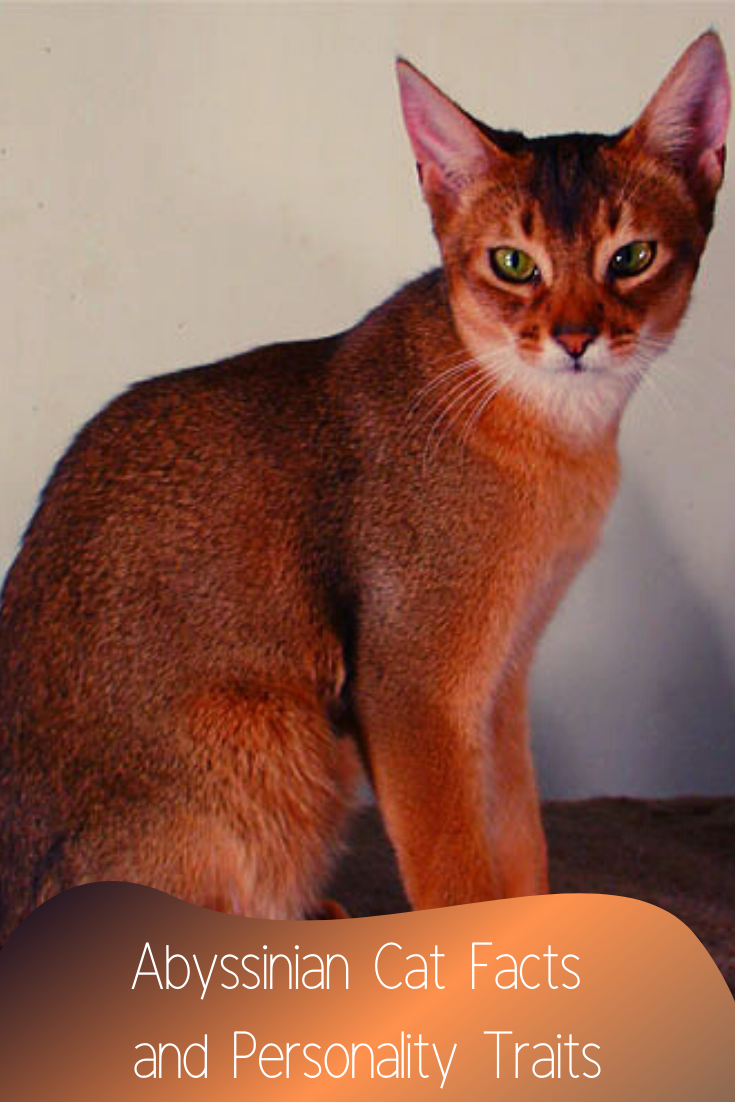
Abyssinian Cat Guide

фебруар 1, 2020 By liv parmel

The cat lover who wants a companion who is the epitome of the feline species can not make a better choice than an Abyssinian. A sleek, elegant mini-cougar with:

  • Magnificent alert ears
  • Sculptured exotic face
  • Radiant royal dignity
  • Regal beauty
  • A mischievous twinkle in his eye

Abyssinian Cat Breed Information

About Abyssinian Cat

The Abyssinian cat has a mysterious history that makes it a very interesting breed as it’s origins ore not entirely certain. As of late the Abyssinian has become one of the more popular cat breeds with some major cat publications ranking it among the top ten most popular breeds today.

Let’s talk about this breed, the history and overall characteristics that make it such a popular breed among cat lovers.

Abyssinian Cat Origins

There is a lot of debate and uncertainness over the actual origin of the Abyssinian cat breed. The main theory as to where it came involves Ancient Egypt. It is widely believed that the breed is a few thousand years old and that the Egyptians loved and adored this cat.

This theory can be supported by the fact that there are many paintings and art that depict cats that resemble what we know as the Abyssinian today. The name ‘Abyssinian’ is actually tied to Ethiopia, but Egypt is the most logical place that the cat came from.

Abyssinian Cat Appearance

The Abyssinian is very slender, long, and muscular in appearance with a medium length coat that is very silky in both touch and feel. If you have ever seen a Somali cat you will notice that there is a striking similarity.

Another prominent feature is the large and alert ears compared to the rest of its skinny body. The tail is also long, just like the rest of the body. Overall this breed is medium in size and weight compared to other felines.

Abyssinian Cat Color

The coat of Abyssinian cats is very unique compared to other breeds of cats; it is medium in length, dense and very silky. The coat of Abyssinian cats have a special feature where each hair has multiple shades of colors.

The hair usually has three or four bands, with the lighter color being at the root and darker color being at the tip.

This feature is found only in the Abyssinian, Somali and Singapura breeds, however this does not mean the coat needs special care or anything.

The dark and light colored coat, also referred to as ‘ticking’ involves a base color that is darker with a lighter colored root. There are only a few cat breeds that have this type of cat, which makes it even more unique.

There are a few color variations but the overall appearance hasn’t changed much over the years. Color variations include a cinnamon base, a beige color base, and there is also a light cream base color which is rare compared to the first two that were mentioned.

Other rare colors include red, chocolate, lilac, and tortoiseshell with just a few breeders focusing on these types of coats. There is also a silver Abyssinian but it current is not recognized by the CFA, making it unattractive as a pedigreed cat.

Abyssinian cats, or kittens are born with darker fur that turns into a lighter shade as they age and mature. It usually takes several months for the final color to settle in. The coat of Abyssinian cats may be: Sorrel, beige, black, blue, silver and the rare colors include tortoiseshell, chocolate, red, and lilac.

Abyssinian Cat Personality

The temperament of this cat is what makes it very attractive to prospective owners who want a feline that is not going to lay around and be a typical lazy cat. They are very outgoing, playful, and intelligent cats who thrive on interaction with their owners.

While their personality is very extroverted, this usually applies to affectionate towards their owners only. Strangers, for example can typically result in shyness from these cats as they feel uncertain and timid in unfamiliar situations.

Abyssinian Cat Personality Traits

  • Intelligent
  • Very Affectionate
  • Playful
  • Active
  • Alert
  • Inquisitive
  • Clever
  • Quiet
  • Possessive
  • People-Oriented
  • Water Loving
  • Elegant
  • Graceful
  • Quick
  • Responsive
  • Intuitive
  • Beautiful
  • Unique
  • Fascinating
  • Determined
  • Bold
  • Sensitive
  • Trusting
  • Mischievous

These are ideal cats for families that are willing to give the affectionate and attention that is needed. Abyssinians are one of the best breeds to have in a family setting, but don’t always play nice with other animals. They like to be the focus of attention and other cats can sometime cause jealousy or erratic behavior.

This doesn’t mean that you cannot have other animals or cats if you get one, but you should be aware that there may be extra social adjustment required to make it work.

You should definitely devote time to play with an Abyssinian (great for kids) and have plenty of toys available while you are away, as they will get into trouble!

If you watch some videos of the breed you will see that they definitely are thrill seekers, including exploring heights and other less traveled parts of your house.

Abyssinian Kittens

If you have just gotten a kitten from the breeder there are some things to consider. You should keep it in an area that is safe and free of unexpected dangers. What we mean by unexpected dangers are things that could potentially harm the kitten as they play or become curious.

Look around your house or specific room where the kitten will be and look for things that might be able to fall on them, tip over, and also cords and other electrical items that could be chewed on. Dangerous plants and other flowers that can be chewed on should also be put away.

As you may know, the Abyssinian breed is notorious for being curious and a bit risky as it plays…a real thrill seeker. You want to eliminate anything that is dangerous to your new baby. And just like a real baby, the new kitten does not know any better. Keep it safe by using common sense and knowing your environment.

Abyssinian Cat Feeding and Watering

Probably the most important part of caring for an Abyssinian cat is keeping a regular and fresh supply of dry food and water available at all times. You will want to keep the food and water in an area that is both private and accessible for your cat.

The brand of food that you choose isn’t as important as making sure they have a constant supply. There are many popular brands that have a specific kitten formula for new cats, an adult mixture for normal feeding, and even a senior formula that helps give the cat nutrition and help with joint problems.

Abyssinian Cat

Abyssinian Cat Grooming

Grooming this breed is really pretty easy because of their silky medium length coats. You probably want to do regular brushing a few times a week with a wire or coarse brush.

Bathing is generally not necessary unless they get into something very bad or that will not come off through brushing.

Nail clipping is a regular chore that may not be pleasant but is necessary to keep the claws at short length which will reduce the chance of getting your furniture clawed up as well as possible scratches to yourself or members of your family.

Declawing is something that some owners perform that we highly recommend against, but it is a personal decision. It is painful to the cat and really unnecessary as long as you do the proper clipping on a regular basis.

There are also plastic caps that are available as an alternative if you are really concerned about the claws doing damage or harming small children.

Abyssinian Cat Dental Care

Brushing the teeth on a regular basis of your Abyssinian is something that is very important to avoid dental problems for the future. Let’s be honest here… most cats hate having their teeth cleaned with brushes or rubber applicators that usually come with dental products for felines.

Regular cleanings can be done at the vet to help avoid serious dental problems in life. As well as feeding them treats such as greenies that they can chew on to help with bad breath and germs that collect in the mouth. Make an effort to have some type of dental plan to help your cat keep a mouth full of teeth as they age.

Abyssinian Affection and Attention

This section is very important for taking care of an Abyssinian cat. They require a high level of attention and affection to be the companion that you will love and enjoy having in your home.

Make a point to spend time playing with your cat on a regular basis and have a good variety of toys that they can play with on their own.

The Litter box

The type of litter box probably isn’t important as long as it is large enough for your cat to use and be comfortable in. For just one cat a smaller box might be ok, and with multiple cats you may want to consider a larger box or even two.

Clumping type litters should be avoided as they can cause dangerous situations where the litter expands inside the cat after being swallowed.

Again, the brand probably doesn’t matter as much as having a fresh and clean litter box as often as possible for your Abyssinian.

Consider scooping the box at least twice a day and completely changing the litter at least once a week to keep it fresh enough and free of odor.

Cats in general are very picky about this and you will know if you are not doing a good job because you will probably start finding little surprises around the house. You can avoid this completely by keeping the litter box fresh and clean.

Appearance of Abyssinian Cats

Something unique that Abyssinian cats have is something called the “M.” The “M” shaped marking above the eyes of the cat are also referred as “frown lines” and Abyssinian cats, every single one of them, have it.

Note that the “M” shaped marking does not mean something is wrong with Abyssinian cats, rather, it should be considered as wrinkles.

The head of Abyssinian cats is broad compared to the other breeds, and some-what wedge shaped. The eyes of Abyssinian cats can be described as “almond-shaped,” colors varying from gold, copper, hazel and green.

The ears of the Abyssinian cats are erect and alert, and large compared to the other breeds. They are broad and are slightly pointed at the tips.

Abyssinian Cat Size and Weight

They are a medium size breed compared to other cats. The body of Abyssinian cats is medium in length, and they tend to be very slender while having developed muscles at the same time.

The fine-boned legs are also very slender, and proportionate to the body. The paws are small and oval-shaped and their tails are rather long; sometimes as long as the body itself.

Most adult females are in the range of 8-10 lbs while adult males can get as large as 10-15 lbs.

Abyssinian Cat Lifespan

Usually 12-15 years of age is the average for the Abyssinian breed although it can be more or less depending on individual care and health of the cat.

Is Abyssinian Cat Good for Families?

The Abyssinian is definitely good with families, including children as they require and crave attention as much as possible. There are many indications that they may not do well with other cats or pets because of their desire to be the center of attention.

If you do have other pets it is recommended that you make sure to give them the extra attention that they need.

Most professional breeders will agree that Abyssinian cats are extroverted, and very active and playful. In most cases, Abyssinian cats are never „lap cats“, as they are considered one of the most active breed of cats.

Abyssinian cats love playing and exploring, and those two characteristics are the two main reasons why Abyssinian cats make great show cats. However, there are some Abyssinian cats that are very shy and timid- especially in public.

Abyssinian cats are also very intelligent; they do not take any kind of risks and are very sensible. They are physically capable of climbing to high places and they enjoy it.

They also love playing fetch and playing with strings like many cats do. Abyssinian cats also make great hunters, though you might not expect your Abyssinian cat to be one.

Категорије: Cats

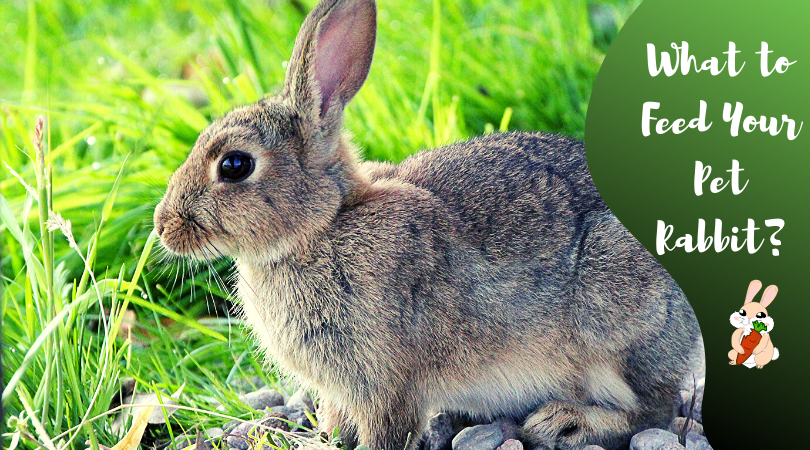
What Do Rabbits Eat?

јануар 26, 2020 By liv parmel

Many health problems in rabbits can be avoided through an appropriate diet. Rabbits have a somewhat complicated digestive system that requires food that is adapted to it. Rabbits are strict herbivores.

The right diet is important to keep your rabbit healthy and cheerful. And with all the misconception surrounding rabbit eating habits the right diet becomes a matter of life and death for the rabbit!

what to feed your pet rabbit

Feeding Rabbits Properly

Note that regular food from your refrigerator is not good for rabbits! And the common belief that a rabbit will eat just anything and stay healthy and playful is drastically wrong.

Rabbits are true vegetarians (the scientific term is herbivore). But the popular statement that rabbits eat only carrots and lettuce is way far from reality.

The truth is that a rabbit feeding carrots and lettuce will live a very short life and die is a very unpleasant manner. That is why, with all the misconception surrounding rabbit eating habits, it is also important to know what NOT to feed your rabbit.

There are certain foods to avoid at all costs. Tomatoes, cabbage, corn, beans, peas, potatoes, beets, onions, bamboo, and seeds hurt the digestive system of the rabbit. Chocolate, candy and other human foods are also unsuitable.

Pet rabbits eat timothy hay or grass, that’s the bulk of their diet, and food pellets. Fresh vegetables are given in small amounts as a treat because large amounts of vegetables are difficult to digest to rabbits.

Remember the following: It is vital to keep a rabbit’s digestive system constantly moving, so never let your bunnies go with nothing to eat, even overnight!

Rabbit Food

Rabbits have a somewhat complicated digestive system that requires food that is adapted to it. Rabbits are strict herbivores.

A typical rabbit diet should consist of the following:

  • Hay—provides the necessary fiber that aids the digestive system of rabbits in functioning.
  • Green shoots and vegetables—for example, leaf lettuces, parsley and other greens.
  • Fruits—these are treats for the animal. Most rabbits enjoy apples as they are sweet and have a hard surface that they can use to grind their teeth on.
  • Pellets—commercial feeds should form only a fraction of the total diet. Rabbits cannot survive healthily on pellets alone.
  • Water—should be available ad lib. The water should be changed at least once a day.

The rabbit enjoys variety almost as a human would. Repeating the same diet every day would reduce appetite and lead to health problems. It is recommended to have at least three different types of vegetables in the diet every day.

Hay or Grass

Your rabbit must always have grass or hay available, his or her diet should never consist of pellets only. Grass fibers are perfect for keeping a rabbit’s digestive system in constant work, that’s the natural food for wild rabbits.

Make sure the grass you give to your rabbit was not treated with with pesticides. Be careful not to give your rabbit too much Alfalfa Hay as it contains too much calcium for the bunny.

Pellets

Let your rabbit eat only quality pellets from a pet store. Pellets should not form the bulk of the rabbit’s diet, though rabbits love pellets and always want more.

Fresh Vegetables and Fruit

Fresh foods such as carrot, The statement that fruit and vegetables will cause diarrhea or other digestion problems is still under question, the opinions of breeders and veterinarians often diverge.

That is why, to stay on the safe side give your rabbit fresh vegetables and fruit in very small amounts as a treat, one type of food at a time.

Your rabbit will eat broccoli, parsley, kale, carrots (with tops!), dill, endive, mint, escarole, basil, culantro, cilantro, spinach, tomato, celery (cut up into small pieces, to avoid digestions problems with the tough strings!).

Berries and fruit such as mango, apple, banana, cherries, apricot, peach, plum, pineapple, apricot, papaya, berries should be give in very limited quantities for 2 reasons:

1) to avoid intestinal problems

2) not to indulge the rabbit and make him want sweet fruit instead of normal food.

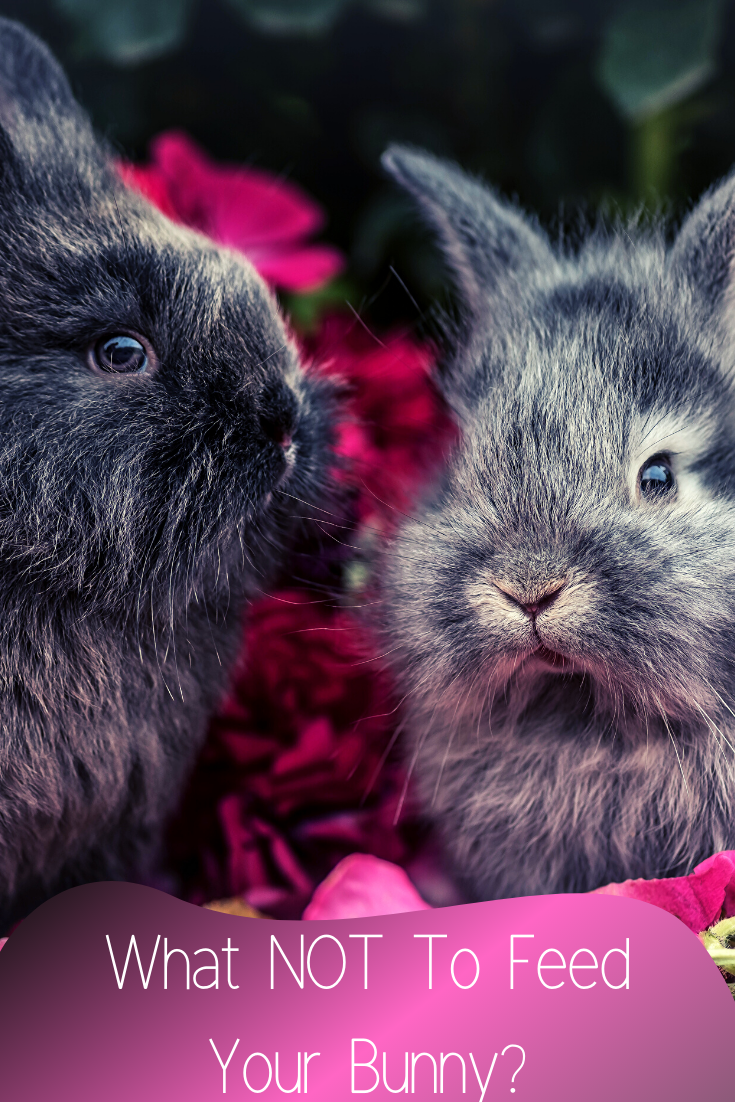
what not to feed your bunny

DO NOT Feed Your Rabbit This!

Rabbits are just like kids. And just like kids ready to swallow candies, cookies, chocolates and fast-food in huge amounts, rabbits readily eat the foods dangerous for their digestion and health if you allow them.

  • Meat: Rabbits are vegetarians.
  • Lettuce: But for some exceptions, lettuce will cause a severe diarrhea in your rabbit which may even kill it.
  • Chocolate, sweets, cookies, pasta, bread, chips, crackers or other foods high in carbohydrates.
  • Hamster or mice pellets
  • Clover: It may cause gas and rabbits are not able to expel the gas like many other animals, which may cause in bloated bowels and death.
  • Parsnip, cabbage, swedes, tomato leaves, potato tops.
  • Too many vegetables or fruit: Rabbits have very delicate digestive systems unable to digest large amounts of such food. A slice of apple or a small piece of carrot can be sometimes given as a treat.

Do Not Try to Feed Rabbits with Flowers

However, if your rabbit is running free in the garden make sure it won’t eat Tulips and other Bulbs, Arum Lilies, Daffodils, Jasmines, Dahlia, Ivy, Foxglove, Snowdrops, Delphiniums, Honeysuckle, Iris, Hemlock, Poppies, Deadly Nightshade, Primulas, Buttercups, Bluebells, Fairy Primrose, Anemones and Larkspur.

Feeding Your Pet Rabbit

It is important to feed your pet rabbit the right diet, as bunnies are susceptible to digestive problems and obesity. Commercial rabbit food, in the form of pellets, is not an adequate diet and can, in fact, lead to overweight and malnutrition.

The mainstay of a rabbit’s diet should be hay. Fresh grass hay, such as timothy or oat hay, should be available at all times, starting when the bunny is six or seven months old. Additionally, grown bunnies need between two and four cups daily of fresh vegetables.

The best vegetables for rabbits are, of course, carrots and carrot tops, greens such as collards and dandelion greens, and dark leafy lettuces such as romaine. Some greens are high in oxalates, which should be given no more than three times per week.

There are some vegetables to avoid: cauliflower, cabbage, beans, rhubarb and potatoes can be harmful to rabbits.

Finally, a small serving of fresh, high quality pellets can be a useful dietary supplement. But make sure that hay and vegetables are the mainstays of your bunny’s diet. And if you want to give your rabbit a treat, a small serving of fresh fruit is a good choice.

Категорије: Rabbits

All You Need to Know About Macaws Parrots

јануар 19, 2020 By liv parmel

Macaws are beautiful birds that can be wonderful companion parrots. It is hard to resist these comical, colorful parrots that are simply full of personality. They have been kept as companions for centuries. In the United States, it is documented that Pueblo Indians have these prized parrot as far back as 1100 A.D.

Detailed Information You Need to Know About Macaw Parrot

Is a Macaw Parrot the Right Pet for You

If you are considering adding a Macaw to your live, keep in mind this is a really big decision. These parrots are highly intelligent and require a lot of time and care from their human flock. They also require study, safe cages for the time that you can’t be there to supervise them outside the cage.

They can be noisy and therefore may not be the best choice for apartment dwellers who want to add a parrot to their lives.

Macaws Make Wonderful Pets

Many of the Macaw species are available for sale and they vary in price. Yes they make really good talkers if you take the time to work with them. Macaws are very active and need a good nutritious diet.

They like to be scratched and cuddled. They can learn to accept multiple members of a family with a little work. Hand-fed baby Macaws are very sweet and do make fun pets for people willing to properly care for them.

Macaw Species

The large Macaw species that are most commonly found for sale are: Blue and Gold Macaws, Greenwing Macaws, Scarlet Macaws, Military Macaws, Red Fronted Macaws, Blue Throated Macaws, and Hyacinth Macaws.

The different species vary in price depending on availability and rarity. I must say, though, that all Macaws are great parrots. Babies and adults of all species are fun to keep as pets.

Which Macaw Species to Own

For those that can provide the right home for a Macaw, the hardest part of the decision is choosing which Macaw species to own. Macaws are not inexpensive; even the small species cost several hundred dollars and the large Hyacinth Macaw, an absolutely gorgeous parrot, can cost as much as $25,000!

You also have to provide a large, sturdy cage for your Macaw, and this is another large expense. You’ll need to provide veterinary care as needed with at least one check-up per year, as well as food and lots of toys which will almost immediately be destroyed by the large, strong beak.

But any happy Macaw owner will tell you it is well worth every cent of the cost to be loved by one of these magnificent, elegant feathered creatures.

Blue and Gold Macaws

Just about everyone loves the beautiful blue and gold Macaws. These birds are commonly seen the companion parrot market and they adapt to live with humans quite easily. These big birds have three color variations, all of which are mainly blue and gold but with slightly different patterns.

Greenwing Macaw

The greenwing Macaw is the Macaw whose name and color just do not match! These birds are mainly red with a band of green on the wings. These are not seen in the pet market as commonly as the blue and gold, but more are being seen recently.

They are very smart and extremely mischievous. There are two subspecies of greenwing Macaws, both are among the largest Macaw species.

Hyacinth Macaw

The Hyacinth Macaw is a rare and gorgeous parrot. The blue-violet plumage combined with the bright yellow skin and loving, gentle nature makes this one of the most sought-after Macaws, but also the most expensive.

Because the numbers in the wild are on the decline, any responsible Hyacinth Macaw owner should breed the parrot once it reaches adulthood.

Military Macaw

The military Macaw is red and green, but a bit more muted tones than some of the other Macaws. They are still beautiful birds and have tons of personality and are frequently very talented talkers. They are slightly smaller than the blue and gold and other large Macaws listed above.

Hahn’s Macaw

The Hahn’s Macaw is the smallest Macaw commonly seen on the pet market. This little guy is full of personality but in a smaller package. Sometimes called the “mini Macaw” because of its size, it is the least expensive of the Macaws and can easily fit into a home that isn’t well suited for the bigger Macaws.

Red Fronted Macaw (Ara Rubrogenys)

Comical and attentive these Macaws are much smaller than those more commonly seen. They have pleasant voices and a mischievous nature. They enjoy peanuts and corn.

One of the mid-range Macaws, these two foot long birds are about a foot shorter than their larger family members. What they lose in size, they make up for in personality. Though certainly not as common as Blue and Golds and Scarlets, captive bred birds are usually available.

Scarlet Macaw (Ara Macao)

Nature created a spectacular combination of color in this Macaw. They are in the top ten of the worlds most beautiful parrots. Preferring the love of the immediate family over large crowds. They can become real show-offs if introduced to the public life at a young age. The most impressionable of the large Macaws, Scarlets are particularly sensitive to mistreatment of any type.

They have sometimes been called “nippy,” but if raised in a loving environment, allowed daily freedom from their cages and played with, they will match any Blue and Gold. They are highly sensitive to their environment and do poorly if raised in isolation.

They can be the most loving and adoring member of the family, but if mistreated when they are raised or teased they can become headstrong and unhappy. There are several variations of the Scarlet; most notably an uncommon variety with emerald green on the wing along with the yellow; and the more common wide patch of yellow.

Their declining populations in the wild continues to cause great concern for tropical environmentalists.

Macaws as Pets

Provided they are given a healthy diet, allowed freedom from their cage and given lots of attention Macaws will be life long companions. These birds are so long lived that several dogs and cats will have been born and died in one Macaw’s lifetime in your home.

It is because of this longevity that deciding on a pet Macaw should not be taken lightly. This is not the time for impulse buying that you might regret later.

While a number of Macaw species are now commonly bred in the U.S. and elsewhere in the world, certain species remain difficult to breed and their populations remain low in the wild.

The wild populations of Buffon’s, Hyacinth and Blue-throated Macaws have severely declined in recent years. In my opinion they are still too rare to be used as pets. I would, however, encourage serious breeders to work with these species.

Do Macaws Make Good Pets

Macaw Health

This is the single most important consideration when purchasing your Macaw. Anyone selling a Macaw should be willing to have their bird checked by an avian veterinarian before you take it home.

Included in that exam should be a Complete Blood Count (known as a CBC), cultures of the throat and vent, and a Chlamydia (psittacosis) screen. It takes about two days for the results of these tests to be determined. A signed vet certificate should accompany the bird.

If all the tests and the exam reveal no apparent disease you can feel fairly confident about your purchase. As a precaution all new birds should still be quarantined from the rest of your birds for a minimum of 45 days.

Age of Macaw

The age is less important than the health and temperament of the bird. Buying a young bird does not guarantee tameness and buying an older Macaw does not mean the bird will not make a good pet. Macaws are individuals.

Macaws will continue to grow until they are about a year and a half old. Baby Macaws have dark eyes which lighten as they age, except for Buffon’s and Hyacinths which remain dark when they are mature.

Male or Female Macaw

The gender is not important for pet purposes. The only reason to desire a certain sex would be to breed or prevent breeding.

Some pet owners may desire to get birds that are the same sex as the birds they already have to avoid breeding. With some species them appears to be fewer of one or the other sex. Because of this there is a greater demand from breeders for these rarer birds.

From a temperament standpoint I see few differences. There are introverts and extroverts in both sexes. The males are not always larger than the females. This varies more due to their genetic background and the species. Talking ability does not seem to be sex related.

Macaw Talking

Large Macaws do talk quite well if you put the time into teaching them. Unlike some smaller parrots their voice is quite loud so when they speak it’s not difficult to know what they’re saying. Be careful what you teach them, though, because it’s not as easy to eliminate colorful words from their vocabulary, if you you know what I mean.

Macaw Diet

A Macaws’ diet is made up of fruits, vegetables, nuts, a good seed mix, and mineral/vitamin supplements. Pellets can be added to the diet to eliminate the need for vitamin supplements. Pellets should not replace any other part of the diet.

Peanuts and other non-salted nuts should be given as Macaws need more fat than other parrots. Foods that should not be fed are: anything with caffeine, anything with lots of salt, no chocolate. skip onions tomatoes and avocado.

Macaw Handling

Handling and cuddling are a very important part of the whole Macaw experience. They love it! There’s nothing like a good scratch or gentle hug. Yes, everyone in the family should take part in this experience so that your pet Macaw doesn’t form a strong bond with any one person.

Macaw Behavior

Behavior is a huge issue when keeping pet birds. In fact the number one reason people get rid of their bird is because they can no longer deal with a behavior problem. Most if not all problems can be avoided or corrected if you learn to understand bird behavior. I would recommend learning as much as you possibly can.

Look for book authors who have actually studied field guides and wild bird behavior. Remember, a nutritious diet, daily handling, short training sessions for desired behavior (like talking), and a good bird behavior book will get you rolling into the world of the majestic Macaws.

Locating a Macaw

There are primarily three ways to acquire a bird; a pet shop, pet owner or directly from the breeder. In addition, your veterinarian might be helpful in providing information on available birds.

The Macaws Birds History

The more information you can find out about the bird’s lifestyle before you get them the better.

How are they housed, inside or outside? What temperature range are they used to? What is their diet? Knowing their favorite foods might make their adjustment to your home less stressful. Are they able to fly?

This will have an affect on how you position the perches. Learn as much about their feather condition, personality and previous medical history as possible.

Find out what other types of birds are on the premises. This will help you assess the risk factor of bringing in this new bird. When did the seller last get a new bird? This is also important.

If they are not following a strict quarantine of new arrivals, the bird you wish to purchase might have been exposed to this new bird.

What does the purchase price include? Will the owner have an avian veterinarian check the bird? What will that include? Suggested protocol would be a complete physical exam, blood work, cultures of the vent and throat, and chlamydia screen.

Different species might require different tests be done. Who will pay for that exam? Will the owner include written information about the bird? What is the return policy? These things all need to be discussed prior to your purchase.

Cost of the Macaw Bird

Just like with other commodities the cost is based on rarity. If the bird is uncommon in captivity or in the wild, you can expect to pay a higher price. If the bird is bred frequently in captivity, the cost will normally reflect this. If the seller has done all the veterinarian checks, sex determination and weaning you can expect to pay more.

This is beneficial to the buyer who otherwise would have to do it himself As many people have found out a higher cost does not guarantee a healthy bird.

If you can give a Macaw a loving, caring, safe, and healthy home, you’ll have a cuddly friend for live. You might even consider looking into adopting a Macaw that needs to be re-homed as an option.

This can save you a great deal of the cost of purchase but does require that you invest some time working with parrots and submit to a screening process. It is well worthwhile to have the satisfaction of having a Macaw that needs a loving home come to love you and your family.

Категорије: Birds, Parrot Pet

Why Do Cats Purr?

јануар 13, 2020 By liv parmel

The cat is a pet treasured for its independent and slightly aloof nature. Unlike with dogs, humans have to earn the affection and loyalty of their feline companions. Perhaps that is why having a cat curled up nearby, purring contentedly, is such a rewarding moment for those who love them.

But have you ever asked yourself, „Why do cats purr?“ Many have wondered, but if cats know the answer they aren’t going to tell us any time soon. This has prompted much research and generated a number of different answers, each just as likely as the last.

why do cats purr

Many believe that a cat purrs as a form of communication to other animals. When a kitten is born, it is both blind and deaf. It relies on the mother’s purr for food and comfort. A kitten develops the ability to purr when it is two days old, and this is an effective way for the kitten and mother to communicate.

Why Do Cats Purr and What Does it Mean?

Part of the mystery surrounding the question of why do cats purr is whether or not it is a form of communication and, if so, what are cats trying to communicate?

Most people think their cats purr when they are happy, but cats have been shown to purr when they are resting, nursing, eating, sick, injured or frightened. That’s a lot of emotional states for one sound to cover!

One clue is that kittens can purr at just two days old, long before they can meow or hiss. Some people believe that a kitten purrs to its mother to let her know that its alright, and the mother purrs back in reassurance.

Much like cats’ tendency to knead years after they’ve been weaned, purring may continue as a call for attention in many different situations.

How Can Cat Purring Help Heal Bones?

Another theory asserts that purring is much more than just a unique form of communication. A scientific study found that purring may in fact support cats’ lazy lifestyles.

Spending the majority of the day sleeping can lead to serious muscle loss and bone decay, but the vibrations created by purring may be the perfect frequency to stimulate a cat’s muscles. This would improve bone density, help injuries heal faster and keep the cat fit, all while saving valuable energy as the cat rests.

This intriguing find may someday help astronauts, who suffer from similar physical damage while in space. With the right frequency, a simulated purr could help future space travelers stay strong and healthy.

Cat’s Purr is a Sign of Friendship

Many veterinarians believe that the answer to why cats purr is to let other animals know that they are not a threatening presence. Cats are not the only species that have the ability to purr. This leads veterinarians to believe that a purr can be used as a signal to threatening animals.

This also leads to the belief that the purr is a sign of friendship. It has been shown that if the cat is anxious or in a tense situation, it may purr as a method of avoiding harm. Scientists strongly believe that the answer to “why do cats purr?” is highly associated with the emotions of the cats.

How Do Cats Purr

But „Why do cats purr?“ is not the only big question around this strange feline vocalization. The truth is, nobody even knows exactly how cats purr to begin with.

Cats have no special organ to help them make the sound, but it’s believed they use a special trick to constrict and expand their airway and produce the harmonious fluctuations of a purr.

By vibrating their vocal cords in that pattern, cats cause a strand of bones along their throat to vibrate, and thus emit a sound that no other family of animals can mimic.

what does it mean when a cat is purring

What Other Animals Make Purring Sounds?

Those tiny bones that allow cats to purr can be found in several other cat species, including bobcats, ocelots and other small felines.

Their bigger cousins, such as lions and tigers, however, are unable to purr. This is because of a string of tough cartilage that runs over the bones in their neck. It makes it impossible to purr, but because of it the big cats have a much more formidable noise: a full-throated roar!

The ability to purr or roar is what distinguishes big cats from little cats. The cheetah, for example, is quite large, but because it purrs it is classified with the common house-cat.

Cat’s Purr Healing Humans

Scientists believe that a cat purrs as a healing method for humans. Cat owners, especially owners that are older have shown to have lower blood pressure than someone who does not own a cat. This is sometimes why cats are approved as a healing animal in retirement communities.

Cats have also been shown to have a therapeutic effect on their owners. A cat will offer arrange itself so that its body is placed over the painful area of their owner. Their purring has shown to produce vibrations that help to reduce pain.

Cats Purr For Many Different Reasons

Cats have been one of mankind’s oldest allies, but they do not give up their secrets easily. „Why do cats purr?“ is a simple question, but it appears to have a very complex answer. In reality, cats probably use purring as a combination of every theory listed above.

Whether it is a comforting sound for a newborn kitten, a healing vibration throughout a cat’s muscles and bones or a simple indication that the cat means no harm, purring is nonetheless just as soothing for humans as it seems to be for cats.

Owners can certainly appreciate it as yet another fascinating facet of that animal that has intrigued humans throughout history: the cat.

Категорије: Cats

Why do Dogs Eat Grass? Reasons and Prevention

јануар 7, 2020 By liv parmel

How many times you have found your dog eating grass, a bit worried and perhaps confused too? Most dog owners must have seen their dog eating grass at least once in their life time. Not just that you might have also heard retching noise followed by vomiting. However, should you be really worried about it? The answer is a big no.

why is my dog eating grass

A Common Disorder – Pica

The technical term for this type of disorder in which a dog eats grass is pica, and this is what happens when the dog eats things that are not termed as food. It sometimes indicates that the dog has some kind of deficiency; however, this is generally when the puppies are bored.

Dog Eating Grass and Vomiting

Eating grass and vomiting is a common practice of dogs. It is completely natural, and can also be observed in wild dogs. Veterinarians do not consider this an abnormal behavior. A survey about dogs eating plants showed that grass is the plant most commonly eaten by dogs with this disorder.

Reasons Why do Dogs Eat Grass?

Although even veterinary experts cannot give the exact reasons for such behavior of dogs, some of the most believed of those include:

  • A few experts are of the view that dogs eat grass to make themselves feel better when they are unwell. However, the idea is disputed by many by saying that dogs do not have the wisdom to use grass as a remedy. Also, careful analysis shows most dogs are not unwell before eating grass.
  • Other experts believe that the reason for this behavior can be a natural. They might do this to treat intestinal worms or parasites and improve digestion in turn. This may be a behavior inherited from the ancestors.
  • Another simple reason that can be concluded is that a dog simply likes the taste of grass. It is suggested that this taste reminds them of their prey. The prey of dog mainly consists of herbivores and there is undigested plant matter in their stomach. It is possible that eating grass is reminiscent of the taste of its natural prey.
  • Another reason may be that they are fulfilling certain nutritional needs which are not met. However, this reason is dismissed by most vets.

Should the dog be stopped from eating grass?

Although most vets agree that grass is not harmful for dogs but they should still be stopped in case the lawn has been sprayed with pesticides or herbicides. These are generally used in lawns and can be harmful for the dog if ingested. They can lead to pet poisoning. There are also some plants that are poisonous for dogs.

It is important to stop dogs from grazing in lawns that have been freshly treated with chemicals. You can allow them to graze in lawns that are provided with some doggy grass free from any kind of chemicals. Be careful to not walk them in lawns that have been treated using toxic substances.

If Your Dog Is Eating Grass On Regular Basis You Should Visit a Vet

The important point to note here is that if the dog does this on regular basis, it is important to consult a vet and get this behavior checked. The dog may be suffering from some gastrointestinal problems. Normally, grass passes down the dog’s digestive tract easily; however, there are a few things that should be taken care of.

Thick stemmed and non-cultivated grass may have barbs that can cut dog’s esophagus. This may also result in the presence of some blood in the dog’s vomit.

How stop the dog from eating grass?

Here are a few points that if kept in mind can prevent a dog from eating grass.

  • The owner of dog should ensure that it is getting enough exercise. Try to engage it in interesting activities like Frisbee tossing or playing some other interesting and interactive game. You can also buy chew toy to keep him busy. The main motive behind these things is that the dog should be kept occupied in something or the other to prevent it from getting bored.
  • If however you feel that the dog is eating grass due to nutritional deficiency then switch to a food which is better. A food rich in fiber can help alleviate the problem.

Often, it is believed that the dogs are carnivorous. However, it is not the exact word that explains the eating habits of dog. The fact is dogs are omnivorous and they can eat meat as well as green plants. Almost every dog nibbles grass at times, and some dogs eat the grass all the time.

This certainly arises a question that why do dogs eat grass. Do they like the taste of grass or grass is a part of their dietary needs? And if the answer is yes, why does it cause vomiting after all? There are certain theories and beliefs that may help you to find the answer to why do dogs eat grass.

reasons why dogs eat grass

Dogs May Eat Grass to Fulfill a Nutritional Requirement

Truthfully, no expert or vet can tell you the rightful answer to the question why do dogs eat grass. However, according to the theories when dogs are not fed well, at that time they nibble grass to fulfill the requirements of nutrients for their body. This theory is contradictory to the belief that eating grass induces vomiting in dogs.

Well, a survey on why do dogs eat grass suggest that dogs rarely vomit after eating grass. This survey reports also suggest that eating grass is a normal habit of dogs. So, if your dog has this habit then you must not worry about.

However, it is also a fact that grass have 98% of water and carbohydrate. Moreover, grasses have lower levels of any other kind of nutrients. This doesn’t prove that grasses are essential for fulfilling the need of nutrients.

Dogs Eat Grass Because of Their Evolutionary Genes

Genetic inheritance is another theory that provides adequate correlation of why do dogs eat grass. It is a fact that wolves are the ancestors of dog. And, possibly the best answer to why do dogs eat grass is their ancestor’s eating behavior.

Usually, when wolves kill their prey, which are mostly herbivores, they end up eating plants and berries from the intestine and stomach of their prey. This could have developed a craving of green plants in wolves.

Dogs Eat Grass Because They Crave for Green Plants

The exact reason of why do dogs eat grass is yet not clear. But, it is certain that eating grass do not help a dog in either way. According to the theories of why do dogs eat grass, it is concluded that occasionally a dog crave for green plants.

To eliminate this habit you can add tomatoes, chopped apples or carrots in raw form or steamed. Also, be sure that raisins, grapes and onions are not included in their dietary, as these are toxic food to dogs. Some experts also suggest that adding a sprinkle of bran or broccoli to the dietary may suppress the grass-eating cravings of a dog.

Категорије: Dogs

  • « Go to Previous Page
  • Страница 1
  • Interim pages omitted …
  • Страница 9
  • Страница 10
  • Страница 11
  • Страница 12
  • Страница 13
  • Interim pages omitted …
  • Страница 22
  • Go to Next Page »

Primary Sidebar

Small Fish Tank

Glass Fish Tank

Категорије

  • Animals
  • Birds
  • Cats
  • Dogs
  • Fish
  • Goldfish
  • Guinea Pig
  • Hamster
  • Horses
  • Name Inspiration
  • Parrot Pet
  • Rabbits
  • Reptile Names

Скорашњи чланци

  • Hoppy Naming! Adorable and Funny Easter-Inspired Guinea Pig Names
  • Purr-fectly Adorable: Valentine’s Day Cat Names for Your Feline Friend
  • Astronomy Inspired Cat Names
  • James Bond Cat Names: Purr-fectly Suave Options for Your Feline 007
  • 170 Authentic Greek Names For Cats
  • Hippie Cat Names
  • Ladybug Facts For Kids
  • Unique White Horse Names with Meanings: From Majestic to Mystical
  • Disney Turtle Names: 160+ Names For Turtles From Disney Movies
  • 100+ Names For Black Horses With Meanings

Guinea Pig Cage

Large cage for your guinea pig

Ознаке

Best family parrots Best Gifts for Cat Lovers Best Hamster Toys Best parrot for beginners Best parrot for kids Best Small Dogs For Kids Boy Cat Names Can Guinea Pigs Eat Celery Cat Names Cat names for pairs Dog Behavior Dog Throwing up Dog Vomiting eat Female Bengal Cat Names Female guinea pig names Funny goldfish names Goldfish aquarium Goldfish names Gold Fish Names Goldfish tank Goldfish varieties Guinea Pig Guinea pig names Guinea pigs Male guinea pig names Manx Cat Names Names for Goldfish Names for guinea pigs Names for pink fish persian cat personality Siamese cats Small curly haired dogs Small dog breeds Sounds Twin cat names Types of goldfish Undigested food Unique guinea pig names What can guinea pigs eat Winter White Hamster Care Winter White Hamster Colors Winter White Hamster Diet Winter White Hamster Facts Winter White Hamster Life Span

Disclaimer:

This website „PETSIUM“ is not liable for any outcome or damage resulting from information obtained from these articles.

The articles provided here are for information and entertainment purposes only. The decision to use, or not to use, any of this information is the sole responsibility of the reader.

Any medical related content in any articles is not intended as diagnosis, treatment or prescription. It is not intended to be a medical advice and is not a substitute for professional medical advice. Please consult with a licensed health care practitioner if you are dealing with a serious medical problem.

Hamster Cage

Hamster Cage

Footer

Petsium – Veštačka Inteligencija

Dobrodošli na Petsium, vašeg novog saputnika za brzo, precizno i potpuno besplatno AI iskustvo. Ovde možete da postavite bilo koje pitanje – od pisanja eseja, preko tehničkih izazova u kodiranju, do saveta za svakodnevne zadatke – i dobićete odgovor prilagođen upravo vama. Sve to bez registracije, bez komplikovanih menija i bez skrivenih troškova.


© 2026 Petsium · Privacy Policy