• Skip to primary navigation
  • Skip to main content
  • Skip to primary sidebar
  • Skip to footer

Petsium - Veštačka Inteligencija | AI

Vestacka Inteligencija Aplikacija i Chat

  • Vestacka Inteligencija
  • Kontakt
  • Uslovi Koriscenja

liv parmel

What To Do If Your Dog Eats Chocolate

јул 22, 2020 By liv parmel

Would you know what to do if your dog eats chocolate? There is a chemical naturally occurring in chocolate that is seriously poisonous to dogs.

What To Do If a Dog Eats Chocolate

If you suspect that your dog has been given chocolate, you will have to know what to do immediately.
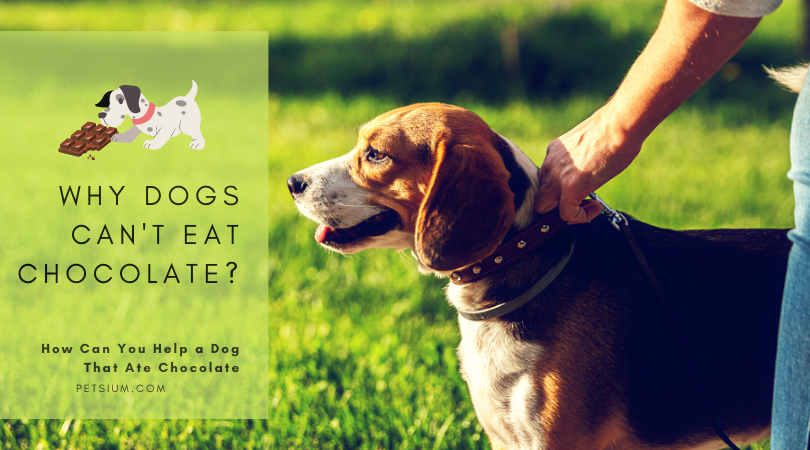
why dogs can't eat chocolate

Why Chocolate is Bad for Dogs

Chocolate is highly toxic to dogs. The cocoa bean contains theobromine and caffeine both of which can cause sudden doggy death.

Caffeine and theobromine are from the same class of chemicals and are molecularly nearly identical, producing similar nervous system and cardiac effects in dogs as we observe in a human who consumed way too many red bulls.

Many animals including dogs can not metabolize theobromine effectively and a build up of theobromine after consuming chocolate can lead to death.

Chocolate and especially strong dark chocolate is poisonous to dogs and can be lethal, but it is surprising how many people do not know it.

It is bad enough that a lot of adults are not aware of the fact that chocolate is poison to dogs, but hardly any children know it either and that is far worse.

It is almost second nature for a child to share a treat with a favorite pet; be it a bar of chocolate, chocolate ice cream or chocolate chip cookies.

So, the question is: what to do if a dog eats chocolate?

My Dog Ate Chocolate. What now?

The most important thing one can do to save dog is to figure out just how much and what kind of chocolate dog ate.

Fatal levels of theobromine are about 100-200 mg for every pound the dog weighs.

  • Milk chocolate 64 mg theobromine/ounce
  • Dark chocolate 150 mg theobromine/ounce
  • Baking Chocolate 440 mg theobromine/ounce
  • Cocoa powder 808 mg theobromine/ounce
  • Cocoa garden mulch ( I would suggest not using it in the garden at all. You may never notice a few mulch chips missing).

Cocoa powder poses a far greater threat to a pet compared to milk chocolate.

Doing the math can help to relieve a worried owner (if doggy only ate a few hershey’s kisses).

If you believe that your dog has eaten anywhere close to the fatal dose and is showing symptoms please seek out medical help!

Dog Chocolate Symptoms

If your dog has eaten chocolate, there may be no symptoms – it depends on the amount of chocolate and the body weight of the dog.

But over a few hours you may see some or all of the following symptoms: vomiting, diarrhea, hyperactivity, heart arrhythmia and twitching. Frequent urination is also a frequent sign.

If you definitely know that your dog has eaten chocolate, then you should definitely take your dog to a vet for a stomach pump.

If you are unsure, you could try to make your dog drink a lot or be sick, but this is not easy with a hyperactive, distressed dog.

If your dog shows symptoms of chocolate poisoning and they do not decrease, your dog could take a rapid turn for the worse and die very quickly, because the toxins in chocolate work on the nervous system.

The active ingredient in chocolate that affects dogs is theobromine cocoa and it directly affects the central nervous system and so the heart as well.

This produces heart palpitations and twitching which throws dogs into panic.

Sometimes seizures are a result. Small dogs can die after eating only one square of chocolate, larger dogs may suffer for hours on the same amount.
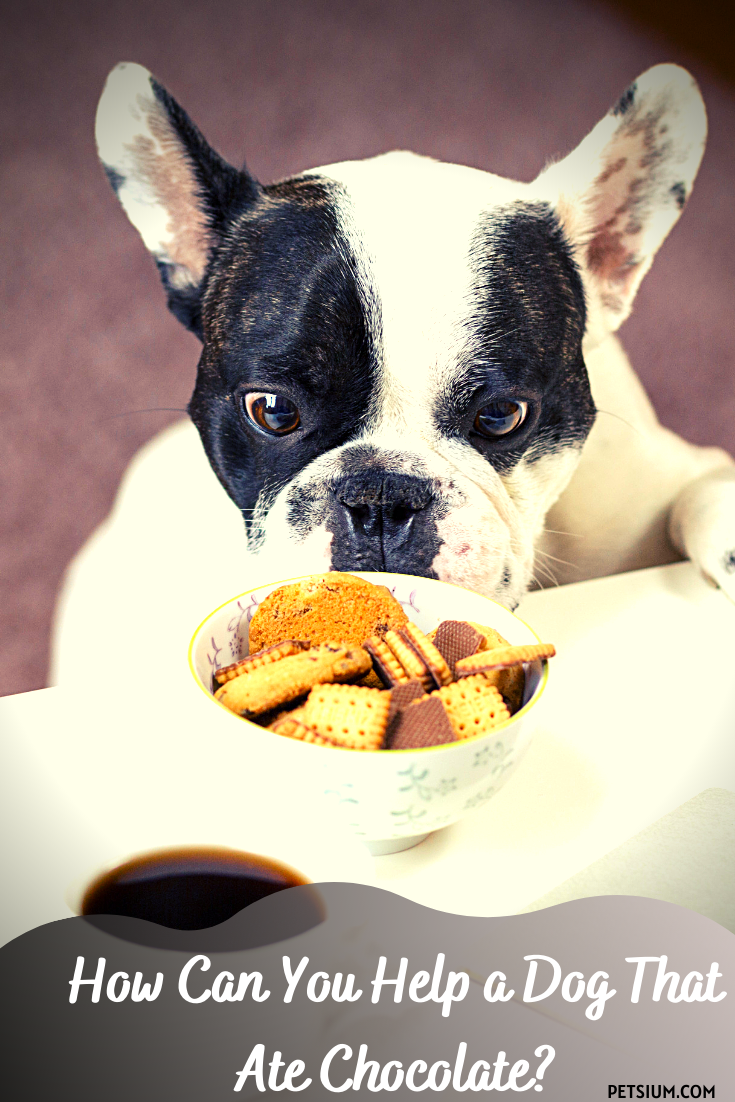
Dog Chocolate Symptoms

How to Treat Chocolate Poisoning in Dogs

If your dog is at special risk of being fed chocolate, you should take precautions. For example, if you take your dog to work or if you live near a school, your dog is at risk from well-wishers feeding chocolate to your dog.

The precautions you can take include buying an emergency kit from your vet.

This kit will usually include activated charcoal, hydrogen peroxide and syrup of Ipecac.

Then you will have to learn how to use them.

For example, activated charcoal will absorb poisons and hydrogen peroxide mixed with water will make your dog sick, clearing its stomach.

As a substitute, burned toast might work in a similar fashion to charcoal, but only if you can make your dog eat it, of course.

The hydrogen peroxide solution should be three percent hydrogen peroxide to water solution.

Give your dog 1-2 tea spoons for a smaller dog, 3-4 tables spoons for a larger dog every 10-15 minutes until you produce vomiting.

The sequence is actually: produce vomitting and then administer the charcoal to soak up any residual theobromine.

If you do not have instructions for the activated charcoal, give one teaspoon full to a dog under 25 k and two to a larger dog.

Obviously, prevention is better than cure, so tell your family that chocolate is poisonous to dogs or better still tell everyone that you want your dog to only accept food from yourself.

This can become important later if your dog develops diabetes or another disease.

Symptoms of Chocolate Poisoning in Dogs

The first sign of chocolate toxicity is a cracked out dog, acting just like someone who has consumed way too much caffeine.

The dog will probably show symptoms of hyperactivity, excessive thirst and urination, twitching muscles, raised blood pressure, or excessive panting.

Hyperactivity will probably be the most obvious and observable effect. Symptoms can progress to a seizure, coma, hyperthermia, or heart attack.

If you know the chocolate was consumed within the last few hours inducing vomiting may lower the amount of theobromine that can be absorbed by the dog.

Further vet care will be required immediately if the dog has consumed a large dose.

There is no specific antidote for chocolate poisoning but the time it takes for half of the theobromine to leave the dog’s system is about 20 hours.

After 20 hours, the immediate threat has probably passed and we can all breathe a little easier.

Chocolate Poisoning and Your Dog

You should never give your dog chocolate as a treat, and you should always keep a watchful eye when children are around, or there are a lot of visitors in your home.

Make sure to always keep chocolate away from your dog to avoid any possible poisoning.

This being said, your dog will not need to be rushed to the hospital if he eats a single M&M.;

The types of chocolate vary in levels of theobromine. Baking chocolate contains the most, where as white chocolate contains very little amount.

Baking Chocolate

This type of chocolate, also known as unsweetened chocolate contains 10 times the amount of theobromine as milk chocolate.

It contains roughly 450mg of theobromine per ounce, where as milk chocolate would only contain about 50mg per ounce of chocolate.

Your dog would only have to consume 1 ounce of baker’s chocolate per 9 pounds to make him sick.

The level of illness depends on your dog’s overall health, allergies and sensitivity to theobromine.

White Chocolate

So, if white chocolate contains such a significant amount of theobromine, can my dog eat white chocolate?

The answer is still no.

Although the amount of theobromine in white chocolate is very little, white chocolate still contains sugar and caffeine, both of which are not good for your dog in any way.

Sugar can create problems in the long run such as diabetes, where as caffeine can still affect your dog’s nervous system negatively, especially if you own a small breed dog.

Feeding a dog chocolate is not the right thing to do – ever.

Not all dogs are the same; breed, age, activity levels and the amount of chocolate consumed by the dog will all contribute to the toxicity level that will affect the dog.

I know it can be difficult to resist sharing your chocolate treats with your best friend…

I hope you now have a good idea what to do if your dog eats chocolate.
Категорије: Dogs

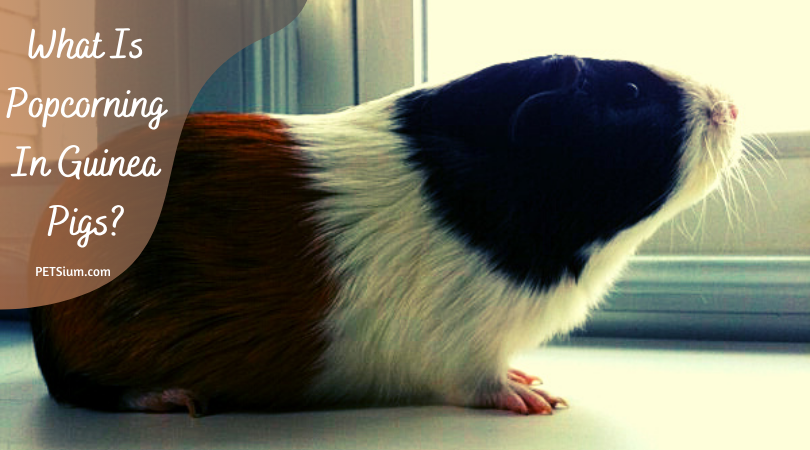
Guinea Pig Behaviour: Popcorning

јул 15, 2020 By liv parmel

It was the second week of owning guinea pigs.

Our herd was just a duo back then!

We were putting food in the cage when we noticed one of your guinea pigs behaving oddly.

He was trying to eat his veggies but kept having an uncontrollable hop in the air.

We didn’t have any idea why; in fact, we thought he might be ill!

what is popcorning in guinea pigs

We raced to Google to search for why guinea pigs would jump, seemingly uncontrollably.

And there was the answer : he was popcorning.

In that particular case, mostly likely because he’d come to learn the household routine and was excited about it being dinner time!

Why Do Guinea Pigs Popcorn?

The popcorning behaviour sometimes goes by other names but most guinea pig aficionados know it by popcorning; because like popping corn, they pop in all different directions!

Popcorning behaviour can include running, jumping, skipping, hopping, kicking one or more legs out, mid-air twists, head bows and other sudden movements.

In general, popcorning is said to be a behaviour displayed by guinea pigs when they’re happy or excited about something.

It’s worth noting though that popcorning may be related to stotting, a behaviour observed in quadrupeds often displayed in response to a predator.

We personally haven’t observed this in our guinea pigs but have heard of guinea pigs popcorning in response to something that frightened them.

Popcorning is more common in young guinea pigs but can also be seen in adults.

Whether your guinea pig displays a little or a lot of popcorning behaviour also depends on their individual personality.

Some guinea pigs will popcorn a lot, others won’t.

why do guinea pigs jump

It can be a helpful indicator of their health and happiness but it isn’t a definitive guide so the best advice is to get to you know your own guinea pig(s), their personalities and individual behaviour patterns.

Guinea Pigs – Communication

Guinea Pigs communicate with both body language and sounds.

If a young or adult Guinea Pig squeals loudly, it’s hungry or just needs human contact. Also a loud squeal may be an in danger warning.

Squeaks, grunts, and coos are the sounds of contentment and pleasure. The angry chattering is the precursor to a fight or a bite.

The low constant rumbling rattle is a sexual behavior.

If a Guinea Pig leaps straight up into the air, it’s the sign of a healthy and happy animal.

Rising up with legs stiffened or showing teeth means threatening.

Stretches are the signs of comfort and relaxation.

Guinea Pigs – Senses

Guinea Pigs possess very acute sense of hearing and hear sounds beyond the human limits.

They soon become conditioned to sounds related to feeding.

They can even have preferences in music.

Guinea Pigs sense of smell is better than humans, but not as well as dogs.

They recognize each other by smell.

As for the eyesight, Guinea Pigs’ eyes are mounted on the sides of the head, giving them a large angle of vision.

They cannot see clearly at a distance; they have no depth perception; and their ability to assess distances and heights is limited.

But they have color-vision and are able to notice the slightest movement.

Категорије: Guinea Pig

Holistic Puppy Food

јул 6, 2020 By liv parmel

Holistic dog food isn’t just important as your puppy grows but also once they’re mature.

You want your dog to live a long, happy life so you care about the food they eat.

Holistic puppy food isn’t just some fancy name a brand gives its pet food.

The best holistic puppy food is actually made from human-grade ingredients with no chemicals and less processing for food that is easier to digest.

Food that is easier for your puppy to digest in turn leads to more waste.

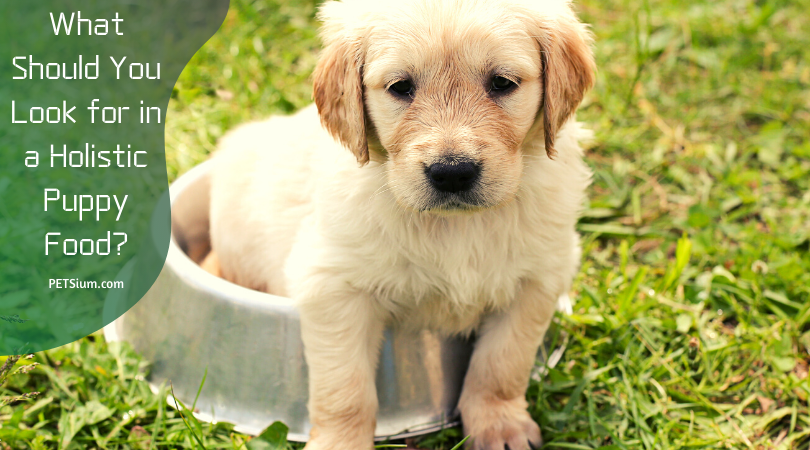
What Should You Look for in a Holistic Puppy Food

What is Holistic Dog Food, Exactly?

Holistic refers to whole body health and that’s why the best holistic puppy food will address the puppy’s complete needs and offer all of the nutrients they need for healthy muscles, teeth, skin, bones and coat and long-term health.

Holistic puppy foods are the highest quality foods you can buy for your new friend and have the following characteristics that separate them from traditional dog food:

  • Powerful antioxidants
  • All natural ingredients
  • Human-grade dog food ingredients
  • Fruit and vegetables
  • No chemicals
  • Minimal processing

What is the Best Holistic Puppy Food?

While you’re comparing pet food brands, “holistic” isn’t the only thing you want to look for.

A growing puppy needs more calories and nutrients than an adult so the food should be formulated for growing or all life stages.

You should also find an AAFCO label on the product that tells you more about the food value contents.

Human-Grade Ingredients

The best holistic puppy food will also be made from human-grade dog food ingredients, although this isn’t something you’ll find on the AAFCO label because they don’t allow manufacturers to make statements on the label that pertains to food quality.

To learn more about a specific holistic dog food brand, you’ll want to read puppy food reviews.

How Many Ingredients Before the First Fat Source?

As with other types of dog food, you’ll also want to check how many ingredients are listed before the first stated source of fat, such as “chicken fat.”

Dog food ingredients are listed in descending order by weight so the items listed first will make up the majority of the dog food.

The best food for puppies will have anywhere from 6 to 12 high-quality ingredients listed before the first fat source.

Studying the Protein Content

Next, analyze the protein content, or the meat, in the dog food.

Protein is essential for puppies to grow strong and healthy and you want the protein to come from a high quality meat source.

Steer clear of any brands that use the word “meat” or “meat meal” instead of listing a specific animal.

You’ll want to check the position of the meat source on the dog food ingredients list and how many times you find protein before you see a fat source.

Make sure the type of meat is clearly stated.

What is the Fat Source?

The best holistic puppy food has a high-quality source of fat that’s specified along with Omega 3 and Omega 6, which improve your pet’s coat.

Avoid any brand that doesn’t specifically state where the fat comes from, using terms like “poultry fat” or “meat fat.”

Grain Sources

Dogs do not need much grain in their diet so the best food for puppies will have little grains or high-quality grains like rice, barley and oats.

Avoid brands that use fillers like “ground whole corn,” “corn gluten meal,” “soy bean meal” or any unspecified source of grain.

Vegetables and Fruits

Holistic puppy food often has plenty of fruits and vegetables which give your dog additional vitamins and minerals for long-term health.

Look for potatoes, sweet potatoes, carrots, broccoli, spinach, blueberries and applies in healthy puppy food.

Preservatives

Finally, holistic puppy food should never have artificial preservatives like Ethoxyquin, Menadione (or Vitamin K3), sweeteners like cane molasses, corn syrup, fructose and glucose or artificial colors and flavors.

Natural preservatives that are safe for your puppy include Ascorbic Acid (Vitamin C) and Tocopherols (Vitamin E), which are human-grade preservatives.

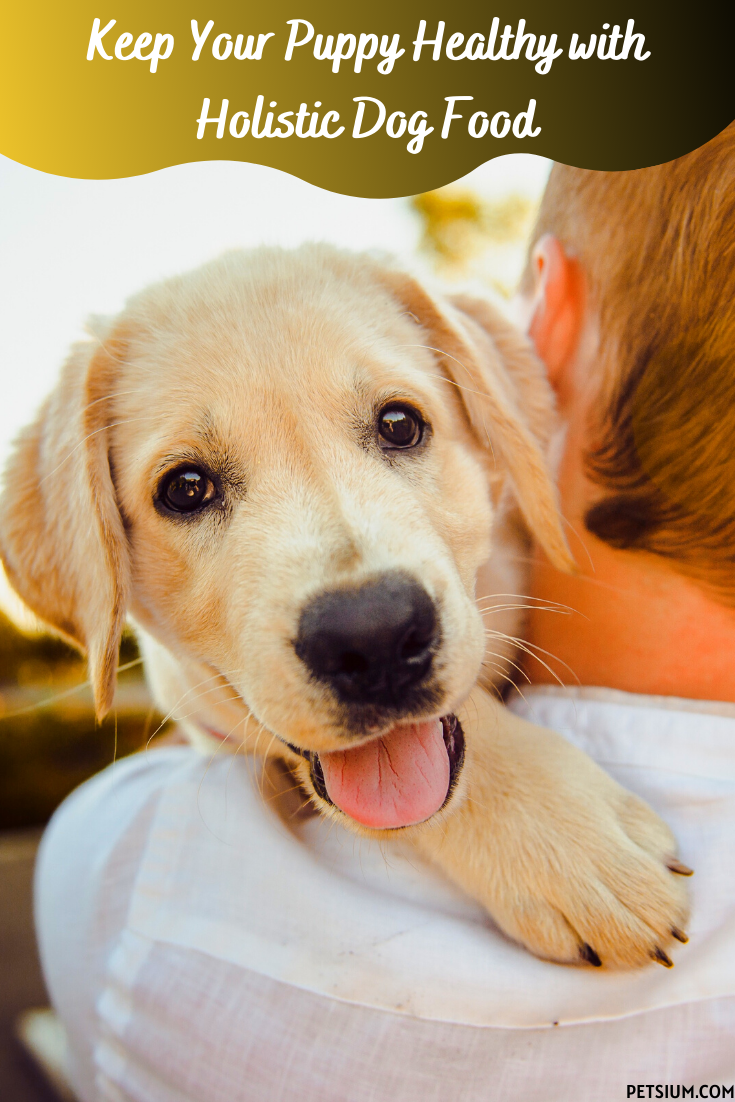
Keep Your Puppy Healthy with Holistic Dog Food

Holistic Dog Food Science

Many Veterinarians are now endorsing the use of holistic dog foods because of the lack of regulations in the dog food production industry.

There are two main considerations when changing a pets diet.

  • Affordability
  • Time

The consensus is that raw, unprocessed meat and other natural foods are best for pets.

However, the method is very time consuming determining daily pet nutritional needs.

The closer to the ideal manufactured holistic dog food, the more expensive the product.

Although one downside to utilizing the dry holistic dog food over the wet is that the animal has a higher instance of food dehydration.

This problem is easily remedied through the constant hydration of fresh water, or serving wet food regularly.

Suggestion:

BLUE Wilderness is a grain-free, high-protein, low carbohydrate food that contains a higher concentration of meat.

This product was inspired by the diet of wolves, the true omnivores whose endurance is legendary.

It is specially formulated by animal nutritionists, from the finest natural ingredients such as:

  • De-boned duck, chicken meal and turkey meal to supply the protein your dog needs.
  • Sweet potatoes, oatmeal and potatoes provides healthy complex carbohydrates.
  • Blueberries, cranberries and carrots supports antioxidant-enrichment.

BLUE does not cut corners by using protein from chicken or poultry by-product meals, or even worse, from corn or soy.

Preservatives like BHA, BHT, ethoxyquin, propylene glycol provide no nutritional value and have been associated with possible side effects.

BLUE does not resort to artificial colors and flavors in an attempt to make food look and taste better.

The popularity of holistic care is on the uptrend, both for humans and pets.

The holistic approach, which involves achieving wellness from within addresses not just the physical wellbeing of pets but also their entire quality of life.

This has given rise to products that rely on natural ingredients and provide a wide range of treatments for all kinds of pet needs.

For pet food, holistic products include special types such as dehydrated, freeze-dried, raw and home-made varieties.

There are foods specifically formulated for pets with allergies and weight problems, puppies and senior pets.

Foods which are gluten-free, high or low protein, organic and vegetarian cater to the different food needs of pets.

Категорије: Dogs

Turkish Angora

јун 26, 2020 By liv parmel

Turkish Angora cats are ancient domesticated cats which are preferred by many people.

People loved this type of cat because of its very long silky smooth cover coat.

The interesting fact about the Turkish Angora cat is that they are the oldest type of Angora species.

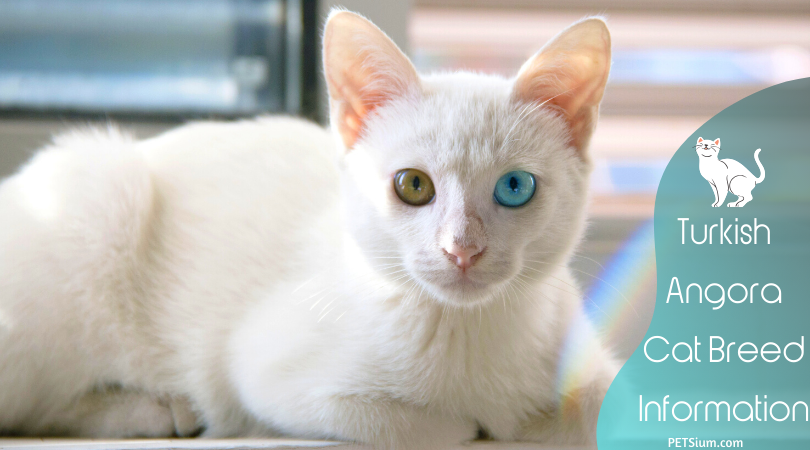
Turkish Angora Cat Breed Information

Turkish Angora History

The Turkish Angora has only been in the United States for only four decades.

Because of its increasing popularity they were able to participated in competitions conducted by the CFA association and gained a best of breed award in 1973.

The Turkish Angora first flourished in European countries in the late 17th century only then it moved to United States.

They are sometimes confused with Turkish Van because they both have similar physical appearances.

Since this breeds’ existence seems to be decreasing day by day some special programs were carried out by the Turkish government in order to safeguard them.

They are found in considerable amounts in Asia, Russia, France, Persia and Britain.

They inhibited a thick outer coat in order to sustain the extreme temperatures which helps them prevail in the Turkish mountains where they originated from.

Turkish Angora Information

As their name indicates the breed were first found in the hilly region of Turkey.

Turkish Angoras are small size domestic cats whose weight is between 5 to 9 pounds.

They have a medium to large size coat in order to withstand the very cold temperature it originated from in Turkey.

But the breeds physical features also attract the attention of potential owners.

They have very sharp eyes which are walnut shaped and eye color which may be blue or amber, so cats are born with eye colors of both blue and amber.

If the eyes are blue in color it shows they have inferior hearing abilities and if they have amber colored eyes they tend to have no issues with their hearing.

The coat color of Turkish Angora was originally white but now a days its fur pattern come in over twenty different colors and different types of patterns.

Colors like blue, black and red are found to be the most common colors next to white color, but breeders are practicing to get cats with smoke and shaded patterns.

They do not require much care but proper grooming is mandatory.

They have a wedge shaped head with a flattened face.

For a white colored Angora at least bathing the cat once a month is recommended in order to make them appear more of silky and have more a milky color shade to their fur.

Turkish Angora as a Pet

The Turkish Angora breed is a lovable and affectionate cat which mingles with its owners very well.

The Turkish Angora has a pleasing personality and has a cousin of another cat type called the Turkish Van.

Turkish Angoras are very playful and intelligent.

They very active like other kittens.

They usually like to rest on peoples shoulders or on pillows.

The Turkish Angora is a very rare breed with stunning appearances.

Turkish angora most commonly attract the attention of their masters and love to play with children.

They also accept any human being as a friend.

They also mingle well with dogs and other animals which do not bring harm to them.

Turkish Angoras are very energetic and moves from place.

The muscles of the Turkish Angora are strong and healthy enough to bare any kind of weather condition.

But sometimes these kittens are also sensitive when affected by HCM.

HCM is diseases which mean a muscle growth nearer to the heart.

Other than this a Turkish angora can be readily accepted as a pet.

Turkish Angora Cat Breed Traits and Profile

Turkish Angora Physical Traits

The most common physical characteristics of a Turkish Angora is a silky smooth coat, with medium to large body structures and it has a fine bone structure.

The Turkish Angora has long hair that usually comes in various colors like lavender, chocolate brown, white and pink.

The eyes of the Turkish Angora is the most attractive part of this breed some of the Turkish Angoras have odd colored eyed feature.

The odd eye means that the cat will have one eye of one color and one of another.

The eye will be blue, amber or in green and come in any combination.

The eye of the Turkish angora is almond shaped and is very attractive.

Male cats weigh more than the female cats the normal body weight of the Turkish Angora is about 6 to 11 pounds.

The Turkish Angora usually gets along well with it owners. It is very playful and highly intelligent breed.

A very active breed that plays well with the other members.

It accepts dogs as good friends unless the dog is not friendly around cats.

There are no specific food habits for angoras.

But usually meat has been fed to Turkish Angoras, along with there cat food.

The ears of the Turkish Angora are large and are sharp.

The Turkish Angora cats attracts the attention of children and the cat can adapt to any environment with ease.

Turkish Angora Personality Traits

Turkish angoras are affectionate and social breed which are very active all the time.

They are categorized as a group of hyper active cat breed and are like that throughout their entire lifespan.

The Turkish Angora is considered to be like a dog breed because they are found to be very curious when visitors are present and will be inspecting their actions.

They will try to interact with them and if they are playful they will join with them.

Turkish Angoras are graceful and they will be standing in front of the door to welcome visitors to your home.

Most of the time during conversations they will constantly remained around their owners and let them know that they are around.

They always like to feel they were the center of attraction at all times.

One negative aspect of their behavior is they tend to be very stubborn.

Turkish angora cats always wish to be with people rather than staying alone.

They are mainly a companion type of cat.

If they are adopted they will be easily adjust to their new surroundings.

The Turkish Angora breed is an inquisitive, clever, and delightful pet to own.

Turkish Angora Colors

Historically and traditionally, the Turkish Angora is typically thought of as a pure white cat.

Indeed, in the early days of showing cats in Europe, owning a white Turkish Angora was even considered to be a status symbol!

In the early exportation of the breed from the Ankara Zoo, maintaining the white color of the Turkish Angora was the goal of most breeders.

The white Turkish Angora cat was recognized by CFA, the Cat Fancier’s Association, in 1973.

The breed standard contained no color other than pure white.

This continued until 1978, when CFA added colors to the Turkish Angora breed standard.

Genetically, white is not a result of the color genes from the parents.

White is a result of a separate gene which acts to „tell“ the hair follicles to „mask“ the color, thus growing white fur.

What this means is that „under“ the white coat of every white cat, the cat is carrying the genes for a color.

White cats are typically born with a „color spot“, usually on the head, that fades and disappears as the cat grows it’s adult coat and sheds it’s kitten coat.

This color spot will tell you the color gene that the cat is carrying!

Eye Colors

Turkish Angora eye colors are „amber eyed white“ (AEW), „blue eyed white“ (BEW), and „odd eyed white“ (OEW).

An OEW Turkish Angora cat typically has one blue eye and one amber eye.

Категорије: Cats

Good Puppy Care | How to Make Sure You Start Right

јун 21, 2020 By liv parmel

Good puppy care doesn’t just happen. It takes a planned approach. The recommendations below will help you give your puppy everything that’s vital to her health and to having a long, happy relationship together.

It’s been said that the most important part of caring for your puppy is making sure the owner is trained properly.

There’s some truth to this. It’s no use expecting a puppy to learn consistent behavior if her owner is inconsistent. Puppies, like children, learn their habits and attitudes from the adults they grow up with.

How to take care of a new puppy

Puppy Care Basics

Now that you’ve made yourself responsible for a puppy and her health, here’s where to start.

Nutrition

Make sure your puppy gets enough of the right kind of food. Hint: puppies are not people, so they shouldn’t be eating the same foods people eat.

A puppy’s diet must include the right balance of nutrients for growth and strong bodies. Larger breeds will require extra nutrition to support their extra-rapid growth. Special diets are available that are tailored to different sizes of dogs and their growth and developmental needs.

Think in terms of good quality. In fact, premium dog food is especially important during the first few months of a dog’s life.

Also, your puppy will need a constant supply of clean, fresh water.

Regular grooming

If you’ll introduce your puppy to grooming early, the idea gets planted that this is something normal and routine. As soon as you bring her home, start regular bathing and brushing or combing.

Then maintain that routine long-term. Many dogs take delight in their trips to the groomer and enjoy being bathed, brushed and combed. It’s a good plan to make weekly brushing and grooming a part of a short-hair dog’s routine. Daily brushing for long-hair dogs keeps the coat from matting and tangling.

Exercise

Puppies love physical activity — need it in fact — so give them plenty of opportunities to play and run. Don’t let them overdo it, however, because when young, their energy reserves are quickly used up.

During especially hot or humid weather, keep the play time shorter. This prevents overheating.

Play keeps your puppy fit, but good puppy care includes teaching proper socialization. Puppies can get over enthusiastic and play too rough. Over-aggressive play or biting should be stopped at once.

Don’t introduce your puppy to the local dog park too soon. Parks are fun, but younger puppies are prone to pick up contagious illnesses from other dogs. Make sure all shots and immunizations are finished before hitting the park.

Training

Proper puppy care includes thorough training. Most new puppy owners think training is all about obedience, like learning to heel, stay and come. Others think of all the fun tricks their dog will learn, such as fetching, shaking hands and rolling over.

But good training serves a more important role than mere obedience and tricks.

Teaching obedience positions you as the „alpha member“ in your puppy’s pack. The leader, the boss.

Fail to do this, and you’ll have a dog that has no respect for you. We’ve all seen families where „mommy and daddy“ jump to obey little Fido’s every growl and yip.

You don’t want your puppy (and your family) to end up like that — it’s an unhappy situation for both dog and human.

Training your puppy for instant obedience can also keep her safe, especially when in traffic or around other animals.

Like children, puppies learn very quickly, so as a part of good puppy care, begin training her to obey as soon as possible. This assures a happier, more secure adult dog.

Advice for caring for a new puppy

Keep medical records

This is especially important if you have more than one pet. Records help you keep the details of your puppy care straight. Maintain a regular file — preferably on paper (computers crash) — showing your pet’s medical history.

These records should include details on:

Immunizations

At 6-8 weeks start your puppy on vaccines, give them every 3-4 weeks, and continue them until age 16-20 weeks. There are vaccines to prevent rabies, distemper, parvovirus, kennel cough and other diseases.

Parasite Prevention

As with human beings, dogs have more health concerns than just their basic needs for food, water, and shelter. Like human beings, dogs can and do become ill. In the event that your puppy gets sick, remain calm. Just like when a human being gets sick, prompt medical attention is always a good idea.

It is vital you take your puppy for regular veterinary exams. It is also critical to pay close attention to your puppy behavior and eating habits.

Heartworms

Heartworm larvae are transmitted by mosquito bite. Once in your puppy, these creatures congregate in the muscles of the heart, where they grow and multiply.

But heartworms are preventable. A monthly oral dose is a good commonsense part of puppy care, especially during the warmer months, when the chance of heartworm infection is highest.

Most veterinarians recommend a heartworm preventative. Symptoms of heartworms include coughing and difficulty breathing. If you suspect your dog may have heartworms, treatment is available from your veterinarian, but prevention is the best policy.

Ticks

Medications and treatments now available can prevent tick infestation. But if you find a tick on your puppy, be sure to remove it very carefully with tweezers. A special removal device is also available.

Ticks are parasites that attach themselves to a dog’s skin. If you find a tick on your puppy, use a pair of sterilized tweezers to pull the tick out by the head. Squeezing the tick’s body may force toxins out of the tick’s body and into your dog, leading to infection.

Fleas

It’s easier to prevent fleas from moving in than it is to evict them. There both oral and topical treatments that are puppy safe, and those that are applied monthly make the job easy.

But if you ever let fleas get a foothold (or mouth-hold), you’ll end up having to de-flea your entire home and yard. So prevention is better.

Fleas are very common in outdoor dogs, but any dog is susceptible. Symptoms include itching, discomfort, and rash. There is a variety of preventative measures that ward fleas off, and if your dog becomes infected, treatment can be as straightforward as a bath with medicated shampoo.

Mites

Mites are the cause of mange. Signs of mange include hair loss, redness, rash, and scaling. There are other mites that affect your dog’s ears. Signs of ear mites include itching, swelling, red skin, and black crusting within the ear canal

Intestinal Parasites

Every puppy should be de-wormed as a standard practice because many puppies are actually born with roundworms.

Other intestinal parasites include hookworms, whipworms, giardia and coccidia. A fecal sample should be taken right away so that the vet can check that your puppy is parasite-free.

Even after a first de-worming, it’s possible your puppy might need a second treatment to complete the process. Once de-wormed, monthly medications can help prevent re-infestation.

To be on the safe side, a yearly fecal check by the vet is a good idea.

Hookworms

Hookworms attach themselves to a dog’s intestinal lining. This is a relatively common problem among dogs, and is easily treated with medicine.

Roundworms

The symptoms of roundworms are typically mild in comparison to some parasites.
Additionally, roundworms are very contagious, as they affect nearly every part of a dog’s body. Symptoms include stomach problems, bloating, and poor growth. Again, as with most parasites, roundworms are easily treated, and can be prevented.

Giardia

Giardia is caused by microscopic organisms in your dog’s intestines. The Giardia is a very commonplace infection and many effective treatments are available.

Tapeworms

Dogs infected with tapeworms generally exhibit no symptoms except for gradual weight loss. The only sure way to check your puppy for infection is regular trips to the veterinarian, and treatment is very simple.

And here’s one more puppy care tip, but this one is for you:

Learn Patience

Since you’re the „alpha member“ in your puppy’s family, it’s important for you to behave like one.

Every young creature, whether baby or puppy, needs patience and love from you. Also a consistent hand. Learn what you’re doing. Educate yourself about how puppies and dogs behave, what they need from you, and the best ways to communicate with them.

If you’re a book person, get books and read up on puppy care. If not, get videos or DVDs and watch them. In either case, talk with your vet. Learn all you can.

This will keep unexpected surprises from cropping up and catching you flatfooted.

Prepare well to provide good puppy care, and you’ll find it’s easy and fun to build a strong, trusting relationship with your new puppy… a relationship that lasts a lifetime.

Категорије: Dogs

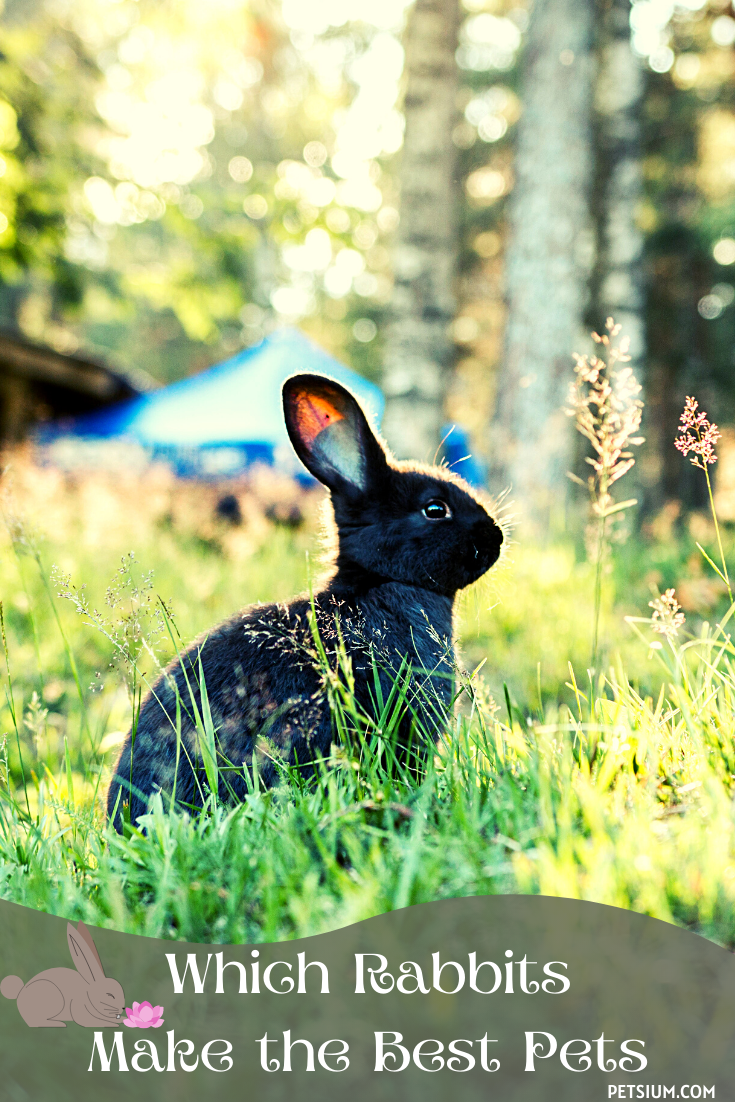
What Type of Rabbit is the Best

јун 15, 2020 By liv parmel

Male vs Female Rabbits…

Naturally as with any animal there are good and bad points for owning each gender.

Female Rabbits

Around 5/6 months of age females Rabbits can be a very difficult to deal with or control as their hormones kick in and the urge to nest and breed becomes overwhelming.

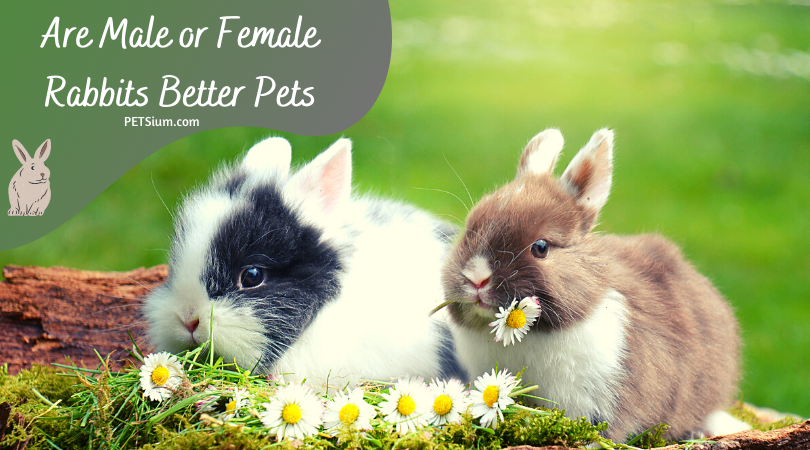
are male or female rabbits better pets

Signs of this include:

  • Becoming territorial not letting anyone near the cage for feeding or cleaning.
  • You may have trouble handling them.
  • They also may throw temper tantrums and try to destroy items in their cages.
  • Litter training may become a thing of the past.
  • They may also start trying to dig anything from bedding to carpet as their natural urge to build their underground warren and burrow kicks into overdrive.

Female bunnies can also experience fake pregnancies when they start to build a nest in a corner of their hutch or house using straw, hay and even pulling out their own fur to line the nests with

Note: Not all bunnies will display significant behavioural changes as a result of hormones.

Male Rabbits

Tend to be more mellow, less moody and unlikely to get grumpy as they do not have the inherited duties of nest building or protection of young.

Around 5 to 6 months their hormones will also go into overdrive and they may become overly romantic with items such as soft toys, pillows, your leg and even other pets if they will oblige.

Naturally this can raise a few interesting conversations if you have children around wanting to know what their bunny rabbit is doing.

The worst male habit tends to be urine spraying, like with cats, dogs and many other animals. In the wild they are just marking their territory and leaving their scent for any prospective females to find.

The key is to have him neutered before the spraying stage starts, consult with your local vet as some are willing to operate as early as 4 months and others prefer to wait.

If you wait till after he has started spraying there is no guarantee that having him neutered will stop him from still spraying afterwards, so the sooner the better.

Note: Every bunny is different and not all rabbits experience mood and temperament changes during puberty.

Rabbit Personalities

Each individual rabbit has and will develop its own unique personality over time. Some are laid back, while others are highly strung.

Factors that contribute to a rabbits overall temperament are the type of breed, how they are introduced, integrated, handled and treated and the conditions and environments they are exposed to.

For example if you put a breed that tends to be more highly strung like a Polish surrounded by screaming kids, and a cattle dog that just loves to try and round everything up, you are creating a recipe for disaster. The poor rabbit will think you have sentenced it to a certain death.

However if you get a larger more mellow breed of bunny like a Flemish giant keep them separated slowly introduces them and give the whole family the rules and boundaries you new bunny will be running with the kids and the dog in no time.

Having said that even though some breeds tend to be more laid back each rabbit, like people will have its own individual personality, likes, dislikes and tolerance levels.

How many Rabbits…

Whether to keep 1 or 2 bunnies, males and or females etc can be the cause of much debate.

There is no hard and fast rule on keeping 1, 2 or more bunnies.

Some breeders say that as bunnies are social it is better to keep more than one, others say if you are looking for a lovable and affectionate companion to hang out with you then one is the only way to go.

Ultimately it comes down to how you see a bunny fitting into your life, the purpose you want the bun/s for, how much time, effort and money you are willing to spend to look after them properly.

which rabbits make the best pets

When deciding on a type of rabbit, consider…

  • The type environment they will be living in – busy family vs quiet single.
  • Who will be their primary care giver – adult vs child.
  • Other pets size and temperament – excitable vs mellow.
  • The rabbits individual temperament – laid back vs skittish.
  • What size rabbit will be best – small vs medium or larger.

Which Breeds Make the Best Pets…

When choosing a rabbit as a pet, it is a good idea to select one of the small or medium breeds, especially if you are a first time Bunny owner.

These rabbits in general will be tamer than the larger breeds such as the Californian and will be easier for older children to handle and care for.

Small Breeds

Small breeds tend to make the best pets or show animals for children, they generally weigh less than 6 lbs or 2.7 kg and are easy to handle.

  • Dutch
  • Dwarf Hotot
  • Himalayan
  • Holland Lop
  • Mini Lop
  • Lops
  • Lionhead
  • Mini Lionhead
  • The Mini Rex
  • Mini Satin
  • Netherland Dwarf
  • Tan

Medium Breeds

These bunnies are a great for somebody desiring a bunny not too small but at the same time not too large.

Generally medium bunnies weigh between 6 to 9 lbs. or 2.7 kg to 4 kg.

  • Belgian Hare
  • English Spot
  • Harlequin
  • Rex
  • Thrianta

If you are looking for a bunny just as a companion, then is adopting a rescue bunny that has gotten over its teen phase, been de-sexed and already had some training, is great pet option.

The best way to see and find out about most rabbit breeds is to attend a rabbit show.

In general rabbits live healthier and happier lives, when kept as an interactive indoor pet in a rabbit safe room.

Remember indoor Rabbits can live 10 to 12 years or more so do your research ahead of time so that you’ll know if you are truly ready for the commitment that having rabbits requires.

Категорије: Rabbits

Is Your Dog Losing Hair

јун 11, 2020 By liv parmel

If you have a dog pet, you probably know that dog hair loss is a common problem for most dog breeds.

However, sometimes it is quite normal for dogs to lose some of their hair.

In case you can see the dog’s bare skin in the places where he has lost hair, something is definitely wrong with the dog’s health.

It is not time to panic, but you should treat the problem seriously and consult the veterinarian immediately once you notice bald areas.

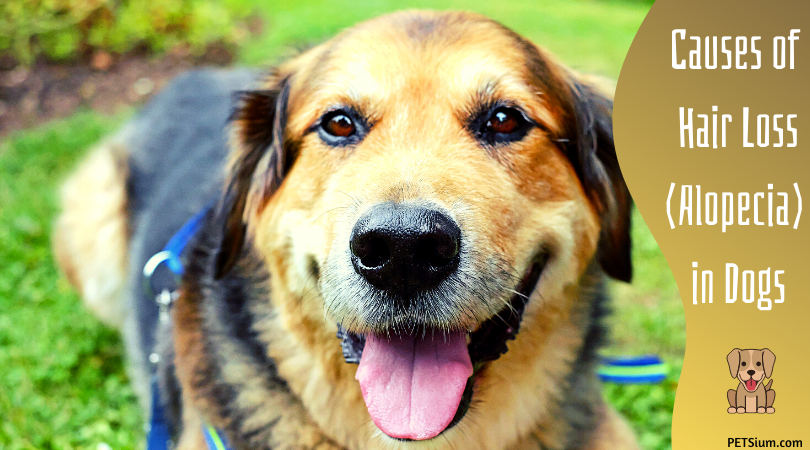
Causes of Hair Loss Alopecia in Dogs

Before you go for the check up, check the dog’s condition yourself, so that you know how serious it is.

Wearing rubber gloves carefully look over the dog’s coat for all bald spots.

Speak softly to your pet and rub him with the other hand while checking his coat for bald spots.

Alopecia in Dogs

Dog hair loss can be a distressing problem for both pets and their owners.

The medical term for dog’s losing hair is Alopecia.

When your dog starts to lose hair, you may first notice that its coat looks thinner and that it is starting to lose its luster.

As the hair loss becomes more severe, you may start to notice bald patches.

There are many things that can cause your dog to start losing hair, and it may take some detective work to figure out exactly what is happening.

Dog Hair Loss is Common

As many as ten percent of all dogs will experience hair loss at some point in their lives and there are many reasons why it could happen.

Hair loss is not a sign that you are a bad pet owner.

It is usually a sign of an underlying medical condition and if you notice it and treat it early you increase the chances of your pet making a full recovery.

The good news is that there is plenty of support available for diagnosing and treating Alopecia.

Identifying the Cause

The first thing that you should do is examine your dog’s fur.

If you notice signs of skin irritation, then this could be causing the hair loss.

Common external irritants that can cause Alopecia include allergic reactions and the presence of parasites such as fleas, lice and mites.

Your vet will be able to offer you advice on how to manage allergies with antihistamines in the short term while you find a way to prevent exposure to the substance that is causing an allergic reaction.

They will also help you to get rid of any lice or fleas.

Once the external irritants are gone, your pet’s fur should make a full recovery.

Sometimes the cause is not so obvious.

Your pet’s hair may be thinning because your dog is reacting to something in its diet.

Many commercial dog foods contain colors and preservatives that can irritate some dogs.

If your dog’s hair is thinning, consider putting it on an all-natural diet to see if that helps.

In some cases, underlying health conditions can cause hair loss.

Endocrine disorders such as hyperthyroidism and Cushing’s disease can cause hair loss.

If your dog’s hair loss is not obviously being caused by allergens or other external sources then you should speak to a vet to rule out these conditions.

Stress and Pregnancy Can Cause Hair Loss in Dogs

The good news is that once the pregnancy is over or the cause of the stress is removed, the dog will start to recover a full coat of hair.

Stress can occur if a dog is introduced to a new environment, or if there is a change in your family – such as the introduction of a new pet or the birth of a child.

Cause of Hair Loss in Dogs

Reasons for hair loss may be numerous, but first try to answer a few simple questions to figure out the reasons of the problem.

Define if the hair loss is patchy, generalized or confined to small area.

Hypothyroidism in Dogs

General hair loss means there is a systematic problem, such as hypothyroidism, for example.

The disease usually involves hair loss in the significant areas of the dog’s body, often in a symmetric pattern.

If you notice such a pattern, you will need to take the dog to his veterinarian for blood testing immediately.

Bold patchy areas may be formed due to various reasons, including parasite infestation or infection.

These cases will also require visiting the vet.

An isolated single bald spot could be formed due to a common injury or the problem may be more serious.

Look after the spot and consult your veterinarian if it looks more suspicious with time or more spots appear.

Licking and Hair Loss in Dogs

A common reason of the dog losing hair in a particular area may be an injury.

Either the injury itself or the compulsive licking of that spot by your dog can cause hair loss.

In such cases, it may be necessary to hide the injury from attention by the dog and treat it with proper medication.

Cover the spot with a bandage; additionally you may use an Elizabethan collar to prevent the wound from licking by the dog.

This type of collar can be found at most pet supply stores.

Check if your dog has a rash.

Again, you must protect that area from further irritation by the dog.

The shape of the bald areas is also important.

Oval bald areas usually appear as a result of severe fungal infection.

In any case, you should take the dog to the vet as soon as possible, once you notice a problem.

why is my dog losing hair

Why is My Dog Losing Hair?

One of the main reasons for hair loss in dogs is scratching.

This is something that dogs do viciously several times a day.

As a result, the hair eventually becomes weak and falls out.

If your dog is scratching itself more than usual, you should take a look at it and determine the cause of the itchiness.

The most common cause of a dog losing hair is fleas.

Fleas tend to infest dogs and even the presence of a single flea can cause itching in a pets body.

The matter is made worse it is very difficult to locate the flea and its waste on the surface of the animals skin.

A whole host of illnesses including infections or parasite infestations cause dogs to lose patches of hair.

Stress also causes a dog to lose patches of hair.

Hair loss in one area only could be due to injury.

Hair loss could be due to the dog constantly licking the injured area.

Why is My Puppy Losing Hair?

Early in their puppyhood, puppies experience hair lose for 3 reasons infections, hormones and parasites.

Puppies get fungal infection ringworm because their immune system is not as strong as an adult dog.

A very young puppies can experience hair loss or even bald spots because their body is not making enough somatotropin growth hormone.

Puppies can also lose their hair because of scratching or biting due to parasites including: fleas and mites.

Why is My Dog Losing Hair After Giving Birth?

It is not uncommon for a dog to lose excessive amount of hair after giving birth or while nursing her pups.

Hair loss is perfectly natural and is known as „blowing her coat“.

It’s cause by the stress of giving birth and nursing. Hair loss can also result from hormonal changes.

Hair loss can occur for up to 3 months after giving birth.

The dog’s hair will commonly fall out symmetrically on the back, sides and flanks.

There maybe some areas that are completely hairless.

The dog skin should remain healthy and normal looking.

Daily brushing will help to remove the loose hair and keep the coat from tangling.

A matted coat provides a breeding ground for bacteria.

A new coat should grow back after a few month.

The fur may have a different texture and color than the original coat.

How to Treat Hair Loss in Dogs

Depending on the seriousness of the wound, there are different methods for treating the dog’s injury.

Some wounds may be treated at home but other need surgery or at least consultation.

Take any laceration or puncture seriously because it may be a more severe injury than it looks like and it may even get worse.

Some dogs are simply more susceptible to hair loss than others.

For example, Dachshunds are likely to suffer hair loss as they get older.

You can prevent hair loss by keeping their skin clean and preventing it from drying out.

Категорије: Dogs

Poisonous Plants For Dogs

јун 1, 2020 By liv parmel

Animals can get into a lot of things while walking out in the woods, dogs especially. Our pets are some of the most important things in our lives, keeping them safe is very important.

So staying informed on poisonous plants for dogs is a very good idea before taking your 4 legged friend on a camping trip or into anyplace where these may grow.

Most dogs, love a romp around outside, especially in the open spaces of the countryside, and probably the owners get some pleasure also at the freedom away from the confinements of suburbia.

But dogs are very inquisitive creatures and like to ‘nose around’ at strange objects and ‘sniff’ at newly located plants in their travels off the leash. Owners should be observant and not allow the animal to chew or ingest any wild plants, since very often they can be dangerous and toxic.

house and garden plants poisonous to dogs

You may be fond of gardening at home or simply enjoy strolling around with your pooch in the garden on a pleasant evening. None of these activities seem unsafe for your furry friend to most dog owners, until you know that there are plants that can poison your dog to death.

Keep Plant Supplies Away From Your Pets

Having a garden involves having supplies such as pesticides, fertilizers and many chemicals that you need for spraying on the plants. Although these are essential, they are poisonous. Keep both the supplies and the plant itself out of reach of your pet.

They can lead to disastrous consequences if your pet eats them. Dogs, in particular, are fond of eating mulches, wood chips and grass. Some mulches, like cocoa mulch can be harmful if your dog eats it in excess. Wood chips are harmful even if they are chemically safe.

Don’t Plant Toxic Flowers

Some flowers like carnations, hydrangea, hosta, clematis, Dahlia, lantana, lilies, peony, periwinkle, tulips, vinca, foxglove, hyacinth, azalea, daisy, chrysanthemum, gardenia, daffodils, yarrow, hibiscus, geranium, and oleander are toxic. They are harmful to cats, dogs and sometimes horses.

If you want to plant these flowers, have a hanging pot. Avoid planting them on the ground. This way you can have the plant and the pet in healthy condition. If your pet shows symptoms like vomiting, lethargy or diarrhea, then know that it has eaten the flowers. Take it to a vet immediately.

Don’t Plant These Trees

Some varieties of trees have leaves that are harmful to your pets. Red maple, umbrella tree, pine tree and chinaberry tree all have components including leaves can cause multitude of health problems to your pet.

Keep Your Pets Away From Edible Plants

Fruits like apples, citrus fruits, avocadoes, grapes, apricots, cherry and black walnuts are enjoyed both by humans and animals. But the trees of these fruits have parts or components that are harmful to your pet. Cordon off the area where these trees are planted.

Most Common Plants Poisonous to Dogs

If you find that your pet has ingested something that is making them sick or may be poisonous to dogs, it is important to always contact a veterinarian right away in order to get information on how to flush the toxins out of their system.

Apples and Crab-apples

The stems leaves and seeds of an apple contain small traces of cyanide. If wilted these are particularly toxic to animals. Humans can generally handle these in small doses but a dog will eat the entire core of the apple and extra indigestible parts of the plant, which can result in difficulty breathing, shock and inflamed mucous membranes. If your dog has consumed a large number of apples or crab apples it is important to call a vet immediately.

Begonias

A popular garden plant this is a plant poisonous for dogs. Begonias are pink leaved flowers with a spiny leaf surrounding. The leaves and plant can cause severe oral irritation in dogs, to the point of vomiting or being unable to consume any food. These plants can result in a dog being unable to gain any nutrients and becoming very unhealthy as a result of the irritation.

Baby’s Breath

A small white flowering plant is also a popular garden and house plant with small, thin vines and small leaves. Ingesting any part of the plant can be quite toxic to a dog causing vomiting and diarrhea which can lead to dehydration.

Daisy

The common daisy can be found growing naturally in the wild and also in many gardens and indoor potted plant arrangements. Daisies are poisonous to dogs which can cause rashes, diarrhea and vomiting.

All of the irritants combined can cause a dog to constantly be itching meaning that they will be unable to rest. With a dog consistently vomiting and having diarrhea can lead to extreme dehydration.

Iris

Irises are used in many flower arrangements and sometimes grow in the wild as well. They are a purple flower with large leaves usually with a white and then yellow inner structure to the leaves. Irises can be poison to dogs and result in vomiting and lethargy. Similar to flu like symptoms it is important to contact professional help if your dog ever eats irises.

Lilly

These small bell shaped flowers extending downward from spear shaped leaves can cause severe sickness in dogs and animals. Of all of the poisonous plants for dogs this is one of the worst.

Growing naturally as a wild flower these lilies can cause a dog to behave as if they are in a coma, as well as an irregular heart beat, low blood pressure and vomiting. It is imperative that you contact an animal poison control or a veterinarian immediately as eating this plant can be fatal to a dog.

Lilies are the foremost plant for causing dogs to suffer poison effects by ingesting the plant. There are a variety of lilies which can cause serious kidney disease in the dog if eaten. These include – The Lily of the Valley, Easter Lily, Glory Lily and the Peace Lily.

The usual form of poisoning is from oxalates from within the plant combining with body calcium in the dog, forming calcium oxalate, which can encourage the growth of kidney stones in the animal.

Azaleas

Azaleas are from the Rhododendron family of plants. There habitat is in woody environments (where dogs like to roam!). It is the nectar of the plant which is most toxic containing grayotoxins, sometimes the nectar is referred to as ‘mad nectar’.

The effects of the nectar poisoning are serious even if only a small amount is ingested by the dog, and can show as excess drooling, diarrhea, vomiting and depression of the central nervous system. Severe poisoning from the Azalea plant nectar can result in a coma or death.

plants that may poison your dog

Sago Palms

This plant is commonly used as a decorative houseplant but exists in the wild, it is also known as ‘Oldest Known Plant’ or ‘Cycad’ plant. This plant is extremely toxic to dogs if they choose to gnaw on its bark. The poisons which exist in any part of the plant lead to liver failure, and there is a high death rate in animals poisoned by this plant.

Oleanders

These evergreen members of the dogbane family contain the toxin Oleandrin, it is a commonly used landscaping plant and lives in the wild also. Every part of the plant is poison, and if ingested by the dog will cause acute abdominal pain, hypothermia and can often be fatal.

Castor Beans

Is a very ornamental plant but most of the plant parts are extremely poisonous, containing the toxin Ricin. This substance is so toxic that about 1 milligram would kill a human.

The effects on a small dog would include much abdominal pain vomiting, diarrhea, dehydration and it is highly likely that finally it would lead to the death of the animal.

For any owner of a pet dog, thought should be given as to the advisability of having any of these plants in their garden or house, and to be aware of the dangers to the dog if out for a romp in the countryside.

Treatment for Dogs Suffering From Plant Poisoning

If your pet dog is showing any signs of distress and you suspect the your pet has been poisoned, then the first thing to do is try and identify the poison. Examine the house plants for any sign that the leaves have been nibbled at or chewed.

Check with a local Poison Control Center for advice and give them as much information as possible about the condition of the dog and the possible sources of poisoning, remember there are many garden and indoor plants which have poison within them.

There are two immediate things which the pet owner can do to assist the dog. Try to get the dog to vomit to eliminate the poison from the dog’s stomach, then try to delay or prevent the absorption of the poison.

Treatment by Inducing Vomiting

Do not try to make the dog vomit if the animal is comatose, having convulsions, or is unable to swallow. Try giving—

A little charcoal or badly burnt toast. This will help neutralize the toxins, but the dog must have something solid in its stomach. Trying to make it vomit with fluids only inside is difficult.

Within 5 minutes of giving the toast give the dog 1 teaspoon of a 3% solution of Hydrogen Peroxide for each 8 pound of body weight.

If vomiting does not occur, try a repeat dose of hydrogen peroxide, then take the dog to a veterinary doctor.

Treatment by Delaying the Absorption of the Poison

Give activated charcoal to the dog. One charcoal tablet to about 10cc of water, for every 2 pound of body weight. Veterinary assistance may be necessary to carry out this procedure.

Following the activated charcoal, then about 30 minutes later give some Milk of Magnesia, or Glauber salts. An alternative is to give the dog a warm water enema containing egg white, vegetable oil or milk.

If the skin of the dog has been affected, then bathe thoroughly with soap using warm water.

If there is any sign of a nervous reaction by the dog, then if not already with a veterinary doctor, the animal should be taken to one immediately. Take along a sample of the plant which you suspect has poisoned the dog to assist the vet in providing an antidote.

Knowing the plants which are poisonous for dogs is an important part of pet ownership. Before walking your dog in an area where these plants grow, or planting them in your garden, it is important to know the symptoms to watch for and to contact a vet immediately. These are just a few of the plants which can be harmful to dogs, there are more comprehensive lists which can be found online.

Keeping both plants and animals is a difficult job. You would have now seen that many of the flowers and trees are responsible for causing toxic reactions in animals. Dogs act like goats sometimes and eat everything that they can find.

This can also lead to their death. Now that you know that the harmless looking plant you love is actually unsafe, keep your pet away. If possible, keep your pet out of your garden.

If you think your pet has been poisoned be sure to retrace steps and figure out what they may have been exposed to. The more informed a vet is the better chance your dog will have for quickly getting back on their feet and returning to their healthy active old selves.

Категорије: Dogs

How to Clicker Train a Rabbit

мај 26, 2020 By liv parmel

Many people don’t know this, but rabbits are trainable animals.

Make sure to bond and get your rabbit to trust you before you start training.

The most important piece of training equipment is a clicker.

A clicker doesn’t command the rabbit to do anything, it just lets the rabbit know that the behavior that he is doing is good and he gets a treat.

Follow the tricks in the order I put them in. If you do an hour of rabbit training, a day, your rabbit will be a pro at tricks.

how to clicker train your pet rabbit

Rabbit Clicker Training

Clicker Training is to train your rabbit to come and get a treat when they hear the clicking from the clicker.

I suggest you Clicker Train your rabbit before you train it other things because it will need to know when to get a treat when it does a trick, something good, or something you wanted it to do.

How to Clicker Train Your Rabbit

Materials:

A Clicker, a Rabbit, and Healthy Treats

Days 1-4

It is simple to do this. Click your Clicker and then give it a treat. Do this for at most 20 minutes a day. Do it repetitively. Bunny will soon think, Hmmmm… Every time I hear this clicking I get a treat from my owner.

Days 4-7

Take 5 steps away from the rabbit. Then click the clicker. He/she should respond to the clicker.

If the bunny does not respond to it, then it is a good idea to do a couple more days on just the click then give a treat.

How to Train Your Rabbit to Come When Called

Your Bunny Will Come When You Call Him

Materials

A Rabbit and Treats

Days 1-3

Say the same word every time and give your rabbit a treat. Have your Rabbit on your lap and repetitively say „Come“ then give your rabbit a treat.

He doesn’t have to come we just want him to realize that when you say come he will get a treat.

Days 3-5

Place your rabbit 1-3 feet away from you and say „Come“ your rabbit should come but if he doesn’t go back to step one for another day or two.

Don’t move on to step three until you have completed step two.

Days 5-8

Put your rabbit 5-8 feet away from you and see if he will come when you call him. If he doesn’t go back to step two for a few more days.

How to Train Your Rabbit to Stand on His Hind Legs

Your Bunny Will Stand on His Hind Legs on Command If You Follow These Steps

Materials

Treats, Bunny, and Clicker

Days 1-5

Put a treat under your bunny’s nose and lift it up. When your bunny is up, say „Stand“ or „Up“. You need to say a command so your rabbit knows that Stand or Up means to stand on his hind legs.

Days 5-6

Say your command and your bunny should stand on his hind legs. If they don’t, go back to step one for a day or two until your bunny gets it.

How to Target Train Your Rabbit

Your Rabbit Will Be Trained to Follow a Ball on a Stick

How to Make a Target Trainer

Materials

Cat Ball, Drill, Hot Glue Gun, and Wooden Dowel

Instructions

  • Take a drill and drill a bigger hole on one of the holes so the wooden dowel fits in in.
  • Stick the wooden in the cat ball. Slide the dowel all the way to the bottom of the cat ball.
  • Take the hot glue gun and hot glue the cat ball to the dowel.
  • Let your target trainer dry.

Target Training

Materials

Target Trainer, Clicker, Treats, and a Rabbit

Days 1-3

Hold the Target Trainer away from the rabbit, when the rabbit touches the target trainer with his nose, click your clicker and give your rabbit a treat.

Days 3-5

Do the same thing as days 1-3 but this time do a three second touch instead of an meditate treat.

Days 5-7

Do a four second chase and a three second touch. Then Click the clicker and give your rabbit a treat.

how to teach bunnies tricks

How to Train Your Rabbit to Push a Ball With His Nose

Your Rabbit Will Learn to Push a Ball With His Nose on Command

Materials

Clicker, Treats, Cat Ball, and a Rabbit

Days 1-3

Put the ball in the middle of the room and wait for your rabbit to touch it with his nose. Immediately after your rabbit touches it, click the clicker and give your rabbit a treat.

Your rabbit should recognize this ball from the end of your target trainer so it shouldn’t take long to train your rabbit this trick.

Days 3-5

Have your rabbit push the ball with his nose. After he pushes it, click your clicker and give your rabbit a treat.

How to Train Your Rabbit to Jump Through a Hoop

Your Rabbit Will Jump Through a Hula Hoop on Command

Materials

Clicker, Treats, a Hula Hoop, and a Rabbit

Days 1-3

Hold the Hula Hoop to the ground and sit on the other side and say „Hoop“ as rabbit is hopping through the Hula Hoop.

Sit on the side you want your rabbit to jump to so your rabbit will come over to you. Once your rabbit hops through the Hula Hoop, click your clicker and give your rabbit a treat

Days 3-5

Lift your Hula Hoop off the ground about ten inches and sit on the side you want your rabbit to jump to. Once he does, click the clicker and give the rabbit a treat.

Days 5-8

Do the same thing you did on days 3-5 but this time stand on the side of your Hula Hoop and press the Hula Hoop to your rabbit’s chest to coax him through the hoop.

Don’t forget to say „Hoop“ and when he does it, click the clicker and give your rabbit a treat.

How to Train Your Rabbit to do an Agility Hurdle

Materials

Clicker, Treats, Agility Hurdle, Target Trainer, and Rabbit

Days 1-3

Take your Target Trainer and direct your rabbit over the Hurdle as he is jumping, say „Jump“ or „Over“ so your rabbit knows that jump or over means he has to jump over the Hurdle.

Once your rabbit has jumped over the hurdle, click your clicker and give your rabbit a treat.

Days 3-5

Say the same command you were saying on days 1-3 and see if your rabbit will hurdle the agility hurdle. If he doesn’t go back to step one for a few more days.

Training Your Rabbit to Do Tricks

Rabbits are naturally intelligent, in most cases are easy to train, will quickly pick up new behaviours and learn tricks.

When training a pet it can take anything from a few hours to a few weeks for your rabbit to adopt a new behaviour or pick up training, just remember patience, love, repetition and positive reinforcement are the key ingredients.

If you have just brought your rabbit home it is a good idea to spend some time bonding first.

Training then becomes a natural extension of your relationship that strengthens trust, incorporates quality time and enhances you and your rabbits relationship.

You can start by simply grooming and playing with your rabbit as you get to know and become at ease with each other you can include some training which will keep developing your bond.

Категорије: Rabbits

Hookworms In Dogs

мај 19, 2020 By liv parmel

Hookworms are defined as parasitic organisms that feed off a host in order to survive. Hookworms are internal parasites, which mean they grow, mature, and live inside a dog’s body.

What are Hookworms?

We all love our pet dogs, and want the best for them.

However, it is not possible to watch them 24 hours a day, and we definitely can’t keep an eye on what every is doing.

So occasionally our beloved pet may pick up a parasite.

Parasites in dogs can be picked up from many places, so it is no use keeping the dog locked up all of the time.

The best way to treat your dog is to groom it on a regular basis, and keep an eye on its overall health.

If you notice any changes in its behavior or stools, then seek advice with a vet.

hookworms in dogs

Hookworms can grow in number incredibly fast, since a female hookworm usually lays at least 20,00 eggs per day.

Hookworms have a round mouth, which includes several teeth.

These teeth are used to attach to the inside of a dog’s body, which is most likely located in the intestines.

The intestinal wall usually harbors the adult hookworms, which lay their eggs in order to pass them on into the fecal material.

What Types of Dogs Can Become Infected with Hookworms?

Hookworms can infest any type of dog, and are not breed-specific.

However, it has been noticed by veterinarians that puppies are much more likely to become infected with hookworms, usually before they are one year of age.

This could possibly be because puppies have an underdeveloped immune system.

Adult dogs may become infected with hookworms as well, usually by direct contact with hookworm eggs (through ingestion) or larvae (which enter through a dog’s skin).

Hookworms are more commonly seen in dogs that are in close contact with other dogs on a regular basis.

This is why dogs in kennels are more prone to developing hookworms, since there is a greater likelyhood that they will come in contact with another infected dog.

Do Hookworms Only Infect Dogs?

There are some species of hookworms that are more likely to infect certain types of animals.

Some of the hookworms that infect dogs may also infect cats, birds, cows, chickens, or other animals.

However, some hookworms may also infect humans.

Even though it is rare for a dog to transfer hookworms to a human, it is very important to exercise extreme caution.

If your dog is infected with hookworms, try to keep them from coming into contact with other dogs, to lessen the risk of infection.

It may also be wise to prevent your dog from coming into contact with any other household pets you may have, since some hookworms may infect other animals as well.

What Can I Do to Prevent a Hookworm Infection in My Dog?

The best way to prevent a hookworm infection in your dog is to keep your dog from coming into contact with infected animals.

Try to avoid leaving your dog in a dog kennel that does not have good hygienic standards, since this could possibly lead to hookworm infection from other infected dogs.

Types, Life Cycle and Method of Infection for Hookworms in Dogs

The medical condition caused by a dog being infested with hookworms, is actually caused by a parasitic infection.

Parasites are organisms that thrive by feeding off a „host“, from which they steal nutrients, food, blood, or other substances.

Some parasites are external (such as ticks and lice), while some parasites are internal ( such as hookworms and tapeworms).

Since hookworms are an internal parasite, they habitat inside a host’s body in order to obtain nutrition.

Internal parasites are more difficult to treat than external parasites, since it’s harder to discern when the parasitic infection has been completely eradicated.

There are three species of hookworms that can possibly infect dogs:

  • Ancylostoma caninum
  • Ancylostoma braziliense
  • Uncinaria stenocephala

Out of these three species, Ancylostoma caninum is by far the most common hookworm to infect dogs.

All of these species of hookworm undergo a similar life cycle, which is defined by the method by which a dog becomes infected with hookworms.

How Dogs Get Infected With Hookworms?

First, an adult hookworm in a host organism begins to lay eggs.

Since adult hookworms usually reside in the small intestine, these eggs are passed into the fecal matter of the host.

Once the egg-infested feces exit the host, the eggs hatch into larvae.

These larvae then seek to infect new hosts, usually by either penetrating the skin of a host, or by being ingested by a potential host.

In most dogs, hookworms penetrate a dog’s body through the feet, when a dog passes by their location.

Once the larvae enter a dog’s body, they then seek to find a place to mature.

Some larvae migrate directly to the intestinal area, while some larvae seek to reside in a dog’s lungs (in which case, a dog will develop symptoms such as severe coughing).

Any larvae in the lungs are usually swallowed by a dog, in which case they mature into adults in the intestines.

It is possible for a hookworm larvae to lie dormant prior to maturation, and only mature after a long period of time.

In most cases, the time from a hookworm infection in a dog to the maturation of adult worms, is fourteen days.

If a dog comes into contact with another dog that is infected with hookworms, this is not necessarily enough for direct transmission of hookworm larvae to occur.

However, it is very possible that dogs in close contact will transmit parasitic organisms, especially in closed-quarter environments.

This is most commonly seen in animal shelters, kennels, and other areas where many dogs are in close contact with one another.

symptoms and treatment of hookworms in dogs

Symptoms of Hookworms in Dogs

Most dogs with Hookworms will display several key symptoms.

However, most of the symptoms of hookworms are relatively general, and are not specifically unique to a hookworm infestation.

As a result, it is important to schedule a veterinary checkup as soon as your dog begins to display any adverse health-related symptoms, so that a proper diagnosis can be obtained.

Coughing

Though this is not always the case, it is possible for a dog with hookworms to begin coughing incessantly.

The reason for this symptom is that hookworms will occasionally travel into a dog’s lungs (instead of remaining attached to the intestinal area).

It is possible for a dog with hookworms to have serious complications, if the hookworms migrate into the lungs.

In any case, severe coughing is an indication that something is wrong, so it’s advised to schedule an appointment with your veterinarian.

Anemia

Hookworms get their primary source of sustenance from a dog’s blood.

As a result, a dog with a serious hookworm infestation will most likely develop anemia.

A dog with anemia will most likely display several secondary symptoms, including lethargy, depression, and a pale, yellowish tint to the mucous membranes.

There are other medical conditions that will also cause a dog to display anemic symptoms, so it’s always important to seek the advice of a veterinarian immediately.

Gastrointestinal Symptoms

Most dogs with a hookworm infestation will display gastrointestinal symptoms, such as diarrhea and vomiting.

This is because hookworms, like many other parasites, have negative effects on a dog’s gastrointestinal tract.

Since gastrointestinal symptoms are seen in dogs with other medical conditions, this symptom is not unique to a hookworm infection.

However, it is possible that constant diarrhea and vomiting will have potentially serious effects on your dog’s heath, if not attended to immediately.

Malnutrition

Hookworms are commonly seen in puppies, where the effects of malnutrition are much more noticeable.

In puppies, stunted, slow growth is a sure sign that they are suffering from malnutrition, possibly from a hookworm infestation.

In adult dogs, the effects of malnutrition may take slightly longer to be displayed.

Malnutrition can cause other secondary symptoms, such as weight loss, lethargy, hair loss, dull fur and distended abdomen.

Malnutrition, in severe cases, can cause other serious complications.

If your dog seems to be displaying any of the symptoms of malnutrition, it is very important that you seek veterinary attention as soon as possible.

Diagnosis of Hookworms in Dogs

When a dog is infected with hookworms, it is not always obvious to a veterinarian or pet owner that this is the cause of the displayed symptoms.

Since the symptoms of a hookworm infection are relatively general, they may also be indicative of other unrelated medical condition.

In addition to this, many other parasitic infections may cause similar symptoms to those of a hookworm infection.

To obtain a positive diagnosis for a hookworm infection, a veterinarian will have to perform several different diagnostic procedures in order to ascertain if a dog is infested with hookworms.

General Examination

This is an integral part of every veterinary appointment, but it is still very important for helping a veterinarian to discern the nature of a dog’s health problem.

This general examination usually includes a temperature reading, facial-area inspection (eyes, ears, nose, mouth), reflex test, examination of the fur, paws, genitals and any other area that a veterinarian wishes to examine.

This may seem like a general procedure, but it may help a veterinarian to better understand the general impact of a medical condition on a dog’s overall health.

Patient History

In the instance of a hookworm infection, the patient history becomes extremely important.

A veterinarian will attempt to obtain information about a dog’s habits, experiences, frequently visited areas, behavioral changes, and other related topics.

Since hookworms are primarily transmitted by exposure, it is very important to tell your veterinarian if your dog has recently been in contact with other animals that may have been infected with hookworms.

It is very important to be honest, since your veterinarian will be using this information to help them obtain a positive diagnosis.

Fecal Flotation

If a veterinarian suspects that your dog has been infected with hookworms, a fecal flotation test will most likely be performed.

This test is very important for helping a veterinarian to identify any hookworm eggs that may be present in your dog’s feces.

It’s essential to obtain a fresh stool sample for this test, as this will provide more definitive results.

A female hookworm may lay around 20,000 eggs in a single day, so the fecal flotation test will usually produce positive results if a dog has been infected.

However, in dogs with advanced hookworm infections, female hookworms may not be producing as many eggs in order to maintain the current population.

In this case, more than one fecal flotation test may need to be performed.

Treatment for Hookworms in Dogs

Most of the current treatment options for hookworms in dogs that are available today, are only effective in killing adult hookworms.

Because of this, it is very important that treatment be continued for a set period of time, depending on the veterinary instructions.

In some severe cases, supplemental treatment must be performed in order to treat the symptoms of a hookworm infection, before measures are taken to eradicate the adult hookworms.

Blood Transfusion

In some severe cases of hookworm infestations, especially in puppies, a blood transfusion must be performed before anti-worming treatment is initiated.

A hookworm infection may cause moderate to severe anemia, which is more likely to negatively impact puppies and younger dogs at early stages.

To treat the anemic condition of a dog infected with hookworms, it may be necessary for a veterinarian to perform a blood transfusion.

However, this treatment is only used in very severe cases, or if a dog’s life is in immediate danger.

Fenbendazole

The drug known as Fenbendazole is also marketed under the brand-name Panacur.

This drug is used in many different parasitic infections, such as hookworms, roundworms, tapeworms and whipworms.

In some cases, this medication may also be used to treat medical conditions such as giardia, or „flukes“.

Like all anti-hookworm medications, Fenbendazole must be repeated more than once (as a treatment), in order to ensure that all of the adult worms present in a dog’s system are eradicated.

Side effects are relatively rare, but may be seen in some dogs.

Pyrantel Pamoate

This drug is commonly used to treat both hookworms (all of the species) and roundworms in domesticated animals.

This deworming agent is made with a combination of pamoic acid and pyrantel.

It is sometimes combined with other anti-worming medications, in order to ensure maximum effectiveness.

It is usually administered orally, and is marketed by some companies as a flavored, chewable tablet.

Like other anti-worming medications, Pyrantel Pamoate must be repeated at least twice, in order to completely eradicate all adult worms.

This medication acts as a paralyzing agent, though only affects the hookworms in a dog’s intestines.

Since the drug is not absorbed by a dog’s system, it does not commonly have adverse paralyzing effects on a dog’s internal organs.

Once the worms are paralyzed, they are no longer to remain attached to a dog’s intestinal wall.

When this occurs, the worms are passed through the intestines, and expelled with fecal material.

If this process is repeated as all adult worms mature, it is very effective in treating a hookworm infection.

Hookworms in dogs is a serious problem as it can be fatal particularly in the puppies.

Hookworms seem like small and thin worms which can be up to one inch in length.

So the people having pets must be aware of the symptoms for the healthy life of their dogs.

However, as we say that the prevention is better than the cure. So there are some steps which must be taken to help the eradication of the hookworms from the bodies of the dogs or the puppies.

The environment of the puppies must be neat and clean with regard to the hygienic conditions.

Puppies or dogs must be fed with the clean drinking water as water is the major source for the contamination.

You must immediately consult a veterinarian if you notice some symptom as in early stages it can be easily cured.

Related:

  • Dog ear infection

Категорије: Dogs

  • « Go to Previous Page
  • Страница 1
  • Interim pages omitted …
  • Страница 7
  • Страница 8
  • Страница 9
  • Страница 10
  • Страница 11
  • Interim pages omitted …
  • Страница 22
  • Go to Next Page »

Primary Sidebar

Small Fish Tank

Glass Fish Tank

Категорије

  • Animals
  • Birds
  • Cats
  • Dogs
  • Fish
  • Goldfish
  • Guinea Pig
  • Hamster
  • Horses
  • Name Inspiration
  • Parrot Pet
  • Rabbits
  • Reptile Names

Скорашњи чланци

  • Hoppy Naming! Adorable and Funny Easter-Inspired Guinea Pig Names
  • Purr-fectly Adorable: Valentine’s Day Cat Names for Your Feline Friend
  • Astronomy Inspired Cat Names
  • James Bond Cat Names: Purr-fectly Suave Options for Your Feline 007
  • 170 Authentic Greek Names For Cats
  • Hippie Cat Names
  • Ladybug Facts For Kids
  • Unique White Horse Names with Meanings: From Majestic to Mystical
  • Disney Turtle Names: 160+ Names For Turtles From Disney Movies
  • 100+ Names For Black Horses With Meanings

Guinea Pig Cage

Large cage for your guinea pig

Ознаке

Best family parrots Best Gifts for Cat Lovers Best Hamster Toys Best parrot for beginners Best parrot for kids Best Small Dogs For Kids Boy Cat Names Can Guinea Pigs Eat Celery Cat Names Cat names for pairs Dog Behavior Dog Throwing up Dog Vomiting eat Female Bengal Cat Names Female guinea pig names Funny goldfish names Goldfish aquarium Goldfish names Gold Fish Names Goldfish tank Goldfish varieties Guinea Pig Guinea pig names Guinea pigs Male guinea pig names Manx Cat Names Names for Goldfish Names for guinea pigs Names for pink fish persian cat personality Siamese cats Small curly haired dogs Small dog breeds Sounds Twin cat names Types of goldfish Undigested food Unique guinea pig names What can guinea pigs eat Winter White Hamster Care Winter White Hamster Colors Winter White Hamster Diet Winter White Hamster Facts Winter White Hamster Life Span

Disclaimer:

This website „PETSIUM“ is not liable for any outcome or damage resulting from information obtained from these articles.

The articles provided here are for information and entertainment purposes only. The decision to use, or not to use, any of this information is the sole responsibility of the reader.

Any medical related content in any articles is not intended as diagnosis, treatment or prescription. It is not intended to be a medical advice and is not a substitute for professional medical advice. Please consult with a licensed health care practitioner if you are dealing with a serious medical problem.

Hamster Cage

Hamster Cage

Footer

Petsium – Veštačka Inteligencija

Dobrodošli na Petsium, vašeg novog saputnika za brzo, precizno i potpuno besplatno AI iskustvo. Ovde možete da postavite bilo koje pitanje – od pisanja eseja, preko tehničkih izazova u kodiranju, do saveta za svakodnevne zadatke – i dobićete odgovor prilagođen upravo vama. Sve to bez registracije, bez komplikovanih menija i bez skrivenih troškova.


© 2026 Petsium · Privacy Policy