• Skip to primary navigation
  • Skip to main content
  • Skip to primary sidebar
  • Skip to footer

Petsium - Veštačka Inteligencija | AI

Vestacka Inteligencija Aplikacija i Chat

  • Vestacka Inteligencija
  • Kontakt
  • Uslovi Koriscenja

liv parmel

Why Is My Dog Vomiting Undigested Food? Causes and Treatment

септембар 21, 2020 By liv parmel

There’s nothing more frustrating as a dog owner than to have a sick dog throwing up. So, why are dogs throwing up undigested food? This has always been a question that all dog owners have asked themselves at one time or another, simply due to the fact the vomiting is a frequent occurrence with dogs and readily dismissed as being normal in nature.

Why Do Dogs Throw Up

It is not considered a disease in itself, and just like with humans, vomiting is namely a symptom of an underlying cause, generally ingested food, or in the case of canines, very possibly non edible items. The second most important factor is related to medical conditions.

Indeed, the act of dogs throwing up can end just as quickly as it started, and however distasteful it may be to witness, dogs can easily dip right back into their own vomit.
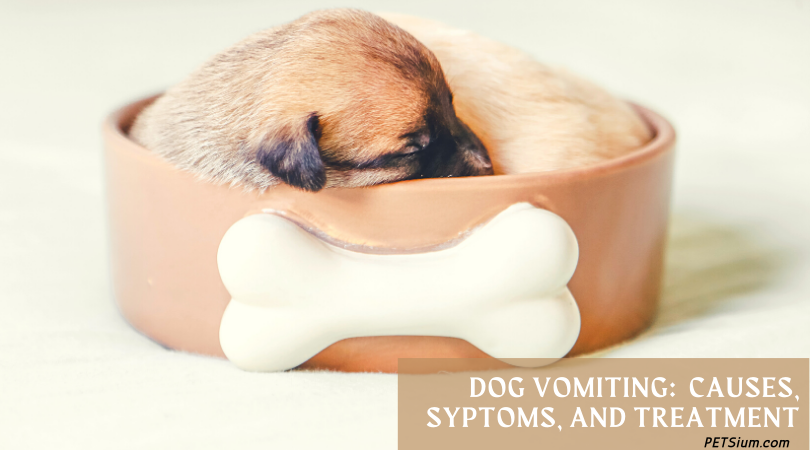
Dog Throwing Up Undigested Food

Dog Vomiting

Vomiting: this is defined as dogs intentionally and forcefully trying to expulse irritating elements from the stomach. Drooling and heaving usually precede the actual act of vomiting, with the abdominal muscles strongly contracting. It typically consists of yellow bile, which may at times appear to be brownish or look like a frothy type of liquids.

Dog Regurgitation

Regurgitating: a milder form of vomiting that seems to require much less effort, whatever is coming back up almost seems to do so without any help from the dog, usually caused by excessively rapid ingesting of foods.

Dog Gagging

Gagging: called retching in dogs, this condition is similar to choking. Strenuous coughing or hacking will result in visible muscle contractions in the chest rather than the abdomen. This is a more serious condition, as it may possibly indicate that something being swallowed could have been stuck in the throat instead and has become an obstruction. This may also be due to throat, heart or lung problems that should be quickly remedied.

Causes of Vomiting

Vomiting is very common to dogs. There could be many different reasons for vomiting such as stomach diseases, upper intestinal tract infection, ingestion of toxic substances, and so on. Vomiting is instinctive for dogs to force unwanted food or foreign objects out of their body. When a dog vomits, it does not necessarily mean that they have some kind of serious illness.

However, if your dog keeps throwing up followed by diarrhea, lethargy, or a change in behavior, then it is time to consult the veterinarian and request for medical attention.

Mild Acute Vomiting

The causes of dog vomiting can be divided into two those that lead to mild acute vomiting and chronic vomiting. Mild acute vomiting is a sudden episode of vomiting which often occurs just one time. Over-eating and eating too fast could cause a dog to vomit. To avoid this, dog owners could give smaller amounts of food perhaps two or three times a day instead of one big meal. Dogs could also vomit if they have eaten something indigestible or toxic.

Some dogs like to chew random objects or to dig through the garbage. If you know that your dog has a tendency to do these, it only means that your dog might have swallowed something that caused intestinal obstruction. What you should do to avoid this is to keep your garbage containers in an area that your dog does not have access to. Another cause of mild acute dog vomiting is motion sickness. Dogs, just like some people, could feel disturbed with loss of a sense of balance while inside moving vehicles like cars and boats.

Chronic Vomiting

Unlike mild acute dog vomiting, chronic vomiting implies continuous or frequent dog vomiting for more than two weeks. Some causes for chronic vomiting in dogs include food allergies, reaction to certain drugs like steroids and antibiotics, and stomach problems like gastritis and ulcer. If your dog vomits persistently, it may also mean that they have infectious diseases like parvovirus. Dogs are prone to this disease if they have not yet completed their vaccination sequence.

Parvovirus has been proven to attack and kill the cells in the intestinal lining of dogs. Other causes of chronic dog vomiting could also be worm infestation, obstruction in the stomach, liver disease, and even stomach cancer. It is important for dog owners to observe their pets carefully. If you see that your dog is getting worse, then a visit to the veterinarian should be made.

Diet

Any irritation inside the stomach can be the cause of dog puking. Although domesticated, dogs still retain their primeval instincts and are voracious eaters. In the presence of other dogs in particular, they will tend to eat as fast as possible out of concern that their food portions will be diminished by the competition. Interestingly, vomiting can also be induced by an empty stomach, as gastric acids can build up overnight.

Dogs are furthermore still scavengers even when well fed. Contaminated food can be another cause of dog throwing up undigested food. Deficiencies in certain nutrients are possibly an additional cause why dogs scavenge.

Canines, especially inexperienced puppies, never cease to amaze their owners by the amount of inedible items they can ingest, unaware of the difference between ingesting and digesting. It is also astonishing the things that can progress through their digestive system and eventually come out the other end.

Foreign intruders

Worms and parasites are common scourges for dogs, and the Parvovirus is particularly worrisome. Diarrhea and possibly blood usually accompany vomiting in these cases. Loss of appetite or agitation could be further signs of distress.

A typical recommendation is to soften up kibble or dry foods with water to improve the digestive process, along with multiple smaller meals instead of one ample meal. It also is advisable to feed dogs at different times if more than one is being cared for at any given moment to alleviate food gulping.

Although professional help may be required at times, the answer to your dog throwing up can usually be found with some keen observation of its surroundings.

Dog Throwing Up Yellow

You wonder why your dog keeps throwing up? There are a lot of reasons why your dog could vomit. Some of the reasons why a dog could throw up are toxins in the blood, inflammation of the upper intestinal tract, and inflammation of the stomach.

When a dog throws up yellow bile then you have a big problem because this condition can cause serious problems. Throwing up yellow bile can cause intestinal obstruction, pancreatitis, and dehydration.

A dog keeps throwing up yellow bile can be caused by various activities. Some of the common causes are anxiety, over production of bile, fast eating, eating of inedible materials, eating raw foods, eating uncommon food, and gastritis.

Dogs make yellow bile when they are getting ready for eating their food. When they produce this yellow bile and there were no food to be served, dogs just throw up this yellow bile to prevent their stomachs from being burned. So bear in mind that when your dog’s meal is served in long gaps there is a great chance that your dog may vomit yellow bile.

Most of the time, a pet owner feeds the dog a lot when they fail to feed them on the appointed time, and they see their dogs vomit yellow bile. What happened is that the yellow bile and the intestinal fluids have already irritated the stomach so when a dog eats at this point the dog will only throw up the undigested food that it ate.

However, there are various treatments that you can give your dog to prevent the worsening of the condition. The best way to treat this condition is to give your dog medications that have ranitidine, famotidine, and cimetidine. These substances can regulate your dog’s production of yellow bile and gastric acids and thus eliminating the source of your dog’s pain and problem.

Puppy Vomiting

In young dogs, vomiting can be caused by viruses and parasites. Puppies at the age of 2-3 weeks have a high risk of contracting worms. When worms become active, they can cause vomiting and diarrhea.

Canine Parvovirus is a very contagious, very serious illness that many puppies contract when they are not vaccinated at the right time. Parvovirus can cause extreme vomiting, which can lead to dehydration, stomach and intestinal problems, secondary infections and death, if not treated right away.

Ignoring vomiting in your puppy may lower his immune system and cause extreme illness and even death in some cases. It is important to get your puppy proper vaccinations, and keep him away from other animals who have not been vaccinated for worms or Parvo.
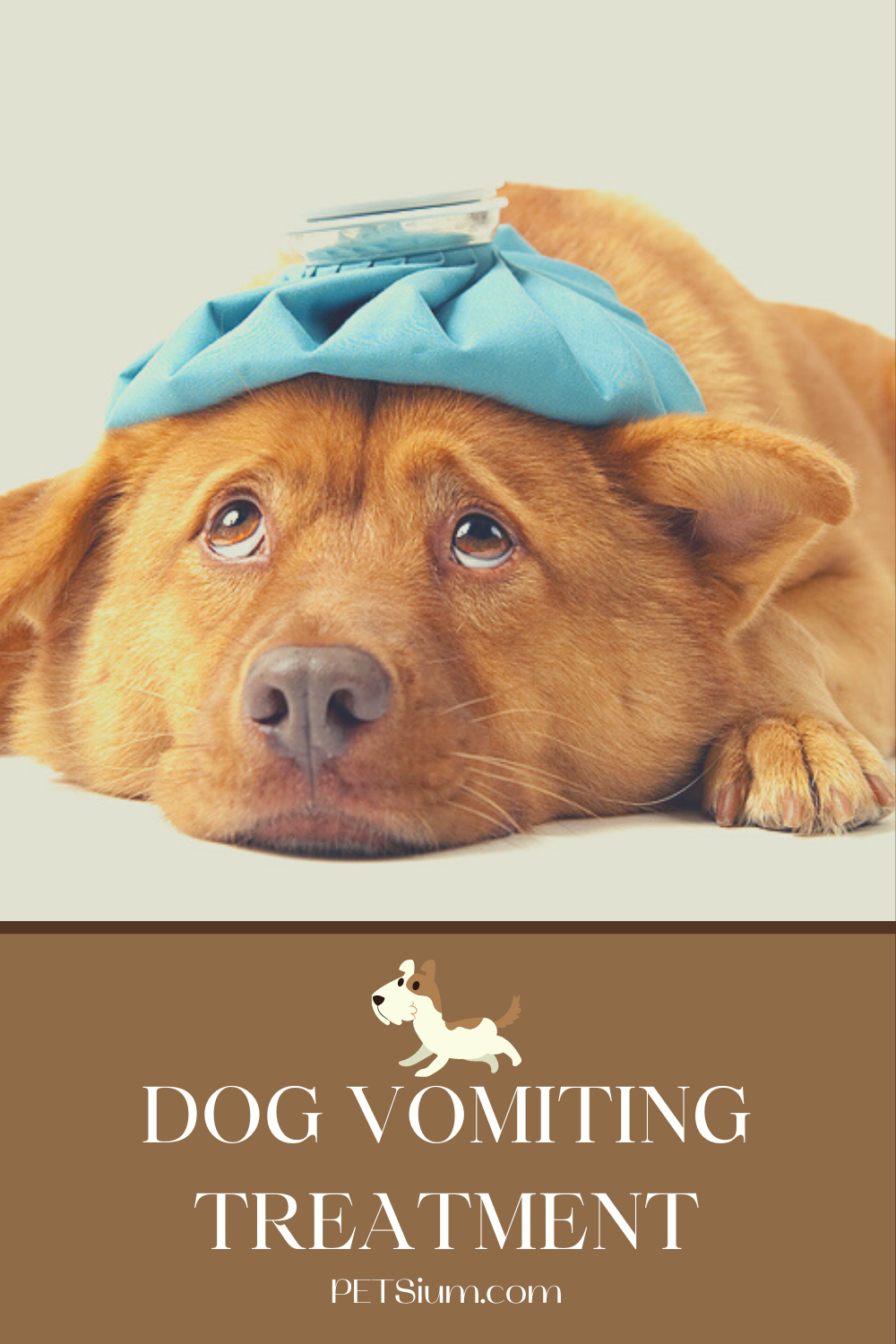
Why Do Dogs Throw Up

Dog Throwing Up Undigested Food Treatment

Having a dog with a vomiting problem can be a frightening experience. At first, you might find that it happens infrequently, but in some cases it can become a chronic issue. In other cases, it can the sign of a more serious, if not fatal, condition, such as bloat.

The first step in the dog vomiting treatment is to take your dog to a vet to make sure that the condition is not life threatening. You might be given medication, such as antibiotics (if the condition is bacterial), indigestion/antacid medicines, or even vaccinations against conditions like Bordatella and/or Rabies.

From there, if you’ve found that the condition is not fatal or life threatening, then it’s time to do what you can to ease the symptoms and help your dog feel better. Learning how to do this will help you treat the condition on your own rather than having to visit the vet every time your dog vomits.

The best dog vomiting treatment is a bland diet, which will help to settle the stomach and absorb stomach acid.

Dog Vomiting Treatment With Balanced Diet

1 1/2 cups of white rice
1/2 cup cooked (baked, not fried) chicken or turkey

Mix together and serve.

The rice will serve to absorb acid while the bird will provide slow digesting protein to keep the system working on real food, rather than an empty stomach.

If this works, and the vomiting dies down, then you can slowly re-introduce regular foods until the condition is completely resolved.

Keep in mind that your dog may become dehydrated after long bouts of vomiting, so the next part of the dog vomiting treatment cycle may involve rehydration via water or Pedialyte. I don’t recommend Gatorade or other sports drinks, as they are loaded with sugar, which is not healthy for your dog.

Also, try not to let your dog drink too much too fast, as this can lead to ever greater problems. The recommend amount of water for a dog is 1/2 to 1 ounce per pound of body weight per day.

Dealing with Indigestion

If the issue is related to indigestion, then the simple solution is to change the diet to a bland diet, which consists of white rice and chicken mixture (baked, no skin and no grease). This will work to settle the stomach and absorb stomach acid, but if it does not work, then it’s possible your dog might have swallowed something they shouldn’t have.

An X-Ray can help identify the foreign object, but unless your dog is in pain, the treatment is simply to wait it out and let it pass…naturally.

If the bland diet is working, consider asking your vet for an antacid, such as Tagamet. Though I do not recommend giving antacids to your pet without the approval of a veterinarian, many of them are safe in short-term treatment cycles. However, you’ll have a much easier time getting your dog to take a pill than you would a liquid, such as Pepto Bismol.

Lastly, try to avoid strange and exotic foods, such as rawhides, pig skins, or other edible chew toys. Though these do occupy dogs and keep them from chewing on furniture, they are also terrible for the stomach, as they contain a variety of unhealthy by-products, chemicals, and dies.

Overall, dog vomiting treatment is simple, provided your pet has been properly diagnosed and is monitored frequently. Keep the diet bland, try antacids, and keep them away from foreign objects. Beyond that, the vet is your best friend!

Home Remedies

There’s nothing more frustrating as a dog owner than to have a sick dog especially if you are a first-time dog owner. Part of the problem is that there’s usually a mess involved, and the other is that you feel bad because your dog can’t talk and tell you how he or she feels.

This also leads to an issue where a non-observant pet owner might not notice the subtle symptoms that accompany health issues. Close observation of your pets is a must.

You might often find your dog vomiting white foam, grass, or even chunks of their food. The good news is that this is usually not life threatening, but the bad news is that it can be.

Experimenting with Foods

Your dog’s diet is the key to their healthy digestive system, so try to avoid cheap food and table scraps if you can. Dogs need a certain type of protein, which is why the premium dog foods are worth their cost. If you can’t afford a premium dog food, then keep trying different brands and flavors until you find one that doesn’t give your dog indigestion.

OTC Medicines

There are many supplements that can be used to treat vomiting in dogs, but I wouldn’t use any of them without getting your vet’s advice first. Some medications can be fatal, and even though OTC medicines like Tagamet and Pepto Bismol do not fall into that category, they should be used under a vet’s care.

If you must use something, consider using Milk of Magnesia (magnesium hydroxide). The safe dose for dog vomiting treatment is 2-5 ml per pound of body weight every 4 to 6 hours. Be careful not to use more than that, as it can also serve as a laxative, and being that your dog is already dehydrated from vomiting, diarrhea is the last thing he or she needs.

An alternative to Milk of Magnesia is Mineral Oil, at a dose of 10 to 50 ml, added to your dog’s food.

Dog Throwing Up Undigested Food Conclusion

As stated before, the most important thing you can do is use medicine that a vet gives you and to follow the instructions. Failure to do so can further complicate the issue.

These are some of the important things that you need to know if your dog keeps throwing up. Now you know what to do if you see your dog throwing up however, it is still best that you have your veterinarian check out your dog.
Категорије: Dogs Тагови: Dog Throwing up, Dog Vomiting, Undigested food

Breeds of Horses

септембар 17, 2020 By liv parmel

There are many breeds of horses, and for centuries on end horse breeders have selectively chosen the best specimens to fulfill a variety of important human needs. From the endurance of Arabian horses to the speed of the thoroughbred to the sturdiness of the pony, horses have been serving mankind for nearly as long as humans have existed.

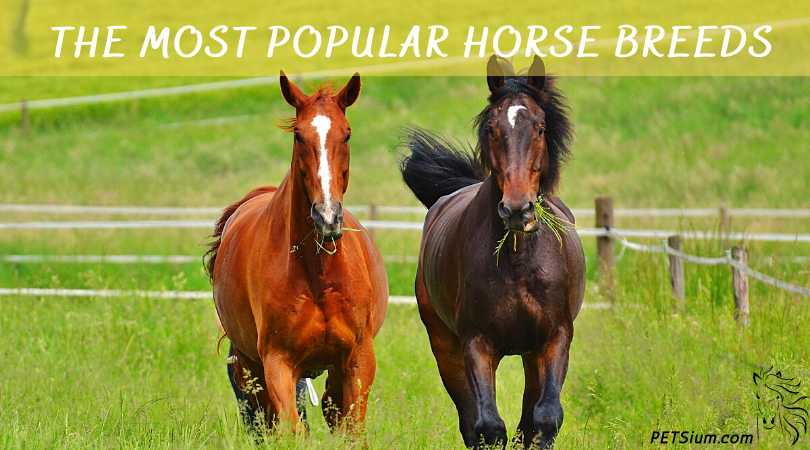
Most Popular Horse Breeds

The Major Horse Breeds:

  • American Saddlebred
  • Morgan Horses
  • Andalusian Horses
  • Mustangs
  • Appaloosa Horses
  • Palomino Horses
  • Arabian Horses
  • Ponies
  • Friesian Horses
  • Passo Fino
  • Gypsy Vanner Horses
  • Quarter Horses
  • Miniature Horses
  • Shire Horses
  • Missouri Fox Trotter
  • Thoroughbred Horses

A list of other horse breeds: American Cream, American Paint Horse, Anglo Arabian, Appendix, Arappaloosa, Ardennes, Azteca, Belgian, Boulonnais, Brandenburg, Camargue, Canadian, Carthusian, Cleveland Bay, Colonial Spanish, Colorado Ranger, Russian Don, Dutch Warmblood, Finnish, Fleuve, Fjord, Furioso, Groningen, Hackney, Icelandic, Irish Draught, Konik, Latvian, Lippizaner, Marwari, Messara, Morab, Murgese, Nez Perce horse, Oldenburg, percheron, Rocky Mountain, Salemo, Selle Francais, Tennessee walker, Tinker, Waler, Walkaloosa, Westphalian, Yili, …

The height of horses is measured in hands:

1 hand = 4 inches = 10,16 cm

For nearly as long as humans have existed, all breeds of horses have been there by our side, pulling our plows and wagons, serving as brave mounts during time of war, or just providing companionship for all members of the family.

Whether your idea of the perfect horse is a black horse, a white horse, a brown horse or a spotted horse, there are horse breeds available for your taste. In addition, there are types of horses that are perfect for dressage, great at show jumping, or just perfect for hacking around on the trails. No matter which horse breeds you look at, there will be something at which they excel.

Part of the reason for the versatility of various breeds of horse is the result of genetics. For example, the strong hindquarters and compact nature of the Andalusian horse make it perfect for the world of dressage, and for many years the Portuguese have used the power of this strong white horse in their training and breeding programs.

Other types of horse, like the Friesian, are perfectly suited to pulling carriages, and in ages past they also served as the sturdy warhorses of knights as they rode into battle. These are just but two examples of the versatility of the many breeds of horse.

And then there is the Dala horse… a very special kind of breed.

There is no doubt that all breeds of horses have their own unique place in history, and that they have played an important role in virtually every kind of human progress. Many modern advances, from taming the earth through farming, to conquering the west, would have been impossible for humans without their equine companions.

From the mustangs and appaloosas favored by the Indians, to the speedy and strong quarter horses ridden by the earliest cowboys, all these breeds of horse have helped make the human race what it is today.

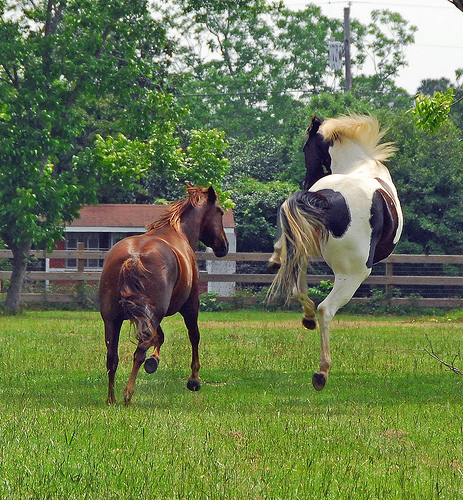
American Paint Horse

Common Uses of Horses

The equestrian activity the horse is commonly bred or used for. If you want to do a specific type of riding, it can be beneficial to choose a horse breed that excels in that particular discipline.

Dressage – While many breeds are suitable for dressage, some are better for it than others. Consider Thoroughbreds, Hanoverians, and any warm-blooded horse.

Endurance Riding – Most breeds can be used in endurance rides and races, but Arabians tend to dominate this style of riding due to their stamina and agility. Rocky Mountain horses and Trakehners are also known for their endurance capabilities.

General Riding – Any breed can be used for pleasure, but if you are an inexperienced rider, you may want a Pinto, Mustang, Tennessee Walking horse, or any cold-blooded horse.

Hunting – Hunting horses need to be well-trained and capable of handling loud noises and varying terrain. Quarter horses and Thoroughbreds are the most popular breeds used for hunting.

Jumping – Though many breeds would be appropriate for this equestrian style, some are more athletic than others. Thoroughbreds and Arabians, for example, make great jumping horses due to their agility and endurance. However, beginners should stay away from hot-blooded horses because jumping can increase their excitement level. Instead, opt for a Quarter horse or Appaloosa. These breeds are also excellent jumpers, but are easier to handle for non-experienced riders.

Mounted Athletics – Those who want to play polo or try their hand at archery should consider Morgans, American Saddlebreds, Quarter horses, or pony breeds.

Racing – If you want to race, you will need a breed that boasts speed and endurance. Quarter horses, Arabians, and Thoroughbreds make world-class racing horses due to their agility and stamina.

Rodeo – Whether you want to participate in barrel racing, calf roping, or reining events, the best breeds for rodeos are the Quarter horse, Appaloosa, and Paint.

Work – Those in need of a work horse should consider draft horses, such as Belgians or Shires. Big and muscular, these horses are best for hard, labor-intensive tasks like ploughing, pulling, and farming. In addition to their strength, they are patient and docile.

arabian-horse

What to Watch for in Horse Breeds

Impulse Buy

Don’t buy a horse without carefully thinking through your decision. Horses are a huge responsibility and require a major commitment of time and money. You need to ensure you will have adequate time to ride and care for your horse. It is also important for you to confirm that you can afford the long-term costs that come with your purchase.

In addition to the upfront payment of the horse, you will need to weigh the costs of monthly boarding (at a stable or barn), grooming equipment, farriers, vaccinations, horse feed, tack, etc. In short, it is expensive to own a horse, so make sure you will be able to handle the monetary demands.

Going Green

Do not buy a horse that is very young (also referred to ‘green’). Green horses are usually much cheaper than other horses, making it tempting to buy one. However, they are not trained and tend to be temperamental, making them very unsuitable for first-time horse owners. Even if you can find a qualified trainer, you will end up paying much more to have the horse trained than you would have originally paid, had you spent the money on the more expensive yet more appropriate horse for you.

Life Expectancy

This figure is an estimate of many years the horse breed is expected to live. When considering horse breed options, it’s important to think about how long you’ll be willing and able to own a horse. A horse that is well maintained and stays in good health can usually be expected to live between 25 and 30 years. However, both breed and lifestyle can greatly alter a horse’s life expectancy.

As a general rule, the two horse breeds that are likely to live longer than most are ponies and draft horses. These horses usually live past 30, and it is not uncommon for ponies to reach 35 years of age. The horse breed with the shortest life expectancy, on the other hand, is the Thoroughbred. These horses have a more delicate constitution, and when that is combined with the rigors of racing or competitive showing, they do not age as well and usually only live for 20 to 25 years.

Категорије: Horses

Facts About Horses

септембар 13, 2020 By liv parmel

Horses have been an important part of human history for ages, and documented horse facts depict how their presence has assisted mankind in advancing progress.

Some of the most interesting facts about horses lie in the way they have helped man to carve the history of the world. Often seen calmly grazing in fields, it is amazing to think of how these docile creatures have made a vast difference in the world.

Interesting Facts About Horses

Fossils dating back millions of years show the beginning of the evolution of the horse. Its ancient ancestor, Eohippus, was quite small at approximately two feet tall and was an herbivorous creature, feasting upon tree and bush leaves. Over time, scientific findings show that the genus developed into larger versions as it spread across the continents and became a grass grazer instead of a leaf browser.

The genus evolved from Eohippus to Mesohippus, and then to Hyphohippus which is believed to be the horses which inhabited the Old World. Through history, the species continued as it traveled from North America to Africa, South America and Eurasia, although the original Native American breed disappeared perhaps due to diseases.

European history derived from cave dwelling evidence shows that horses were plentiful during the early Stone Age; undoubtedly used as a source of nourishment for the people of the time. The number of horses in Europe dwindled during the Neolithic period, or latter Stone Age. Later, during the Bronze Age, evidence shows that the horse became a domesticated animal, with remnants of ancient harnesses and such found during explorations.

Horses were recognized and famed in different cultures for their capabilities; for example, Spanish horses were known for speed while European horses were famed for their strength. Breeding for specific purposes was not a recognized activity, however, until the late 17th century when the Arabian horse, facts show, was imported to England and France to merge breeds with native horses. The horse did not reappear on North American soil until the 16th century when the Spanish conquistadors brought them in on ships.

Improving and developing breeds over the last 300 years has resulted in major differences between breeds. There are over 250 breeds of horses now over the world, and can be broken down into classes of “bloods” to differentiate the breeds.

Coldbloods

These horses are generally of large stature, gentle by nature and are utilized for working or hauling tasks. Often called draft horses, the category includes such breeds as Clydesdale, Belgian and the Shire. Large bodies and heads are features.

Warmbloods

Easily trainable, warmbloods are used in competitions and equestrian sports. These horses were the breeds used during the Old West for cattle ranching.

Hotbloods

Horses that are known for great speed, these equines are utilized for racing. More highly strung and excitable than other breeds, streamlined bodies exemplify this type.

Different breeds enable the species of horse to be utilized in multiple ways. For example, the Clydesdale or Belgian breeds are well known for their strength and endurance, making them ideal work horses for farming and exhibition.

Horse facts show that, in contrast, Arabian horses are swift runners perfectly adept as racehorses, while the warmblood Palomino or Tennessee Walker are great personalities for personal mounts.

Interesting Facts about Horses Throughout History

These interesting facts about horses throughout history show their undeniable value. Though appearing to be a docile and unassuming animal while grazing in the field, their ancestors have contributed a great deal to forming the world as we know it now.

A few horses have been instrumental in forming the shape of the world’s history, whether real or fictional.

historical facts about the horses

Bucephalus

Possibly the most famous horse facts that are documented involve the steed named Bucephalus. In history, Bucephalus was the horse ridden by Alexander the Great through numerous battles and over thousands of cumulative miles as his empire was built. Bucephalus began life as a wild horse which was captured and offered as a gift to Phillip II, the father of Alexander.

Unbroken, Bucephalus exhibited many characteristics that Phillip II viewed as unbalanced. Alexander, however, saw great promise in the horse and worked gently and closely with Bucephalus until finally, the horse submitted to Alexander’s attempts to mount it.

The name “Bucephalus” was bestowed upon the horse by Alexander, who noted that the horse’s head was “as broad as a bull’s” head. The horse accompanied the boy, who became famous as Alexander the Great, throughout battles to acquire land, treasures and servants. Finally, in 326 BC, the horse died as a result of injuries sustained through the last battle fought by Alexander, who named a city after his beloved companion.

Comanche

In western history, there can be little doubt that the horse Comanche stands out as a famous figure. However, stories surrounding the horse, facts or fiction, still swirl in controversy. Purported to be the only survivor of the Battle of Little Bighorn back in 1876, Comanche retired from service and, upon his death in 1891, was mounted by a renowned taxidermist so he could be displayed at a museum at the University of Kentucky as the famed mount of General Custer.

The only problem was that General Custer never once sat Comanche, even though the horse has gone down in history as such. The actual owner of Comanche was Captain Keogh, a member of the 7th Calvary who rode into battle on the bay gelding for Custer’s Last Stand. Comanche was indeed found standing near his owner after the group had been killed by a combination of Sioux, Cheyenne and other Indian tribes. The horse had been severely wounded, and after healing, was revered to the ranks of parade forerunner; never to be ridden again.

The Trojan Horse

The tale of the Trojan Horse is one that has endured through the centuries. It has long been debated as to whether the event was an actual one or fictional, with no historic evidence supporting the occasion other than Homer’s reference to the war in his fictional works “Illiad”. The people of Greece, however, have full belief and confidence in the Illiad as a series of events from 450 BCE.

Occurring around the Bronze Age in Troy, the war trudged on for nine years without the Greeks having the ability to break down the walls of Troy. A large, hollow wooden horse was built, into which numerous Greek soldiers climbed and hid. The Greek ship sailed away in feigned defeat, leaving one man behind.

This man, Sinon, convinced the Trojans that the horse was of no threat but would actually bring luck to the people. Bringing the horse within the compound, the people marveled at the sight until they retired at nightfall. With the onset of darkness, the soldiers were released from the horse by Sinon and they commenced to slaughter the Trojans.

Trigger

Trigger is the horse made famous in the movies starring Roy Rogers; considered to be his co-star in film and TV fame alike. Beginning his Hollywood career in 1938, the horse was first designated to star in the “Adventures of Robin Hood”, however, when the lead character failed to appear, Trigger was delegated to another movie, “Under the Western Stars”, starring Roy Rogers. It was the beginning of a long career for the intelligent steed.

While perhaps not famous, many horses have assisted humans in many walks of life. Working horses pulled plows, cleared lands and transported families to church and town through drawn carriages and wagons. Providing means of transportation for Native Americans and early cowboys, horses became the backbone of American history, and forerunners of modern day postal services through the Pony Express.

While all horses are members of the Equus family, they are found in a variety of species and breeds. The zebra, wild ass and donkeys are all members of the same order. Like humans, horses can be of many colors, sizes and shapes.

There are some very interesting horse facts that apply to all horses, historic or modern:

  • Horses can sleep standing up. Their tendons and ligaments are designed so that they can lock their knees to be able to sleep standing up.
  • Horses only sleep 2 to 3 hours a day. Those hours are then split up to a few minutes throughout the day. They will lay down to sleep for less the an hour. The rest is spent sleeping standing up. Horse will only lay down if they are sure of their surroundings and feel comfortable.
  • Horses will graze in the pasture all day because their stomachs empty out about every 30 minutes. This happens to protect horses in the wild. If a predator comes after them they can run without being weighted down with a full belly.
  • The American Quarter Horse is the fastest horse and has been clocked at nearly 50 mph. The American Quarter horses are known for their fast speeds in short distances. They are the fastest at the quarter mile in horse racing. Hints the breed name „Quarter“ horse.
  • The „unofficial“ world record horse jump is 8ft, 3 1/2 inches.
  • Female horses are called a filly when under four years old, a mare when older than four but has not yet produced offspring, and a dam when she has produced offspring.
  • Male horses are called a colt when under four years old, a stallion when older than four but has not yet produced offspring, a sire when he has produced offspring, and a gelding when castrated.
  • All young horses, male or female, can be called foals before age 1; after its 1st birthday, it becomes a yearling.
  • The age of a horse can be determined by counting the teeth; adult females have 36, while adult males have 40 to 44 teeth. Younger horses have only 24 deciduous, or temporary, teeth.
  • The tail serves to protect the horse from insects, and to some extent as a rudder in rapid motion. The tail is also considered an ornament of the horse.
  • Gallop is the fastest and most natural type of horse walking.
  • Horses live for approximately 25 to 30 years.
  • Falabella is the horse breed with the longest life expectancy of 45 years.
  • Shire horse is the biggest horse breed with an average height of 21.2 hands.
  • Falabella is the smallest horse breed with an average height of 8 hands.

Today, horses are mainly used for exhibition and pleasure with the introduction of vehicles that are capable of traversing rough terrain. A number of horse varieties have evolved over the centuries; there are currently over 250 known breeds that fall typically into two different categories.

There are work horses, such as Clydesdales, which perform work of rodeo riding and pulling carriages. Thoroughbreds are the second category, and are generally a cross between Arabians and English mares. They are found on race tracks and in exhibitions.

The horse has been an integral part of the world’s history since the beginning of time. Evolving through the ages from a small fox-like animal to the modern steed used today for a multitude of purposes, there is no doubt that the horse has made its imprint on the progress of mankind.

Категорије: Horses

Best Dogs For Kids

септембар 7, 2020 By liv parmel

Kids and dogs have always gotten along well. The main reason why kids get along so well with dogs is that their natures are very similar, both kids and dogs tend to be free spirited and loving, energetic and trust worthy.

When it comes to choosing the best dogs for kids, one must consider various aspects that would influence the relationship that the kids will share with the pooch. It is not just the breed of dog that is important but also other factors such as training levels, size, and age and so on. Here is a run down of things one must remember when buying a dog for a kid or adopting a dog for homes with kids.

the best dog breeds for kids

Factors to be considered while choosing the best dogs for kids:

There are various aspects to consider while choosing a dog for a kid. Kids tend to share a very emotional bond with their dogs so unless the dog is chosen carefully it could affect the child’s emotional self easily. The best dogs for kids can be chosen based on the following aspects:

  • Breed of the dog
  • Size of the dog
  • Space available in the living quarters of the child
  • Health and fitness of the dog
  • Training and command response habits of the dog
  • Susceptibility to allergies and infections (if any)

Once these factors are sorted out, one can conveniently bring a dog home exclusively for the kids. Once the right dog enters the life of kids it is hard for them to imagine an hour of play without the dog — it almost assumes the role of a friend or sibling in the minds of kids.

Breeds that can be considered as best dogs for kids:

Almost any breed of dog can be trained to get along with kids, but the following 10 breeds top the list when it comes to choosing dogs for kids:

  • The Newfoundland
  • The Poodle
  • Labrador retriever
  • Golden retriever
  • Cairn Terrier
  • Coonhounds
  • The Beagle
  • Collie and Shetland Sheep
  • German Shepherd
  • Mutts or Mixed breed dogs

While each of the above breeds is great with kids, adults in the family must make sure that the canines are trained appropriately and exercise great caution while dealing with dogs. Once responsible dog ownership is adhered to, all dogs become worthwhile companions to kids.

Best Dogs For Kids

  • Golden Retriever
  • Labrador Retriever
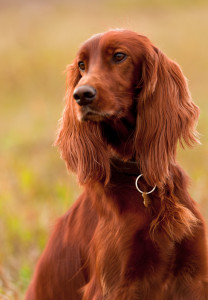
  • Irish Setter
  • Collie
  • Bulldog

Top Small Dogs For Kids

  • Havanese
  • Poodles
  • Shih Tzu
  • French Bulldog
  • Miniature Schnauzer

The 10 Best Child Friendly Dogs

You’ve decided that you want to add another family member to your household, but you want to get a dog that is going to be good with your children. Usually a good option is to choose a dog by it’s temperament, character, size and energy levels. However there are lots of dogs breeds out there so how do you know which breeds are good with children.

Labrador-DogLabrador Retriever

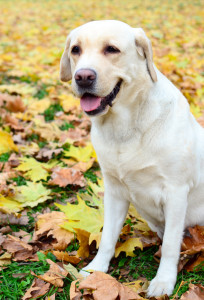
Labradors love people. Labrador Retrievers are happy dogs, with a very calm nature and it probably comes as no surprise that they are the most popular dog breed in the world. This popular dog breed love playing with children, but maybe not ideal for small children because their size and they could accidentally knock a small child over when playing. They are very affectionate towards their families and will lay on your feet or even your lap given the chance. Labs are highly intelligent and are easy to train. However they hate being left alone, and can become destructive if bored.


Golden RetrieverGolden-Retriever-Dog

A calm, friendly, affectionate and gentle dog, the Golden Retriever is a great family dog. They are very gentle and extremely patient with children. Again as they are a big dog they not be suited to very young children, and may accidentally knock into a small child during play. They are extremely intelligent and very quick to learn making training easy. However they do have a long coat and will shed a lot, and you will be finding hair everywhere.


Poodle-Dog

Poodle

Cheerful, affectionate, good-natured with an eagerness to please, the Poodle makes a great family dog. They are very energetic and need lots of exercise. Poodles are extremely intelligent and can be trained with ease. They are very gentle and patient especially with children. However if they get bored they can get into mischief and become destructive, so make sure there are plenty of toys to keep this dog entertained.


Staffordshire Bull TerrierStaffordshire-Bull-Terrier-Dog

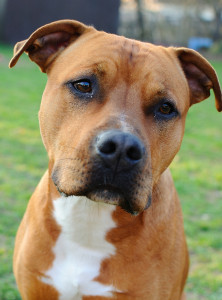
The poor Staffordshire Terrier gets a real bad press. Often mistaken for the larger Pit Bull, this dog is a great family dog. Staffies are a very affectionate and love their families, and have a high pain threshold making them ideal playmates for children. However, there are some poor breeding programs out there for this dog, so find a good reputable breeder.


Collie-Dog

Collie

Super intelligent and gentle, the Collie is easy to train and is energetic dogs and will require regular exercise. They were bred as a herding dog, and may do this with children and other family pets, so you are best to try and discourage this behaviour. Collies are great with children and are always eager to please their families.


NewfoundlandNewfoundland-Dog

These dogs absolutely love children, and can be very protective. This dog has a very kind, gentle and patient temperament, and is often referred to as natures babysitter. However they are very large and require a lot of space. They have very thick coats which shed a lot of hair, and they can drool a lot, but you simply can’t help falling in love with this beautiful large dog.


Springer-Spaniel-Dog

Springer Spaniel

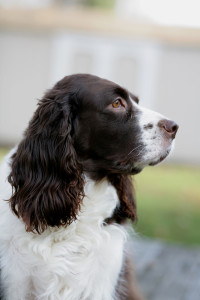
Springer Spaniels are fun, obedient, loving towards their families and always want to please their owners. They love playing with children, and are very energetic, and will require lots f regular exercise. However they need lots of attention and affection, and will always want to be close to their family. They hate being left on their own for long periods.


BulldogBritish-Bulldog-Dog

With a rugged sturdy build the Bulldog may not look like a cute and cuddly dog, but they are absolutely perfect for kids as they can tolerate rough handling, and enjoy playing. They are not the most energetic dog breed, but this means that they make great dogs if you have a small house or flat. The Bulldog is friendly, pretty chilled and gets on well with other household pets as well.


King-Charles-Cavalier-Dog

Cavalier King Charles Spaniel

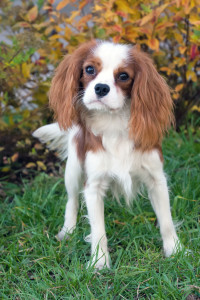
This little dog likes a lot of attention and fuss, and will love being part of a family. They are gentle, friendly and playful. They love kids, but because of their delicate size they might not be suited to very young children. This cute dog enjoy walks but keep them on a leash as they will chase anything that moves. Cavalier King Charles Spaniel are suited to a large house or small flat, but they don’t like to be left alone for long periods.


Irish SetterIrish-Setter-Dog

These large dogs are great with families. They are very energetic, love to run and need lots of exercise. They have a great personality and can be a little mischievous at times, but they love to play especially with toys. Start training early as they can be destructive if they get bored. They love children are probably not suited to smaller children due to their size.


Dogs For Kids – Picking the Right Breed

There are many different things to factor in when your picking the right breed of dog, especially for your child. How old is your child? Have they been around dogs before?

If your child is still small (in the 1-5 range) it might be a better idea to get a smaller less active dog. Sometimes dogs don’t understand that a child is to small and they can’t be rough with them. If the dog is a smaller less active dog then they won’t be large enough to play to hard.

For example a large dog like a Lab might not be to active but still may be to big for the child to play with, while a smaller dog like a Chihuahua may be to aggressive. If getting a larger or active dog, or even both, it is best to get it while it is still a puppy. This gives the puppy time to learn who to be with the child before being to large to be a problem.

Another thing to consider when trying to pick the right breed for your kids is your families current living situation. Larger dogs eat more and in turn cost more to raise. Larger dogs can also be more of a messy companion then smaller dogs, especially while shedding.

Also if you have other pets you should be sure that it’s a breed that is known to get along with that particular pets species. This is another good reason to buy dogs as puppies first, to familiarize them with other pets at a young age.

The most important thing to factor in when picking the right breed for your kids is their opinion. Ask them they may know what they want and if it’s okay with the rest of the family then that’s the best way to go. If you still are not sure what to get them take them with you to your local pet shop and see which one your child bonds with.

Категорије: Dogs

Lop Rabbit – A Popular Rabbit Breed

септембар 2, 2020 By liv parmel

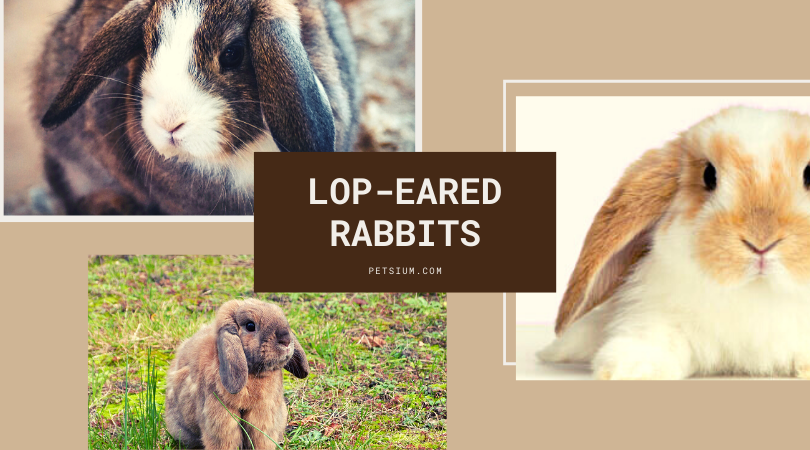
While any rabbit is a cute pet, lop rabbit breeds rank among some of the most popular rabbit types and for good reason. Incredibly cute, cuddly and sweet dispositions all add up to make lop eared rabbit breeds desirable pets, while their intrinsic attractive appearance make them great show animals.

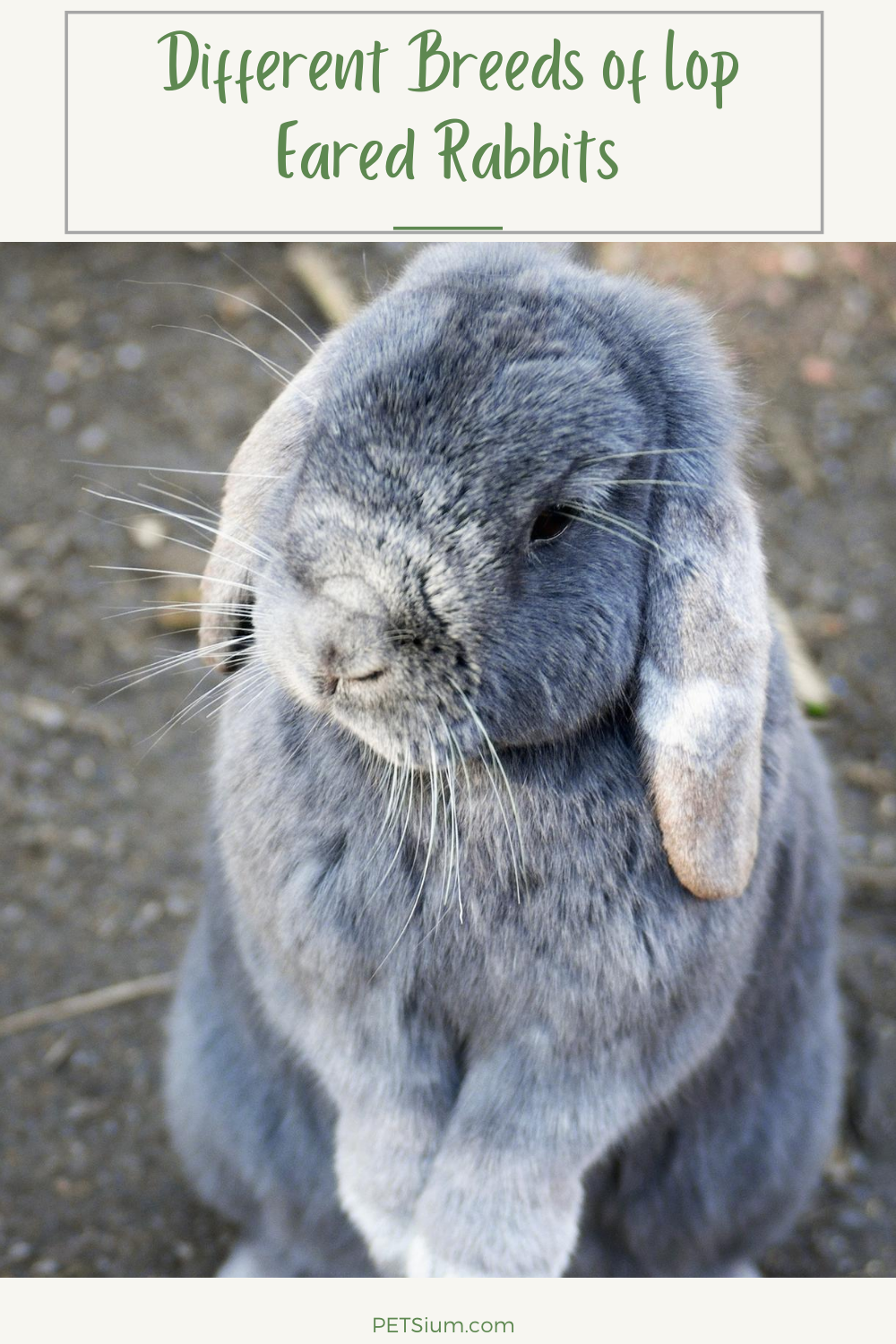
Perhaps the most distinctive feature on lop eared rabbits, are the large ears. They are thick and wide and they flop along side of the head area. Out of all the domestic breeds of rabbit, they are the oldest breed and they can be traced back to the 17th century.

lop rabbit

There are different lop eared rabbit breeds but every type is considered small, muscular and they all have the signature floppy ears by the time they reach 4 months old.

Lop Rabbits Breeds

As their name would indicate, the lop rabbit has ears that may be short or long, but always floppy. There are several varieties within the lop eared rabbit breeds to be considered as pets that would do equally well in that role.

American Fuzzy Lop Rabbit

The American Fuzzy Lop rabbit has a long, dense coat of fur. Their droopy ears are on the shorter side compared to some of the varieties. A few different varieties fall into the American Fuzzy Lop category, depending on their coloration. In general, these can be any one of an assortment of colors, from solid whites to shaded hues and wide bands.

Mini Lop Rabbit

A truly sweet pet is the Mini Lop rabbit. They genuinely love the attention they receive from their owners, and love to cuddle and play. Smaller than the average rabbit pet, they are ideal as pets for children who enjoy showering attention upon them. Mini Lops are intelligent as well, and have been known to become litter trained. There is a wide spectrum of color variations for the Mini Lops, although for show bunnies, only 5 of those are recognized.

Holland Lop Rabbit

Another lop rabbit variety that is widely sought as a pet is the Holland lop. A dwarf variety, the Holland lop rabbit weighs only about 3.5 to 4 pounds and are very playful animals. While toys are available for purchase in pet stores, they enjoy simple toys that can be fashioned from items readily found within most homes; items such as empty toilet paper rolls and golf balls.

The Holland lop is actually the smallest breed of lop eared rabbit. It weighs in at less than 4 pounds and the ears are thick and long and they drag on the ground. This type of rabbit comes in many colors and patterns and it has a stocky, muscular body. The Holland lop is known for having a sweet temperament and it is non aggressive.

lop eared rabbits

English Lop Rabbit

The English lop is called the “king of the fancy” because it is the first type of lop eared rabbit. This rabbit can weigh a full 9 pounds and it has the longest ears out of all lop eared rabbit types. Usually the ears are 21 inches and they can drag on the floor along side of the rabbit. They behave well and are very smart.

The English Lop rabbit sports the longest ears of all types of rabbits. These floppy ears can reach an impressive length of over twenty inches! Of course, with ears this long, owner must take some careful considerations when providing for their pets. One of the most overlooked special needs is the requirement for a hutch that is much larger than what another rabbit might need.

At the other end of the spectrum is the English lop rabbit; one of the larger of the breeds. This rabbit on average measures out to around 22 inches long, with magnificent ears that grow as long as 20 inches long! With truly great personalities, the English lop lavishes in love and attention, and responds with an extremely docile manner. This breed is known to be one of the oldest breeds of rabbit, with history back to the 16th century.

French Lop Rabbit

The French lop is said to be the largest of the lops. It can weigh over 10 pounds but the ears are much shorter than the English lop. If it is kept outside, it will need a large hutch or area to move around in. They are friendly and have a relaxed temperament but it isn’t a good idea to have them around small children. Toddlers can accidentally harm the rabbit or the rabbit can become aggressive and bite the child.

German Lop Rabbit

The German lop is a small type of rabbit. The average German lop weighs around 7 pounds. The ears can flop up to 11 inches and they come in a variety of color patterns. This rabbit is muscular and has thick, course hair. It can live and be happy living indoors or outdoors and although it does have bursts of energy, it should have a hutch or specific area to rest in because this type of rabbit enjoys a certain amount of downtime.

Dwarf Lop Rabbit

The dwarf rabbit is one of the smallest types of lop eared rabbit. The average dwarf weighs in at around 4 pounds. The ears are relatively short and they have dense short hair. They come in a variety of colors and patters that include chinchilla, sable and seal point. They are smart and can be trained to use a litter box and they can also learn their own names and respond to them. The dwarf rabbit should probably be kept inside away from the elements.

The lop eared rabbit is one of the most adorable animals that people choose to keep as pets. They are not hard to train and they can be taught to use a litter box and kept within the home. They groom themselves and if you have your pet lop eared rabbit spayed or neutered, it can live up to 10 years. This small animal requires little care and it is friendly and playful.

The lop rabbit is among the most popular of the rabbit breeds.

Velveteen Lop Rabbit

The Velveteen Lop is a new breed of rabbit that is gaining in popularity.

The Velveteen Lop has one of the sweetest dispositions. They also love attention. They are very cute, looking almost like the velveteen rabbit in children’s storybooks. They are much easier to take care of than Angoras. If you are looking for a rabbit that enjoys cuddles this one might be perfect for you.

Velveteen Lops weigh five to seven pounds and they are mandolin shaped. They have long ears, about 12 inches. They are on the small side for rabbits. The fur of the Velveteen Lop is very plush and velvety, which may explain their name. Their fur is very short when compared to other rabbits and also has minimal guard hairs. This makes them much easier to groom.

Категорије: Rabbits

Egyptian Mau Cat

август 25, 2020 By liv parmel

The Egyptian Mau is the only naturally spotted domestic cat. Many owners/Egyptian Mau breeders say that Maus is smarter than other domesticated cats.  The Egyptian Mau is recognized by the CFA in 3 different colors. These colors consist of silver, smoke, and bronze. When in a good mood, they are known to make a „chortle“ sound.

Egyptian Mau Cat Information

Egyptian Mau Cat Temperament

The Egyptian Mau Cat is for me one of the most beautiful, lovable and characterful cat breeds! She is a high-contrast, elegant and majestic looking cat with a radiant personality and the only breed in the world that is naturally (i.e. not bred) spotted.

Her nature is characterized by the fact that she is loving, intelligent, affectionate, sensitive, people-related and playful. She is loyal to her family as soon as she has gained the trust (although this breed has to be given time in this regard!) And loves them intensely until the end of her life. She has a special, very strong bond with her owner – this trait is something special among pedigree cats.

A Mau demands their love from their human being in a gentle but consistent way. She is soulful and does not like rejection, although she can and will learn very well, but with a lot of empathy for her individuality.

Mau does not like to be lifted (with rare exceptions) – due to their proximity to the wildcat, they need the feeling of not losing the ground under their feet. They want to keep track of things and hate to be forced to be „lucky“! For the same reason, the Mau just doesn’t like being stared straight in the eye.

When you bring an Egyptian Mau home, you absolutely have to consider its originality! She gets along very well with other cats. But she has a strong sense of „equality“.

Egyptian Mau Cat Appearance

The Mau is a medium-sized, slender, muscular cat with a weight of around 2.5 to 5 kilos, depending on the individual and gender.

Their fur can have three color variants: Silver Spotted (silver with black spots), Bronze Spotted (brown with black spots) and Black Smoke (a special characteristic of this breed because it has the only spot pattern among the smoke-colored cats), of course each up.

The coat is relatively short, silky and fine (especially with the Black Smokes). The natural spots can be of different sizes and shapes. They should be arbitrary and distributed all over the body.

The Mau’s senses are strongly developed due to the proximity to the „wild“ cat and want to be practiced and occupied. With play – and variety – you shouldn’t be stingy at the Mau!

The eyes of the Egyptian Mau are gooseberry green (light green) in all colors, which I personally especially love. It is fascinating to look into the eyes of this cat, because their eyes express each of their emotions exactly – as far as one can and wants to read this „eye language“.

Her face is characterized by an „M“ above the eyes, the mascara lines (which extend from the corners of the eyes to the end of the cheeks) and a particularly typical eye position, which gives the cat a naturally „concerned“ expression (often as “ Did I miss the bus? „).

Their ears are medium to large in size and can also have small tufts. The paws of the Mau are comparatively small and graceful, the hind legs are longer than the front legs, which is reminiscent of a leopard when walking. When running, it can reach up to 50 km / h – it is one of the fastest cats among the domestic cats (breeds).

Egyptian Maus Cat Breed

Egyptian Mau Cat History

The history of the Egyptian Mau begins with the settling down of the people in ancient Egypt. Farming in the fields and building granaries attracted many rodents at that time.

Because of this excess food supply in rats, the Nubian black cat settled. The Egyptians quickly realized that cats kept rats away from their grain and soon people started keeping these cats as pets.

Over time, they were treated like regular family members. If a cat died of natural causes, a family funeral was held. This memorial service was followed by the ritual of embalming. This was only allowed to the kings of Egypt.

Mice were also placed in the grave to give the dead cat a good start in its new life. The Mau was therefore very important in ancient Egypt. In fact, there are even more cat mummies than human mummies.

The name Mau is derived from Egyptian and means cat or sun. From the many ancient Egyptian paintings and murals one can see the important position of the Mau cat.

Many deities, such as the Sun God Ra, were depicted as a spotted cat. She was downright adored and was considered part of religion. A cat killer in ancient Egypt was sentenced to death immediately without a trial.

If a cat died in an accident, the guilty party would face a heavy penalty. Such laws underline once again the position of this cat at that time.

The fact that the Egyptian Mau still exists today is due to the Belarusian princess Nathalie Troubetzkoy. In 1953 she met the Egyptian ambassador to Italy. During her visit, she was so enthusiastic about a pair of cats and their polka dots that, with the help of the Egyptian ambassador, she got a female.

They mated with one of the ambassador’s male cats. As a result of mating, two male kittens were born. One of the boys was backcrossed with his mother. With the resulting young female and two other Egyptian Mau, the Belarusian left Italy and moved to America. From this moment the breed spread again.

Like many cat breeds that are not too far away from the wildcat, Egyptian Mau kittens from around 6 weeks of age are in the so-called fuzzy phase (fuzzy = blurry).

This stage is of different length and can also be different. The drawing and coat color appear blurred during this time. The development of the color (contrast) and drawing (sharpness of the spots) is only fully completed from an age of 2 years.

The reason for this phase can be found in the original wild portion of the Egyptian Mau. Wildcats start to leave the safe nest at the age of 10 weeks and a few weeks before they take on a blurred drawing in order to be well camouflaged from predators. Egyptian Mau also has this characteristic.

Apart from that, it should be mentioned that every cat, whatever breed (or not) it belongs to, is and always remains an individual. The more important that cats must go through a good socialization process in all directions in their first weeks of life.

The character phase in cats takes place between the second and seventh week of life – accordingly, it is wise to accustom kittens to various noises, smells and people in general, especially at this time. This is the only way to guarantee that, especially with Egyptian Maus, humans and cats can enjoy their mutual existence.

Категорије: Cats

The Best Guard Dogs

август 16, 2020 By liv parmel

Dogs make wonderful companions. They unreservedly love and they will constantly follow their owners everywhere they go. Having a dog at home has many uses. They add life to your home and love you unconditionally.

Dogs have other uses too; one of them is to be guard dogs. Dogs are extremely loyal and will protect you and your family in case of any potential danger.

The Best Family Guard Dogs

Dogs are basically of two types – watch dogs and guard dogs. Before you get a dog, you should be clear about which type you want. Here are some basic difference between a watch dog and a guard dog:

Guard Dogs

Guard dogs are more aggressive than watch dogs. They are also known as security dogs. Guard dogs not only scare away probable intruders but they also protect their owners with their lives. They are very loyal and will ensure that you remain safe no matter what the danger. Guard dogs are better options especially if you and your family live in dangerous or secluded areas.

Watch Dogs

Watch dogs will warn their owners whenever any strangers approach their homes. They can scare away strangers and alert you whenever someone approaches your home. However, keep in mind that a watch dog will not necessarily protect you from the impending danger.

Dogs such as the Shetland Sheepdogs make good watch dogs but because of their non-aggressive nature, they do not make such good guard dogs. They will alert you but will not be able to protect you much.

The Best Guard Dogs for Your Home

It is a fact that almost all breeds of dogs have a strong sense of protecting their owners and their homes. Nevertheless, if you live in an out-of-the-way area you need to have a dog that will protect you, your family and your home in the best way possible. While some breeds of dogs are better guard dogs than others are, you should not underestimate the value of training.

When choosing a guard dog, first think about the amount of space you have. Usually, the best guard dogs are the larger breeds of dog. However, smaller dogs such as a Jack Russell or a Chihuahua can be just as helpful in raising an alarm in case of danger.

So, if you do have enough space for a large guard dog, you can always opt for a smaller one. Obviously, a small dog will not really provide substantial protection or be an intimidating figure to intruders.

There are many breeds of dogs that make outstanding and lovable pets but not all make good guard dogs. So, to help you out I have compiled a list of some breeds of dogs that I think make very good guard dogs:

Great Dane

Great Danes are really huge dogs. Physically, they look very intimidating but really, they are very gentle dogs. Great Danes make faithful and loving family pets and they are very good with children.

Nonetheless, if they sense any danger, they will immediately raise an alarm with their very loud bark. Their size and their bark is more than enough to scare away any kind of intruders.

Boxer

Boxers are usually known for their fun loving and playful demeanor. Thus, they may not really be an ideal choice for a guard dog. But, boxers are known to be good judges of character and consequently, can warn their owners of potential threats.

Doberman Pinscher

When it comes to guard dogs, many people choose the Doberman Pinscher. These dogs have a daunting persona. This breed of dog is strong as well as fast and thus, is often used in police and military works. The Doberman Pinscher is similar to the German shepherd as they are both intelligent and extremely loyal. It is a misconception that all Dobermans are essentially aggressive. In actual fact, most dogs become aggressive due to negligent training.

Rottweiler

These dogs are very strong. Rottweilers are loyal and will willingly sacrifice their lives to protect their owners. Because of their defensive nature, rottweilers need a lot of training. However, they are very intelligent animals and can be trained very easily.

A Rottweiler is an extremely strong and powerfully-built dog. They are intelligent and very quick in learning new things. As with other breeds of dogs, rottweilers need proper training to become good guard dogs. They are loyal and friendly and make wonderful family pets.

Rhodesian Ridgeback

These dogs were originally bred to aid in tracking lions. These dogs are very confident and make both good family pets and guard dogs. Rhodesian Ridgebacks have a very calm nature and are very good with children.

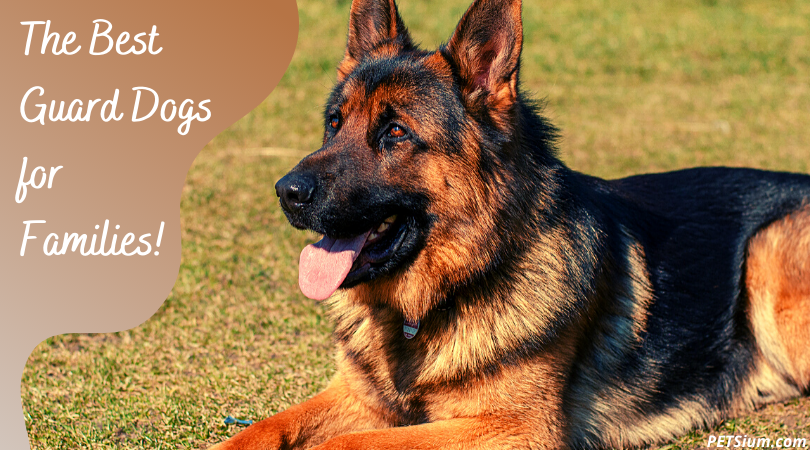
German Shepherds

German Shepherds are excellent guard dogs. Not only is the German shepherd a wonderful companions but it is, in my opinion, the best guard dog. They are gentle and loving and yet, in case of danger, they can be very aggressive toward the intruders.

The German Shepherd is one of the most popular breeds of dogs. They are brave and very intelligent and are often used by the police to aid them in some of their works. German Shepherds also make great family pets as they are calm and loving and marvelously patient with children. In case of danger, the German shepherd will ferociously protect its owners. It has a very loud bark which can be threatening to intruders.

The Great Hunter Argentine Mastiff

Dogo Argentino is another name for Argentine mastiff. It has a close resemblance to American bulldog and American Pit Bull Terrier with regards to the appearance and length, respectively.

Dogo Argentino is purposefully used in big game hunting with other wild animals like the bfoar and puma. They are usually trained to become great hunters. In addition to that, these dog breeds are also used to help security officers and state defenders in the search and rescue activities. Along with other purposes also include tracking, narcotics detection and guiding the blind.

Like any other pure breeds, Dogo Argentino can be amiable, charming and playful to their masters, loyal and quick in noticing suspicious acts and attacks intruder. These protective tendencies towards territories have regarded them as also a good guard dog. Dogo Argentino is also can easily get along with other dogs for they are well trained in the field of socialization, yet they can be authoritative at times.

All these dogs need a lot of training to guarantee that they remain loyal and well-behaved at all times. Because of their protective nature, they may seem aggressive. But remember that like all dogs, guard dogs can also be friendly and gentle.

The Function of a Guard Dog

First and foremost a Guard Dog does not necessarily have to be an Attack Dog. Many of the temperate breeds, such as Spaniels and Labradors, will make very effective guard dogs. A Guard Dog should not simply attack intruders on your property. Training an Attack Dog is a very difficult task which may be best left to a professional service, as the dog will need to learn how to distinguish between intruders and friendly visitors.

However, by training your Guard Dog to be always on alert for any type of suspicious activity will go a long way to protecting your property and family against intruders. Just the presence of a dog barking will deter the majority of thieves from your property.

Proper Training Of Your Guard Dog

You have made a good choice if you have decided to keep a guard dog. However, you should understand that your work does not just end by bringing a dog to your home and keep it fed. You will need to give it good training.

One of the major reasons for which people keep guard dogs is to have more security in the home, hence their name. Although dogs are instinctively protective, there is need for proper training in order for them detect likely danger and deal with it adequately. While you may take your dog for professional training, you may as well do the training by yourself. In such a case, there are a number of things that you need to bear in mind.

How to Train Your Dog to Be a Guard Dog

Training a Guard Dog: Socialization

Before starting to train your dog to be an effective Guard Dog it is very important to socialize your dog. Socializing your dog allows them to become familiar to loud noises, other animals, friends and visitors, traffic, storms etc. If a dog isn’t socialized they will have an extremely difficult time distinguishing between threatening scenarios and normal day to day life. Socialization training should begin as soon as the dog comes into your care.

Dog Obedience

Once your dog has been properly socialized it is now time to begin the training. The best way to start is with basic obedience training. Basic obedience training will train your dog that you are it’s master and to listen to your commands. Once your dog has a firm grasp of basic commands you can begin training your dog as a guard dog.

In order for any dog training to be effective, the dog must first of all be taught to be obedient. Obedience training will not just help the dog to obey instruction but also feel more secure and confident. The understanding between your dog and you will likewise be enhanced, and the dog will follow your instructions well. You may make your dog more obedient through such things as exercises and social interaction. There are basically five major commands that you should teach your dog to obey, which are: down, drop, sit, stay, and come.

The most successful program is using what is known as positive reinforcement. You will reward your dog for desired behavior whilst just ignoring them for bad or unwanted behavior. Using this training method requires that you do not physically punish the dog, as this could lead to uncontrolled aggressiveness or could break their spirit and resolve. Instead the dog will learn that good behavior is rewarded with treats and attention whilst bad behavior will see them ignored entirely.

Training A Guard Dog: Controlled Barking

If you want your Guard Dog to only bark at specific situations, they must be trained when it is appropriate to bark and when to stay quiet. For example, if you have a lot of visitors to your property during the day you may not want your dog to bark uncontrollably every time somebody approaches. However at night time you may want your Guard Dog to bark whenever they see someone approaching.

To enforce this, it is best to choose a verbal command which will tell your dog that they must stop barking. This can be as simple as “Quiet” or any other command that you choose. It is important to use this command once your Guard Dog stops barking accompanied with a reward. Over time they will recognize the command and associate with stopping barking.

Barking

Obedience is very important in teaching your guard dog, but there’s more. For instance, you should train your dog on proper barking. One of the simplest ways of doing this is to respond by going to your dog whenever it barks. Do not underestimate a dog’s intelligence. A dog will take note of your action from its very first bark. If you do not seem to take any action, it will not be inclined to give you any warning when it detects any suspicious activity.

Lessons on Not Barking

As much as it is important to train your guard dog to bark, you should as well train it not to bark when there is no need, such as when someone passes on the road. Just patiently tell it ‘No’ as you tap your finger until it gets the message that that is not the time to bark. When the dog has understood this instruction, it will no longer bark under similar circumstances.

Training A Guard Dog: Property Boundaries

Whilst training a guard dog, your dog must know exactly where your property starts and ends and know that it is only meant to protect your property and nowhere else. This will prevent the dog from barking at someone just walking down the street or visitors next door etc. Walk your Guard Dog around the perimeter of your property once a day and the dog will start to recognize your property as their territory and will only take action on intruders that come into their “territory”.

Training A Guard Dog: Advanced Technique – Aggressive Behavior Snarling Dog

As a general rule, it is not recommended that you train your Guard Dog to attack intruders. Training your Guard Dog to be an „Attack Dog“ is best left to professional trainers who use very strict training programs and have years of experience. However it is still possible to train your Guard Dog to exhibit threatening and aggressive behavior towards intruders. Letting your Guard Dog raise it’s hackles, growl and bare it’s teeth is very effective at scaring away would be intruders.

Using this advanced training technique, it is very important to have a command which will instantly tell your dog to stop and just act normally. This will prevent your Guard Dog from intimidating normal visitors and give you more control over your Guard Dog. Unfortunately it is very hard to train your dog to just act aggressively.

An effective method is to have someone come over that the Guard Dog does not recognize and act in a threatening manner to the dog. Reward your Guard Dog when you successfully utilize the ‘Stop’ command after it has been acting in an aggressive way. Never encourage or reward your Guard Dog for attacking someone.

Speed Up Your Training

The easiest way to speed up the training of your guard dog is to use the services of professional dog trainers. However, you may as well speed the training process yourself. For instance, you may have a neighbor sit on your lawn and give the dog a pat when it barks. This will not just boost the dog’s confidence but also encourage it to bark in case of any trespass.

In Conclusion

Many people think of dogs as loyal companions, who are able to form a strong bond with their owners. However, owning a dog can also be a great way to increase the security of your property. A properly trained guard dog can help to deter potential trespassers and thieves, and is also an effective alarm against intruders that may be on your property. By following a proper training regime, it is possible to train your dog to be a great Guard Dog, whilst still being an affectionate and loving companion.

Training your Guard Dog is a time consuming but rewarding endeavor. Remember above all else that your Guard Dog is NOT an Attack Dog. Your Guard Dog should be effective at alerting you when something is “not right” and act as a deterrence against would be intruders. An appropriately trained Guard Dog will serve as a great companion to you and also as added security to your property and loved ones.

Категорије: Dogs

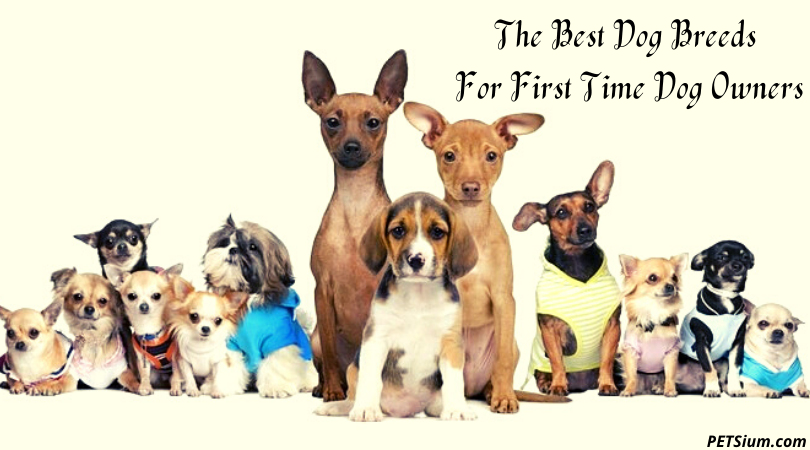
15 Best Dogs For First Time Dog Owners

август 7, 2020 By liv parmel

There are hundreds of different dog breeds out there, and most will make a great dog for a first-time owner. However there are few breeds that are ideal for first time dog owners, and will make the experience of owning a dog an easy and joyful one.

Best First Dog

So you’ve been doing a bit of thinking and you’ve decided to get a dog. You’re excited but at the same time a little scared as you have never owned a dog before. It’s only natural to be a little scared as you just don’t know what to expect. Will the dog destroy my home, or will it takes hours to train the dog, or will the dog constantly bark.

best first time dogs

Becoming a dog owner is a responsibility not to neglected or taken lightly; the trust that a dog has in its owner should never be betrayed. A dog is not a toy that can be abandoned after a while, out of boredom.

Best Dogs First-Time Owners

Choosing a dog is determined by multiple factors: where you live, the size of your house, the time you can spend with the dog and, of course, the amount of finance you have at your disposal. The negative aspects and difficulties that may arise will better be weighed in advance.


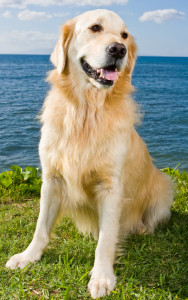
Golden Retriever

Golden Retriever

With their loving, sweet and gentle nature it is no surprise that the Golden Retriever makes the top of the list. They love to play and make their families happy. They are loyal and affectionate. However their long coats will require a lot of regular grooming. If you lead a busy lifestyle or spend periods of time away from home a Golden Retriever shouldn’t be your choice of dog and you should look into another breed.

Golden Retriever Facts

  • Avg Lifespan: 10 – 12 yrs.
  • Avg Weight Male: 65 – 75 lbs (29.4 – 34.01 kg).
  • Avg Weight Female: 60 – 70 lbs (27.2 – 31.75 kg).
  • Avg Height Male: 22 – 24 inch (56 – 61 cm).
  • Avg Height Female: 20 – 22.4 inch (51 – 57 cm).
  • Coat: Straight or moderately wavy dense water repellent coat with a good undercoat.
  • Color: Any shades of gold or cream.
  • Temperament: Trustworthy, Reliable, Friendly, Confident, Intelligent, Kind, Biddable.
  • Country of Origin: Scotland.

Cavalier King Charles SpanielCute Cavalier King Charles Spaniel

They are a lovable breed with stunning looks. This dog love people and will want to be involved in everything whether this is sitting on your lap or going for a walk. They have a very easy going trusting nature, and are generally quite welcoming of strangers. Cavalier King Charles Spaniel can however be quite stubborn at times, but will be quite happy either playing with children or sitting on the laps of an older person.

Cavalier King Charles Spaniels Facts

  • Avg Lifespan: 9 – 14 yrs
  • Avg Weight Male: 13 – 18 lbs (5.9 – 8.2 kg)
  • Avg Weight Female: 13 – 18 lbs (5.9 – 8.2 kg)
  • Avg Height Male: 11 – 13 inch (30-33 cm)
  • Avg Height Female: 11 – 13 inch (30-33 cm)
  • Coat: Silky, smooth coat and commonly a smooth undocked tail
  • Color: Black and Tan, Tri-color, Blenheim, Ruby
  • Temperament: Sociable, Affectionate, Fearless, Patient, Playful, Adaptable
  • Country of Origin: England.

Black Labrador Retriever


Labrador Retriever

The Lab is one of the most popular family pets in the world, and is ideal for first time dog owner. Their friendly and intelligent nature makes them particularly suited to new dog owners. They are very energetic and will require lots of exercise to remain fit and healthy. They love their families and will want to be with you at all times, which is why they are probably not the best choice if they are to be left at home on their own for lengthy periods.

Labrador Retriever Facts

  • Avg Lifespan: 10 – 14 yrs.
  • Avg Weight Male: 64 – 80 lbs (29 – 36 kg).
  • Avg Weight Female: 55 – 70 lbs (25 – 32 kg).
  • Avg Height Male: 22 – 25 inch (57 – 62 cm).
  • Avg Height Female: 21 – 23 inch (55 – 60 cm).
  • Coat: Double coat (under and outer) to keep it warm in the winter and cool in the summer (short, straight and very dense).
  • Color: From solid colors to brindles, to dual colors like black and tan (yellow, black and chocolate or brown).
  • Temperament: Gentle, High Intelligent, Kind, Agile, Outgoing, Trusting, Even Tempered, Extreme Good Nature, Never Showing Aggression.
  • Country of Origin: Canada.

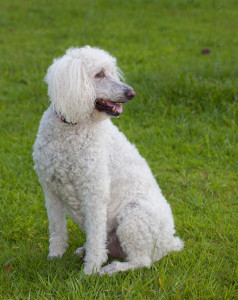
PoodlePoodle

Poodles are smart and intelligent dogs which is why they are an especially good choice for any first time dog owner. They are energetic but can be a little bit wary of strangers. You will find three sizes of Poodle – Standard, Miniature and Toy. All three will require regular haircuts and grooming.

Poodle Dog Facts

  • Avg Lifespan: 12 – 15 yrs.
  • Avg Weight Standard Poodle: 44 – 70 lbs (20 – 32 kg).
  • Avg Weight Miniature Poodle: 11 – 19 lbs (5 – 9 kg).
  • Avg Weight Toy Poodle: 4 – 6 lbs (2 – 3 kg).
  • Avg Height: 9 – 23 inch (24 – 60 cm).
  • Coat: Non-shedding (most allergy sufferers can live with a poodle).
  • Color: Black or White, Cream, Sable, Black and White, Blue and Silvers, Grey, Browns, Reds and Apricots.
  • Temperament: High Intelligent, Alert, Active, Faithful, Instinctual, Trainable, Sophisticated, Smart, Lively and Active.
  • Country of Origin: Germany, France.

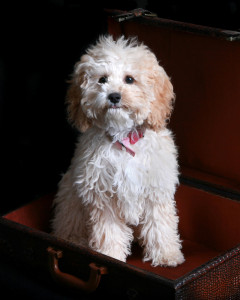
Goldendoodle

Goldendoodle

A designer breed combining 2 of the top breeds on the list, it should come as no surprise that it makes the top 10. A mix between the golden retriever and poodle, this is breed is loving, intelligent, affectionate and energetic. All of these will make a loving dog that will be ideal for first time dog owners.
Goldendoodle Dog Facts

  • Avg Lifespan: 10 – 15 yrs.
  • Avg Weight Standard Size: 45 – 77 lbs (20 – 35 kg).
  • Avg Weight Medium Size: 30 – 45 lbs (13 – 20 kg) and and the mini Goldendoodles weigh 15 – 30 lbs (6 – 13 kg).
  • Avg Height Male: 24 – 26 inch (61 – 66 cm).
  • Avg Height Female: 22 – 23 inch (56 – 58 cm).
  • Coat: Hypo-allergenic, Non-shedding, Uniquely Soft Feel (Curly and Wavy Coat).
  • Color: Black, Silver, Cream, Apricot Cream, Chalk, Gold, Red, Apricot, Chocolate, and Cafe.
  • Temperament: Very Smart, Friendly, Energetic, Intelligent, Friendly, Quick Learners and are Trained Very Easily.
  • Country of Origin: United States.

LabradoodleLabradoodle

One of the most popular designer breeds, the Labradoodle mixes the loving, energetic and even temperament of both the poodle and Labrador. They will be highly intelligent and easy to train, but will also be your best friend. Their size can vary depending on whether the poodle genes are from the standard, miniature or toy variety. Rest assured though they will be a great little companion for any first time dog owner.

Labradoodle Dog Facts

  • Avg Lifespan: 12 – 15 yrs.
  • Avg Weight Standard Size: 50 – 66 lbs (23 – 30 kg).
  • Avg Weight Medium Size: 28 – 44 lbs (13 – 20 kg) and and the mini Goldendoodles weigh 15 – 26 lbs (7 – 12 kg).
  • Avg Height Standard: 21 – 24 inch (53 – 63 cm).
  • Avg Height Mediums: 17 – 20 inch (43 – 52 cm), Miniatures 14 – 16 inch (36 – 42 cm).
  • Coat: Low to Non Shedding (It should be straight, wavy or forming loose spirals. It should not be too thick, dense, fluffy or fuzzy).
  • Color: chalk, cream, caramel, black, silver, blue, chocolate, café, parchment, gold, apricot, and red.
  • Temperament: Great with kids, Very intelligent, Easy to train, Loyal and affectionate.
  • Country of Origin: Australia.

Bichon Frise

Bichon Frise

This little dog is loving and affectionate. They were breed purely for companionship so it should come as no surprise that they are also a fantastic little dog for first time dog owners. They love to perform in front of their family and will learn new tricks quickly.

Bichon Frise Dog Facts

  • Avg Lifespan: 12 – 15 yrs.
  • Avg Weight Male: 6 – 11 lbs (3 – 5 kg).
  • Avg Weight Female: 6 – 11 lbs (3 – 5 kg).
  • Avg Height Male: 9 – 11 inch (23 – 30 cm).
  • Avg Height Female: 9 – 10 inch (23 – 28 cm).
  • Coat: Very fluffy and looks like a little puffball. The breed carries a loosely curled coat with fine silky hairs. The coat is considered to be hypoallergenic and is mostly all white.
  • Color: Sometimes a cream coloring may be seen but for the most part white is the main color.
  • Temperament: Feisty, Affectionate, Cheerful, Playful, Sensitive, Gentle, love to perform tricks, Obedient, Very Independent, Charming, Do Not Bark a Lot, Competitive.
  • Country of Origin: Spain.

CockapooCockapoo Dog

Designer breeds are becoming pretty popular and the Cockerpoo is fast becoming one of the most sought after. A mix between a Cocker Spaniel and a poodle, this breed is happy, loving and affectionate. They shed very little, but will require regular grooming. However like both poodles and Cocker Spaniels they can sometimes get re-occurring ear infections.

Cockapoo Dog Facts

  • Avg Lifespan: They have a long life span 13+ yrs the oldest recorded 22 years old.
  • Avg Weight: 11 – 24 lbs (5 – 11 kg).
  • Avg Height: 9 – 15 inch (25 – 38 cm).
  • Grooming: is not only for aesthetics purposes, it is also a vital part of keeping your Cockapoo healthy and comfortable.
  • Coat: Non moulting breed, almost hypoallergenic hair, good for those people who have allergies. They are pretty much odorless and they don’t slobber.
  • Color: Black, White, Liver, Brindle, Liver & White, Light Brown, Dark Brown, Black & White, Blue, Gold.
  • Temperament: Trainable, Intelligent, Can be Very Energetic, Loyal, Jealous, Great with kids.
  • Country of Origin: United States.

Papillon

Papillon

This little dog has a big reputation. They are intelligent and have lots of energy, so are more suited to those with a more active lifestyle. They are happy in either a big house or a small flat. Due to their tiny size if you do have kids just remember to make sure they play gently.

Papillon Dog Facts

  • Avg Lifespan: 13 – 16 yrs.
  • Avg Weight Male: 8 – 10 lbs (3 – 5 kg).
  • Avg Weight Female: 5 – 9 lbs (2 – 4 kg).
  • Avg Height: 8 – 11 inch (20 – 28 cm).
  • Purpose: Companion dog and Show dog.
  • Alternative Names: Continental Toy Spaniel (in many parts of Europe), Epagneul Nain Continental (in many non-English speaking countries), Butterfly Dog, Squirrel Dog.
  • Coat: The single coat that it is fine, long and straight, sometimes has extra frill its depends on the dog but they have them on the ears, at the chest and at the back of the tail and the legs.
  • Color: White and Black, White & Lemon, White & Red , White & Sable, White Black & Tan, Black Brown & White, Black Red & White , Brown & White, Fawn & White, Red, Red White & Sable, Sable, White , White & Silver.
  • Temperament: Friendly, Very Intelligent, Love the Exercise, Amusing, Charming, Animated, Playful, Passionate, Understand and Learn Really Fast.
  • Country of Origin: Spain, France, Italy. England and Belgium are also credited.

Shih TzuShih Tzu

Shih Tzu are very lively and energetic dogs. They are very happy dogs with a lot of charisma. Because they are so courageous, they may come across as arrogant and make great watch dogs. With their dynamic character, they can bark a lot. Shih Tzus are good with children who treat the dog with respect. Shih Tzus are also very loyal to their owners can experience separation anxiety if they are separated from their owners for long periods of time.

Shih Tzu Dog Facts

  • Avg Lifespan: 10 – 16 yrs.
  • Avg Weight Male: 8 – 15 lbs (4 – 7 kg).
  • Avg Weight Female: 8 – 15 lbs (4 – 7 kg).
  • Avg Height: 9 – 10 inch (22 – 25 cm).
  • Grooming: They will need to be brushed daily so they can avoid tangling hair.
  • Coat: Hypo-allergenic, Soft long coat, typical Shih Tzu has a blaze of white on the tail tip and also on the forehead. Double-coated is very dense and can grow very long.
  • Color: Black, White, Liver, Brindle, Liver & White, Light Brown, Dark Brown, Black & White, Blue, Gold.
  • Temperament: Very friendly, Affectionate, Smart, Full of Energy, Very sweet and Playful, Can bark a lot, Good with Children, Very Loyal, Courageous, Make great watch dogs, Can experience separation anxiety.
  • Country of Origin: Chinese/Tibetan in origin and means „Lion Dog“.

Pug

Pug

The pug is a funny looking little dog. However he makes up for his small size with a massive personality. They are great with children and other pets, and are ideal for any new first time dog owner. They are happy in most environments whether it is a large house or small flat. Pug don’t need lots of exercise, and are quite happy to simply snuggle up for cuddles.

Pug Dog Facts

  • Avg Lifespan: 12 – 15 yrs.
  • Avg Weight: 14 – 18 lbs (6 – 8 kg).
  • Avg Height: 10 – 13 inch (25 – 33 cm).
  • Coat: Don’t let a Pug’s short soft coat fool you! Pugs do shed tons of hair!
  • Color: Black, Fawn, Apricot, Silver Fawn.
  • Temperament: very stubborn and determined, loving and affectionate, intelligent, great companion dogs, lap dog, loving, good-natured dogs that bring warmth and laughter to every home, NOT great guard dogs, Pugs are BAD workout partners.
  • Health Problems: have short muzzles, prominent eyes, and deep facial folds as well as screw tails, all of which make them susceptible to certain illnesses and injuries.
  • Country of Origin: China.

Boston TerrierBoston Terrier

This little guy is loving, affectionate and friendly (even with strangers). They love to be with their family so they are probably not the best breed to choose if you are planning to leave them on their own for long periods. They are happy either playing and walking, or being snuggled up on the sofa with their family.

Boston Terrier Dog Facts

  • Avg Lifespan: 13 – 15 yrs.
  • Avg Weight: 8 – 24 lbs (4 – 11 kg).
  • Avg Height: 9 – 15 inch (22 – 38 cm).
  • Coat: The coat of the Boston Terrier is very pleasant to the touch, a short, glossy and smooth. The tail is short. The coat is short, tight, almost does not fade.
  • Color: Color can not only be brindle, but also white and black markings with white or black colors.
  • Temperament: Vibrant energy, good-natured, beautiful ‘guard’ quality, excellent character and high level of intelligence, Very smart, vigilant, and more enthusiastic, They love children, gently and willingly play with them, they have a balanced psyche, they are not subject to violent outbursts, aggression or misbehavior.
  • Health Problems: The breed is very poorly adapted to severe frost or heat. In winter, they need to dress in a wool sweater or something else (for severe frosts provided special footwear). In summer, try to avoid overheating in the sun. Representatives of this breed often snore during sleep. Also do not forget about breathing problems caused by a shortened muzzle.
  • Country of Origin: United States.

Maltese

Maltese

The Maltese is another dog that makes up for his size with a larger than life personality. They are active and almost puppy like well into their later years. They are cuddly and love affection, and love their families, making them perfect for novice dog owners. Just remind your kids to be gentle, although this little dog thinks he bigger than he actually is, he is still small and fragile.

Maltese Dog Facts

  • Avg Lifespan: 12 – 15 yrs.
  • Avg Weight Male: 64 – 80 lbs (3 – 4 kg).
  • Avg Weight Female: 55 – 70 lbs (3 – 4 kg).
  • Avg Height Male: 8 – 10 inch (21 – 25 cm).
  • Avg Height Female: 7 – 9 inch (20 – 23 cm).
  • Coat: Usually have long hair that is surrounded by skin that is a darker color.
    Maltese dogs have silky long coats of hair but have no undercoat. Suitable for persons who have allergies.
  • Color: They are usually pure white but may also be cream colored or may have a light lemon color. You will rarely find these dogs in a pale ivory color and sometimes with traces of a pale orange.
  • Temperament: good companion dogs, very lively and playful, have a tendency to bark a lot.
  • Country of Origin: Malta.

Shetland SheepdogShetland Sheepdog

The Shetland Sheepdog is a little bit smaller than the collie. They are extremely loyal, happy and intelligent. This dog can be trained with ease, and they are energetic so will make a great agility dog. Shetland Sheepdog can be very vocal and can sometimes bark a lot which can be a bit overwhelming for a first time dog owner.

Shetland Sheepdog Dog Facts

  • Avg Lifespan: 12 – 13 yrs
  • Avg Weight: 13 – 26 lbs (6 – 12 kg)
  • Avg Height: 13 – 16 inch (33 – 41 cm)
  • Coat: The double coat, although beautiful and soft, it requires constant attention and brushing. Even when fully brushed, shedding will occur.
  • Color: Blue Merle, Black and White, Sable and White, Sable, Black and Tan, Merle, Tri-color.
  • Temperament: The Shetland sheepdog is a smart and alert that has a lot of intelligence. make great family dogs, also can learn to respond to signals and voice commands. has a large degree of trainability and intelligence. Shetland sheepdog has a beautiful personality, their temperament makes them perfect for small apartments and urban locations. This dog must be raised from a puppy to be around children for the best results. This dog is going to bark when people pull in the driveway, knock on the door, appear suspicious or are unfamiliar to the dog. This is a part of their loyal nature to alert the family of danger.
  • Country of Origin: Shetland Islands, Scotland.

Yorkshire Terrier

Yorkshire Terrier

Small enough to fit in a handbag this little dog has a big personality. They are intelligent and sprightly, and get on well with other pets and they are great with both adults and children, and make a great dog for first time owners. Their coat needs a lot of attention so regular grooming is essential, and it can be a little much for some new dog owners. They are always alert which can sometimes mean they bark and yap a lot.  Yorkshire Terriers come in Standard and Mini sizes (also called miniature or teacup). Mini’s are typically 3 to 4 pounds while the standard s are about 6 to 7 pounds. A standard Yorkshire Terrier will reach a height of 8 to 9 inches.

Yorkshire Terrier Dog Facts

  • Avg Lifespan: 13 – 16 yrs
  • Avg Weight: 4 – 6 lbs (2 – 3 kg)
  • Avg Height: 8 – 9 inch (20 – 22 cm)
  • Coat: The coat on a Yorkshire Terrier is long, fine, and silky, parted down the middle of their back. The hair is only one layer and doesn’t shed. Yorkie fall under hypo allergic dog section.
  • Color: It may take three to four years for the Yorkie coat that reaches the last and the final result. The final color is mostly black with a grayish tinge.
  • Temperament: Yorkshire Terrier is a very smart dog, and are very intelligent, so they are easy to train and teach if you start early. Very proud, loves to be spoiled, can be very demanding. They are very territorial, they play pretty well with older respectful children, but are not really recommended for young children. The Yorkshire Terrier is a wonderful watchdog. This dog love to bark, but over all a Yorkshire Terrier is a very friendly, loving happy and sweet dog.
  • Country of Origin: England.

Choosing Best Dog Breeds For First Time Owners Conclusion

Many families end up unhappy because they don’t know how important choosing the right dog breed is. It can be the difference between a long, wonderful life with your dog, and only a few months before you decide that this beautiful puppy is better suited to another person.

When choosing the best dog breed for first time owner, you can never really know exactly what breed is right for you, but you can make an educated guess based on your life, your wants, and your needs. Really look into the breed before you get any dog, and you’ll have a good companion no matter what.

Категорије: Dogs

How To Avoid A Cat Bite

август 4, 2020 By liv parmel

Cat Biting is a problem that cat owners may face at some point. It is very important to deal with this problem immediately. The reasons for cat biting can be many.

One of the common reasons of cat biting is fear. Find out if your cat is afraid of something, or if it is being irritated by something or someone. Cat biting while playing is natural and so you need to be careful as this is when the cat releases the energy. However if your kitty is biting you lightly, he or she is actually showing love.

Reasons Why Cats Bite and How to Stop It

Cat biting may also be a result of the cat being in pain. It he or she starts biting for no apparent reason, it is important to have a vet check your cat.

You will have to understand the difference between your cat nipping you and biting you. If the biting draws out blood, it is very important that you take immediate attention to stop and break the habit. It is important to find out what triggers the problem and then try to stop it.

This rather undesirable behavior may strike at any time with any cat when they feel threatened or unable to express their discontent with their current circumstances. Many times an unexpected intolerance to the amount of petting or stroking that a cat may allow is the cause for a quick nip.

Why Do Cats Bite

Have you ever settled into bed or nestled into the couch and who should appear but your precious cat? She situates herself within hand’s reach and you start to stroke her addictingly soft fur. She is appreciative, emitting a rhythmic purr. All of sudden, after a stretch of time has passed; your cat suddenly bites your hand.

You are puzzled as to why she would react in such a way. For some cats, this is their means of communicating that they have had enough petting. This is not always the case – other felines remove themselves from the action or slowly wander away.

Some owners are appalled the first time their cat has bitten them and want to make sure the act doesn’t occur again. In most cases, there are signs that a cat gives to warn of an impending nip or bite, but often an owner is unaware of what each signal means. For instance, when the tail of a cat begins to twitch with a rolling flick motion, a bite may soon follow.

The ears of the cat are also quite telling. When they begin to turn towards the back or become flattened against the head, she is letting out a warning. If your cat appears restless, stiffens her body, or begins to stare at your hand, these are also signs that a sharp attack may occur.

When any of the above signs presents themselves during a session of stroking, it is suggested to stop the petting and allow your cat to remain positioned beside you or on your lap, jump down, or walk away when they feel ready. Whatever they decide to do, biting doesn’t have to become one of the options.

If your cat bites you, it never pays to punish your pet for the action. Not only does it not work, but also many cats start to equate punishment with your presence and don’t even consider biting as a bad behavior. As hard as it may seem, but if you have missed the cue that a bite is coming, the proper way to handle the situation is to not pull the hand away or push the cat aside. Freezing is the best solution because often, a cat will not puncture the skin if they feel their message was received in full. Their aim is to stop you from petting them, not to cause intentional harm.

Some cats revert to aggression for a many number of reasons. They may have inherited the behavior through genetics or learned the conduct as a kitten. Owners who allow their kittens to chew on their hand during play have learned that it is OK to respond in this manner when they have “had enough” of the stroking and warning signals have been ignored.

Some owners have found ways to make petting a more enjoyable activity for their cat by using treats as incentives to encourage a lengthening of their tolerance. Overall, avoiding a cat bite means paying attention to the signs and signals associated with your feline.

The Dangers of Cat Bites to Humans

To most pet lovers, there can be nothing sweeter than the feel of a loving cat nuzzling your arms. This is the reason why many would simply ignore being bitten by their feline companion and chalk it up as a moral lesson. However, the infections that could occur from cat bites to humans can potentially lead to something very serious if left untreated (or even if the wound was simply not treated the right way).

This is often compounded by the fact that most cat bite wounds have a tendency to heal very quickly, which often results in the bacteria remaining in the scar tissue—a nesting ground for infection. Below are some of the consequences that could occur from a cat bite, the signs of infection and how to avoid it.

Pasteurella is a kind of bacteria that is commonly found in the mouth of a cat. If your bite gets infected with this type of bacteria, you could contract pasteurellosis, one of the most common yet dangerous outcomes of cat bites to humans. The signs become apparent around twelve hours after the bite (a lot of swelling, and a lot of pain).

Once you notice the signs, it would be best to seek medical attention immediately, as pasteurellosis has a tendency to spread and can cause permanent damage if left untreated. Aside from this, cat bites to humans can cause staphylococcal infections that produce a wide range of side-effects such as pneumonia, or even blood poisoning.

Streptococcal infections on the other hand can cause kidney failure. The immediate signs of the three infections are very similar, and all three require medical attention.

In order to stop any of this from happening in the first place, you must understand that cat bites to humans can be dangerous, and you must never underestimate it. Do not provoke your cat, and stay away from stray cats that look agitated.

How to Deal With Cat Biting

You may have encouraged the cat biting behavior unknowingly. Having a spray bottle proves handy when playing with him/her and you can spray lightly right on his face if he/she does bite you. Getting lot of cat toys for him/her to release the energy is very important so that he/she can wrestle and play with them. A toy ball that bounces well is a toy that your kitty will love.

Giving enough attention to your cat is important to prevent any negative behavior. Cat biting is a serious problem that you will need to stop immediately as it can inflict harm and pain to you, relatives or family members. However it is extremely important not to over react when the cat bites you.

understanding biting behavior in cats

Cat Biting Training Tips 1

Cats can use biting as a means of defense. If you hurt your cat, whether intentionally or accidentally, the cat is biting to show you that he was hurt. If this happens, don’t clap or spray water on him, just say „no“.

Cat Biting Training Tip 2

The instance your cat moves to bite you, firmly grab the scruff of his neck and force his head down, and so „no“ just like in cat biting training tip 1. Just make sure that you’re not hurting your cat, just stop him for that moment.

Cat Biting Training Tip 3

If your cat continuous to bite, tap your cat on the top of his nose. This does not hurt your cat but it annoys him.This usually really works!

Cat Biting Training Tip 4

Make sure that you do not cuddle your cat after you have disciplined him/her. This will confuse your cat and give it mixed feelings, so next time it will bite you again.

Cat biting is another one of the most common behavior issues that people have with cats. Aggressiveness comes naturally to them but if we are to live together in harmony, we must employ ways to curb this instinctual behavior.

Cats bite for two primary reasons: over stimulation and play aggression.

Stop Cat Biting Due To Over Stimulation

Keep this in mind: If you don’t exert dominance, your cat will continuously battle you for it. The reason the biting occurs when you are petting your cat is because your cat is attempting to basically take control of your relationship.

Each time your cat tries to bite, even if in play, you must loudly and firmly command „stop it!“ or „no!“ After a while, your cat will understand the repercussions of aggressive behavior and stop biting.

A cat’s mouth contains bacteria that can cause infection. Their sharp teeth are designed to puncture the skin and can cause tissue damage. A serious bite can send you to the doctor so it is important that you watch for the warning signs that your cat about to bite. If you are consistent with the training, eventually your cat will learn not to bite but in the meantime you should be practical and learn the signs of a pending biting attack and protect yourself.

These signals can include tail twitching and body tensing. If this happens, you may want to stop petting your cat or cease whatever behavior is provoking your cat.

Stop Cat Biting Due To Play Aggression

When your cat exhibits biting or aggressive behavior, roll it on its back and gently hold him or her immobile until he or she calms down. While you do that, use verbal cues to indication that the behavior is not to be tolerated. I used a very commanding, „stop it“ when my kittens were being trained not to bite. Placing the kitten on it’s back is putting it in a very vulnerable position. By doing this, you are also teaching your kitten to trust and respect you.

NEVER intentionally hurt your kitten or cat. This will destroy trust and your relationship will be continuously problematic. You must exercise restraint and compassion while taking your rightful place as the Alpha in your domestic pride.

Your goal is to essentially take the roll of firm, yet loving, parent in your cat’s life. If your cat learns to see you in that roll, your bond will be unbreakable and you will have cats that people with unruly cats truly envy.

How to Stop Cat Biting, Continued…

As we discussed above, kittens engage in naturally aggressive play that includes biting. When your kittens are cute and little. it is tempting to take your hands, wrestle with them, and encourage them to „attack“. This kind of play must be avoided if you want to a cat that doesn’t bite. At that point, if your cat is still seeing your hand as something to attack, you will literally feel the pain of that mistake for a long time!

Use Toys to Stop Cat Biting

It is imperative that you train your cat not to see your hand as a plaything. To this end, cat toys are essential. It is crucial when playing with your kitten to put the focus on a toy, rather than your hand. A fishing-pole toy is extremely helpful with this because it puts a safe distance between your hands and your cat’s fangs.

It also helps teach your cat what is acceptable to bite. You don’t have to deny yourself the joy of playing with and enjoying your kitten or cat… you just have to change the tactics of play.

Another thing to remember in the „stop cat biting“ training process is that when your kitten or cat does cross the line and get too aggressive, end the game immediately. A stern „no“ or „stop it“ helps identify what behaviors are discouraged. Be consistent and your pet will catch on.

Категорије: Cats

Signs Of Parvo in Puppies

јул 31, 2020 By liv parmel

Puppies, and older adult dogs alike are the most vulnerable to viruses and Canine parvovirus is one the deadliest.

What is Parvo?

Parvovirus in puppies, scientifically known as Parvo or CPV-2, is a highly contagious and very serious viral disease that can be deadly even if treatment is given. Canine parvovirus is a disease that attacks dividing cells, and has two main forms; the cardiac form and the intestinal form.

The most prominent location for dividing cells in your dog’s body is the intestinal lining or the lining of the digestive system, and this is why the most common type of Parvo seen is that of the intestinal form. When a dog, or what is more commonly seen is a puppy, contracts Parvovirus, the virus attacks an area in the intestinal tract called the intestinal villi crypts.

canine parvovirus

When the Parvo virus becomes active, it attacks and kills the cells in these crypts and causes that area of the intestine to lose the function it’s supposed to have, that of protection and absorption. It kills these areas by stripping off the villi (fingers) where absorption takes place.

By attacking these crypts, it causes areas of denudation, allowing the bacteria that resides in the intestinal tract normally, to cross the intestinal barrier and create a bacterial infection in the puppy’s body causing one of the signs of Parvo, high fever.

Clinical signs of Parvo

  • Vomiting
  • Lethargy
  • Bloody, very foul smelling, yellowish diarrhea, almost like water
  • Anorexia – loss of appetite
  • Fever

These initial signs of Parvo are followed by sometimes referred to as secondary signs of Parvo.

Secondary signs of Parvo

  • Dehydration
  • Mucus membranes (gums) becoming pale
  • Mucus membranes becoming cold to the touch
  • Shock
  • Comatose
  • Death

Types of Dogs that are Particularly at Risk of Parvo?

Strangely, dark and black colored dogs have more of a chance of contracting the disease. Also strangely, Rottweilers, Retrievers, German Shepherds, Pitbulls, Doberman Pinschers and sled dogs are also more likely to get Parvo than other breeds.

Every breed of puppy is susceptible to Parvo virus, while there are a few breeds that are more susceptible than others. These breeds usually are more prone to contracting this disease and have a lower recovery rate than other puppies do.

How is Parvo Spread?

The virus spreads through feces – both direct and indirect contact with feces can infect your dog. Because the virus can survive for months or even a year in soil and the environment, it is very hard to prevent any contact with the virus as it is almost impossible to clean the entire area.

The Parvovirus is a very stable virus, meaning it can live up to a year or more in the environment. This means that you can walk through an area where a dog a year previously defecated and left the virus; you pick it up on your shoes, take it home to your new, un-vaccinated puppy and let your puppy contract the Parvo viral disease from your shoes. This shows that the normal route of infection is by transmission from one dog to another through their feces.

Parvo can be carried in an adult dog that shows no outward signs, but the disease can be found in their stool. The disease is currently not thought to be an air born type, however research is still being done on this aspect, and currently the accepted form of transmission is via fecal contact from an infected, carrier dog to a susceptible puppy. Birds may even carry this deadly disease into your yard if they have been in contact with the infected feces.

A possible method of disease prevention is vaccination. It is not unheard of to get a new puppy or dog from an animal shelter and find that the dog has contracted Parvovirus from being in close proximity to other dogs.

How To Treat Parvo

Treatment for Parvo is intensive. Your puppy will be given supportive, preferably twenty four hour, care. They will have an IV catheter, fluids, and medication to stop the vomiting and antibiotics to help control the bacterial infection.

Many veterinary hospitals now give an immune enhancing medication. At the present time, there is no effective treatment for the Parvo virus itself, as stated treatment is more of the supportive kind and attempting to help the body’s immune system defend against the Parvovirus.

Without treatment your dog has a very slim chance for survival, with mortality rates right at 95-100%. Survival rate with hospitalization and treatment is approximately 80%. Some people opt to attempt Pravo treatment at home; not a form of treatment I recommend but can understand. This treatment brings about a 30-35% survival rate.

This disease is why veterinarians worldwide recommend the vaccination of your new puppy. Many people tend to purchase vaccinations from feed stores, drug stores or online pharmacies. The main drawback to this is that if anywhere along the line, from manufacturer to administration of the vaccine to the puppy, if the vaccine was left out of the refrigerator for more than 60 minutes, the vaccine becomes ineffective.

People who buy vaccines cannot know for certain if the vaccine is good or not. Many times, if an owner purchases the vaccine and gives it to their puppy, this will nullify the manufacturer’s responsibility.

All veterinary clinics will have a recommended guideline for vaccinating your new puppy. The first vaccine is generally given at 6 weeks of age so as to not interfere with the maternal antibodies. Many people believe, and I am of the firm belief that it is an incorrect belief, that giving the vaccine at 4 weeks of age is better.

It has been proven that the maternal antibodies are still present at this age and giving a vaccine this early will interfere tremendously with those antibodies. It is better to give the vaccine at 6 weeks of age and then every 3-4 weeks thereafter for 2-3 more times.

symptoms of parvo in dogs

The CPV2 is presented in two physiological structures in dogs namely: intestinal and cardiac.

Intestinal and Cardiac Parvo Infection

When a dog is infected with the CPV2 virus it infects the intestine or in some cases of some dogs the cardiac (heart muscles). The basic mode of infection is Parvovirus infected feces and the mode of transmission can be humans, birds, dogs etc. no, air is not among the transfer agents, so it is not an airborne disease.

The common carriers are usually adult dogs. Adult dogs can be infected with the virus without manifesting any signs and symptoms, this is because adult dogs have a stronger organs that creates a somewhat immunity for them. Regrettably this is not so for smaller dogs or puppies as they, due to their age possess weaker organs that is susceptible to the virus.

When dogs comes in contact with infected stools, even soil they contact the virus which splits in the lymphoid the throat region for onwards multiplication in the bloodstream. Due to the erratic division of virus cells in the lymph, intestinal chamber, and bone marrow the consequences is most severe, causing the lymph to deplete, and damage to the intestine.

When the intestine is destroyed by the Parvovirus, certain bacteria like: clostridia, salmonella, and campylobacter is released from its niche (the intestine) to the blood stream causing the bloodstream to become septic (bacteria infection). When the blood stream is putrefied it results in SIRS or systemic inflammatory response syndrome. SIRS may result to more complications which may eventually result to the intestine been displaced to fall on another.

The Parvovirus apart from affecting the intestine can also affect the heart muscles but it is not common. Dogs or puppies that are infected in the uterus are more liable to this condition. The virus damages the muscles of the heart which in most cases usually lead to death.

Symptoms Of Parvo In Dogs

Within 5 to 10 days of the infection the dogs starts manifesting the illness in form of lethargy, severe vomiting, diarrhea, which leads to dehydration. Due to the intestinal prolapsed, combined with the septic state of the blood stream, the dog develops secondary cases or complications like anemia, endotoxemia, and loss of electrolyte. These factors if not controlled could lead to death.

How To Prevent Parvo In Dogs?

There are no known cures for the Parvo virus infection and that is as all virus infections goes – incurable. So the only safe treatment for this infection is prevention and vaccine. The preventive alternative due to resilience and virulence of the virus, survives up to a year in feces, soil, even strident conditions like cold, except very hard chemical like: chlorine found in bleach. Hard surfaces and possible infected areas should be cleaned using water and bleach.

Another possible preventive strategy is vaccination. Since the puppy is most susceptible to the Parvovirus infection, smaller puppies are hereby vaccinated in thee stages of doses. The adult dog is also vaccinated with three doses at intervals of 4 weeks.

Parvovirus is a debilitating disease which almost have no cure, and the puppy is most susceptible to the infection than the adult dog.

Категорије: Dogs

  • « Go to Previous Page
  • Страница 1
  • Interim pages omitted …
  • Страница 6
  • Страница 7
  • Страница 8
  • Страница 9
  • Страница 10
  • Interim pages omitted …
  • Страница 22
  • Go to Next Page »

Primary Sidebar

Small Fish Tank

Glass Fish Tank

Категорије

  • Animals
  • Birds
  • Cats
  • Dogs
  • Fish
  • Goldfish
  • Guinea Pig
  • Hamster
  • Horses
  • Name Inspiration
  • Parrot Pet
  • Rabbits
  • Reptile Names

Скорашњи чланци

  • Hoppy Naming! Adorable and Funny Easter-Inspired Guinea Pig Names
  • Purr-fectly Adorable: Valentine’s Day Cat Names for Your Feline Friend
  • Astronomy Inspired Cat Names
  • James Bond Cat Names: Purr-fectly Suave Options for Your Feline 007
  • 170 Authentic Greek Names For Cats
  • Hippie Cat Names
  • Ladybug Facts For Kids
  • Unique White Horse Names with Meanings: From Majestic to Mystical
  • Disney Turtle Names: 160+ Names For Turtles From Disney Movies
  • 100+ Names For Black Horses With Meanings

Guinea Pig Cage

Large cage for your guinea pig

Ознаке

Best family parrots Best Gifts for Cat Lovers Best Hamster Toys Best parrot for beginners Best parrot for kids Best Small Dogs For Kids Boy Cat Names Can Guinea Pigs Eat Celery Cat Names Cat names for pairs Dog Behavior Dog Throwing up Dog Vomiting eat Female Bengal Cat Names Female guinea pig names Funny goldfish names Goldfish aquarium Goldfish names Gold Fish Names Goldfish tank Goldfish varieties Guinea Pig Guinea pig names Guinea pigs Male guinea pig names Manx Cat Names Names for Goldfish Names for guinea pigs Names for pink fish persian cat personality Siamese cats Small curly haired dogs Small dog breeds Sounds Twin cat names Types of goldfish Undigested food Unique guinea pig names What can guinea pigs eat Winter White Hamster Care Winter White Hamster Colors Winter White Hamster Diet Winter White Hamster Facts Winter White Hamster Life Span

Disclaimer:

This website „PETSIUM“ is not liable for any outcome or damage resulting from information obtained from these articles.

The articles provided here are for information and entertainment purposes only. The decision to use, or not to use, any of this information is the sole responsibility of the reader.

Any medical related content in any articles is not intended as diagnosis, treatment or prescription. It is not intended to be a medical advice and is not a substitute for professional medical advice. Please consult with a licensed health care practitioner if you are dealing with a serious medical problem.

Hamster Cage

Hamster Cage

Footer

Petsium – Veštačka Inteligencija

Dobrodošli na Petsium, vašeg novog saputnika za brzo, precizno i potpuno besplatno AI iskustvo. Ovde možete da postavite bilo koje pitanje – od pisanja eseja, preko tehničkih izazova u kodiranju, do saveta za svakodnevne zadatke – i dobićete odgovor prilagođen upravo vama. Sve to bez registracije, bez komplikovanih menija i bez skrivenih troškova.


© 2026 Petsium · Privacy Policy