• Skip to primary navigation
  • Skip to main content
  • Skip to primary sidebar
  • Skip to footer

Petsium - Veštačka Inteligencija | AI

Vestacka Inteligencija Aplikacija i Chat

  • Vestacka Inteligencija
  • Kontakt
  • Uslovi Koriscenja

liv parmel

Best Small Family Dogs For Kids

август 11, 2021 By liv parmel

Today, more than ever, families with kids are looking to cuddle up with all kind of types of small dogs. Although larger canines are fun, friendly, and a joy to be around, there is something about toy dogs that just make people and especially kids smile at the sight of them. But which ones are America’s favorites? From which can you choose from? Below is a list of the country’s top small dogs breeds for kids.

Best Small Dogs for Kids

Of all the different types of small dogs, the country’s favorite small long haired dogs have to be the Yorkshire Terriers. This cute dog has an abundance of fans who swear it is part of their family. The Beagle comes in a close second. The pouty face and beautiful fur make this one a winner. And how about the Dachshund with its thin cool looking snout.

Who can forget about the world famous small curly haired dogs – Poodles with its rock star looks. It seems everyone loves this dog. The Shih Tzu looks like a movie star and is a favorite of owners who love to spoil their pets. Speaking of the silver screen looks, the Chihuahua seems to be in the theaters or a TV near you everyday.

Other types of smart small dog breeds that folks enjoy are the Pomeranian who looks like a big fluffy fur ball. Then again you can go for a more exotic look with the Cavalier King Charles Spaniel.

There are so many pups to choose from that searching for the right one is actually part of the fun. I do encourage you to think long and hard before deciding on the dog that you want. The decision should be a permanent one. You don’t want to end up giving it to someone else.

Beagle

The Beagle one of the most well treasured breeds of dog around the globe, Snoopy, the world’s most renowned pooch, is a beagle. Considered to be one of the good small family dog breeds they are energetic, bold, and patient with children. Although, most dog owners agree that they’re also stubborn but devoted.  They still have strong hunting instincts and shouldn’t be left with non-canine household pets, except when socialized with cats and other domestic animals while young.

It’s crucial that this dog’s master should ensure the appropriate amount of mental and physical exercise, including regular walks, to prevent separation anxiety. The Beagle does not have a typical sounding bark, but instead a loud bay howl that virtually sounds like a quick yelp.

Beagle DogBichon Frise

Bichons used to be a star circus attraction, and this breed continues to love attention! These undersized doggies are huggable, sweet, brave, and possess an impeccable enthusiasm for life. Toy dog breeds are not usually advised as pets for children because of the delicate nature of their bones. On the contrary, regardless of the Bichon Frises’ distinct size, this breed is remarkably healthy and will make an amazing addition to households with little kids.

This breed have thick white fur that don’t shed, making them one of the few small dogs that don’t shed available. If someone in a household suffers from slight allergies, a Bichon Frise would be the excellent pet for the family and if these dogs are handled properly, they’ll live for 15 years.
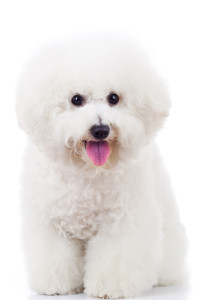
Bichon Frise Dog

Border Terrier

For those looking for small dog breed that isn’t too “glamorous” this tiny brownish pup may be picture perfect. It’s inquisitive, energetic, sociable, and obedient. It doesn’t like to hunt and can be self-sufficient, owners will be self-assured that these dogs will not roam around even if given the chance. While actually as hard as nails in the work field, the Border Terrier is good-natured and affectionate, he is quite good with kids and tends to make a remarkable companion for people of all ages.

Border Terrier loves to dig, some will often bark , and several are skilled escape artists. Dads will be appreciative of its jagged and tumble physique. Mums without a doubt, will be thankful for its minuscule size, and the kids will enjoy its playful and lively nature. It’s really one of the good small family dogs.
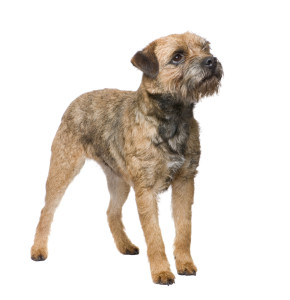
Border Terrier Dog

Boston Terrier

Boston Terriers are a breed that provides hours of laughter, years of company, and lifetime of love. They carry a big dog mindset trapped in a miniature dog physique – don’t be stunned if this pup bosses around dogs bigger than her. One of the not so many dog breeds to originate in the US, the Boston was raised to be a man’s best friend, who is ready to accomplish almost anything as long as he’s with his family, and he can tag along anywhere with them.

The Boston could be satisfied as a couch potato or a furry friend athlete – whatever it is, he’ll always be there for his owner. Owners don’t usually have to worry about a lot of attitude either. A well-bred, well-socialized Boston gets along well with children, strangers, and other pets.
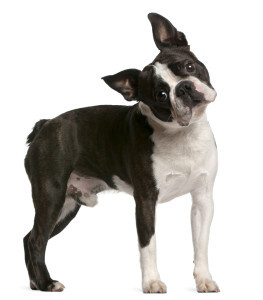
Boston Terrier Dog

Cairn Terrier

The Cairn terrier is the vibrant, courageous, and faithful tiny pooch that most people know as Toto in „The Wizard of Oz“ . Cairn terriers are brilliant and dedicated household pets that adjust to most environments. These are classed as terriers, although they are incredibly energetic dogs, a few might be subject to unreasonable barking and others could be diggers.

This may not be a dog for an individual who aspires a pooch who enjoys laying on a lap. Often times, they are bubbly with other dogs, and harmful with miniature pets and rodents. Nevertheless, Cairn terriers are a superb choice for families who want a playful, energetic pet who’s constantly up for a brisk walk or a tiring game of fetch.
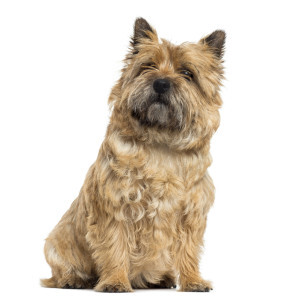
Cairn Terrier Dog

One of the most popular of the Toy breeds, Cavaliers follow their owners virtually everywhere, simply waiting for an opportunity to rest in a lap. They’re also enthusiastic and enjoy taking long walks and hikes, and a lot enjoy chasing birds–similar to their bigger spaniel cousins. A Cavalier will be chasing their owner’s shadow throughout the day, from kitchen to living room, and back again. These pooches doesn’t want to be left alone for hours, thus, their perfect home is one with a retired couple, work-at-home spouse, or a stay-at-home parent.

Furthermore, a Cavalier’s natural enthusiasm and cheerfulness is very noticeable, he could be a reliable as well as an inclined competitor in obedience training, and excels in agility and fly ball activities. Nevertheless, his friendly nature also enables him to be an exceptional therapy dog, he will behave quietly with seniors or youngsters and then transform into a energetic playmate with lively kids or grown-ups.
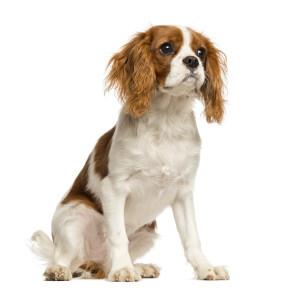
King Charles Spaniel Dog

Cocker Spaniel

Cocker Spaniels are wonderful family pets due to their impressive temperament. They have a good reputation of being sociable, joyful, and well-behaved dogs. Furthermore, they are brilliant dogs that can be trained easily, always eager to satisfy and be faithful companions. They enjoy being around their family and follows their owner wherever they goes.

If the owner needs to go to work or school daily, he’ll face a lot of behavioral issues, as this breed hates being left alone for a whole day, they have the tendency to become destructive, barking uncontrollably, gnawing on everything, and urinating wherever they please.

In addition, their hair grows outrageously, if the owner doesn’t give monthly haircuts to this pup, or pay someone else to do it, he’ll end up having a furry mess. So, if you are searching for small long haired dogs Cocker Spaniel is a great option. Nevertheless, they are affectionate, loyal, and sensitive. A well-bred Cocker is an outstanding small family dog and fits perfectly into any size of household.

Cocker Spaniel Dog

Dachshund

Also known as the „Sausage Dog“. The Dachshund is probably the most miniscule hound. Nonetheless he’s the largest in spirit, his distinct structure initially captures the eye, however individuals who are familiar with him value his character, cleverness, hunting enthusiasm, and unconditional dedication to his family. Dachsies are flexible to most type of environments which make them a very common choice of those who live in an apartment.

A Dachshund pup is happiest whenever he’s inside the house spending some time with his human family. They love to participate in absolutely everything, whether it’s quality time with the kids or perhaps curled right next to his human buddy while watching the telly.
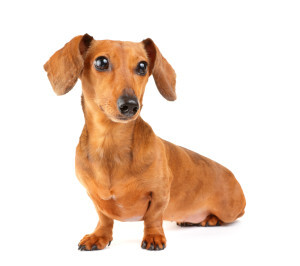
Dachshund Dog

Miniature Spitz

The foxy head combined with vigilant eyes, and tiny razor-sharp set of ears provide the Spitz his distinctive characteristic. Around the house, the Miniature Spitz is energetic, inquisitive, and intelligent. Bearing a remarkable sense of independence but still needs attention from its owner, occasionally, it responds to activities by standing on its hind legs and barking cheerfully. It goes without saying, that this tiny creature would be an exceptional dancing partner.

Also the Miniature Spitz can be highly attached to its owner, this could mean that they are wary of strangers, making it more than just a tried-and-true companion but also a terrific watchdog. Regardless of its small stature, the Miniature Spitz can bark very loudly, with sufficient training and socialization, this four-legged friend will end up being forever spectacular and adorable making them one of the best small fluffy dogs.
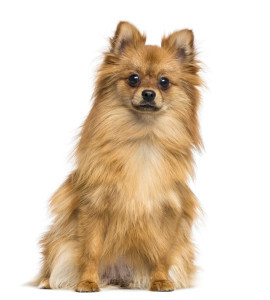
German Spitz Miniature Dog

Papillon

The Papillon is recognized as one of the 10 most intelligent dog breeds and are in the top 40 for most sought after companion pets. Papillon means butterfly in French- the stripe down on its face and its enormous ears present the impression of a butterfly’s physique. This small dog breed is constantly up for an adventure, be it running around the house, chasing balls, taking a plunge in the pool, walking with their human friends, or just taking some time off to relax with their loved ones and want as much hugs and love as possible.

These exceptional social skills make Papillon’s extremely suitable for being an ideal pet. Furthermore, they are one of the best small dogs for kids, they enjoy spending time with the kids, getting belly rubs, and napping whenever they can. Brimming with energy, there’s no doubt they would be great pets for first time dog owners as well.
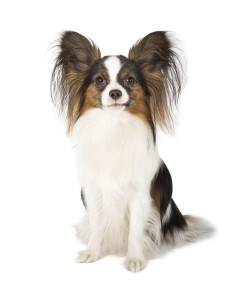
Papillon Dog

Pembroke Welsh Corgi

A dog fit for a Queen. The Pembroke Welsh Corgi is an active dog that bonds instantly with its human family. It is remarkably brilliant, faithful, competent, and always eager to satisfy its owner. Corgis can be extremely lively which make them suitable with kids as long as the dog considers humans as higher than him in the pack order.

Over protective and strong, they make wonderful guard dogs and exceptional show dogs. Since they are cautious of strangers, it will be best to properly socialize and train them while they’re still young. Furthermore, they need their owners to be strong-willed, dependable, passionate, and can exhibit solid but calm authority to avoid disobedience.

Corgi Dog

Pomeranian

These dogs are clever and devoted to their families, but don’t allow their beauty to mislead you, these self-sufficient, assertive dogs have minds of their own, they are vigilant and inquisitive with regards to the world around them. Ironically, in their head, they are bigger compared to their real size, which can steer them to pick on and even tackle bigger dogs.

Nevertheless, Pomeranians are ideal pets for seniors and people who are constantly pre-occupied, since they are an independent breed. In addition, they are also perfect for those who live in an apartment or homes that don’t have a garden.
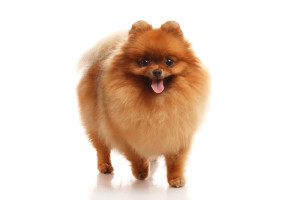
Pomeranian Dog

Poodle (Miniature)

Miniature poodles are smart and energetic household pets, flexible to their surroundings and are very easy to train, and it’s no wonder that they were once popular circus dogs. They are cheerful, friendly, playful, eager to please, disciplined, and well behaved. Nevertheless, it happens to be vulnerable, and usually dedicated to only one family member, and wary of strangers.

They are sociable with children and other household pets, and they can bark a lot. Being a Miniature Poodle owner, one must have the ability to groom their pooch, their coats should be trimmed and bathed on a regular basis. The positive side is, they are small dogs that don’t shed.

Miniature Poodle Dog

Pug

The Pug is an undersized pooch with a wrinkly face, pudgy legs, and drum-like chest. Not only is it one of the world’s most distinguished dogs, the Pug is also favored for its captivating personality and exceptional charm, Personality-wise, Pugs are jovial, kind-hearted, faithful, sweet, playful, and naughty. They are extremely smart, although, they can be stubborn, which makes training an issue sometimes. Aside from being good watchdogs, they are not the yappy type either.

Proper training allows them to get along with children and other household animals. Due to their small size, their well-behaved attitude, and are fairly passive personality when inside the house, they are perfect for apartment dwellers. Pugs have a double coat that is known to shed profusely. If living with a pug, it’s a good idea to own a vacuum cleaner.
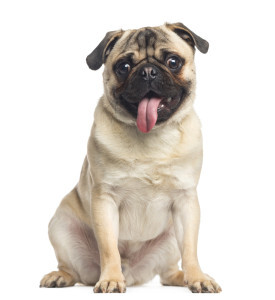
Pug Dog

Shih Tzu

The fairly small Shih Tzu is the perfect companion. Formerly bred for royalty in China, this little chump still perceives himself a prince among dogs. Being a true darling, his life purpose is to adore and be adored. Amusing and playful, he will certainly steal shoes left lying on the floor. Furthermore, he’s a suitable family dog that is highly engaging.

They usually great with adults and kids alike, and not particularly dubious of strangers. Although, they’re still vigilant and faithful watchdogs, barking thoroughly when strangers approach the house. On a side note, Shih Tzu’s are not primarily good with toddlers, they should not be handled carelessly or uncomfortably because they tend to get irritated when their tolerance wears thin.
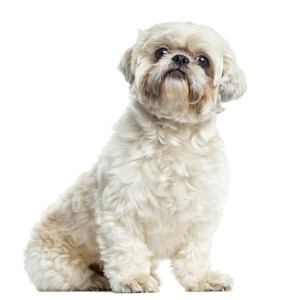
Shih Tzu Dog

West Highland Terrier

A beautiful dog with an adorable face, he’s a true-blood terrier, who’s known to be an intelligent hunter. Furthermore, his easy going nature makes up for a good pet who’s constantly game for a bit of fun. The most popular feature is their warm and friendly nature.

They have a real fondness for people and make an loving addition to any family. This loyal, joyful, and dedicated dog also makes a wonderful travel companion due to its minuscule size. Their temperament can vary some love children others would rather be left alone, and they can be a little stubborn at times.
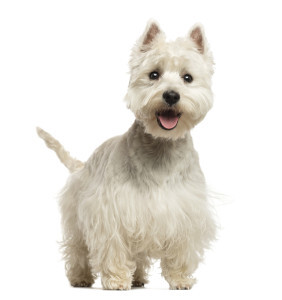
West Highland Terrier Dog

Wheaten Terrier

Among the finest family dogs, the Soft Coated Wheaten Terrier was initially bred as an alternative for a hound. This dynamic pooch is truly one of the most entertaining dogs to have as a family friend! In addition, the Wheaten would make a playful loyal friend at home and a fun-loving companion in the work field.

He is sweet, loving, and significantly kinder than most terriers, usually sensitive to his family’s objectives but can be stubborn at times. The Wheaton show their enthusiasm and affection for people by pouncing on them, and licking their faces.

Wheaten Terrier Dog

Yorkshire Terrier

The Yorkie is recognized as hypoallergenic and is the 2nd most in-demand breed worldwide. Yorkshire Terriers, affectionately known as “Yorkies ,” present wonderful personalities in a tiny package. Whilst members of the Toy Group, they are definitely terriers by nature– courageous, motivated, investigative, and vigorous. Bigger dogs may see him as play toy, therefore he should always be fenced or leashed for his own security.

An admirer of ease and comfort, the Yorkshire terrier takes pleasure in cuddling on laps and snuggling into cushioned pillows. Furthermore, they possess long, lavish azure and tan coats. This lightweight pooch is truly one of the most favored breeds. Yorkies tend to be flexible in all types surroundings, they’re ideal for people who loves to travel and perfect pets for many homes because of their small size.
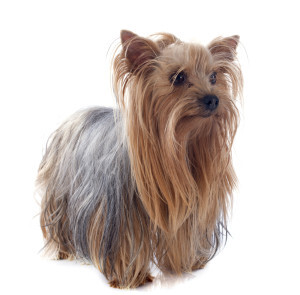
Yorkshire Terrier Dog

Whether to have a pet is a choice that many people make based on many different reasons. The reality is that they are not suitable for everyone in every situation.

Many people may think small dogs and assume that it is an easy and fun distraction. There a number of misconceptions in those thoughts on small pet dogs. Before even deciding whether to purchase small pet dogs there are a number of things that should be considered.

Despite their need of small spaces you should ensure that you have adequate space. Small pet dogs require exercise and freedom just as larger dogs do. Consider whether your yard will provide ample safe space for the dog to play in. Your small pet dogs will also need shelter. Many of the small breeds are kept inside and you should consider whether that is a practical option in your home.

In many cases it is nice to have a doggy-door as well. This provides your pet with a level of freedom that many consider due.

Time is a huge factor with any companion. Simply providing the love that many dogs seem to crave requires a large amount of time. There will also be the feeding and the cleaning and other daily realities. There may be multiple people involved in the care of the dog, and that can provide for more consistent companionship.

Medicine is another important concern. There may be initial costs involved depending on who you get your pet from. There may also be sickness in the future. The level of medical care that is available for many pets is comparable to the medicine that is available to humans in some locations. Many agree that choosing to care for small pet dogs and other dogs means agreeing to take on the financial responsibility of providing the highest level of care available.

Категорије: Dogs Тагови: Best Small Dogs For Kids, Small curly haired dogs, Small dog breeds

460+ Female and Male Hamster Names

јун 15, 2021 By liv parmel

Searching for Hamster Names?

A good Hamster Name is an important bonding step after providing a new pet hamster with a loving home, buying a nice cage, bedding and food to keep it healthy and happy.

If Hammy isn’t unique enough for you don’t fret, I’ve gathered some common hamster names by speaking to a few veterinarians and found quite a few unique and memorable hamster names to go with the classic names.

The best hamster names, in my opinion, reflect your hamster’s personality.

This is a mix of popular cute, funny, unique and original male and female hamster names.

Female Hamster Names

Aggy IzzyGinger
ButtercupTriciaLucy
CuddlesFloraDaisy
DonutSnugglesMisty
EvieUmaWaffles

Male Hamster Names

DominoPoopsieMuffin
EchoJojoTwinkle
AlfieChewyDusty
HoudiniVon Zoom Gizmo
BanditFuzzyZippy

Disney Hamster Names

FEMALEMALE
ArielSully
BellePluto
ElsaOlaf
TianaKristoff
MeridaStitch
AnnaGenie
MinnieGaston
JasmineRoo
VanellopeScar
AuroraJafar

hamster names

Pokemon Hamster Names

FEMALEMALE
EeveeSnorlax
GardevoirCharizard
DragoniteDitto
SylveonMew
LugiaLucario
VulpixArceus
LopunnyTogepi
LeafeonUmbreon
DialgaBulbasaur
PiplupFaba

Hamster Names from Games

FEMALEMALE
ElysiaGlobox
JadeSonic
Samus AranZazz
PeachMyrphy
TwilaZavok
RikkuLuigi
LuluRayman
ShantaeLink
Amy RoseSub-Zero
LilithLuigi

Hamster Names from Movies

FEMALEMALE
GidgetMax
SnowballDuke
ChloeNorman
MelTiberius
Bonnie HopsYax
OlympiaGideon Gray
TameciaNorm
Judy HoppsSkipper
MarleneMayor Lionheart
NalaShort Fuse

what should I name my new pet hamster

Cute Boy Hamster Names

Here are the cutest hamster names for boys.

  • Andrew
  • Augustus
  • Adam
  • Brad
  • Crisp
  • Chip
  • Darrel
  • Dolby
  • Egbert
  • Englebert
  • Erwin
  • Frankie
  • Farly
  • Gavid
  • Garret
  • Harley
  • Harold
  • Indiana
  • Irwin
  • Jones
  • Jack
  • Kavin
  • Kenny
  • Kiener
  • Lenny
  • Levi
  • Lanny
  • Link
  • Marvin
  • Marty
  • Marsh
  • Markus
  • Neville
  • Nate
  • Neilson
  • Otto
  • O’neil
  • Panky
  • Qwan
  • Quinky
  • Rodger
  • Ralph
  • Randal
  • Sid
  • Steve
  • Tim
  • Ted
  • Timothy
  • Tyler
  • Tannar
  • Tak
  • Terk
  • Tye
  • Tip
  • Victor
  • Vincent
  • William
  • Willy
  • Waldo
  • Zing
  • Zong
  • Zavin
  • Zim

Cutest Girl Hamster Names

These hamster names are some of the cutest hamster names for ladies.

  • Amanda
  • Amelia
  • Amy
  • Anastasia
  • Andrea
  • Angela
  • Angelica
  • Anna
  • Annabell
  • Anne
  • Anthea
  • April
  • Ariel
  • Audrey
  • Amber
  • Aproll
  • Babs
  • Binka
  • Bing
  • Barba
  • Brenda
  • Betty
  • Blaze
  • Barbie
  • Bubbles
  • Brandy
  • Bonnie
  • Bliss
  • Bunty
  • Butterfly
  • Beth
  • Billy
  • Bluebell
  • Betsy
  • Bella
  • Belsie
  • Brook
  • Britney
  • Bon-Bon
  • Beatrice
  • Bertha
  • Boudecia
  • Beverly
  • Becky
  • Belinda
  • Blink
  • Camillia
  • Carla
  • Cara
  • Caroline
  • Cath
  • Cassandra
  • Catherine
  • Cecilla
  • Charity
  • Cilla
  • Charlotte
  • Christy
  • Cher
  • Cherry
  • Cheer
  • Christmas
  • Cinderella
  • Clair
  • Coral
  • Cora
  • Claudia
  • Clover
  • Colette
  • Cleopatra
  • Clarette
  • Clarinet
  • Comfort
  • Clio
  • Crystal
  • Cresent
  • Charis
  • Cam
  • Cake
  • Caramel
  • Daisy
  • Dido
  • Denise
  • Diane
  • Diana
  • Demelda
  • Dee
  • Deodemonda
  • Daniele
  • Desire
  • Dinah
  • Donna
  • Dorris
  • Derry
  • Ditza
  • Dorothy
  • Doreen
  • Dasha
  • Dolly
  • Dreama
  • Dot
  • Darling
  • Easter
  • Edna
  • Eillen
  • Eleanor
  • Elizabeth
  • Ella
  • Eliza
  • Emerald
  • Emily
  • Emma
  • Eb
  • Ena
  • Enid
  • Enia
  • Esther
  • Ethel
  • Ermintrude
  • Eve
  • Evelyn
  • Elsa
  • Elsie
  • Elyssa
  • Elisha
  • Evelyn
  • Freda
  • Flyn
  • Flora
  • Fira
  • Faye
  • Foy
  • Faith
  • Fate
  • Fizz
  • Fortune
  • Fawn
  • Fern
  • Fiona
  • Fortuna
  • Frayla
  • Freya
  • Gabriel
  • Gal
  • Gail
  • Gillie
  • Gold
  • Gwyn
  • Gemma
  • Georgina
  • Glenda
  • Gladys
  • Gina
  • Gertrude
  • Gillian
  • Gloria
  • Gwyneth
  • Heli
  • Holly
  • Harriet
  • Honey
  • Helen
  • Hannah
  • Hazel
  • Hilary
  • Hippy
  • Helga
  • Hermione
  • Hester
  • Hally
  • Harmony
  • Hope
  • Hunny
  • Iona
  • Irene
  • Iris
  • Isabel
  • Imogen
  • Isadora
  • Ivy
  • Ice
  • Jacqueline
  • Jaffa
  • Jade
  • Jamie
  • Jane
  • Janet
  • Jasmin
  • Jean
  • Jemina
  • Jenifer
  • Jess
  • Jessie
  • Jill
  • Joan
  • Joel
  • Jolee
  • Josophine
  • Joy
  • Joyce
  • Jubille
  • Judith
  • Julia
  • June
  • July
  • Justine
  • Janaruy
  • Kelsey
  • Kim
  • Kimberley
  • Kara
  • Karla
  • Karima
  • Katherine
  • Kay
  • Kelia
  • Kelly
  • Kaira
  • Krystan
  • Katie
  • Lara
  • Lydia
  • Lyn
  • Linda
  • Libby
  • Laura
  • Lauren
  • Lassie
  • Lee
  • Louise
  • Lou
  • Layna
  • Lindabell
  • Lucy
  • Laurina
  • Loraine
  • Louisa
  • Lisie
  • Lavender
  • Lesley
  • Linsey
  • Lora
  • La-La
  • Lass
  • Lilean
  • Lupin
  • Lana
  • Lena
  • Liberty
  • Lina
  • Mabel
  • Magnolia
  • Madeline
  • Margaret
  • Marigold
  • Marillyn
  • Marina
  • Marni
  • Marion
  • Martha
  • Mary
  • Malita
  • May
  • Melanie
  • Melissa
  • Merry
  • Michaela
  • Molly
  • Mona
  • Minnie
  • Mint
  • Mandy
  • Mill
  • Maddy
  • Maureen
  • Maggie
  • Marsha
  • Mo
  • Nickola
  • Nicki
  • Niggle
  • Nat
  • Nadia
  • Nancy
  • Naomi
  • Natalie
  • Nicola
  • Nina
  • Noreen
  • Nikky
  • Obediance
  • Olivia
  • Olympia
  • Opal
  • Oodlyn
  • Orea
  • Partricha
  • Pertunia
  • Pickle
  • Pobble
  • Pop
  • Ping-Pong
  • Polly
  • Parsley
  • Pepper
  • Patty
  • Paris
  • Queen
  • Queenie
  • Quiie
  • Rosemary
  • Rachael
  • Randa
  • Roberta
  • Rona
  • Rose
  • Rosebud
  • Rosedale
  • Ruby
  • Ruth
  • Rosalynda
  • Rikki
  • Rue
  • Sada
  • Sabrina
  • Sally
  • Samantha
  • Sandra
  • Santa
  • Sarah
  • Scarlet
  • Sharon
  • Shelia
  • Shona
  • Silver
  • Sylvia
  • Sparkle
  • Spring
  • Stacey
  • Star
  • Stella
  • Stephanie
  • Storm
  • Sunny
  • Susan
  • Shelly
  • Toffee
  • Tracy
  • Treakle
  • Taffy
  • Tao
  • Tara
  • Theresa
  • Tiffany
  • Tinkle
  • Tanna
  • Tammy
  • Tralala
  • Valentine
  • Vanessa
  • Vera
  • Valerie
  • Venus
  • Veronica
  • Victoria
  • Viola
  • Violet
  • Virginia
  • Vivien
  • Venice
  • Vikki
  • Walda
  • Wanda
  • Welcome
  • Wendy
  • Wilma
  • Wendilyn
  • Wika 
  • Zada
  • Zara
  • Zaza
  • Zea
  • Zenda
  • Zata
  • Zeira
  • Zila
  • Ziona
  • Zila
  • Zoe
  • Zola
  • Zona
  • Zora
  • Zelda

Funny Hamster Names

Hamsters are funny little creatures. If you have a comedian by your side than a funny name would be perfect choice. Here are some of the funny hamster names.

  • Buster
  • Crazy
  • Friar Jack
  • Jammer
  • Mug
  • Octopus
  • Pan
  • Tin Tin
  • Abba
  • Bang
  • Bear
  • Shorty
  • Fancy
  • Fountain
  • Honor
  • Beast
  • King Kong
  • Runner

Syrian Hamster Names

Syrian hamsters are probably the most popular pet hamsters. We made a list of Syrian hamster names for your name inspiration.

  • Amber
  • Apollo
  • Bagpuss
  • Bandit
  • Bongo
  • Bonnie
  • Buddy
  • Cameo
  • Caramel
  • Chutney
  • Cloudy
  • Cola
  • Custard
  • Daisy
  • Dandy
  • Delta
  • Duster
  • Einstein
  • Ella
  • Elsa
  • Flash
  • Fluff
  • George
  • Ginger-nut
  • Herbert
  • Hippy
  • Honey
  • Hopper
  • Jelly
  • Jet
  • Justin
  • Kendal
  • Lemonade
  • Lucky
  • Max
  • Meg
  • Merlin
  • Mighty
  • Niblet
  • Nutty
  • Oak
  • Oboe
  • Ogre
  • Pen
  • Perky
  • Pet
  • Quack
  • Quake
  • Roger
  • Rump
  • Rust
  • Scamp
  • Scarlet
  • Scarper
  • Tango
  • Tinker
  • Volley
  • Vosper
  • Waddle

Dwarf Hamster Names

Dwarf hamsters are the smallest of all hamsters and are one of the cutest. Here are fun names for dwarf hamsters.

  • Aquarius
  • Arnie
  • Beckham
  • Bella
  • Bianca
  • Bleep
  • Chipples
  • Chops
  • Chuckles
  • Cookie
  • Cosmo
  • Cowboy
  • Cracker
  • Dinky
  • Dippy
  • Dixie
  • Dopey
  • Gizmo
  • Guinea
  • Gus
  • Inca
  • Kid
  • Lazy
  • Lemon
  • Lucy
  • Magnet
  • Mint
  • Mist
  • Munch
  • Munchies
  • Nibbler
  • Nibbles
  • Onion
  • Orange
  • Peanut
  • Piggy
  • Pimple
  • Pinkie
  • Soot
  • Speedy
  • Stump
  • Twix
  • Twinkle
  • Xenon
  • Yak

Unique Hamster Names

If your hamster is all unique and there is no hamster in the world that is similar to yours then some special unique hamster names are required. Here is a list of unique names for hamsters.

  • Booger
  • Boots
  • Brute
  • Cheesy
  • Chomper
  • Chubby
  • Chubs
  • Claws
  • Cruncher
  • Cuddles
  • Curly
  • Cutie
  • Digger
  • Dopey
  • Dreamer
  • Drooley
  • Dumper
  • Dumpy
  • Fatty
  • Flamer
  • Floppy
  • Fluffy
  • Foxy
  • Furry
  • Fuzzball
  • Fuzzy
  • Genius
  • Giggles
  • Goober
  • Goofy
  • Howlie
  • Jumper
  • Kackles
  • Leader
  • Licks
  • Milky
  • Nosy
  • Nutty
  • Poopy
  • Poser
  • Prancer
  • Prissy
  • Scratchy
  • Shadow
  • Sleepy
  • Slobbers
  • Smarty
  • Smiley
  • Smokey
  • Sniffy
  • Socks
  • Softy
  • Space Case
  • Spanky
  • Spaz
  • Spot
  • Spunky
  • Squeeks
  • Stinker
  • Stripes
  • Teenie
  • Tiger
  • Toothy
  • Tweek
  • Twitter
  • Waddles
  • Whiner
  • Woofer
  • Wrinkles

Hamster Names From Movies and Cartoons

A lot of people also take cartoon names or names of animals/characters from movies that the owner really likes and as names for hamsters.

Tigger, Obi-Wan-Kenobi, Pluto, and Dora are excellent names for new hamsters!

In situations where you have multiple hamsters some popular choices could be Bill and Holly or Tom and Jerry.

A final key piece to remember when naming your hamster is to be mindful of the gender of the hamster.

If you do not know the gender then the name can be anything but if you do know the gender, then sticking with gender specific names is way more fun.

All of the names previously mentioned are mostly boy names but some could work for female too.

Here are famous pet names that could be great as hamster names.

  • Astro
  • Bowser
  • Bullwinkle
  • Buster
  • Clifford
  • Cujo
  • Falcor
  • Fido
  • Fluffy
  • Garfield
  • Goofy
  • Gromit
  • Horton
  • Jerry
  • Lad
  • Lady
  • Ladybird
  • Lassie
  • McGruff
  • Mr. Peabody
  • Nanook
  • Odie
  • Oliver
  • Otis
  • Paddington
  • Pluto
  • Ren
  • Rin Tin Tin
  • Rocky
  • Scooby Doo
  • Spike
  • Spot
  • Stimpy
  • Tom
  • Toto
  • Tramp

Funny Names For Hamsters

Here are some two word funny names for hamsters you and your hammy will surely like.

  • Furry Wookie
  • Shaggy Sweetums
  • Squeeky Cuddles
  • Speedy Cuddles
  • Rocky Fuzzbutt
  • Buster Sweetheart
  • Cheeky Wookie
  • Funky Niblets
  • Big Snickerdoodle
  • Chu Chu Munchkin
  • Cool Porkchop
  • Pokey Paws
  • Spud Whiskers
  • Misty Munchkin
  • Big Paws
  • Squeeky Little Guy
  • Misty Cookie
  • Little Buddy
  • Thunder Twinkles
  • Punky Cookie
  • Pokey Sweetums
  • Thumper Cookie
  • Sugar Paws
  • Masked Niblets
  • Cheeky Homeboy
  • Fluffy Stinker
  • Pokey Bear
  • Bubble Twinkles

Hamster Names For Pairs

Hamsters don’t like to be alone and is recommended to get at least 2 hamsters. And it’s much more fun to have more than one hamster. Here are hamster names that would match 2 or more hamsters.

  • Abe & Lincon
  • Adam & Eve
  • Aristotle & Plato
  • Bambi & Thumper
  • Beaver & Wally
  • Buttons & Bows
  • Bonnie & Clyde
  • Cagney & Lacey
  • Champagne & Caviar
  • Chip & Dale
  • Cracker & Jack
  • Dixie & Pixie
  • Duke & Duchess
  • Edith & Archie
  • Fred & Ethel
  • George & Gracie
  • Ginger and Mary Ann
  • Hansel & Gretel
  • Heaven & Earth
  • Hip & Hop
  • Humpty & Dumpty
  • Jessie & James
  • King & Queen
  • Lady & Tramp
  • Lavern & Shirley
  • Lois & Clark
  • Lord & Lady
  • Macaroni & Cheese
  • Mork & Mindy
  • Muchacha & Muchacho
  • Micky & Minnie
  • Milo & Otis
  • Nice & Sweet
  • Oscar & Emmy
  • Ozzie & Harriet
  • Pebbles & Bam Bam
  • Petey & Pedro
  • Peter Pan & Tinkerbell
  • Pooh & Piglet
  • Razzle & Dazzle
  • Robin Hood & Maid Marian
  • Rough & Tumble
  • Salt & Pepper
  • Sir & Maam
  • Stan & Ollie
  • Sunny & Cher
  • Tiffany & Cartier
  • Tonto & Lone Ranger
  • Topsy & Turvy
  • Victoria & Secrets
  • Wilma & Betty
  • Zig & Zag

How to Choose a Name for Your New Hamster

If you prefer to come up with your own hamster names, there are several ways to do this.

Try looking at the color of your hamster’s fur.

If the color is white for example, you may want to call your hammy, ‘Whitey.’

Another favorite way to name hamsters, or any other pet for that matter, is to think of a favorite snack food.

For example, if your hamster is black and white, and if you like Oreo cookies, you can name your hamster ‘Oreo!’

Last but not least, try looking at your hamster’s other characteristics.

For example if your hamster seems smaller than the rest of it’s litter mates, you can call him or her ‘Tiny,’ or even ‘Runty.’

Its really up to you.

Choose Your Hamster’s Name Wisely

As we all know, once we have been named (by our parent/guardian(s)) and by no choice of our own, we are stuck with the name he/she/they provides us forever!

The same rule holds true for hamsters.

Great thought should be put into deciding what to name your new pet hamster(s).

After all, the name is a name that you have to refer to the little furry animal for the rest of his life so it works best when you love the name too!

Choose a Name That Reflects His Behavior

Unless you are certain what you want to name your little furry friend, the best advice is to bring home the new pet and allow him to be ‘nameless’ for a few days while you observe his/her general demeanor throughout each day.

It is pretty much a guarantee that something he/she does during those first few days in his new home will trigger a fantastic name.

For instance, let us assume that on day two of having your new hamster you notice he hops a lot.

A resulting, cute and easy to remember name could be Hoppity, Hoppy or Hops because all of those names remind you and others that your hamster must like to hop like a bunny!

Choose a Name That Resembles The Color Of Your Hamster

Another rather simple tactic to take on when naming a hamster is to just be plain and have the name resemble the hamster’s color.

This happened to be my tactic growing up. It is not entirely creative but it works.

For instance, if your hamster is gold in color, a perfect name is Goldie.

Or maybe the hamster is peach, in which case Peaches is super!

Hamster Names From People Names

Many people even refer to their hamsters with names of real people.

It seems ironic but it also works fabulously.

Glenn makes a very good hamster name, as does Bob or Greg (assuming the hamster is a boy!)!

unique hamster names

Hamsters Make the Best Portable Pet

There are 25 species of hamsters of which 5 are considered excellent pets.

Hamsters resemble a small rodent with a furry coat, small ears, short legs, and wide feet.

They are typically black, grey, honey, white, brown, yellow, red, or mixed depending on species, some even have a stripe on their back.

The average hamster lives 2-3 years in captivity and make excellent pets.

Each hamster type has traits unique to their breed and most prefer a solitary life.

Hamsters are gatherers, mostly nocturnal and territorial in nature.

Contrary to popular belief Hamsters don’t have a natural body odor.

If their cage is cleaned regularly there is virtually no detectable odor which is partly why they make good pets.

It is also partly because they are so darned cute!

Hamster’s Short History

Their existence has been documented in the wild dating back to the 1700’s but it is only relatively recently that they have become pets on a large scale.

In 1948 a highway engineer by the name of Albert Marsh domesticated Syrian hamsters and introduced them to the world as pets.

Since then their popularity as family pets has greatly increased and their use in scientific research has greatly decreased.

Besides being hoarders and extremely cute, they are prolific breeders so keeping a male and female in the same cage is not recommended, unless you want a litter of pups (name for babies) in about three weeks.

Perhaps you have recently purchased a hamster, or are planning on getting one soon.

Whatever the case, one of the most important things you’ll want to do is think of a good name.

Whether you prefer Syrian hamsters (aka Teddy Bear or Golden hamsters), or dwarf hamsters, there are a lot of cute hamster names out there, and this site will help you to find the perfect one for your little pet!

Категорије: Hamster, Name Inspiration

Can Guinea Pigs Eat Celery – Is Celery Safe For Guinea Pigs

јун 10, 2021 By liv parmel

Can guinea pigs have celery? Responsible pet owners should always check and make sure what they feed to their pets is absolutely safe for them.

And when it comes to guinea pigs and celery, there couldn’t be a better pet/food combination!

Can Guinea Pigs Eat Celery - Is Celery Safe For Guinea Pigs

Guinea pigs LOVE celery and will munch away all day as long as you keep feeding it to them.

But the question is, can guinea pigs eat celery. Is it safe for them? Celery may be a nutritious food for guinea pigs, but only in moderation.

Your guinea pigs can eat celery as long as you ration the daily portions.

Can Guinea Pigs Eat Celery Everyday?

Celery will add variety to your pet’s diet no doubt, but can guinea pigs eat celery every day?

In our opinion, it’s best to give it on alternate days.

This way, you can make sure that you’re not overfeeding celery, and also, your guinea pig will not get bored with it anytime soon.

Related: How to Check if Your Guinea Pig Healthy

Is Celery Safe For Guinea Pigs

Celery can cause bloating and gas when consumed frequently or in large quantities.

It also has very high water content.

Another concern is that celery stalks are composed of fibrous strings that can peel away and get lodged inside your pig’s teeth, throat or intestinal tract.

Can Guinea Pigs Eat Celery - Is Celery Safe For Guinea Pigs

Related: Can Guinea Pigs Eat Apples – Are apples safe for guinea pigs

How Much Celery Can a Guinea Pig Eat?

Celery should constitute only a small portion of your guinea pig’s daily meal.

When feeding celery to guinea pigs, serve in small quantities, mixed with lettuce and other vegetables.

Make sure you cut the stalks into thin slices, so that the strings can be easily removed.

Guinea pigs love celery because it is crunchy, flavorsome and filling.

Guinea pigs will devour any portion of celery, as soon as you give it to them–stalk, leaves and all.

However, feeding too much celery to your guinea pig may have adverse effects, so it’s best to give them only a little a day.

Related: Guinea Pig Care – How To Take Care Of A Guinea Pig

Can Guinea Pigs Eat Celery Leaves?

Yes, guinea pigs can eat celery leaves.

However, you should not feed your guinea pig only with the leaves.

They will love it, but you should decide when it was enough.

Related: What Can Guinea Pigs Eat? A Guide to the Cavy Diet!

What Vegetables Can Guinea Pigs Eat

If you’re wondering “What vegetables can guinea pigs eat?” here is a partial list you can refer to when feeding guinea pigs:

What can guinea pigs eat: Vegetables

  • Cucumber
  • Parsley
  • Raspberry leaves
  • Basil
  • Cilantro
  • Mint
  • Kale
  • Carrots
  • Broccoli
  • Peppermint leaves

What can guinea pigs eat: Fruits

  • Apple
  • Grapes
  • Plum
  • Raspberry
  • Blueberry
  • Pineapple
  • Peach
  • Orange
  • Tomato
  • Pear

Note that these lists are not exhaustive.

Related: Can Guinea Pigs Eat Grapes? Red, Green, With Seeds or Seedless

These are just some of the fruits and vegetables that guinea pigs can have without any known health issues.

For a complete list read the What Can Guinea Pig Eat article. Guinea pigs have an exceptionally versatile palate, and you’ll be hard pressed to find fruits and vegetables they don’t enjoy!

However, not everything they like to eat is good for them, so it’s always a good idea to check first.

Категорије: Guinea Pig Тагови: Can Guinea Pigs Eat Celery, What can guinea pigs eat

Can Guinea Pigs Eat Grapes? Red, Green, With Seeds or Seedless

март 28, 2021 By liv parmel

Can Guinea Pigs Eat Grapes

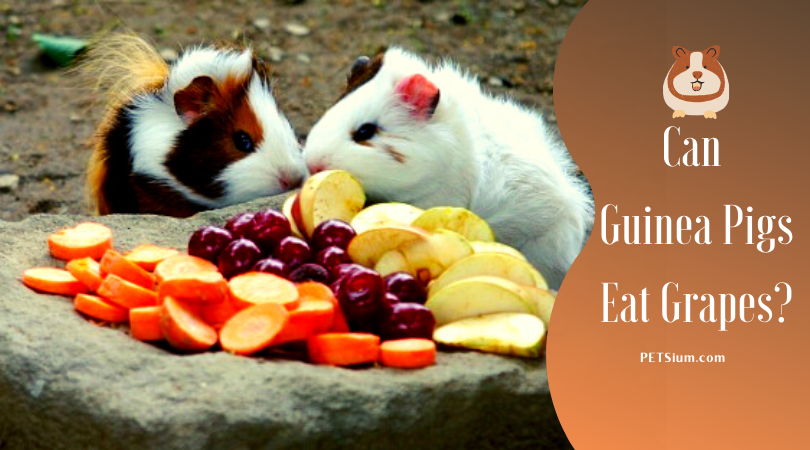
Grapes are high in sugar, and should not be included as part of your guinea pig’s daily diet.

Guinea pigs love grapes, although it may take some coaxing if your cavy has never had it before.

You can try peeling off the skin or puncturing it so the guinea pig can get a taste of the juice before eating the grape.

You can also cut the grapes in half if you are giving them to your cavy for the first time.

Cut-up grapes will also be easier for baby guinea pigs to munch on.

Can Guinea Pigs Eat Grapes with Seeds?

Make sure you remove all seeds before giving it to your pigs because grape seeds can be poisonous.

Some pet owners report feeding grapes to guinea pigs gives them gas, so make sure your cavy can handle it before giving it.

You can safely give a couple of seedless grapes to your guinea pigs two or three days a week.

Like grapes, fruits such as apples, bananas, watermelons, oranges, strawberries and cantaloupes are very high in sugar.

If you want a healthy, sprightly guinea pig, it’s best to limit high sugar fruits and vegetables.

If you want to feed grapes or other high-sugar foods to your pigs, give them as a treat no more than once or twice a week.

Can Guinea Pigs Have Grapes

Related: Can Guinea Pigs Eat Apples?

Guinea pigs are not nitpicky when it comes to sugary foods, and will even eat unusual foods such as banana peels and watermelon shells.

The ideal diet for a guinea pig consists of one cup of fresh vegetables a day as explained on our ultimate guinea pig care article.

These include lettuce, parsley, escarole, bell pepper, endive, cucumber, squash and other fresh vegetables.

Apart from a daily serving of veggies, make sure there is always a plentiful supply of orchard grass or Timothy hay.

So, What Can Guinea Pigs Eat?

Most fruits and vegetables are safe for your guinea pig, but just make sure you switch it up to add some variety to its diet.

Limit high-sugar foods and avoid bulb-type plants such as onions and potatoes.

When feeding guinea pigs, it’s just as important to know what foods to avoid altogether as you can learn from this what can guinea pigs eat article.

These include chocolate, cookies, crackers, pasta, bread or other human foods.

These foods can lead to a toxic overgrowth of harmful bacteria in the intestinal tract.

Chocolate is the most harmful.

In fact, it’s poisonous for guinea pigs and should be avoided at all costs.

Can Guinea Pigs Eat Both Red and Green Grapes?

Yes, as long as they are seedless.

But can guinea pigs eat grapes of all varieties?

Yes, but if the grapes are too big, you should cut one in half and feed each half with a meal, instead of giving both halves at the same time.

Red grapes are slightly healthier for guinea pigs as they have less sugar that the green ones, but both are good.

Conclusion

If you ever wondered can your guinea pig eat grapes this post should give you an answer. Are your guinea pigs eating grapes? What is your experience? We would love to know so don’t be shy to comment below.

Категорије: Guinea Pig Тагови: eat, Grapes, Guinea pigs

Foal Training Tips

фебруар 16, 2021 By liv parmel

The training of a horse starts at the beginning with the foal. Handling begins as early as possible. Believers of this method of handling foals from birth use the concept of foal imprinting. A foal being imprinted will let a human touch it all over, pick up its feet, and become aware of the human voice.

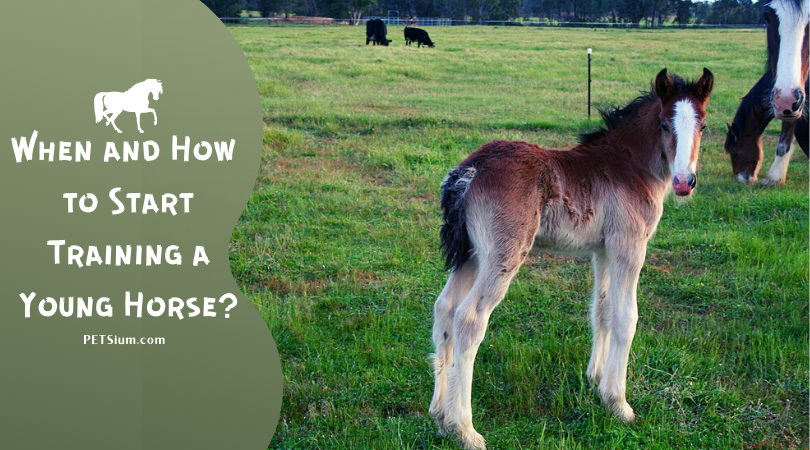
A cute baby horse is called a foal for the first twelve months of his life. The mare carries the foal on average for 335 days. It can be anytime between 320 and 350 days. Usually within an hour the foal is on his feet and trying to suckle from the udder.

foal training

Foals that are handled within twelve hours of birth must be treated quietly but also firmly. All foals are different; some are very friendly others are timid and shy.

To catch the foal you will need two people, one to hold the mare while you catch the foal. It can be quite tricky and he may try to escape by going in front or underneath the mare.

He should be caught with one hand around his quarters and the other hand around the front of his chest. Once you have caught him, give him some attention by gently stoking him.

Foals stay close to their mother until approximately six months old, after that they are weaned. Weaning is separating the foal from its mother.

When it is Best to Start Training the Horse

Horse training is something should start as a foal. You’re probably thinking about some of the horses that start off as two year old without a hand ever being laid on them and they turned out fine. That’s true.

But I would almost bet that even though they never had a hand laid on them their whole life, they’ve also never had a cruel hand laid on them. That’s different.

If a horse is started with cruel treatment it will take a fair amount of kindness and patience to get it over that. With horse training you have to have the patience and affection to give it when needed but you also have to have the wisdom and care to be firm when necessary.

Horse training is like training your kids. They will do what they want if you let them but you have to steer them in ways that are constructive and needed for a good relationship.

There is not a lot of horse training that you can do with a foal that includes a saddle but there is so much more that you can do. I like to start with the horse training as soon as possible.

Teaching a foal to lead is the first I suggest. Making sure that they know you are a friend and not a foe should have already been established. To train a foal to lead you get a small foal halter and place it on them with a long lead.

A long lead is good so that way you can take the excess lead and loop it around their rear (right below their tails but above their hocks) so that way when you pull on their halter it also applies a little pressure to their rear to let them know that it is time to step forward.

While the equine foal is far too young to be ridden, it is still able to learn skills it will need later in life.

By the end of the foal’s first year it should be:

  • Well handled
  • Foal-slip trained
  • Stand tied up
  • Halter trained
  • Weaned

Foal Handling

An infant pony or horse is known as a foal. By handling the foal you will teach it good manners and it will develop into a horse or pony that respects you but is not afraid of you.

The foal ideally should be handled every day, spending as much time as you can with it. Run your hands all over him, rubbing, scratching and stroking every part of his body.

Handling foal’s legs

When you stroke the legs, start at the shoulder or hindquarters and work your way down. So in other words start from top to bottom.

Lifting the foot

When the foal is used to you touching his legs, try picking up his feet using your voice command saying “up!” Lift the foot a few inches off the floor to begin with.

If the foal struggles with you, hold it gently but firmly until he accepts this. Waite for a second and slowly release the foot.

Each time you practice, try keeping the foot up for a longer period.

Problems lifting a horse’s leg.

It is unnatural for a horse to stand on three legs. It is not uncommon for a horse to plant their legs firmly on the ground and refuse to allow them to be picked up.

Ask a helper to turn the horse’s head in the opposite direction, thus shifting the weight and making it easier and lighter for you to lift the leg.

Safety measures:

  • Foal handling must be done with care.
  • Some foals are bold, while others are timid.
  • Sudden moves might frighten it.
  • Stroke a foal; do not pat it, as this will scare it.
  • When lifting a leg, horses have been known to rear and also kick out.

Foal-slip Training

While the equestrian foal is far too young to be ridden, it is still able to learn skills it will need later in life. Once the animal is used to you being around it, you can introduce it to a foal-slip, this is also known as a head collar.

Let the foal get used to it first, he may want to sniff at it. A head collar with an adjustable noseband is the easiest to use especially if the animal is nervous.

Place it around the foal’s neck with the lead rope attached, then move it up slowly towards the top of his ears and do it up. Finally fasten the noseband.

Repeat this exercise a couple of times a day until it accepts this as part of a daily routine.

Safety precautions:

  • Do not pull on the its head when putting on the head collar. It is easily frightened.
  • Never turn it out with a foal-slip on. A foal is curious and can easily get caught up on fences and posts by rubbing and scratching.

Train Foal to Stand Tied Up

At this stage in foal training he should be well handled and familiar with the foal-slip. Firstly tie the mare up so she doesn’t get in the way. Put the head collar on the foal.

Next put the lead rope through the metal ring that should be attached to the stable wall in order to tie the horse up.

Keep the end of the rope in your hand and stand to the back of the foal with your other hand on its quarters, this way you will be able to encourage it to move forward each time it leans back on the rope.

The foal will gradually learn that by taking a step forward it takes pressure off its head. When the foal accepts this tie it up using a quick release knot.

When the foal pulls back on the lead encourage it to go forward by standing near its hindquarters and putting your hand behind it.

Stay with the foal until it is calm. When you decide to leave it, make sure you’re in earshot of it in case there is a problem.

When you untie the foal, make it stand for a short while before you let it go; as you don’t want the foal developing a bad habit like moving off quickly the moment you release it.

  • There should be nothing in the stable that can get in the way, like buckets or hay nets.
  • The metal ring should be set high enough up the wall in order to prevent foal problems occurring like getting a foreleg over the rope.
  • Loop a piece of baling cord to the attached ring first.

Tie to the cord as it is easier to cut in an emergency if you have problems with untying the knot.

Leopard-Appaloosa-Foal

Halter Train a Foal

How do I train a foal to lead? The cute foal should be well handled, foal-slip trained and should stand tied up before you teach it to lead.

You will need to put the head collar on the foal and attach a lunge line to it. A lunge line is a very long lead rope, which has many uses.

You will need someone to lead the mare out of the stable and the foal will follow with you holding the line on a light contact and long rein standing some distance behind it, so it remains calm.

The next step is to try and get the foal to stand still and ask the mare to walk on a few feet. When the mare is standing still ask the foal to move forward towards her.

Following on from the above halter training is to teach the foal to lead away from the mare.

It is easier to get someone to help you, as one needs to lead and the other encouraging it forward by putting their hands on its hindquarters.

You can encourage the horse forwards by using a long stick or schooling whip, held behind your back. Remember to use your voice commands first “walk on!” followed by a gentle touch with the stick.

My foal will not move forwards!

If the foal braces itself and you are on your own, stand to its near side holding the lead rope closely to the head collar.

Then take hold of the end of the rope in your right hand and pass it over to the other side, by the foal’s withers allowing the rope to fall down around its hocks.

Slowly take up the slack with your right hand. Encourage it to go forward with your left hand.

If the foal is not responding apply gentle pressure to the lunge line around its hocks. If gentle pressure has no effect you may need to be quite firm.

Safety precautions:

  • Train in a quiet area where there are no distractions. If the mare is upset and stressed the foal will react to this situation.
  • Never pull, tug or drag the foal, it will end up leaping in the air or running backwards.

Foal Weaning

When a foal reaches the age of six months it is usually separated from its mother.

It is much easier if the foal has been well handled, be able to lead on his own and been introduced to hard feed before it is weaned.

The majority of foals are born in the spring time, so weaning time is most likely to be in the autumn. If the foal is not of a hardy type, it is probably better to bring it in during the night for its first winter.

This will also give you the opportunity to handle it on a regular basis.

If you do decide to keep the foal out at night, a field with shelter is important. You also need to visit the foal at least twice a day.

If the foal is already used to hard feed like foal pellets, then it is less likely to loose condition when taken away from its mother. The foal needs to be brought in to a stable with a quiet companion horse to act as a “nanny”.

They will need to be kept in for at least 24hrs. Afterwards they can be turned out into a small, well-fenced paddock out of earshot of the mare.

If the mare or foal can hear each other, it can be very stressful for both.

If it is not possible to remove the mare out of earshot, then ride the mare out while the foal is shut in with the companion horse. After a week or two the foal and companion can be turned out separately from the mare.

Training a Young Horse

The best way to train anything is to start from the beginning. It’s hard to get a big dog and have it know everything that you want for it to know.

But if you get it as a puppy you can raise it the exact way that you like and make sure that it knows every single thing that you want it to know. It’s the same with horses.

If you start with your horse training with a colt you can make sure that it knows everything that you want it to know before it ever has a saddle on its back.

With horse training a colt you can’t just pull and pull until they come. You have to try the pull and release method.

You tug until they take a step forward and then release them and repeat over and over with praise after a while. It is also good if you can do this with someone else leading their momma so that they really want to follow you.

You can also work on the horse training of your foal by desensitizing it to many of the things it will see when it’s old enough to be saddle trained. Take it for walks when you go trail riding on your horse, take the lead and gently move it around their feet.

You can even take a feed sack or trash bag and rub it all over them to let them know that the weird sound is nothing to worry about. And mess with their heads. Literally. Mess with their ears, inside and out. Rub them as it actually is really relaxing to a horse.

Some might not be lucky enough to get a horse that they can raise from a foal all the way up to riding age to begin their horse training. You might get a horse that is three or four or even ten and hopefully broken in.

These are only some of the few suggestions I have in horse training your foal. They will give you a good head start for when it gets old enough for that saddle.

Категорије: Horses

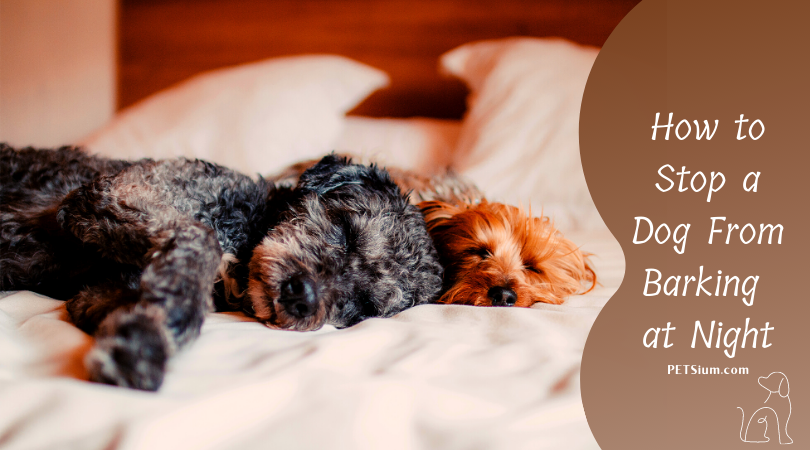
How to Stop Dog Barking at Night

фебруар 11, 2021 By liv parmel

Oh no! Is that dog keeping you up again at night? I know it can be frustrating when my own neighbor’s dog would stay up and howl at the moon all night long.

Why do dogs bark at night?

What can you do to stop dog barking at night when it gets out of hand?

how to stop a dog from barking at night

Your dog is up all night yapping over God-knows-what and it’s keeping you awake or running the risk of getting your neighbors on your bad side

or?

Your neighbor’s dog is at it again barking at every stupid insignificant grasshopper or cat that twitches at night. What can you do?

Stop Your Dog’s Unnecessary Barking!

First things first, if your dog is keeping you up at night with their constant barking, find out the source of why your dog is barking. It’s most likely because of their annoying habit but could your dog be barking at a suspicious stranger walking past your house? Could they be barking at a stray animal in your backyard? For whatever reason, figure out if there is a reason why your dog is barking.

Next, in order to stop dog barking at night, don’t shout back at your dog. Shouting back at your dog may only worsen the situation and intensify their barking. This is like the equivalent of when you yell really loud and your buddy yells back “Hey! You wanna get a nice cold beer, bro?” Of course we’re going to keep barking!

Use one word commands when you’re trying to get your dog to stop barking at night. Dogs can only recognize a few words verses sentences. Stick to one word commands like “Stop” or “Quiet” to cease their barking. Make sure you look at your dog in the eyes when you do this. This is a good way to stop dog barking at night.

Also, don’t forget to reward your dog with a “Good Boy/Girl” or treat so they know you still love them even though the whole neighborhood was pounding on your door to get your dog to stop barking at night. When you reward your dog with a treat, make sure he or she has stopped barking first, otherwise they may think you’re rewarding them for barking.

Another way stop dog barking at night or to silence a dog (without hurting them of course) is to startle with noise! Their hearing is a double edge sword, they have super hero hearing as well sensitive hearing.

So next time your dog wakes you up at night, surprise them with a little noise of your own. A whistle or any sort of noise maker, preferable something that makes a loud pitch noise, can usually startle your dog into silence. Next time your dog sees you approaching with a loud noise maker, barking will be the last thing your dog will want to do.

If nothing else works for your dog, you can always resort to spraying them with water (just a soft mist, so put down the fire hose there, cowboy) along with a firm “Stop” in order to stop dog barking at night.

You might also want to keep in mind the breed of dog you want before adopting a dog. There are dogs out there that have a reputation for barking and while some other breeds are known to be quieter.

If you live in a neighborhood where all the houses are really close together, you may want to avoid getting a noisy Yorkshire Terrier, Cairn Terriers, Fox Terrier and a West Highland White Terrier.

Controlling Excessive Barking

You need to be able to control your dogs barking whilst you’re at home. Try to arrange a situation where your dog barks excessively for example, ask someone to knock on your door or make a sound that you know will make your dog bark. Your dog will then race to that sound and start to bark loudly, you then need to grab his collar whilst at the same time giving the command ‘quiet no barking’.

stop barking dogs

Your dog should then stop barking, once your dog stops barking give him lots of praise and reward with a doggy treat if available. If he continues to bark wrap your fingers around his muzzle to close his mouth. This needs to be firm so use both hands if you need to and give the command again ‘quiet no barking’. You may need to do this several times before your dog realizes what you want him to do, be patient.

Dog barking in excess is not acceptable to people especially at night. The important thing is to find out what is causing your dog to bark excessively in the first place. This may take a few days of observation to discover what is causing your dog to react with this behavior. You can sometimes find the reason for your dog barking excessively through asking your neighbors if they know of any reason why your dog barks so much especially if you are out and not able to observe.

There are other ways to observe your dog barking with the use of video cameras or setting up a voice recorder to see if there is any sort of pattern to your dog’s behavior, hopefully, this will bring to light what is causing the problem which will then give you the steps to help correct the problem.

When dogs are left alone for long periods of time with no stimulation and confined to a small area they will become bored and frustrated. When this happens they will find ways to relieve the boredom and give signs to their unhappiness by barking.

If your dog is left with little food or water or a toy with which they can play with again boredom and frustration will set in which may then lead to more excessive barking. Your dog needs lots of stimulation, take your dog for lots of walks get him to socialize with other people and dogs, play with your dog regularly.

The most stressful time for us is hearing a dog bark excessively during the night when you are trying to get your well deserved sleep, this is all you need in the middle of the night is to suddenly hear your dog barking and upsetting those all around you. This can really play on your nerves and your neighbors.

Being a responsible dog owner means you need to do all you can the resolve the dog barking habit. Dogs are born to bark, it is a natural thing for them to do, you are not trying to stop your dog from never barking but you are trying to stop the excessive barking that cause you so much stress. Constant yapping does strain your friendships with your neighbors and can cause ongoing resentment.

If your problem is that your next door neighbor’s dog is driving you crazy at night with their endless barking, mention this article to your neighbor. They might be just as fed up with their barking as you are and want to stop dog barking at night as well.

Категорије: Dogs

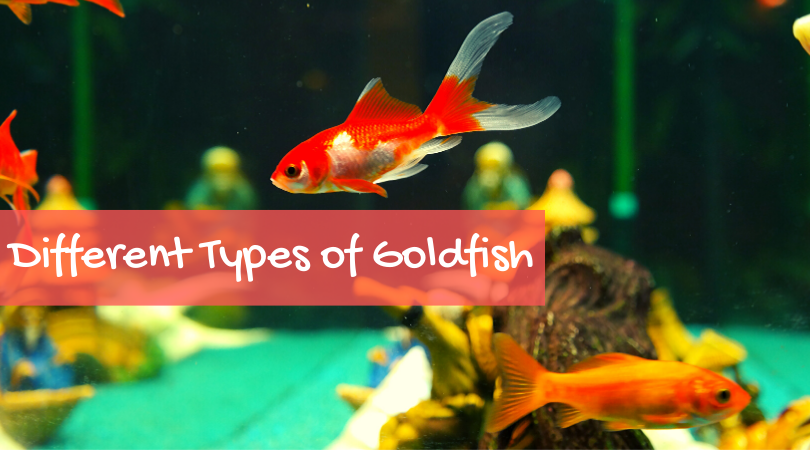
Goldfish Varieties: 16 Types Of Goldfish

јануар 13, 2021 By liv parmel

Do you love Goldfish? If your answer is yes, then you need not to worry since there are so many varieties of Goldfish for sale.

Goldfish are extremely appealing, and this is a fact. This is due to the fact that their appearance, even if not particularly colorful, can really draw a person’s attention. When people talk about goldfish, they usually refer to fish that are gold in color.

In some ways, they are correct, as there are Goldfish that are gold in color. However, they are also incorrect in that not all Goldfish are gold in color. There are several different types of goldfish, each with its own color.

Goldfish Color Varieties

There are colors ranging from yellow-orange to black. Black, brown, and the wild green goldfish colors are caused by different combinations of the black and yellow pigment cells. Blue goldfish occur one of two ways. They have a large amount of guanine and the absence of orange, with some black, or by the black pigmentation being further down in the skin. Red or orange goldfish occur when few or no black chromatophores are present within the fish. Silver or white fish have no pigmentation in the skin and only guanine. Albino goldfish lacks pigment everywhere. They have pink eyes.

It is not uncommon to have a beautiful black moor turn orange. Color changes in goldfish does happen! Black and white goldfish tend to change colors as well.

Varieties Of Goldfish

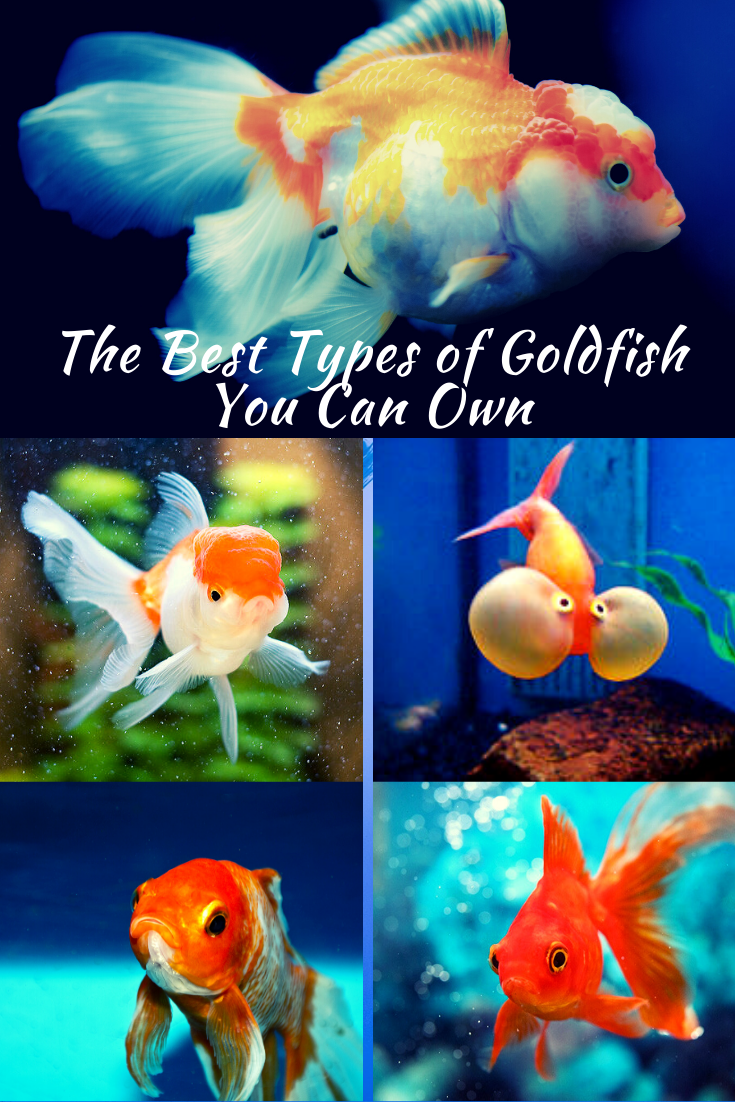
There are more than twenty types of Goldfish. Before deciding which type is best for your aquarium, it is best to get to know a bit about each of the varieties. Below are brief descriptions of several varieties of Goldfish to help you choose the one that is right for you.

Types of Goldfish

Common Goldfish

The Common Goldfish are normally shaped fish. They can grow to be 12 inches and live 20+ yrs if cared for properly. They are often sold in petstores as „feeder fish“. They have short finnage and are most commonly found in the „orange“ color. They can be red and white, brownish green, or green.

Because this is a coldwater fish, you do not have to worry about heating the tank. This fish is fairly low-maintenance and is a good choice for beginners. This fish can grow greater than ten inches.

Lionhead Goldfish

Lionhead Goldfish are another popular choice among those who are trying to add a bit of color to their tanks. While the bodies are light colored, they have a shock of red right above their eyes. This fish lives between five to ten years, and reach a length of up to six inches. The tank water should be kept around 60 degrees.

The Lionhead Gold Fish has a strange wart-like growth covering its head. This becomes visible around 4 months after birth. How well the growth develops depends on how the fish are raised.

Tubifex and bloodworms are fed in large quantities to Lionhead Goldfish types, and the water is kept free from algae. To support a good ‘hood’, Goldfish with broad heads are preferred. Culling is needed to get good specimens of Lionhead Gold Fish.

One more unique features of the Lionhead Goldfish is the lack of a dorsal fin. Those Lionheads showing traces of dorsal fins are culled. The caudal fin is double, and other fins are short.

Lionhead Goldfish types are available in matt and colored forms. The Lionhead is very delicate and often unnecessarily kept at high temperatures deliberately. It is however recommended that the water be kept warm (above 13 C) at all times.

The hard warty growth makes the gill plates inflexible and places a strain on breathing, so well aerated water is essential.

Oranda Goldfish

Similar in body shape to the Lionhead Goldfish, the Oranda is one of the types of Goldfish that also has warty growth covering its head. But on this Gold Fish, the growth on the forehead is most pronounced.

The hood becomes visible at approximately 6 or 7 months of age. The Oranda Gold Fish has a very prominent dorsal fin. The caudal fin is very much like a Veiltail. Colors of the Oranda Goldfish vary and include combinations of red, orange, white, yellow, gray, blue and black.

Ryukin Goldfish

The Ryukin is specifically known for it’s hump behind the head of the Goldfish. It also has a pointy head when compared to other species of Goldfish. As far as the tail layout, the Ryukin can have numerous styles of tails. Triple tails and doubles and so forth. The coloration of this species can be calico (mixed colors) as well.

The easiest distinction to tell a Ryukin Goldfish from others, is it’s very high rear dorsal fin. The „caudal“ fin is most likely twice the length of the body when measured. Colors vary to all sorts of Goldfish colors.

Pompom Goldfish

These Goldfish are another example of why Goldfish are a good way to add variety to a freshwater tank. This fish has long tailfins, giving them a unique look. They only grow to five inches and live up to ten years.

The Japanese Pomponis a Goldfish type that has a body similar to the Oranda Gold Fish and has fleshy appendages or pom poms hanging from its nostrils.

The Chinese Pompom, or Nariyal Bouquet, has the body of a Lionhead Goldfish and the growths from its nostrils are more rounded than those of the Japanese Pompom. They move noticeably when the Goldfish swims.

Comet Goldfish

Comet Tail Goldfish (or Comet Goldfish) is the type of Goldfish that was developed in the United States at the end of the 19th century. The Comet Tail Gold Fish is red, or red and white, in color and the scales are metallic.

The caudal fin is as long or longer than the slender body and the dorsal fin is deeply concave and pointed at the rear. This hardy Goldfish is one of the most active and will live and breed quite safely in an outdoor pond or Goldfish aquarium.

These are more like the common goldfish but with longer fins and skinnier bodies. They have a more slender look than the common goldfish.

Fantail Goldfish

The Fantail Goldfish is quite popular, and one reason for that is that the fish is available in a wide variety of colors. Keeping the Fantail Goldfish is one way for freshwater hobbyists to add a bit of color to their tanks.

The fish can be kept in either a tank or a pond, but keep in mind that they will likely not survive in very cold water. This is another good choice for beginners. They grow up to six inches and can live for more than ten years.

A plump, oval bodied Goldfish, the Fantail Gold Fish is one of the more fancy varieties which will live in both the aquarium and outdoor pools. The fantail is one of the older varieties of Goldfish and is believed to have first appeared in Europe in the 16th century.

Fantail Goldfish is a type of Goldfish found in both matt and metallic versions, the latter often having the coloration of the Shubunkin Goldfish.

The main characteristic of the Fantail Goldfish is the caudal fin which is about half the length of the body and has 4 lobes. The dorsal fin is high, the front part is nearly vertical. The ventral fins of the Fantail Gold Fish are rather large and the anal fins are paired.

They are usually a shorter fish with double tails and more round bodied. If they have long fins they are named veiltails. They have a head that is more pointed and have no head growth. Their fins tend to be more size proportioned to their bodies.

Veiltail Goldfish

Veiltail Gold Fish first appeared in the U.S. as a variation of the Japanese Fantail Goldfish.

The paired caudal fins of the Veiltail are twice as long as the near spherical body, and hang at an angle of 45 degrees from the lateral line. The caudal fins are squared off at the ends, like they had been cut off with a knife. For commercial motives, some Goldfish sales people have been known to do that too!

Veiltails have very high sail-like dorsal fins that are three quarters the height of the body, and their long paired anal fins should be partially hidden by the caudal fins. Both metallic and matt versions of this Goldfish are in existence, the latter being as colorful as the Japanese Shubunkin Goldfish.

The Veiltail Goldfish is one of the types of Goldfish that are less hardy and should not be kept in an outdoor pond or in cold water (below 10 C). Veiltails require more protein and so should be given a considerable amount of live food.

Veiltail Goldfish also require a larger swimming area, because if they swim in cramped areas, they have a tendency to damage their delicate finnage.

Goldfish Varieties

Black Moor Goldfish

The Blackmoor Gold Fish appears only with telescope eyes. In fact, black color seems linked genetically to telescope eyes. No all-black Goldfish with normal eyes have been found.

The Black Moor is one of the types of Goldfish similar to the Veiltail Goldfish and Fantail Goldfish. These fish are very delicate and cannot be kept in outdoor ponds. Even when you keep Black Moor Goldfish in aquariums, you need to maintain a temperature of 16 C or higher. Some Black Moor Goldfish fade in color as they age, and turn bronzed.

Shubunkin Goldfish

Shubunkin is one of the handsome matt Goldfish types that was first bred in Japan in 1900.

The Shubunkin Goldfish is single-tailed, somewhat resembling the Common Goldfish in shape, but its coloration is unique. The background color is usually bright blue, being unevenly blotched with intense black, red, gold and brown.

The translation of Shubunkin is ‘red brocade’. In the U.K., two varieties of Shubunkin Goldfish have been developed – the ‘London’ and ‘Bristol’, both of which have similar coloration but different finnage.

The fins of the London Shubunkin Gold Fish resemble those of the Common Goldfish, while the Bristol Shubunkin Gold Fish has a longer tail and a higher dorsal fin as seen in the Comet Goldfish. Both varieties of Shubunkin Goldfish are hardy and will breed in large indoor tanks or outdoor Goldfish ponds.

Young Shubunkin Goldfish assume adult coloration fairly rapidly and if well fed, will reach sexual maturity in less than a year. But they are delicate until 6 months of age and should not winter in outside ponds until this age.

Bubble Eye Goldfish

If you are wondering what on earth are those fishes who have eyes that wanted to explode and burst out then those fishes are called the Bubble Eye Goldfish.

Maybe the most abnormal looking of the other Goldfish, the Bubble Eye has two fluid sacs below the eyes. These sacs are filled with a fluid and these can easily pop.

Aquarium owners of these fish must be very careful when adding tank decorations so that the fish does not puncture these sacs. Specialists advise that these large sacs do not rid the fish of any movement or senses, but I have to personally disagree.

Another different physical feature of this type of Goldfish, there is no rear fin on it’s back like most species of Goldfish. Most species of Goldfish has a dorsal fin on the rear of the back.

There are bubble eyed fish that is in red color, some are in silver like color, some are spotted, and the common are the black bubble eye fish. Actually, their eyes are the part that attracts the people the most.

Pearl Scale Goldfish

Pearl Scale Goldfish have a fatter shape with a bulging middle and their scales look as though a white pearl is beneath each one. They are shaped similar to a ball. They have double-tails and if they have head growth they are called Hamanishiki.

Telescope Eye Goldfish

Telescope Eye Goldfish are so named because of their large protruding eyes. This feature gives them a unique look which many hobbyists find appealing. The amount of care that they need is a bit more than other types of Goldfish. For that reason, these are not the ideal choice for beginners.

Their eyes are quite sensitive to damage and they have quite poor vision. Therefore, it is not a good idea to keep them in a tank with decorations or accessories that have sharp edges. They grow up to eight inches and live up to ten years.

Telescope-eyed Gold Fish have their eyes elevated by fleshy protuberances and they are found on Fantail Gold Fish and Veiltail Gold Fish. The characteristic appears when the Goldfish are around 1 month old. The eyes enlarge as the Gold Fish grow.

The Telescope Gold Fish is one of those Goldfish types which must be symmetrical, as otherwise any imbalance or lack of symmetry would make the Goldfish inferior.

Celestial Goldfish

Celestial – This goldfish has a double-tail without a dorsal fin. They body is cigar shaped. The eyes look upward.

Exotic Eyed Goldfish

Some varieties of Fancy Goldfish types have highly developed eyes and need much attention.

You need to take care in feeding these fish because they have limited vision that makes it harder for them to find food unless it is floating directly above them. Unless you have a lot of time to give adequate attention to these Goldfish, it is not recommended that you keep Exotic Eyed Gold Fish.

Ranchu Goldfish

These fish do not have a dorsal fin but do have head growth. They are not long and slender but more circular in shape. The curve of their back is more noticeable than that of the lionhead.

Goldfish Tail Types

Single Tail Goldfish – were among the first, bred by the Chinese. They are the easiest to breed and by far the hardiest. If placed outdoors in a pool they can grow to be 12 inches long in a matter of 2 years. They have been known to grow 2 feet long. They get much larger than the fancier types.

Comets and Shubunkins fall into this category

Double Tail Goldfish – have short bodies and long finnage. They will grow to about 10 inches within 3 years.

Ryukins, Veil-tails and Fan-tails have double tails

Lionheads are double-tailed with no dorsal fin

Veiltail Goldfish – are egg shaped and have long finnage. They have pointed heads with no head growth. They have double-tails that are very square and a very high dorsal fin.

Goldfish Finnage Types

Caudal or Tail Fins vary greatly among the different varieties of goldfish. This structure consists of a flat membrane supported by fin rays. It develops from a single tail (two-lobed) to the doubled or bilaterally-paired fins (four-lobed).

Anal Fins can develop into short or long, single or double types. Double-tail or Fantail varieties must have double anals, and they should be of equal size.

Dorsal Fins should be 100% there or not there at all. The breeds of goldfish that lack a dorsal fin should be evenly covered with scales. There should be no stump showing.

Pelvic & Pectoral Fins vary in shape and size depending on the breed. They should be similar in pairs as well as straight.

Keep in Mind

The above is only a few of the many varieties available. Some are easy to care for, while some require a bit of experience. Most types of Goldfish prefer to live in communities. It is not a good idea to keep a Goldfish alone in a tank.

It is also not a good idea to keep them with aggressive fish. Not all types of Goldfish can be kept together. Be sure to check that each type you would like to keep are compatible before placing them in the tank together.

Goldfish are a fun hobby. It does not have to be expensive, but it can be depending on the type of fish and accessories that you choose. Start with a small 25 gallon tank to see if the hobby is right for you. More than likely you will get hooked and soon want to expand the size of your tank.

Goldfish are very lovely and beautiful type of fish that is why there are so many people most especially kids who love to have it. The good thing about this type of fish is that they are so colorful and that they are so shining shimmering splendid making them so attractive to look at.

Well combining all the types of Goldfish in one aquarium will surely make you happy.

Related:

Goldfish Names: 320+ Cool, Unique Names For Goldfish

Категорије: Goldfish Тагови: Goldfish varieties, Types of goldfish

Burmese Cat Facts

децембар 28, 2020 By liv parmel

Burmese cats are a popular breed of pet cat, both in the UK and America, but the American Burmese has a few distinct differences to the British Burmese due to different breeding programs and the Governing Council of the Cat Fancy in Britain recognises several more color than the American Cat Fanciers Association.

Information on Burmese Cats

Burmese Cat Breed Information

The name “Burmese” means fortunate, beautiful, and splendid in the Thai language, and is a very apt description of this lovely cat. The modern Burmese cat breed is split into two distinct sub-groups of cats: the British Burmese and the American Burmese.

Modern Burmese cats are descended from the descendents of a female cat known as Wong Mau who was brought to America from Burma in 1930. Cat registries do not normally recognise the American and British Burmese cat as two separate groups, but occasionally the British Burmese is referred to as a European Burmese.

British Burmese cat characteristics mean they are more oriental in appearance when compared to their American cousins and they have a distinctly triangular face. American Burmese cats tend to be stockier and rounder all over. The Siamese influence is now considered a fault in showing circles, as is the stocky quality often seen in the American Burmese cat.

Burmese cats are known for being extremely vocal and they will often call to their owner. Their meow is softer than that of a Siamese cat, but can be just as persistent when they want attention.

Burmese is a friendly cat and can be taught to fetch toys just like a dog. These cats enjoy being sociable and if allowed out, Burmese cats will soon seek out the company of other people to play with, which is a good reason to keep Burmese cats as house pets. Burmese cats are good with children and dogs, and are happy to play and be played with, even when old age finally catches up on them.

Unlike some other breeds of cat, Burmese are not known for their aggressive qualities and are usually fairly passive in nature. However, they will defend themselves against attack, even when the opponent is considerably larger than they are!

Burmese Cat Colors

When Burmese cats were first recognised as an official breed, they were predominantly a sable brown color, but due to selective breeding practices, there are now a wide variety of other colors found. Different breed registries have different rules as to which colors are acceptable.

In the UK, the Governing Council of Cat Fancy accepts the following colors: brown, blue, chocolate, lilac, red, cream, brown tortoiseshell, chocolate tortoiseshell, lilac tortoiseshell, blue tortoiseshell. In the USA, different cat registries recognise different colors, and some only accept the first four colors. All Burmese cats should have darker shading on their back that gradually lightens up beneath the body. Spots and stripes are not allowed.

Burmese Cat Characteristics

There are a number of Burmese Cats characteristics that make them very popular as pets. They are a beautiful cat and are known for their intelligent and affectionate nature. Very much a “people cat”, Burmese cats seek out human company and are not usually very happy being left alone for long stretches of time.

Burmese are a compact and muscular cat with a thick velvety coat. They are not terribly big, although the male is always larger than the female, but they are quite solid in build and are usually heavier than they first appear. Like Siamese cats, Burmese cats are very vocal. They are an affectionate cat that often develops a very close relationship with their owners.

A relatively small cat, Burmese cats are usually weigh around 4-6 kilograms, although they can be heavier than they first appear due to their muscular frames. A Burmese cat will often live to about 16 or 18 years old, which is older than many other pedigree breeds of cat.

Burmese Cat Behavior Problems

Burmese cats are extremely intelligent cats, which can sometimes lead to Burmese cat behavior problems. They can be a demanding breed of cat and they very much enjoy human interaction. Most Burmese cats live quite happily with their family and never cause any problems at all, but occasionally a Burmese cat behavior problem will manifest itself.

Like other pedigree cat breeds, Burmese cats are sensitive to changes in their home environment and do not always adjust to new pets or babies very well, particularly if they have been the only pet for a long time. Burmese cat behavior problems can take many forms. Some cats show aggression towards a new pet, whereas other will begin vigorously scent marking everything in sight.

What types of negative behavior can a Burmese cat show?

A common Burmese cat behavior problem is scent marking. Many cats exhibit this behavior as a response to the addition of a new cat or dog to the family. The Burmese cat will typically scent mark furniture or curtains in protest. Not only is cat urine extremely unpleasant, it is also very difficult to eradicate the smell due to its chemical composition.

Scratching furniture is another very undesirable trait. This can cause an enormous amount of damage and if you have expensive wooden furniture, you will naturally want to curtail the behavior.

Aggression towards the new pet or baby is a big problem. If the victim is another pet, the balance of power is very often shifted once the new pet is older and more able to defend itself, but if the target is a baby or young child, you have a serious problem.

All three problems can usually be cured by Feliway. This is a natural product designed to relieve stress in cats. Feliway is an artificially produced copy of a feline pheromone. A plug in Feliway diffuser disperses the liquid and within a short time, you should see a reduction in your cat’s behavior problems.

Excessive meowing is a less serious problem, but annoying nonetheless. Burmese cats have a rather loud meow and can be quite demanding when they want attention. The usual solution is to ignore the excessive meowing until the cat learns that meowing is not rewarded with attention.

If the behavior problem manifests itself as obsessive grooming leading to skin problems, you will need to seek the advice of your veterinarian.

Burmese cats are intelligent enough to train, so as long as you avoid rewarding negative behavior with attention, you stand a very good chance of eliminating the problem with patience and persistence. Just remember, your cat cannot tell you when he or she is unhappy, so try and be understanding with your Burmese cat.

burmese-kitten

Burmese Kittens

Before buying a Burmese kitten, you need to give plenty of thought to whether owning a Burmese kitten is going to be right for you and your family. Burmese cats are not like other breeds of cats: they are demanding and need lots of human interaction.

If you work long hours and the kitten is likely to be left alone for long periods of time, this will not be ideal and you will probably end up with an unhappy Burmese cat. Worse still, if you allow your new Burmese kitten the freedom of roaming in the outside world, it is likely to go looking for companionship elsewhere, and since Burmese cats have very little road sense, that could end in disaster.

The other scenario is that your Burmese kitten will sleep all day while you are out, and then decide to play all night while you want to sleep! Or worse, seek therapy by destroying your home in new and inventive ways!

Burmese kittens are great fun. Like many pedigree cats, Burmese are very intelligent and have strong personalities. They will tear around and keep you amused for hours with their playful antics. One kitten will be playful on its own, but two will be exhausting to watch. You may need to place all valuable ornaments safely away in locked cupboards, or alternatively stick them down with sticky pads to avoid any unnecessary accidents.

Treat a Burmese kitten in the same way you would a small child: think ahead for potential danger zones and place them off limits or make them safe. Be particularly conscious of upper level hazards such as cooker tops, as Burmese cats are very prone to jumping up and seeking out high spaces to explore.

Burmese kittens will accept other animals in the home and are tolerant of dogs. However, this is on the assumption that the dog knows its place in the family hierarchy: Burmese cat—you—dog. The dog will always be bottom of the pack and as long as the dog is happy to accept that, you will have no problems.

Once you have made your decision and are ready to take on a Burmese kitten, always buy from a registered Burmese cat breeder.

Never buy a Burmese kitten (or any kitten) from a breeder who cannot show you the kitten’s mum, and ideally the dad as well (although this will be less likely as many breeders use stud cats from different owners). Ideally kittens should have been raised in a family environment and socialized well with people: beware the breeder who keeps their cats in outdoor pens with very little human interaction.

Burmese kittens should be friendly, inquisitive, and healthy looking, Never buy a kitten that appears to be sick in any way—you might feel sorry for it, but buying it will only encourage the breeder to continue with their irresponsible practices.

Once you have found your Burmese kitten, take him or her home, and look forward to your life-long love affair with the Burmese cat!

Cute Burmese Cats

Burmese Cat as a Pet

Burmese cats enjoy human company and always prefer to have company. They are a very sensitive cat and are very good at interpreting human moods and feelings. Burmese are very good at picking up when you need some extra TLC and will immediately plonk themselves on your lap for a cuddle.

Whilst some cats do not mind being left alone for periods of time, Burmese cats are not suited to this and are likely to become distressed. This can manifest itself in many ways, including some destructive ones!

If you leave your cat at a cattery for a week while you go on holiday, do not be surprised to find your cat refuses to talk to you when you return to collect them. Your cat will probably sulk for a couple of days as a protest for being abandoned.

Burmese cats are very intelligent and you will discover that you can teach your Burmese cat a few tricks. Like dogs, Burmese cats enjoy fetching and retrieving toys as part of a game and they still act like kittens even when they are quite elderly! They are usually quite tolerant of other cats and dogs, although they can sometimes object to the arrival of a new cat as they do tend to consider themselves “top cat”.

Not as temperamental as some pedigree breeds of cat, the Burmese cat makes a wonderful pet. They are great with kids and enjoy the interaction that children can offer, although as with all cats, you need to be careful when you have very young children.

They are a very friendly cat and if allowed outside, they are likely to make friends with everyone who lives nearby. Unfortunately, this can make then targets for theft and as a result, Burmese cats are better kept as house cats. They are usually quite happy to stay indoors, but if you have the space, you can always build an outdoor enclosure in your garden. If you wish to exercise your Burmese cat, they will tolerate a cat harness and lead, and you can walk the cat in the same way you would a dog.

Burmese Cat Lifespan

Burmese cats are fairly long-lived and often live to 15 years plus. If you are looking for a pet cat that is both affectionate and intelligent, Burmese are definitely a good choice. They make great family pets and will soon become a much loved part of the family.

Категорије: Cats

How to Groom a Horse

новембар 25, 2020 By liv parmel

A horse needs daily grooming. When you decide to perform this task for your hooved pets, you should allow about 45 minutes to an hour to complete it.

Horse Grooming

You’ll need a few grooming products in order to do the job well. A rubber curry comb, a body brush, a dandy brush, a hoof pick with an optional brush, a mane comb, a clean sponge, and a towel or rag. You might also want to use a mane and tail conditioner.

Begin by tying your horse securely, using a halter or cross ties with quick-release fasteners. Start on your horse’s left side, and pick up a front leg. Run your hand down the horse’s leg to the fetlock, and pick the leg up gently. Don’t lift it too high, or the horse might lose his or her balance.

Clean the hoof with the hoof pick, using it to loosen packed dirt. Be careful not to cut into the V-shaped area in the center of the hoof, known as the frog. If your hoof pick has a brush, use it to clean away any loose dirt; clean the remaining hooves in the same way.

Again beginning on the horse’s left side; use the rubber curry comb to loosen dust and dirt on the coat. Move the brush in circles to loosen the dirt beneath the coat. Don’t use the curry comb on your pet’s legs. These products are not designed for delicate leg areas.

You should also be very careful on bony parts of the body, such as the shoulders and back. Never use a curry comb or any stiff-bristled brush on your horse’s face, because a sudden head movement could result in injury to an eye.

After you’ve loosened the dirt, use the dandy brush to sweep it away. Use short movements, as you do when you’re using a whisk broom, twisting your hand at the wrist. This will sweep out the dirt that’s caught in the coat. You’ll probably see little dust clouds as you work. Bang the side of the brush against the ground or floor occasionally to clean it. Do the horse’s left side, then the right side, and the rear.

Next, use the body brush to smooth the coat. Move the brush in a downward motion, which will get rid of any bits of dirt that remain, and make your pet’s coat shiny.

Clean the horse’s face with a clean, damp sponge, wiping around the eyes and nostrils. Spray the mane with conditioner, if you like, and comb it with a plastic mane comb. A plastic product will break fewer hairs than a metal comb.

Spray Your horse tail with conditioner if you’re using it, and brush the tail with the Dandy Brush. Avoid using the mane comb because it tends to break the tail hairs. Finally, wipe the entire coat with a clean towel or rag. This will remove sweat marks and make your pet’s coat shine.

Last, always remember to be very careful when grooming your horse – let them know (by touching them gently) where you are at all times.

Everything You Need to Groom a Horse

When you groom a horse, you need a few special products that will loosen and remove dirt, smooth the mane and tail, and clean the hooves.

The kit for grooming your horse includes many brushes and combs with each having its own particular job, such as some listed below:

Dandy brushes use long bristles to get rid of surface soil from the coat, and are typically used on regions of the horses that are the least sensitive. Body brushes have a leather back and can be either tough or soft depending on your requirments. They are normally used to get rid of grime and riding dust from you’re horses’ coat and can be used in the sensitive areas of your horse’s body.

Alter brushing the horse, the curry comb is used to maintain the brush, not for disentangling the horse. It cleans off the dust and soil that accumulate on the brush so it will be for the following time you need it. The rubber curry comb is used to clean the horse’s mane and tail, to remove caked mud and loose hair.

Water Brush – you are going to use water when washing off or moistening your horse’s coat and this brush is needed when utilizing water on them.

The mane comb, true to its name, is used to comb out the mane and tail, and most normally is manufactured of metal and plastic. Short metal comb variants are used for drawing manes while other specific combs are used to reduce the thickness of the mane.

Hoof picks are used to take of soil, stone and other detritus that are collected in their hooves while horseback riding or feeding in the field.

Cotton fiber sponges are used for cleansing the eyes, nose and injuries, while a sweat scraper wipes off sweat from the horse or surplus water when washing.

A canvas bag with drawstring, as long as it has room for all the brushes, would make a great grooming kit.

Horse Grooming for Show Day

If you show your horse or if your pet gets especially muddy or dirty, you’ll probably want to use a shampoo periodically. Mane and tail shampoo products can be used on your pet’s coat, as well.

Mix them into a bucket of water, as directed on the bottle, and apply the mixture to your horse’s coat. After you rinse them out, follow up with mane and tail conditioner.

How to Groom Your Horse

To loosen dirt before a shampoo, or as part of a daily grooming, use a rubber curry comb. These combs loosen dirt when you move them in a circular motion over the horse’s entire coat. They’re not meant to be used on the legs, unless you can do it very, very gently.

After the curry comb, use a dandy brush to remove the loosened dirt. These brushes have stiff bristles, and let you sweep away the dirt. Again, you shouldn’t use them on your pet’s legs.

Never use any bristled brush on your pet’s face. It’s too easy to cause an eye injury if the horse moves or jerks. Instead, gently wipe around the eyes and nostrils with a damp, clean sponge.

Use a body brush to smooth down the coat after you remove the dirt. These products will also help to make the coat shine. Wipe the legs with a damp towel or rag, and gently brush them with the body brush.

Use a plastic mane comb to comb out tangles in the mane and forelock. For the tail, the dandy brush will remove tangles without breaking the hairs. If you haven’t used a shampoo, you can use a mane and tail conditioner before brushing to help remove tangles and make the mane and tail shiny and smooth.

To clean your pet’s hooves use a hoof pick. A pick equipped with a brush will let you brush away the dirt that you loosen. Use a stable cloth, a clean towel, or a clean rag to wipe your pet’s coat and make it shiny.

If you’re showing your horse, you might want to use a conditioning product on the towel for the final wipe. These products make the coat soft, smooth, and shiny. They shouldn’t be used in the saddle area, because they can also make the coat slippery.

The Best Tips and Tricks for Grooming Horses

Here are some tips collected from horse owners all over on ways to groom your horse more effectively:

  • Use whitening toothpaste to whiten socks and white face markings. Rub the toothpaste onto the white areas with your hand or a soft sponge and rinse clean. The white will be blinding.
  • Use cornstarch to freshen up white socks or white hooves, especially before going into the show ring or whenever you want your horse to look great.
  • To detangle a really matted tail or mane, take a gentle dish soap and wash the tail with that and then work out the tangle with a stiff brush.
  • Baby wipes are a great way to „spot clean“ your horse.
  • Use a chamois or microfiber cloth to „dust“ your horse after grooming. It will remove all the fine dust and hair that even the softest brush won’t remove.
  • If there’s no time to give your horse a bath but the horse really needs one, use a dry shampoo and a soft sponge to wipe the horse down.
  • Use a shine product like Show Sheen on your horse immediately after a bath and any barn dust that settles on the coat will slide right off.
  • If your horse has a pink or white nose always put some zinc oxide or sunscreen on the nose to protect it from sunburn.
  • Always brush in the direction of the hair growth except when you’re currying. Use small circles when you’re currying to loosen dead hair and dust.
  • If you can’t wash your muddy or sweaty horse, let the mud or sweat dry and then brush it off; don’t try to brush it off wet or you’ll just spread it around.
  • Use color enhancing shampoos to bring out the natural tones and highlights in your horse’s coat.

Grooming is very important to a horse’s health and overall well being. Grooming isn’t just cosmetic; your horse needs to be groomed every day to stay healthy. Grooming is also a good time to examine your horse and check the horse for any bumps or bruises or other injuries.

Horse Grooming Products:

Oster Equine Care Series 7-Piece Horse Grooming Kit

Oster Equine Care Series Horse Grooming Kit

Buy on Amazon


Equestria 8 Piece Horse Grooming Set

Equestria 8 Piece Grooming Set for Horses

Buy on Amazon


Borstiq Banana 5pcs Horse Grooming Brush Kit

Luxury Horses Grooming Kit by Borstiq Banana

Buy on Amazon


7-Piece Horse Grooming Kit by Weaver Leather

Weaver Leather 7 pcs Horse Grooming Kit with Bag

Buy on Amazon


Mane ‘n Tail 3 Pcs Horse Grooming Shampoo, Conditioner and Detangler

Mane'n Tail 3 Pcs Horse Shampoo, Conditioner and Detangler Set

Buy on Amazon

Категорије: Horses

How To Teach A Dog To Fetch in 9 Steps

новембар 20, 2020 By liv parmel

To teach a dog to play fetch is not rocket science but it does take a bit of free time and effort on the owner’s end.

Some dogs fetch by instinct while others need a little bit of training, but once they’ve gotten a taste for this interactive, fun game of throwing and retrieving, they will continuously indulge in such prey-carrying-like behavior. Playing fetch provides your furbaby with great mental stimulation and healthy physical exercise while strengthening your bond together. It also helps your dog with learning how to drop an object on cue.

how to train your dog to fetch

How To Teach a Dog To Fetch Step-by-Step

To teach a dog to fetch, you will need one ( or a few) of his/her favorite toys, an incentive such as some treats that you know your dog loves, a clicker ( but not necessarily), and a bit of time and patience on your part. It’s best to teach your dog to fetch outdoors but in an enclosed area such as a fenced-in public space or your backyard, because once let off the leash, you will want to make sure your dog doesn’t get distracted/run away. Alternatively, you can teach your dog to play fetch indoors.

Let Your Dog Choose The Fetch Toy

It’s essential to allow your dog to choose the fetch toy he/she is most interested in, as different dogs like different toys. Some dogs prefer tennis balls, some show more interest in rope toys, some enjoy chew toys or stuffed toys, while others love to play fetch with frisbees, wood sticks, or pine cones. Place a few toys on the ground so that your canine friend can choose the one that he/she finds the most fetching ( pun intended), and then put away the other toys.

Moving The Toy Around

Stimulate your dog’s interest by moving the toy around. Most dogs will instinctually and immediately show interest in any object that moves, so a little bit of movement may be all it takes for your dog to start chasing after the chosen toy. You can toss the toy in the air and then catch it, juggle it, wave it around, or any other movement you can think of to entice your dog into the game of fetch.

Encourage Your Dog To Touch His/her Nose To The Fetch Toy

Once you’ve moved it around for a couple of minutes, it’s time to check his/her interest, so start waving it around at your dog’s level. If he/she touches the fetch toy, you will then immediately click ( or clap if you don’t have a clicker), reward your furbaby with a yummy treat, and don’t forget to praise him/her.

Further Encourage Your Dog To Grab The Toy With His/her Mouth

If your dog touches the toy but doesn’t want to grab it with his/her mouth, be sure to get him/her to do so by tossing it for several more minutes, then holding the toy in one hand and keeping the treat in the other hand. Let your dog touch his/her nose to it again and then place the toy on the ground. If your dog uses his/her mouth to touch it, you should click, reward, and praise him/her. This way, your dog will start associate picking the toy up with a yummy reward.

Throw The Fetch Toy But Not Too Far Away

Once your dog has grabbed the fetch toy with his/her mouth, you can tell that your dog is ready to start playing fetch. Ideally, you should first throw the fetch toy no more than 5 feet away. If he/she heads in the direction of the toy and picks it up using his/her mouth, you will then instantly click or clap, give him/her a treat and lots of praises. This way, your dog will most likely understand that he/she is doing the right thing by picking the toy up every time you throw it and that’s why he/she is getting a delicious treat.

how to teach a dog to retrieve items

Getting Your Dog To Retrieve The Toy

Once your dog has grabbed the toy, you should head in the opposite direction. Getting your dog to retrieve the toy is typically the trickiest part of teaching a dog to fetch. To encourage your dog to bring the fetch toy back to you, you should head or run in the opposite direction as soon as he/she picks it up. Your dog will most likely follow you; be sure to avoid saying „come“ or saying his/her name. Keep in mind that your dog should _move towards you_, not vice-versa.

Teaching Your Dog To Fetch All The Way

If your dog drops the toy partway, you should click or clap and continue to run/move in the opposite direction. It’s important to avoid the urge to give him/her a treat or to praise him/her at this point because your dog needs to understand that dropping the toy partway to you is not an option, and he/she will not get a reward if he/she doesn’t bring it all the way back.

If Your Dog Brings The Toy Back, Throw It Again Immediately

It’s best to avoid holding on to the toy for too long after your dog has brought it back to you. While you can still reward your dog with a treat, be sure to do it fast and then throw the fetch toy again, because after all, the goal is to teach your dog to play fetch and love this game, not just the treats he/she gets.

Throw The Fetch Toy Gradually Farther Away

Once you’re confident that you’ve managed to teach a dog to fetch, you can throw the fetch toy farther and farther away. Every time he/she successfully brings the toy back to you, you should click or clap, reward him/her with a treat and heavily praise your canine companion. Optionally, you can say the word „fetch“ before throwing the toy and make it even more dynamic by holding your furbaby back for a while after tossing the toy.

The Bottom Line

If in spite of your efforts your dog only chases after the toy but doesn’t bring it back, or your efforts of teaching your dog how to fetch don’t prove fruitful at all, you shouldn’t despair. There are plenty of outdoor activities such as walking and hiking, camping, swimming, scent training, etc. that can be taken into consideration if somehow you can’t teach a dog to fetch. After all, enjoying some quality time together is all that matters.

Категорије: Dogs

  • « Go to Previous Page
  • Страница 1
  • Interim pages omitted …
  • Страница 4
  • Страница 5
  • Страница 6
  • Страница 7
  • Страница 8
  • Interim pages omitted …
  • Страница 22
  • Go to Next Page »

Primary Sidebar

Small Fish Tank

Glass Fish Tank

Категорије

  • Animals
  • Birds
  • Cats
  • Dogs
  • Fish
  • Goldfish
  • Guinea Pig
  • Hamster
  • Horses
  • Name Inspiration
  • Parrot Pet
  • Rabbits
  • Reptile Names

Скорашњи чланци

  • Hoppy Naming! Adorable and Funny Easter-Inspired Guinea Pig Names
  • Purr-fectly Adorable: Valentine’s Day Cat Names for Your Feline Friend
  • Astronomy Inspired Cat Names
  • James Bond Cat Names: Purr-fectly Suave Options for Your Feline 007
  • 170 Authentic Greek Names For Cats
  • Hippie Cat Names
  • Ladybug Facts For Kids
  • Unique White Horse Names with Meanings: From Majestic to Mystical
  • Disney Turtle Names: 160+ Names For Turtles From Disney Movies
  • 100+ Names For Black Horses With Meanings

Guinea Pig Cage

Large cage for your guinea pig

Ознаке

Best family parrots Best Gifts for Cat Lovers Best Hamster Toys Best parrot for beginners Best parrot for kids Best Small Dogs For Kids Boy Cat Names Can Guinea Pigs Eat Celery Cat Names Cat names for pairs Dog Behavior Dog Throwing up Dog Vomiting eat Female Bengal Cat Names Female guinea pig names Funny goldfish names Goldfish aquarium Goldfish names Gold Fish Names Goldfish tank Goldfish varieties Guinea Pig Guinea pig names Guinea pigs Male guinea pig names Manx Cat Names Names for Goldfish Names for guinea pigs Names for pink fish persian cat personality Siamese cats Small curly haired dogs Small dog breeds Sounds Twin cat names Types of goldfish Undigested food Unique guinea pig names What can guinea pigs eat Winter White Hamster Care Winter White Hamster Colors Winter White Hamster Diet Winter White Hamster Facts Winter White Hamster Life Span

Disclaimer:

This website „PETSIUM“ is not liable for any outcome or damage resulting from information obtained from these articles.

The articles provided here are for information and entertainment purposes only. The decision to use, or not to use, any of this information is the sole responsibility of the reader.

Any medical related content in any articles is not intended as diagnosis, treatment or prescription. It is not intended to be a medical advice and is not a substitute for professional medical advice. Please consult with a licensed health care practitioner if you are dealing with a serious medical problem.

Hamster Cage

Hamster Cage

Footer

Petsium – Veštačka Inteligencija

Dobrodošli na Petsium, vašeg novog saputnika za brzo, precizno i potpuno besplatno AI iskustvo. Ovde možete da postavite bilo koje pitanje – od pisanja eseja, preko tehničkih izazova u kodiranju, do saveta za svakodnevne zadatke – i dobićete odgovor prilagođen upravo vama. Sve to bez registracije, bez komplikovanih menija i bez skrivenih troškova.


© 2026 Petsium · Privacy Policy